
 English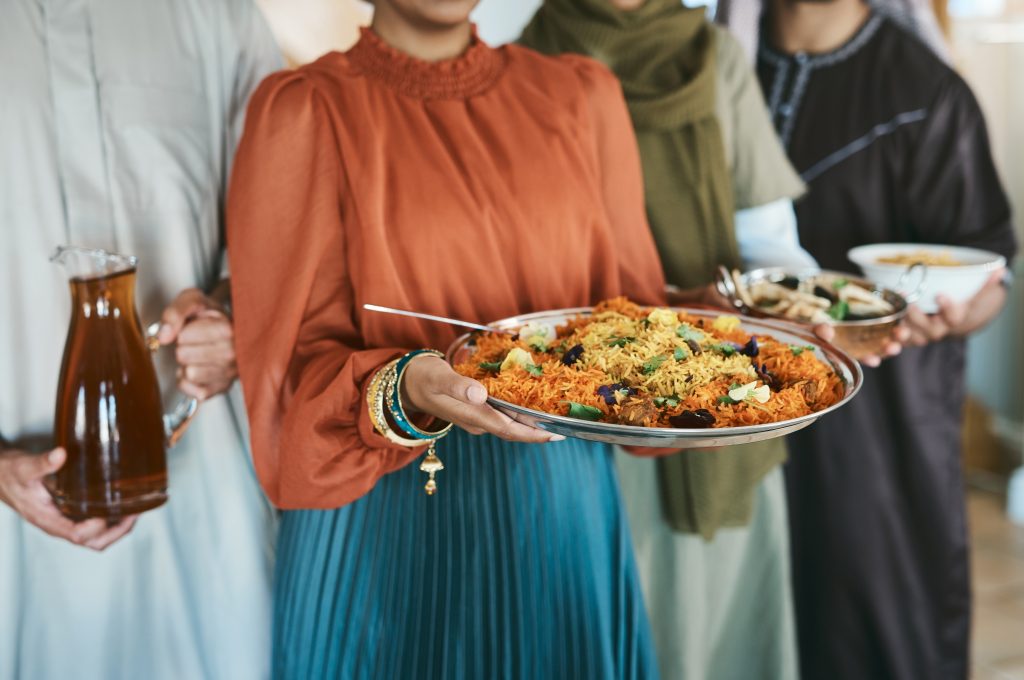




Wedding Menu Planning: Traditional vs Modern

Planning a wedding menu is one of the most important aspects of the celebration, and deciding between traditional and modern cuisine can set the tone for your entire event. Both styles have their appeal, and understanding the differences helps you design a menu that reflects your personality, cultural heritage, and the preferences of your guests.
Traditional Wedding Menus
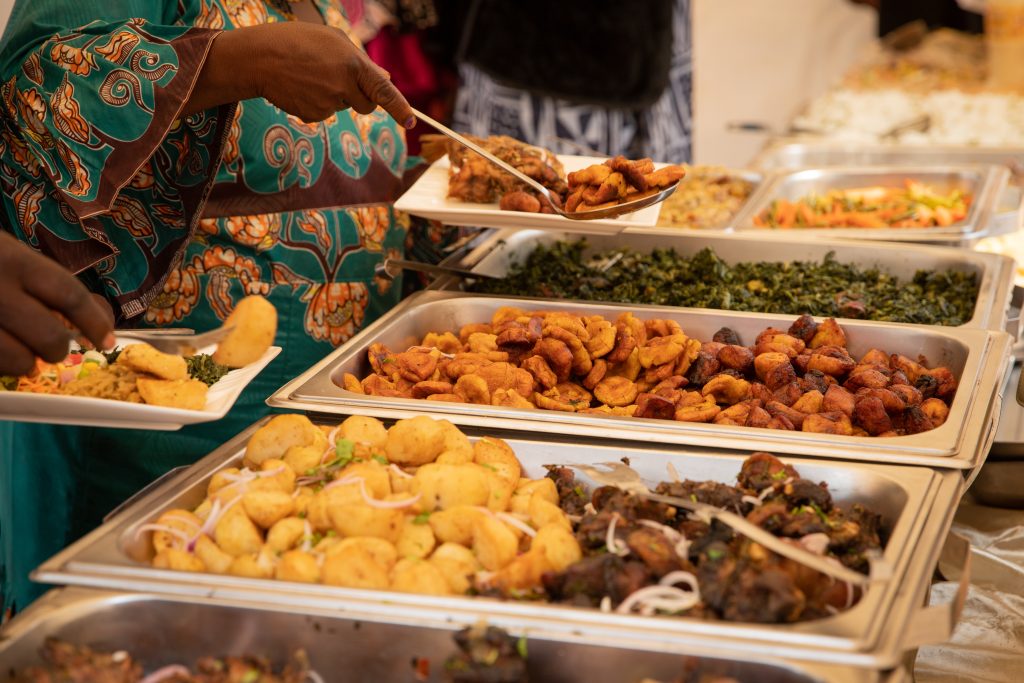
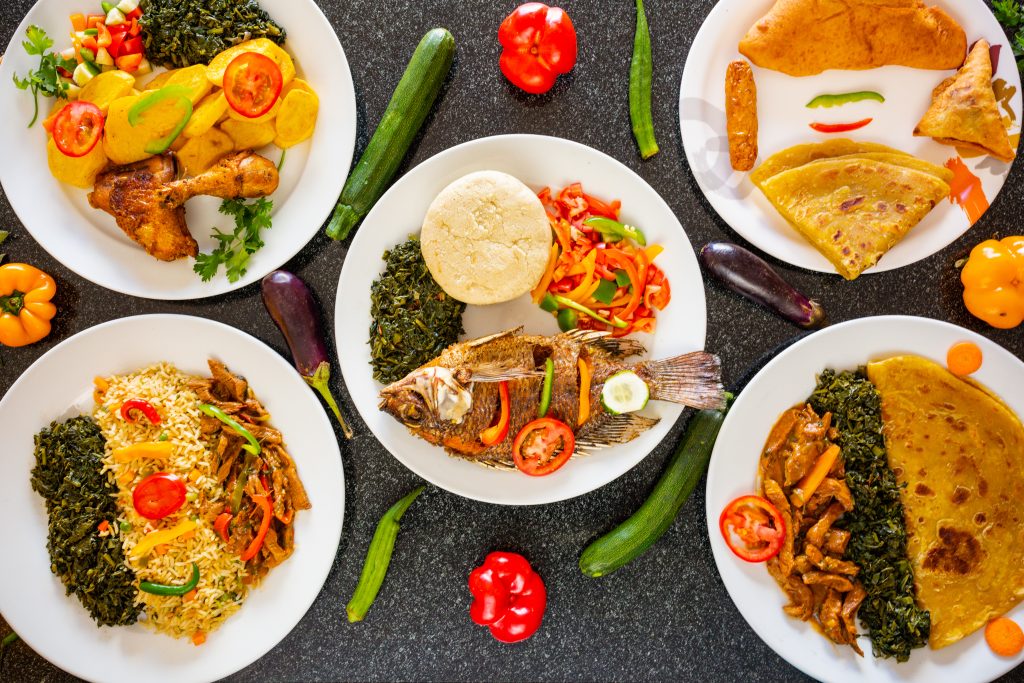
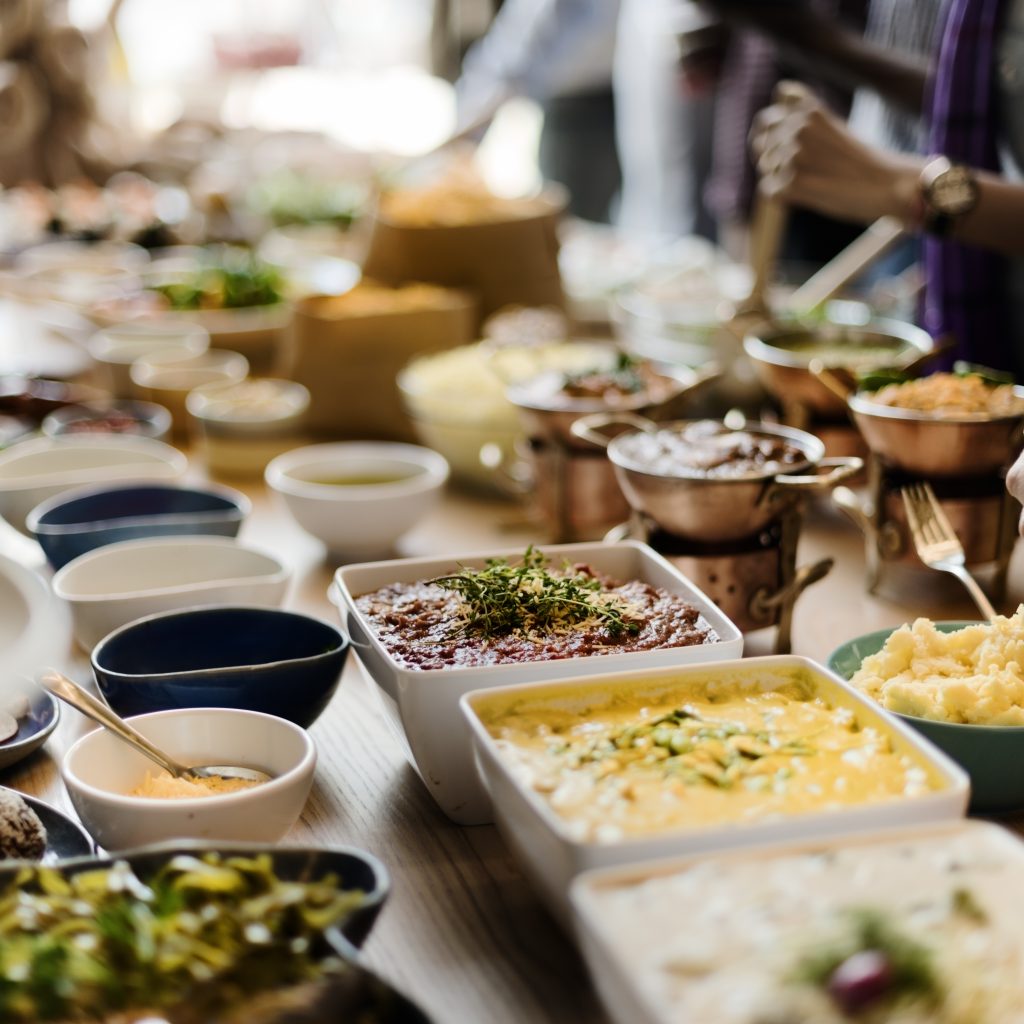
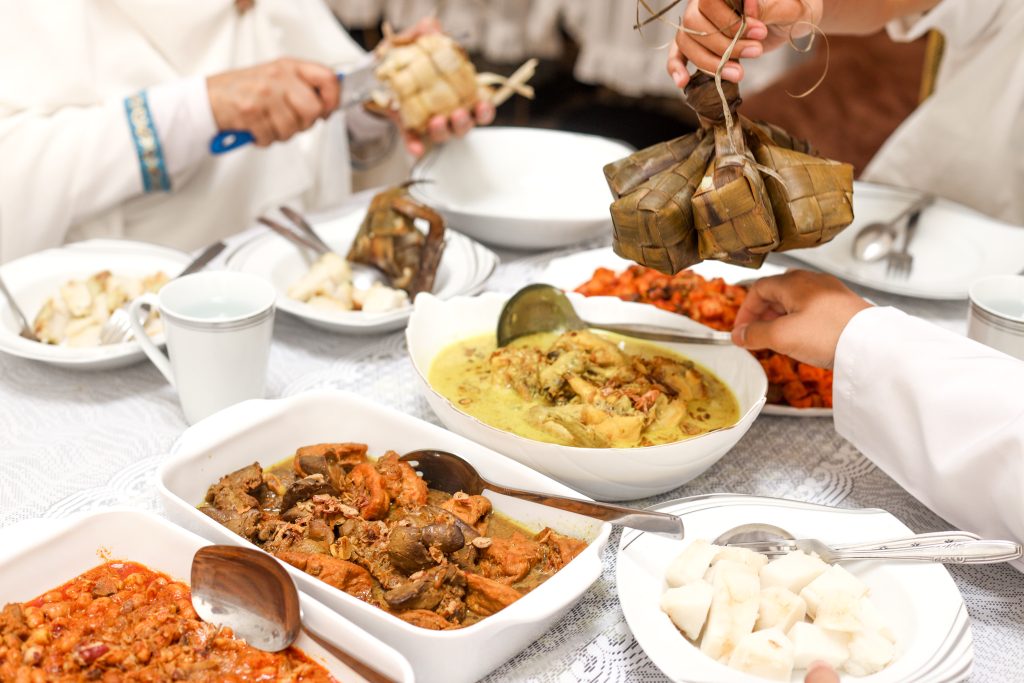
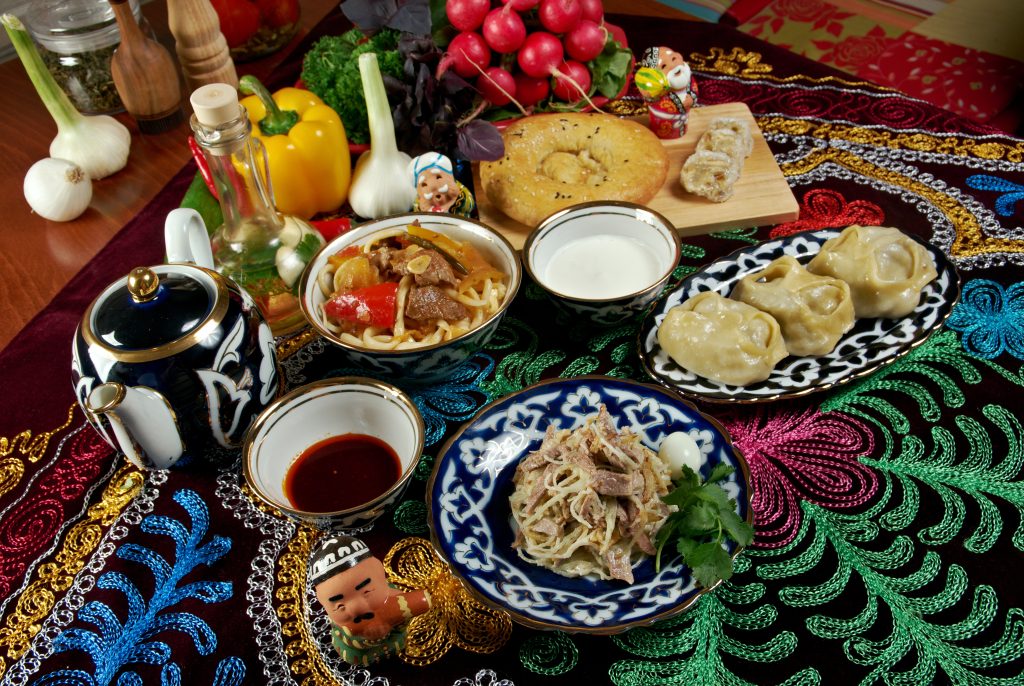
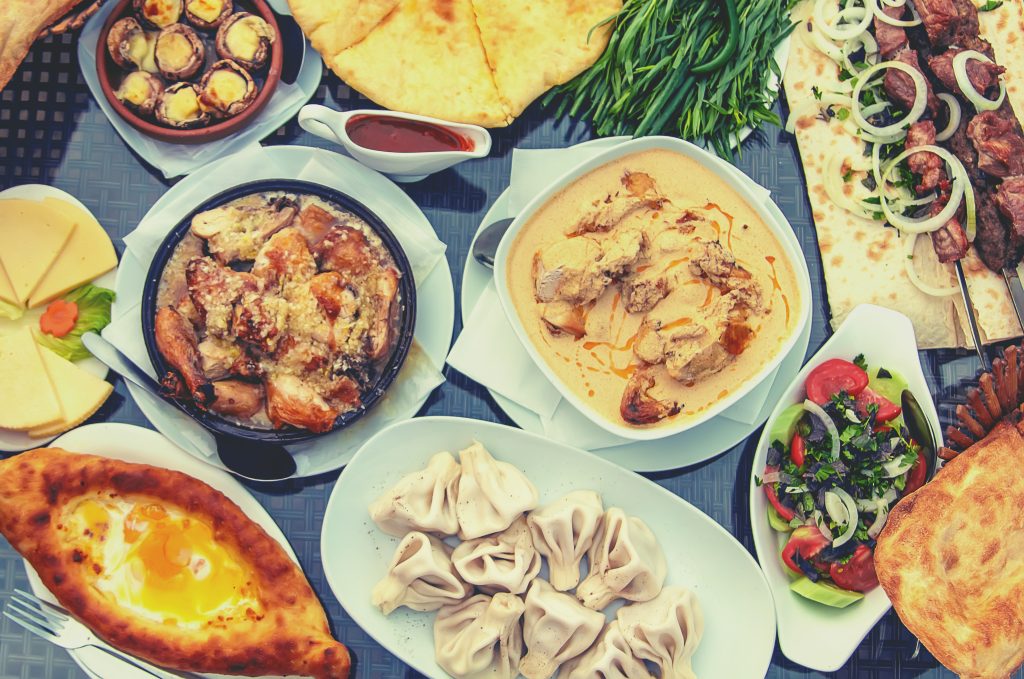
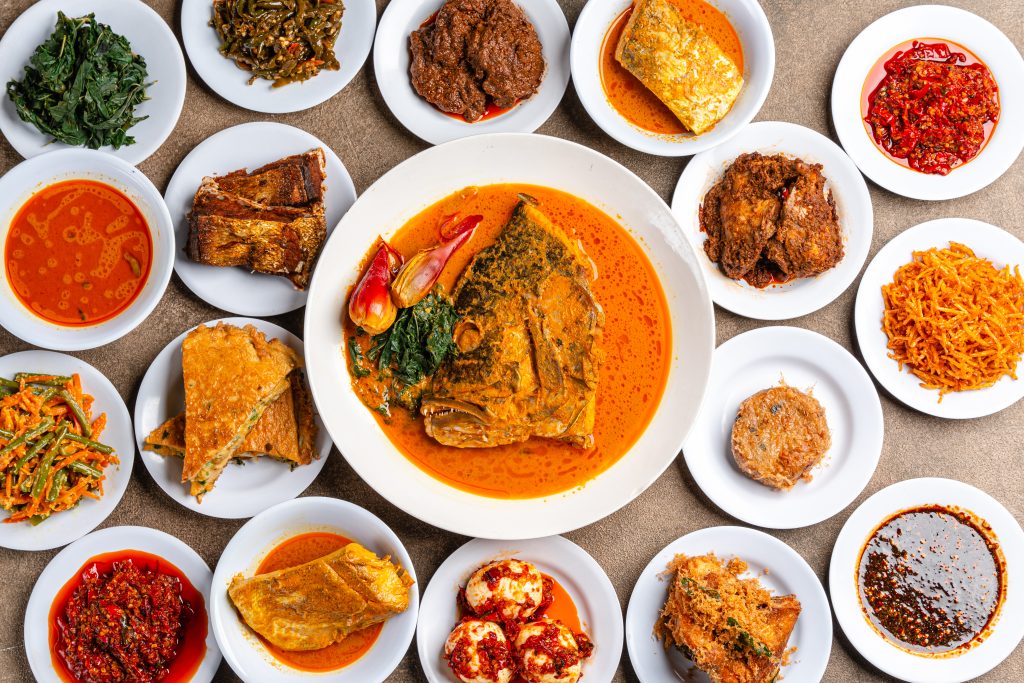
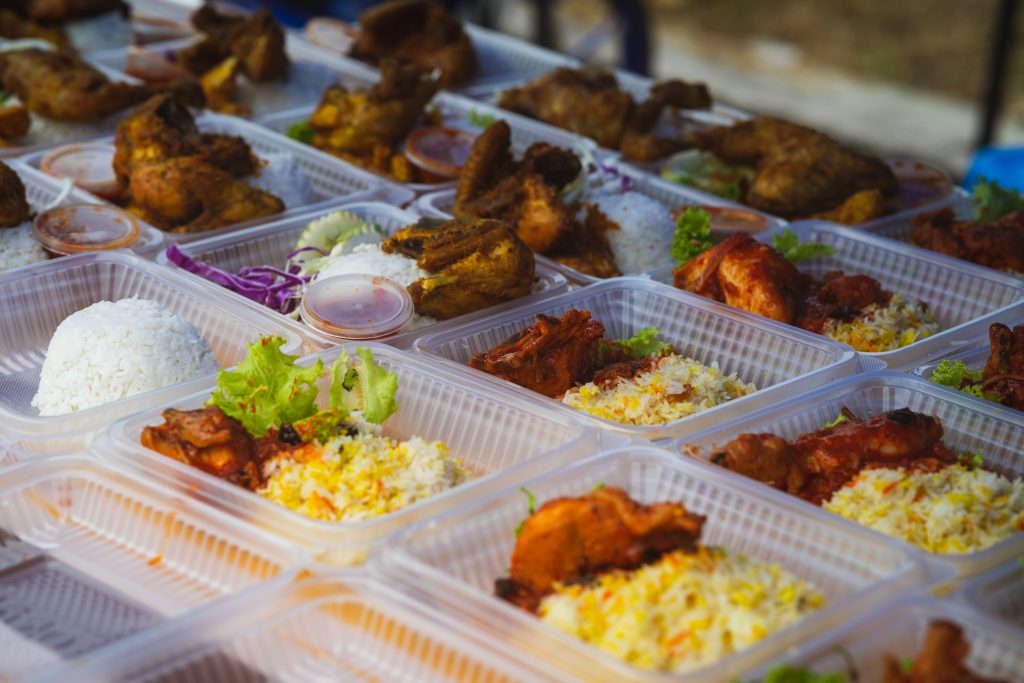
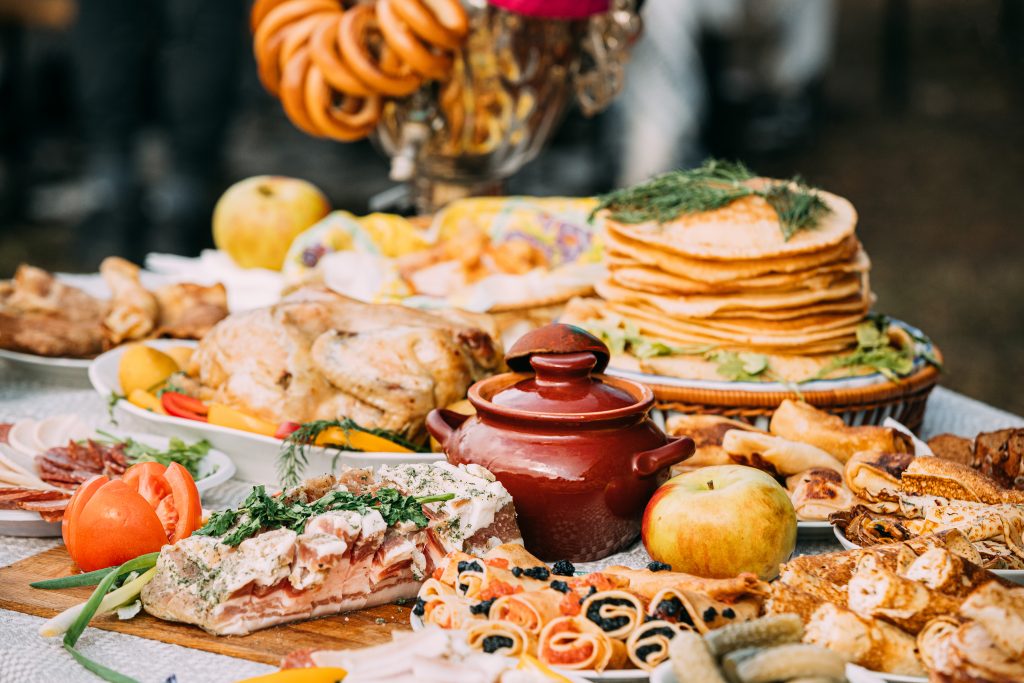
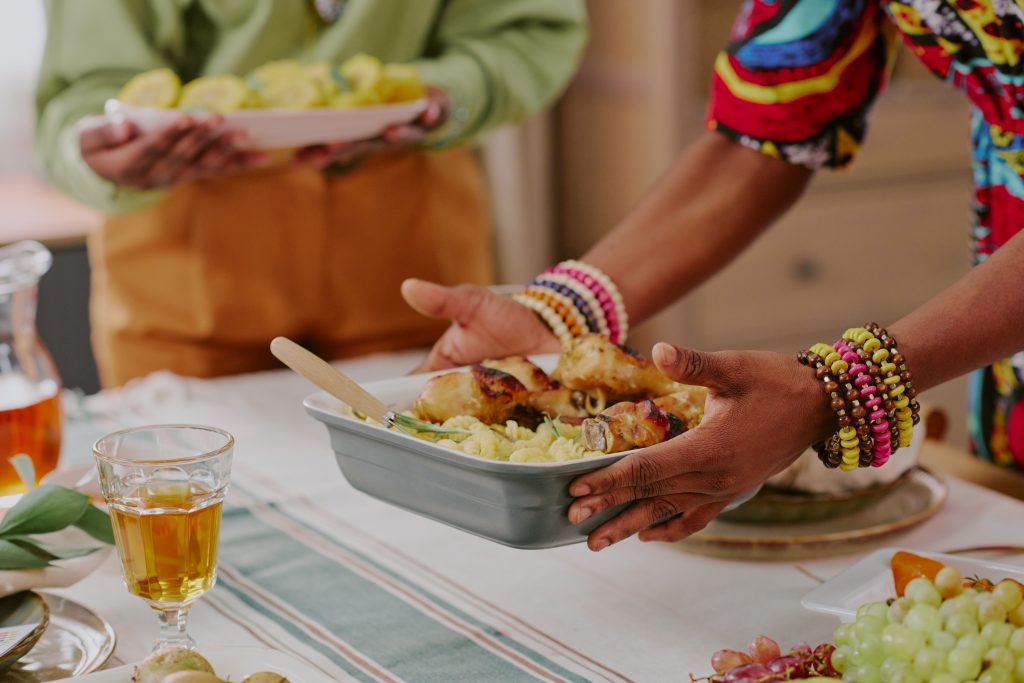
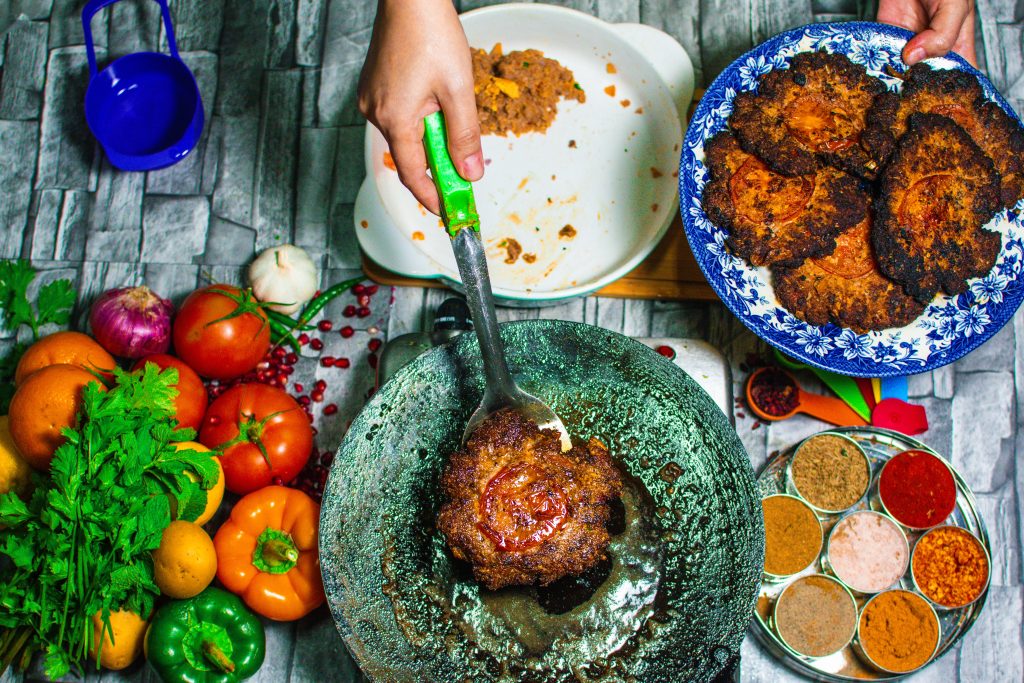
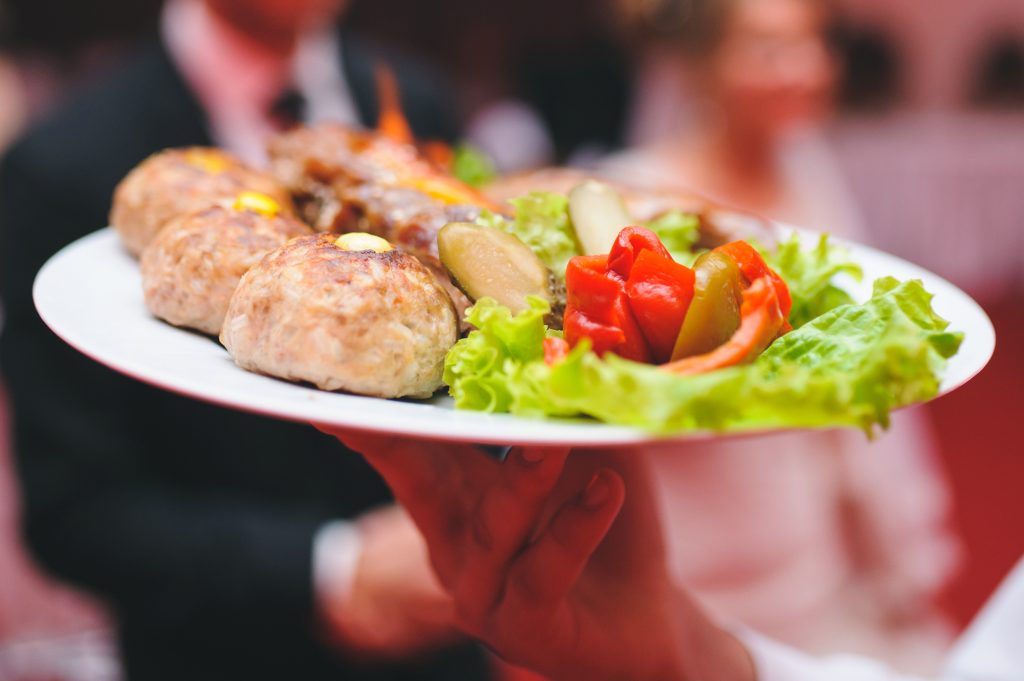
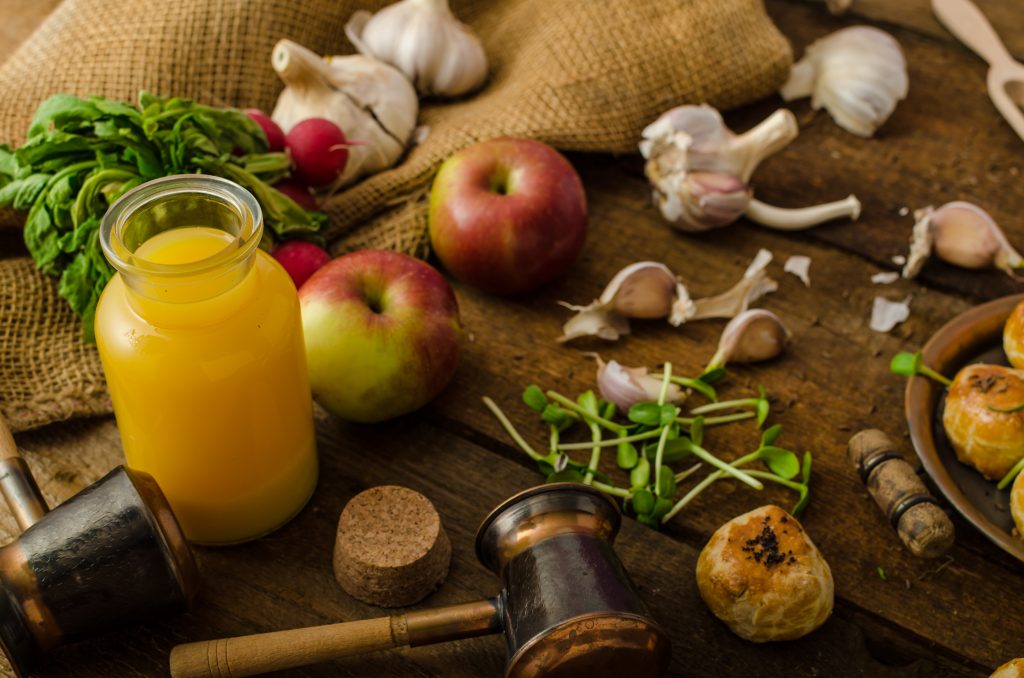
Traditional wedding menus focus on classic, time-honored dishes that have cultural or familial significance. These menus often feature recipes passed down through generations, using authentic spices, ingredients, and cooking techniques.
Advantages of Traditional Menus:
-
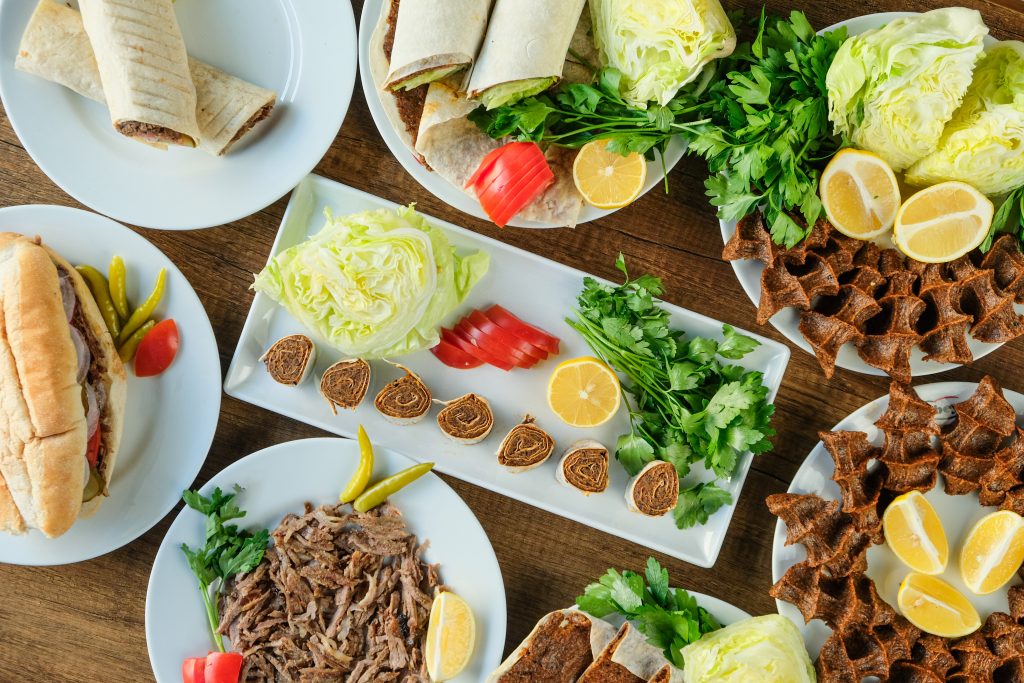
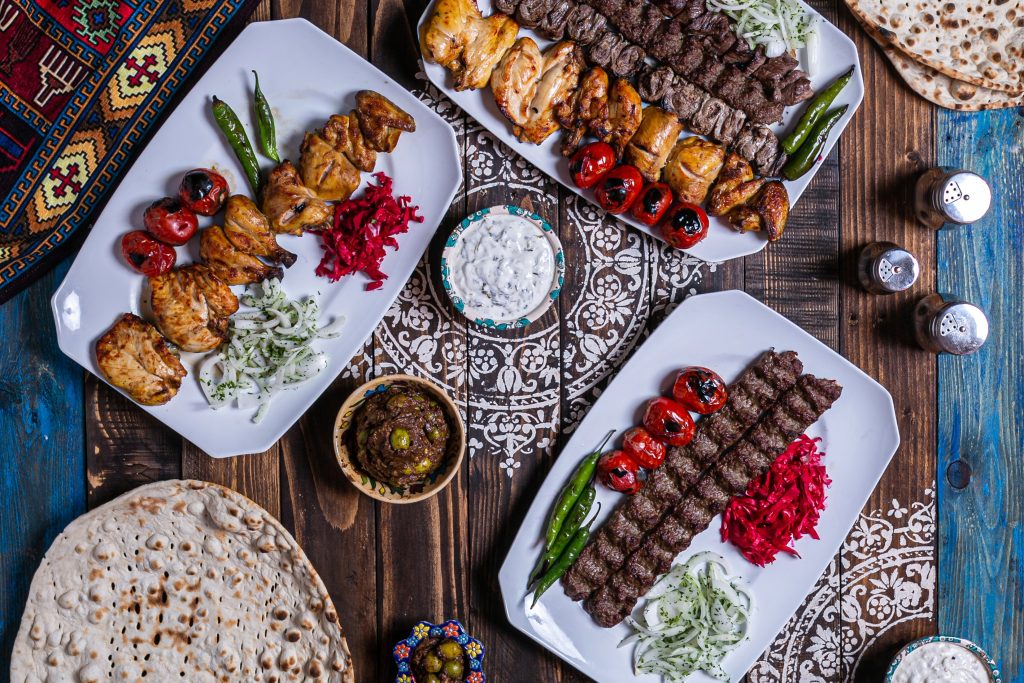
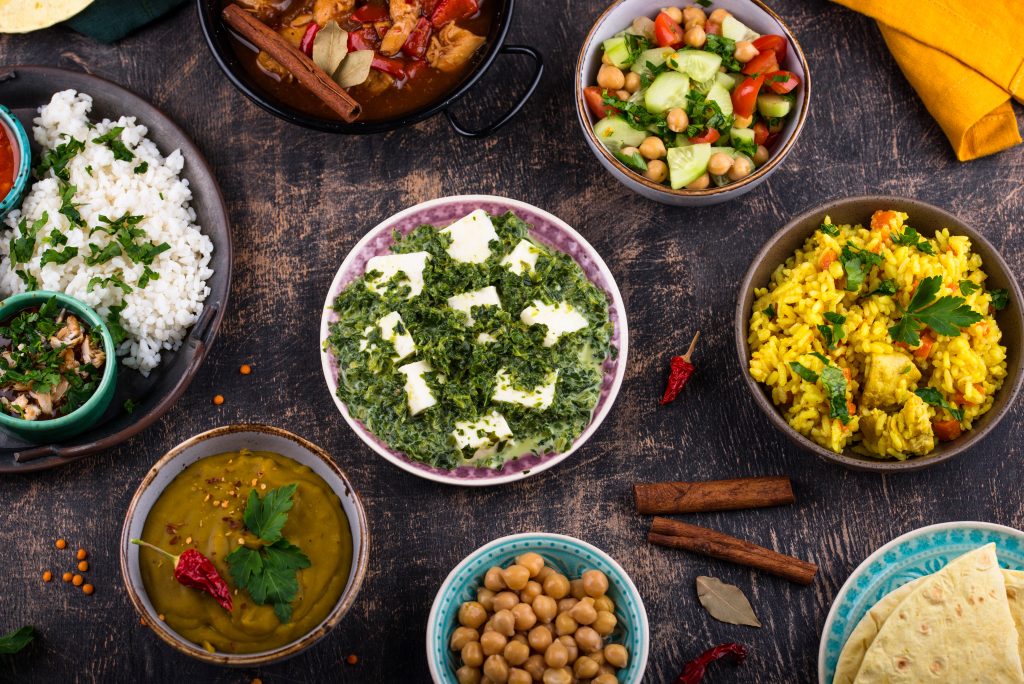
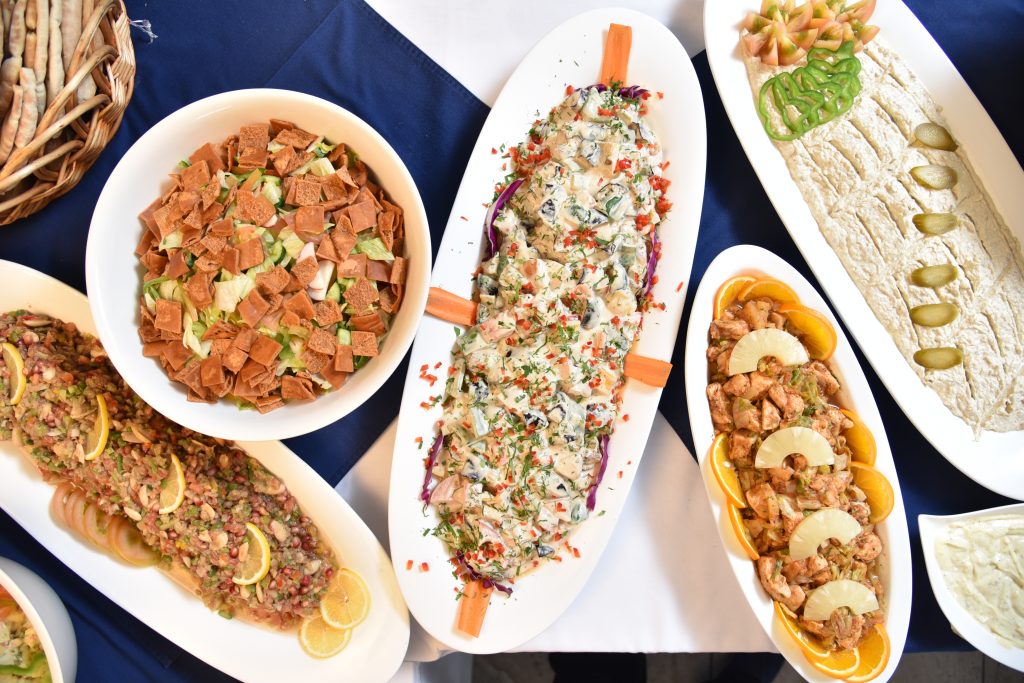
Cultural Authenticity: Guests experience the true flavors of your heritage, whether it’s South Asian biryani, Middle Eastern mezze, or African stews.
-
Nostalgia and Comfort: Familiar dishes create emotional connections and comfort for older family members and guests who grew up with these flavors.
-
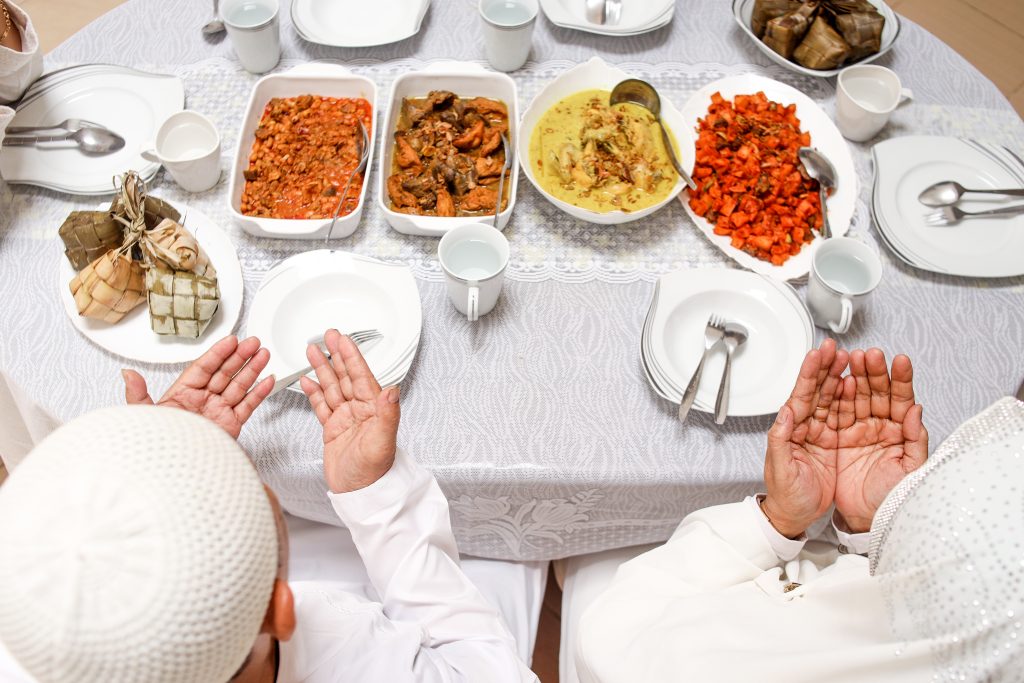
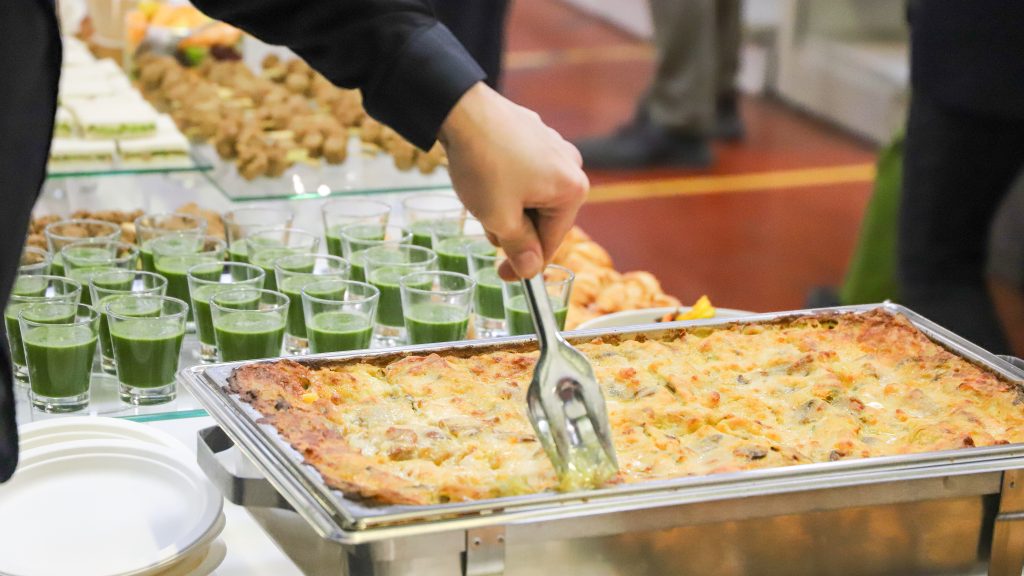
Large Crowd-Friendly: Traditional dishes are often easy to prepare in large quantities, making them ideal for big weddings.
Typical Traditional Menu Elements:
-
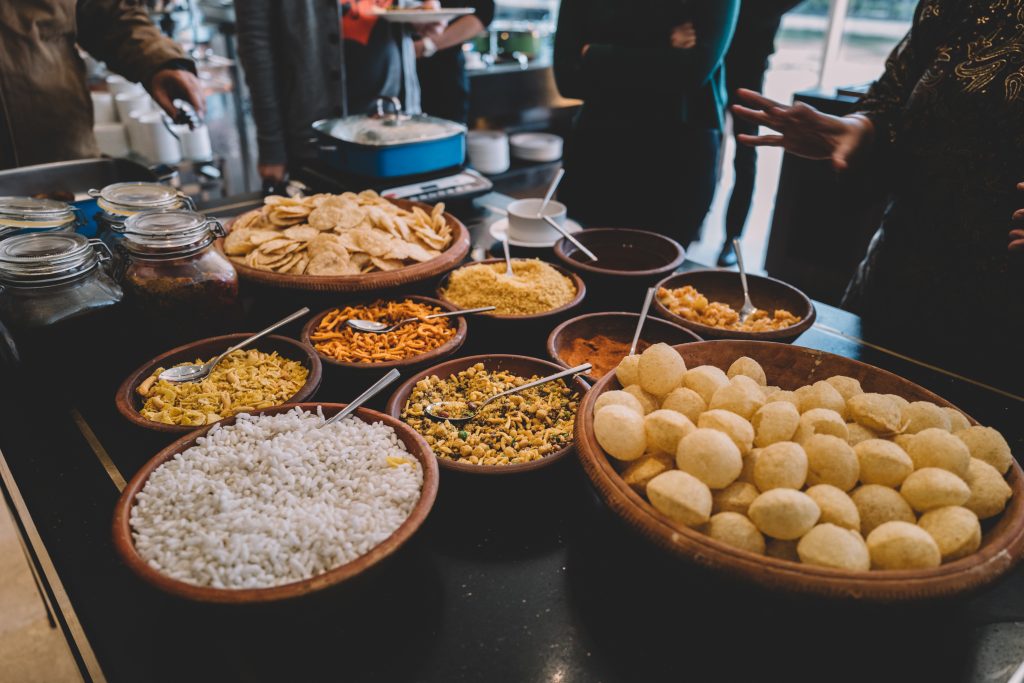
Appetizers: Samosas, pakoras, kebabs, or stuffed grape leaves
-
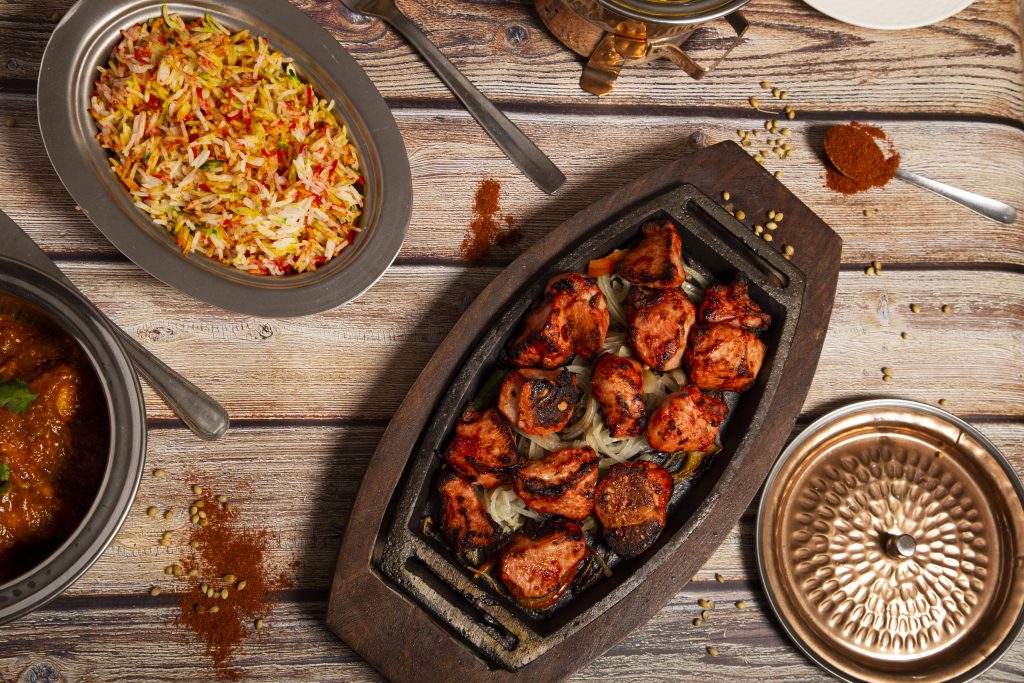
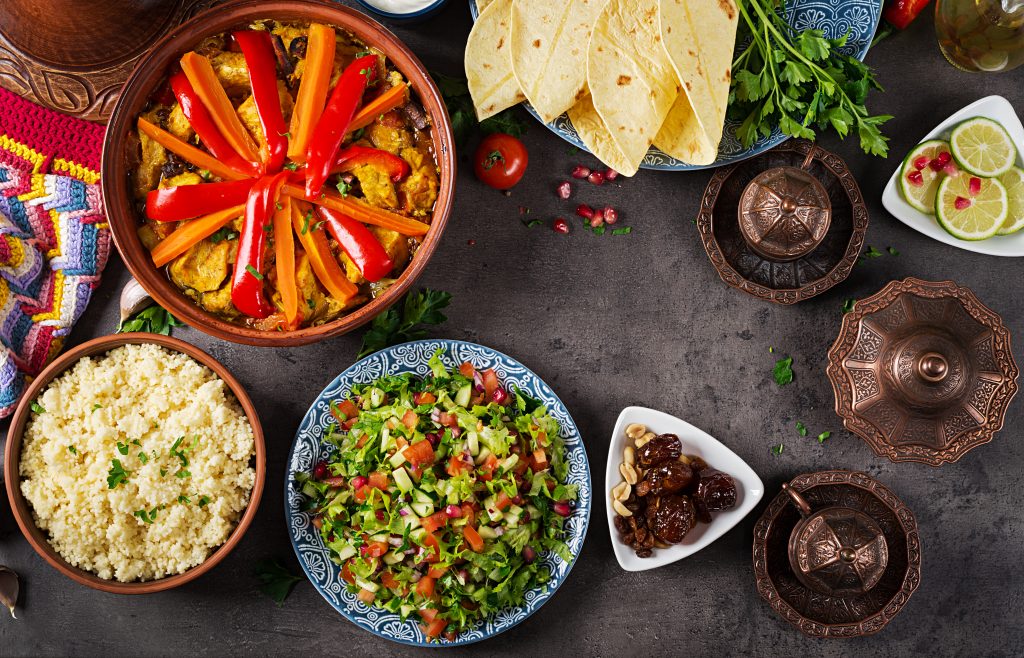
Main Courses: Signature curries, biryani, grilled meats, or tagines
-
Sides: Fresh breads, rice, salads, and chutneys
-
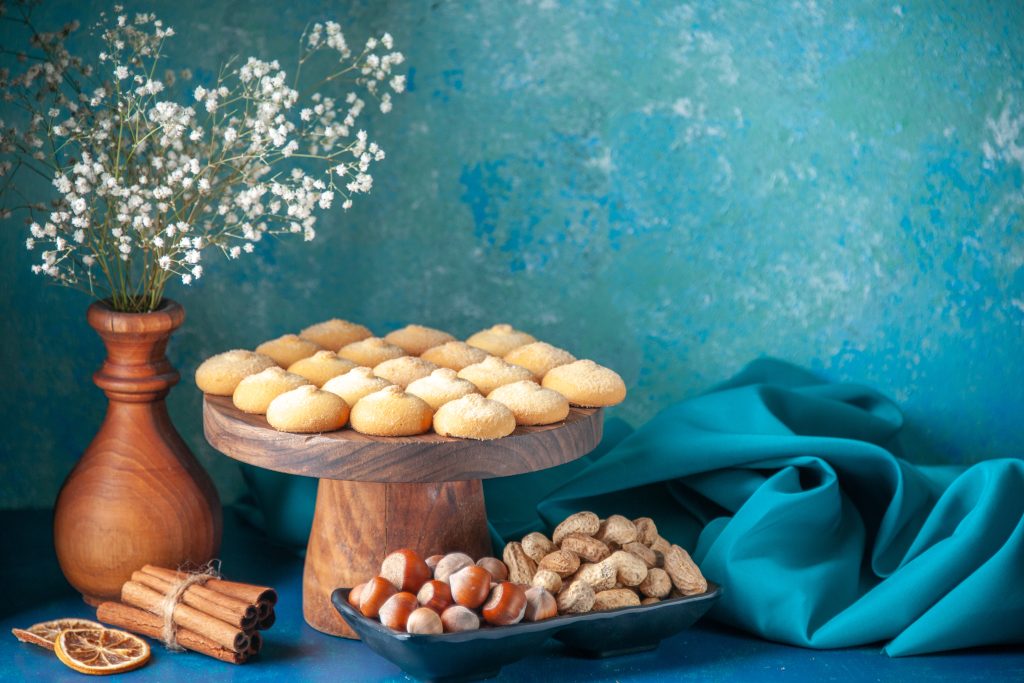
Desserts: Gulab jamun, baklava, kheer, or tropical sweets
-
Beverages: Traditional drinks like lassi, sharbat, or mint tea
Modern Wedding Menus
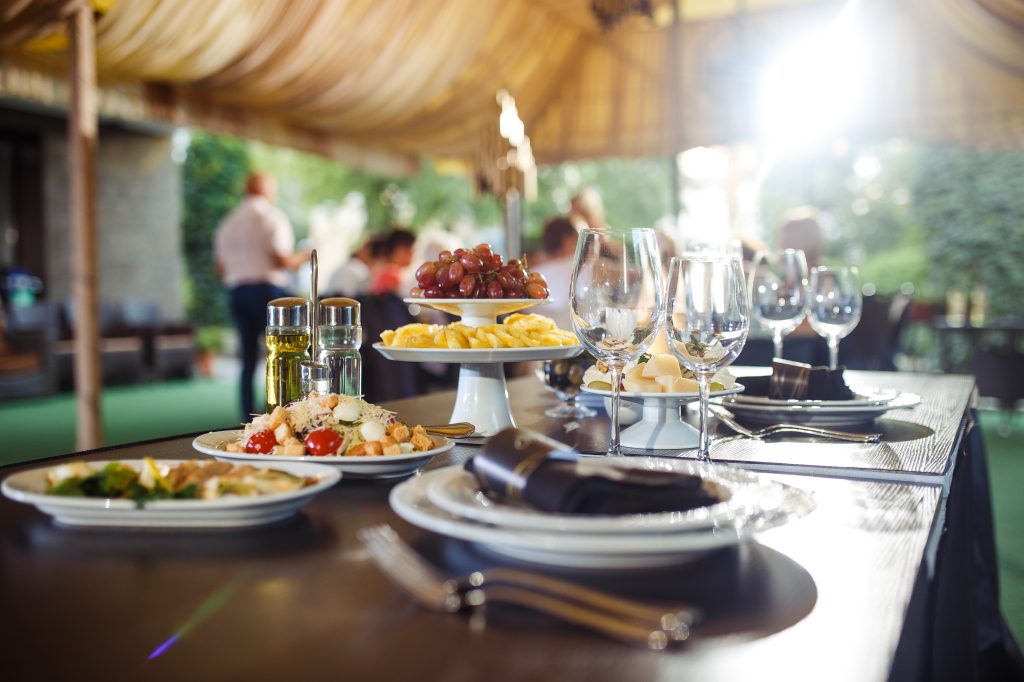
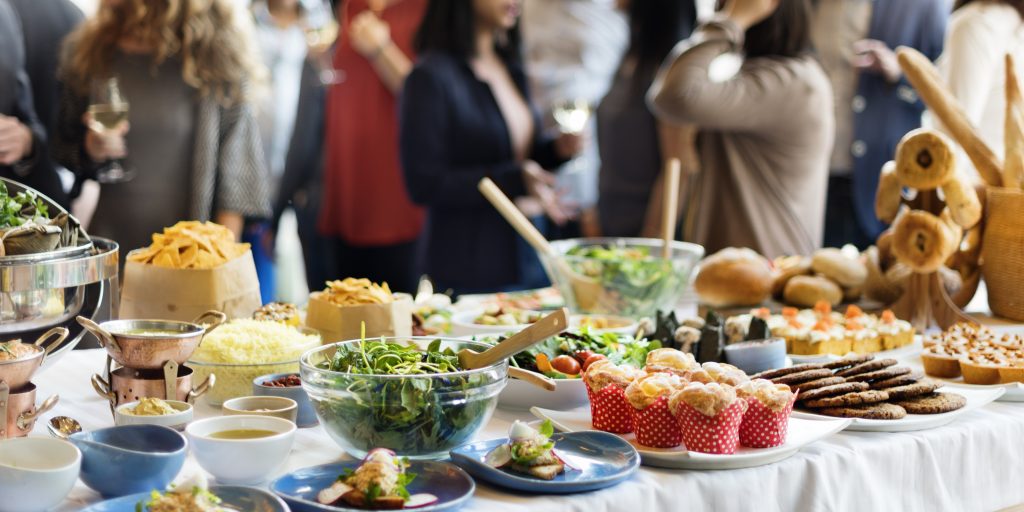
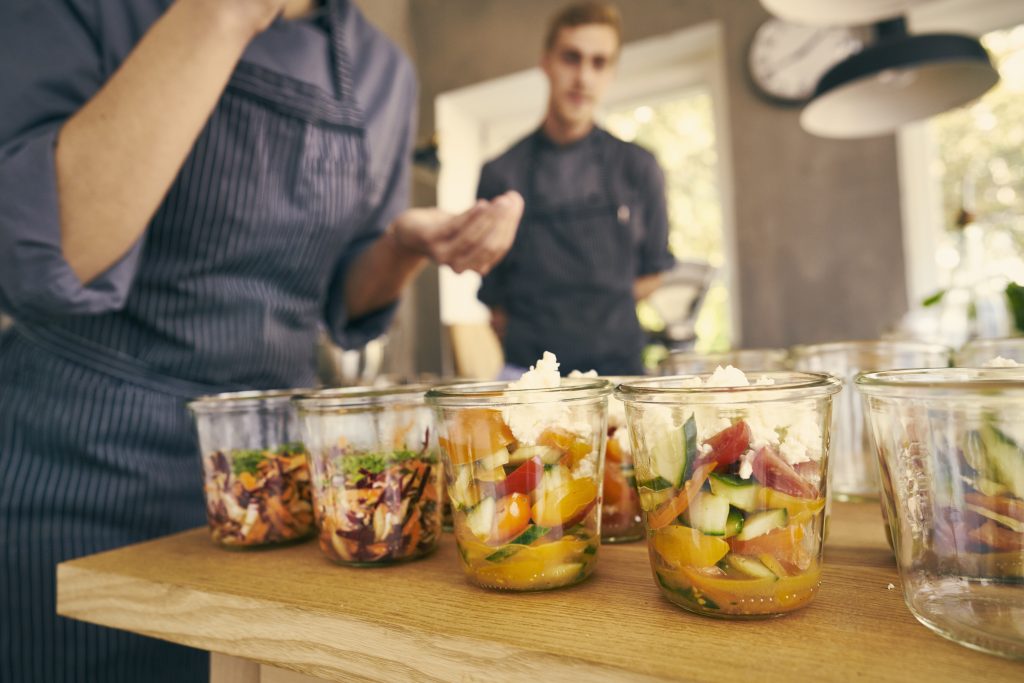
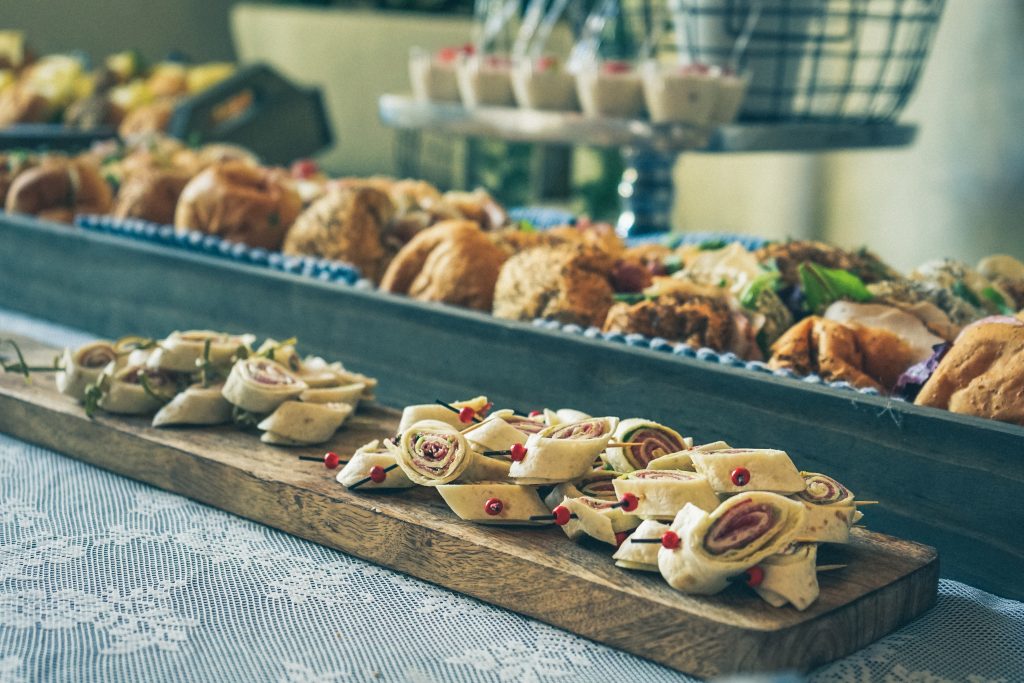
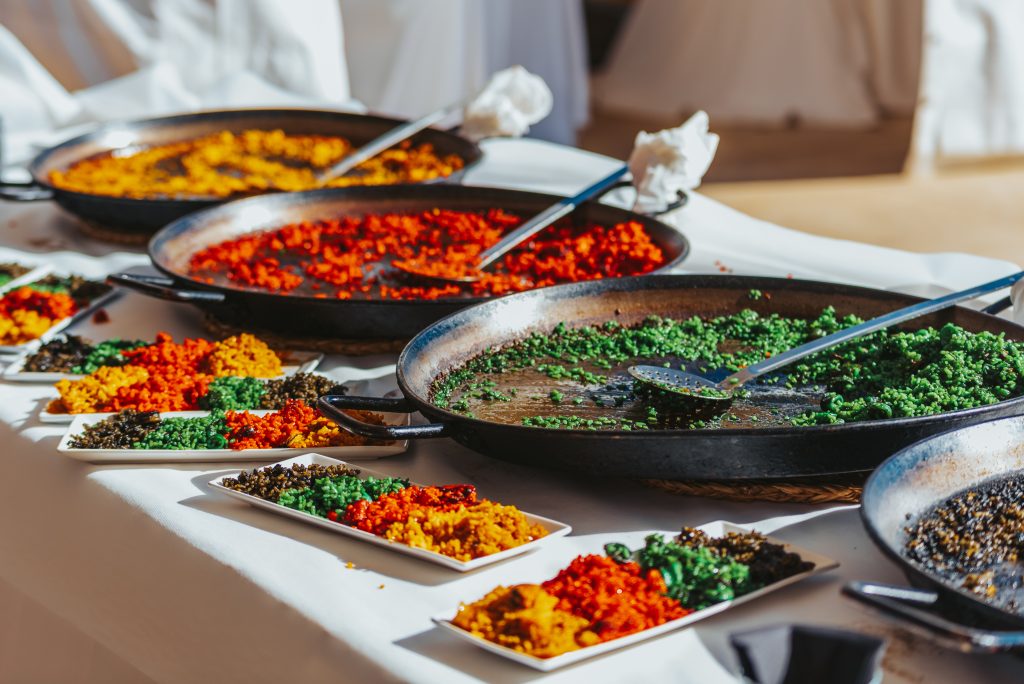
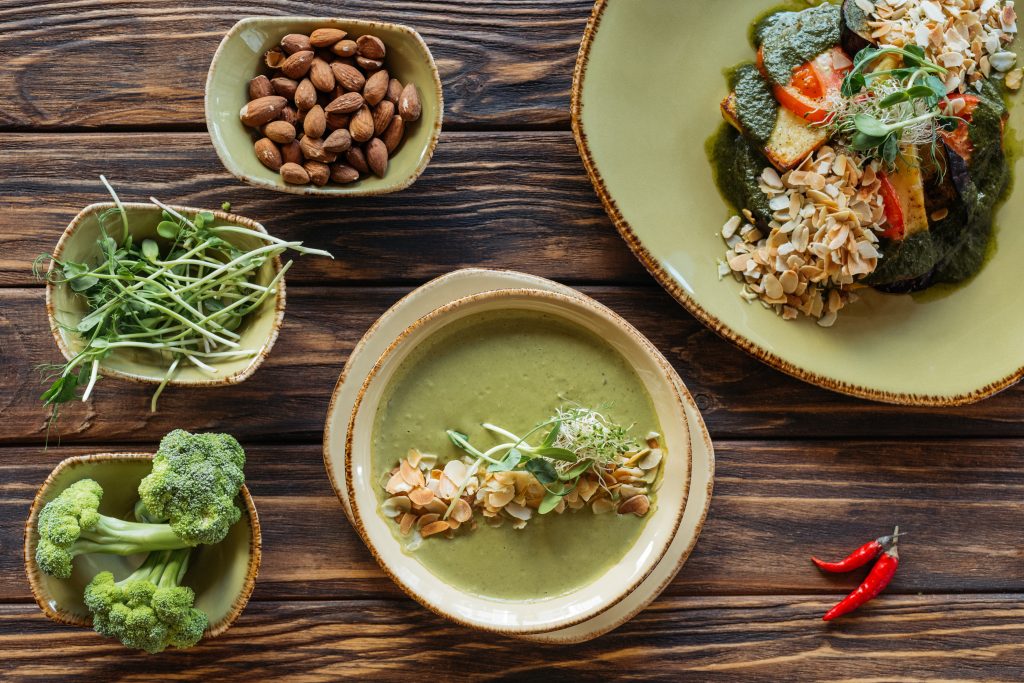
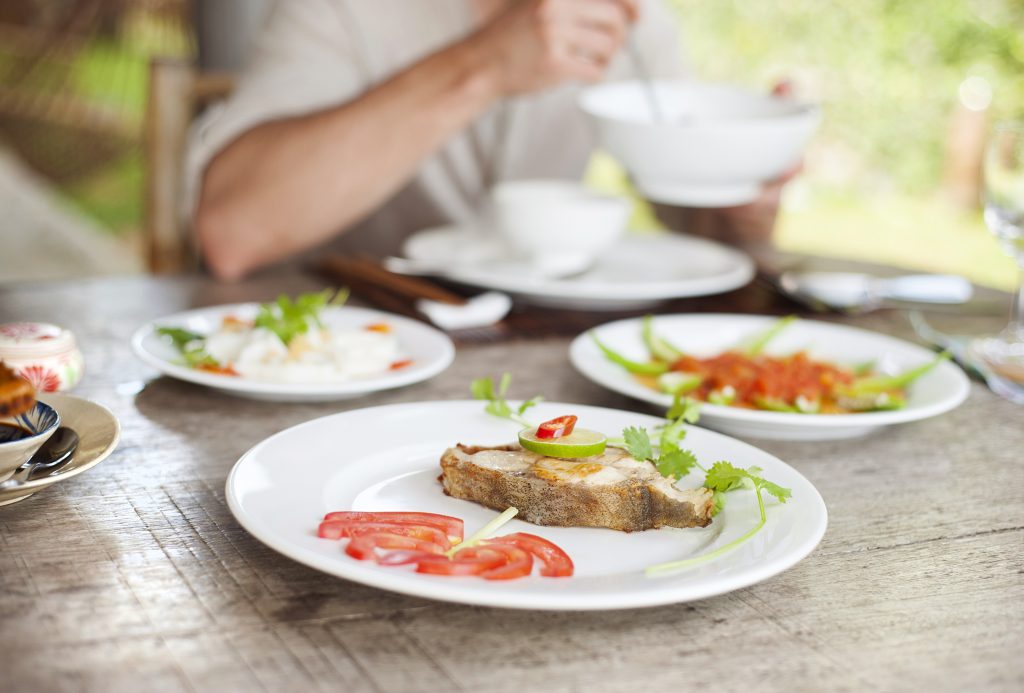
Modern wedding menus incorporate contemporary cooking techniques, fusion flavors, and artistic presentation. They often reinterpret traditional dishes with new twists or introduce international cuisine for a fresh, sophisticated feel.
Advantages of Modern Menus:
-
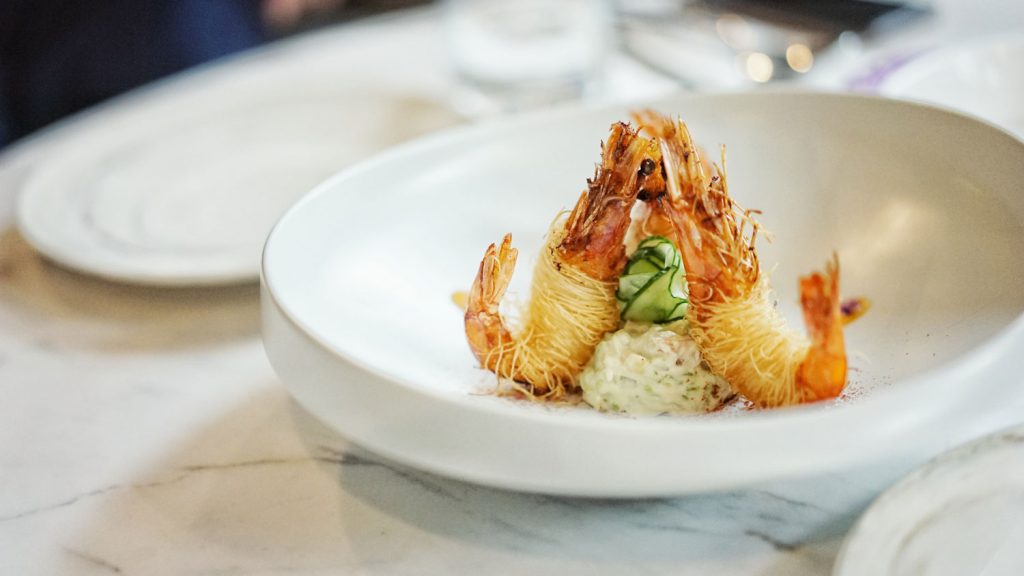
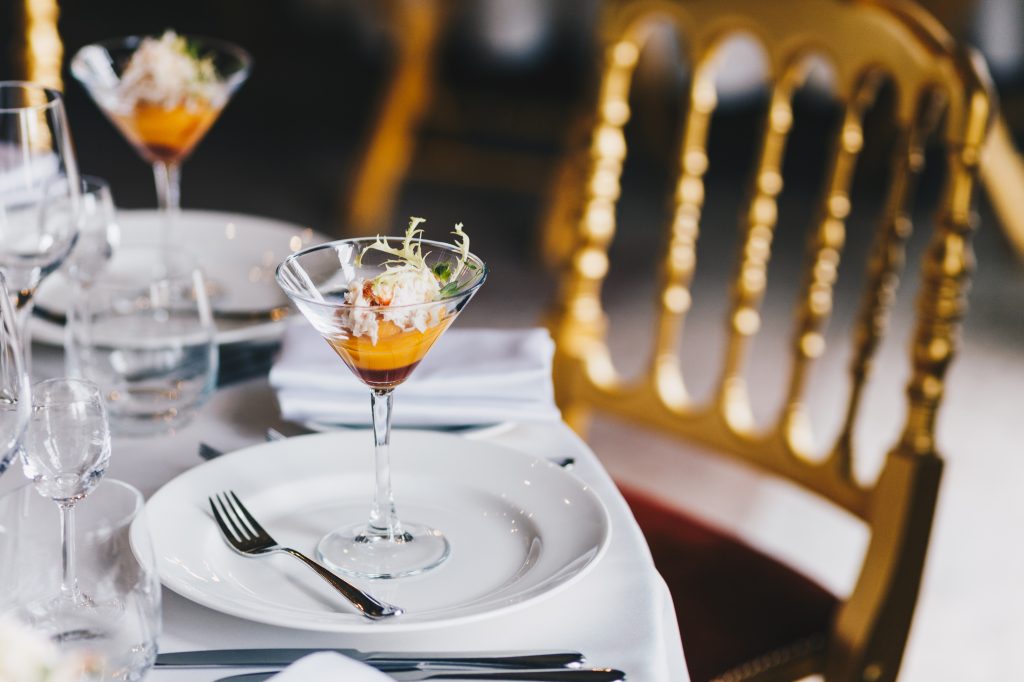
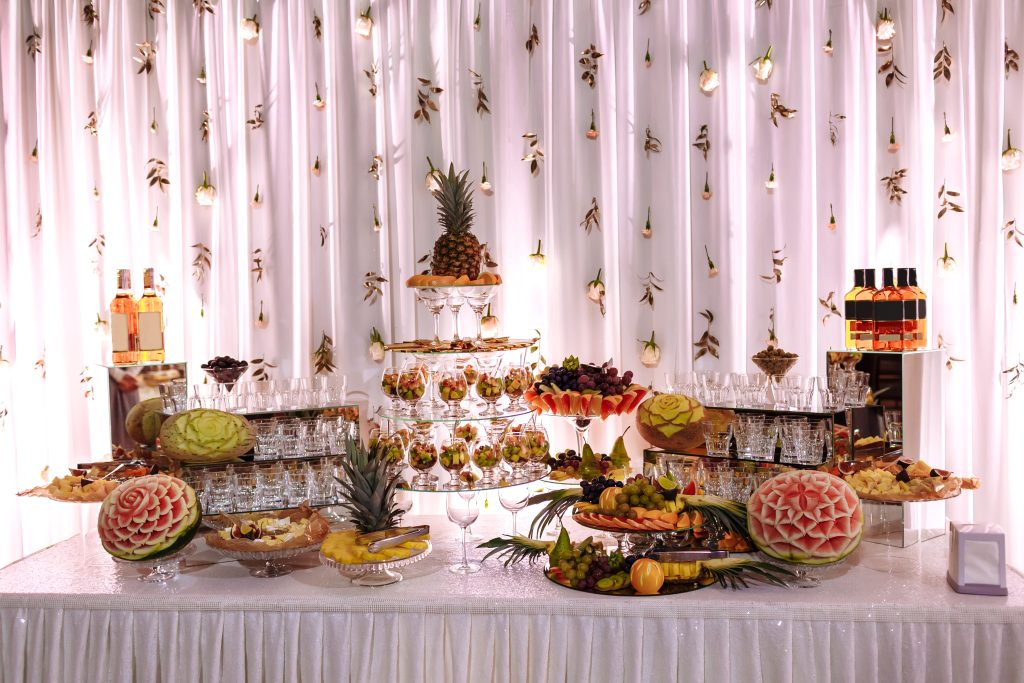
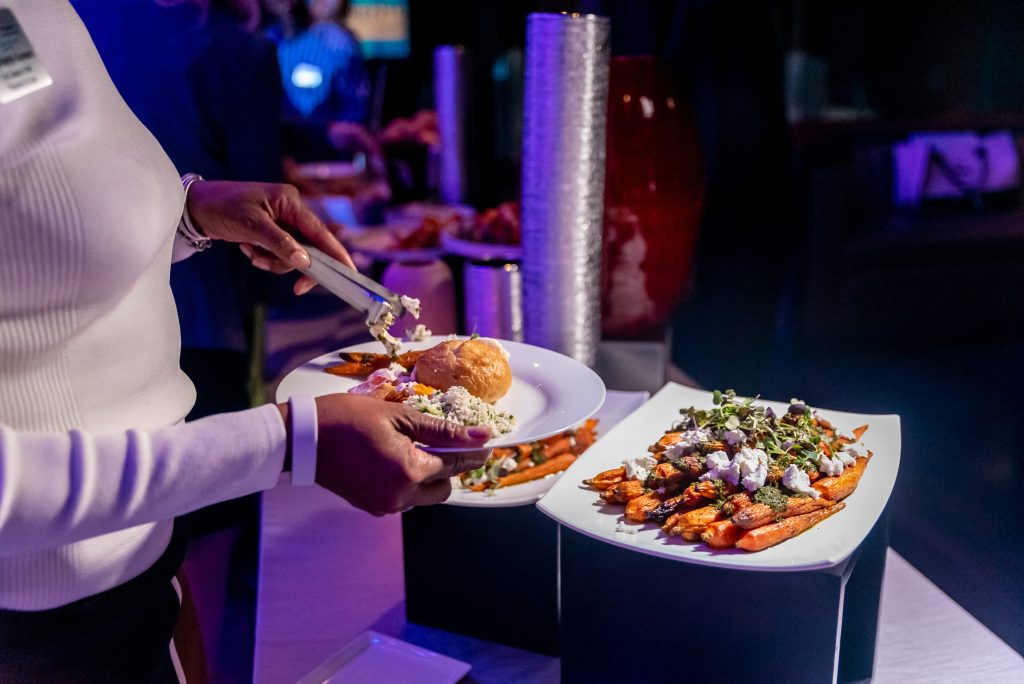
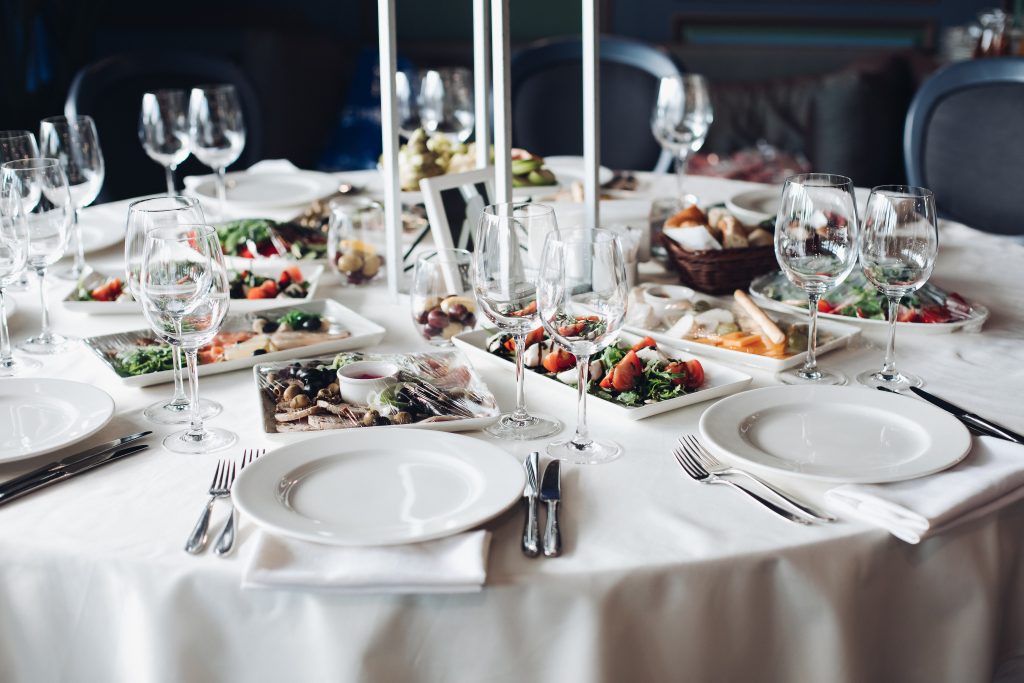
Visual Appeal: Modern plating and innovative presentation make the food feel upscale and Instagram-worthy.
-
Customizable for Trends: Fusion dishes, plant-based options, and health-conscious selections cater to modern dietary preferences.
-
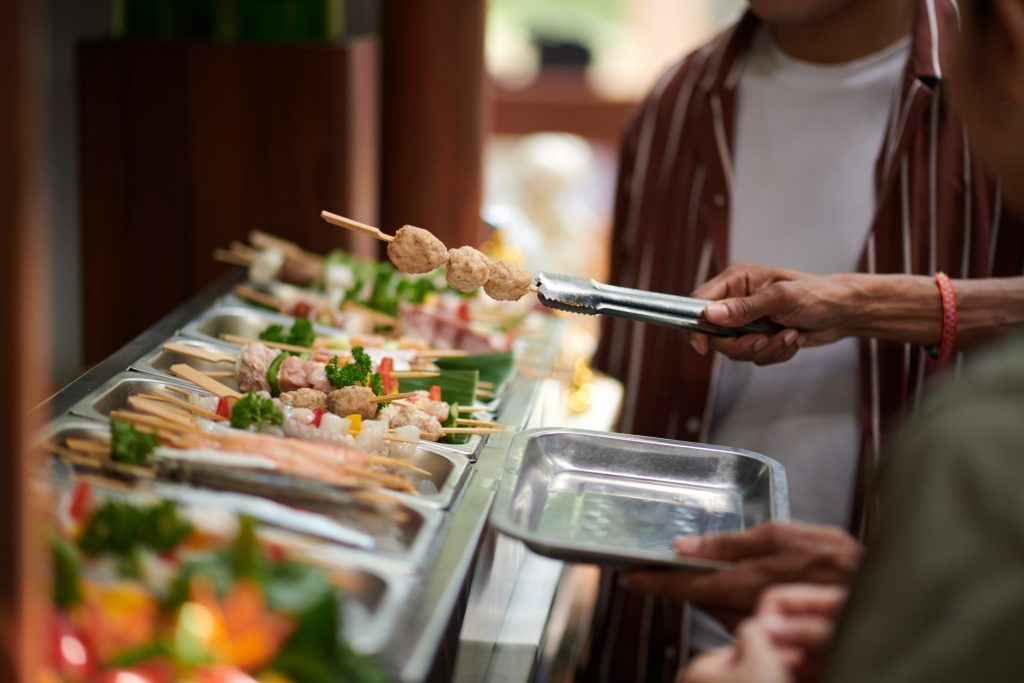
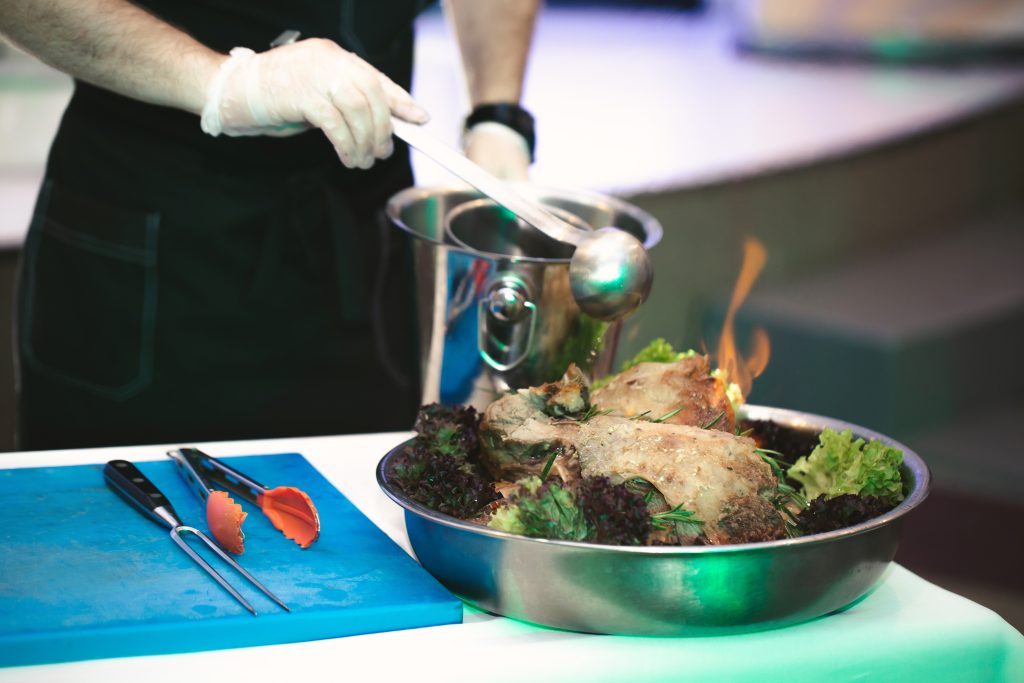
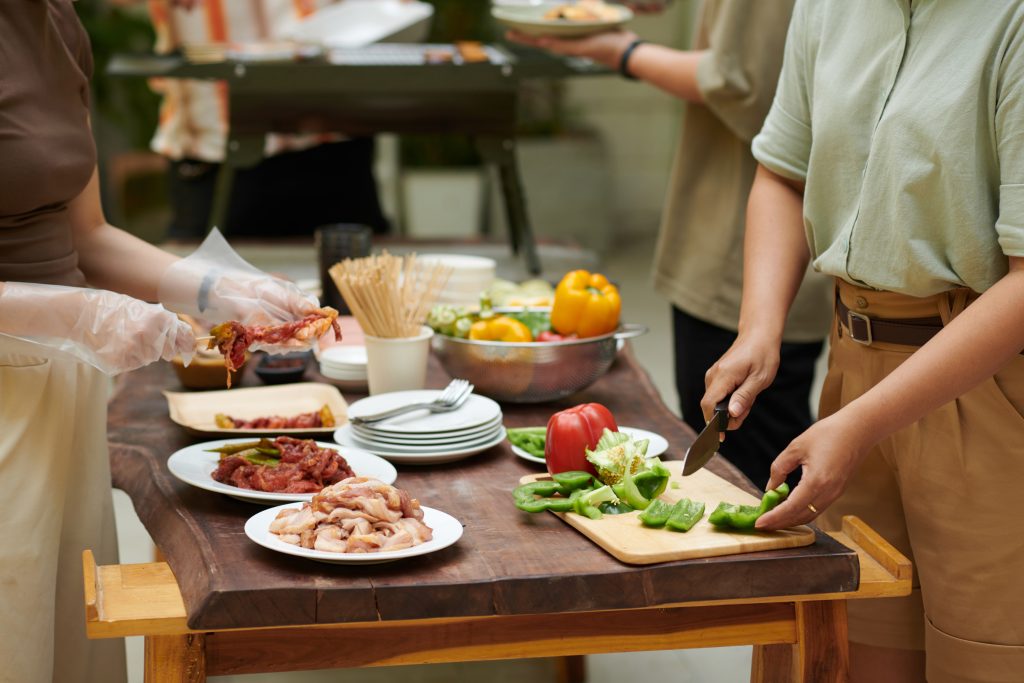
Engagement: Interactive live stations, tasting menus, and small plates create a dynamic and social dining experience.
Typical Modern Menu Elements:
-
Appetizers: Mini sliders, bite-sized fusion kebabs, or contemporary mezze
-
Main Courses: Deconstructed biryani, smoked meats, or vegetarian gourmet dishes
-
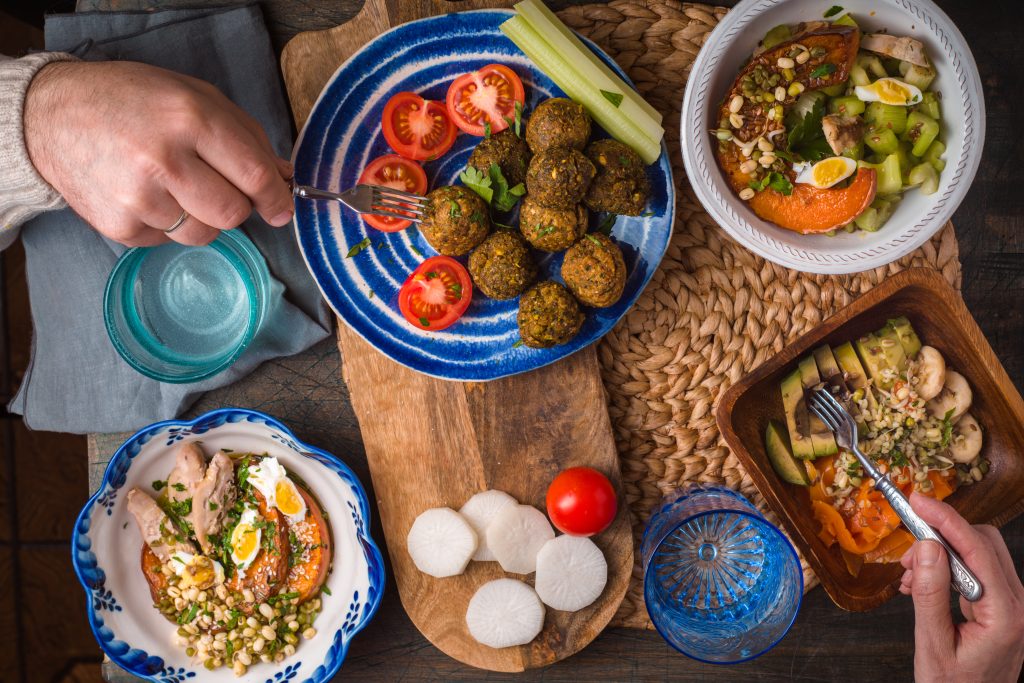
Sides: Exotic salads, truffle-infused rice, or roasted seasonal vegetables
-
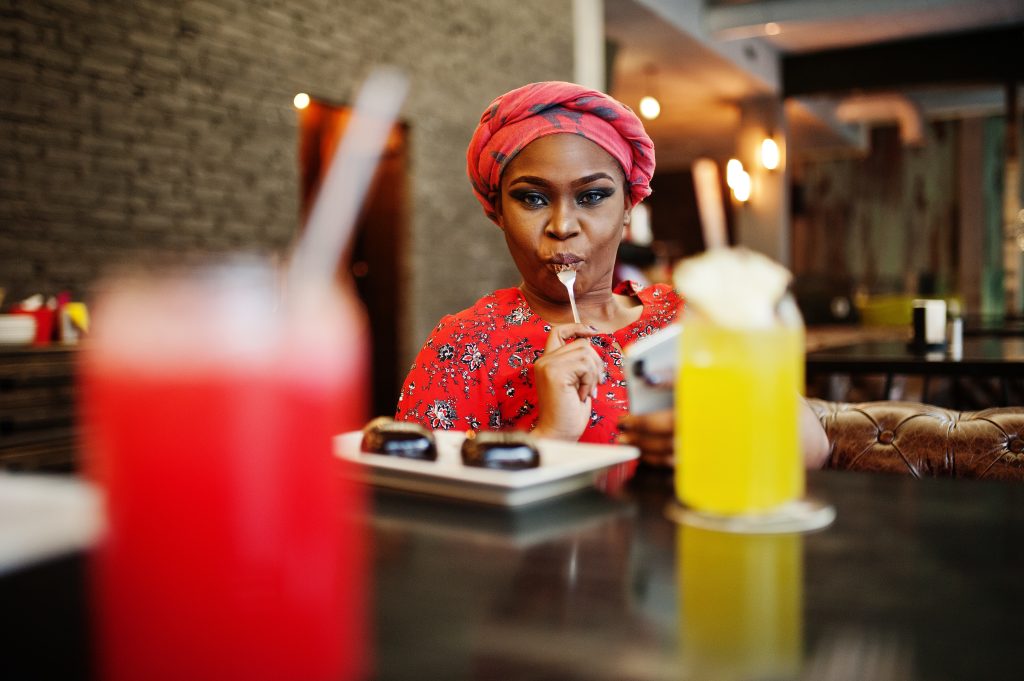
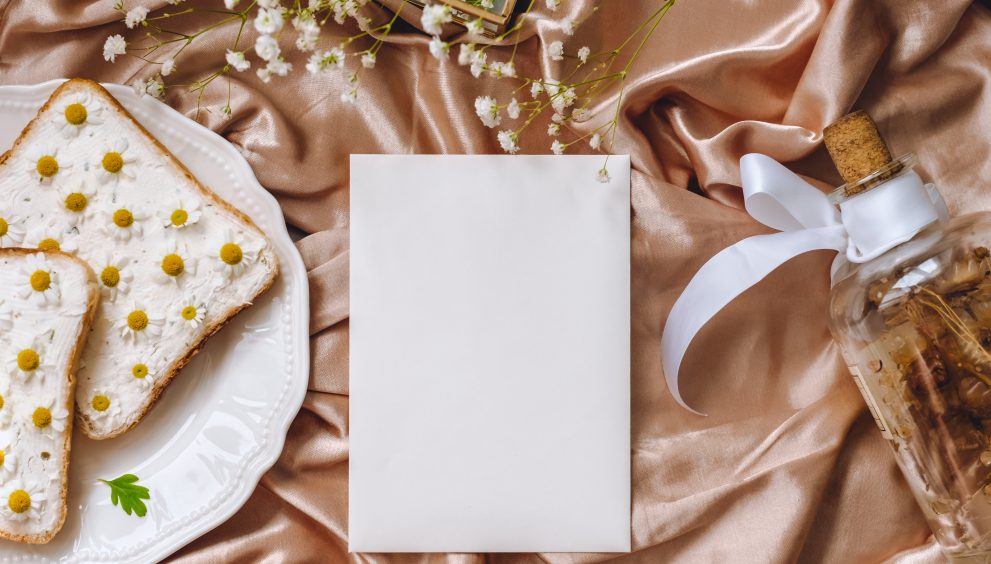
Desserts: Dessert shooters, plated sweets with edible flowers, or artisanal pastries
-
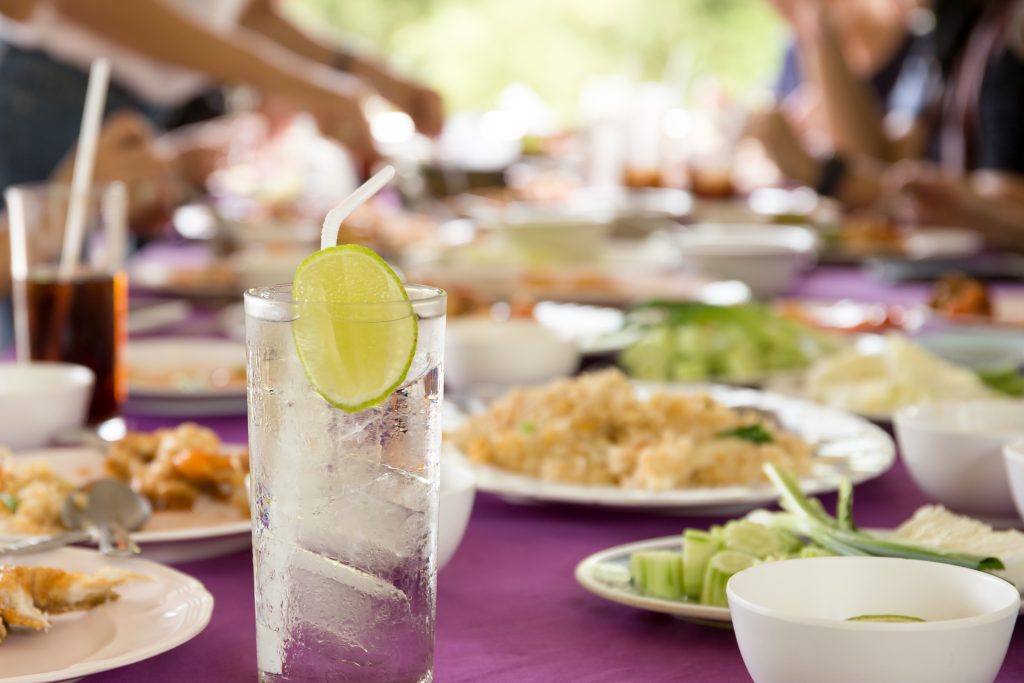
Beverages: Signature cocktails, mocktails, or infused water stations
Choosing the Right Approach
When deciding between traditional and modern menus, consider:
-
Guest Demographics: Older guests may appreciate traditional flavors, while younger attendees might enjoy modern twists.
-
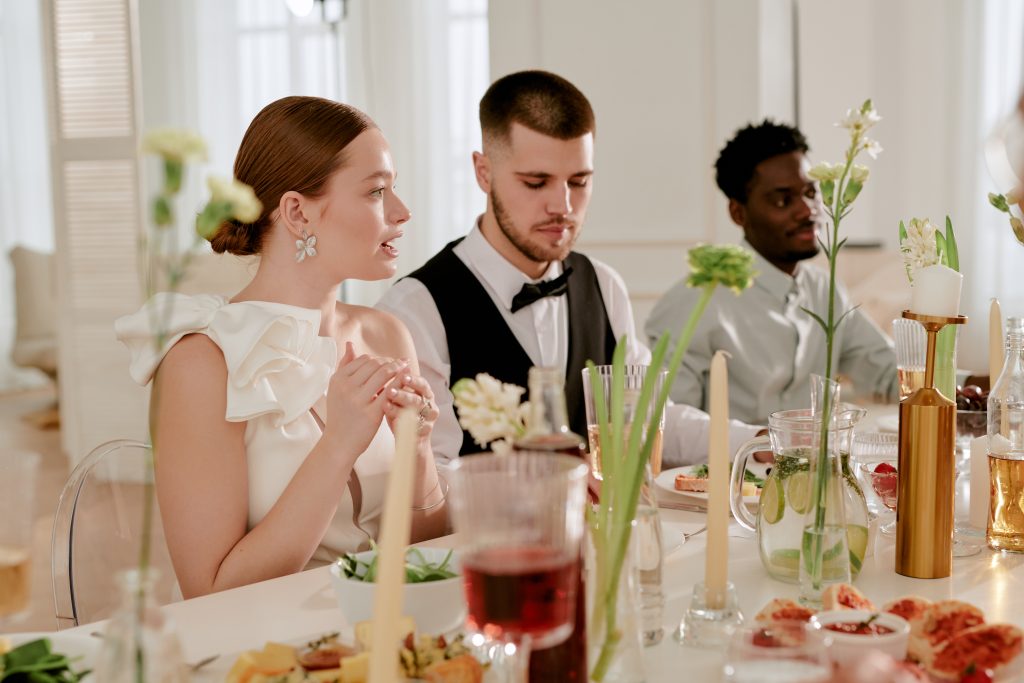
Event Theme: A formal wedding may benefit from elegant modern plating, while a culturally rich wedding aligns with a traditional menu.
-
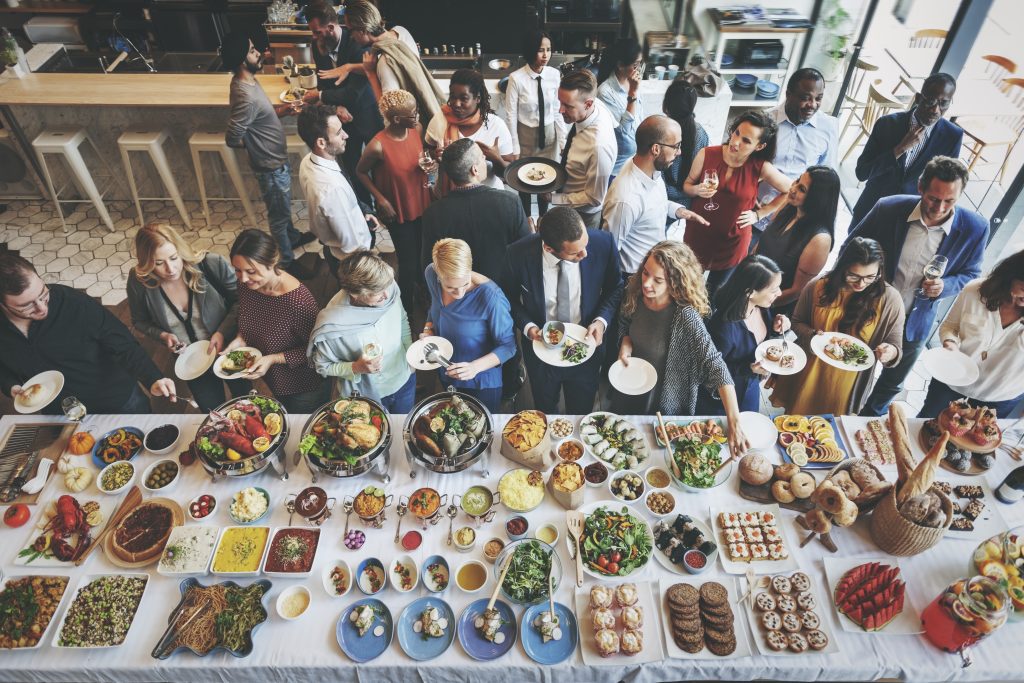
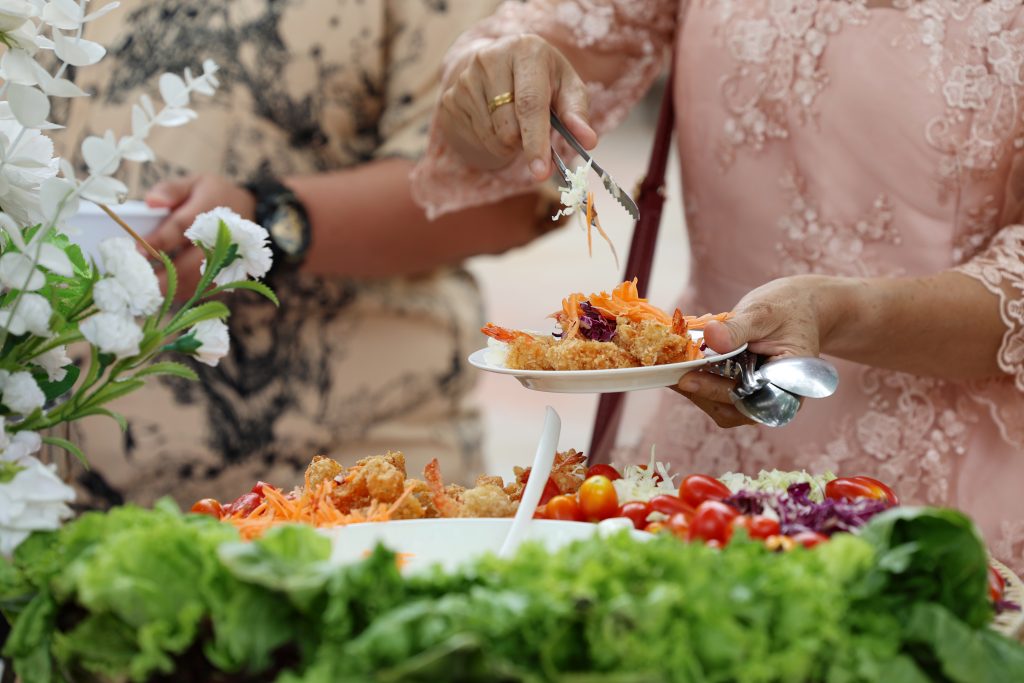
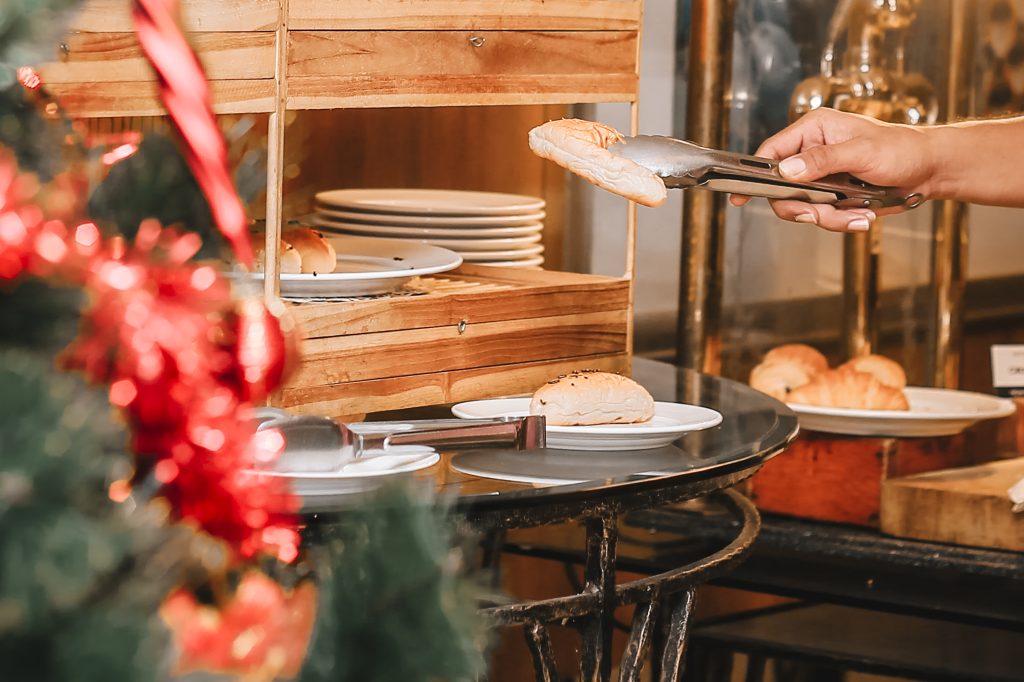
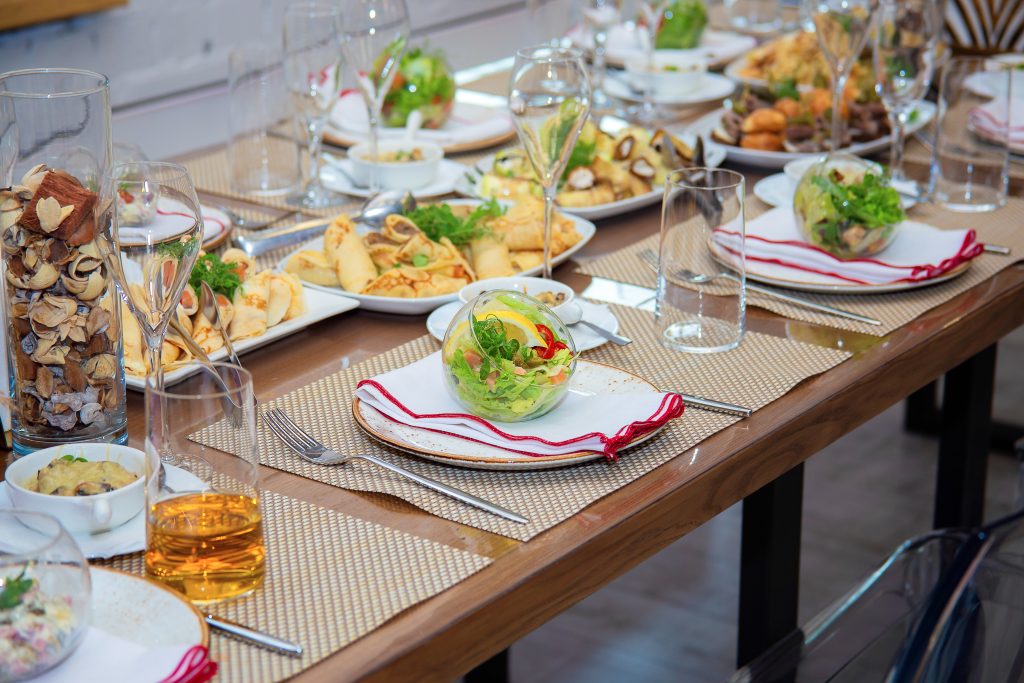
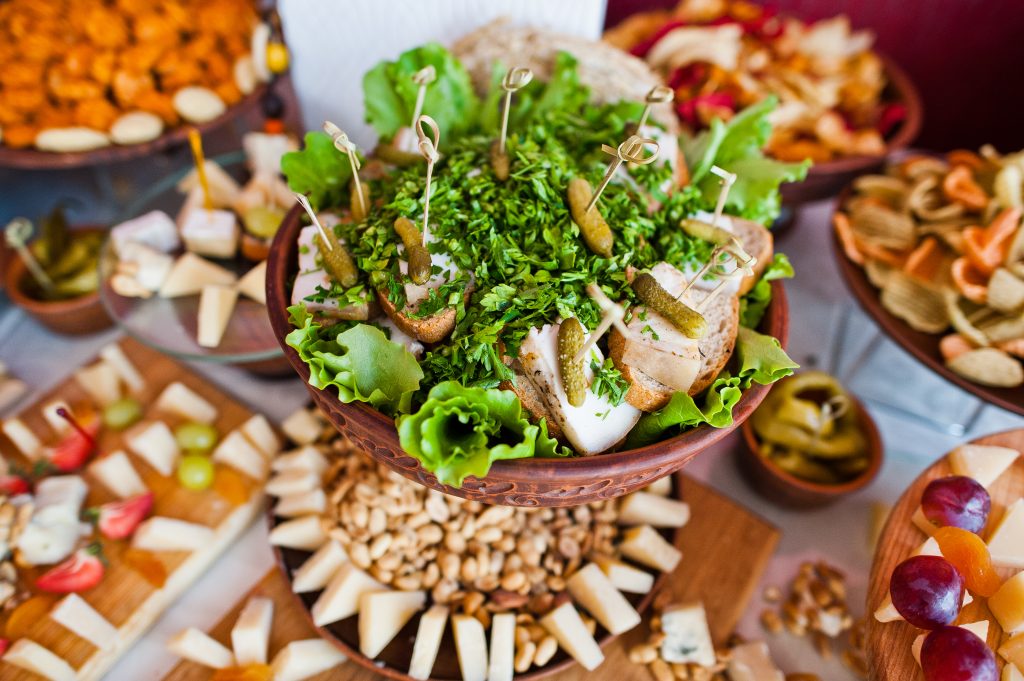
Venue and Service Style: Large buffet-style setups often work better with traditional dishes, while plated or tasting menus suit modern events.
-
Fusion Options: Many weddings successfully combine both styles, offering traditional favorites alongside modern or fusion dishes to cater to all guests.
Tips for a Balanced Wedding Menu
-
Include a mix of vegetarian and non-vegetarian dishes
-
Offer a balance of mild and spicy flavors
-
Integrate signature family recipes with modern twists
-
Plan for interactive stations or tasting portions for variety
-
Focus on presentation to enhance the dining experience
Conclusion
Wedding menu planning is more than just selecting dishes—it is about creating an experience that reflects your culture, personality, and the preferences of your guests. Traditional menus bring authenticity, comfort, and cultural richness, while modern menus add sophistication, creativity, and visual appeal. Many couples find that blending both approaches results in a memorable and versatile menu that satisfies all attendees. Partnering with an experienced wedding caterer ensures seamless execution, balanced flavors, and a dining experience that becomes one of the highlights of your special day.