
 English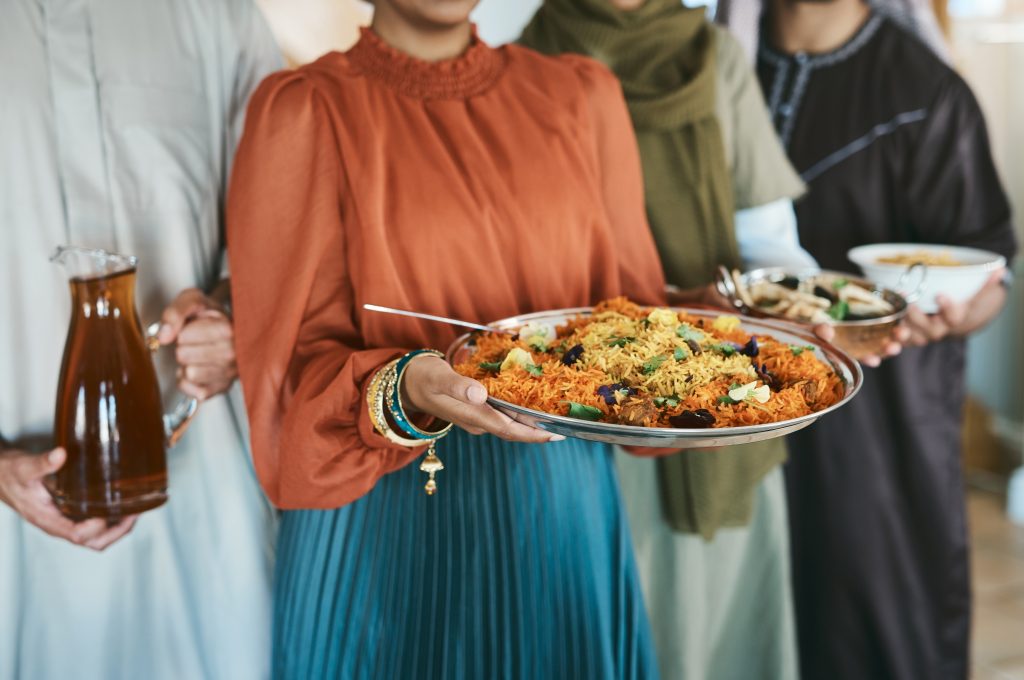










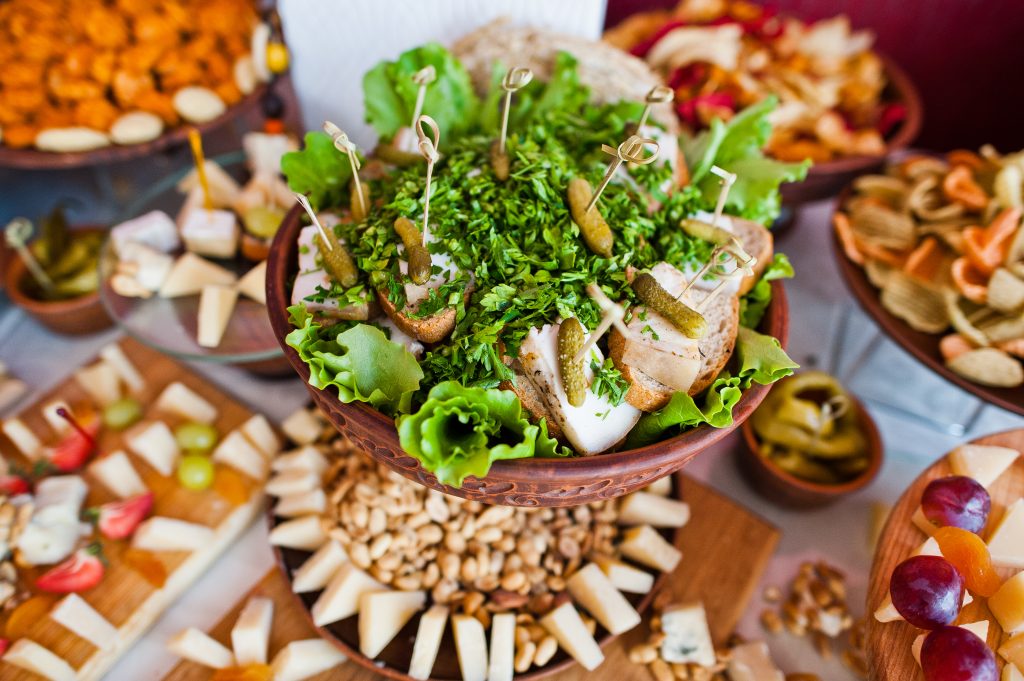
Traditional Menus for Cultural Festivals

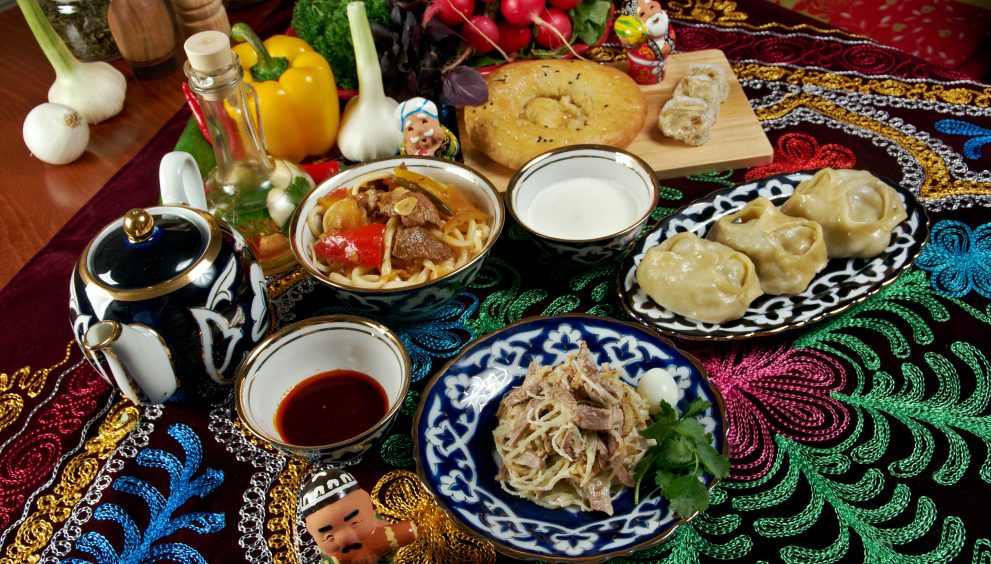
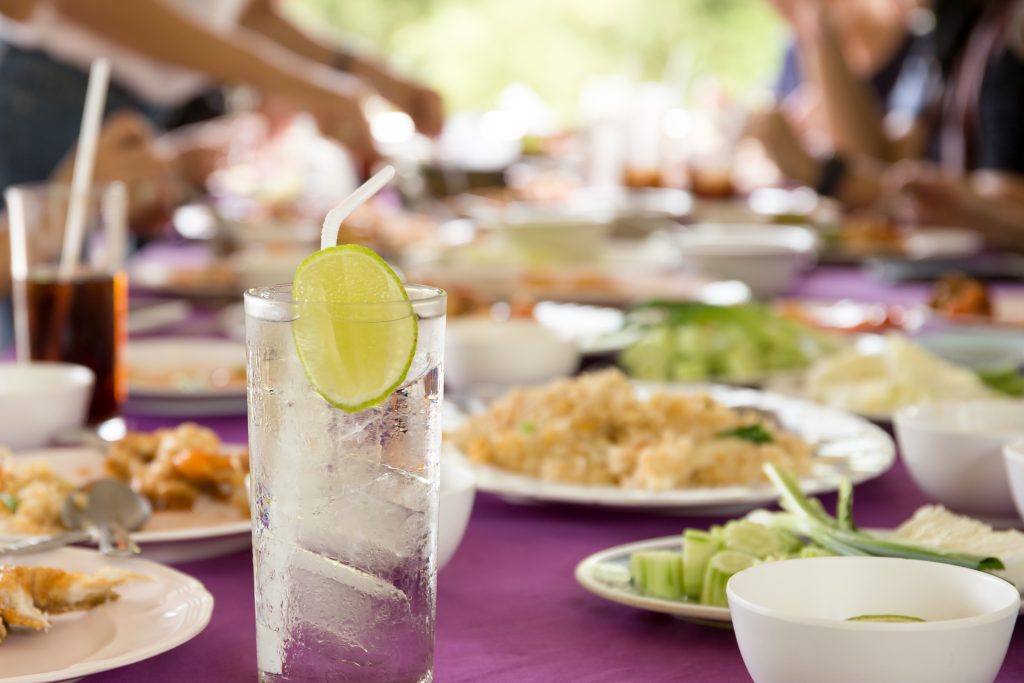
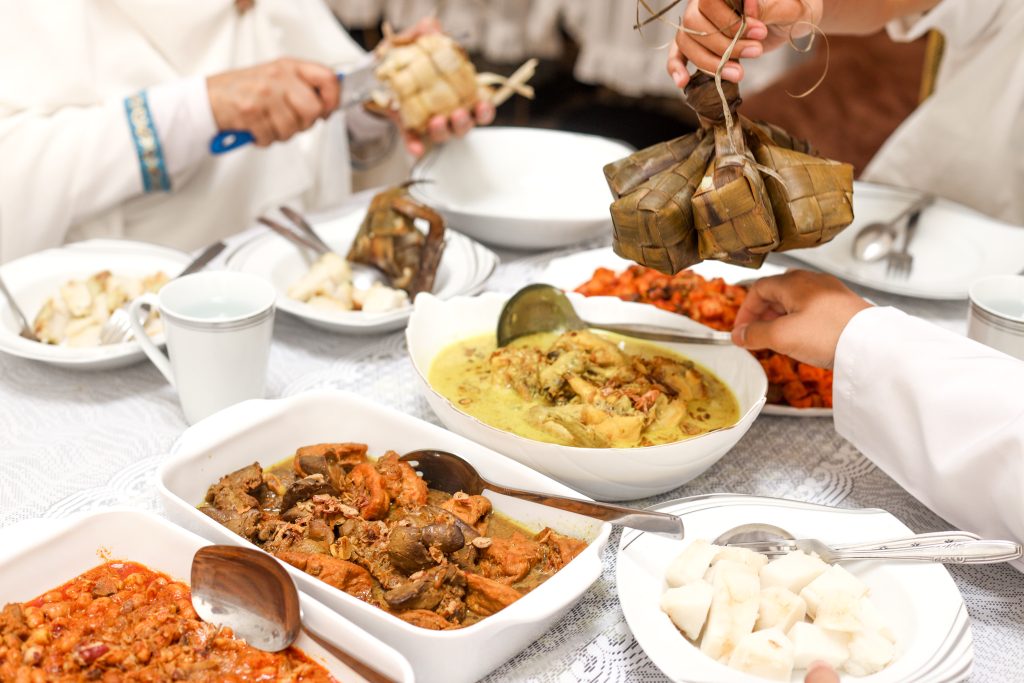
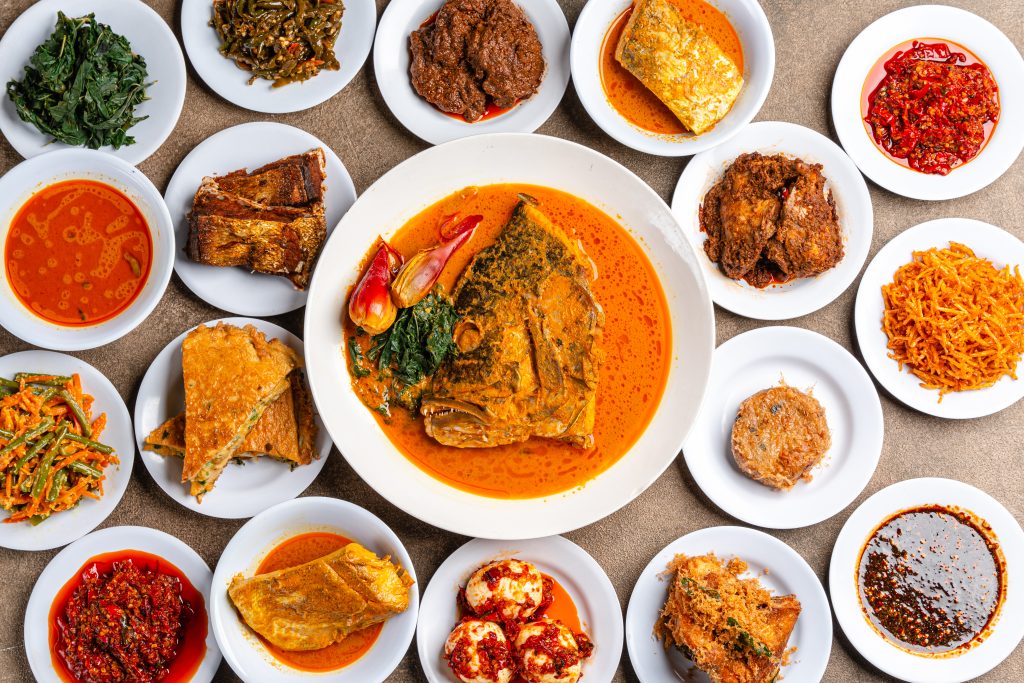
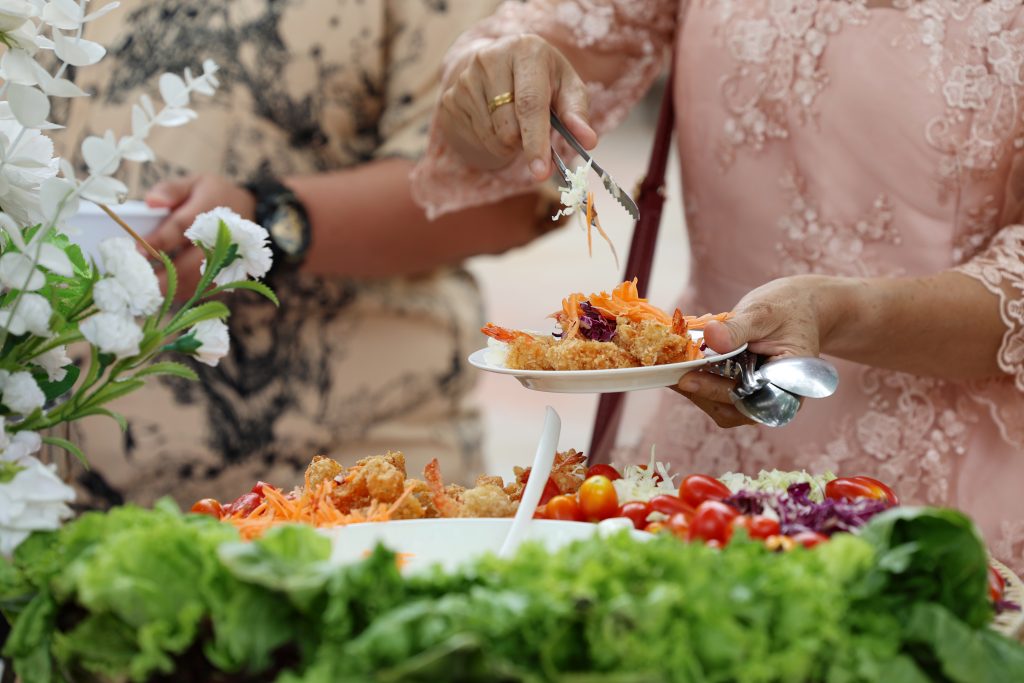
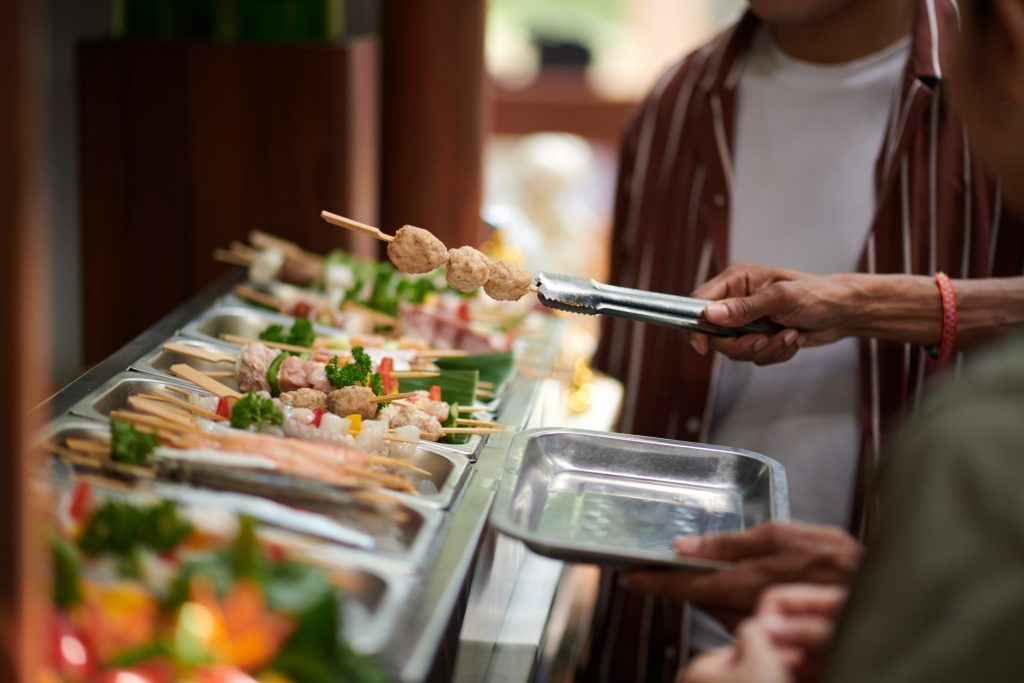
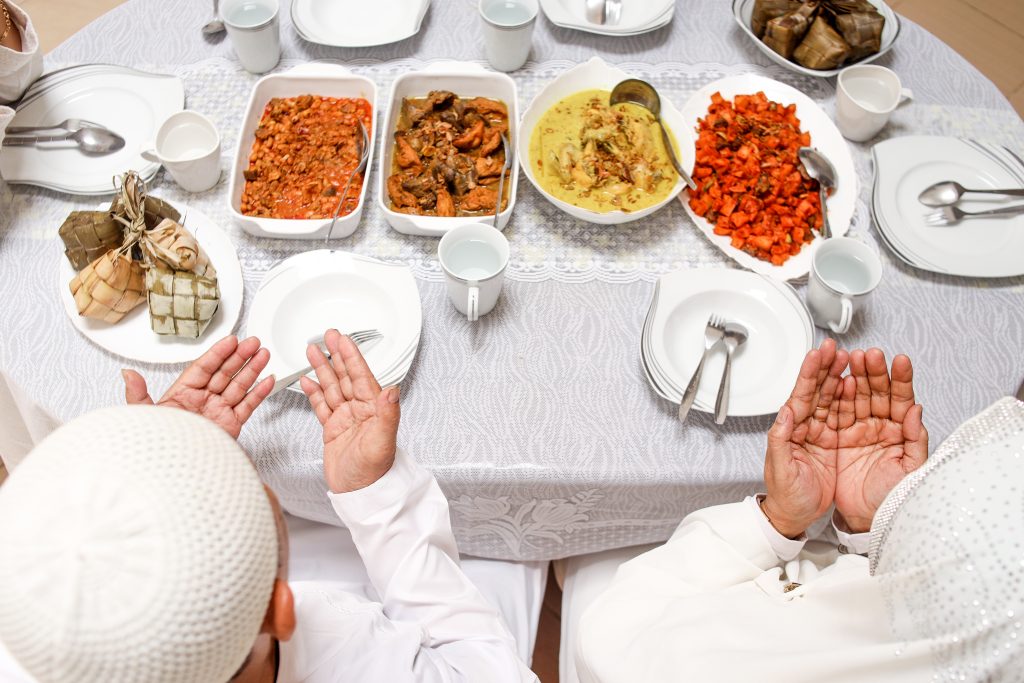
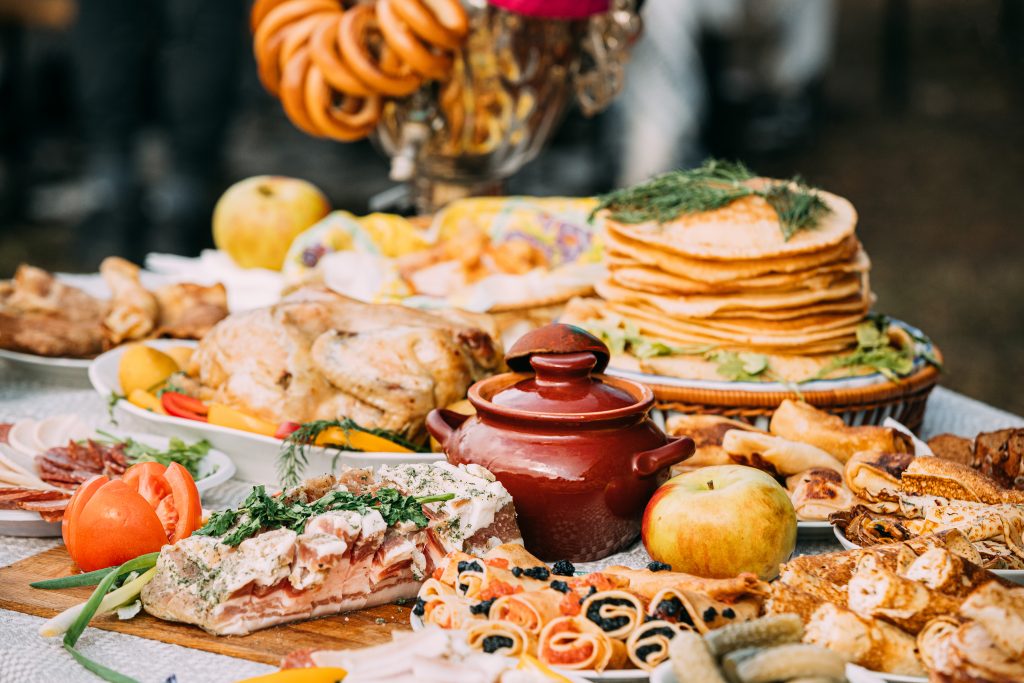
Cultural festivals are a celebration of heritage, community, and shared traditions, and food plays a central role in bringing people together. Whether it’s a regional holiday, religious celebration, or international festival, a well-curated traditional menu can enhance the festive atmosphere, delight guests, and create lasting memories.
Why Traditional Menus Matter
Traditional dishes go beyond taste—they reflect history, culture, and identity. Serving authentic foods at cultural festivals:
-
Honors heritage and ancestral culinary traditions.
-
Provides guests with a meaningful and immersive experience.
-
Encourages interaction, as many dishes are designed for sharing.
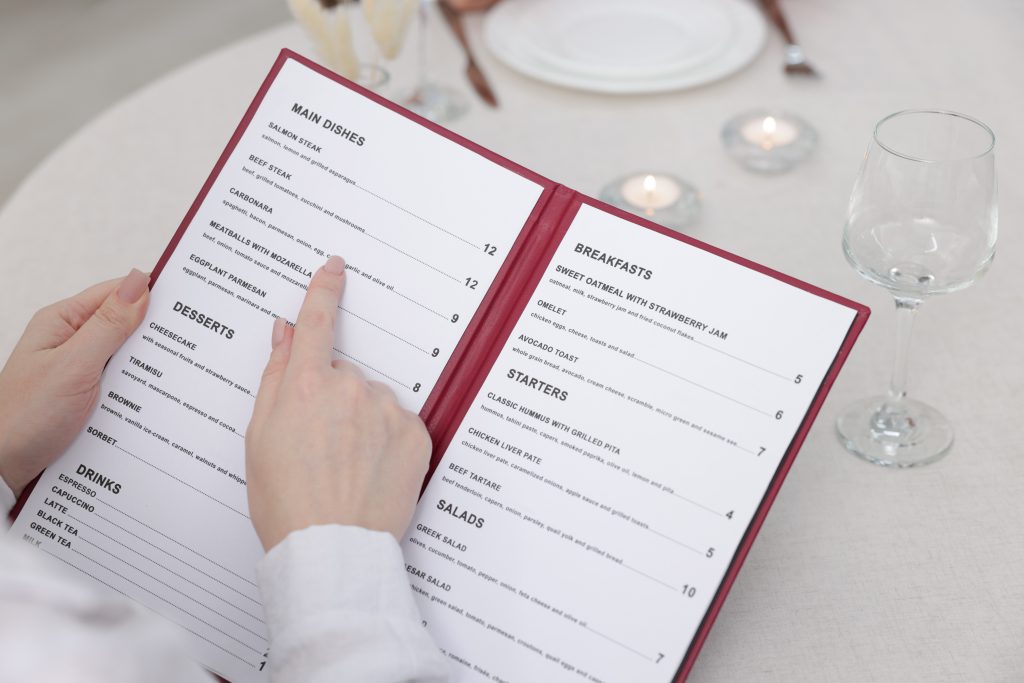
A thoughtfully designed menu ensures that the festival feels authentic, immersive, and memorable.
Popular Traditional Menu Ideas for Festivals
1. South Asian Festivals
-
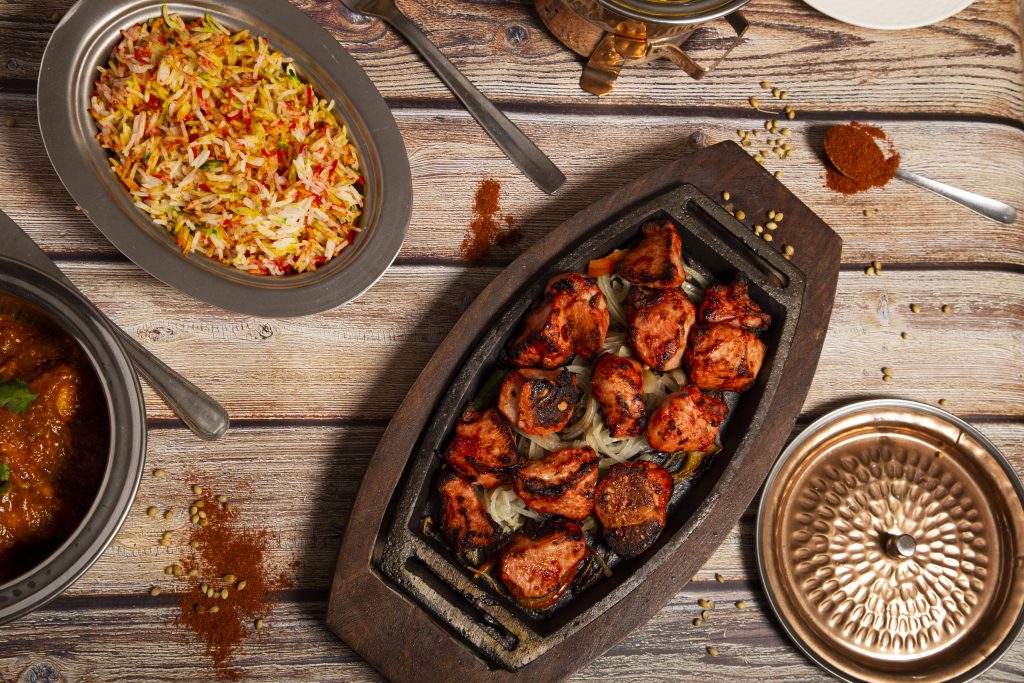
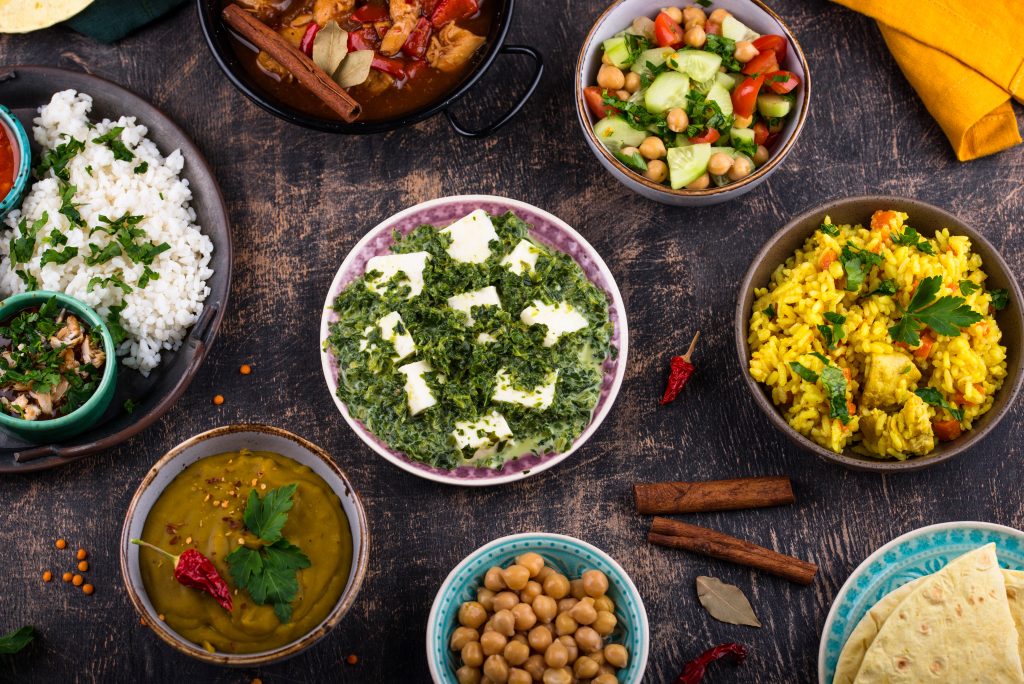
Main Dishes: Biryani, butter chicken, dal makhani, and paneer tikka are ideal for large gatherings.
-
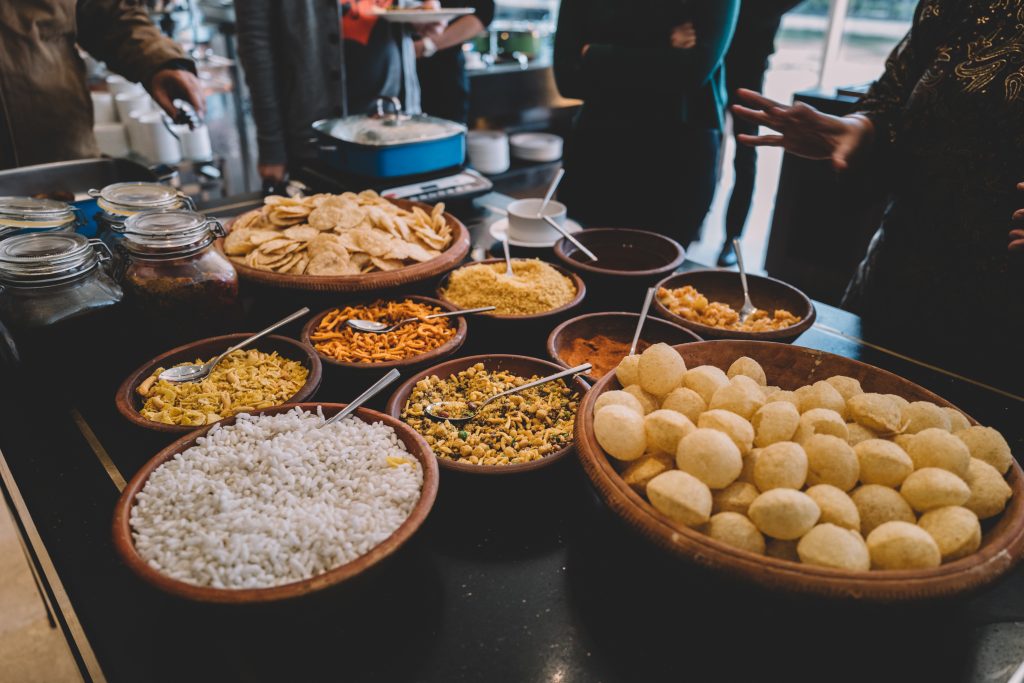
Snacks: Samosas, pakoras, and chaat keep guests engaged during celebrations.
-
Desserts: Gulab jamun, jalebi, kheer, and barfi are perfect for festive sweetness.
These dishes are versatile for both religious celebrations like Diwali and Eid, and for regional cultural events.
2. Middle Eastern Festivals
-
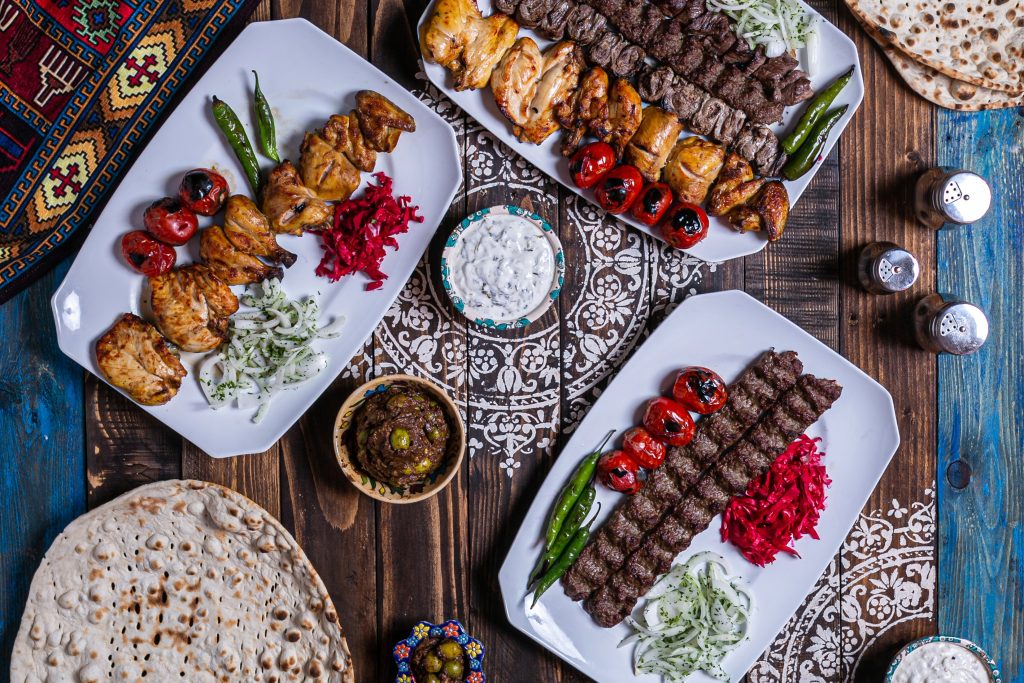
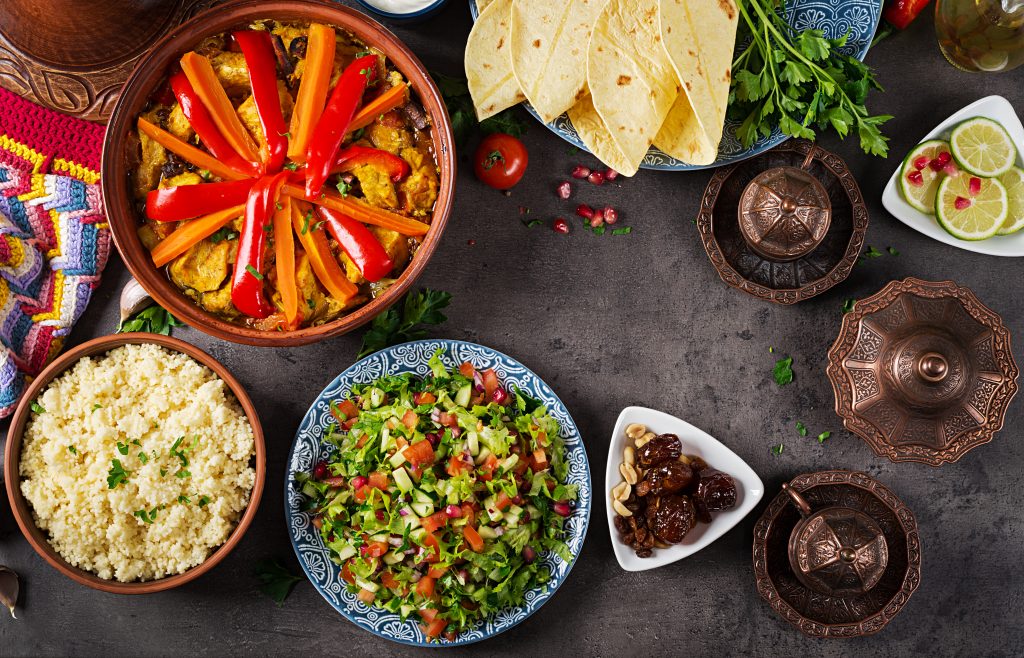
Main Dishes: Grilled meats like kebabs and shawarma, rice dishes like pilaf, and tagines.
-
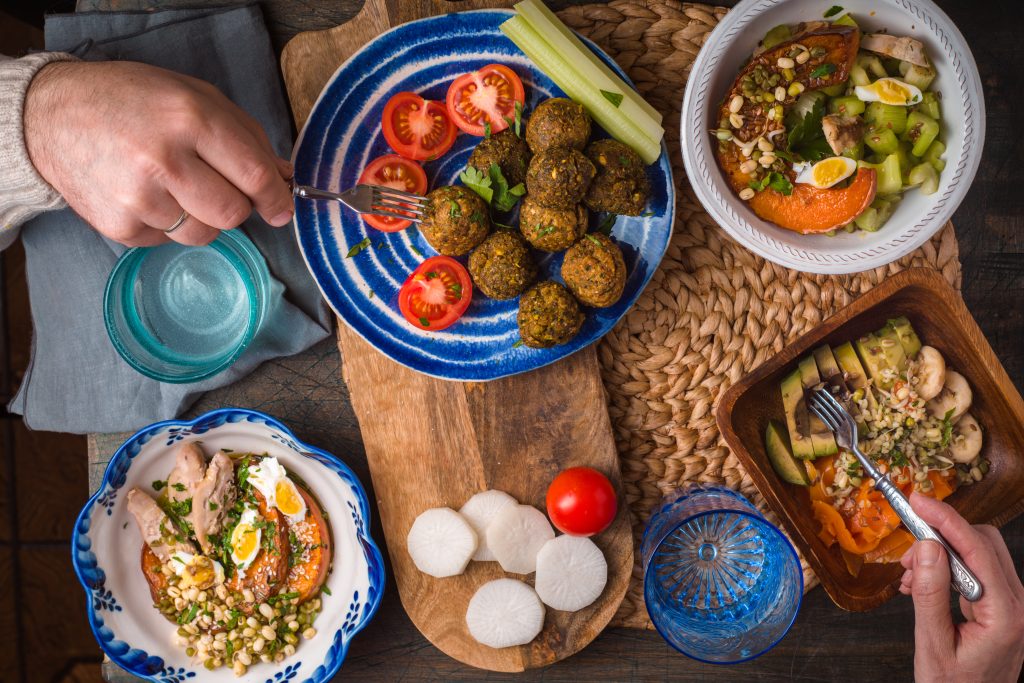
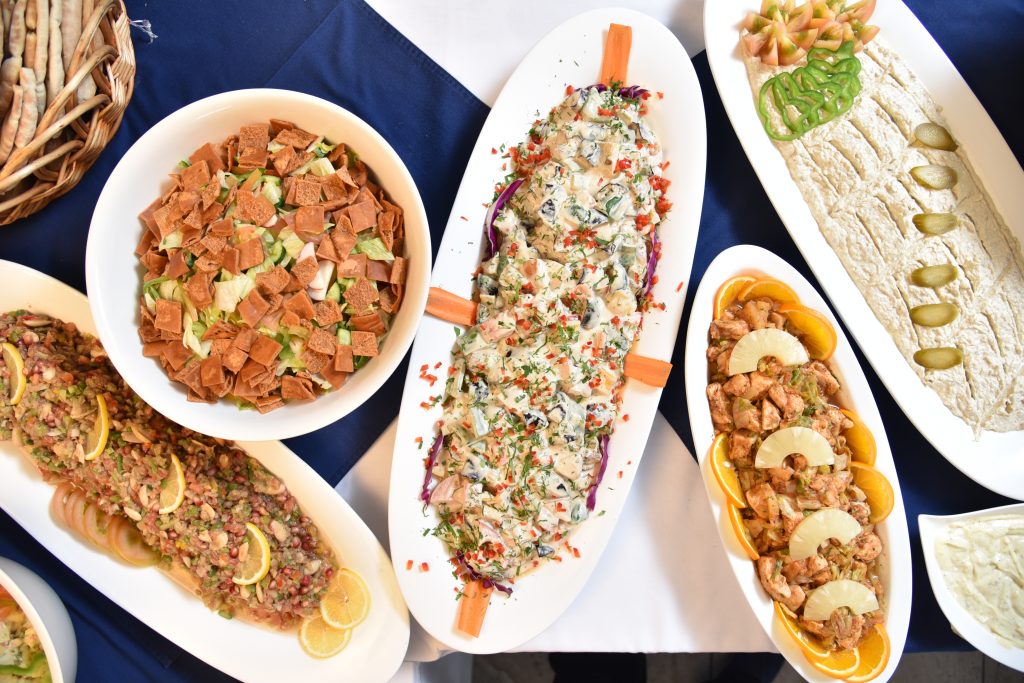
Appetizers: Mezze platters including hummus, baba ghanoush, stuffed grape leaves, and falafel.
-
Desserts: Baklava, maamoul, and qatayef.
The rich spices and aromatic flavors of Middle Eastern dishes make them ideal for communal festival dining.
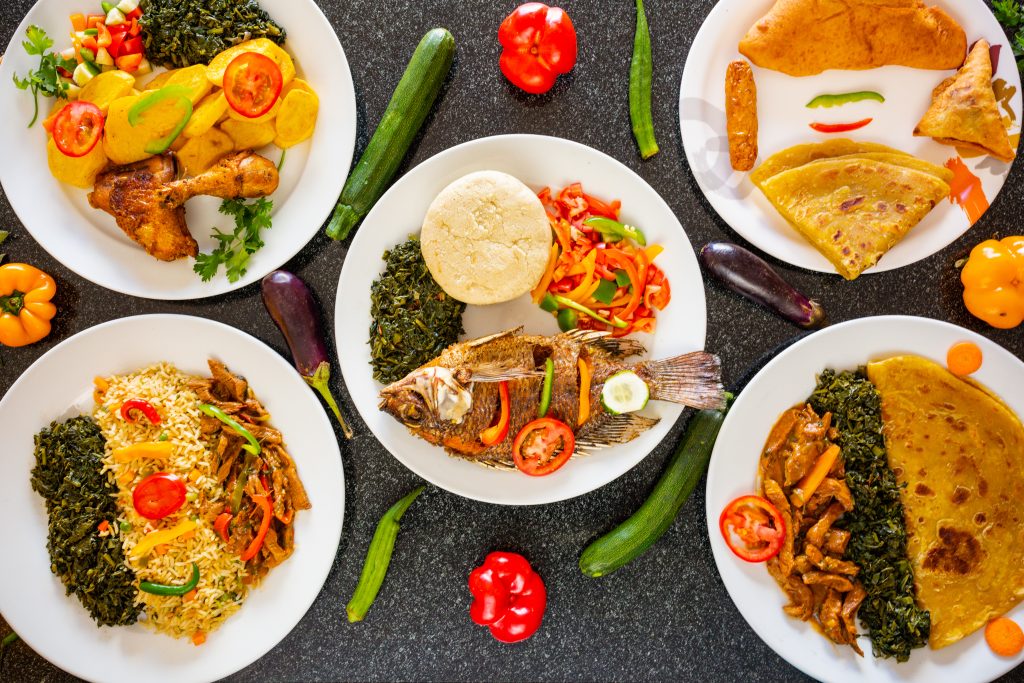
3. African Festivals
-
Main Dishes: Jollof rice, egusi stew, curry chicken, and fufu.
-
Snacks: Suya skewers, fried plantains, and pastries like meat pies.
-
Desserts: Puff-puff, coconut sweets, and tropical fruit tarts.
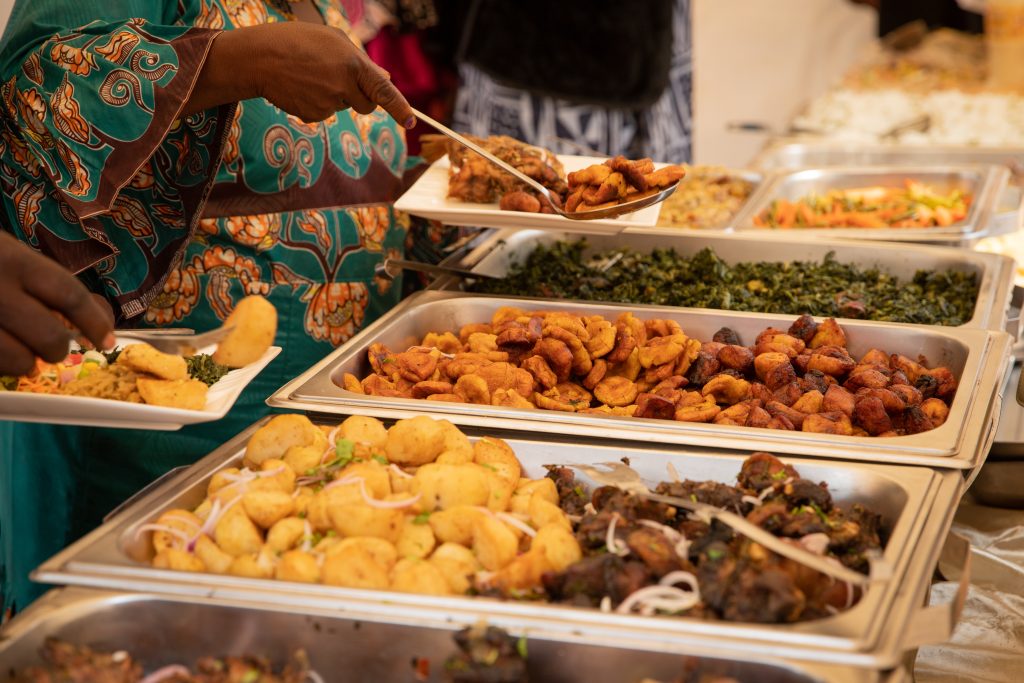
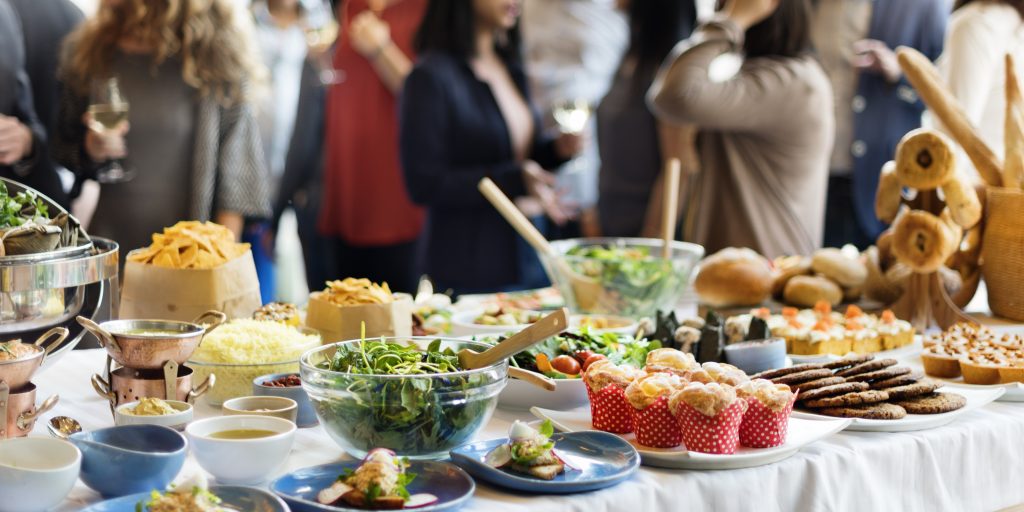
African festival menus are bold, flavorful, and perfect for interactive buffet-style setups.
4. Caribbean Festivals
-
Main Dishes: Jerk chicken, curried goat, rice and peas, and seafood stews.
-
Snacks: Mini patties, plantain chips, and festival fritters.
-
Desserts: Rum cake, coconut tarts, and tropical fruit platters.
Caribbean cuisine brings vibrant colors, bold flavors, and festive energy to any celebration.
Tips for Planning Traditional Festival Menus
-
Include Variety: Mix appetizers, main courses, and desserts to cater to all tastes.
-
Accommodate Dietary Needs: Include vegetarian, vegan, and gluten-free options.
-
Highlight Signature Dishes: Feature iconic dishes that are central to the festival’s cultural identity.
-
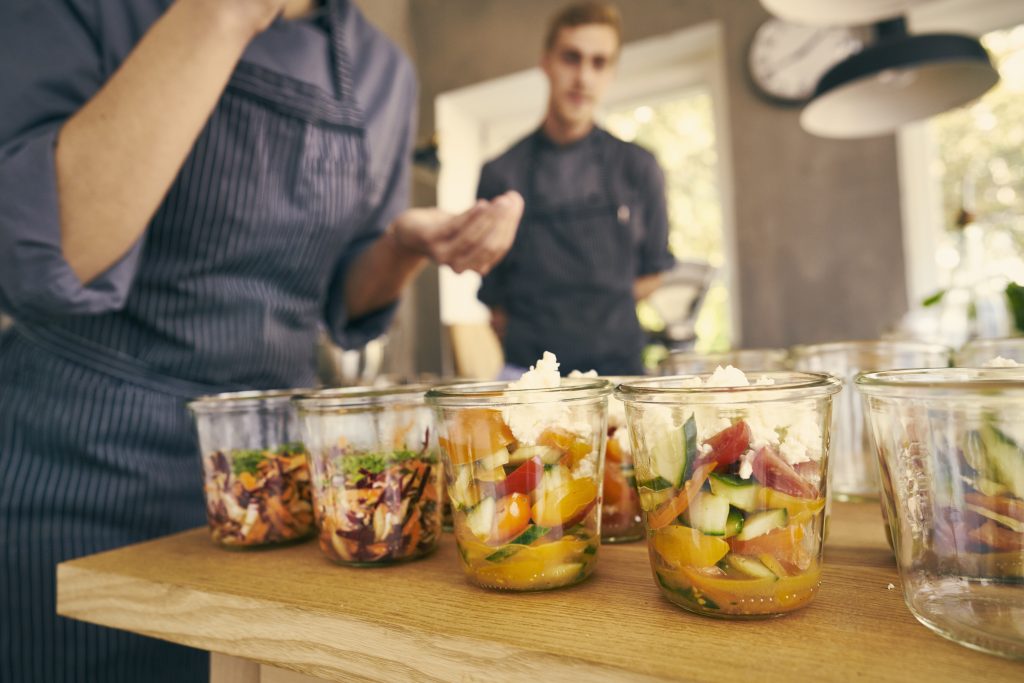
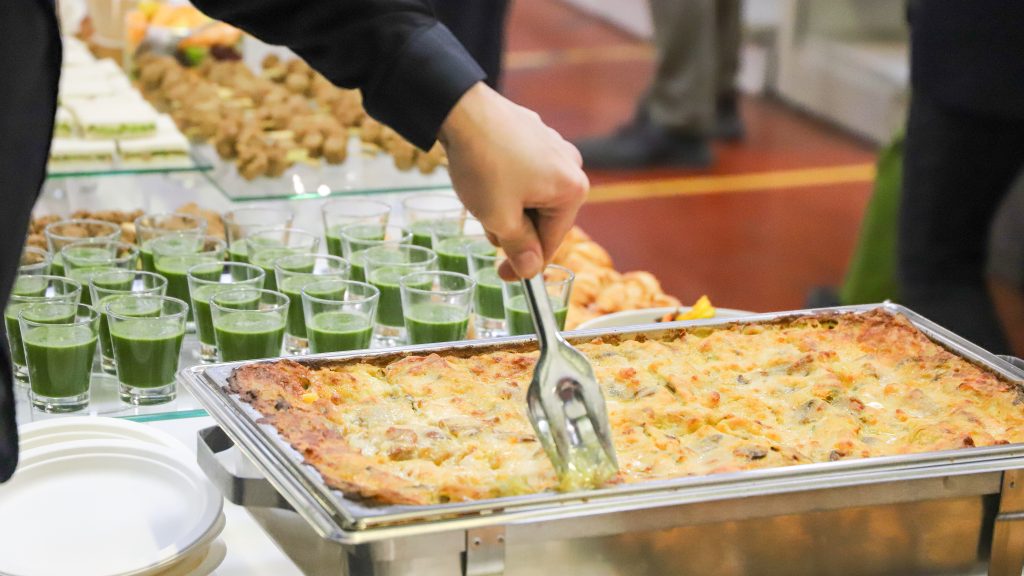
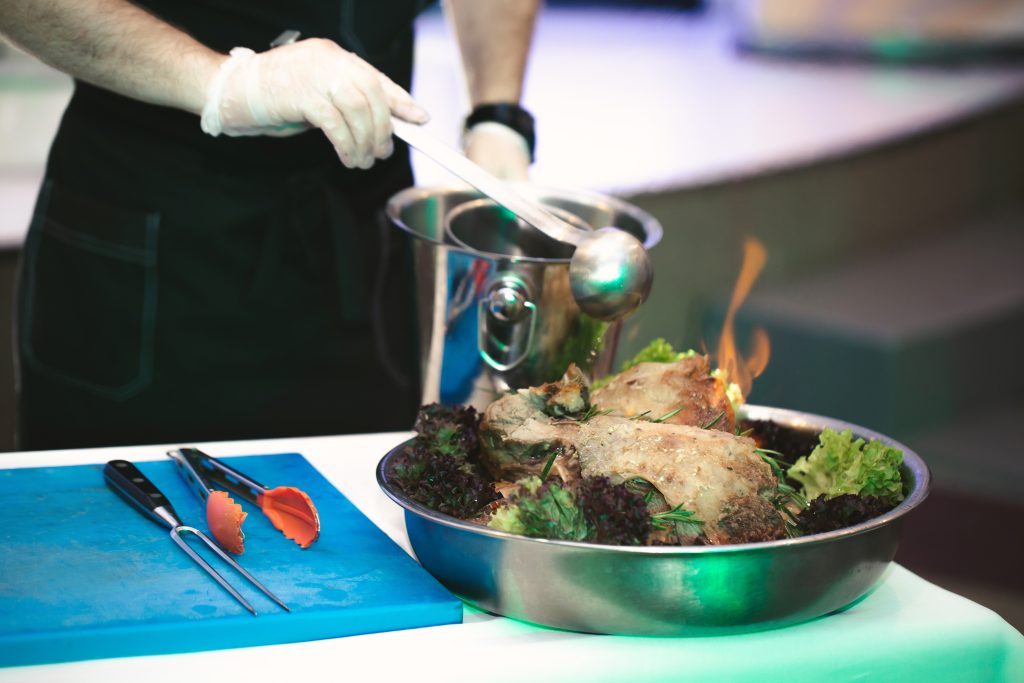
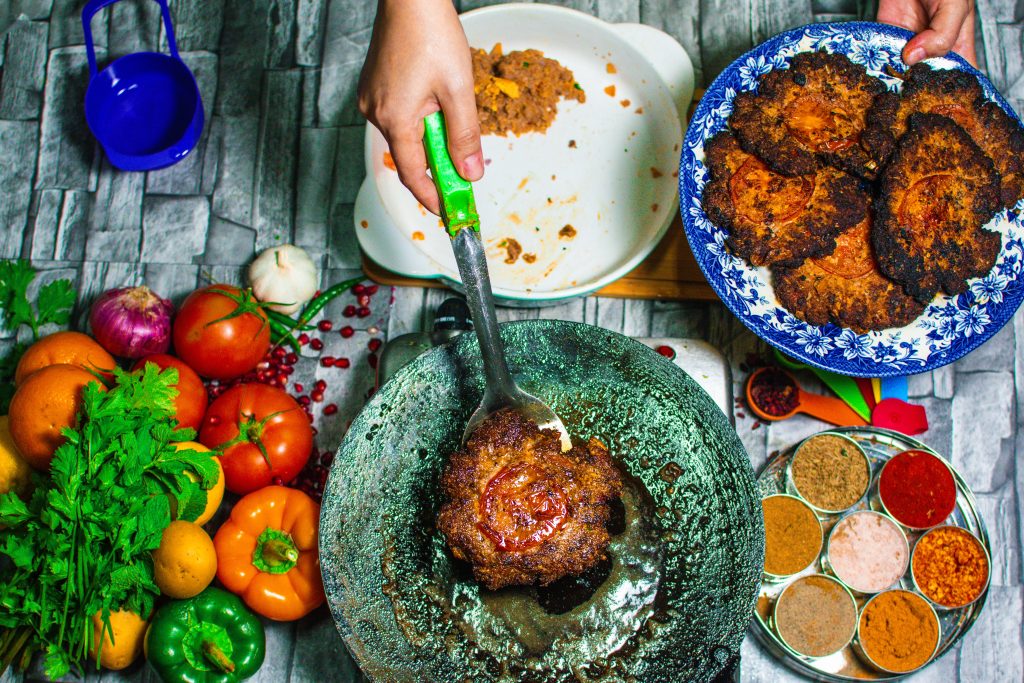
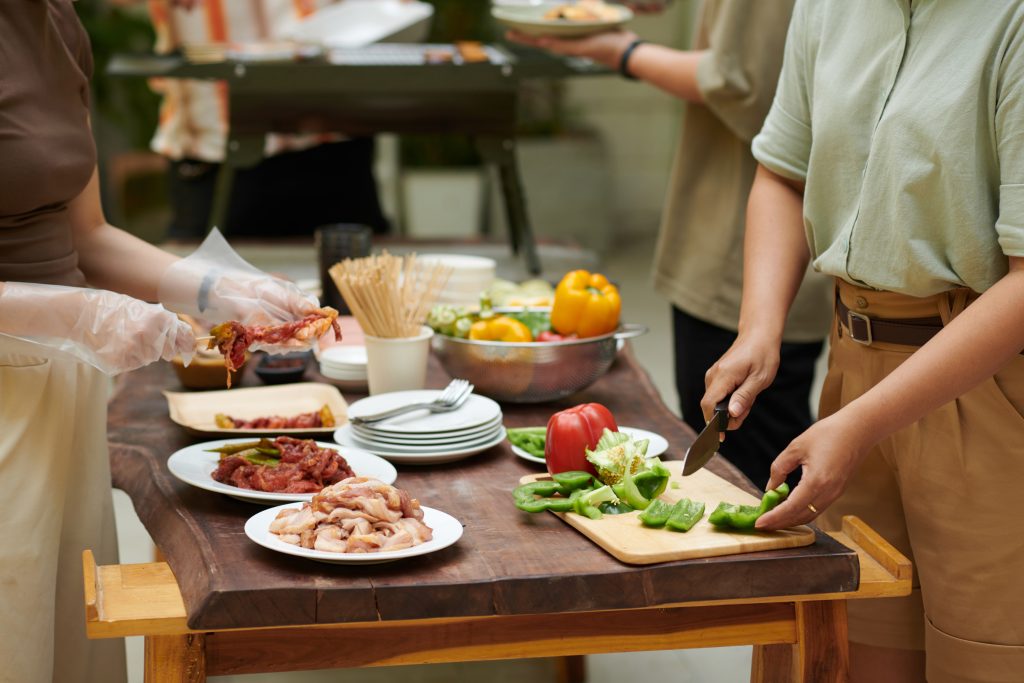
Interactive Stations: Consider live cooking or plating stations to engage guests and enhance the experience.
-
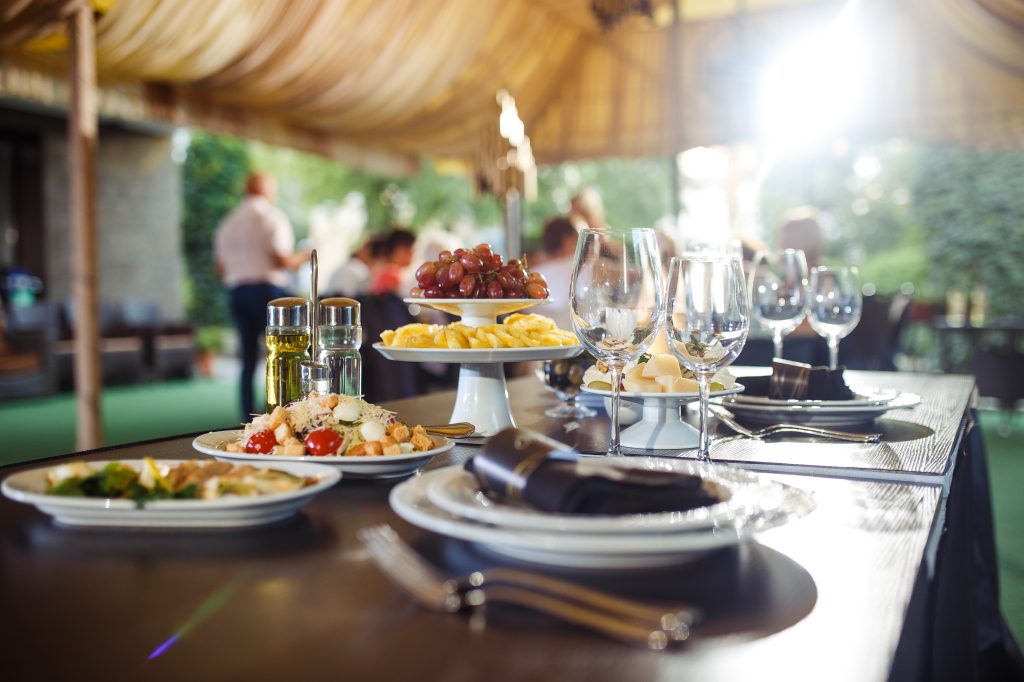
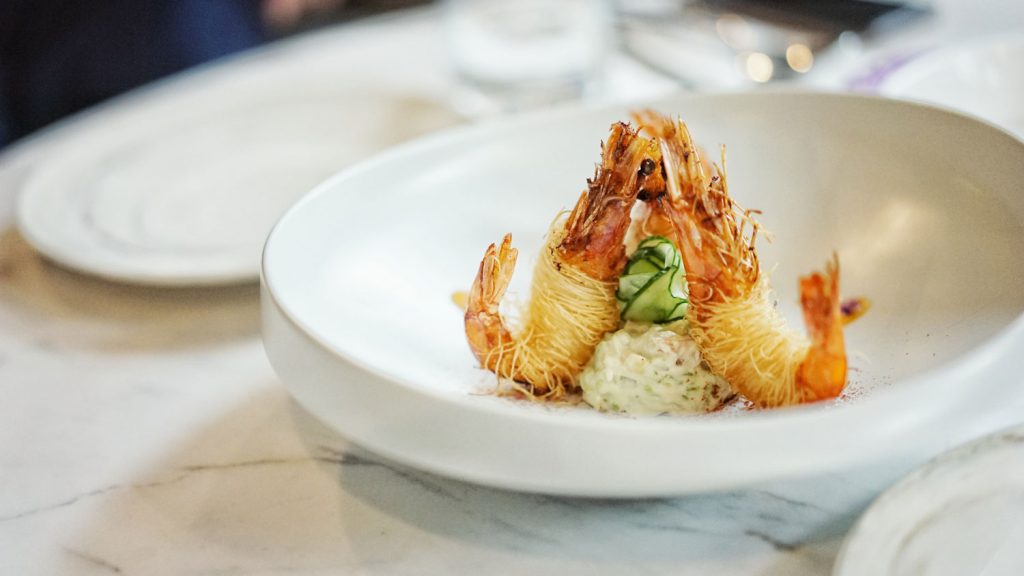
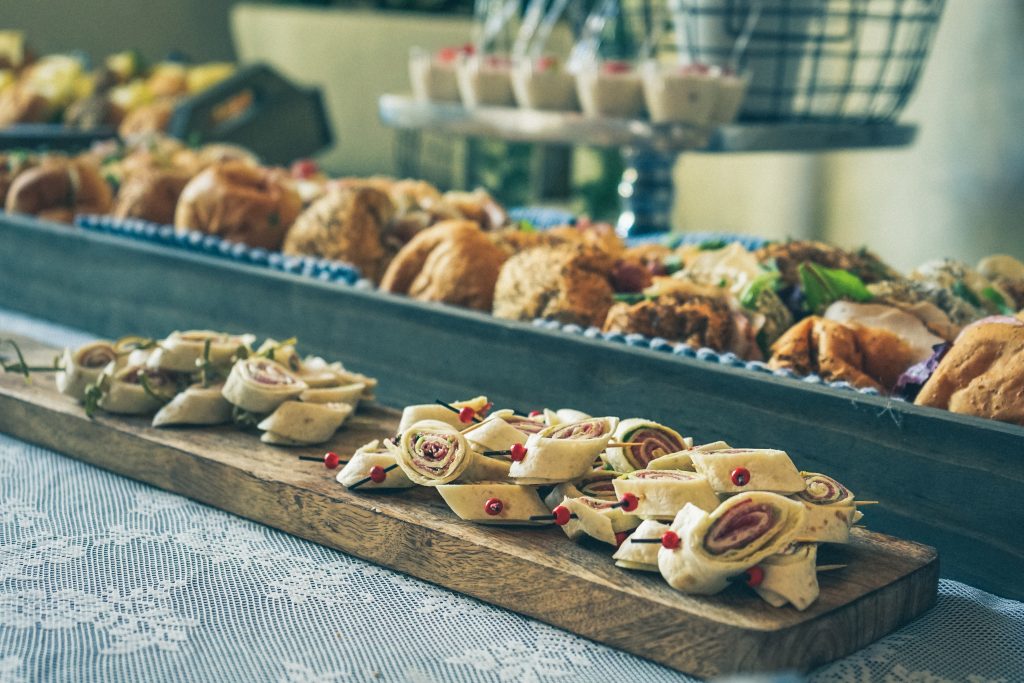
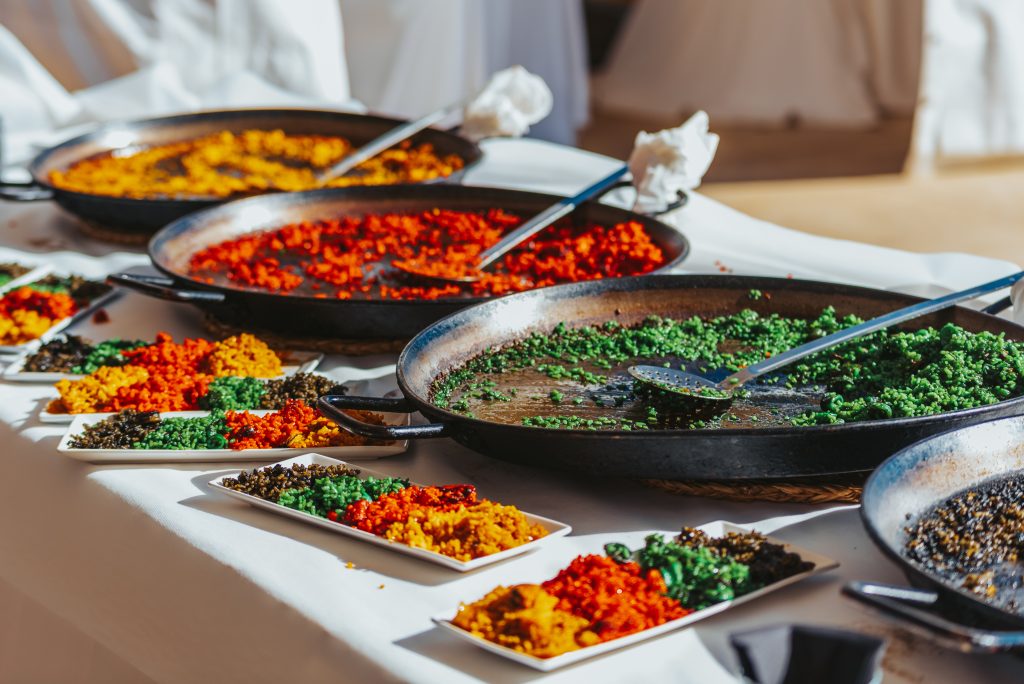
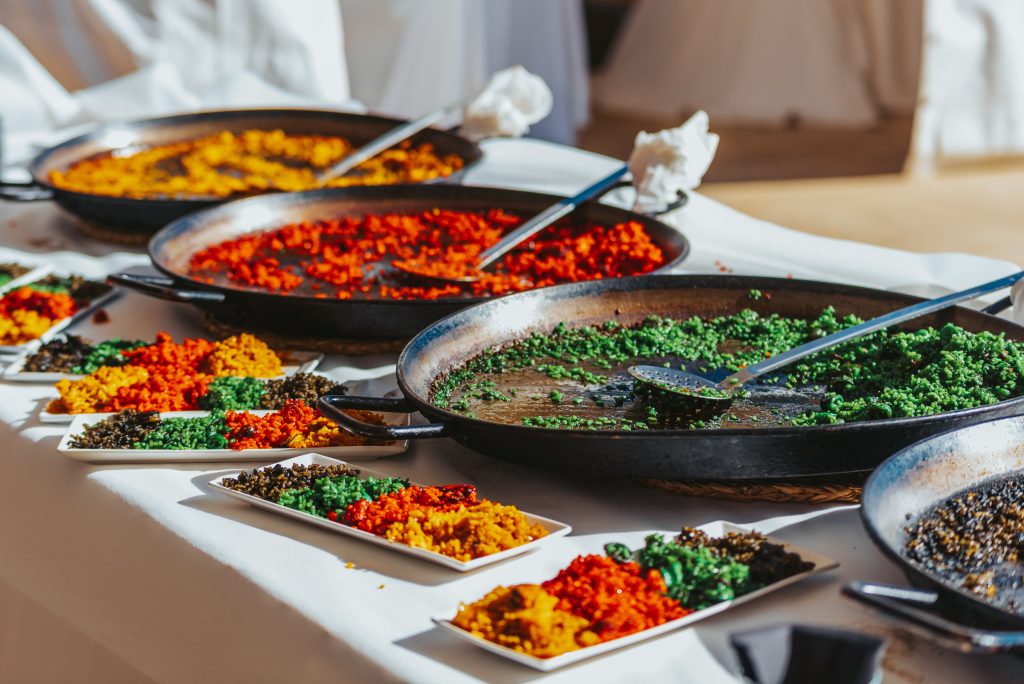
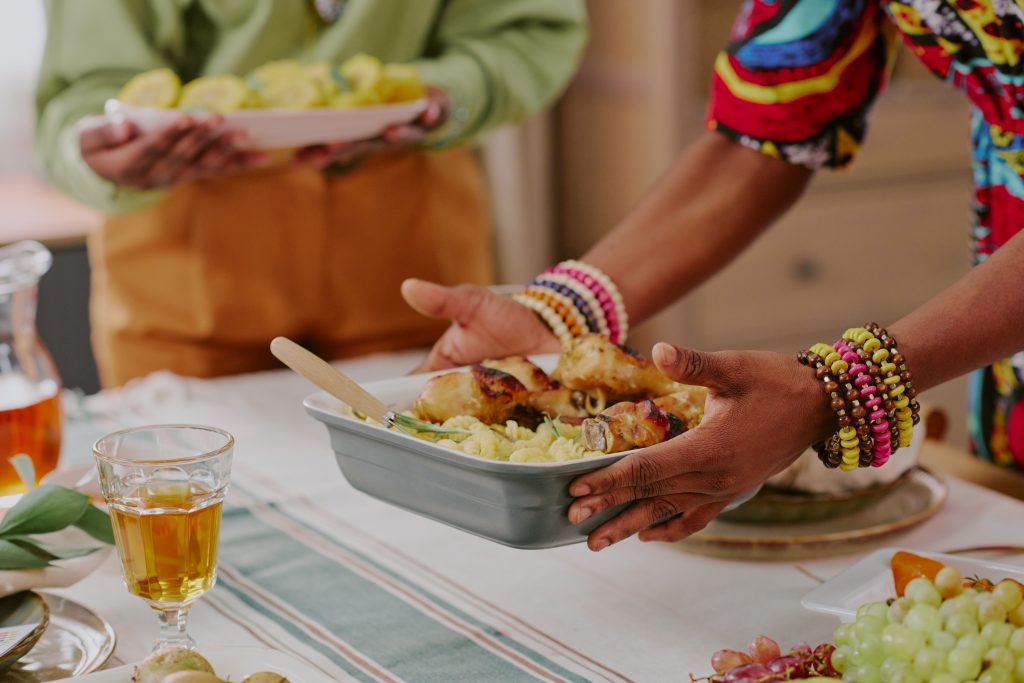
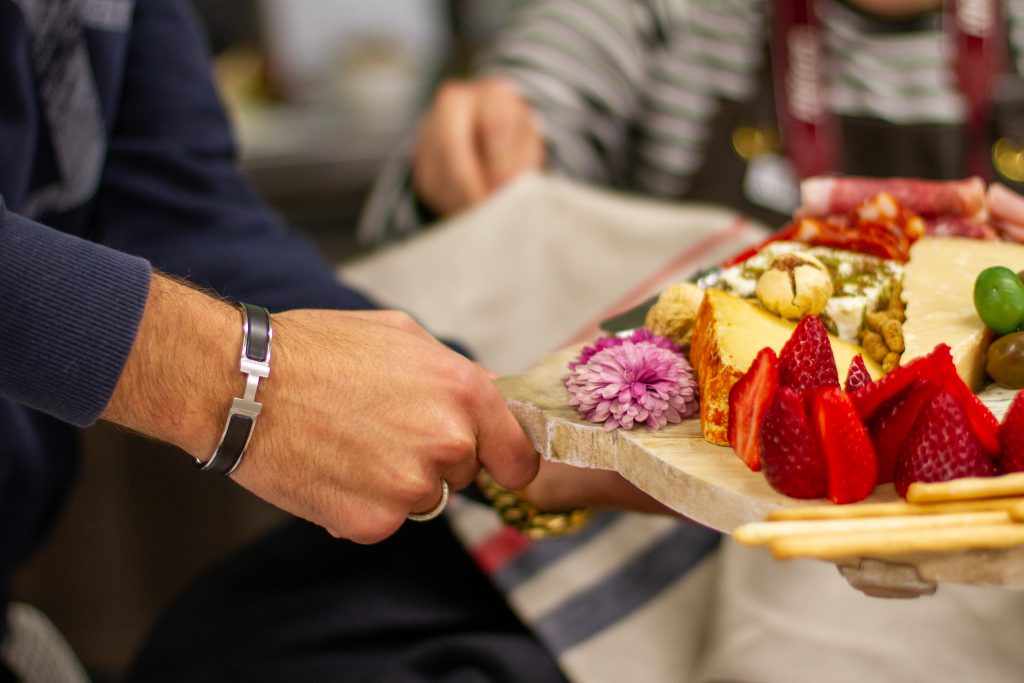
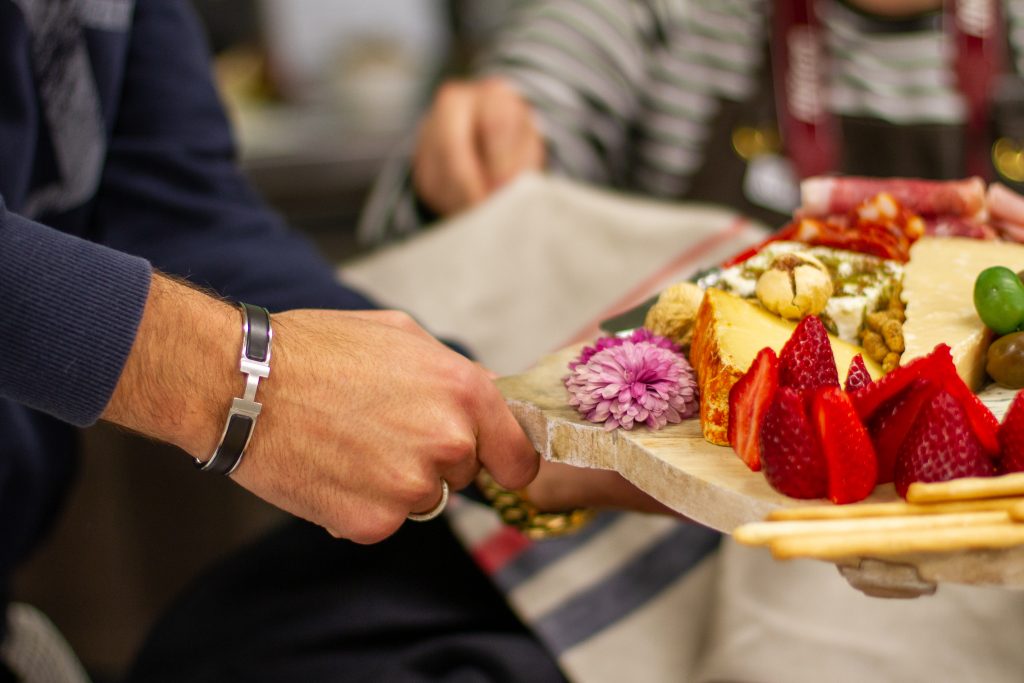
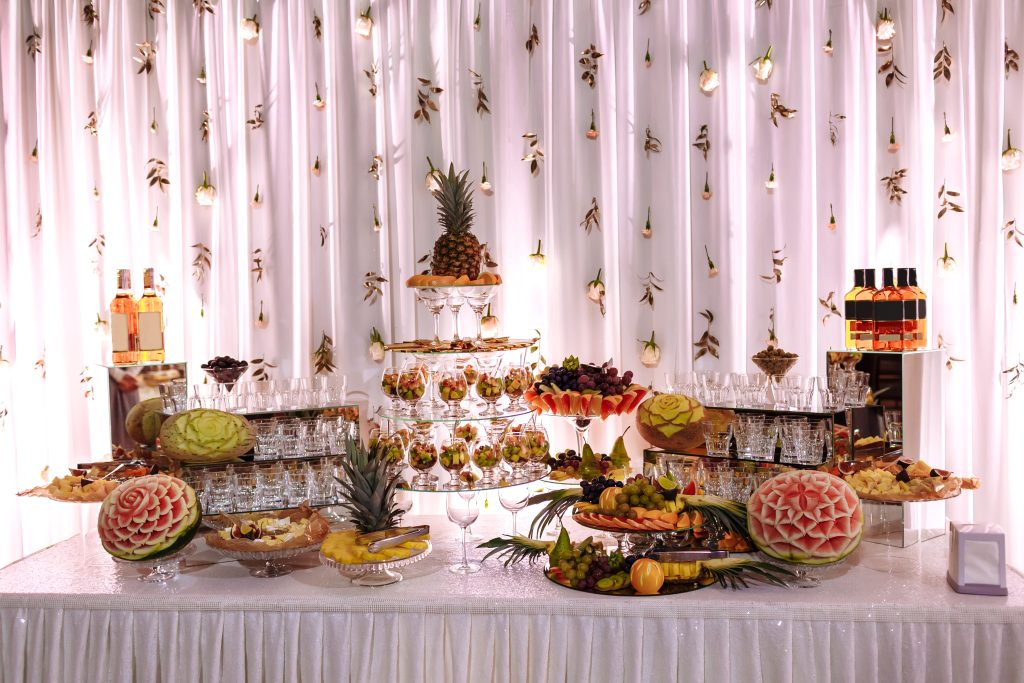
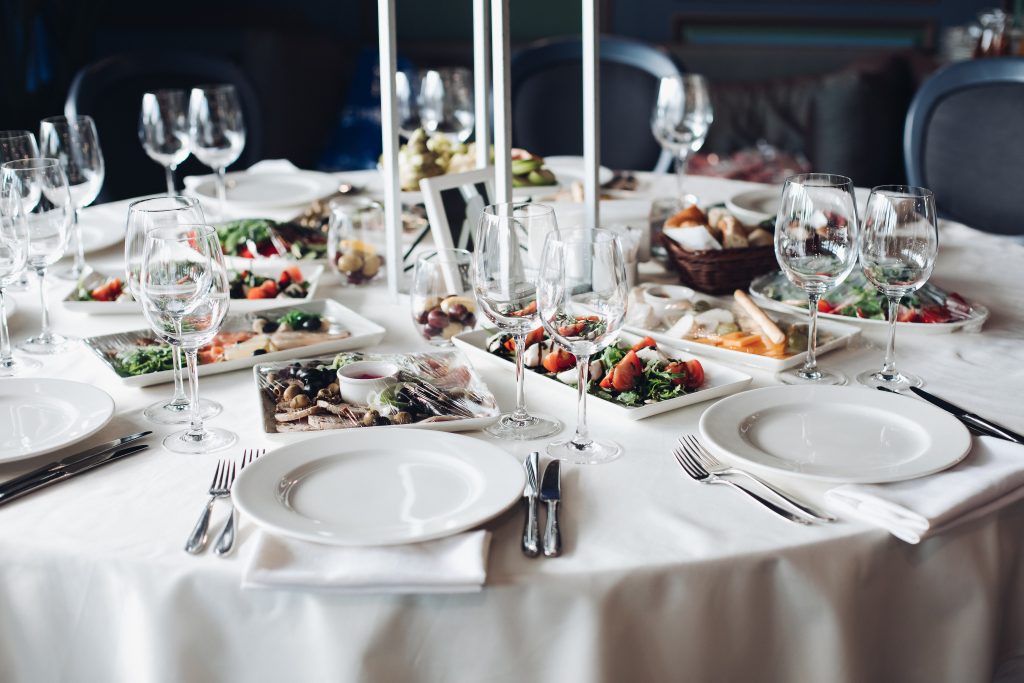
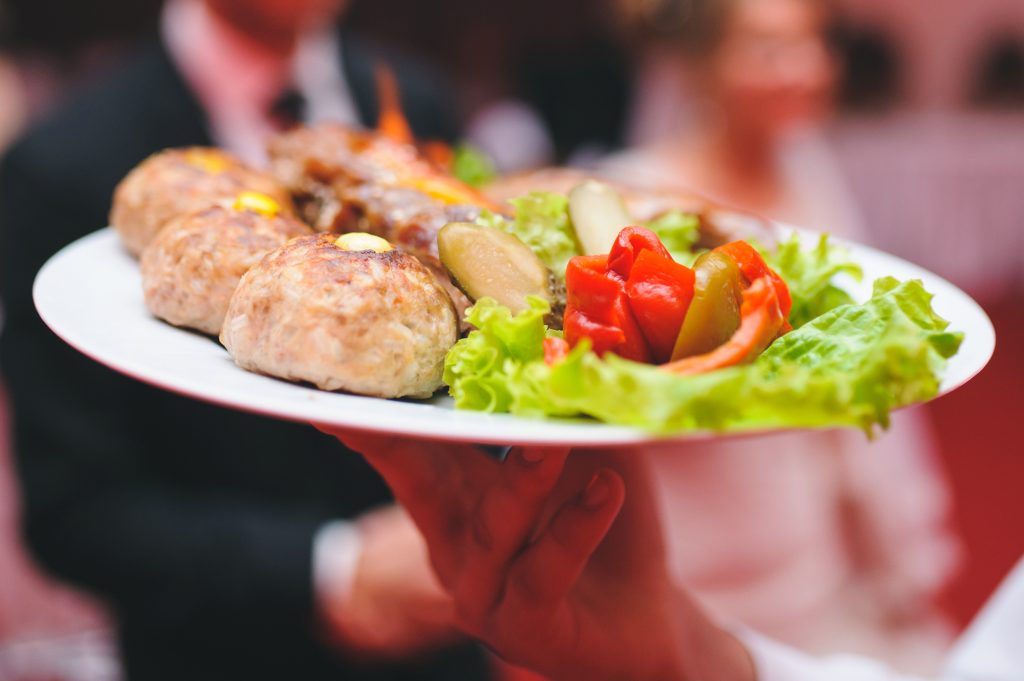
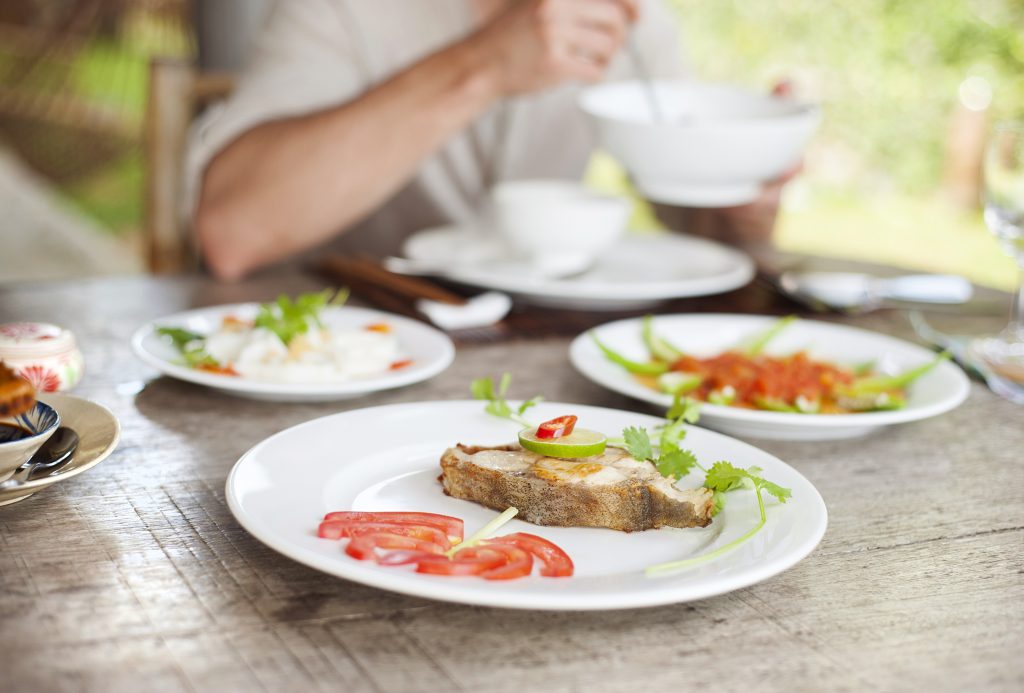
Focus on Presentation: Use traditional serving ware, garnishes, and colorful platters to make the food visually appealing.
Benefits of Serving Traditional Menus
-
Cultural Authenticity: Guests feel immersed in the festival through authentic flavors.
-
Memorable Experience: Thoughtfully prepared and beautifully presented dishes are remembered long after the event.
-
Social Engagement: Sharing traditional foods encourages conversation, bonding, and community building.
-
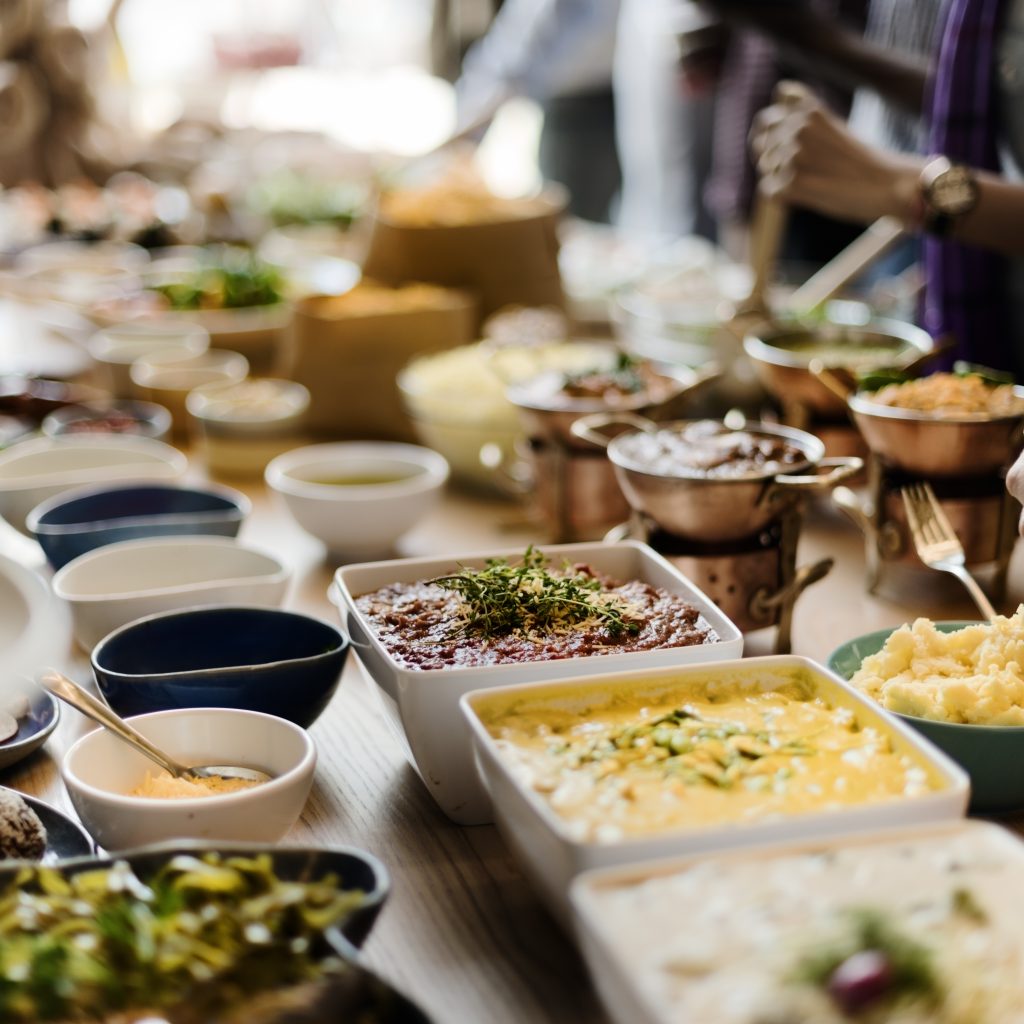
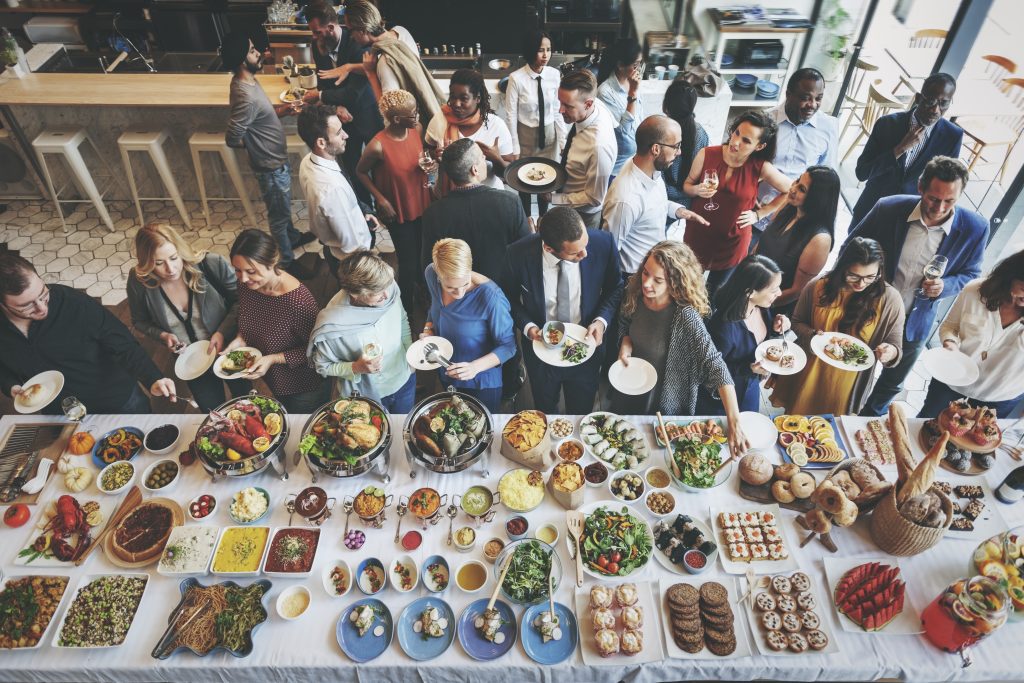
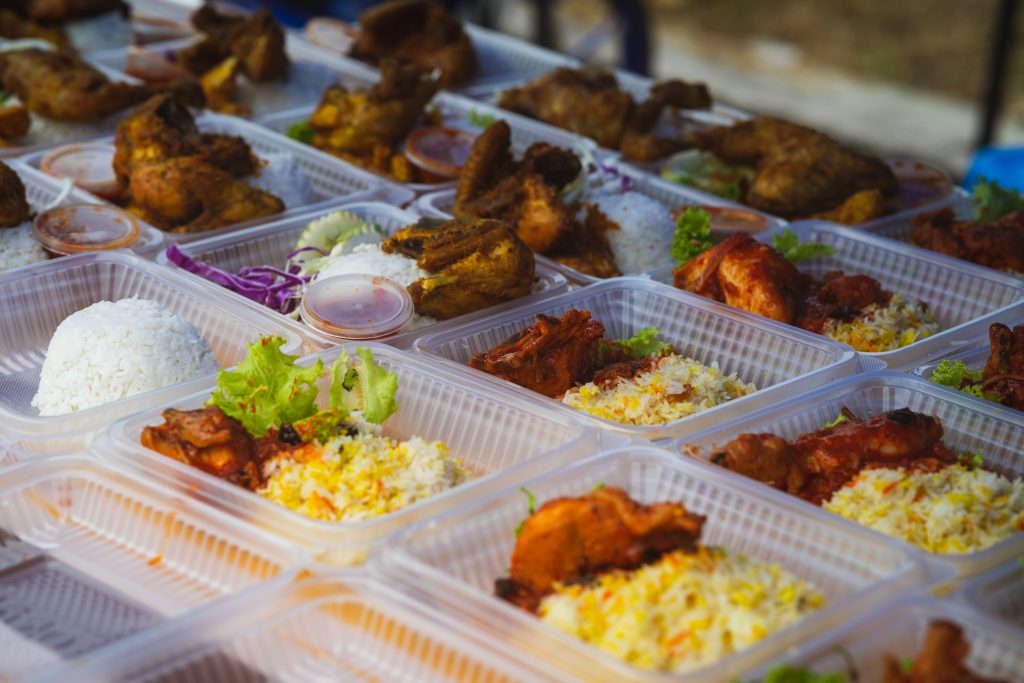
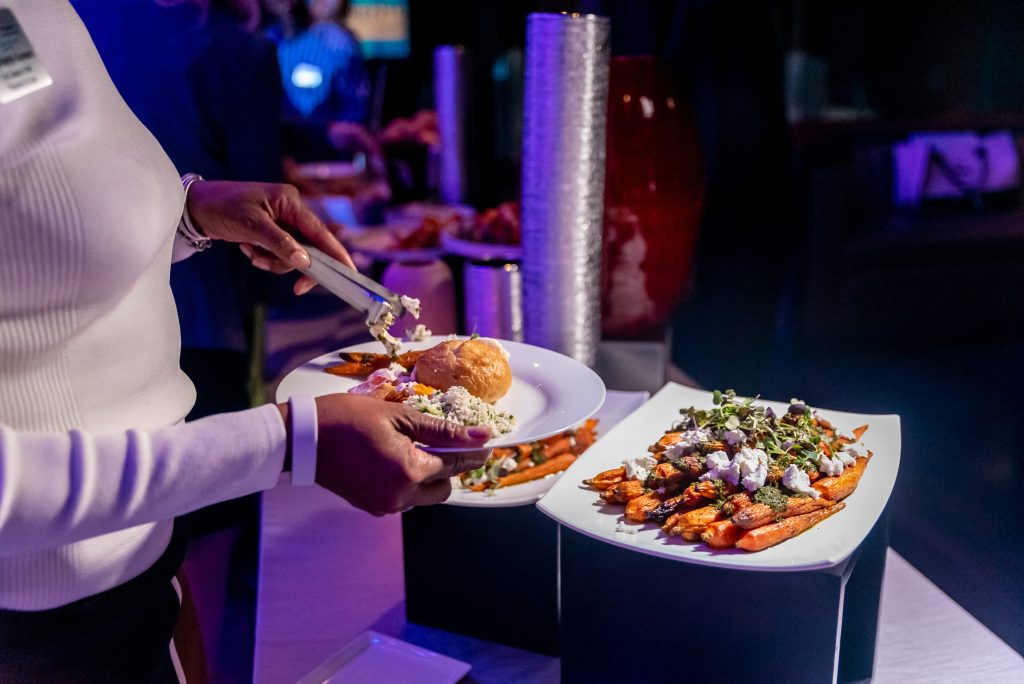
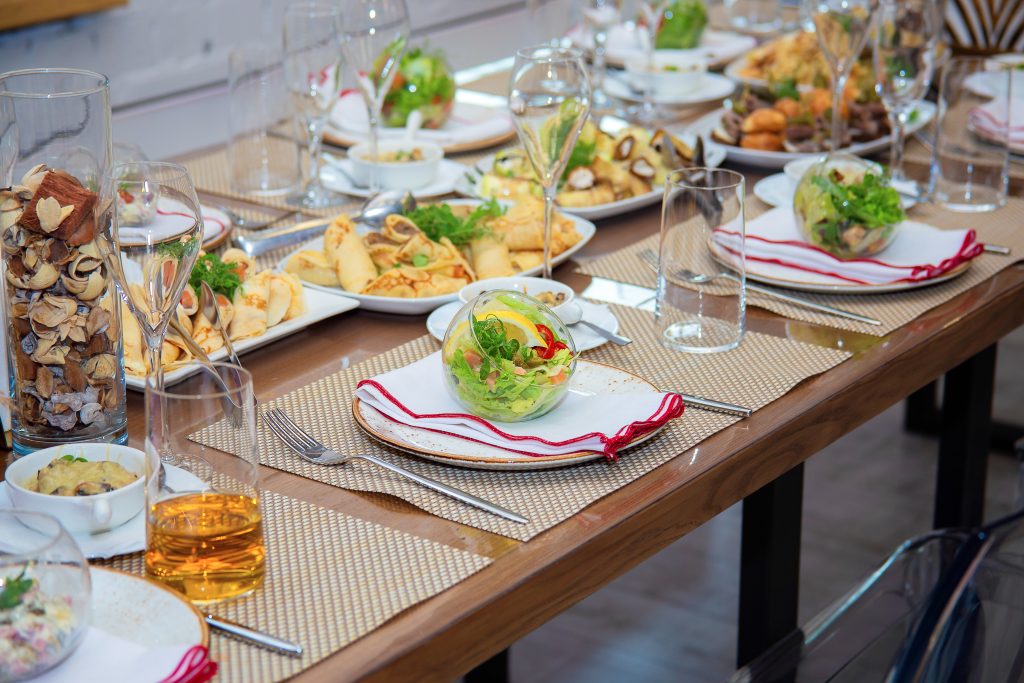
Flexibility: Traditional dishes can often be adapted for buffet, plated, or family-style service depending on event size.
Conclusion
Traditional menus are essential for making cultural festivals authentic, engaging, and memorable. By carefully selecting dishes that reflect the festival’s heritage, balancing flavors, accommodating dietary needs, and presenting food beautifully, hosts can elevate the experience for all guests.
From South Asian biryani and desserts to Middle Eastern mezze, African stews, and Caribbean specialties, traditional dishes connect people to culture, community, and celebration. A thoughtfully curated festival menu is more than just food—it’s a culinary celebration of heritage, togetherness, and joy.