
 English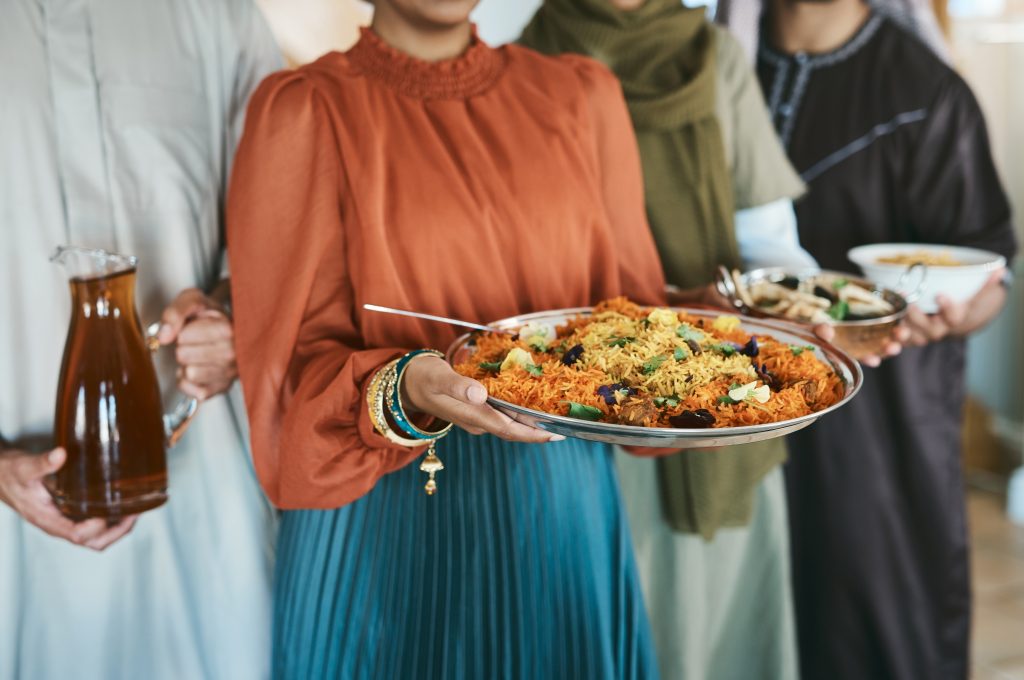











How to Make Your Event Unique with Regional Recipes

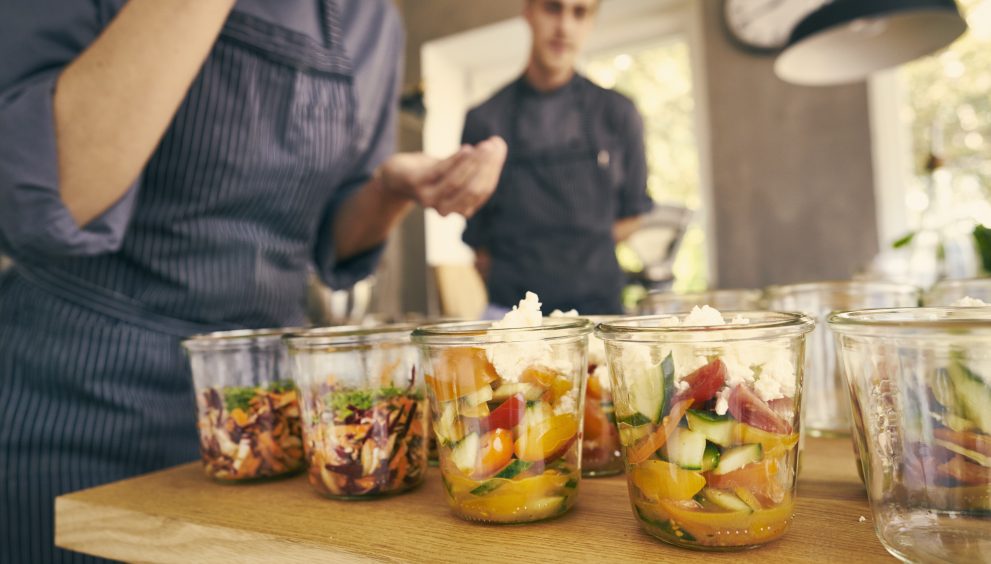
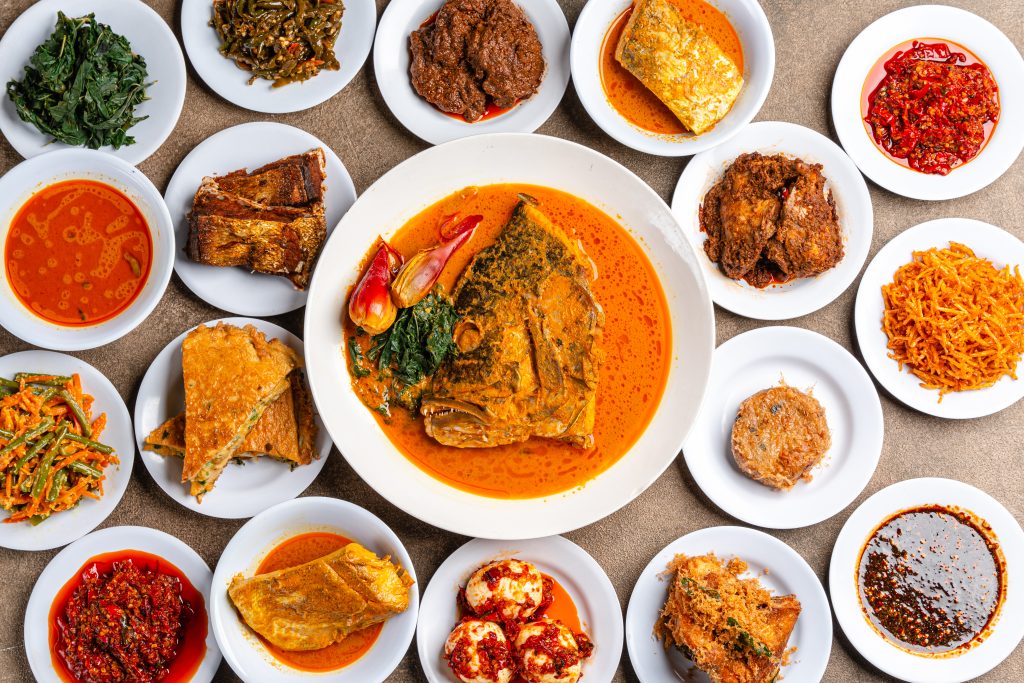
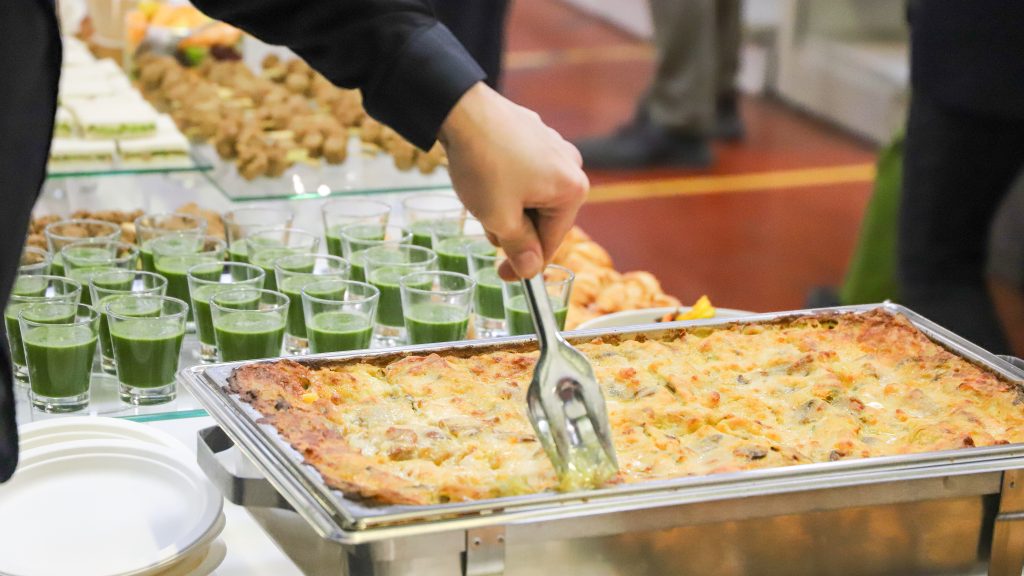
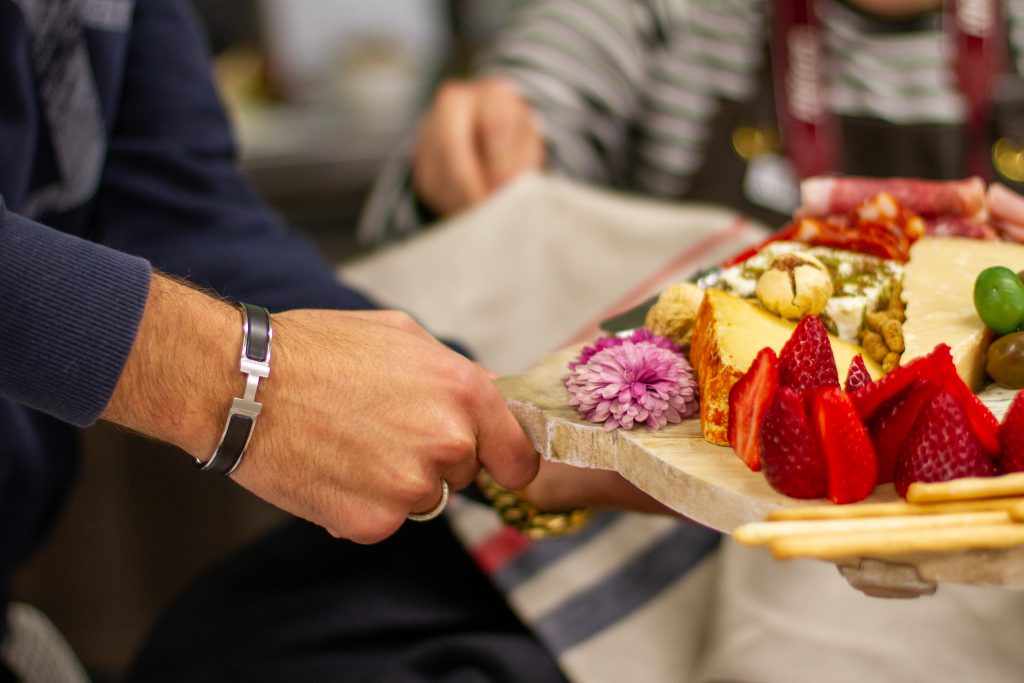
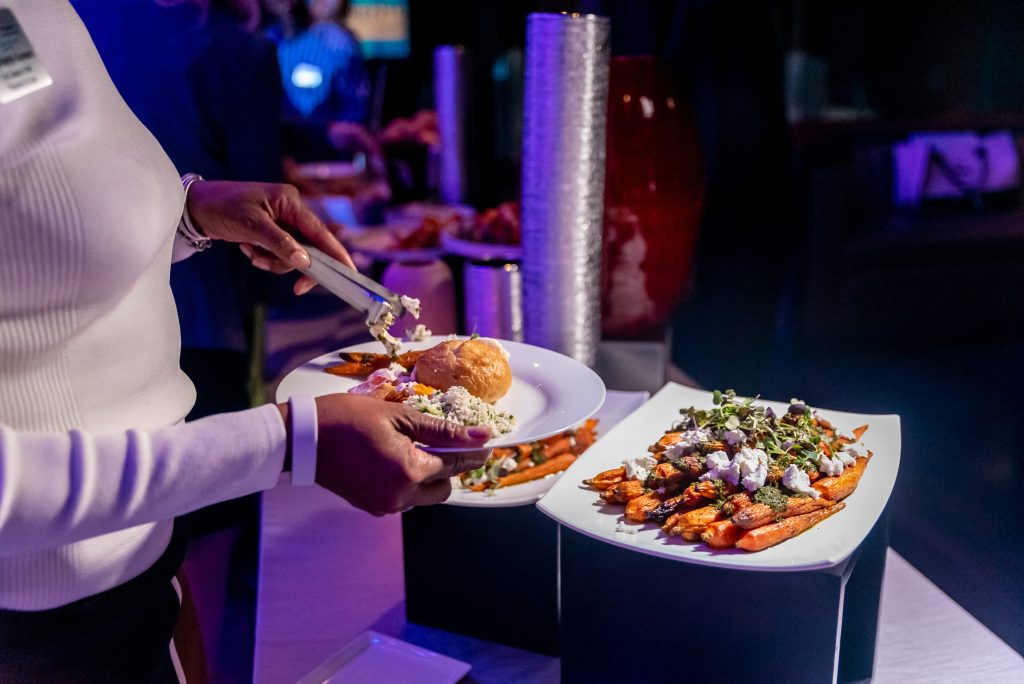
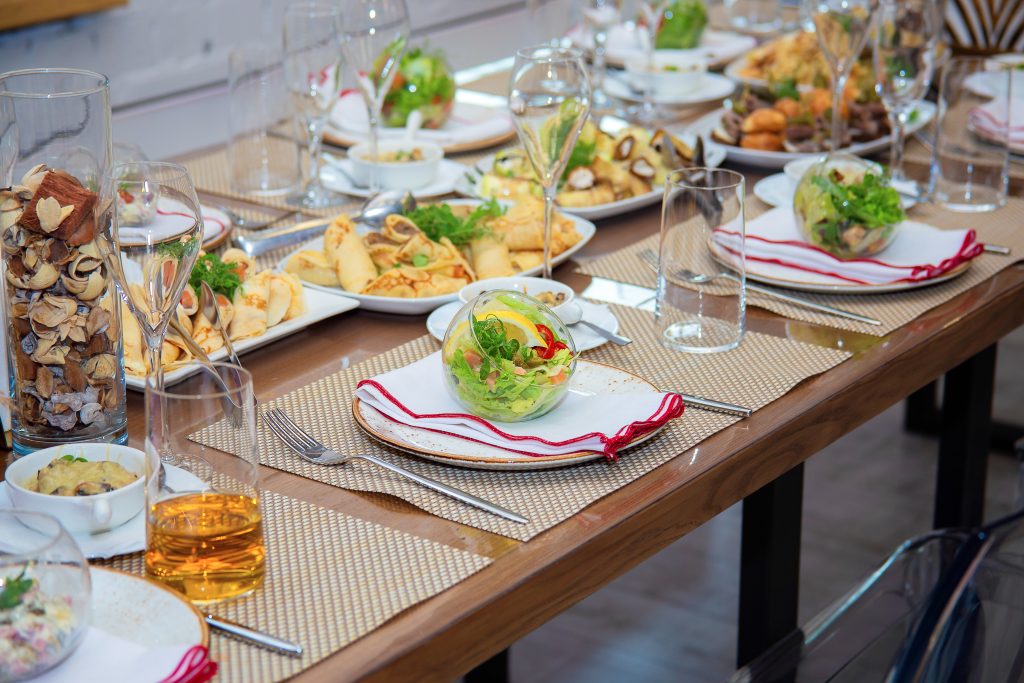
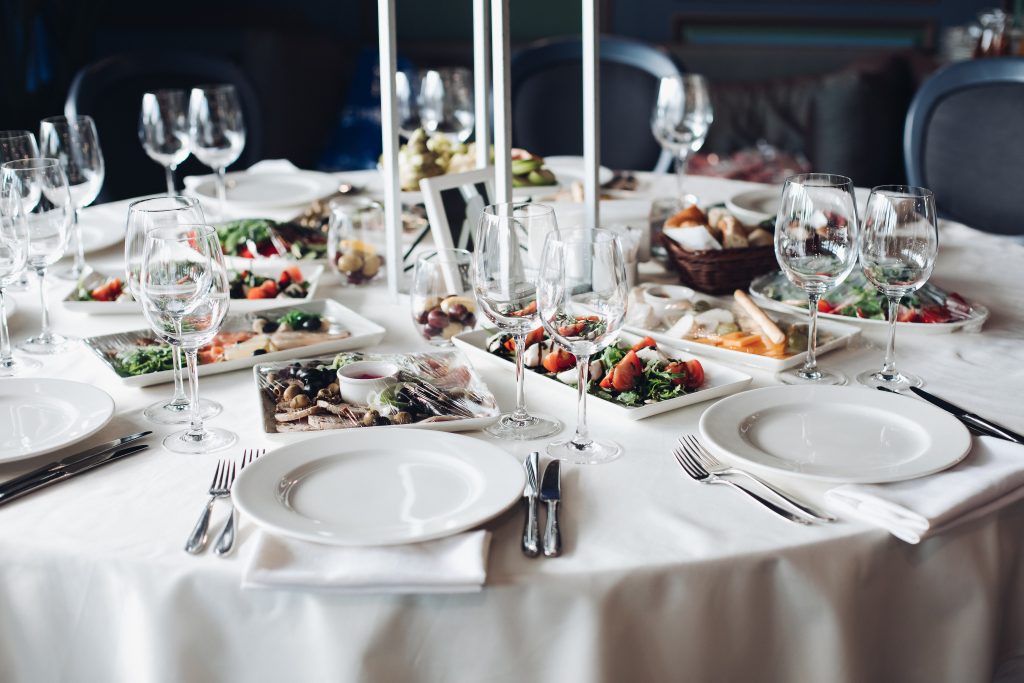
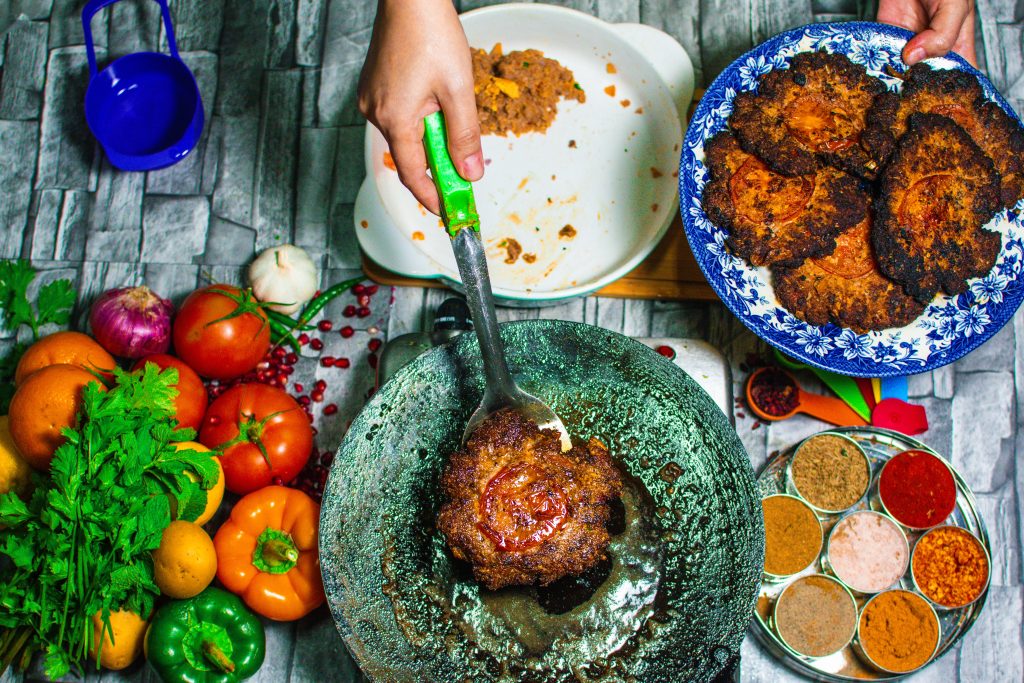
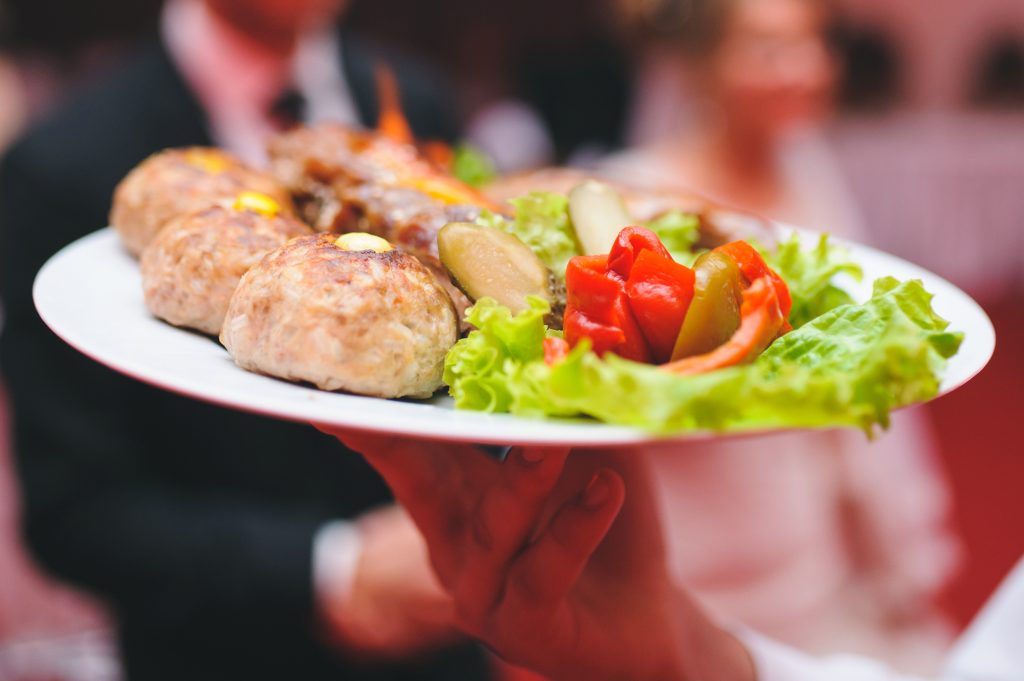
Every event—from weddings and corporate gatherings to birthday parties and cultural festivals—benefits from a memorable culinary experience. One of the most effective ways to make your event stand out is by incorporating regional recipes. These dishes reflect the rich traditions, flavors, and techniques of specific areas, creating a sense of authenticity and uniqueness that guests are unlikely to forget.
Why Regional Recipes Make Events Special
Regional recipes are more than just food—they are stories of culture, geography, and heritage. Serving dishes specific to a region adds:
-
Authenticity: Guests experience flavors that are true to the area’s culinary traditions.
-
Cultural Depth: Each dish carries history, seasonal ingredients, and traditional preparation methods.
-
Memorability: Unique, lesser-known dishes leave a lasting impression on attendees.
By highlighting regional recipes, hosts can transform a standard event into an immersive cultural experience.
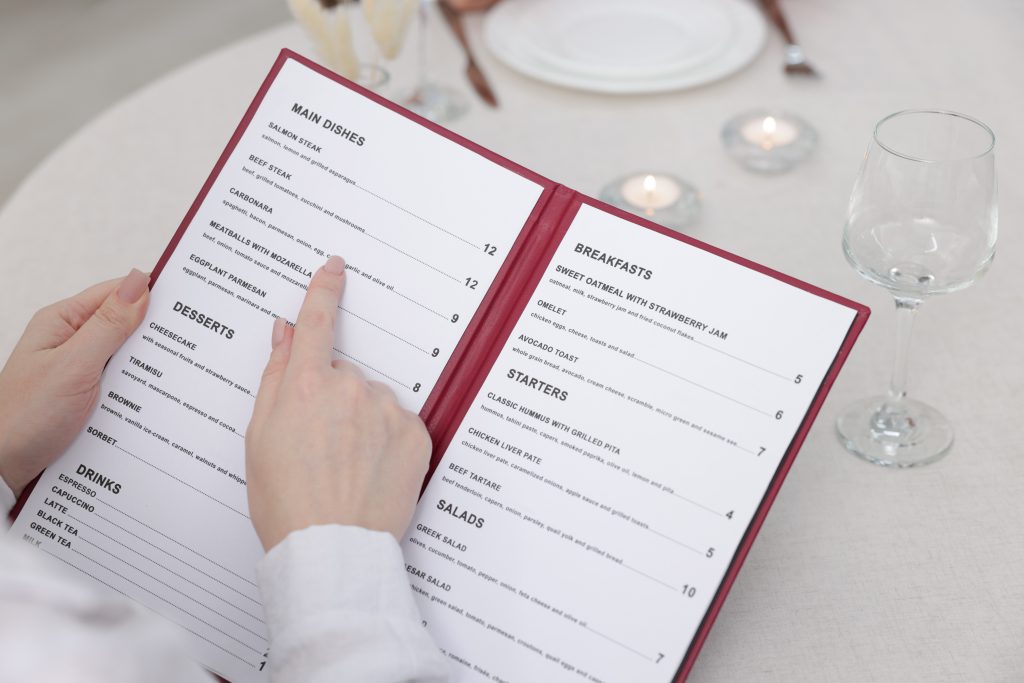
Choosing the Right Regional Recipes
When planning your menu, consider:
-
Event Type and Audience:
-
For formal events like weddings or corporate dinners, elegant regional mains such as Hyderabadi biryani or Persian lamb stew impress guests.
-
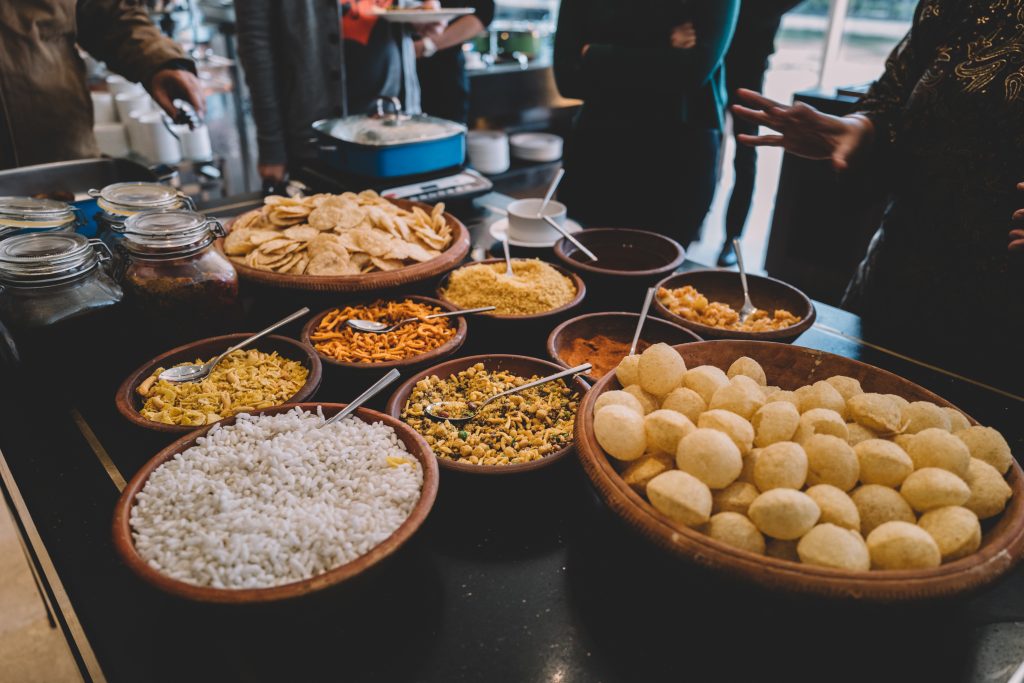
Casual events, like family gatherings or birthday parties, are perfect for interactive or street-style regional dishes such as chaat from India or suya skewers from Nigeria.
-
-
Seasonal Ingredients:
Regional recipes often rely on seasonal produce. Incorporating fresh, in-season ingredients enhances flavor and authenticity. For example, summer festivals may include mango-based South Asian desserts or tropical Caribbean fruit salads. -
Signature Dishes:
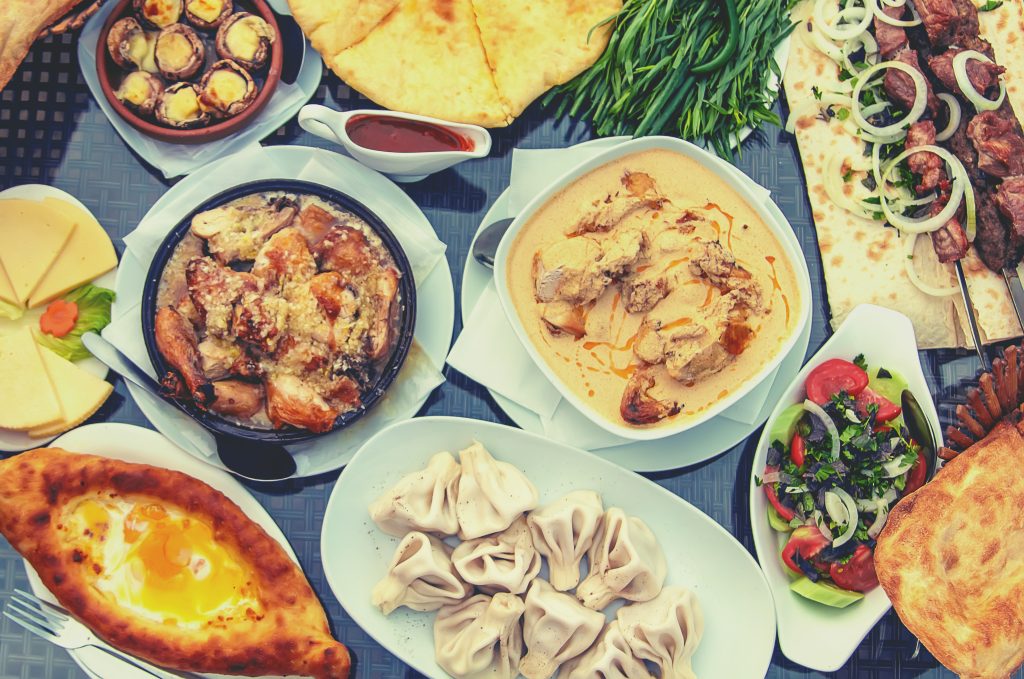
Include at least one iconic dish from the region that immediately evokes the place’s culinary identity. Guests will recognize the authenticity and appreciate the effort.
Ideas for Incorporating Regional Recipes
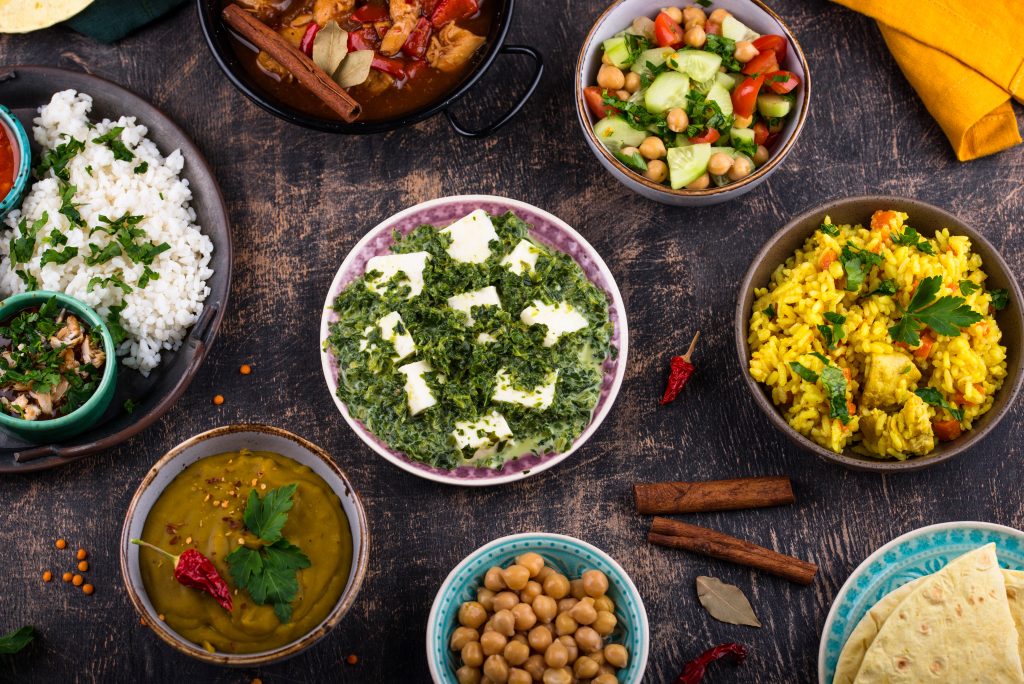
1. South Asian Recipes
-
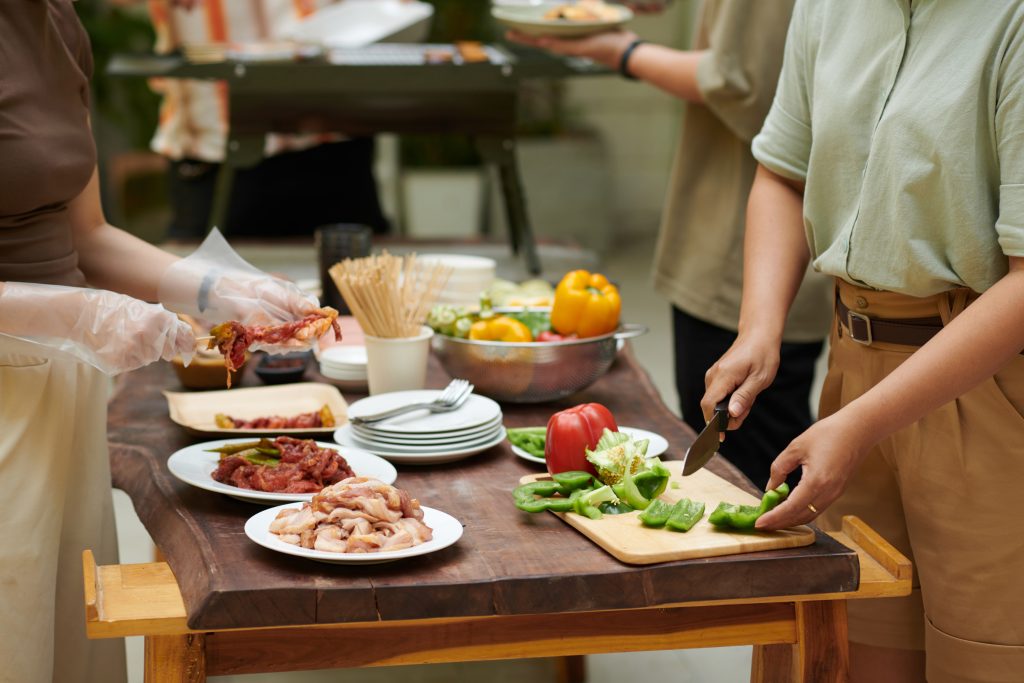
Interactive Chaat Station: Customize street food items with chutneys, spices, and toppings.
-
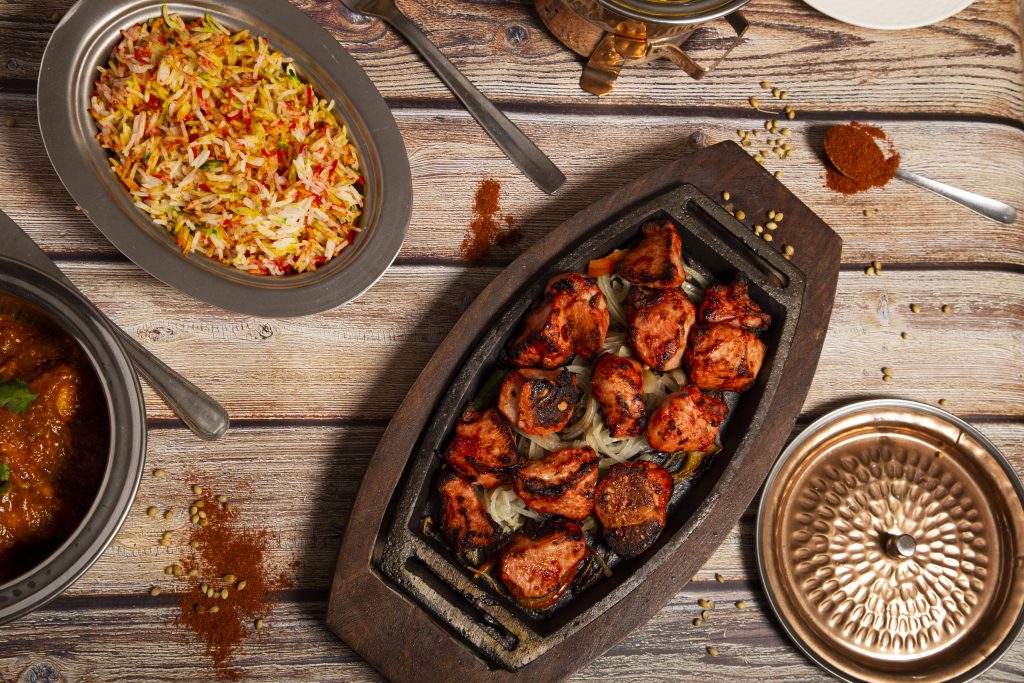
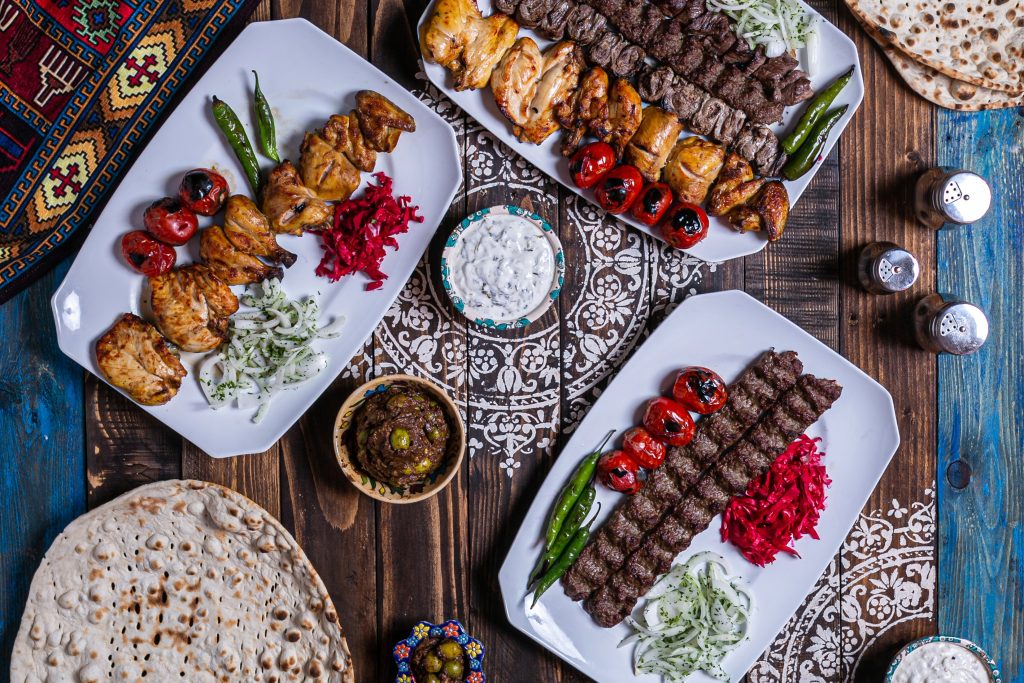
Mini Tandoori Platters: Skewered meats and paneer grilled to perfection, served with sauces.
-
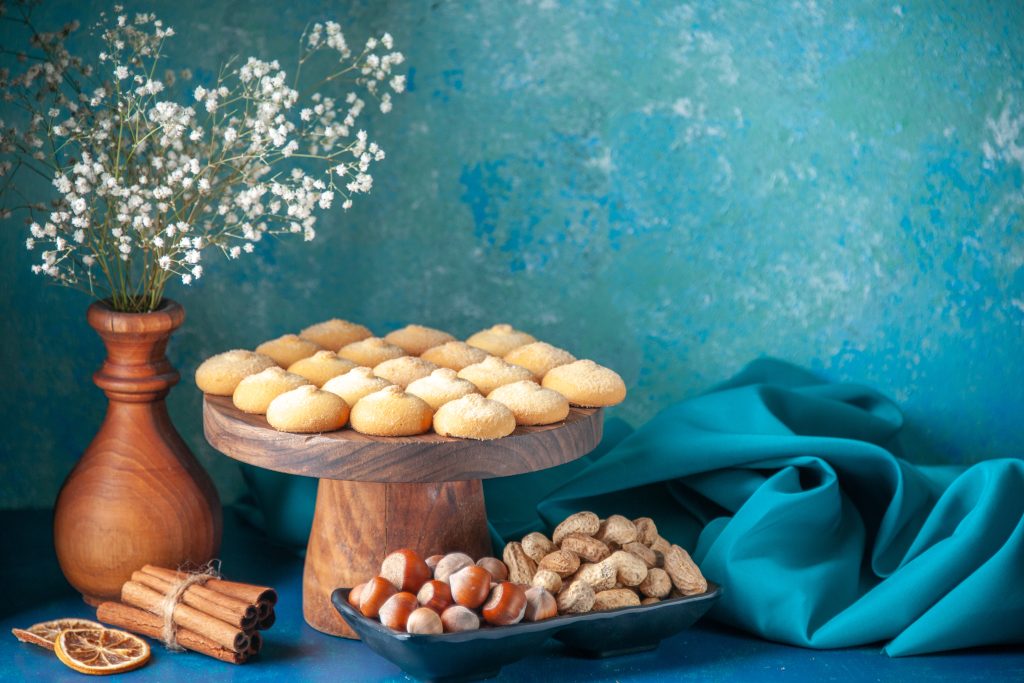
Regional Sweets: Offer treats like rasgulla, barfi, or jalebi for dessert.
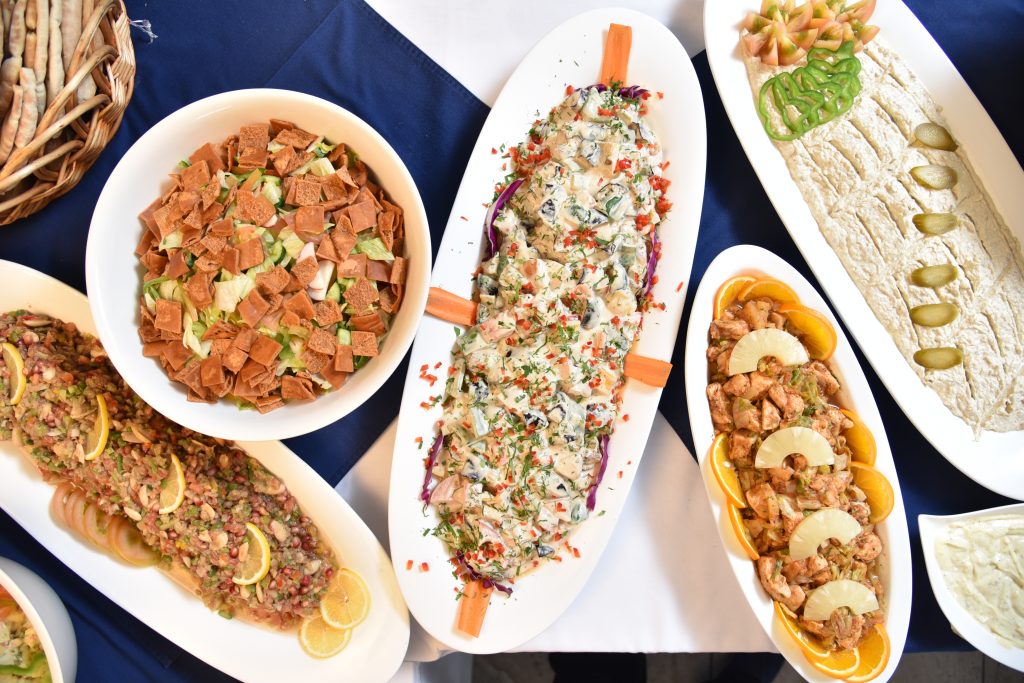
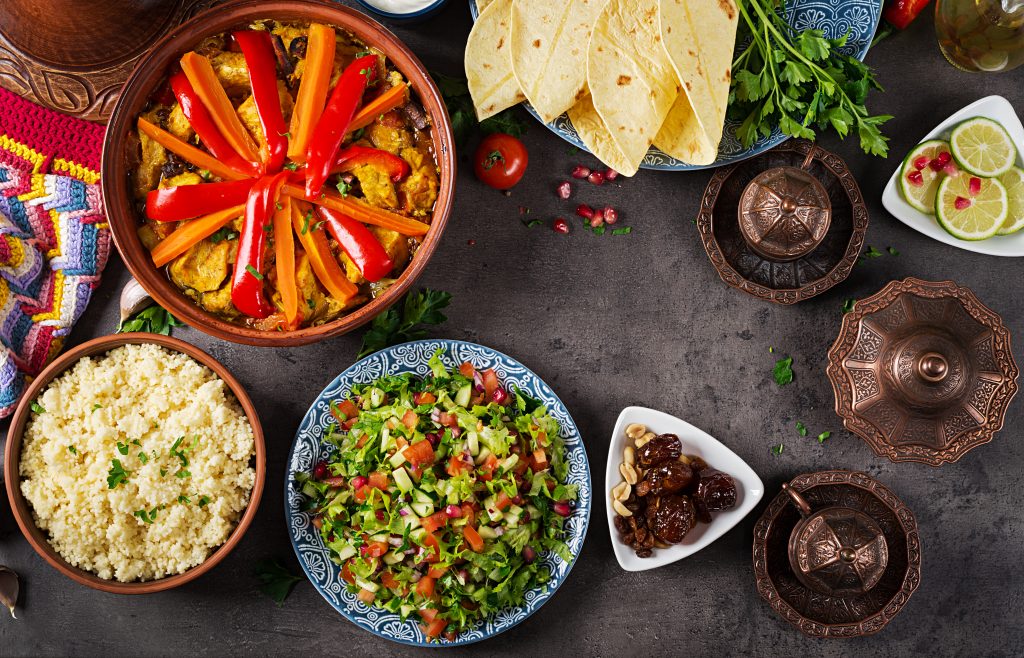
2. Middle Eastern Recipes
-
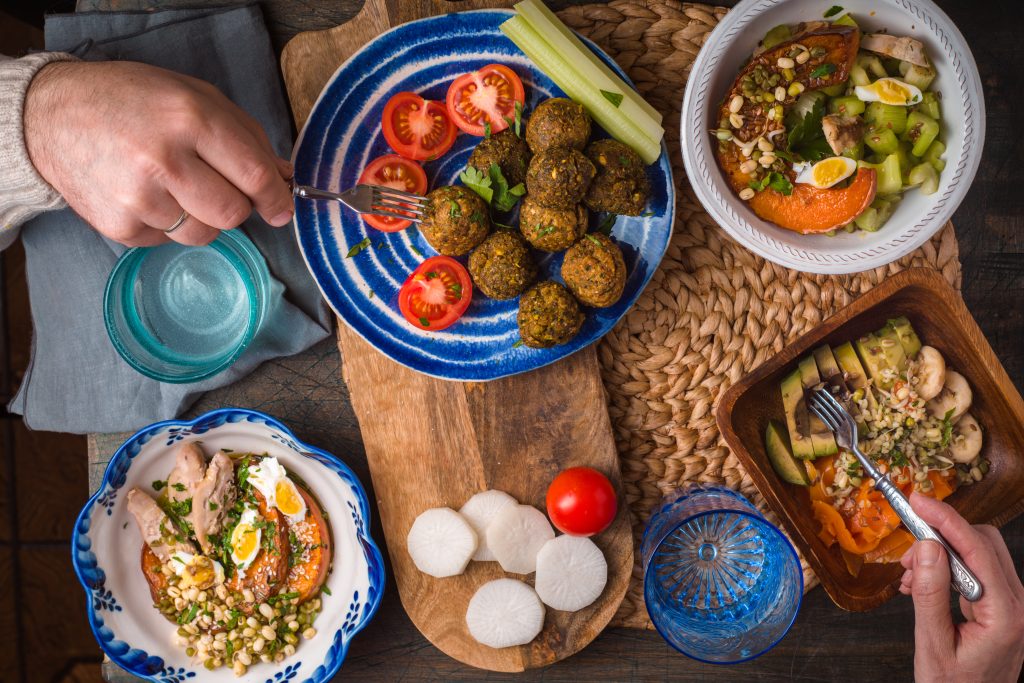
Mezze Platters: Variety of dips, stuffed grape leaves, and small bites that encourage sharing.
-
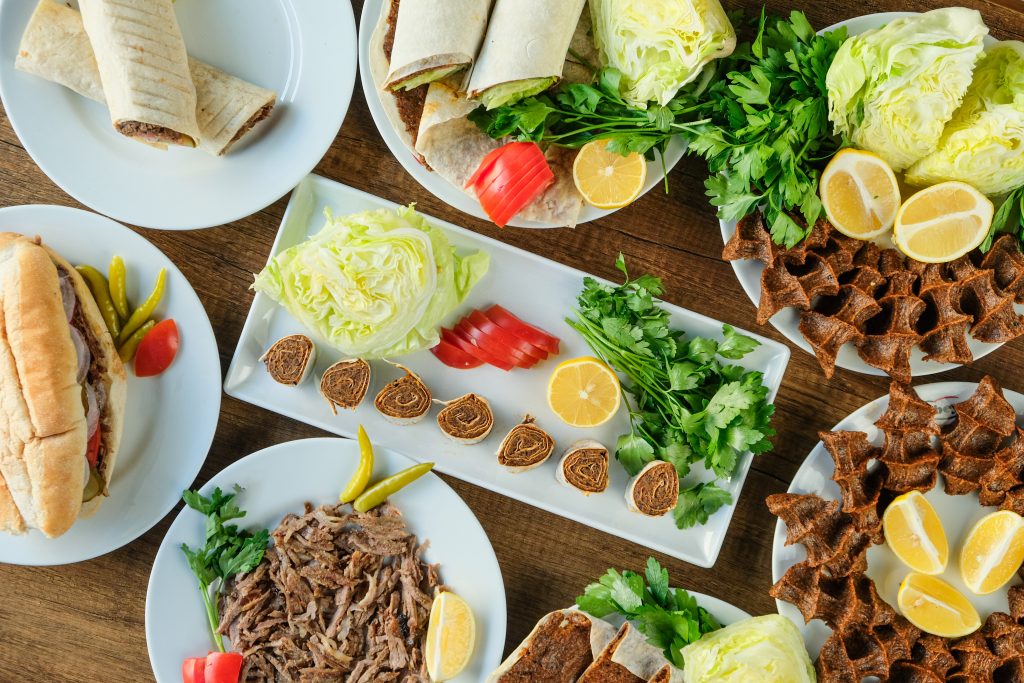
Live Shawarma Station: Guests can watch meats roasted and served fresh.
-
Baklava or Maamoul: Elegant pastries for dessert, adding a touch of sweetness to the event.
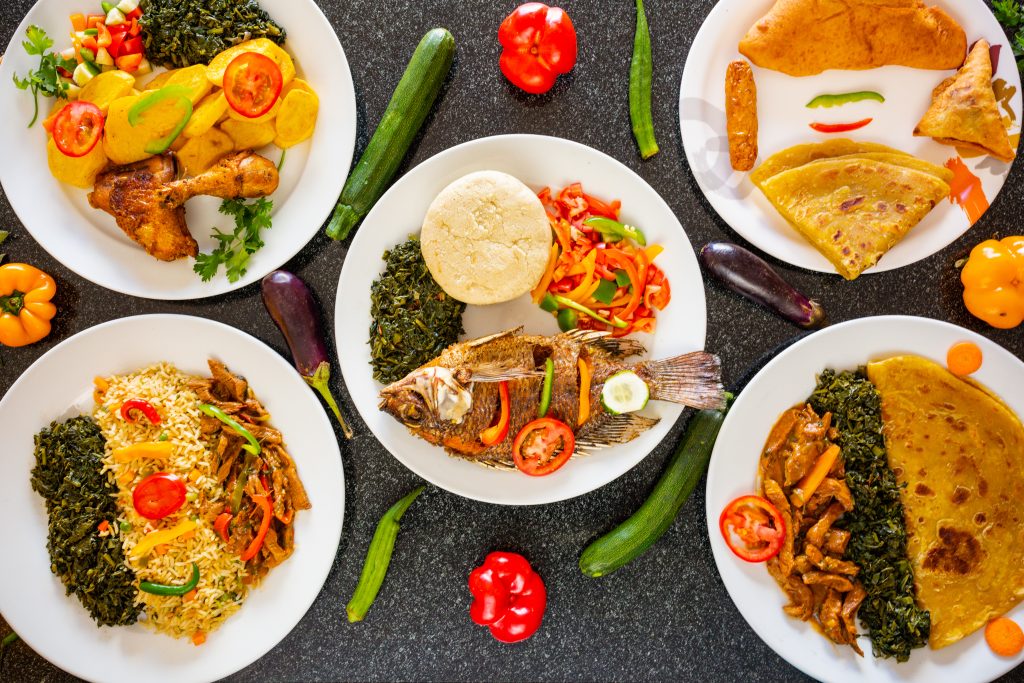
3. African Recipes
-
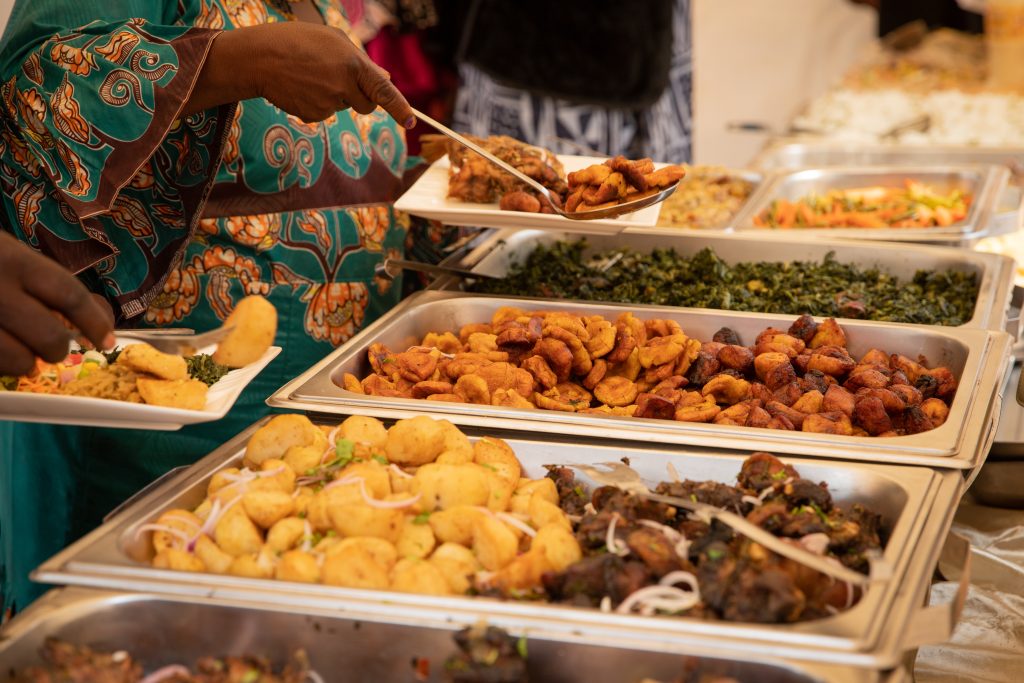
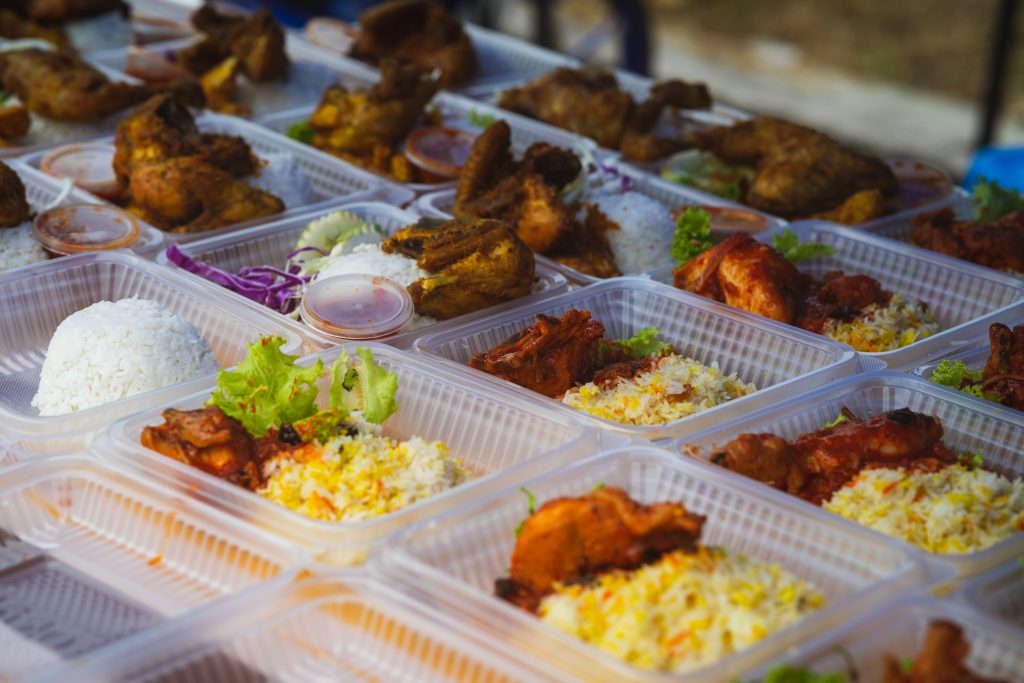
Jollof Rice and Stews: Colorful, hearty mains that can serve large gatherings.
-
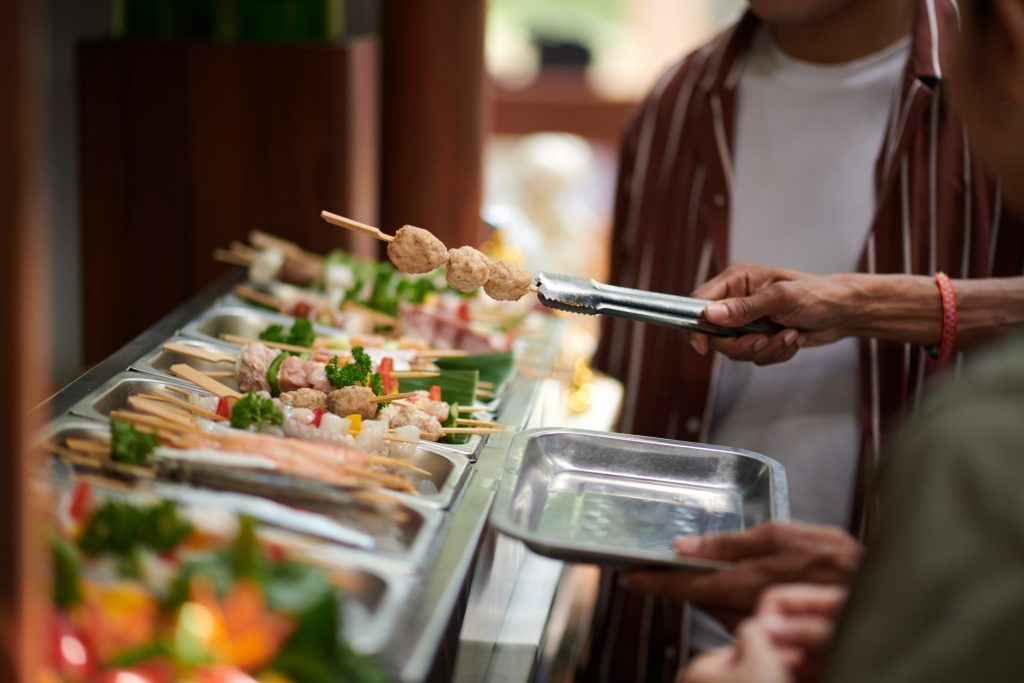
Suya or Skewers: Grilled meats spiced to perfection, ideal for appetizers.
-
Puff-Puff or Coconut Sweets: Fun, portable desserts for casual or family-oriented events.
4. Caribbean Recipes
-
Jerk Chicken or Curry Goat: Bold flavors for a lively and festive atmosphere.
-
Rice and Peas: Comforting sides that pair well with mains.
-
Tropical Fruit Desserts: Refreshing and visually vibrant options for dessert tables.
Tips for Presenting Regional Recipes
-
Highlight the Story: Include small descriptions of the dish’s origin and significance—this adds cultural depth.
-
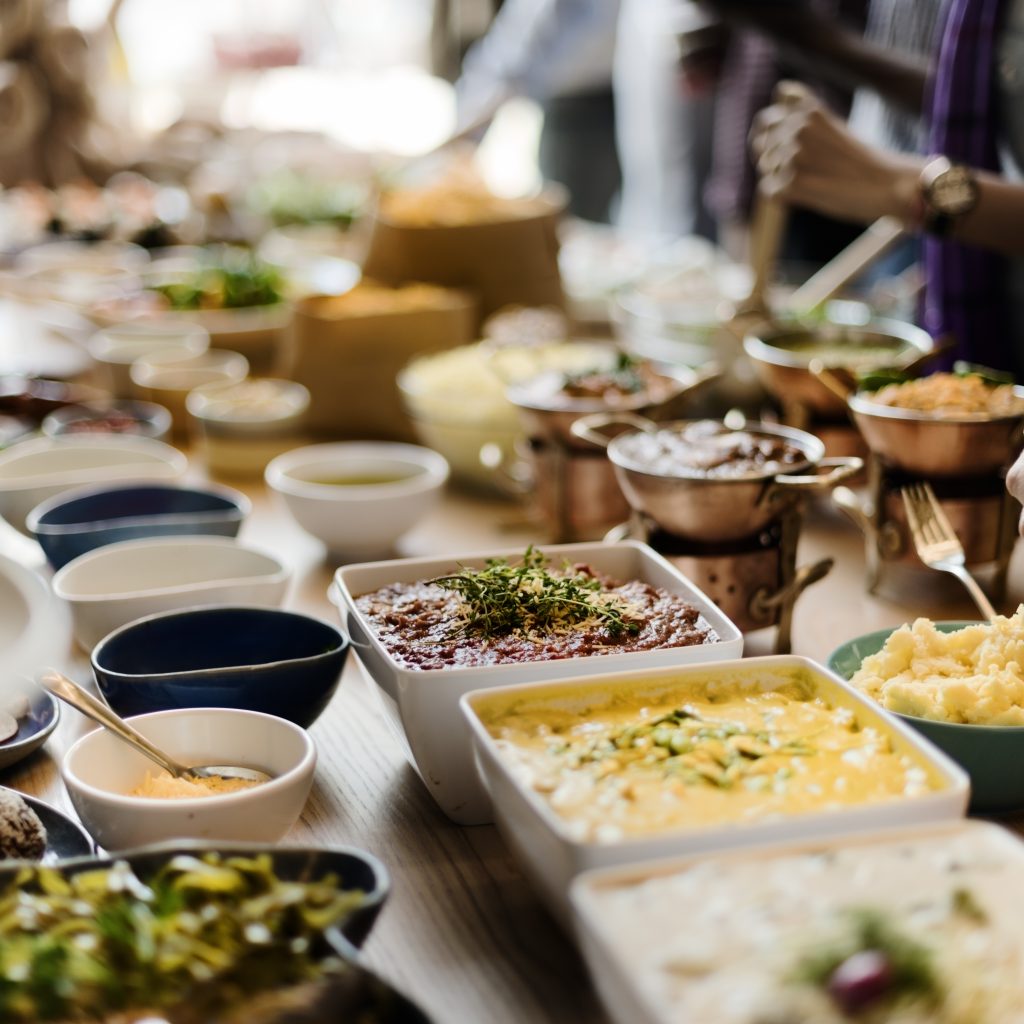
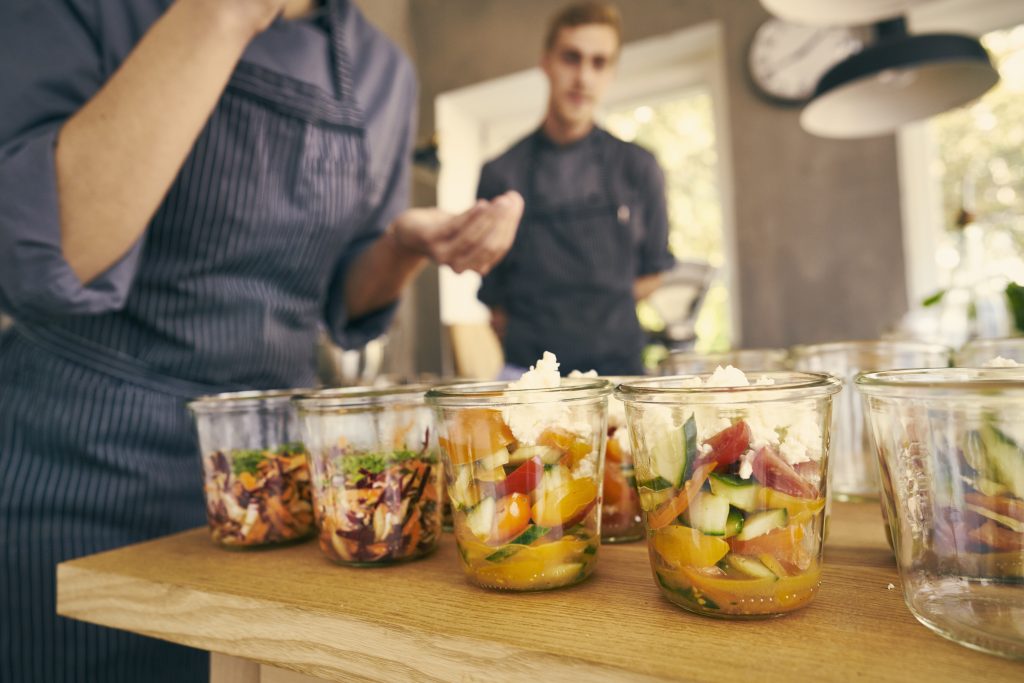
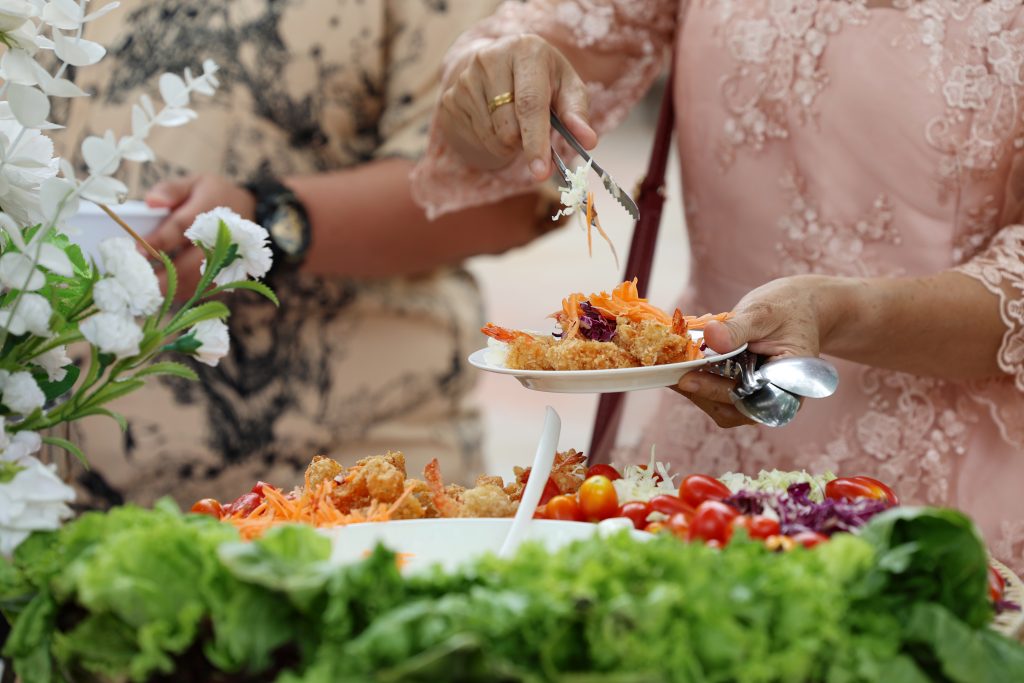
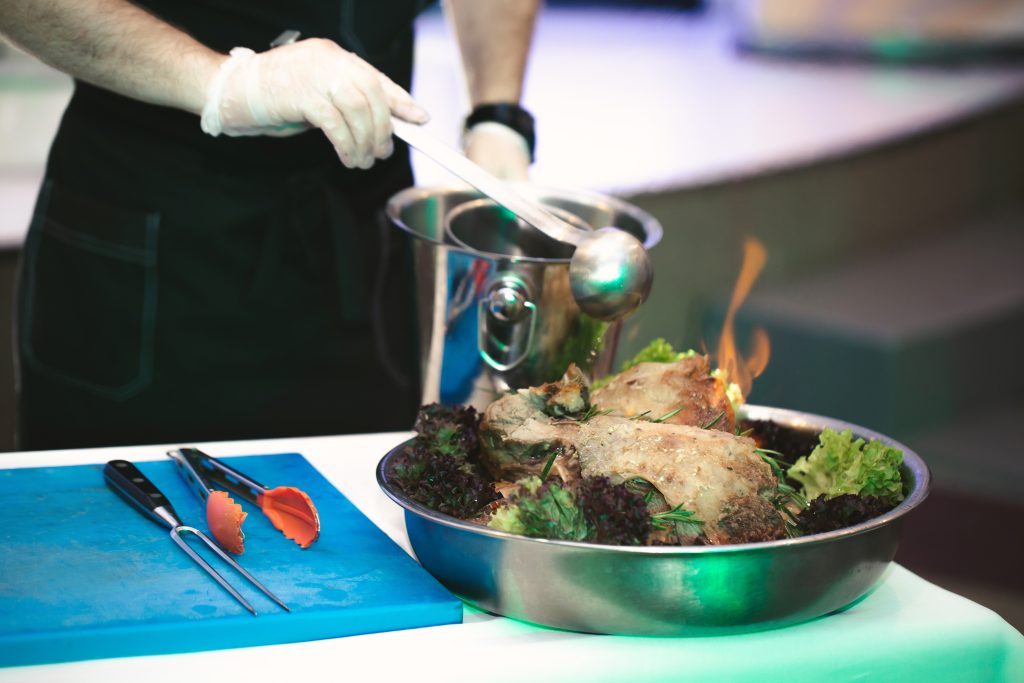
Interactive Stations: Allow guests to see food being prepared or customize their plates, which adds engagement.
-
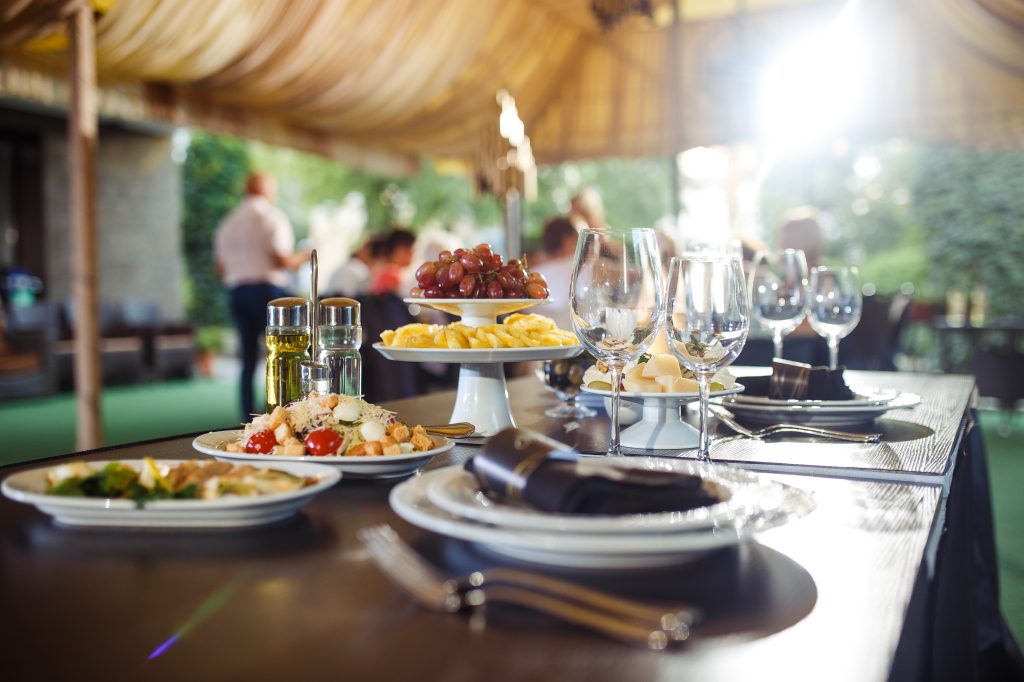
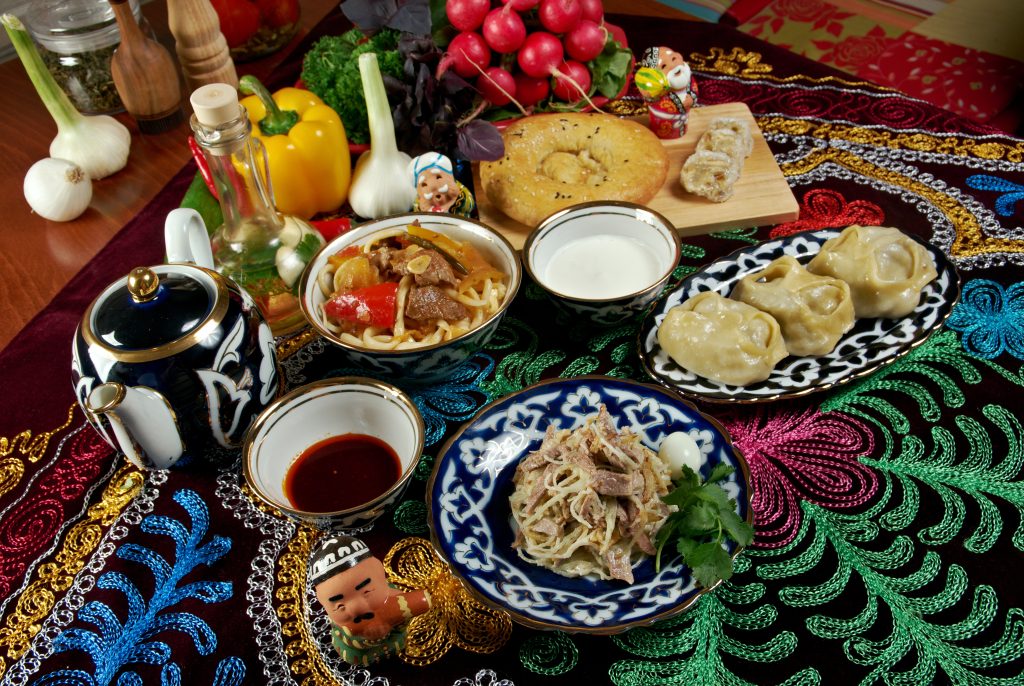
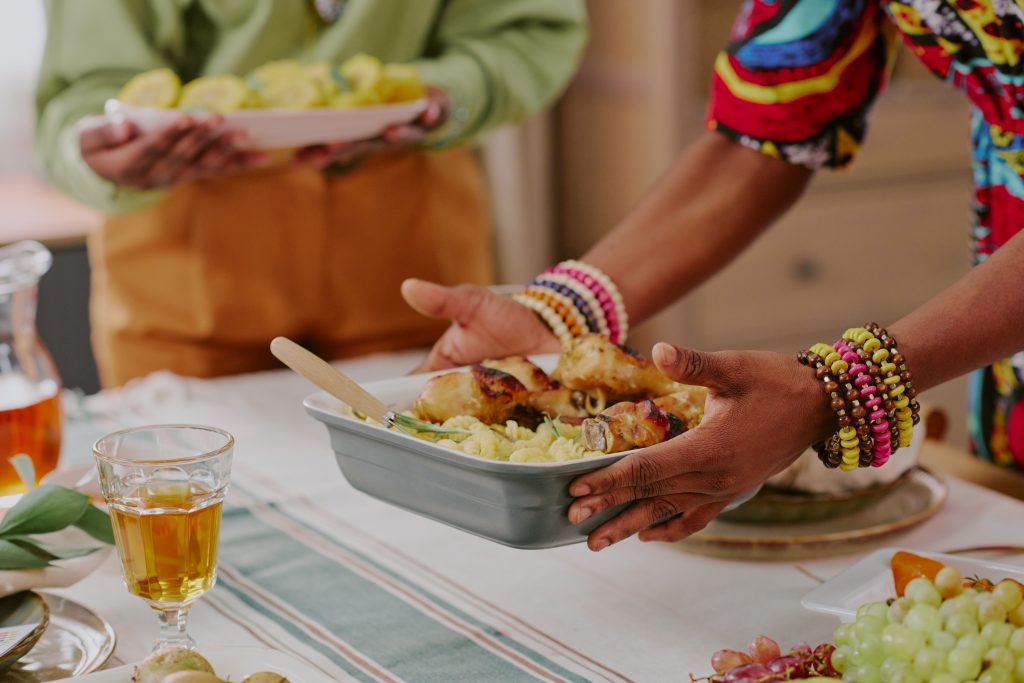
Decor and Table Setting: Use serving dishes, platters, and decorations that reflect the region to enhance authenticity.
-
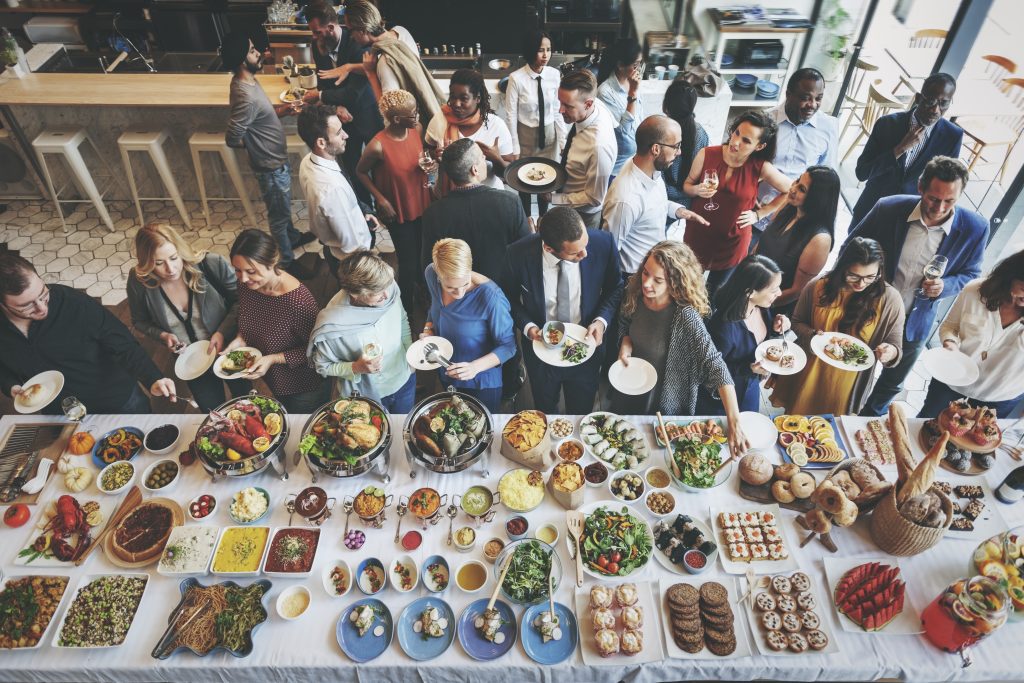
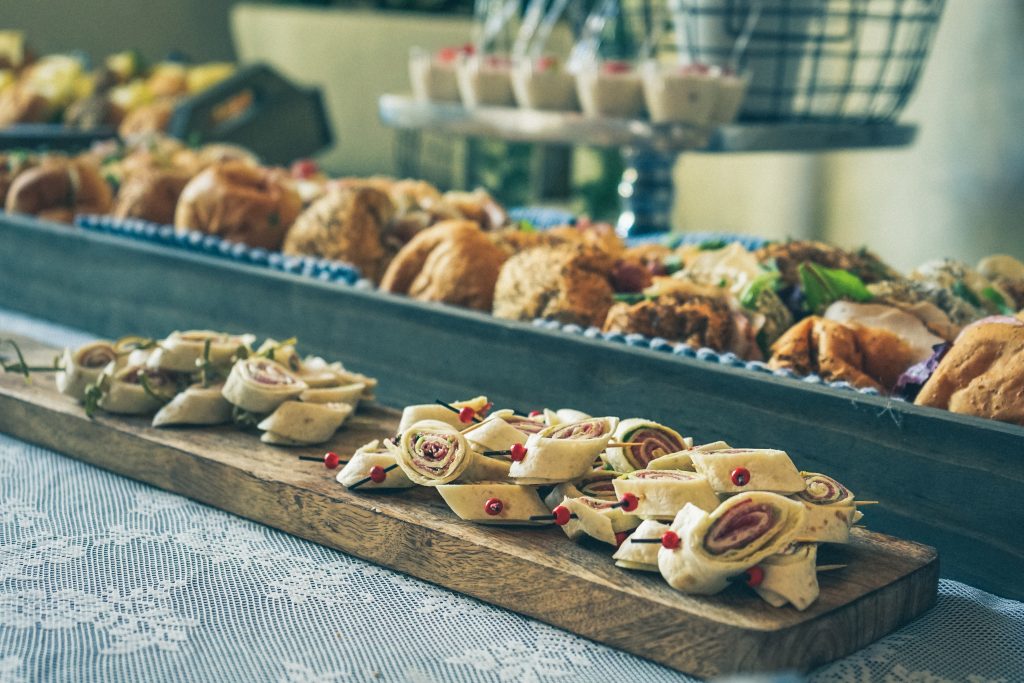
Balanced Menu: Offer a combination of appetizers, mains, and desserts that represent the region fully without overwhelming guests.
Benefits of Regional Recipes in Events
-
Creates a Unique Experience: Guests associate your event with flavors and experiences they won’t easily forget.
-
Encourages Conversation: Sharing regional dishes sparks curiosity and engagement.
-
Celebrates Diversity: Perfect for multicultural gatherings, promoting appreciation of different cuisines.
-
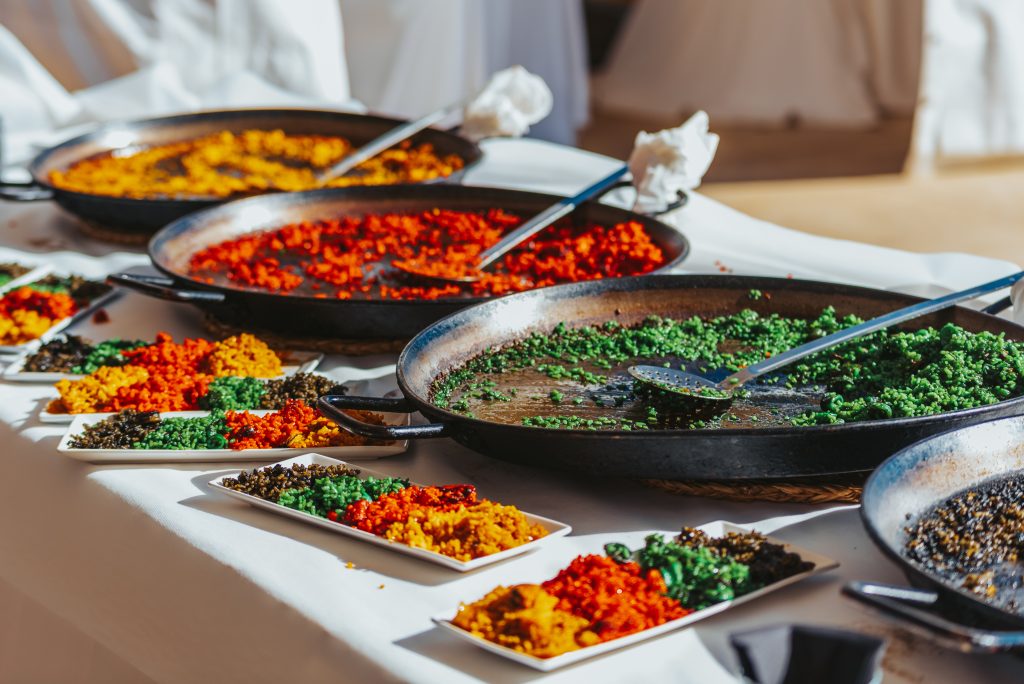
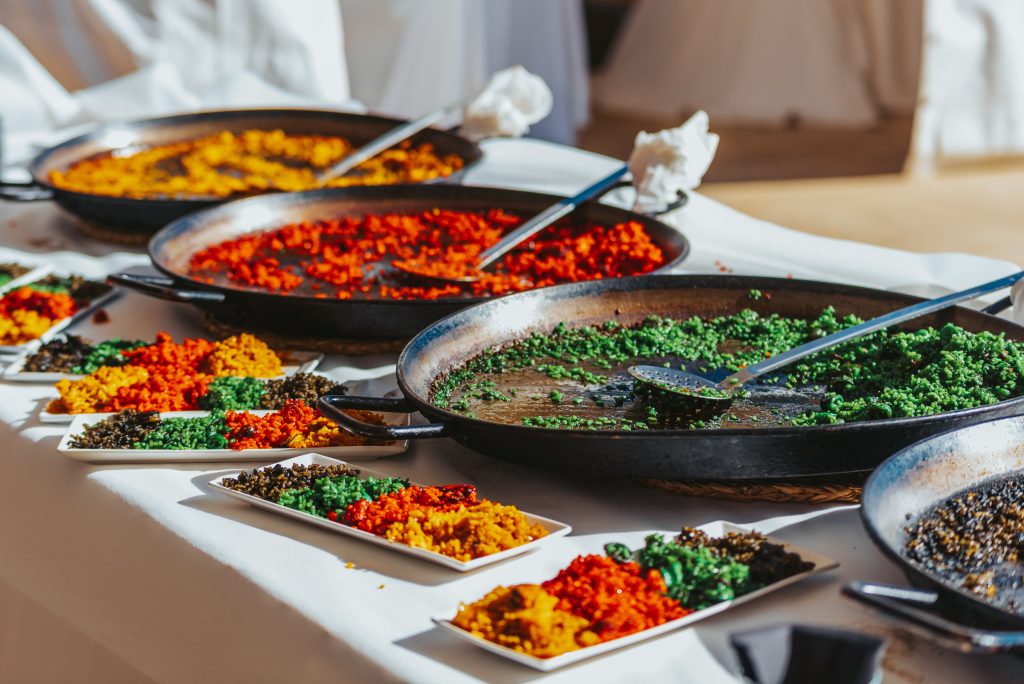
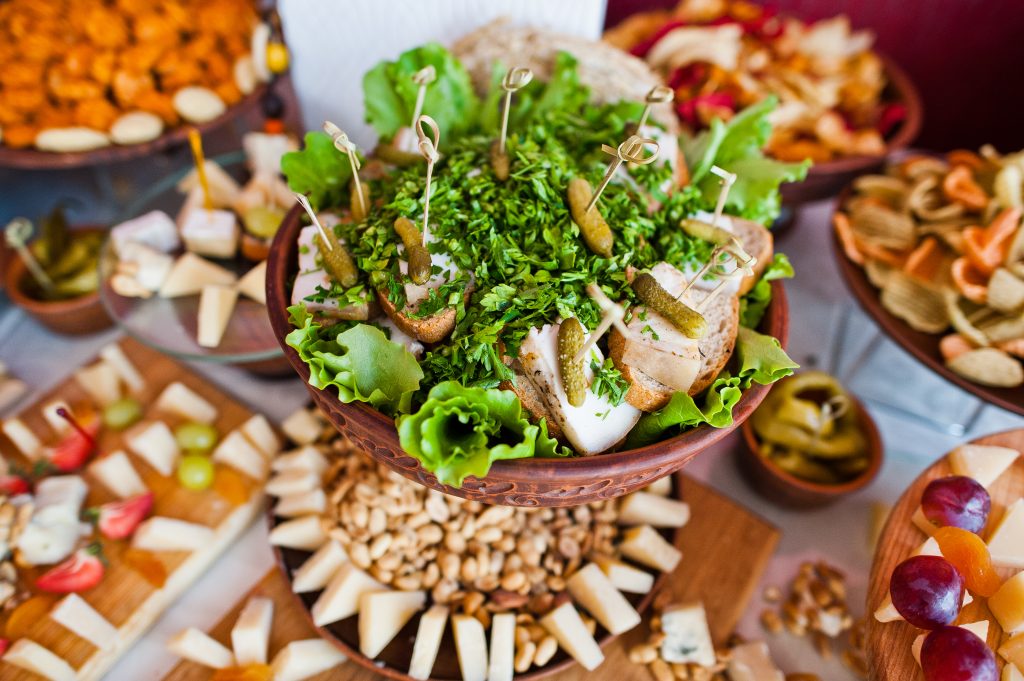
Adds Visual Appeal: Many regional dishes are colorful and aromatic, enhancing the overall event presentation.
Conclusion
Incorporating regional recipes is a powerful way to make your event unique and memorable. By selecting authentic dishes, highlighting seasonal and culturally significant ingredients, and presenting food thoughtfully, hosts can create an immersive culinary experience. Whether it’s South Asian, Middle Eastern, African, or Caribbean cuisine, regional recipes bring authenticity, flavor, and vibrancy that elevate any gathering.
With the right planning and execution, your event becomes more than just a celebration—it becomes a journey through flavors, traditions, and cultures that your guests will remember for years.