

 English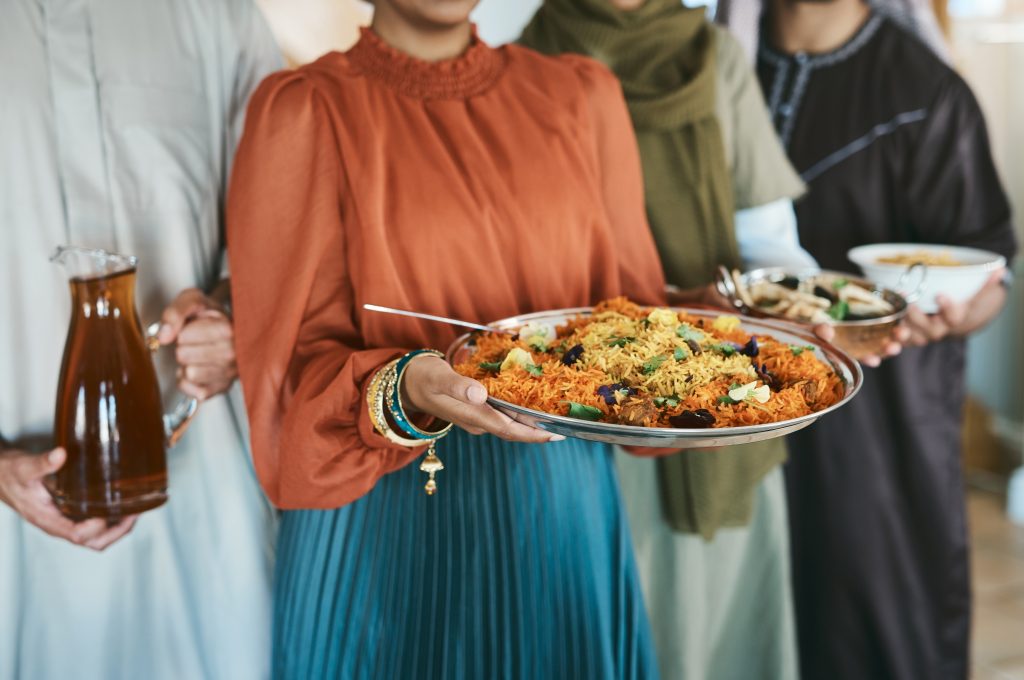

































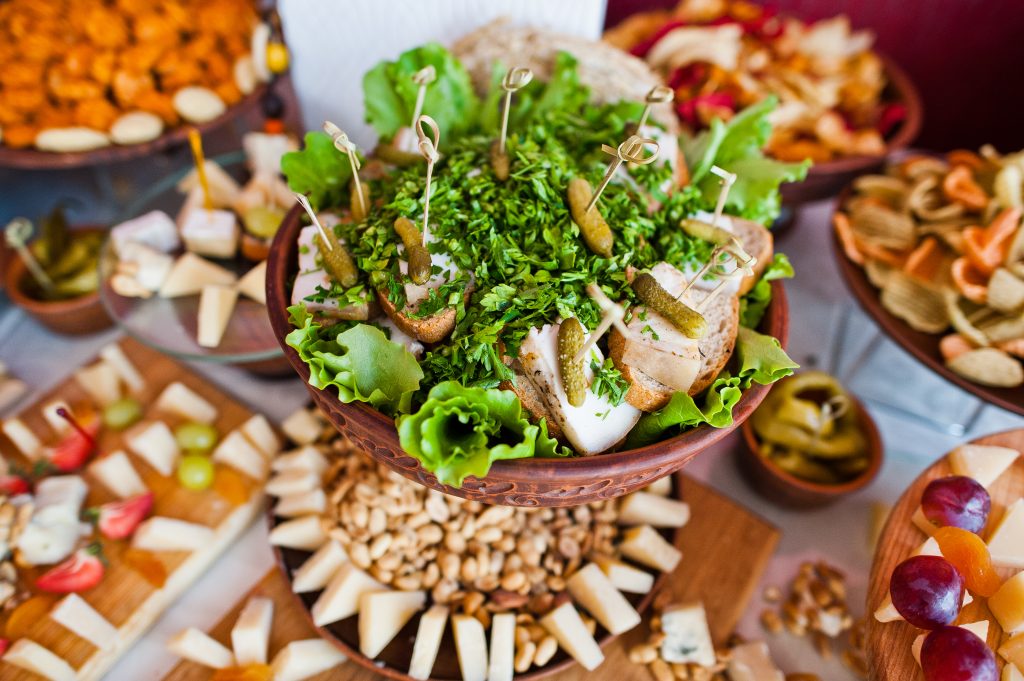
Catering Planning Guide for Religious Events

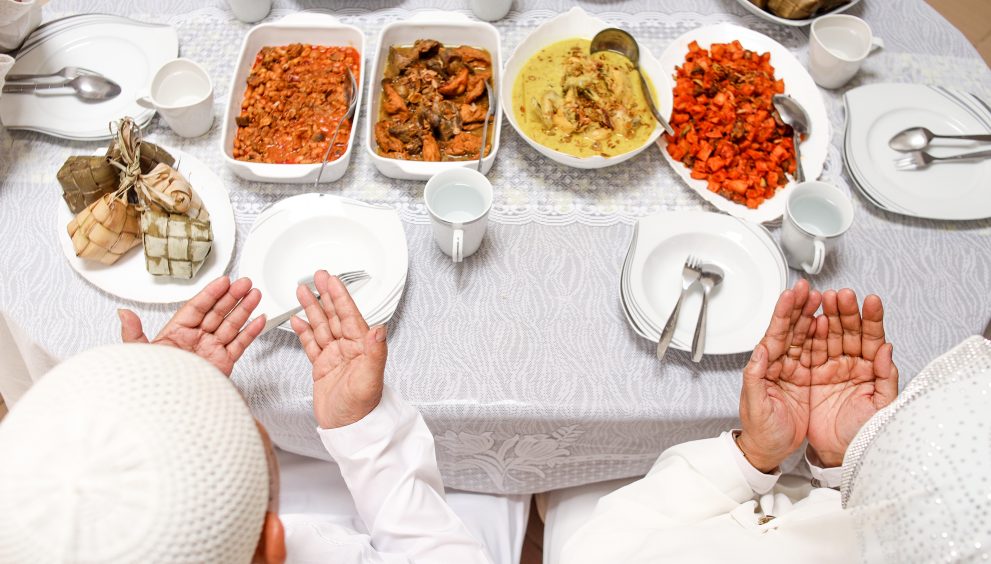
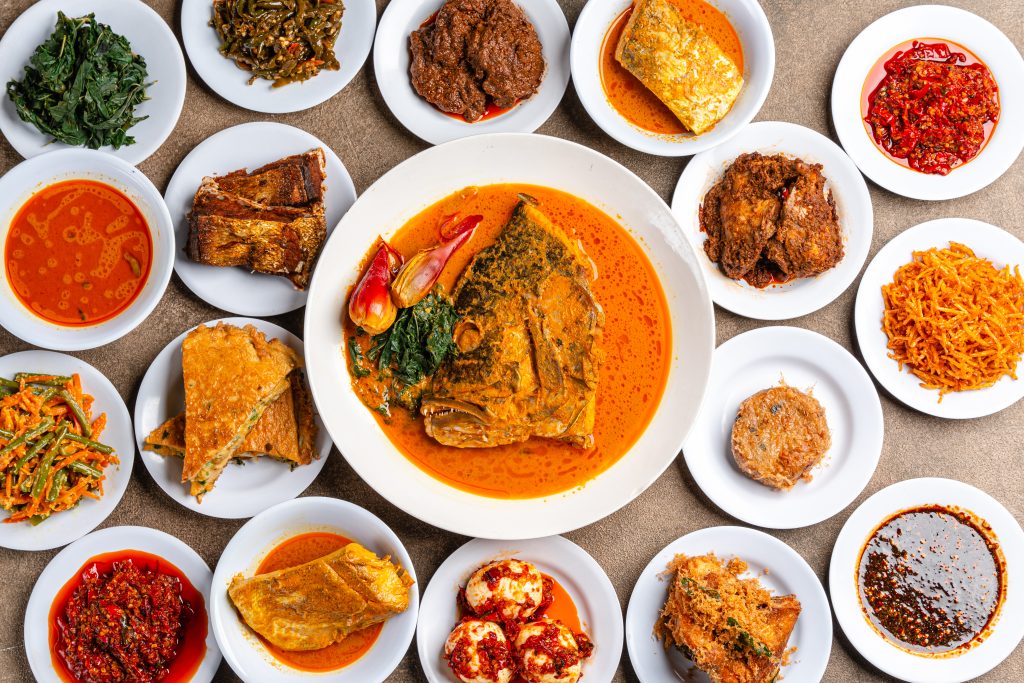
Religious events, whether weddings, community gatherings, festivals, or faith-based celebrations, are more than just occasions—they are moments of spiritual reflection, cultural connection, and communal bonding. Catering plays a crucial role in enhancing the experience of these events. Proper planning ensures that meals are inclusive, respectful, and memorable, while also reflecting the cultural and religious traditions of the attendees.
Understanding the Importance of Religious Event Catering
Food at religious events is not just about sustenance; it symbolizes respect, hospitality, and tradition:
-
Cultural Connection: Traditional dishes connect guests to their heritage and the significance of the occasion.
-
Inclusivity: Proper catering ensures all guests, regardless of dietary restrictions, can partake in the meal.
-
Spiritual Significance: Many religious events have dietary laws or fasting practices that must be honored, such as halal, kosher, vegetarian, or vegan preferences.
By planning thoughtfully, hosts can create a dining experience that complements the spiritual and cultural importance of the event.
Step-by-Step Guide to Planning Catering for Religious Events
1. Identify Dietary Requirements
-
Determine if the event requires halal, kosher, vegetarian, vegan, or gluten-free options.
-
Consider any fasting periods or restrictions, such as Ramadan iftar meals or Lent-friendly dishes.
-
Communicate with attendees, religious leaders, or community coordinators to ensure accuracy.
2. Choose an Experienced Caterer
-
Hire caterers familiar with religious dietary laws and ethnic cuisine.
-
Ensure they follow proper certification processes, such as halal certification or kosher compliance.
-
Experienced caterers can suggest appropriate dishes and menu arrangements, reducing the risk of mistakes.
3. Plan a Balanced Menu
-
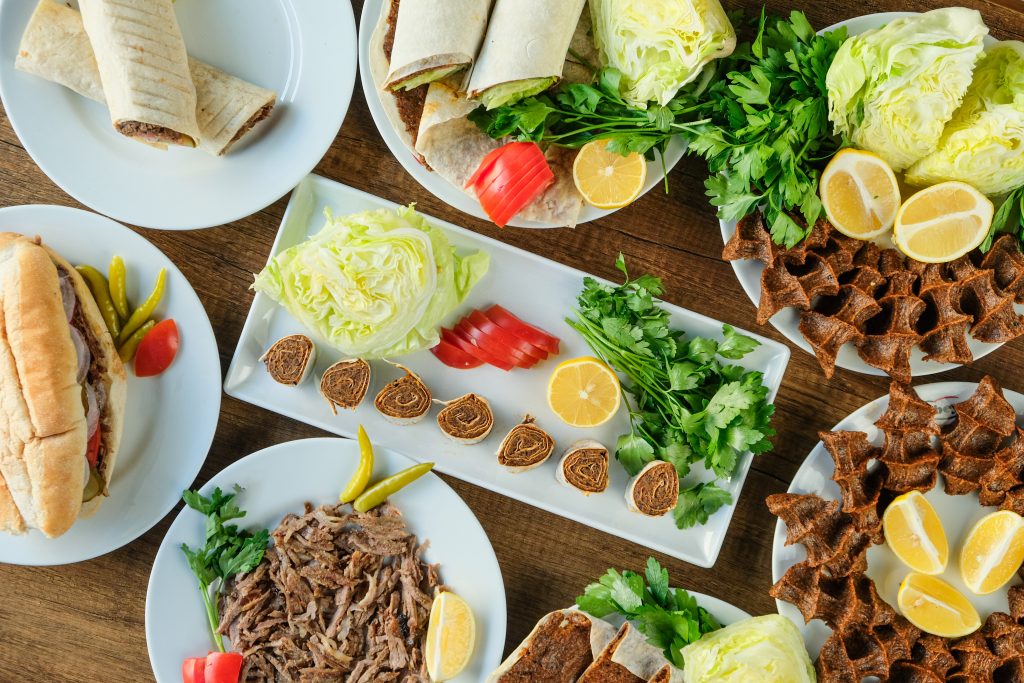
Include a mix of appetizers, mains, side dishes, and desserts to cater to all tastes.
-
Offer seasonal and local ingredients for freshness and flavor.
-
Balance traditional dishes with modern options to appeal to diverse guests while honoring heritage.
4. Consider Serving Style
-
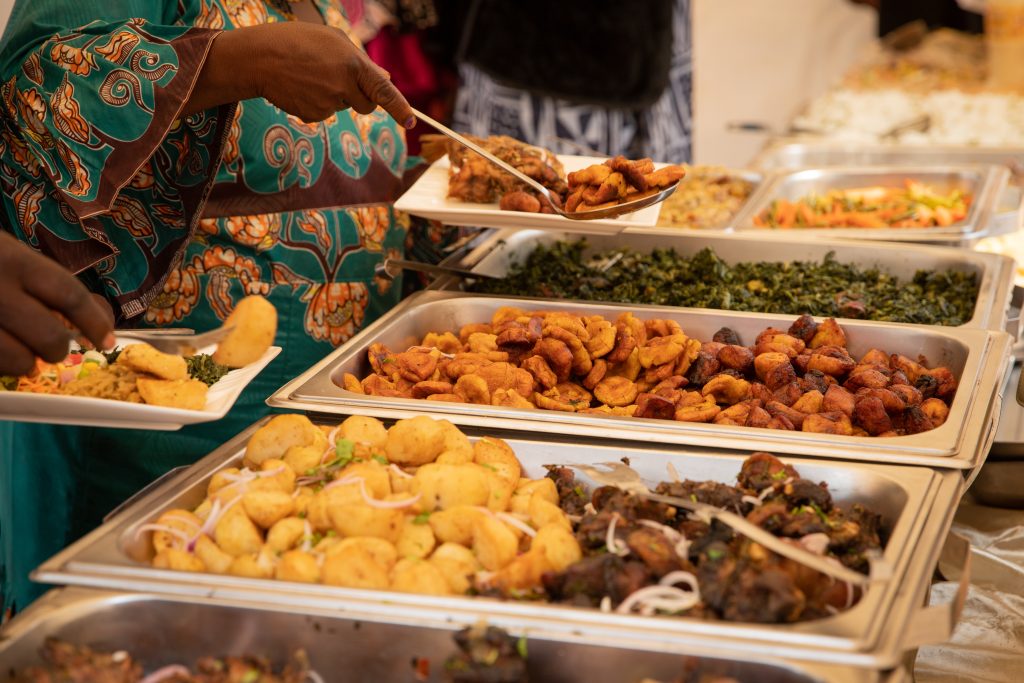
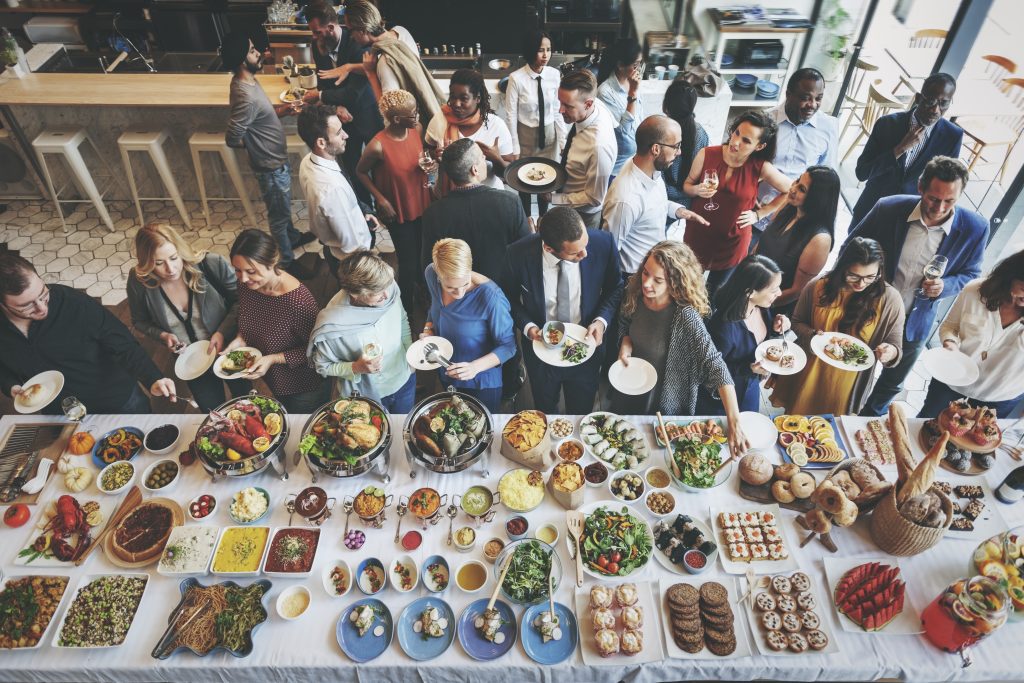
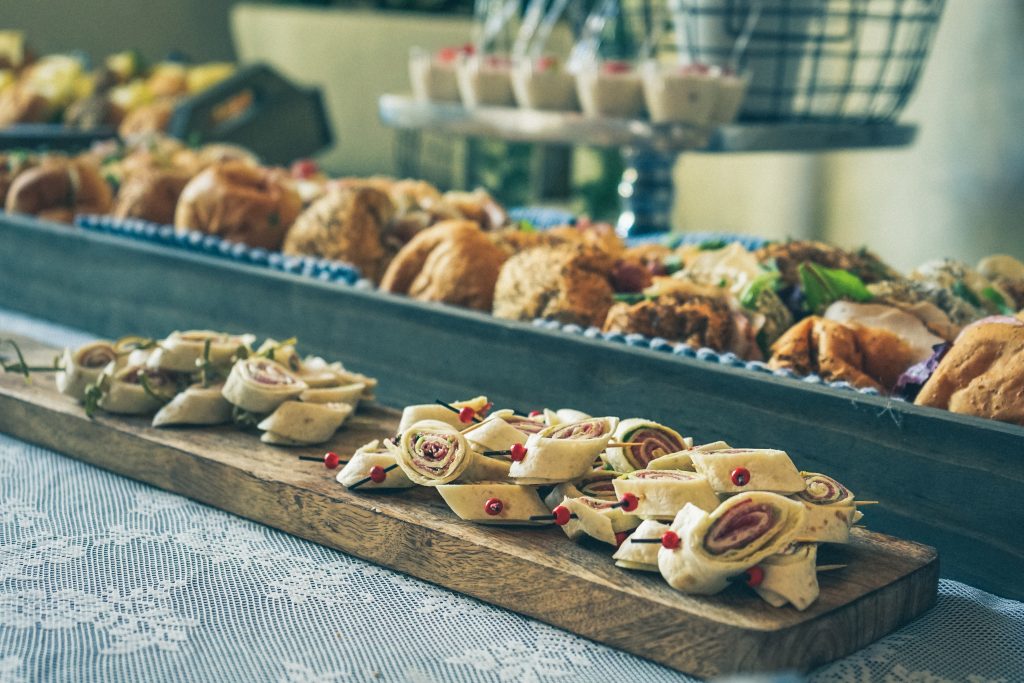
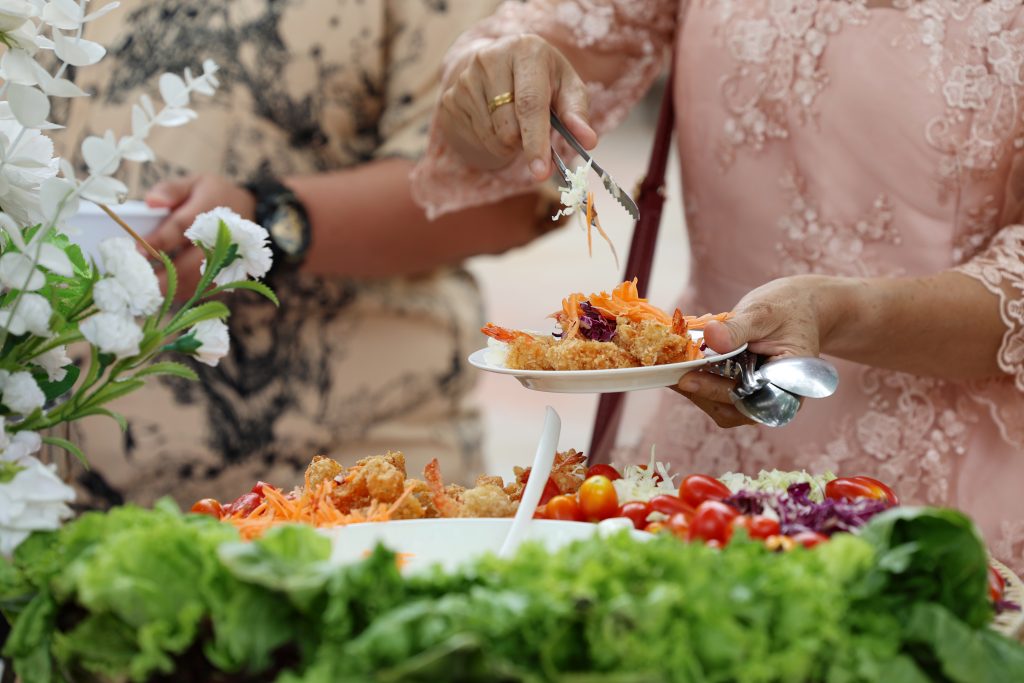
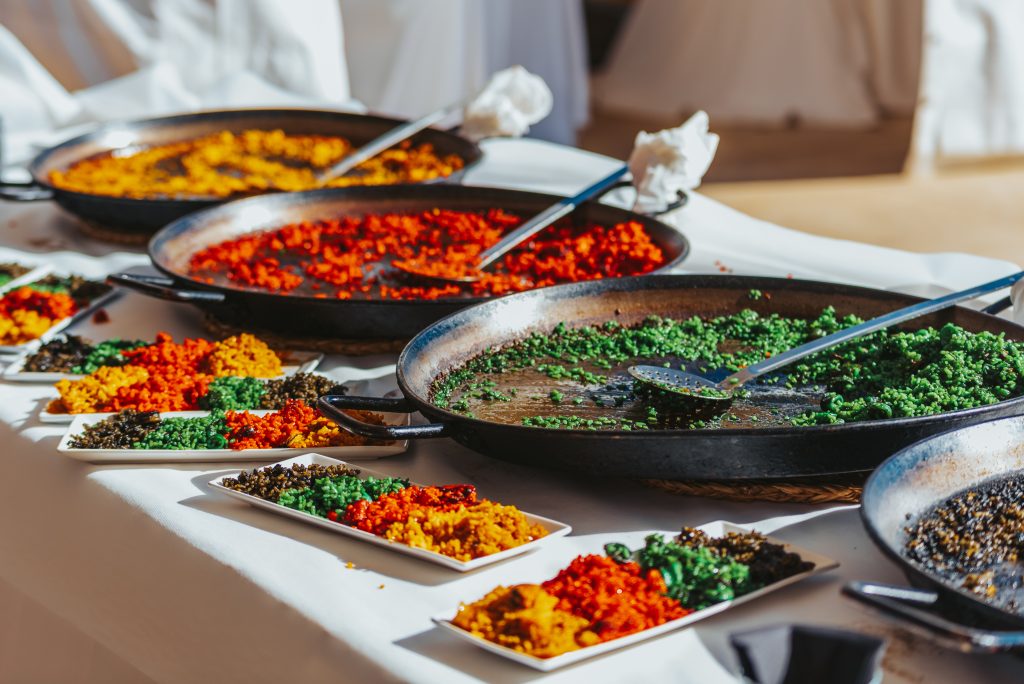
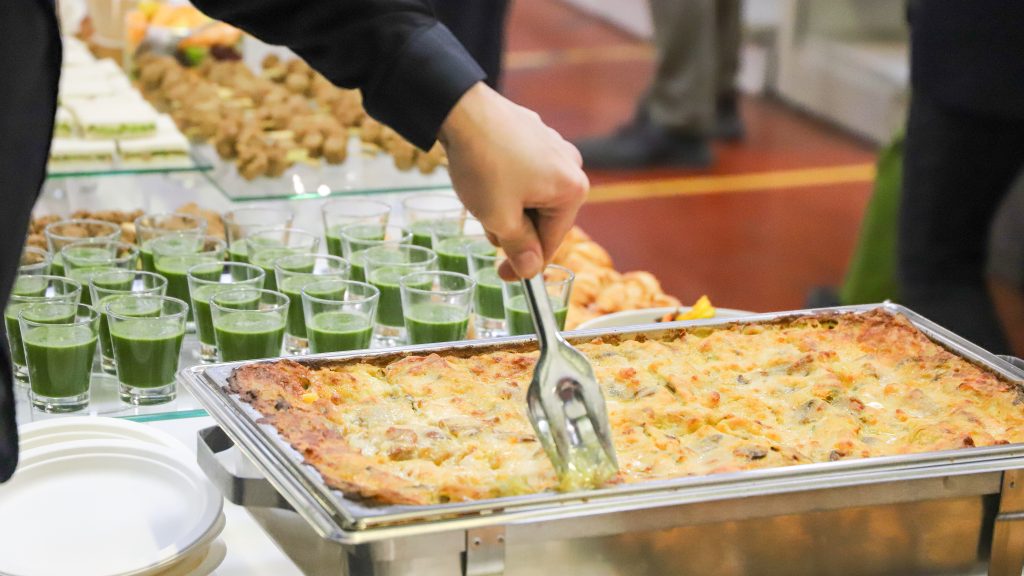
Buffet: Ideal for large gatherings, allowing guests to choose their portions.
-
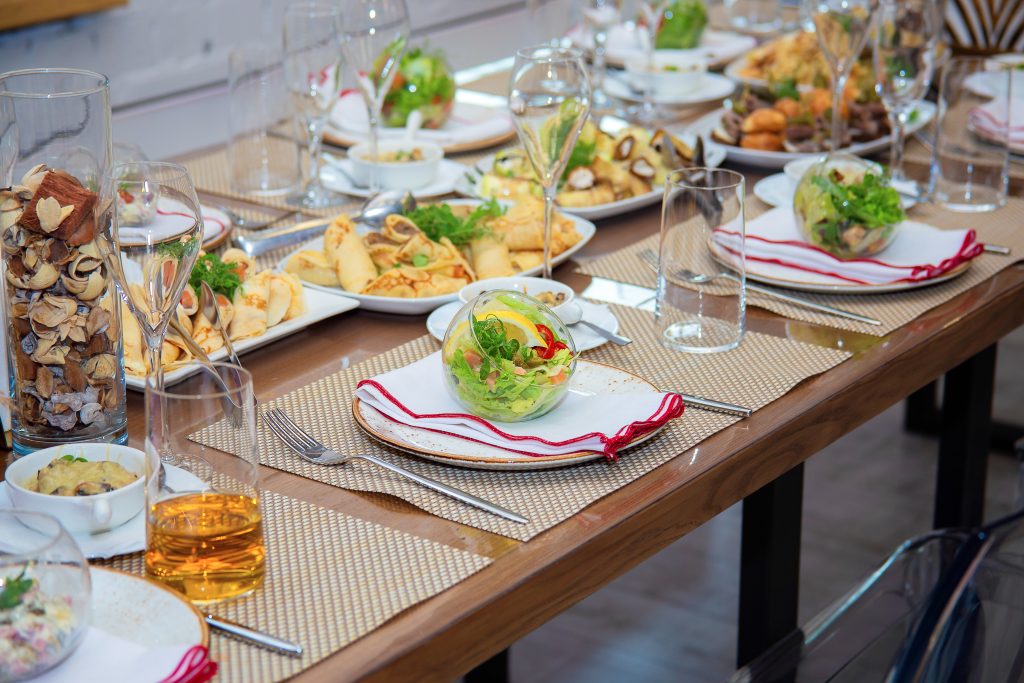
Plated Service: Suitable for formal events, weddings, or religious ceremonies requiring structured seating.
-
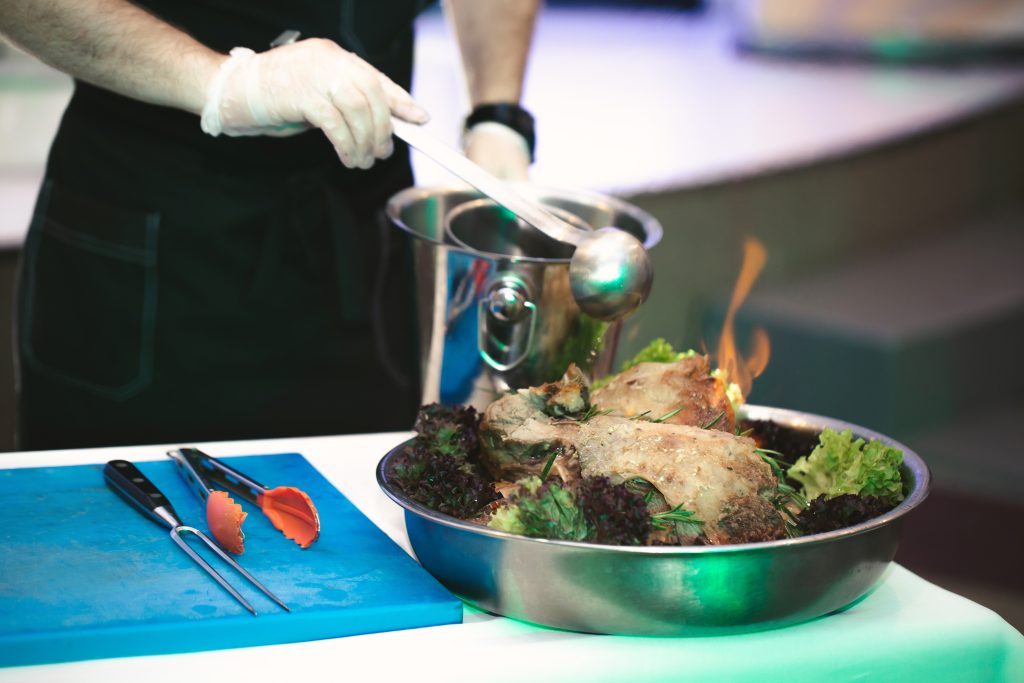
Live Cooking Stations: Engages guests and adds an interactive element to the dining experience.
5. Plan for Quantity and Portion Sizes
-
Estimate guest count carefully to avoid shortages or excessive leftovers.
-
Consider portion control to accommodate dietary restrictions while minimizing waste.
-
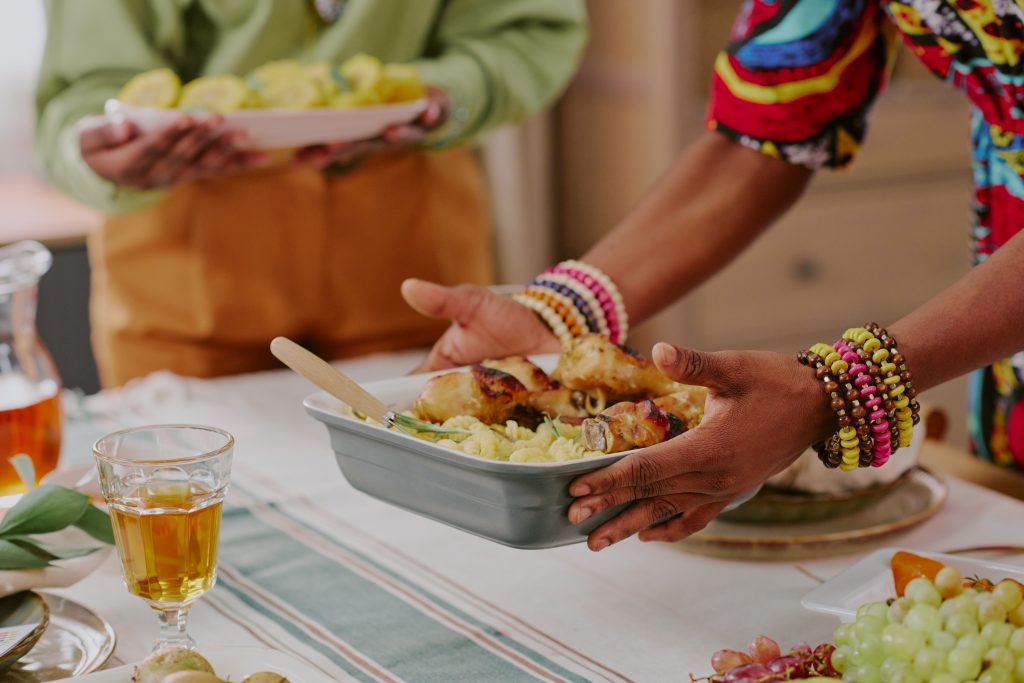
For festivals or communal gatherings, provide family-style servings to enhance the sense of sharing.
6. Pay Attention to Presentation
-
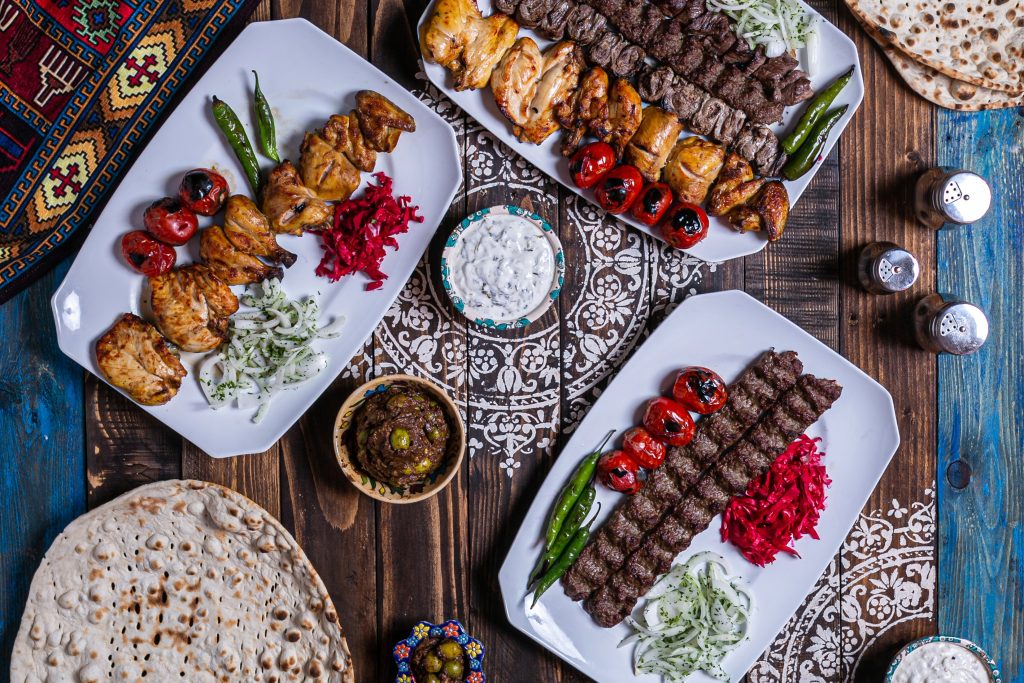
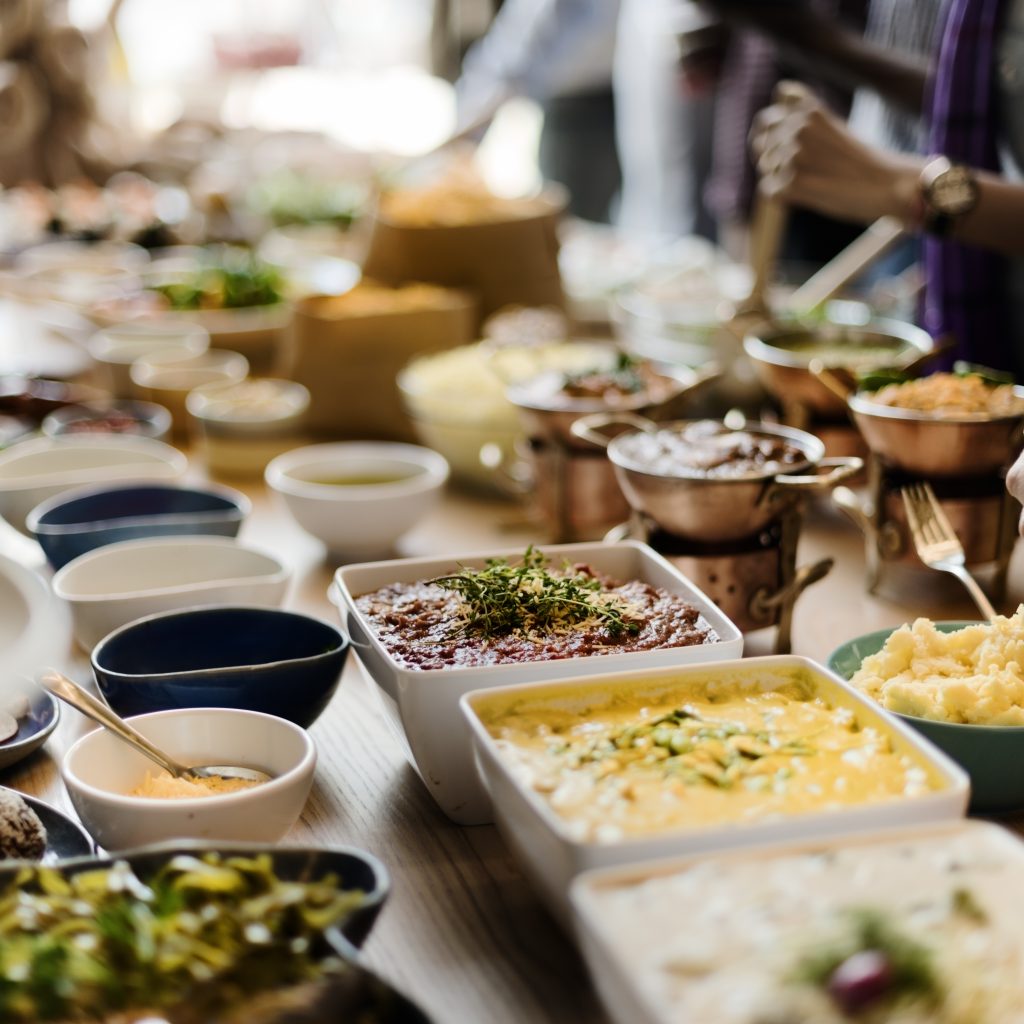
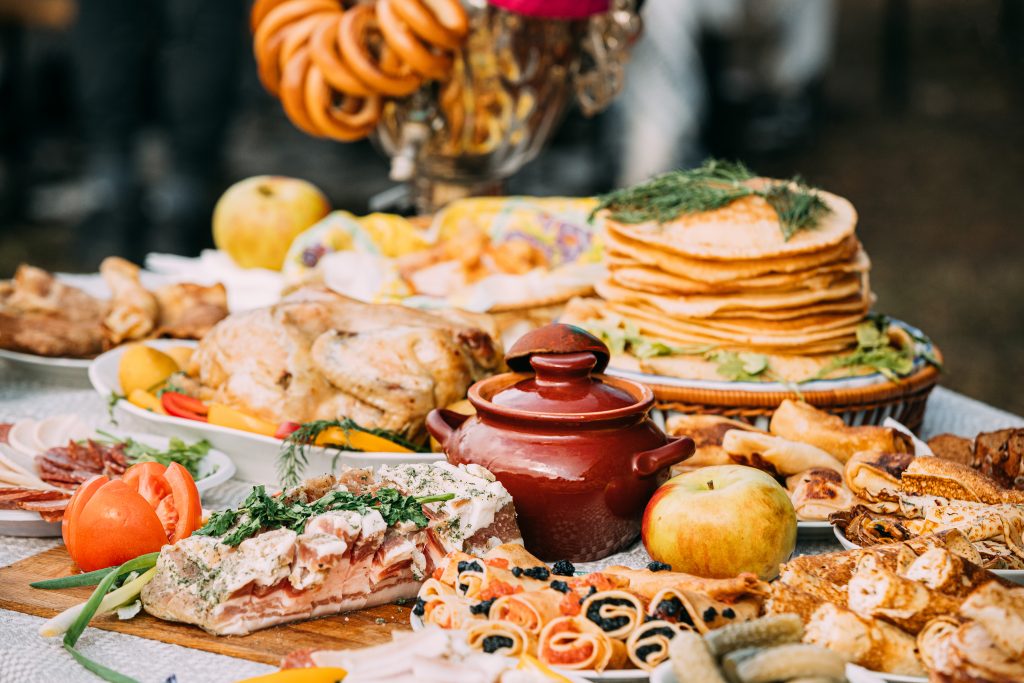
Use serving trays, bowls, and platters that reflect the cultural or religious theme.
-
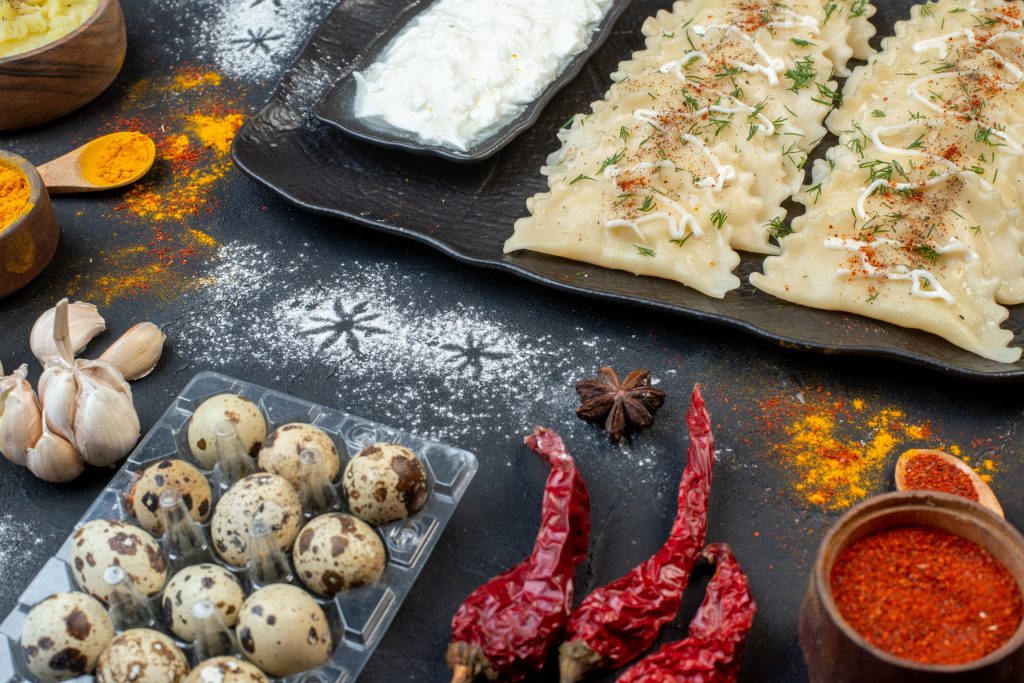
Garnish with herbs, edible flowers, or spices to enhance both visual appeal and flavor.
-
Clearly label dishes to indicate dietary compliance, such as halal, kosher, vegetarian, or vegan.
7. Coordinate Logistics and Timing
-
Schedule delivery or setup according to prayer times or religious rituals.
-
Ensure food is served fresh, maintaining appropriate temperatures for hot and cold dishes.
-
Plan cleanup and storage to respect the sacredness and flow of the event.
Tips for Hosting a Successful Religious Event
-
Educate the Catering Team: Make sure they understand the religious and cultural significance of the dishes.
-
Offer Variety: Include dishes that cater to both traditional tastes and modern preferences.
-
Communicate Clearly: Guests should know which dishes meet their dietary and religious requirements.
-
Incorporate Local Flavors: Enhance the menu with regional specialties for authenticity.
-
Maintain Professional Standards: Hygiene, presentation, and service quality are critical in religious gatherings.
Benefits of Proper Religious Event Catering
-
Guest Satisfaction: Attendees feel respected and included, enhancing their overall experience.
-
Cultural Authenticity: Menus reflect tradition, making the event meaningful and memorable.
-
Smooth Event Flow: Professional planning reduces last-minute issues and stress.
-
Memorable Experience: Thoughtful presentation, flavors, and service create lasting impressions.
Conclusion
Catering for religious events requires careful planning, cultural sensitivity, and attention to detail. By understanding dietary requirements, hiring experienced caterers, designing balanced menus, and considering presentation and service, hosts can ensure a seamless and memorable dining experience.
Food at a religious event is more than just a meal—it is an expression of hospitality, respect, and community. Thoughtful catering enhances the spiritual and cultural significance of the occasion, creating meaningful moments for every guest. Whether it’s a festive gathering, a wedding, or a faith-based ceremony, proper catering ensures the event is inclusive, flavorful, and unforgettable.