
 English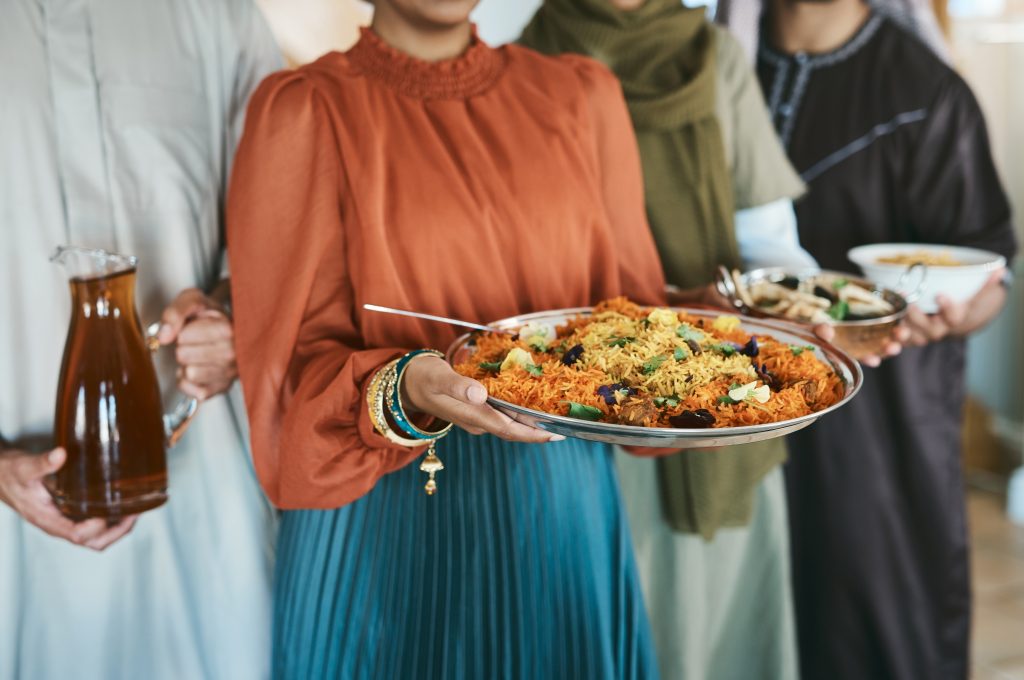



























Menu Selection Tips for Faith-Based Events


Faith-based events, such as religious ceremonies, community gatherings, weddings, and festivals, are occasions that emphasize spirituality, tradition, and inclusivity. The menu for such events plays a critical role—not only providing nourishment but also reflecting respect for religious practices and enhancing the overall experience. Careful planning ensures that guests feel included, traditions are honored, and the dining experience is memorable.
Understanding the Importance of Menu Planning
The food served at faith-based events is often tied to religious customs, symbolism, and dietary laws. Selecting the right menu:
-
Ensures guests can eat without worry or compromise.
-
Honors cultural and spiritual traditions.
-
Promotes inclusivity, accommodating diverse dietary needs such as halal, kosher, vegetarian, or vegan preferences.
-
Enhances the overall ambiance and significance of the event.
A well-planned menu contributes to a smooth, respectful, and celebratory event.
Tips for Selecting the Right Menu
1. Know the Religious Requirements
-
Identify specific dietary restrictions, such as halal for Islamic events, kosher for Jewish ceremonies, or vegetarian options for Hindu festivals.
-
Consider fasting or abstinence periods, such as Ramadan, Lent, or Yom Kippur.
-
Consult religious leaders, community coordinators, or experienced caterers to ensure compliance.
2. Offer Balanced Options
-
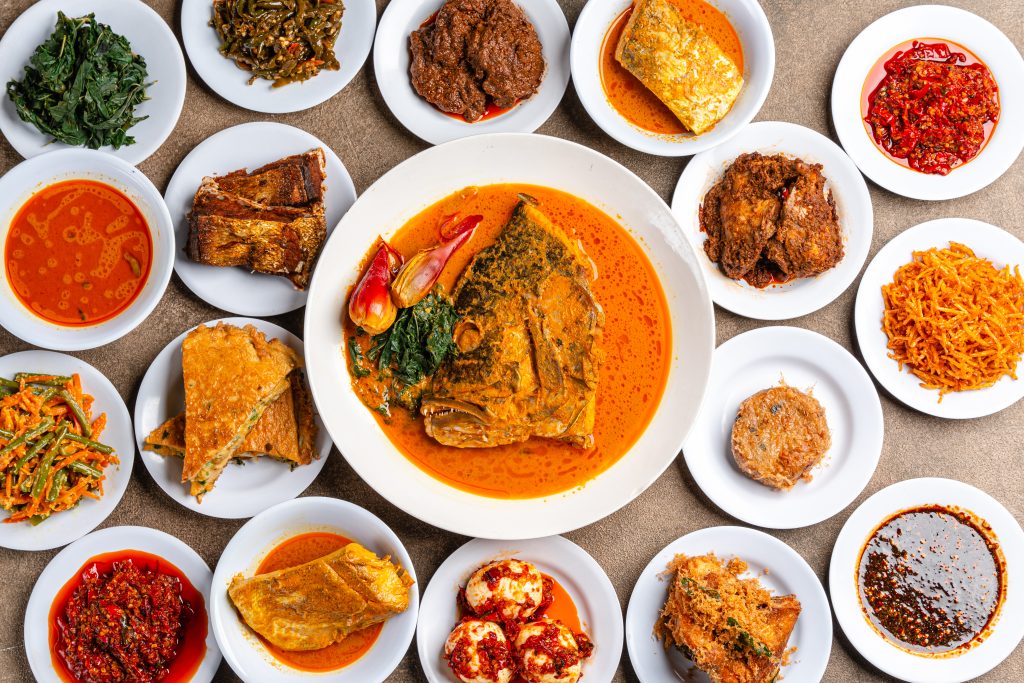
Include appetizers, mains, sides, and desserts to provide variety.
-
Ensure a mix of protein, grains, vegetables, and fresh ingredients for nutritional balance.
-
Consider flavor variety—spicy, mild, sweet, and savory dishes—to satisfy different palates.
3. Focus on Cultural and Traditional Dishes
-
Feature signature dishes that are culturally and religiously significant.
-
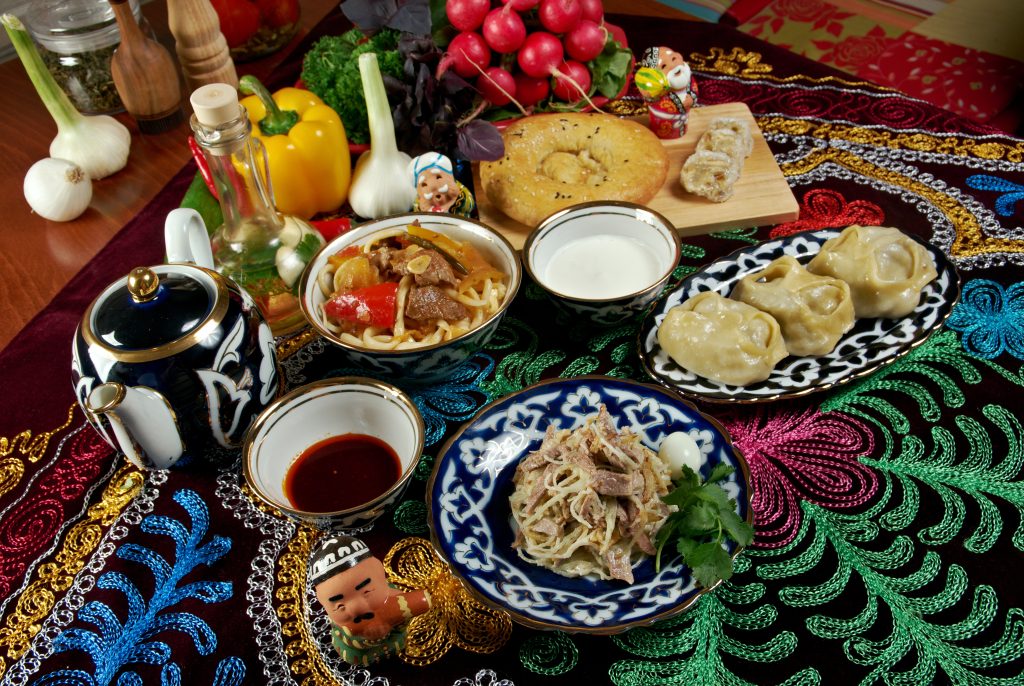
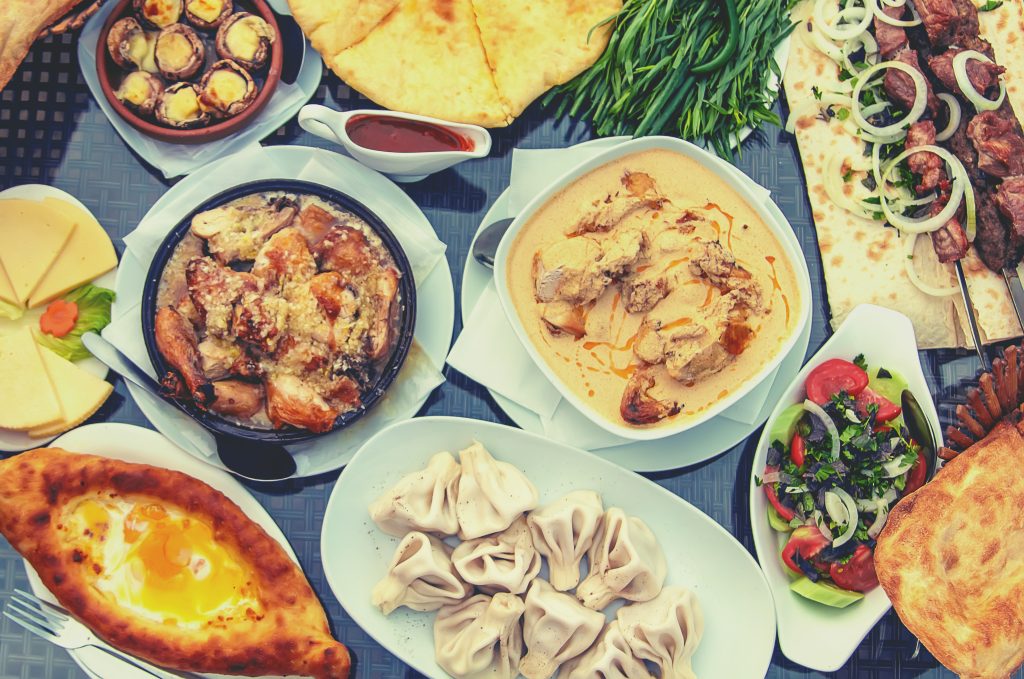
Incorporate regional specialties to reflect heritage and authenticity.
-
Include festive or symbolic dishes, such as sweets for celebrations or rice dishes for communal meals.
4. Accommodate All Guests
-
Offer vegetarian, vegan, and gluten-free options alongside traditional dishes.
-
Clearly label dishes to indicate dietary compliance, allergens, and religious suitability.
-
Include universally appealing options for non-religious guests or children.
5. Consider Presentation and Serving Style
-
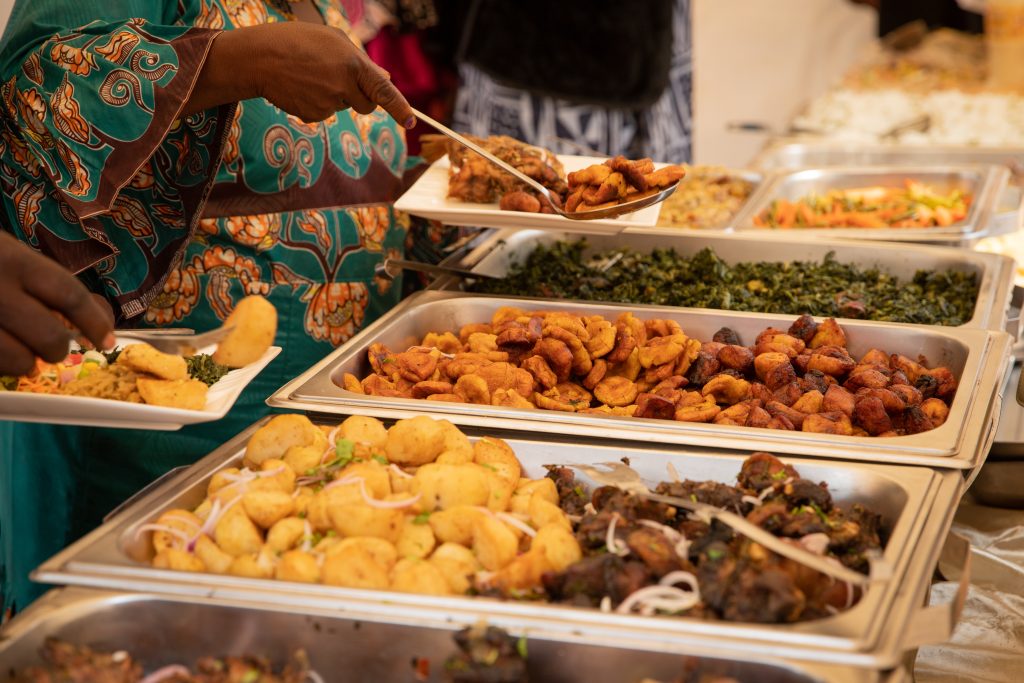
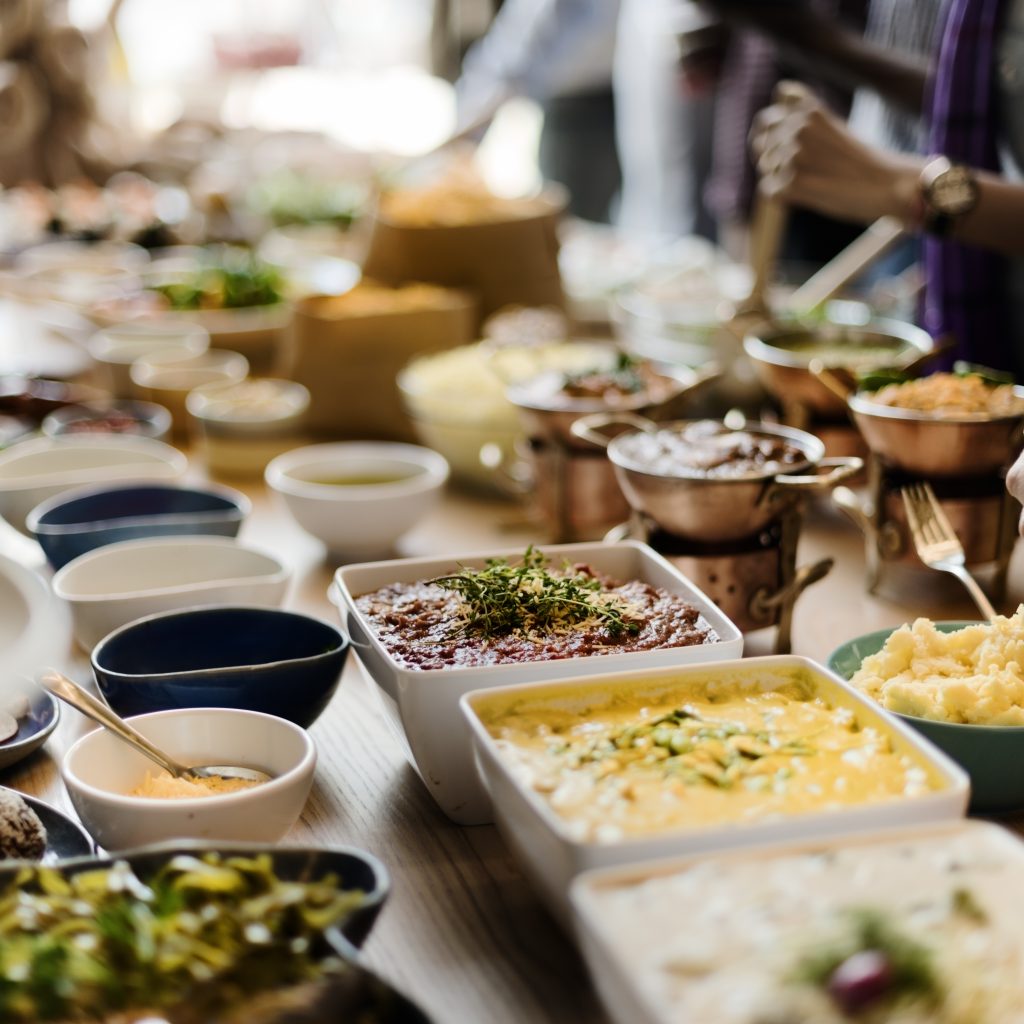
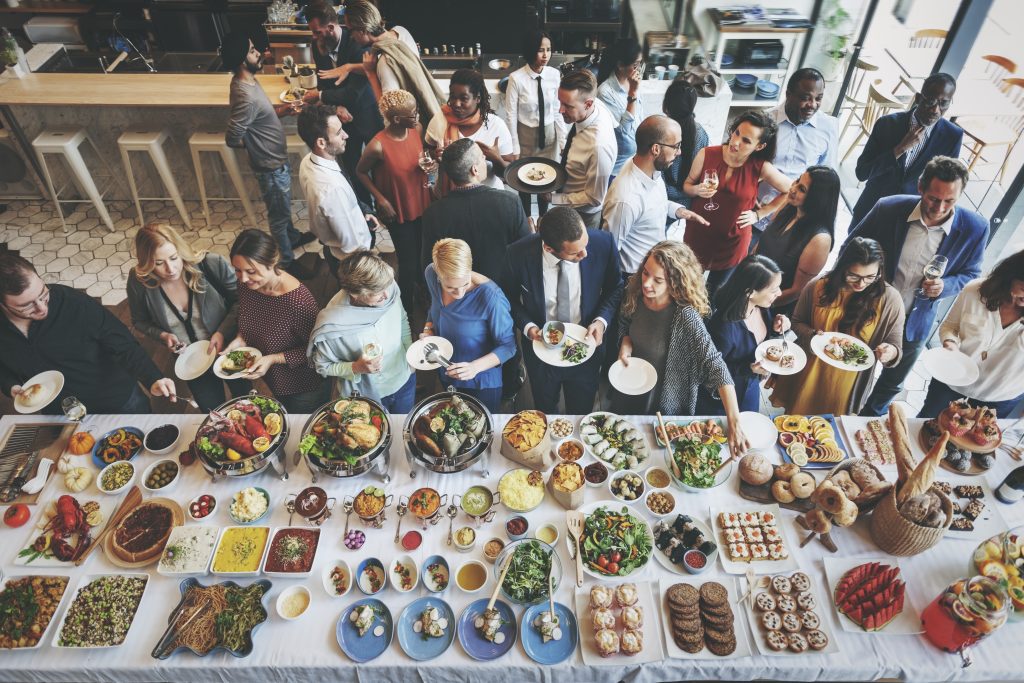
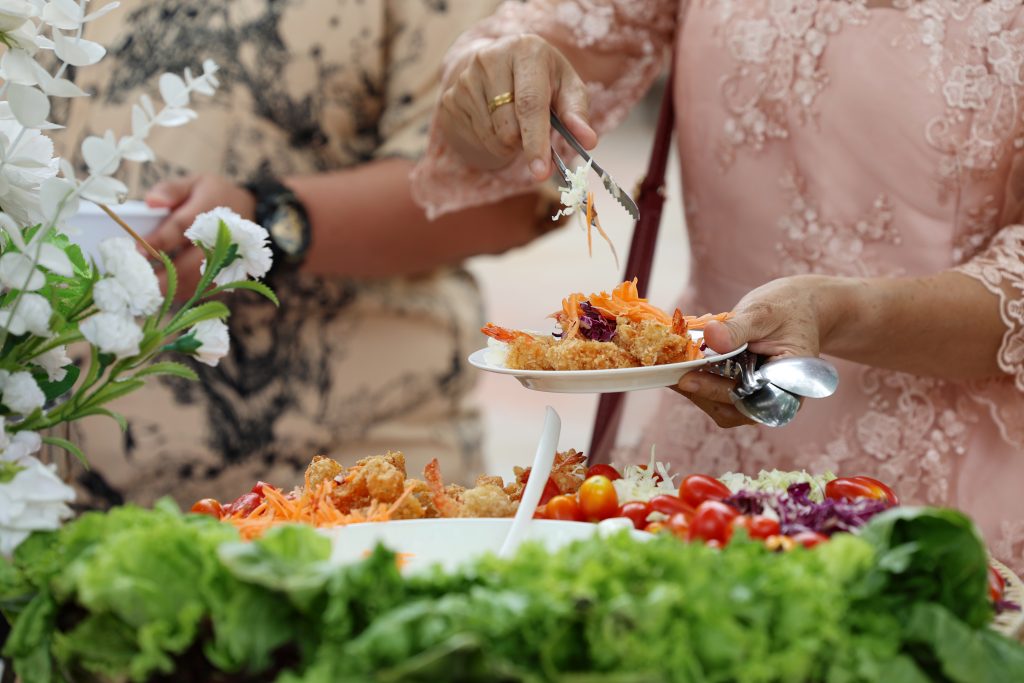
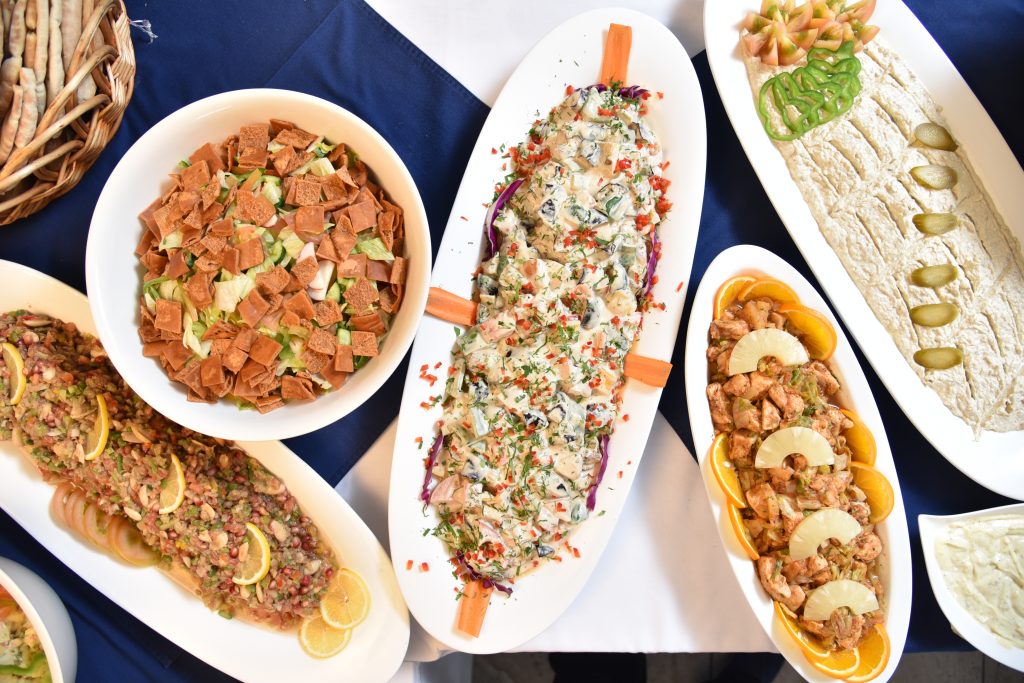
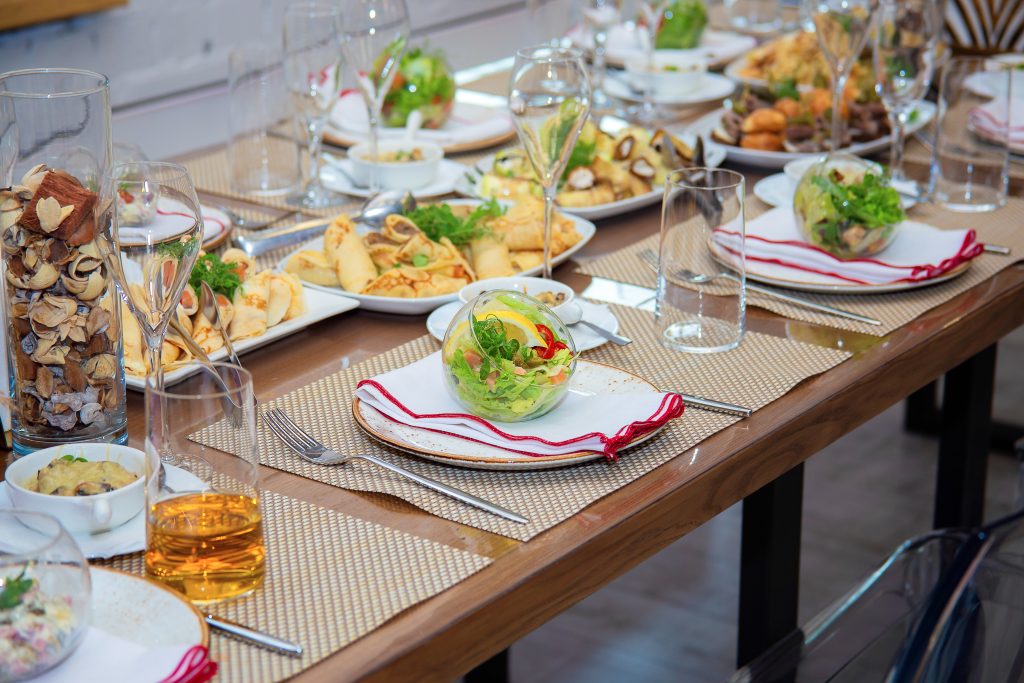
Choose buffet, plated, or family-style service depending on the event size and formality.
-
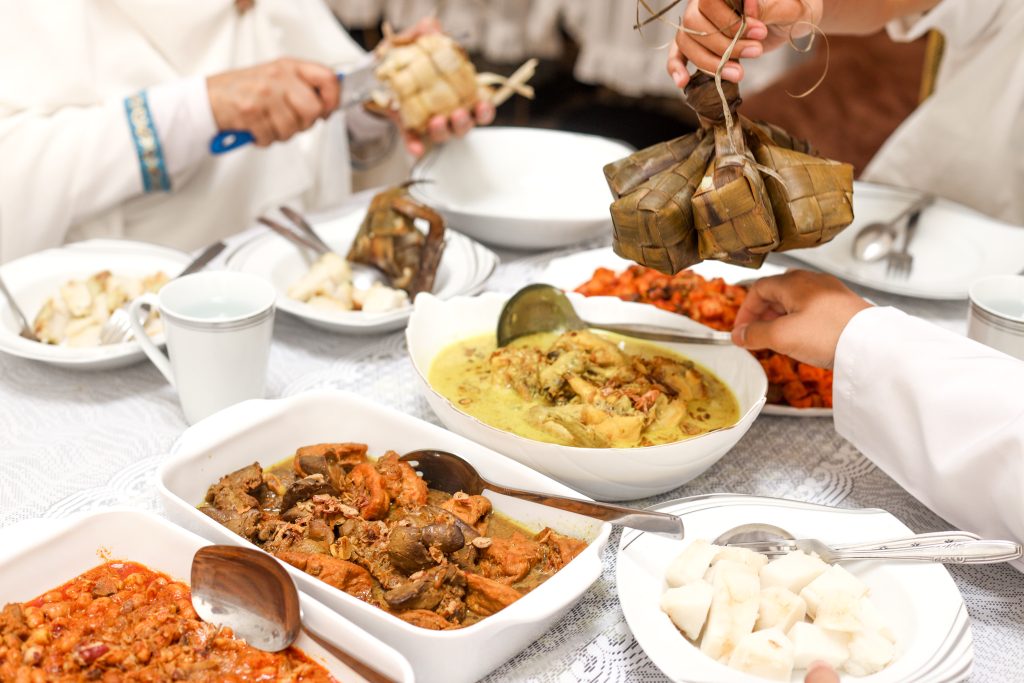
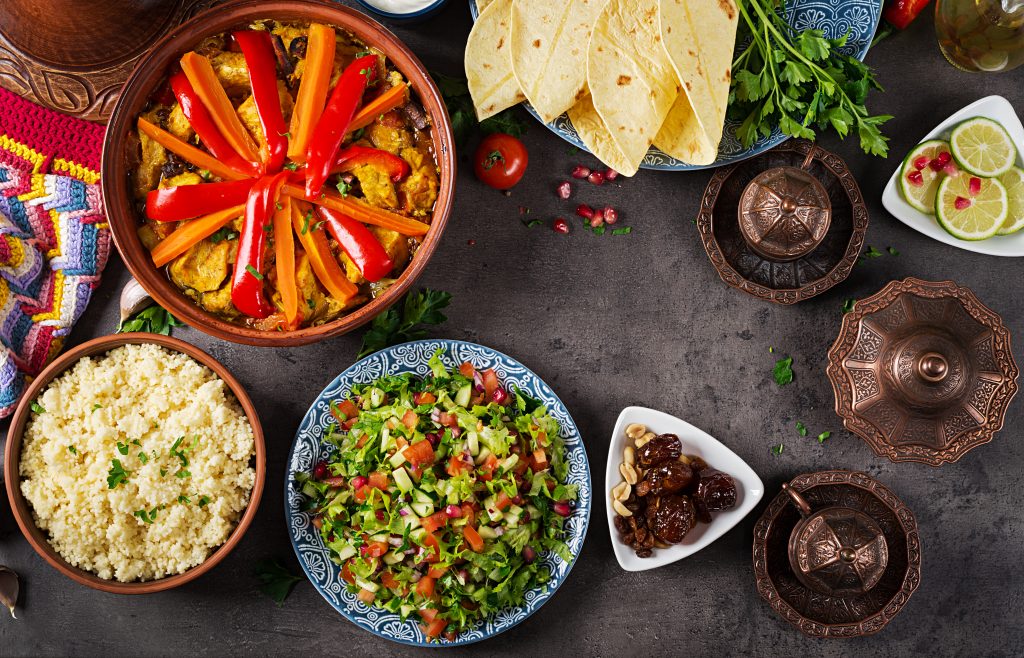
Use traditional serving ware and garnishes to enhance authenticity.
-
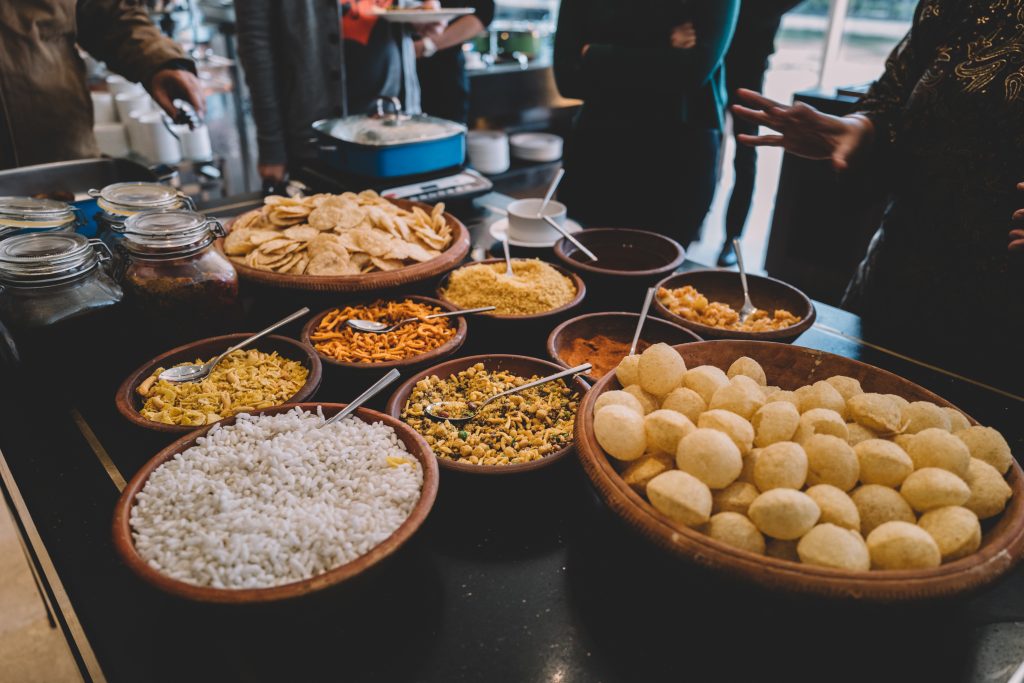
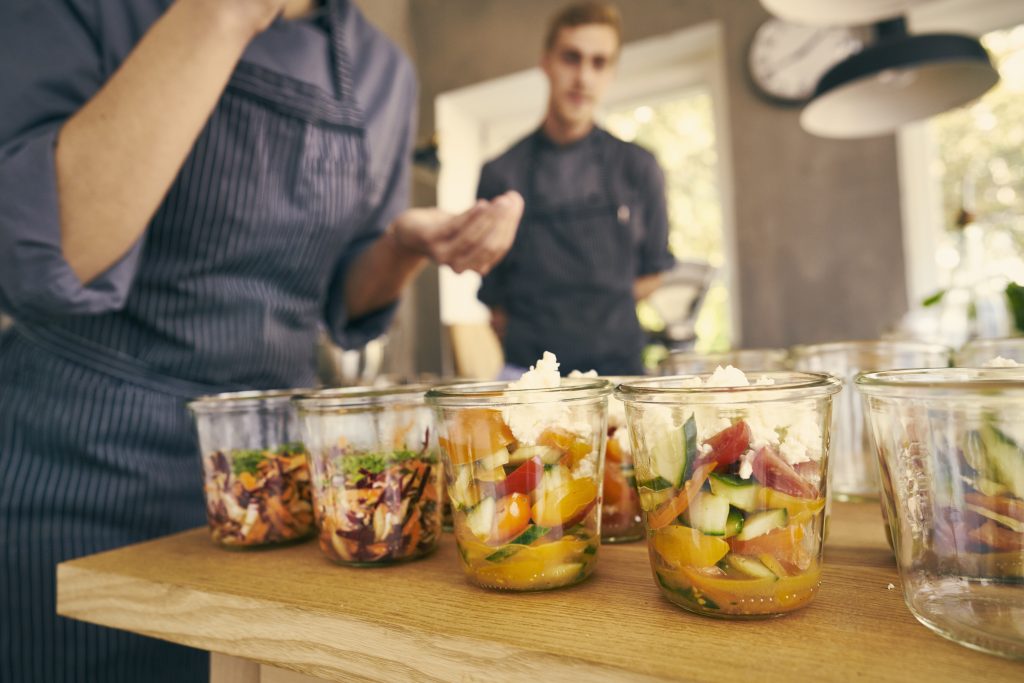
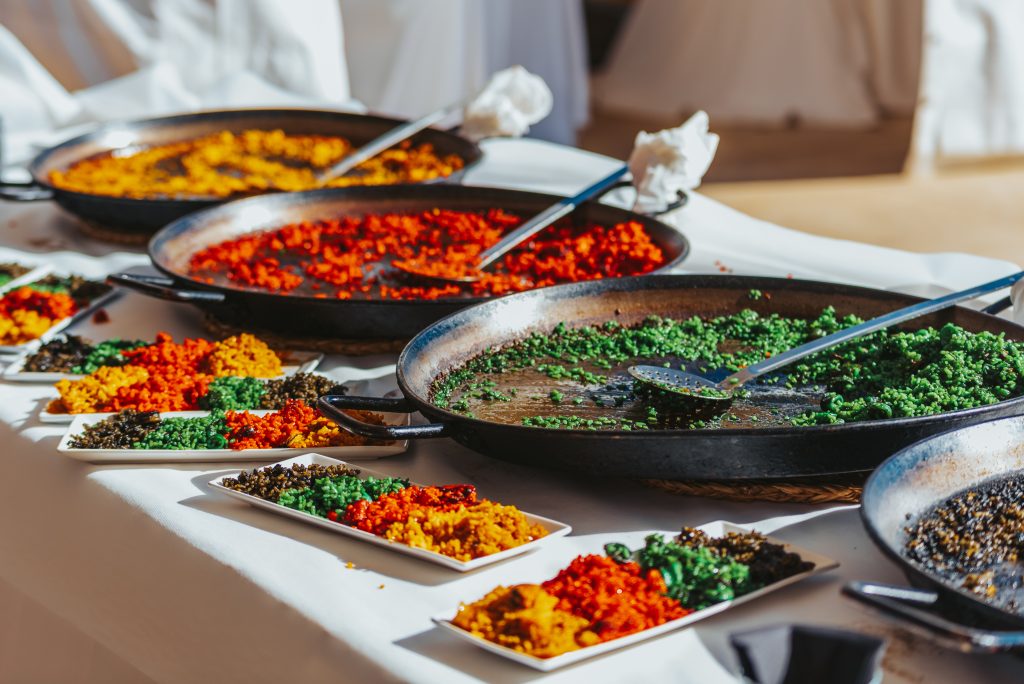
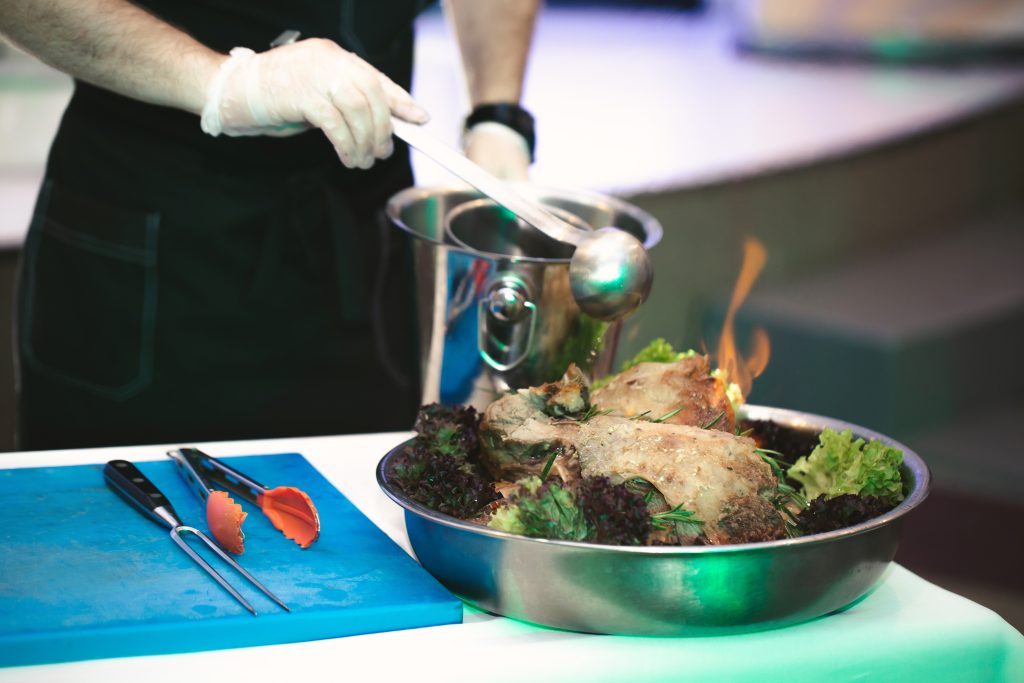
Interactive stations, such as live cooking or dessert preparation, add engagement and excitement.
6. Plan Quantity and Timing Carefully
-
Estimate guest numbers accurately to prevent shortages or waste.
-
Ensure timely serving in accordance with religious rituals or prayer schedules.
-
For large events, prepare portions and serving logistics to maintain freshness and quality.
7. Collaborate With Experienced Caterers
-
Work with caterers familiar with faith-based dietary laws.
-
Confirm ingredient sourcing, preparation methods, and certifications (halal, kosher, etc.).
-
Schedule tastings to ensure dishes meet both flavor and compliance standards.
Benefits of Thoughtful Menu Selection
-
Guest Satisfaction: Attendees feel respected and included, enhancing their overall experience.
-
Cultural and Religious Authenticity: Menus reflect traditions, making the event meaningful and memorable.
-
Professionalism and Smooth Execution: Proper planning reduces last-minute challenges and stress.
-
Memorable Experience: Thoughtful presentation, flavor, and variety leave lasting impressions.
Common Faith-Based Event Menu Ideas
-
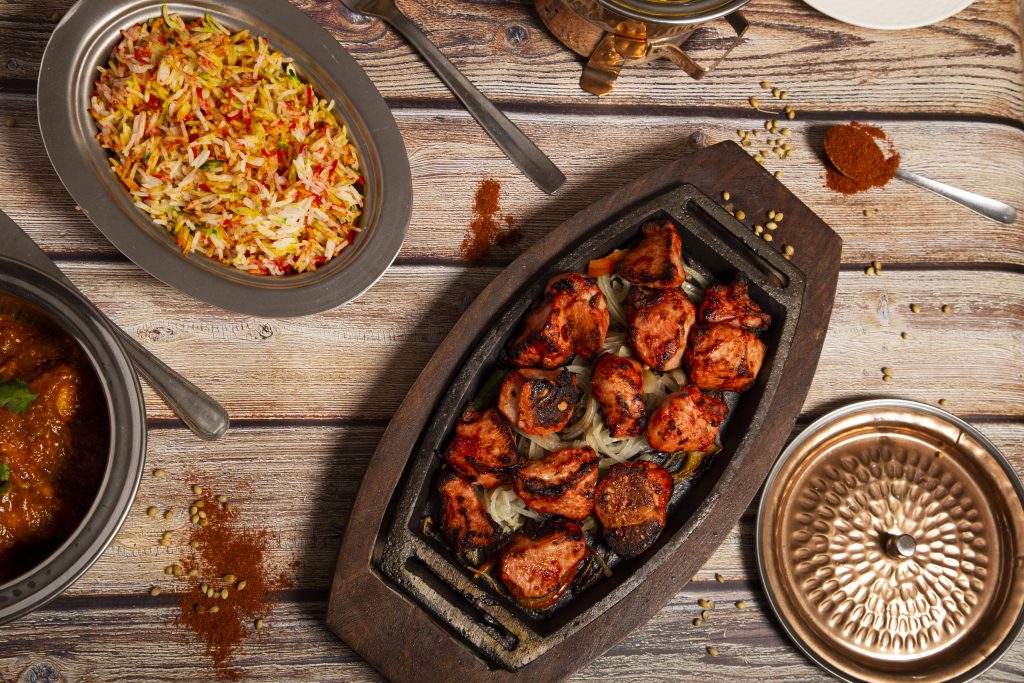
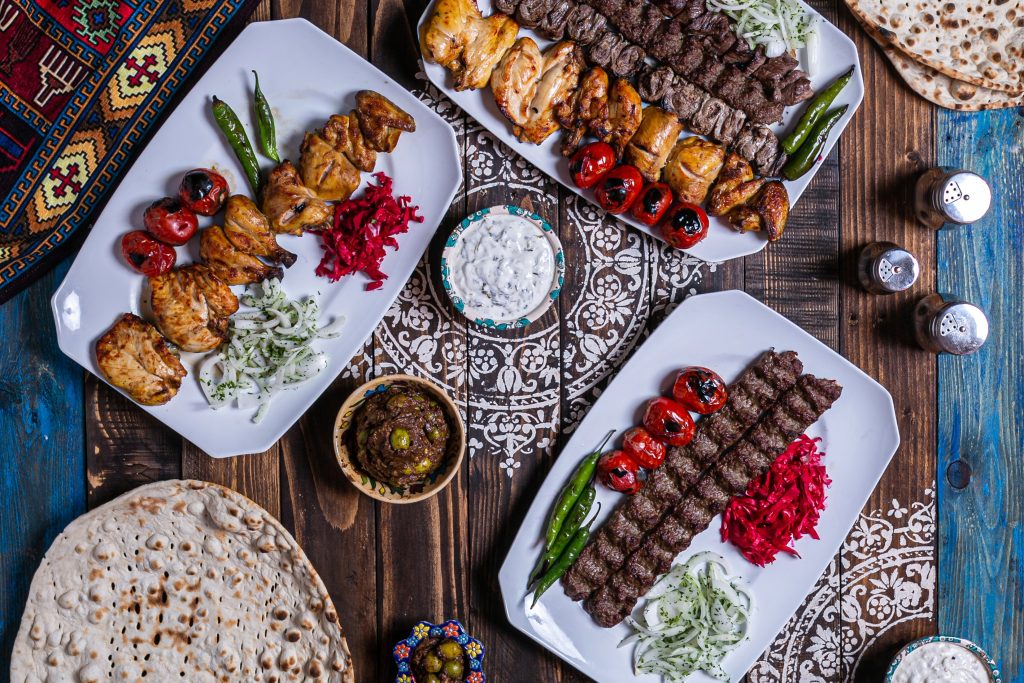
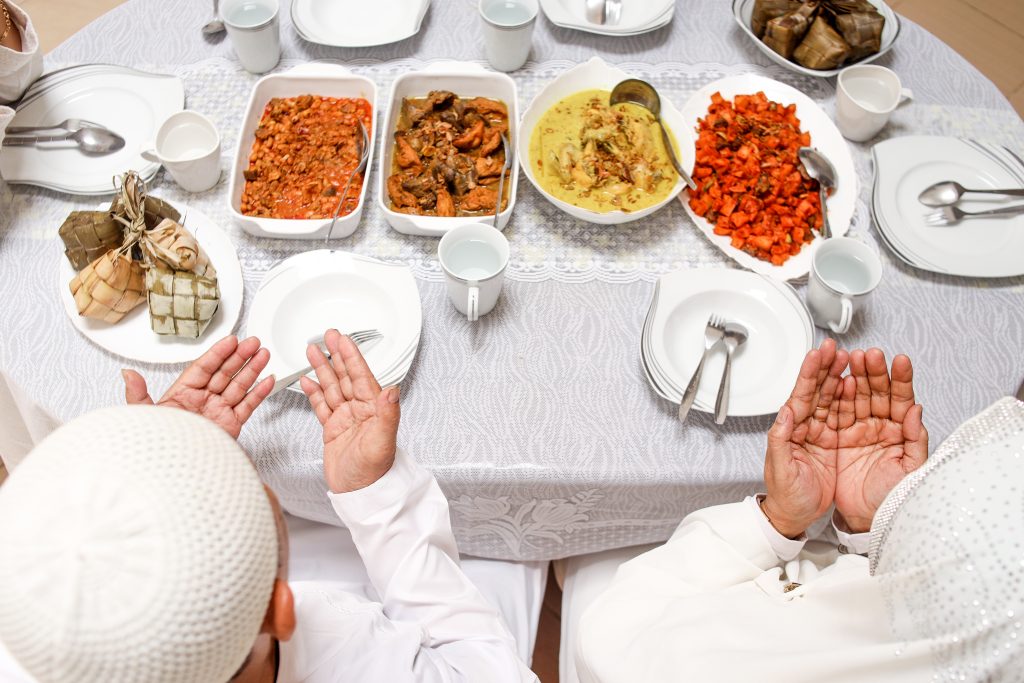
Islamic Events: Halal biryanis, kebabs, vegetable curries, and traditional sweets like sheer khurma.
-
Jewish Events: Kosher meats, stuffed vegetables, grain-based salads, and symbolic desserts.
-
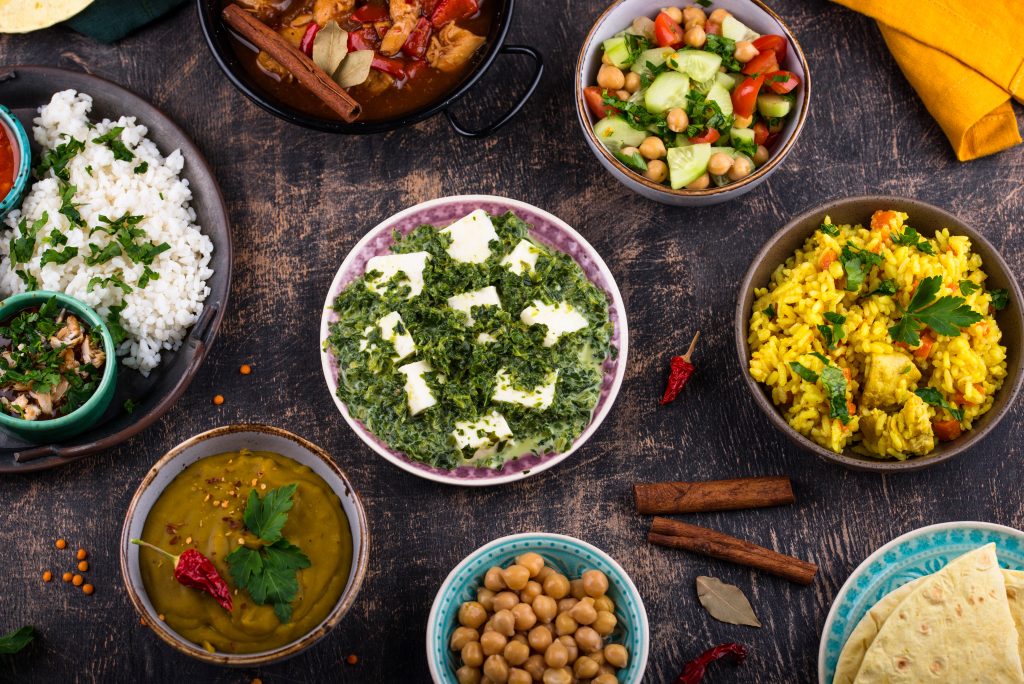
Hindu Festivals: Vegetarian curries, lentil dishes, rice pilafs, and traditional sweets.
-
Christian Celebrations: Roasted vegetables, plant-based stews, breads, and festive desserts.
By thoughtfully combining traditional and modern dishes, hosts can provide menus that honor faith, delight guests, and create a sense of community.
Conclusion
Menu selection for faith-based events requires a balance of cultural authenticity, dietary compliance, and guest satisfaction. By understanding religious requirements, incorporating traditional and symbolic dishes, accommodating diverse dietary needs, and ensuring thoughtful presentation, hosts can create a memorable and inclusive dining experience.
Food is more than nourishment—it is a reflection of tradition, respect, and celebration. A well-planned menu ensures that faith-based events are not only spiritually significant but also culturally rich, enjoyable, and unforgettable for all attendees.