

 English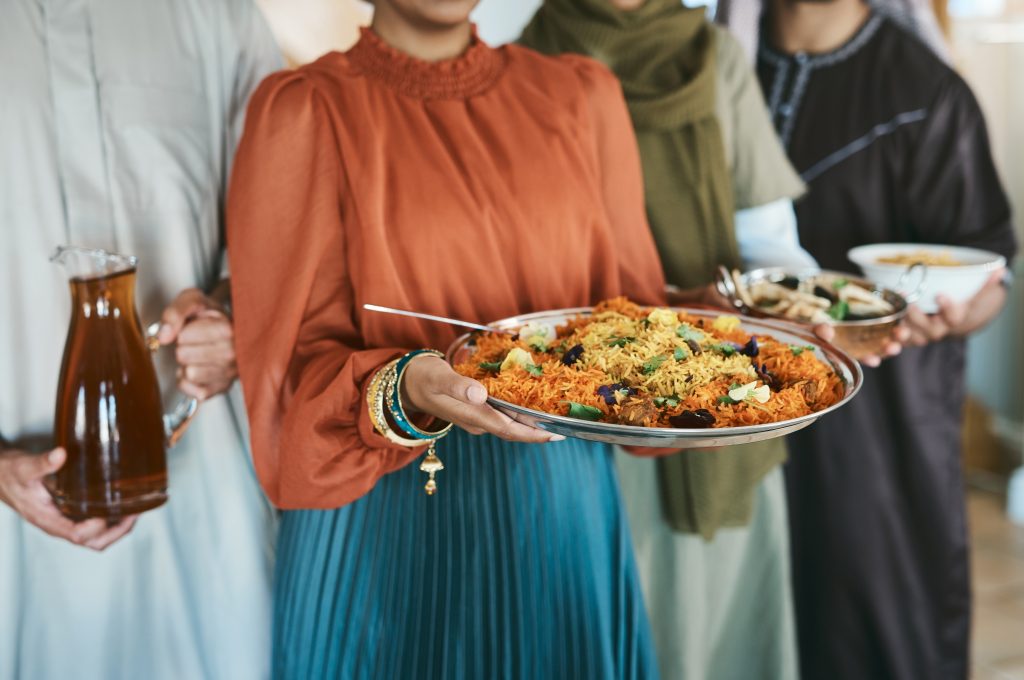





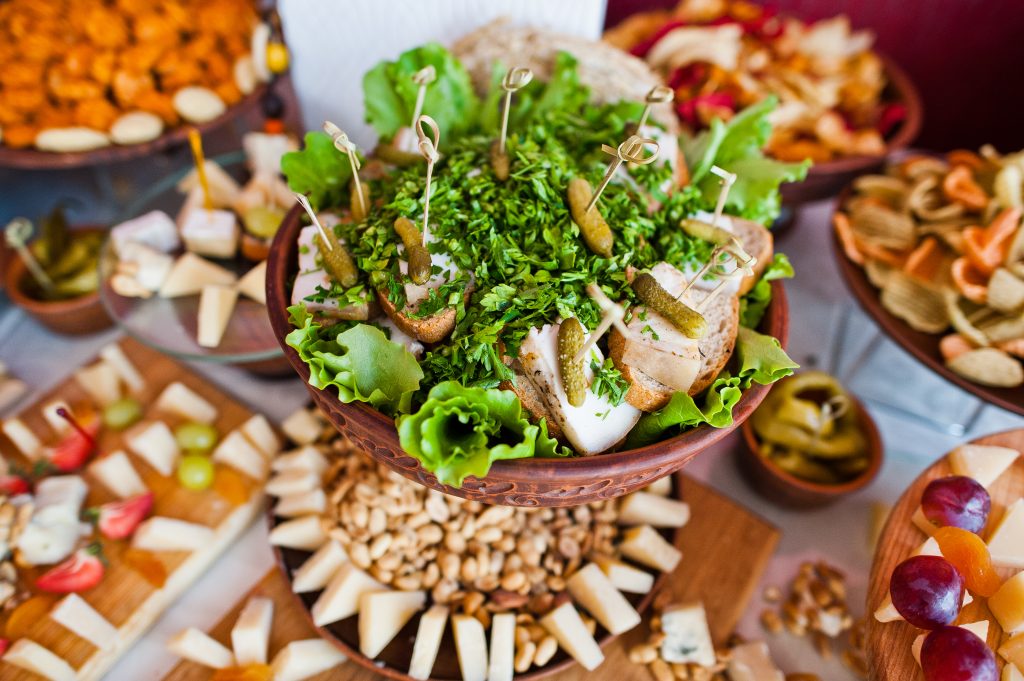
Traditional Food Presentation That Impresses Guests

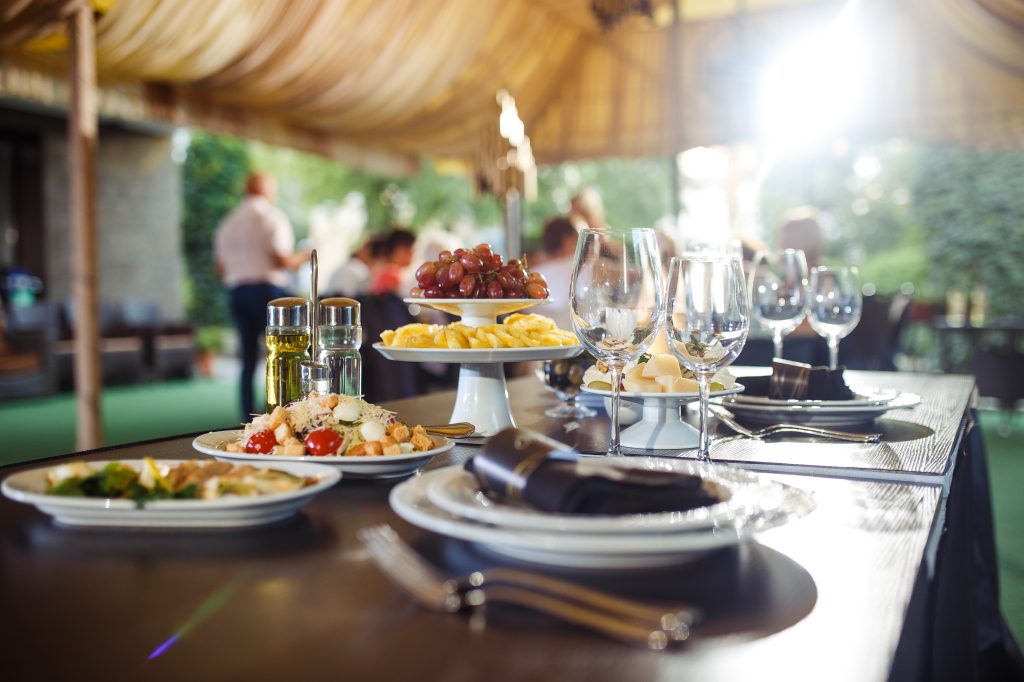
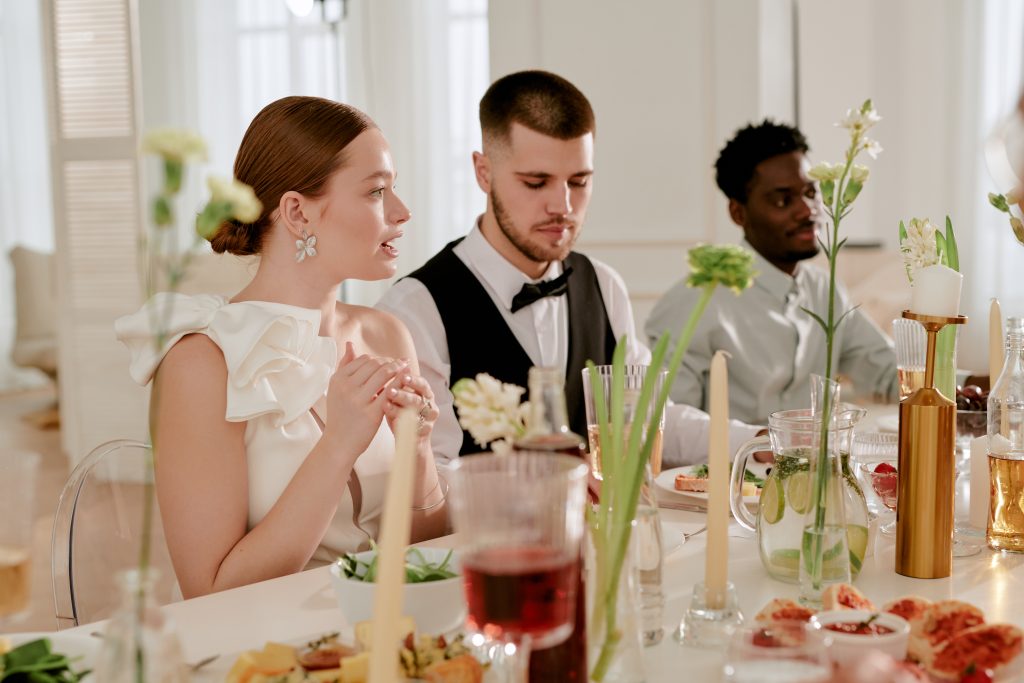
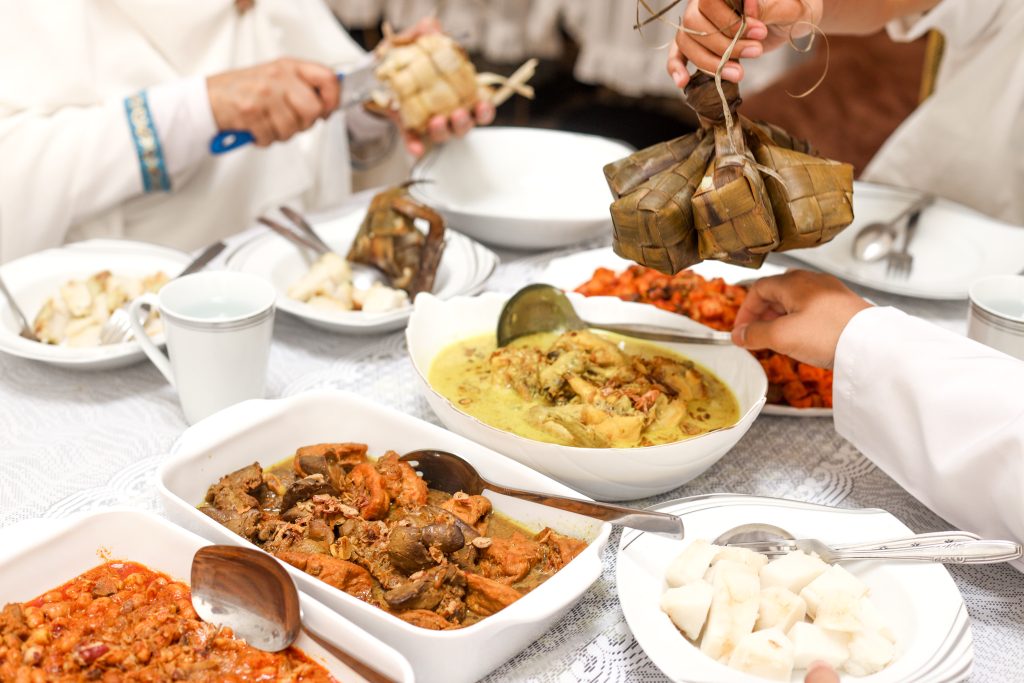
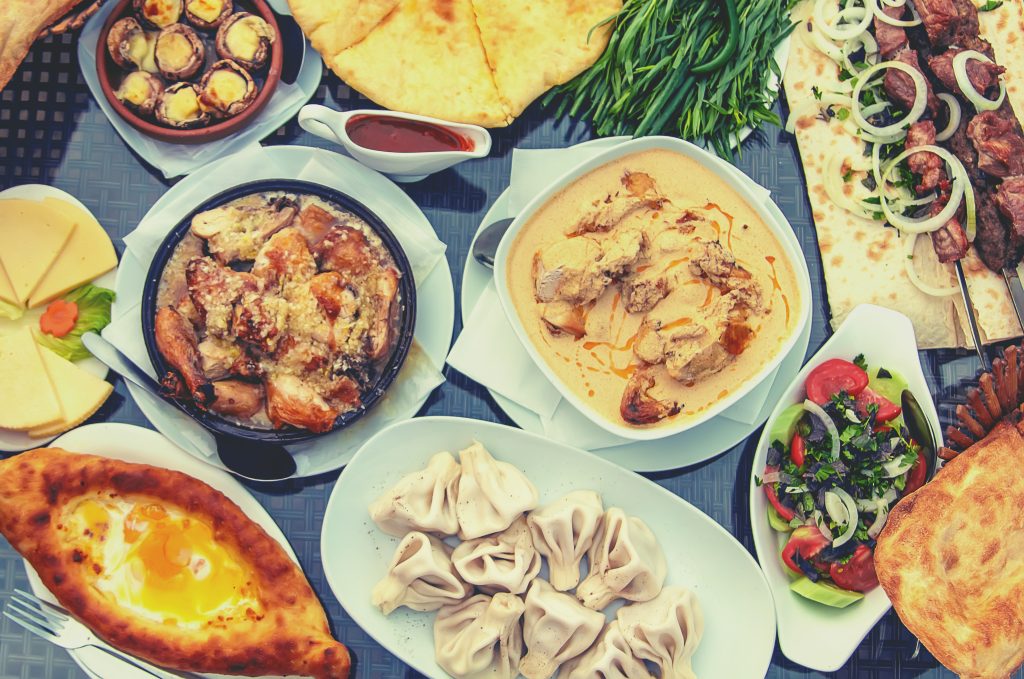
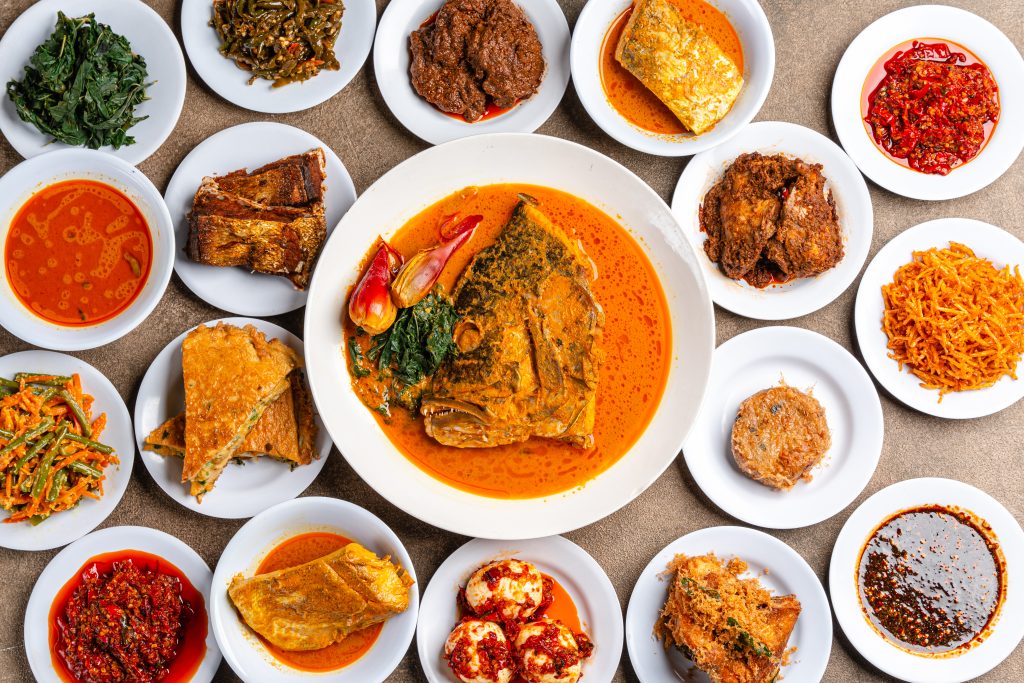
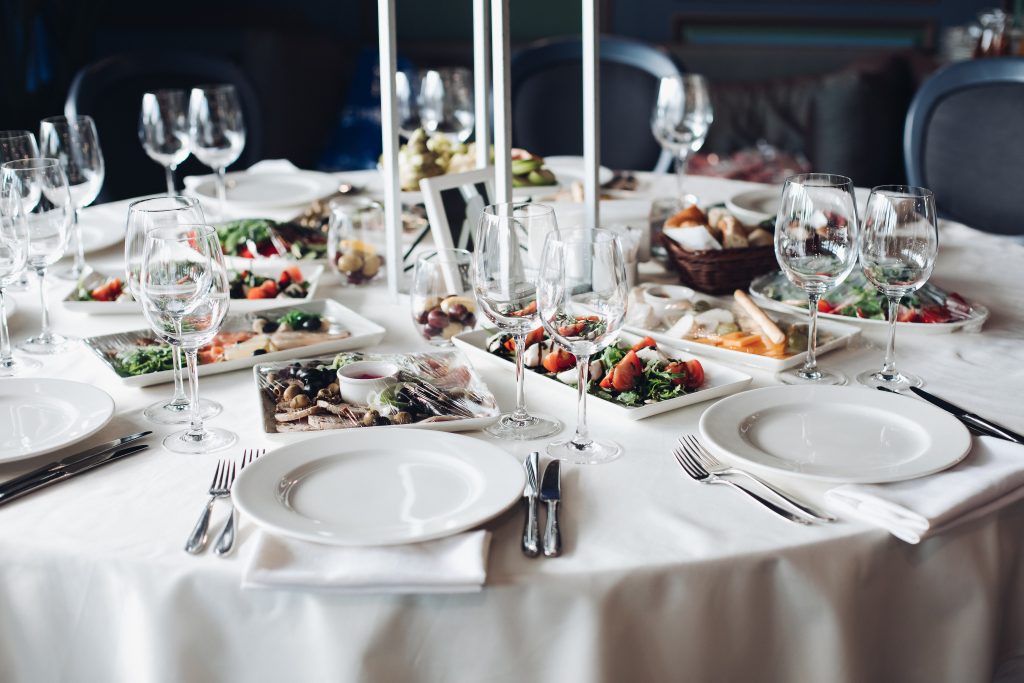
Food is not just about taste—it’s a visual and cultural experience. In ethnic catering, presentation plays a vital role in impressing guests and elevating an event. Traditional food presentation combines authentic culinary techniques, cultural aesthetics, and thoughtful plating to create a lasting impression. Whether it’s a wedding, corporate event, festival, or private celebration, the way food is presented can enhance its appeal, reflect cultural heritage, and make the dining experience memorable.
1. Understand the Cultural Context
-
Every culture has unique presentation styles that reflect tradition and history.
-
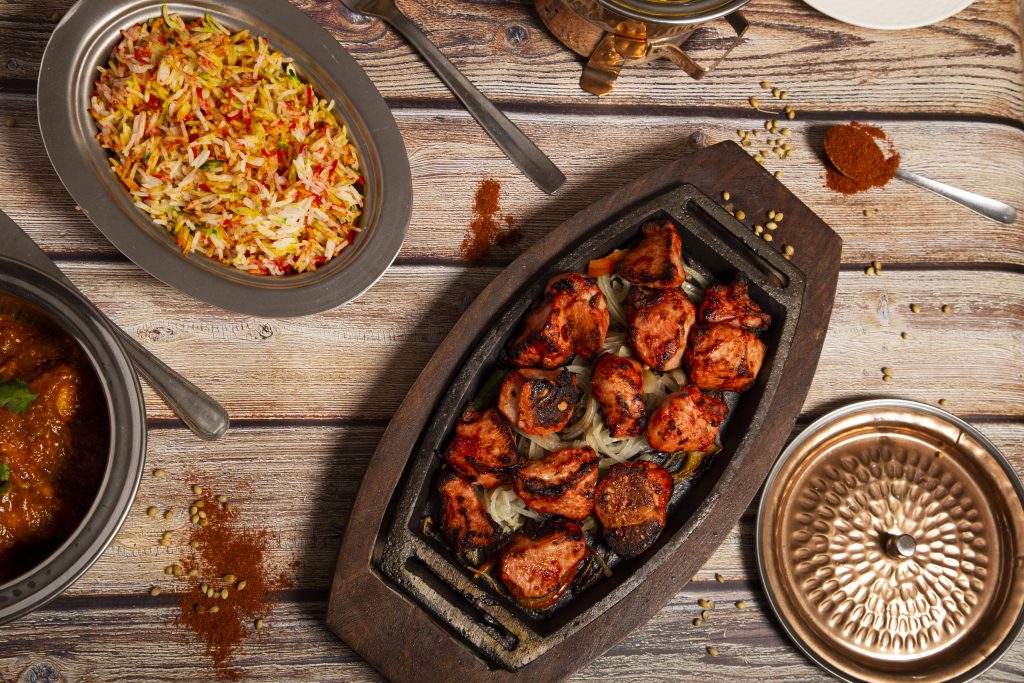
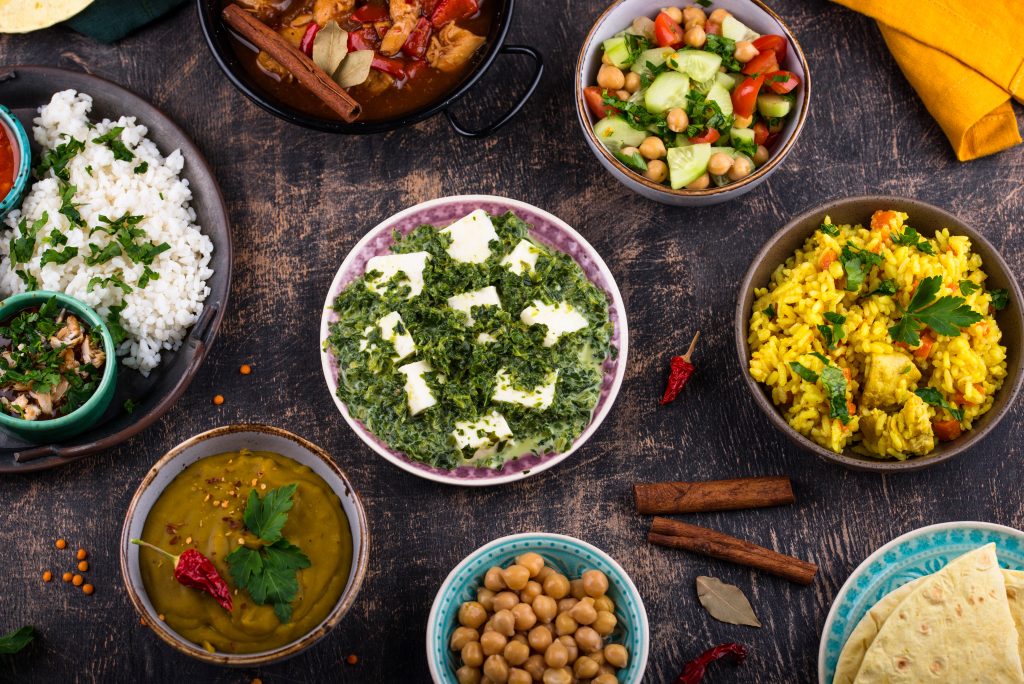
South Asian events often feature colorful platters with rice, curries, and breads arranged artfully.
-
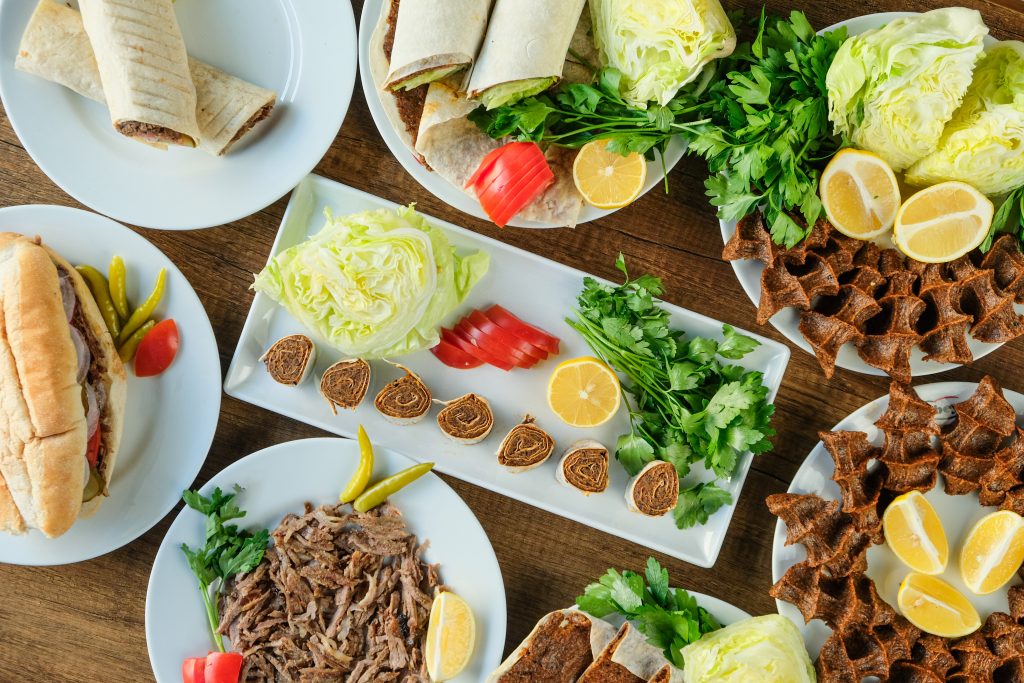
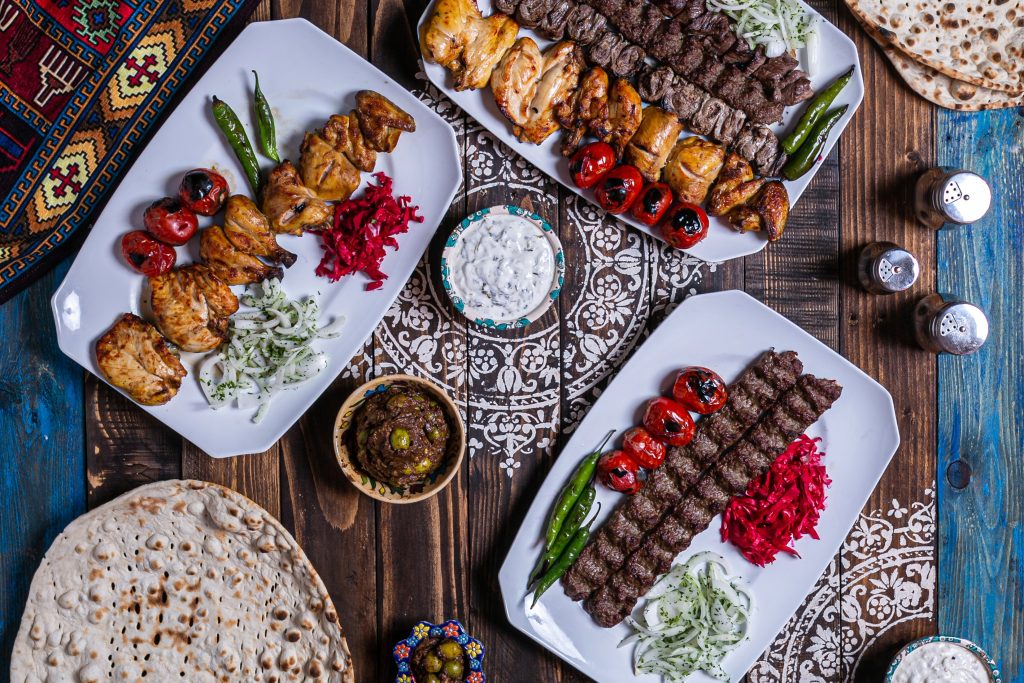
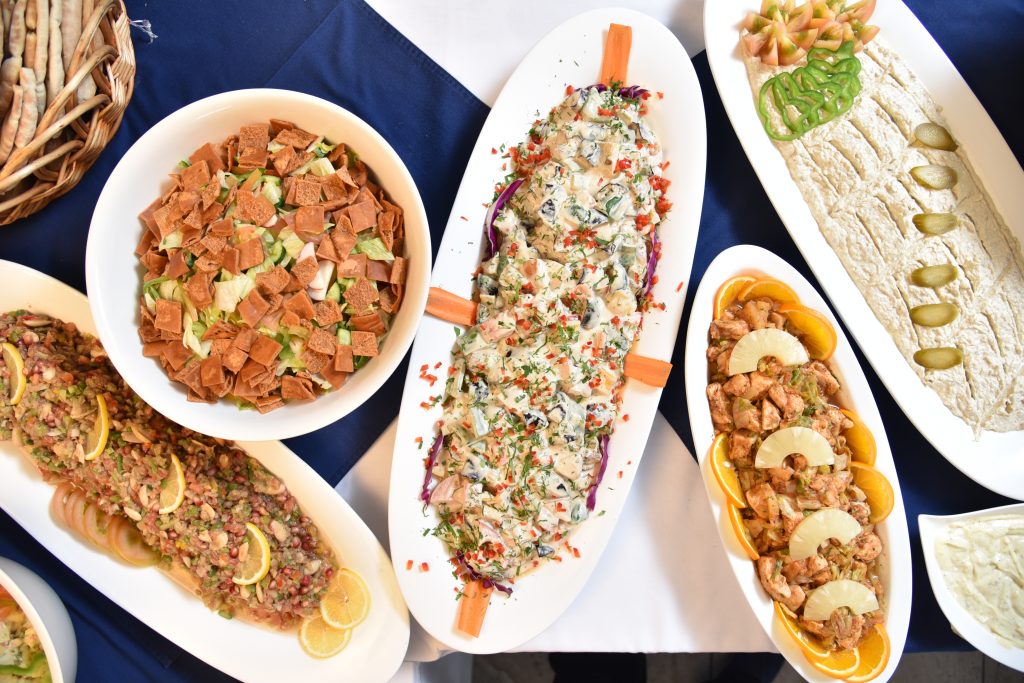
Middle Eastern cuisine emphasizes mezze platters with symmetry and vibrant colors.
-
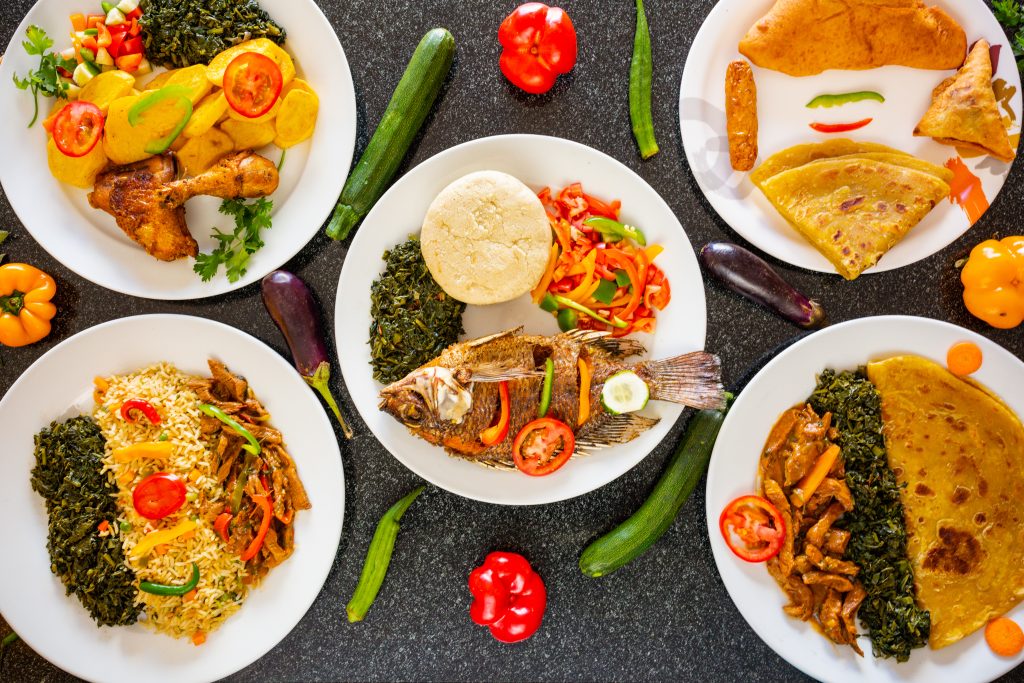
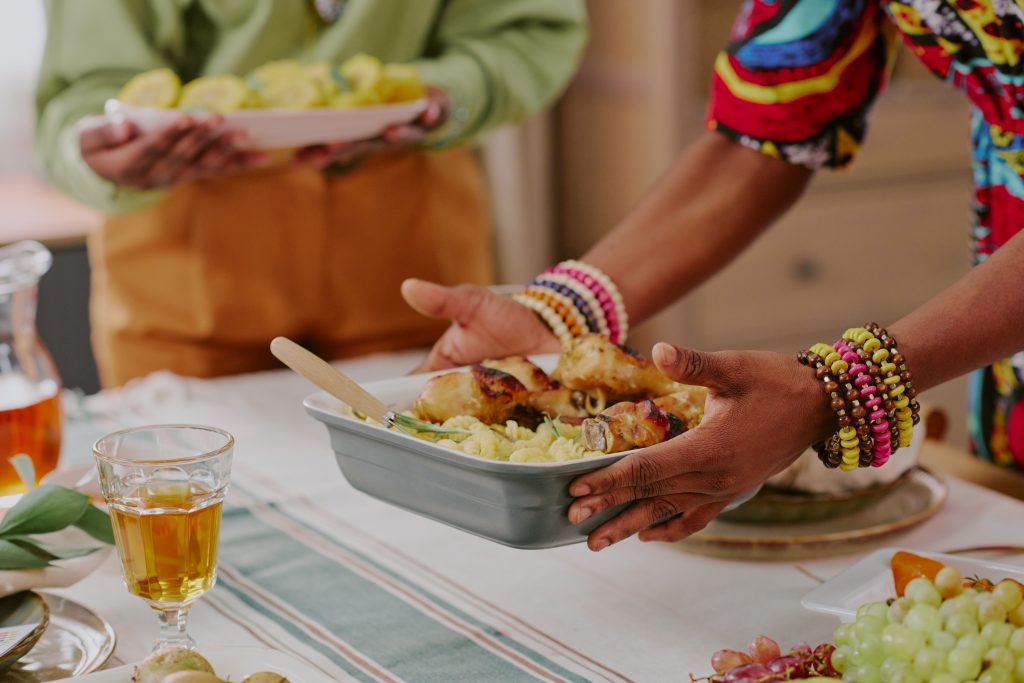
African and Caribbean dishes often use bold, rustic plating with shared bowls and tropical garnishes.
Authentic presentation honors cultural practices and gives guests a sense of immersion in the cuisine.
2. Balance Color and Texture
-
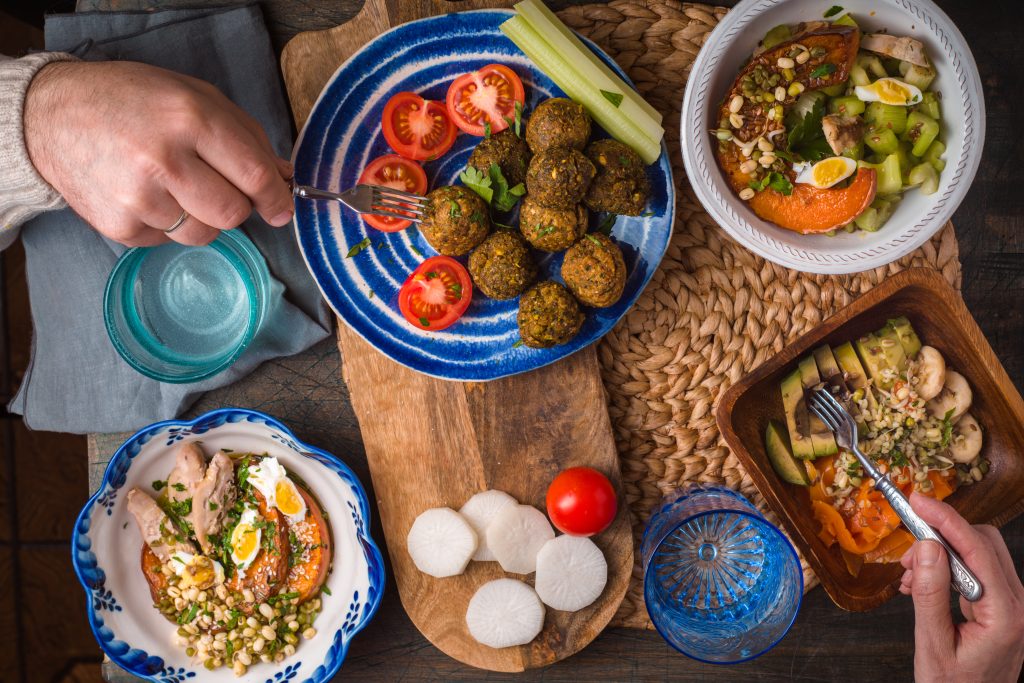
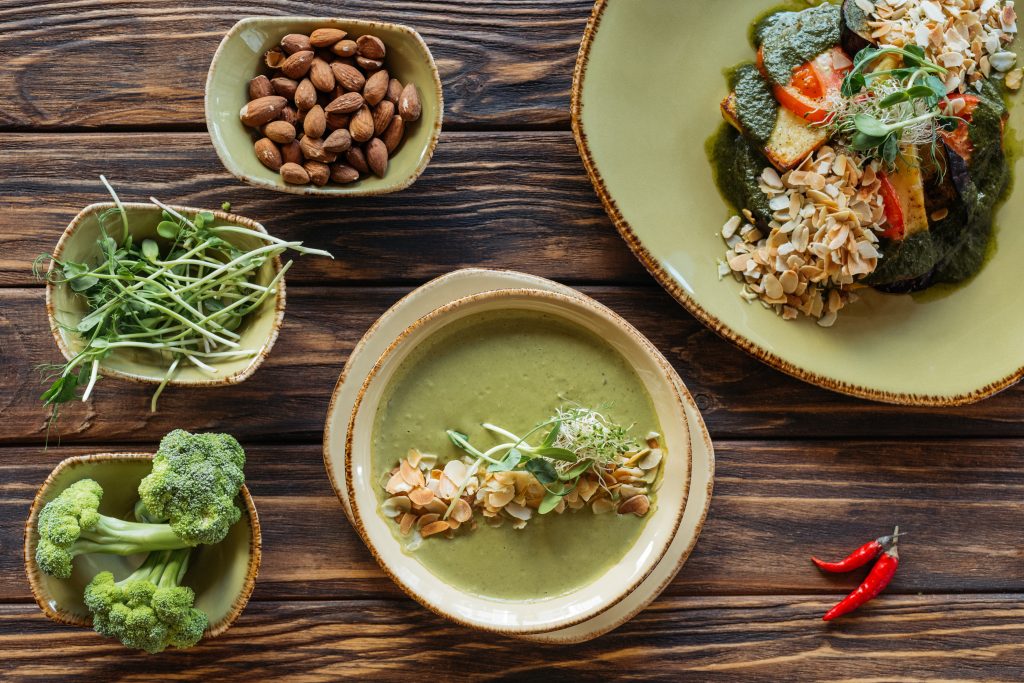
Colorful dishes are visually appealing and stimulate appetite.
-
Include a variety of textures, such as crunchy, soft, creamy, or roasted elements.
-
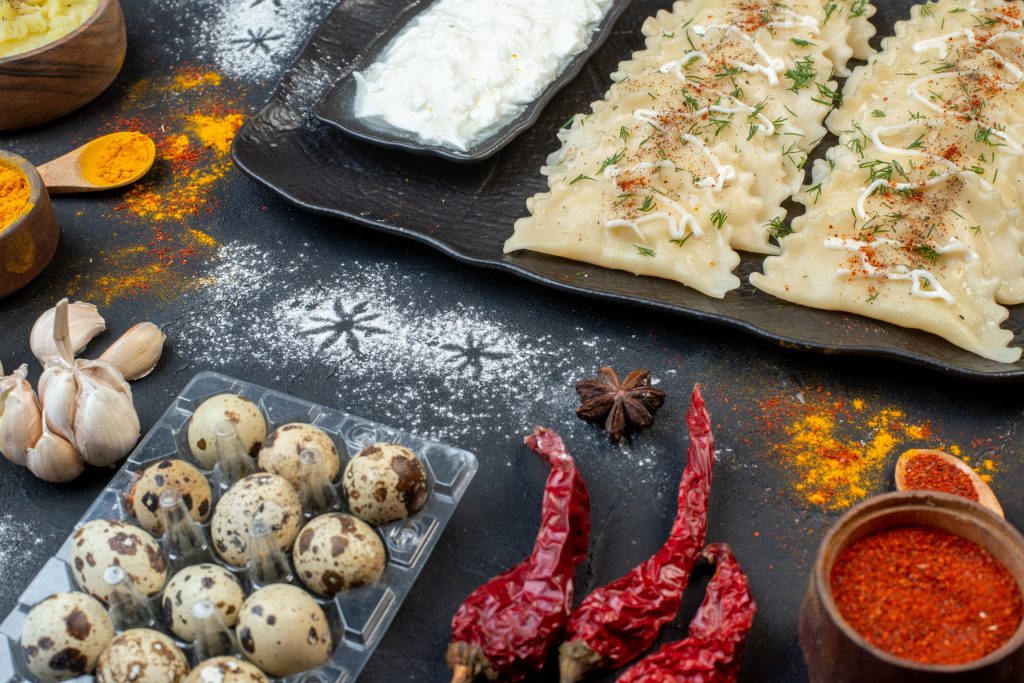
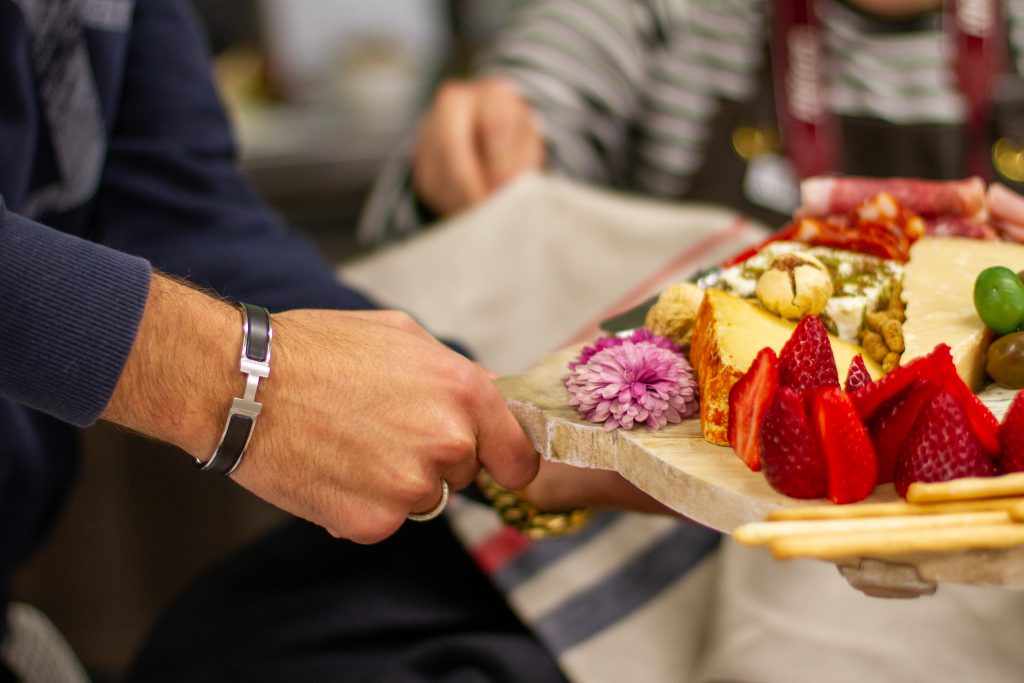
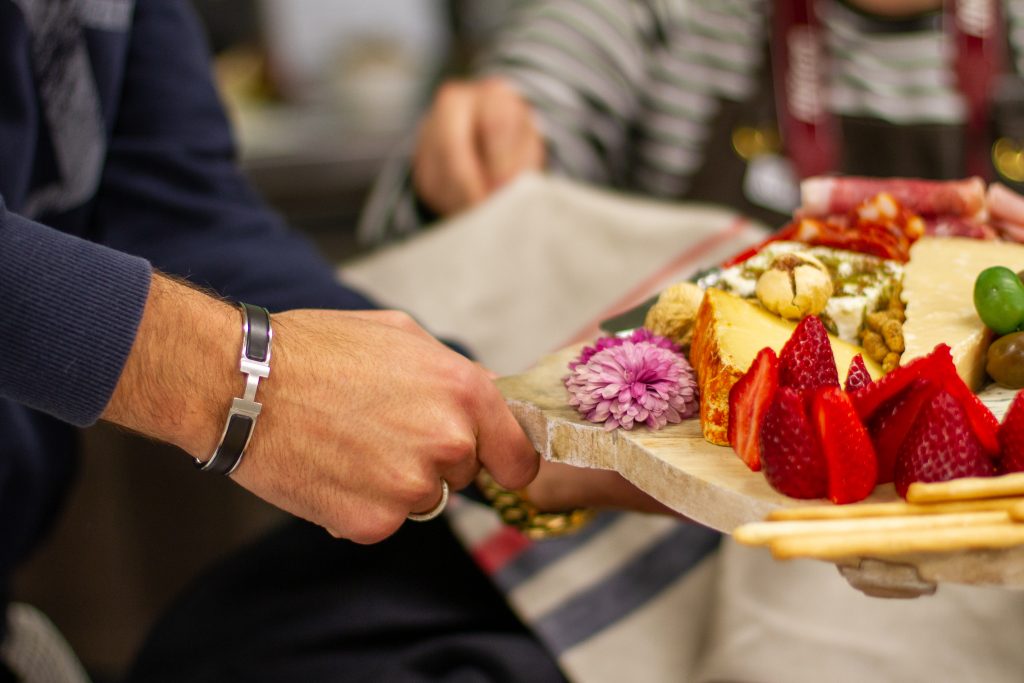
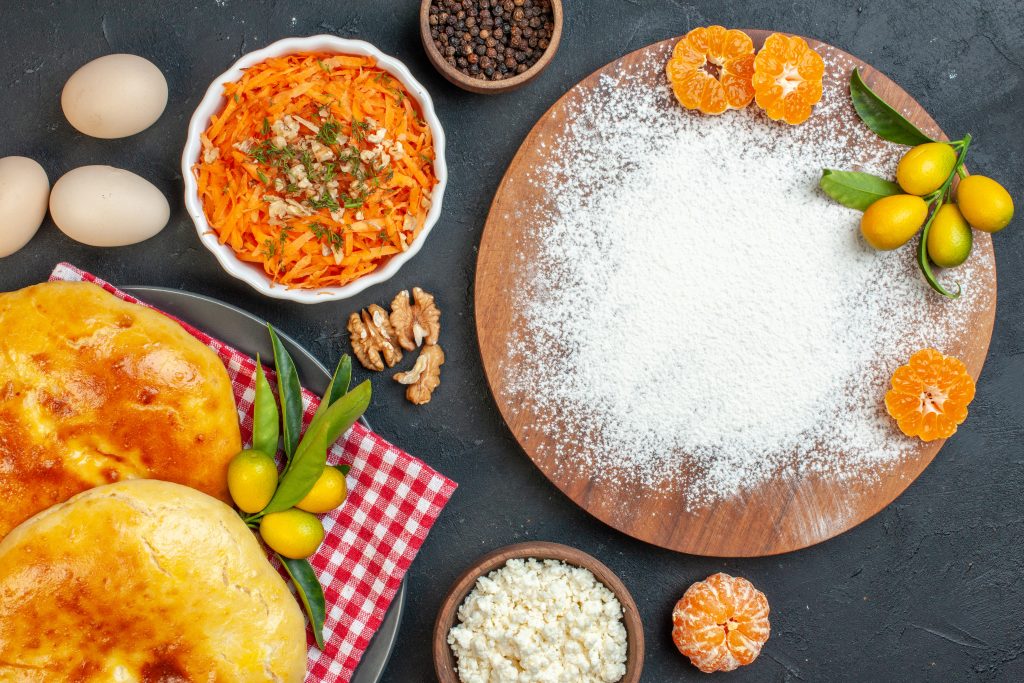
Use garnishes like herbs, edible flowers, nuts, or seeds to enhance visual contrast.
A well-balanced plate looks attractive and highlights the care put into preparation.
3. Incorporate Traditional Serving Ware
-
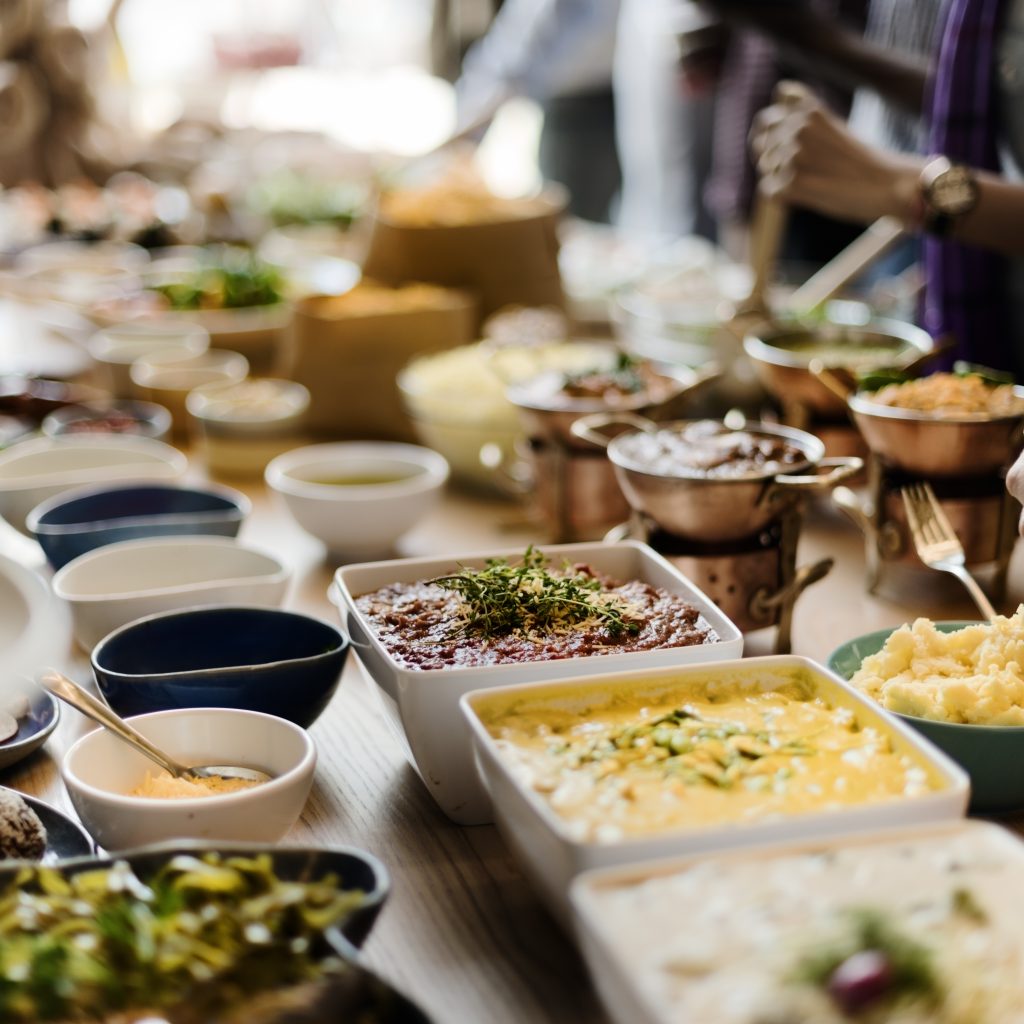
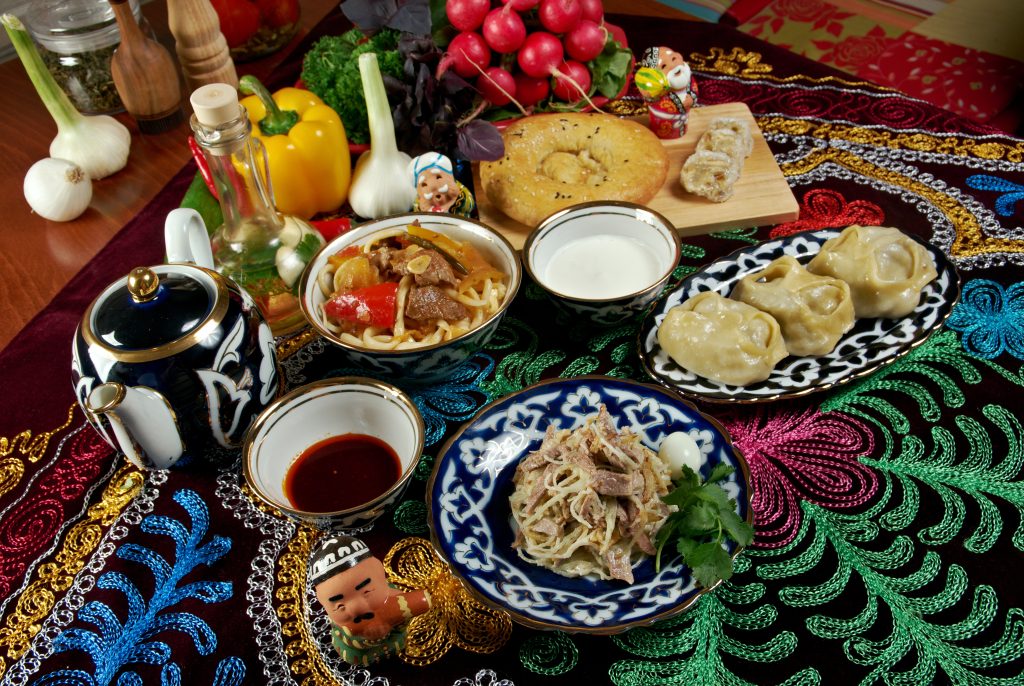
Serving food in authentic bowls, platters, or baskets adds cultural depth.
-
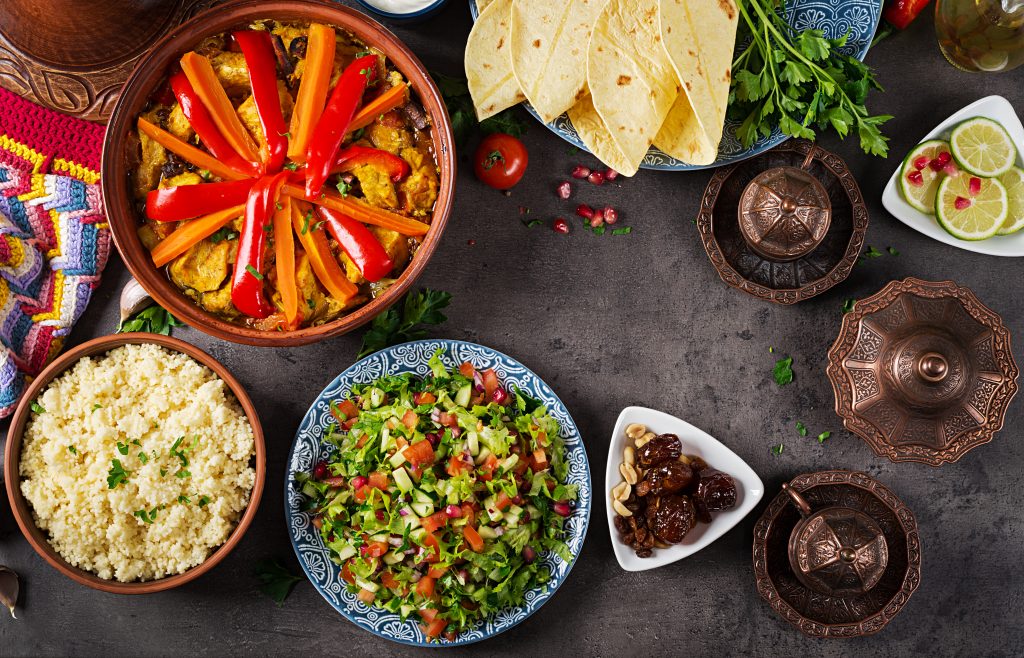
For example, brass or copper bowls for South Asian dishes, woven baskets for African cuisine, or ceramic platters for Mediterranean spreads.
-
Traditional serving ware enhances authenticity and elevates the dining experience.
Using cultural serveware creates a memorable visual impact and reinforces the theme of your event.
4. Thoughtful Plating Techniques
-
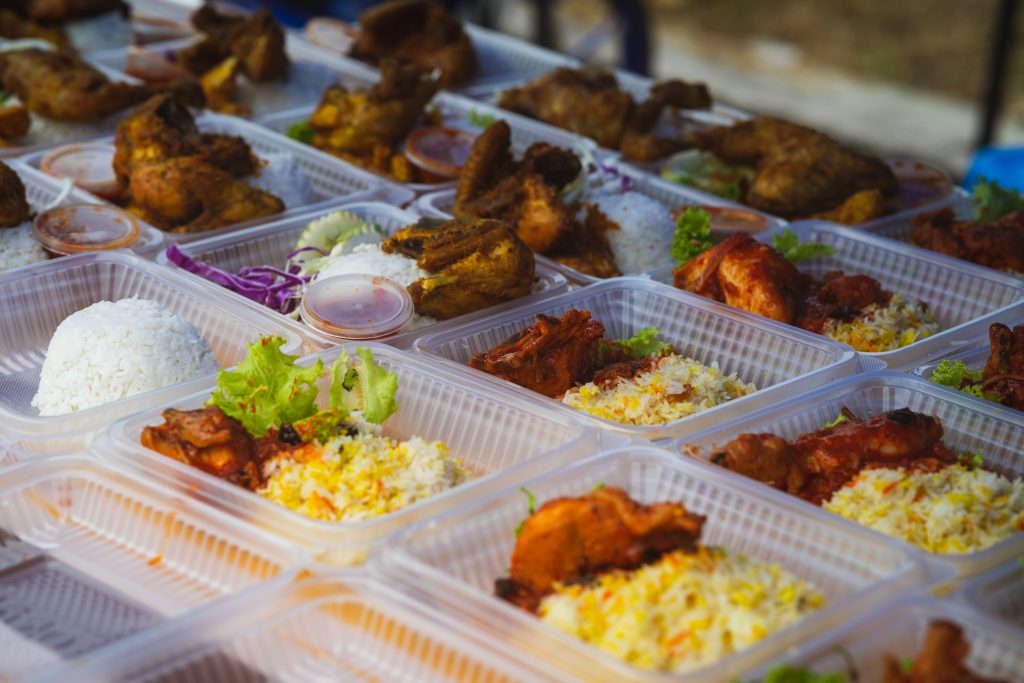
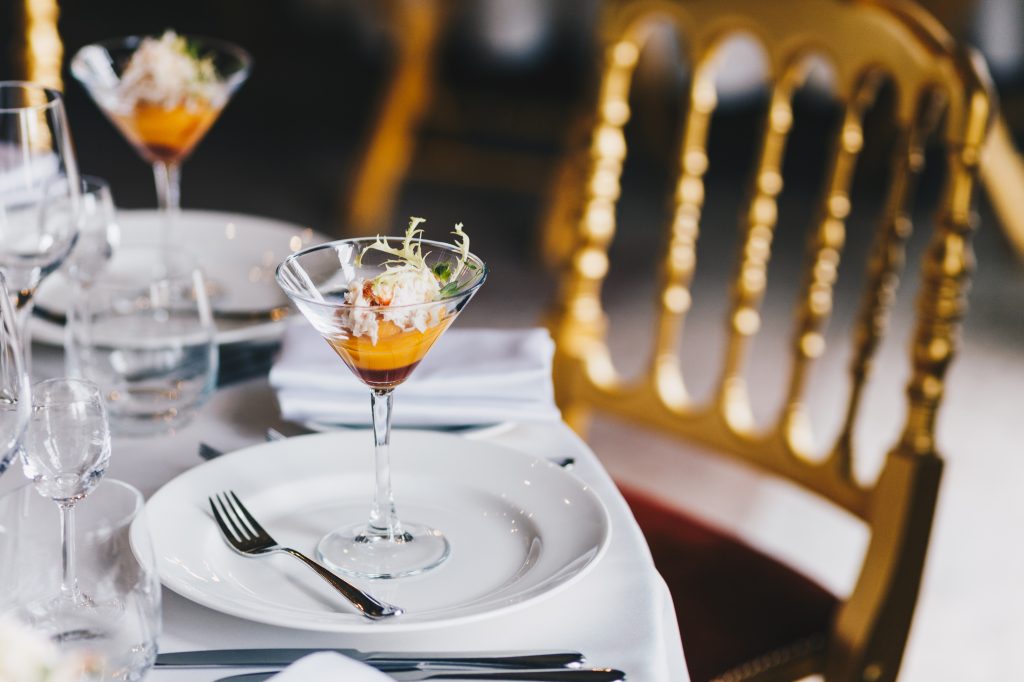
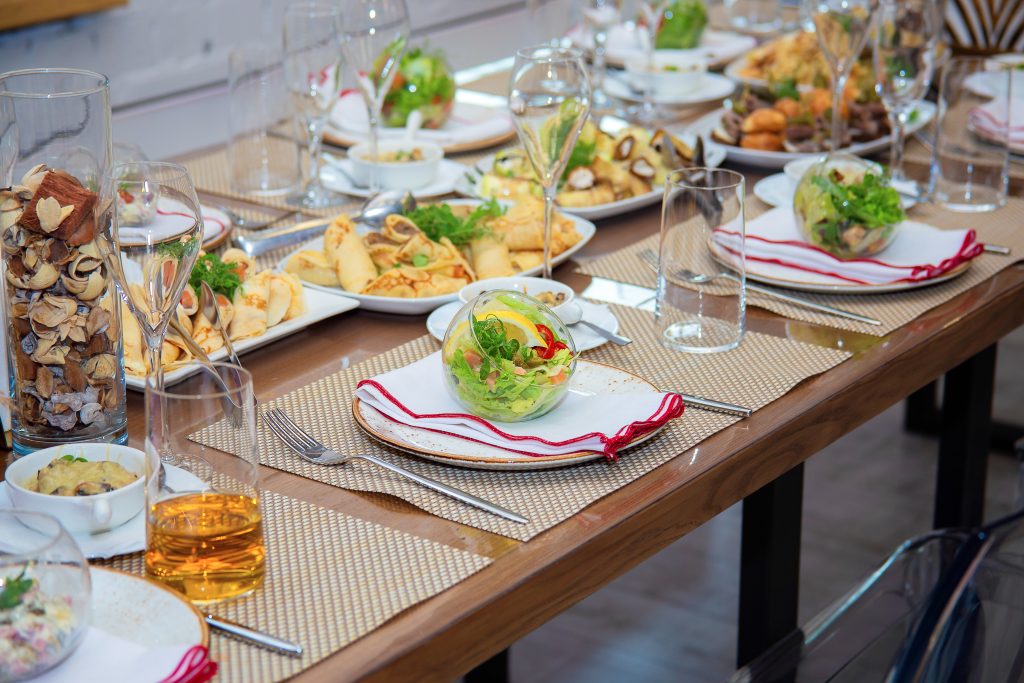
Layering and arrangement: Place main items first, then arrange sides around them for a structured look.
-
Symmetry and proportion: Maintain even portions and symmetry to create visual harmony.
-
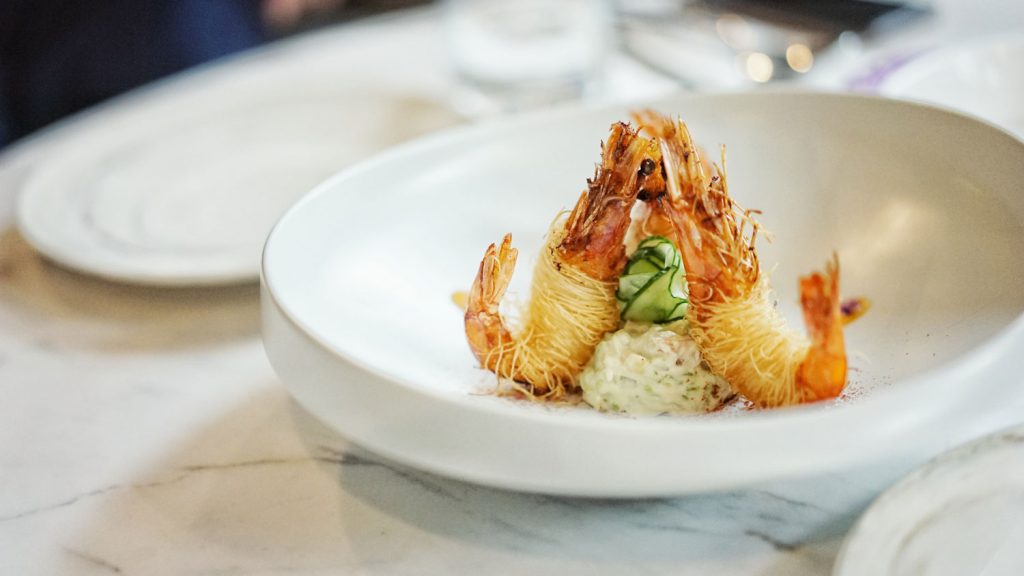
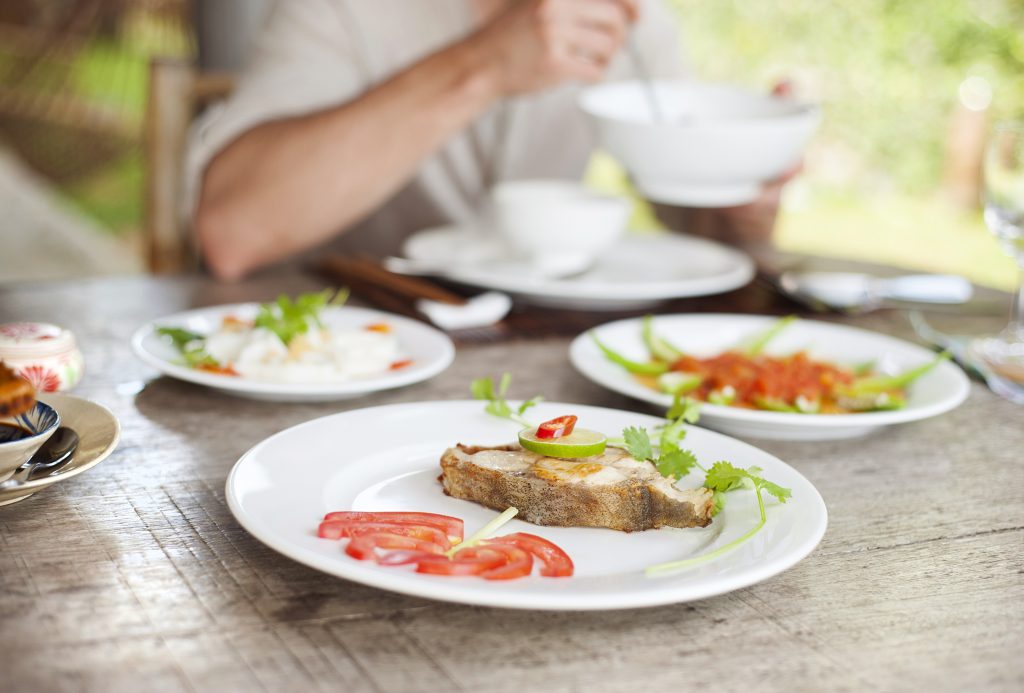
Garnishing: Add final touches that are simple yet impactful, like a sprinkle of spices or fresh herbs.
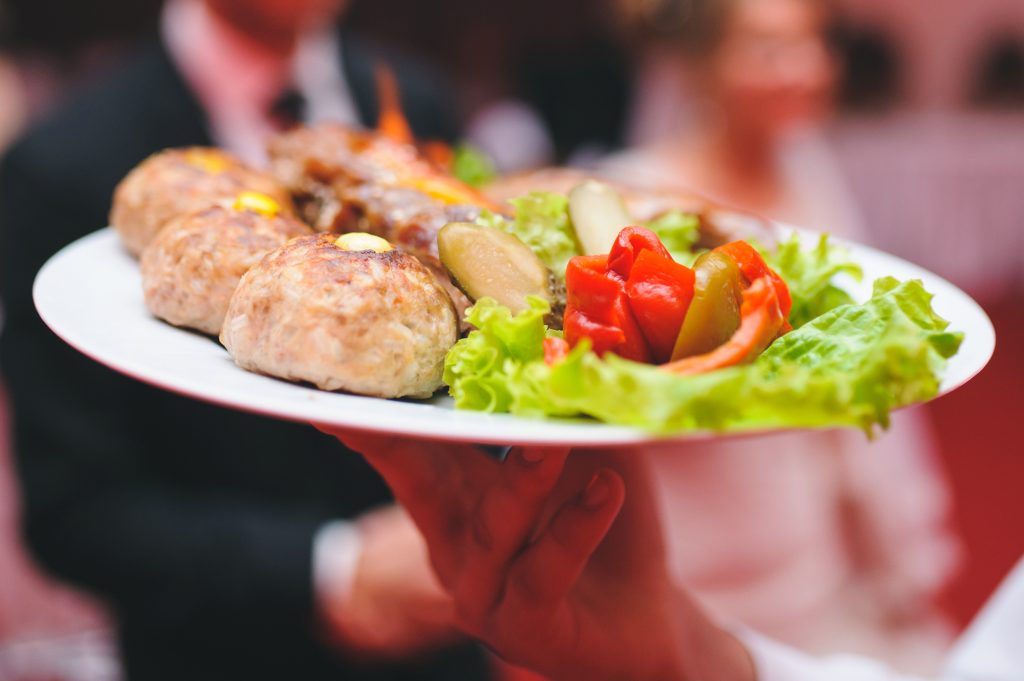
Attention to detail in plating shows professionalism and impresses guests with both beauty and flavor.
5. Interactive and Shared Presentation
-
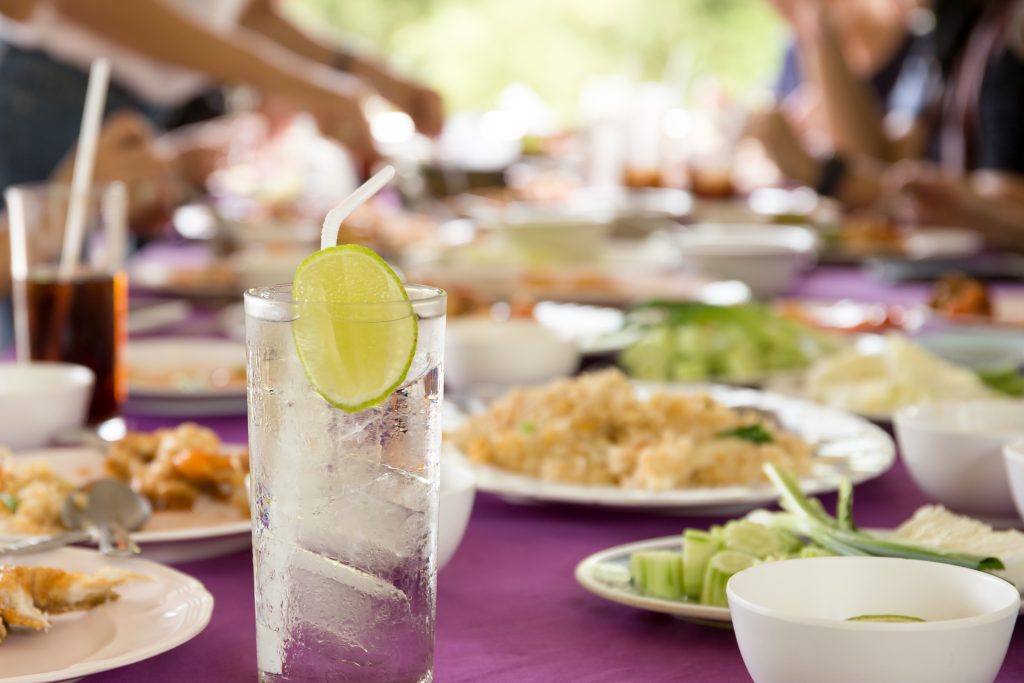
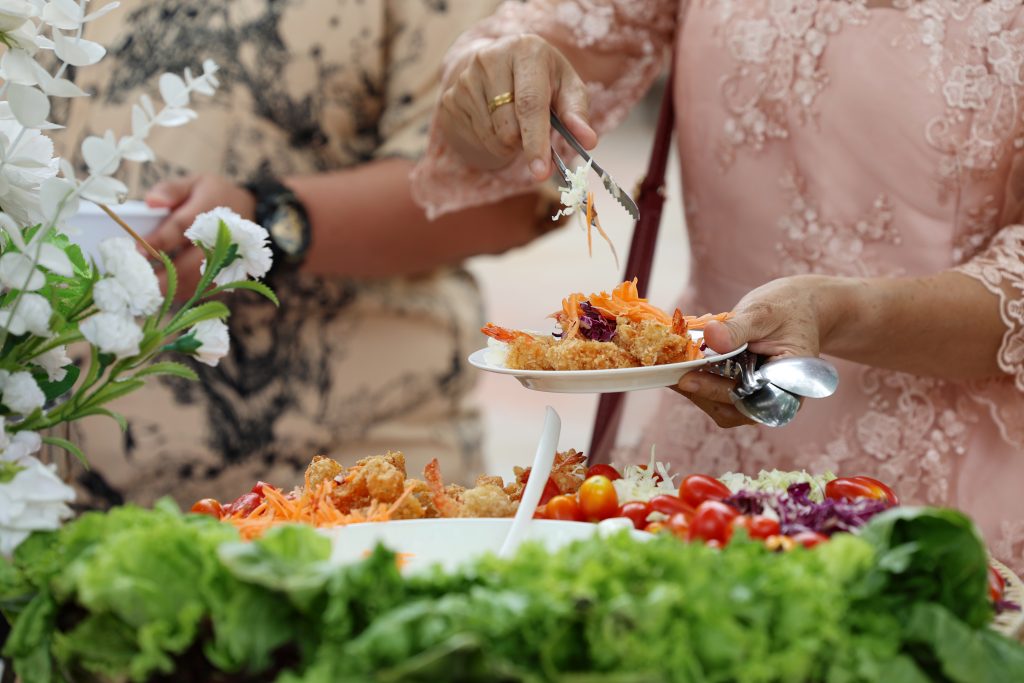
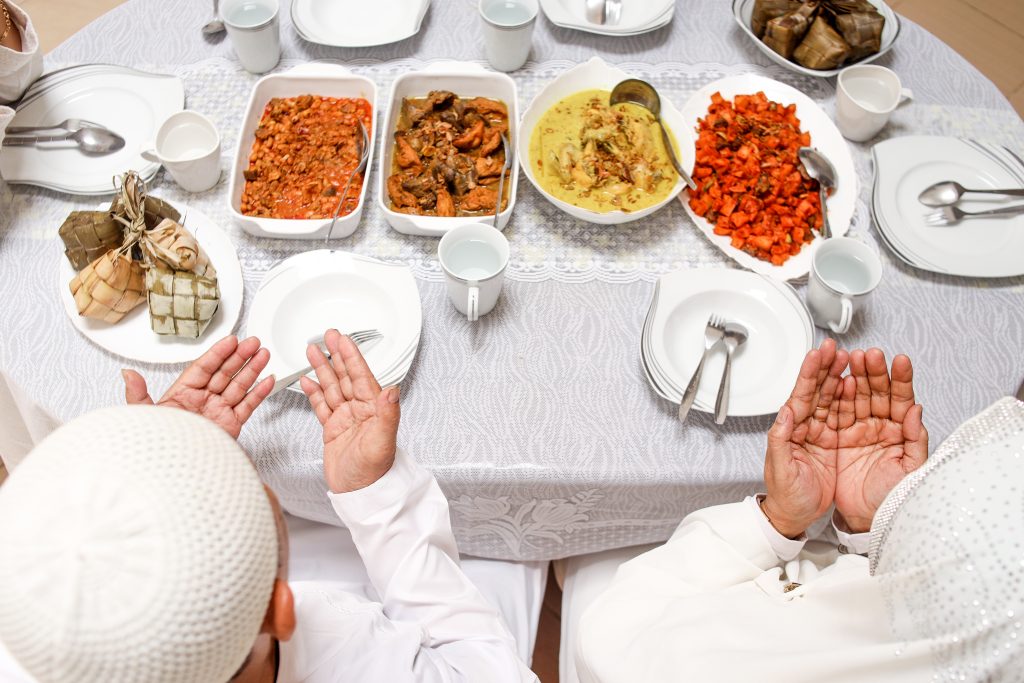
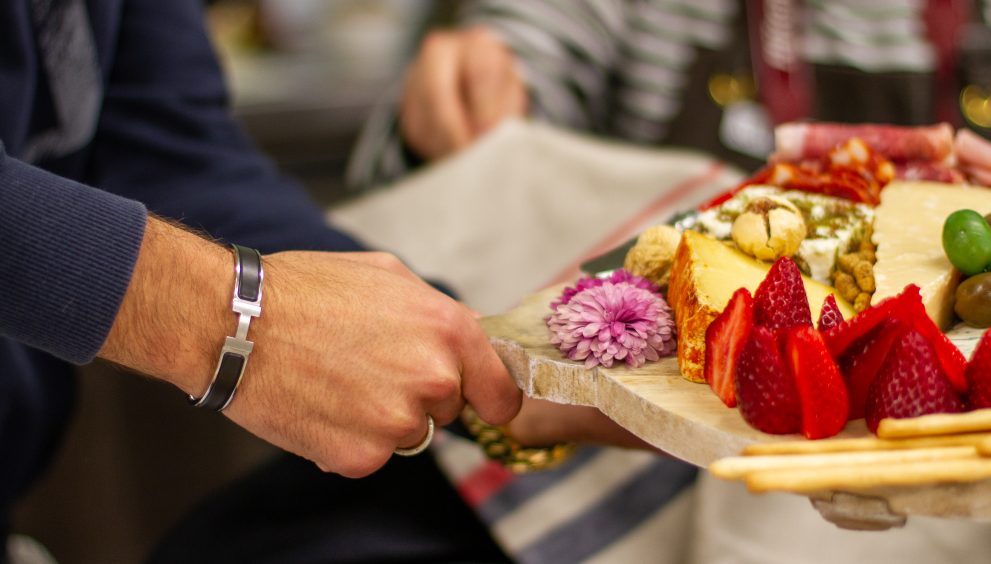
Family-style platters: Encourage guests to share and interact, ideal for traditional dishes.
-
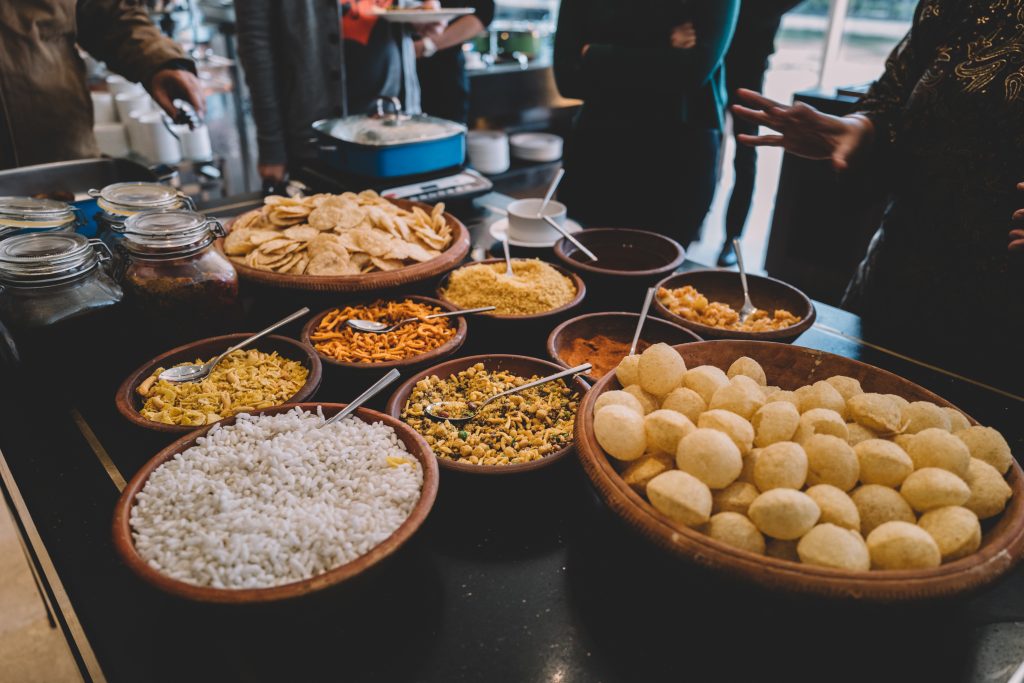
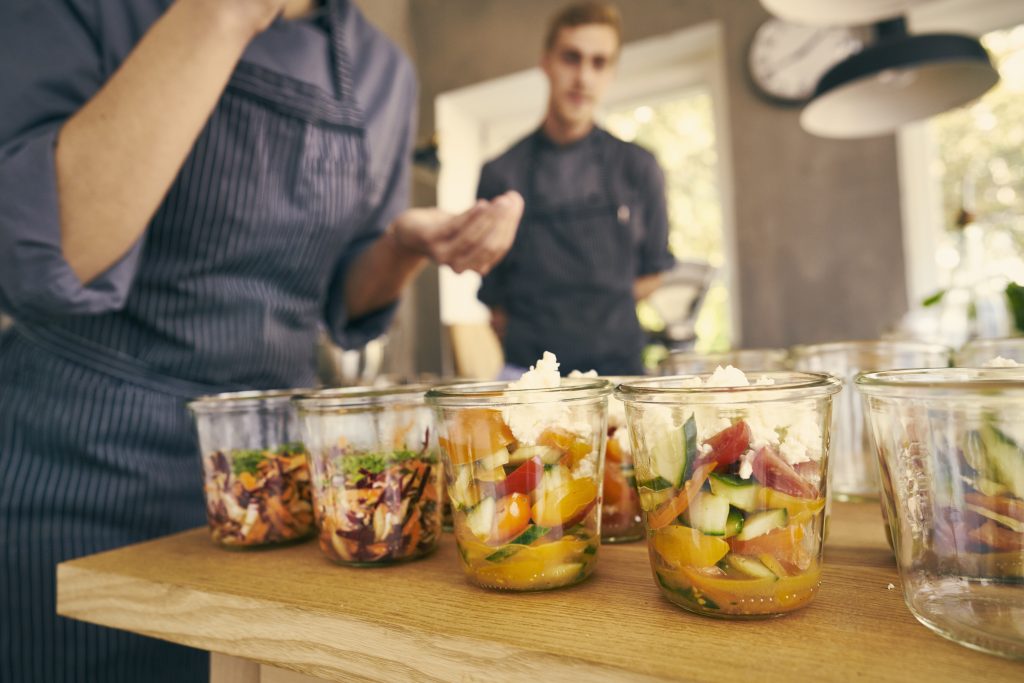
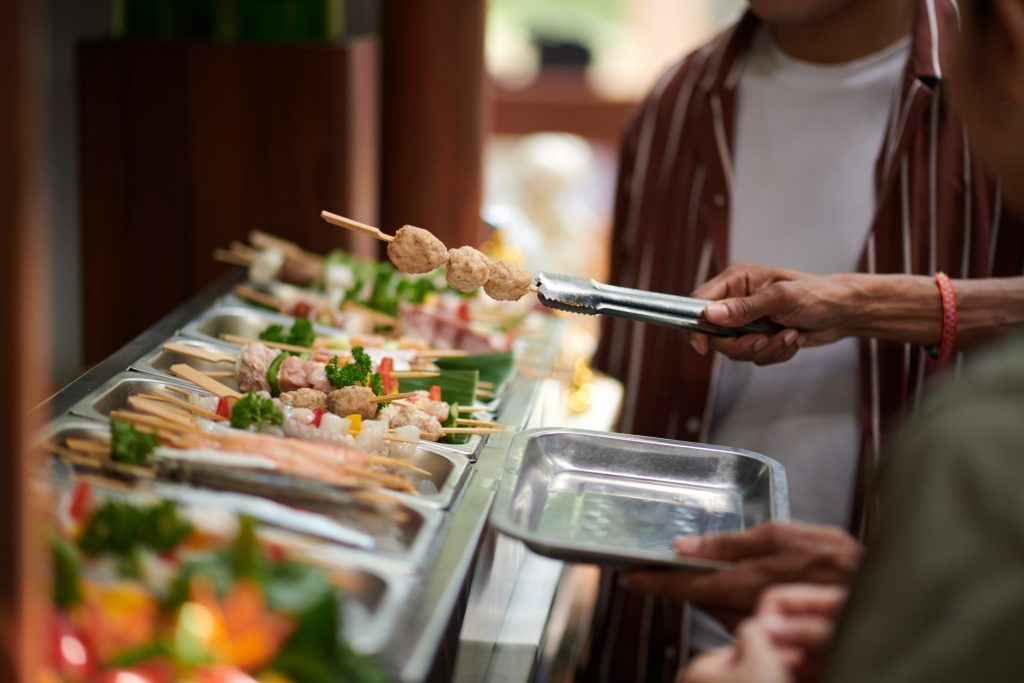
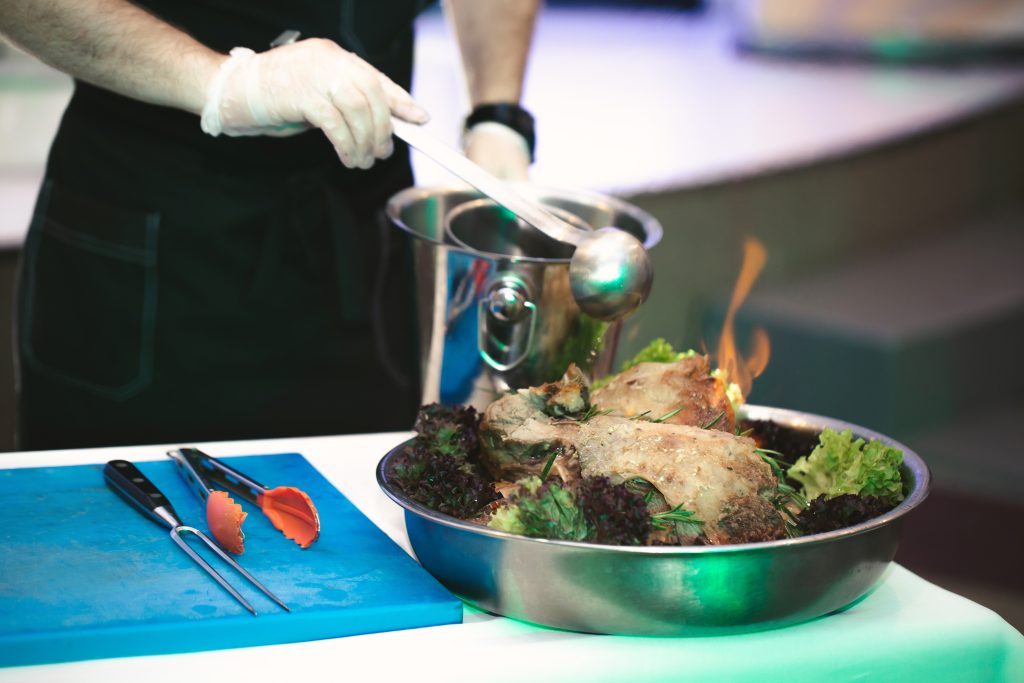
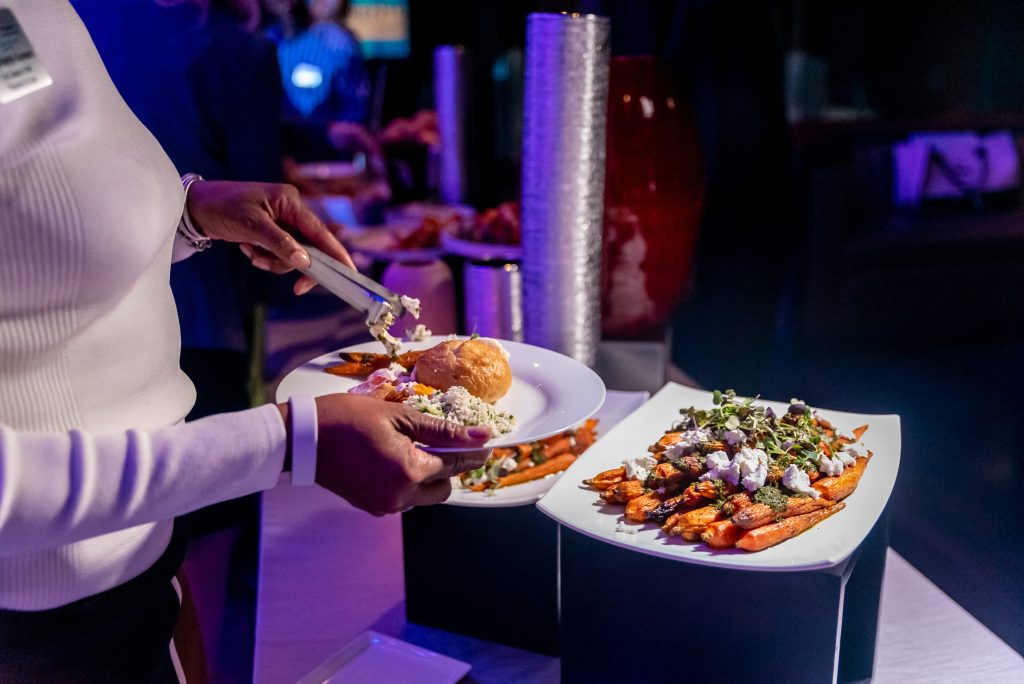
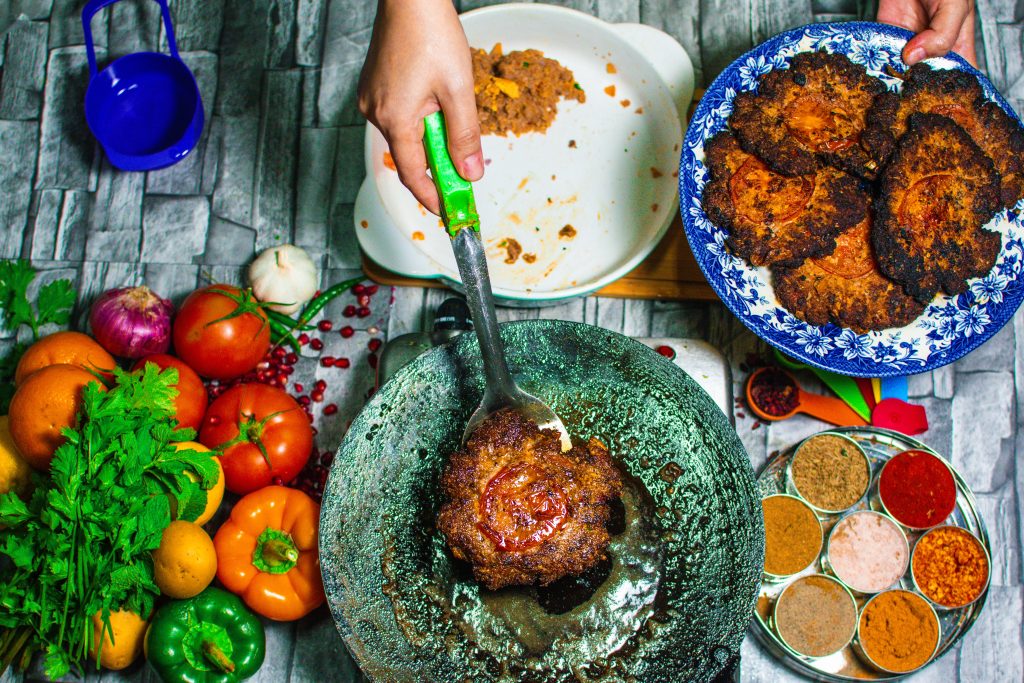
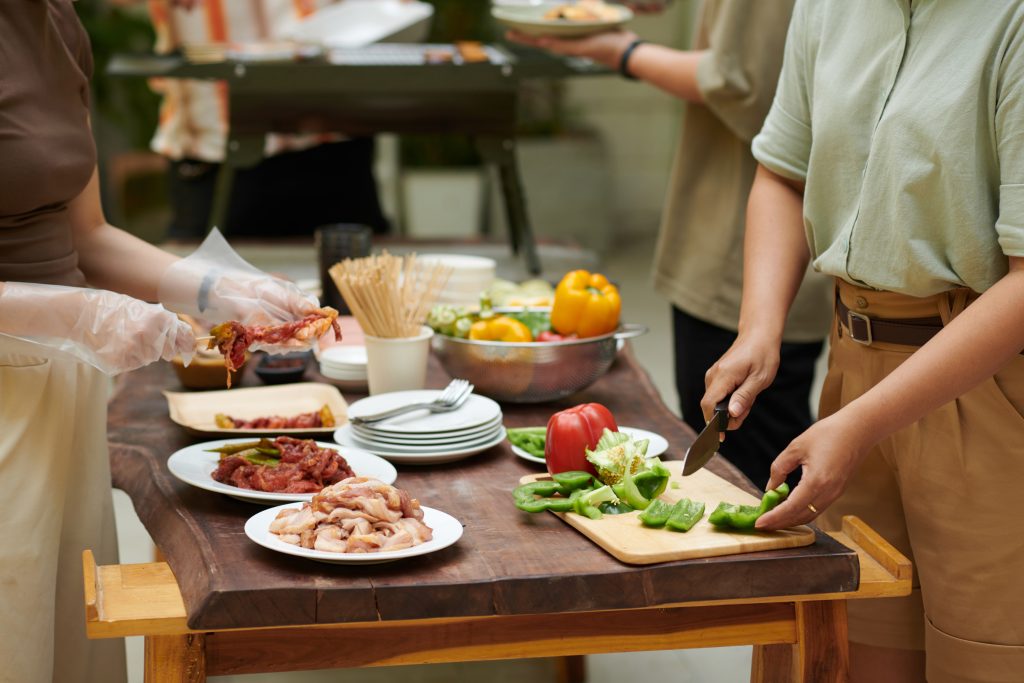
Live stations: Chefs prepare dishes in front of guests, adding excitement and showcasing authenticity.
-
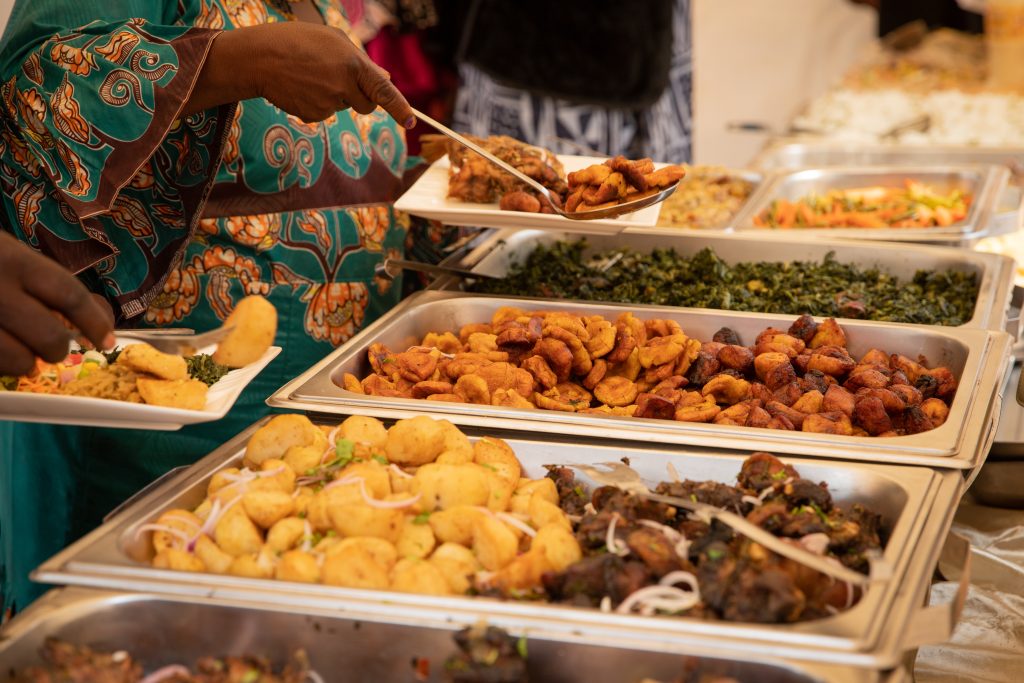
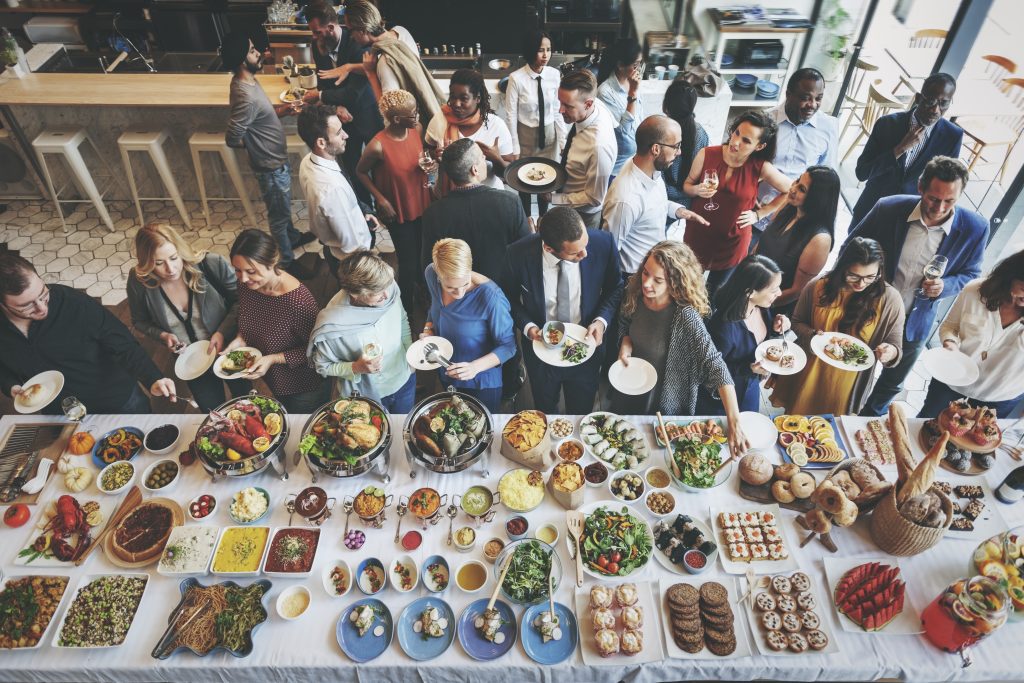
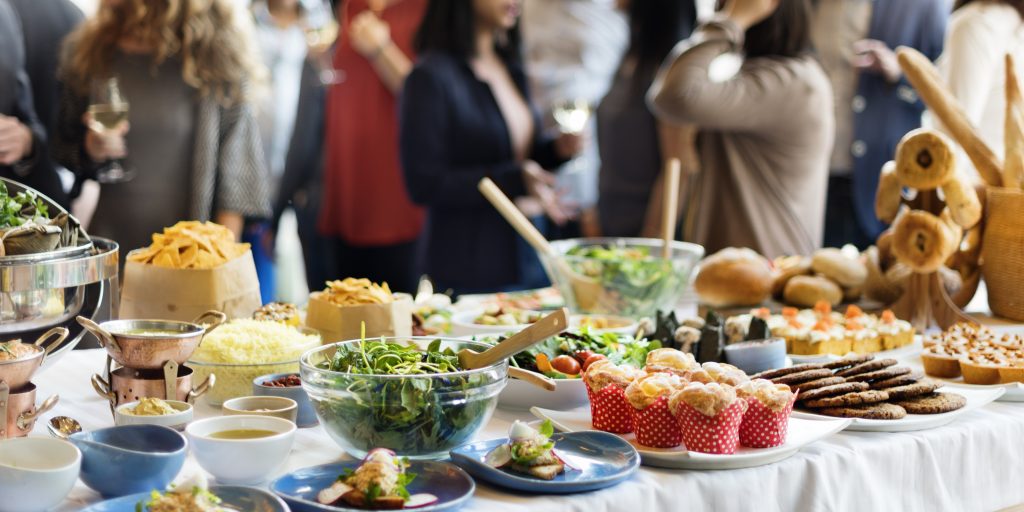
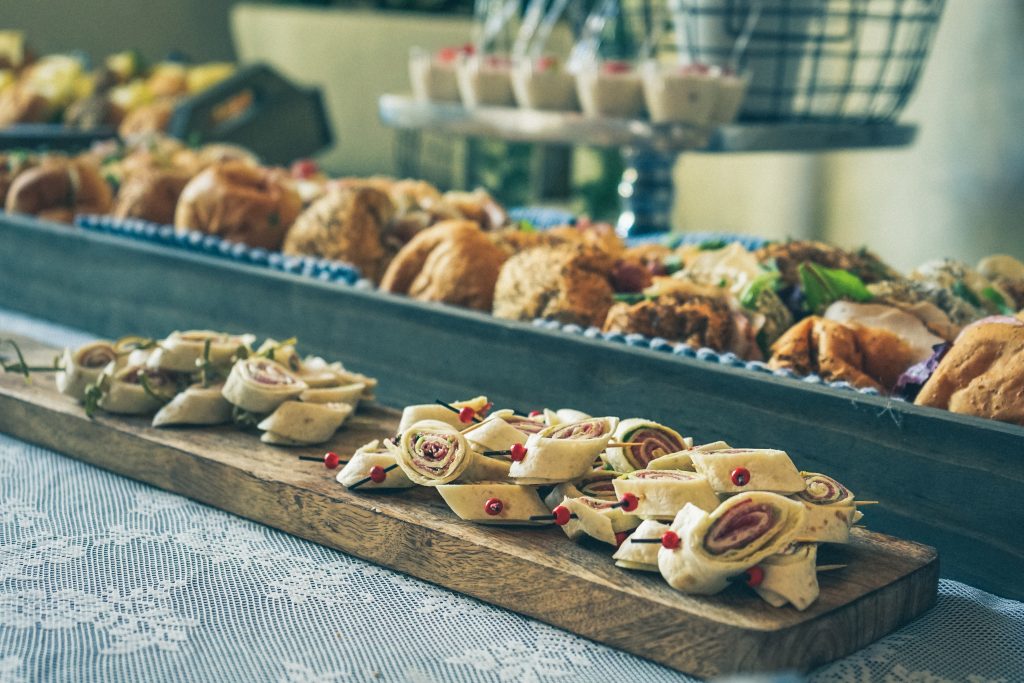
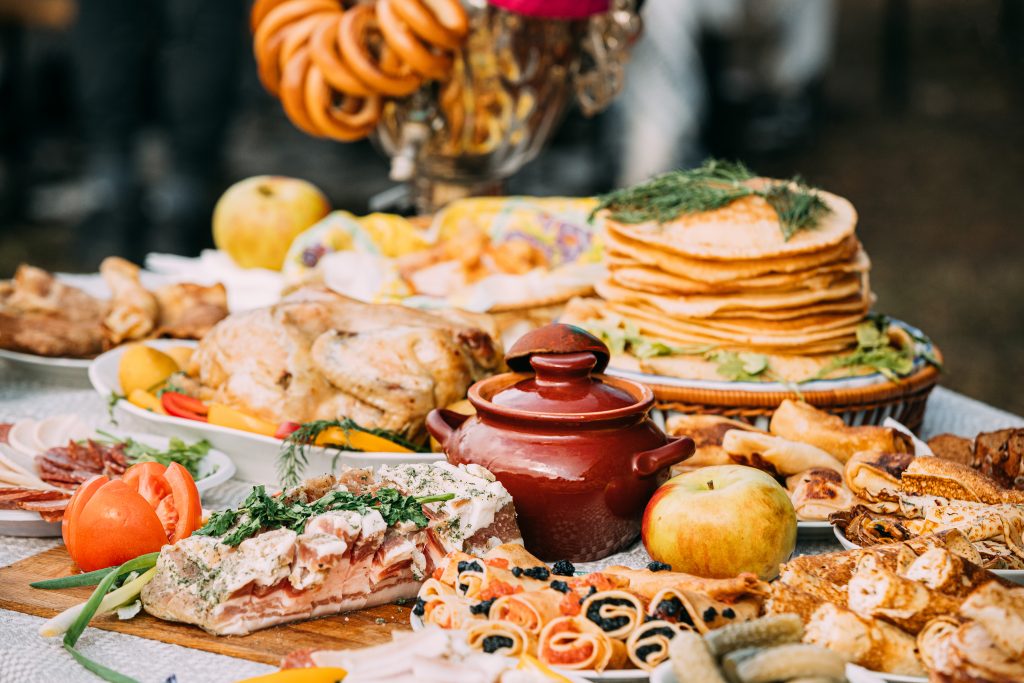
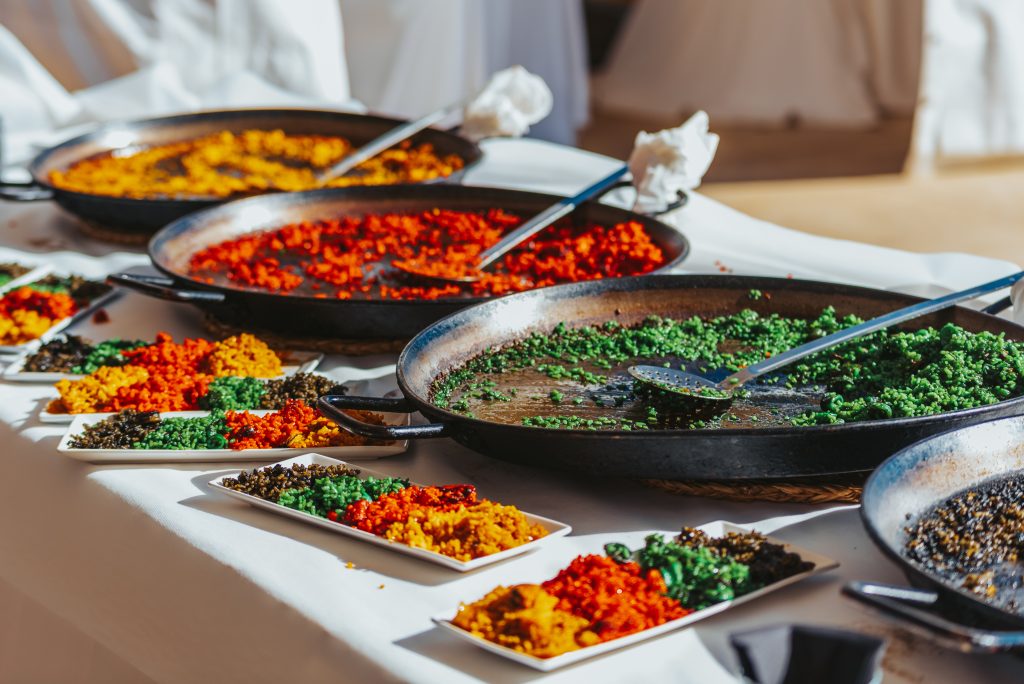
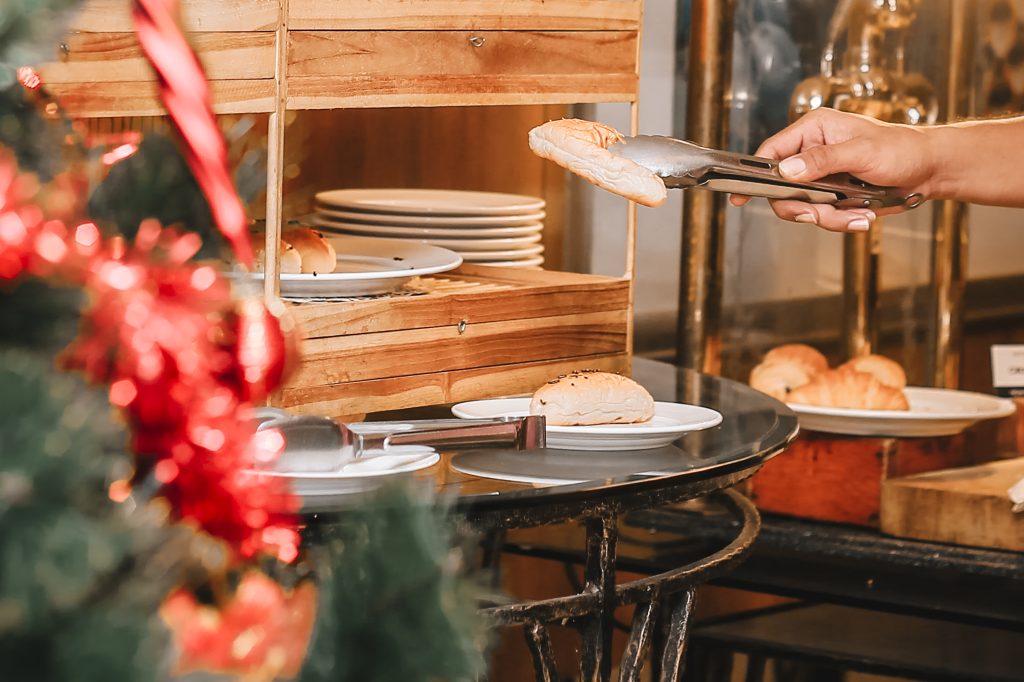
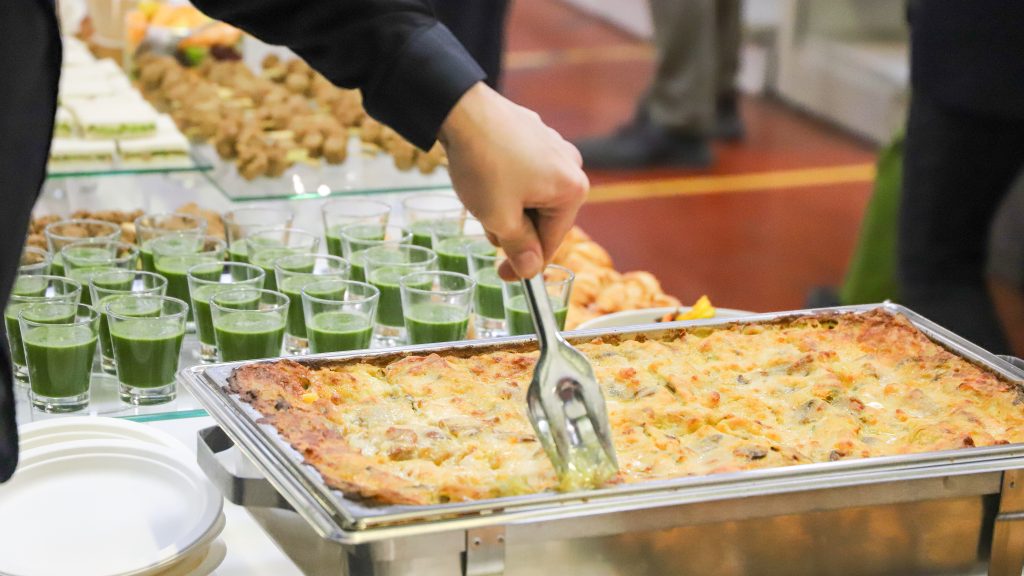
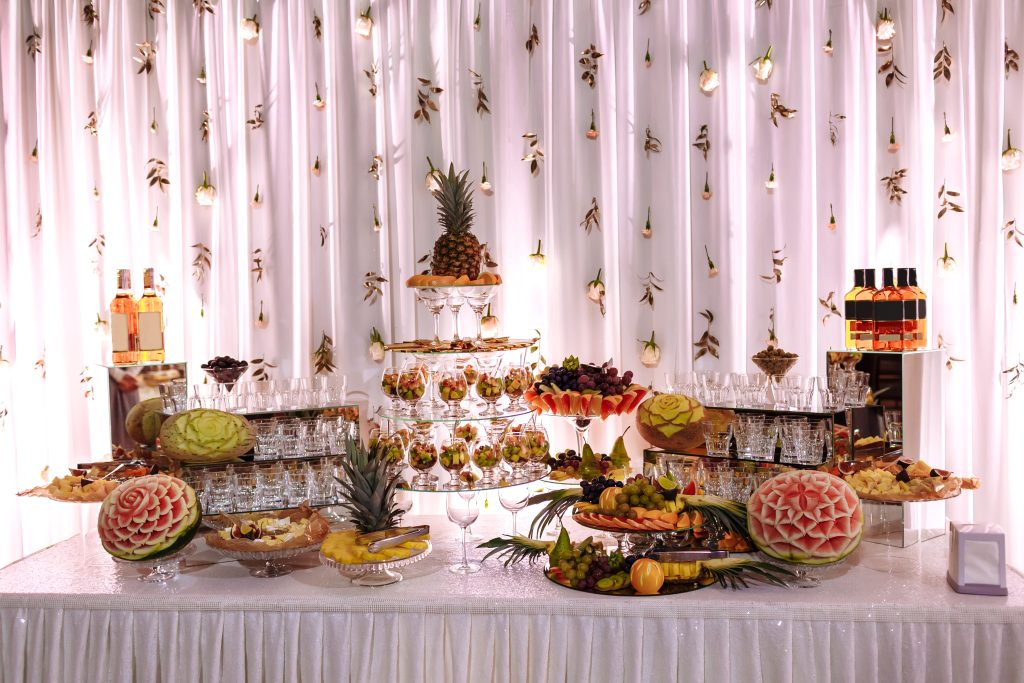
Buffet spreads: Arrange dishes with thoughtful color patterns and height variations for visual appeal.
Interactive presentation enhances engagement and creates a memorable event experience.
6. Highlight Signature Dishes
-
Focus on signature dishes as centerpiece items.
-
Use elevated plating, decorative garnishes, or thematic presentation to make these dishes stand out.
-
Guests will remember the event for the visually striking and flavorful signature items.
Signature-focused presentation leaves a lasting impression and emphasizes cultural pride.
7. Seasonal and Fresh Ingredients for Visual Appeal
-
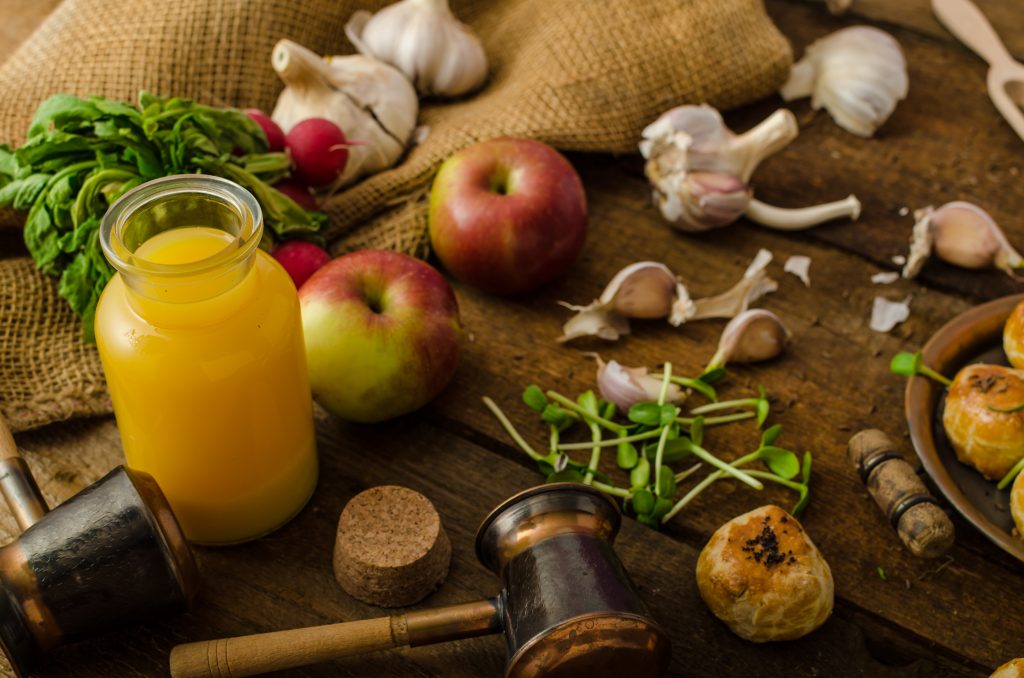
Fresh ingredients naturally enhance colors and textures.
-
Seasonal produce adds vibrancy and variety to platters.
-
Even simple dishes look premium and inviting when fresh, colorful ingredients are used thoughtfully.
Freshness is a key element in both taste and presentation.
8. Consistency Across Dishes
-
Ensure that all plates or servings are uniform in appearance for a polished presentation.
-
Guests notice attention to detail, which reflects professionalism and care.
-
Consistency is especially important for buffets or plated service where multiple guests receive the same dish.
Uniform presentation enhances credibility and creates a visually cohesive dining experience.
9. Incorporate Cultural Storytelling
-
Presentation can tell a story about traditions, regional origins, or festivals.
-
For example, arranging spices, breads, and condiments in patterns reminiscent of cultural motifs.
-
Educating guests subtly through plating or garnishing adds meaning to the culinary experience.
Storytelling through presentation deepens guest engagement and appreciation.
Conclusion
Traditional food presentation is an art that combines authenticity, visual appeal, and cultural storytelling. By focusing on color, texture, serving ware, plating techniques, interactive displays, and signature dishes, hosts can impress guests and create a memorable dining experience.
Whether it’s a wedding, corporate event, festival, or private celebration, the way food is presented enhances flavor, reflects heritage, and leaves a lasting impression. Professional caterers understand that presentation is just as important as taste, ensuring that your event delights guests visually, culturally, and gastronomically.