

 English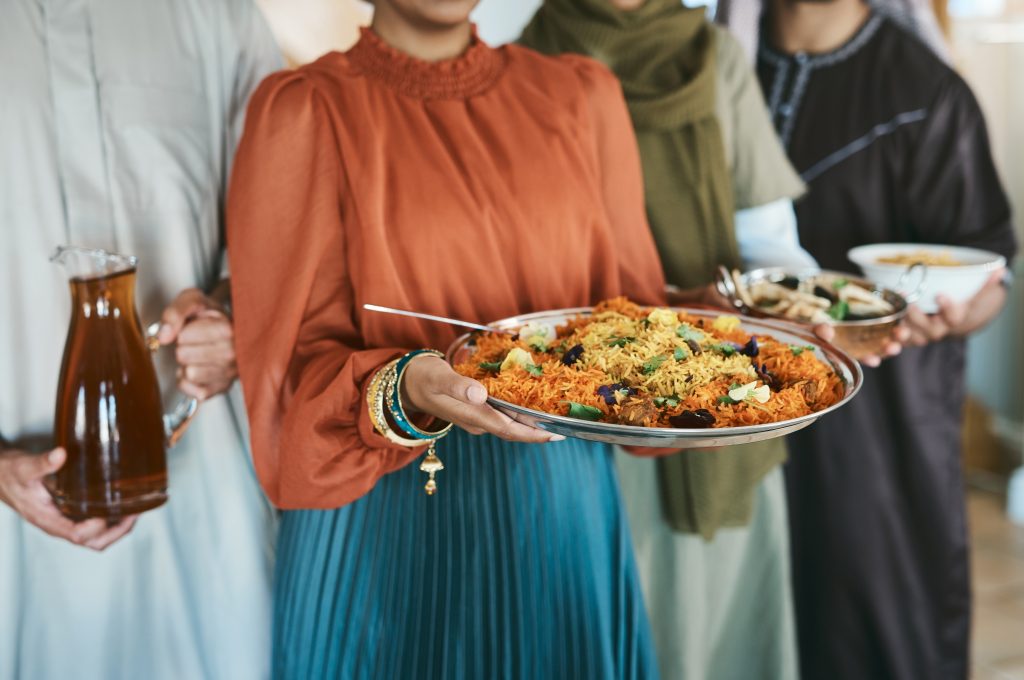













The Importance of Cultural Serving Styles


Food is more than just nourishment—it’s a cultural experience, and how it is served can significantly impact the atmosphere, engagement, and enjoyment of any event. Cultural serving styles reflect traditions, heritage, and social practices, adding depth and meaning to the dining experience. Whether for weddings, corporate events, religious celebrations, or private parties, incorporating authentic serving styles can elevate your event, making it memorable and immersive.
1. Serving Styles Reflect Cultural Traditions
-
Every culture has unique ways of presenting and serving food that carry historical and social significance.
-
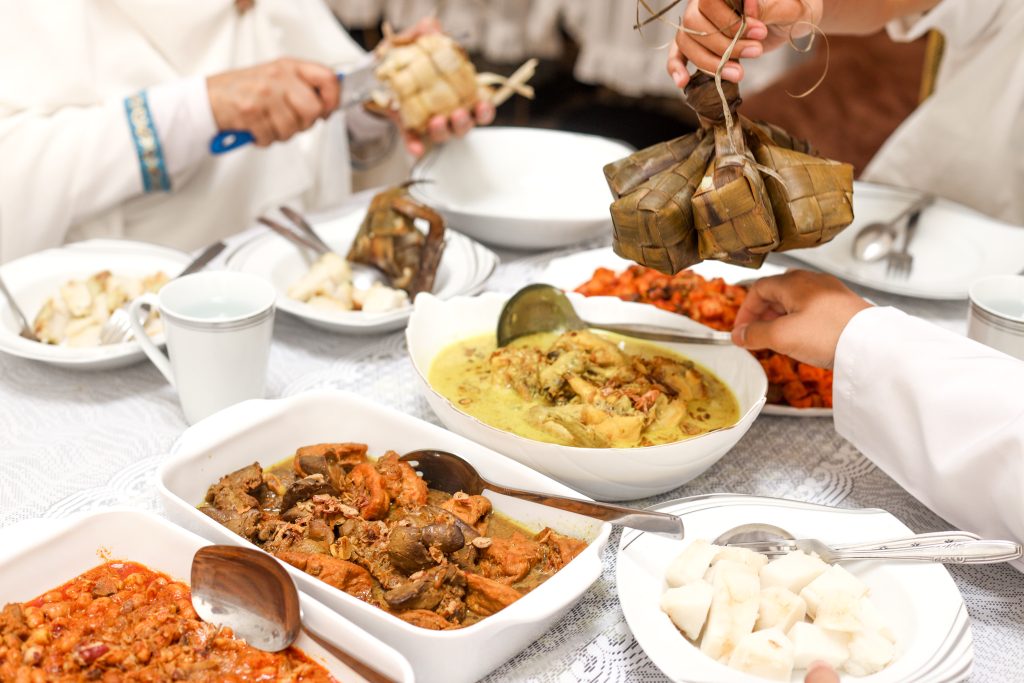
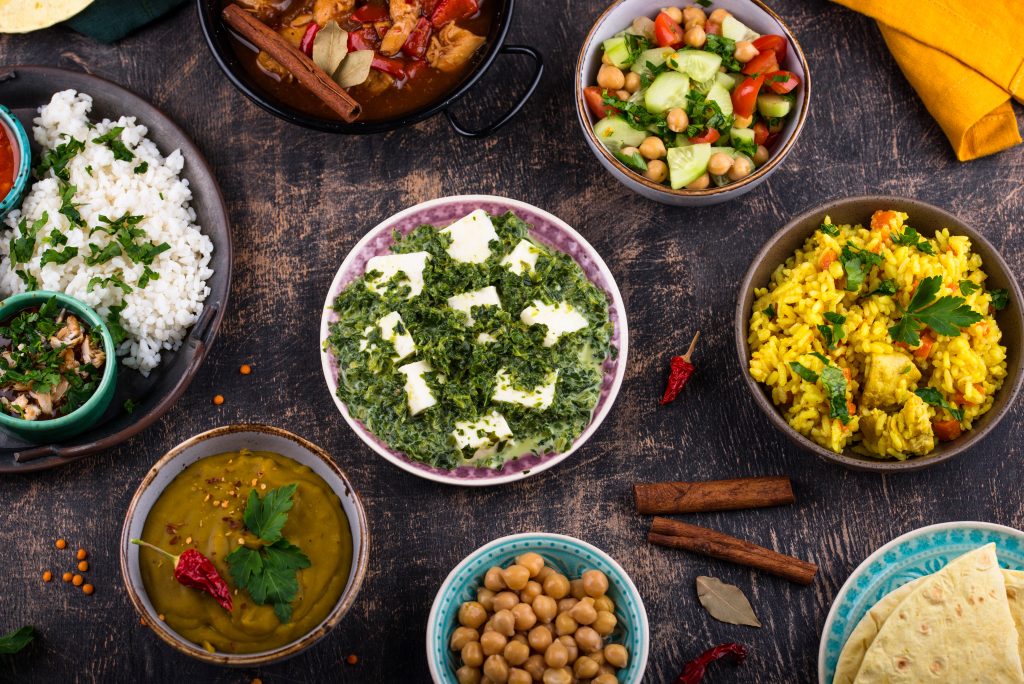
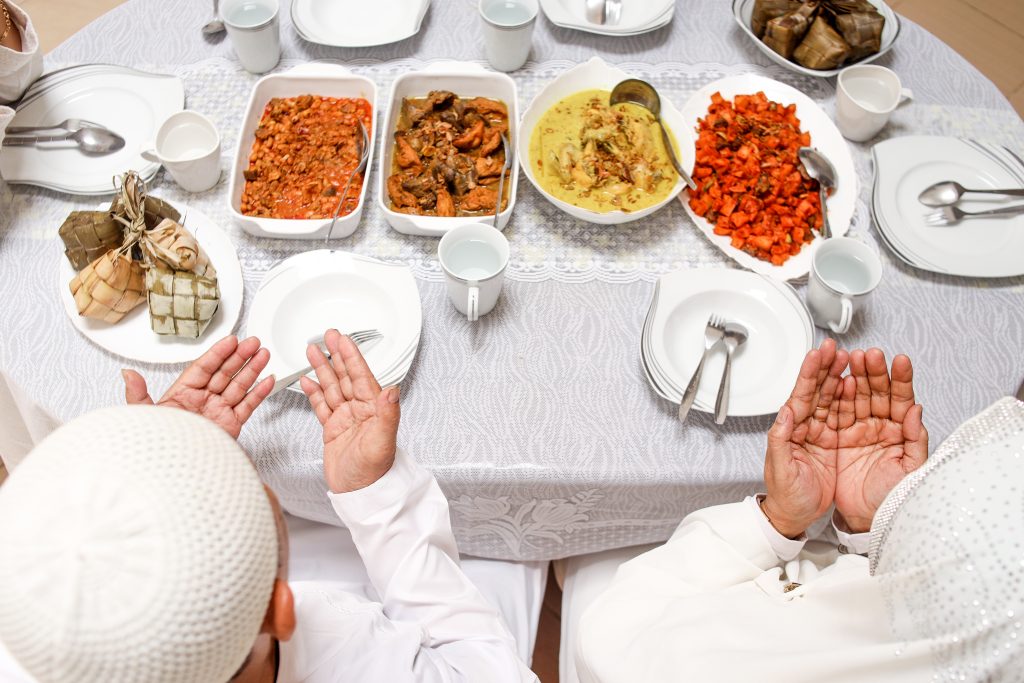
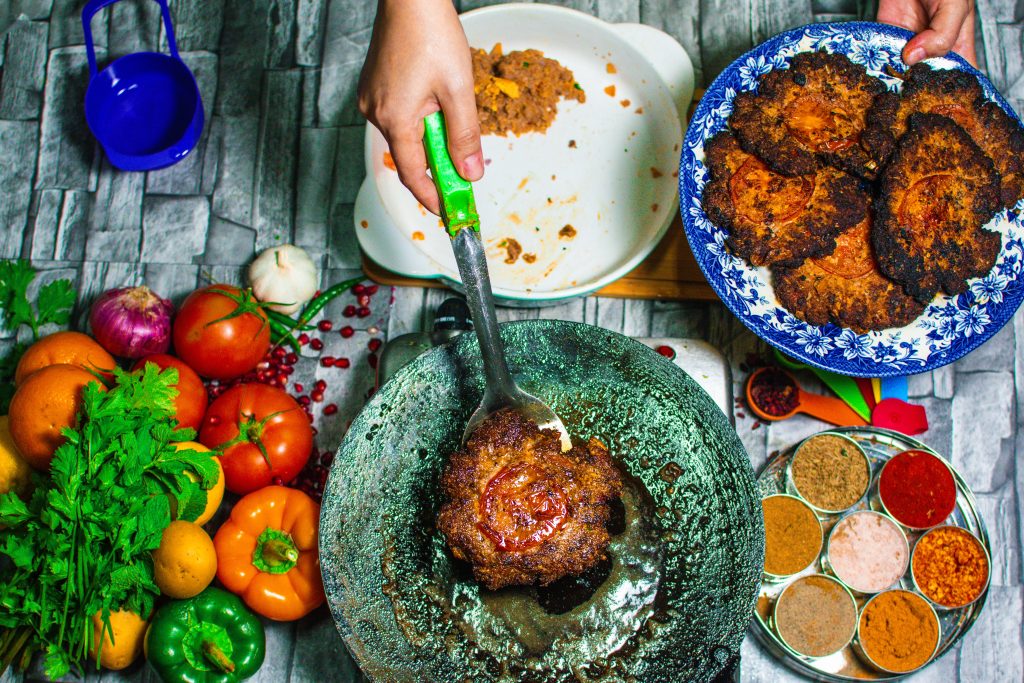
South Asian cuisine: Meals are often served family-style on large platters, encouraging sharing and togetherness.
-
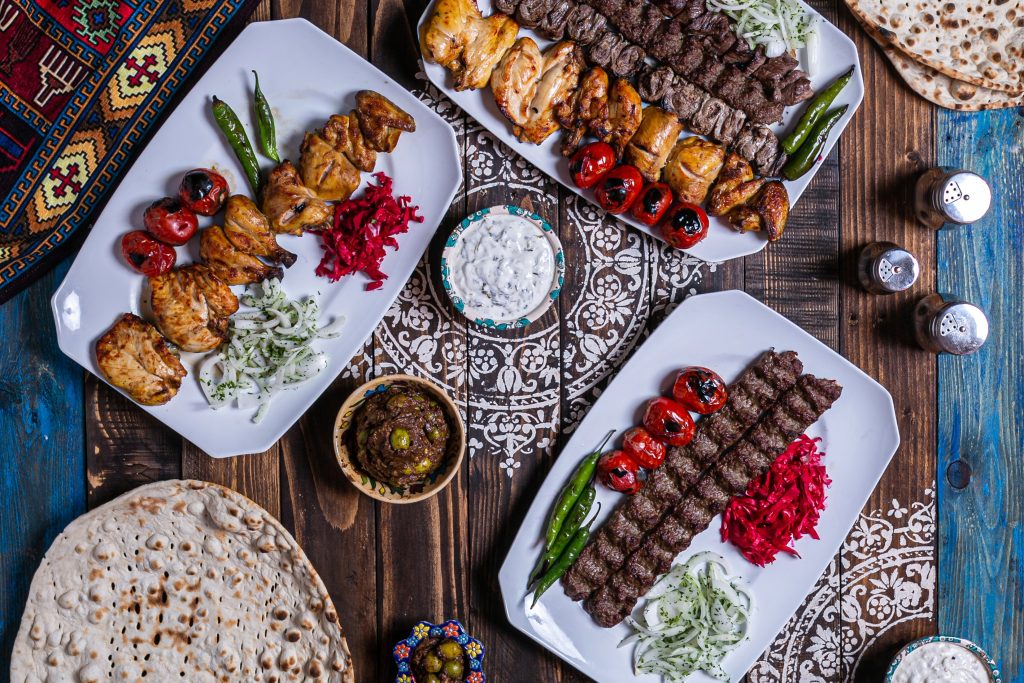
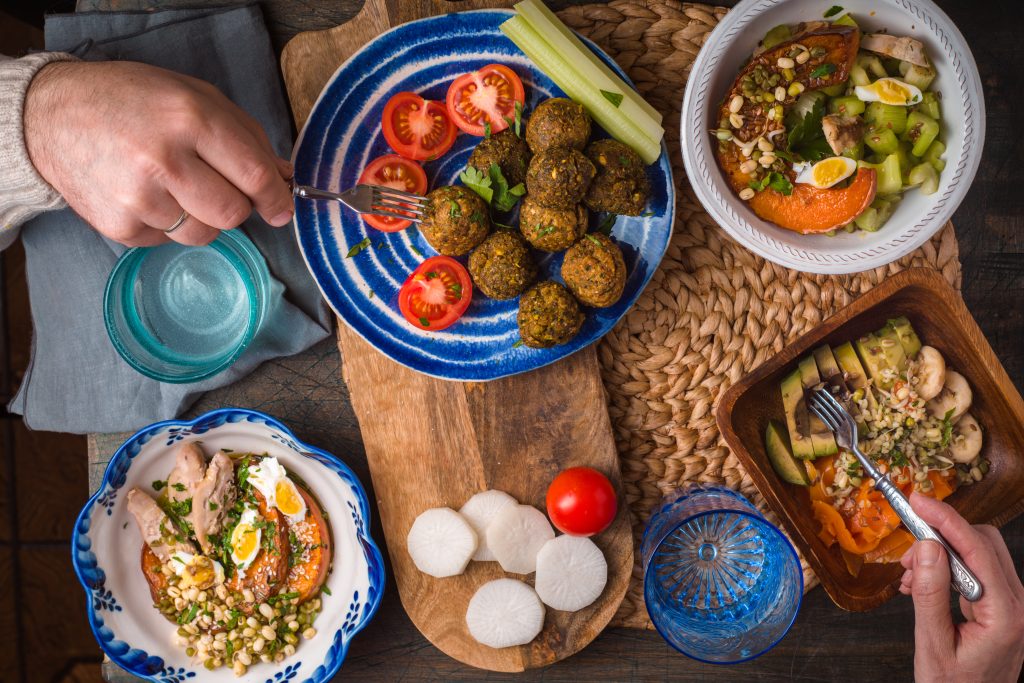
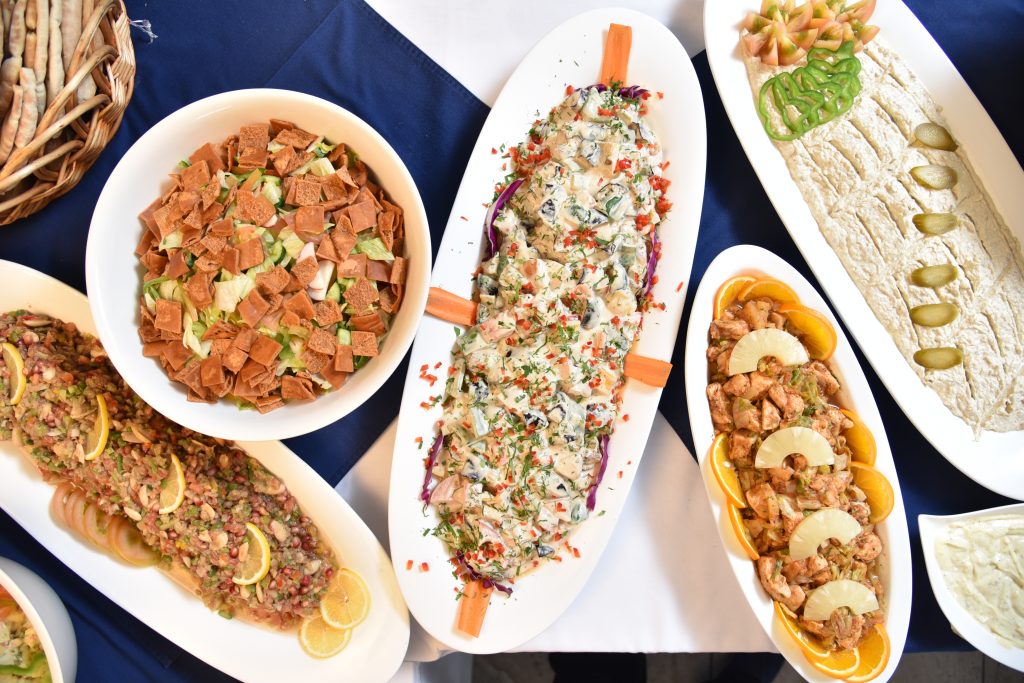
Middle Eastern cuisine: Mezze spreads with multiple small dishes encourage communal dining and tasting a variety of flavors.
-
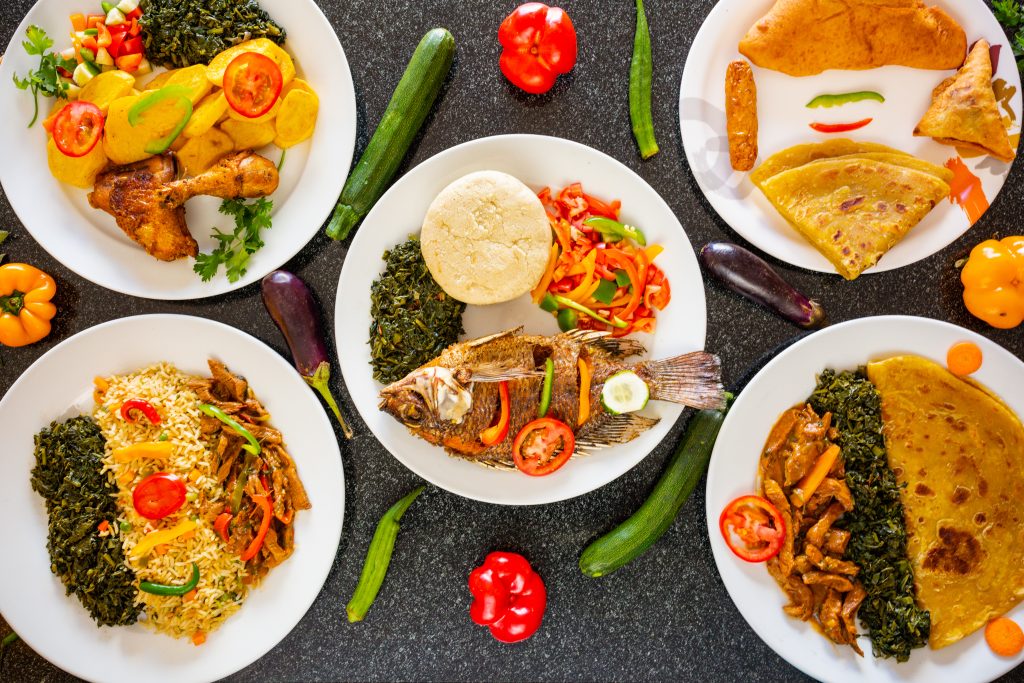
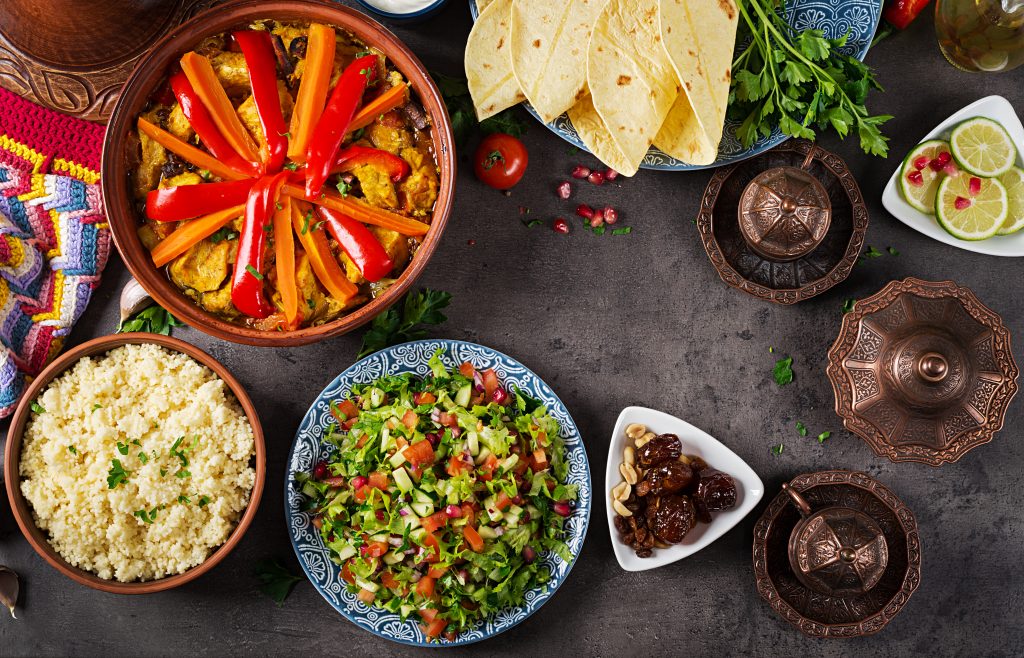
African & Caribbean cuisine: Bold, rustic platters often feature colorful arrangements that highlight local ingredients and social sharing.
By honoring these traditions, the host respects cultural heritage and offers guests an authentic experience.
2. Enhances Guest Engagement
-
Cultural serving styles encourage interaction among guests.
-
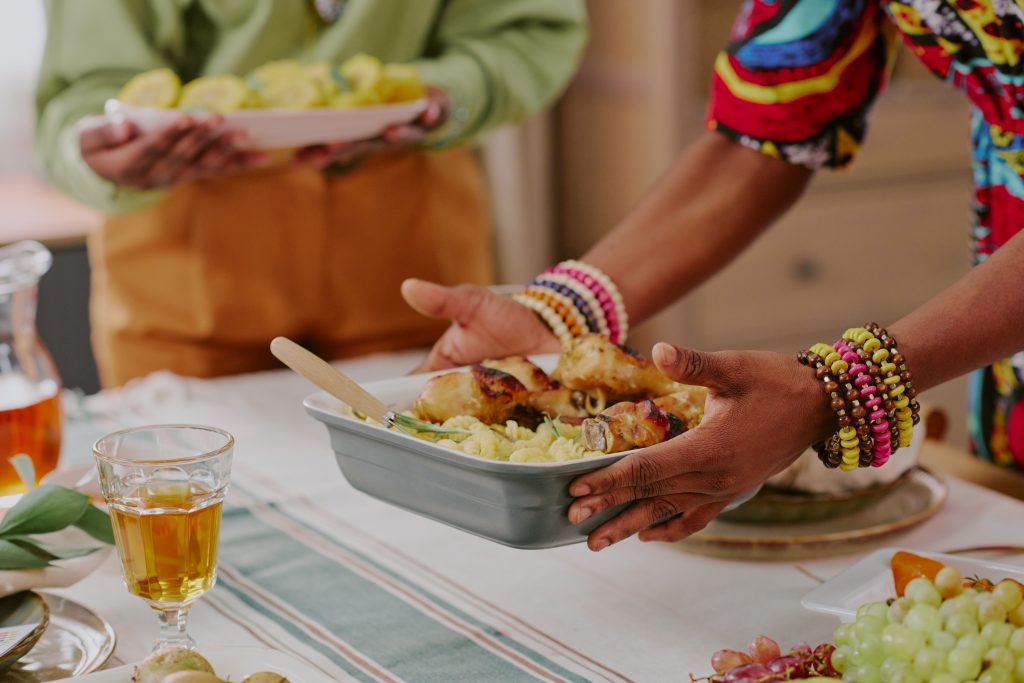
Family-style or communal platters foster conversation, connection, and a sense of community.
-
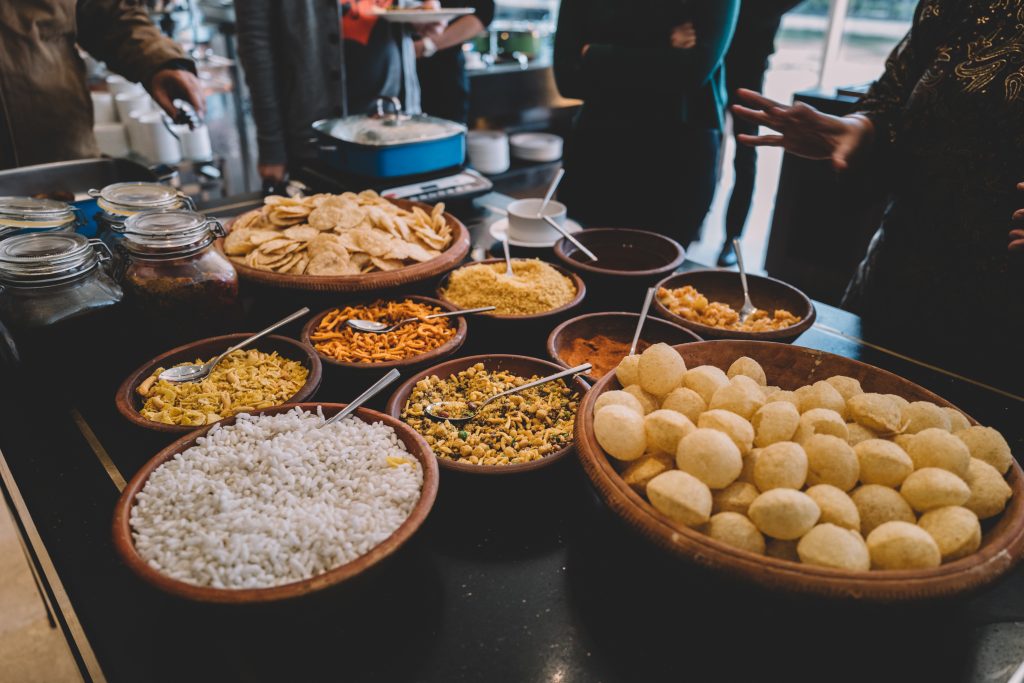
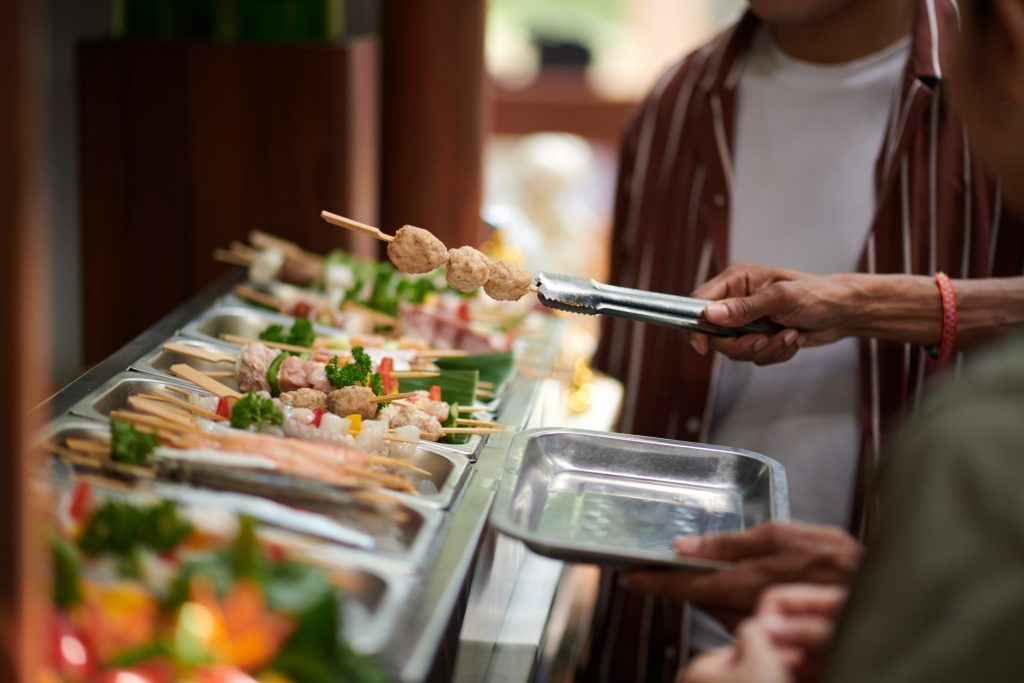
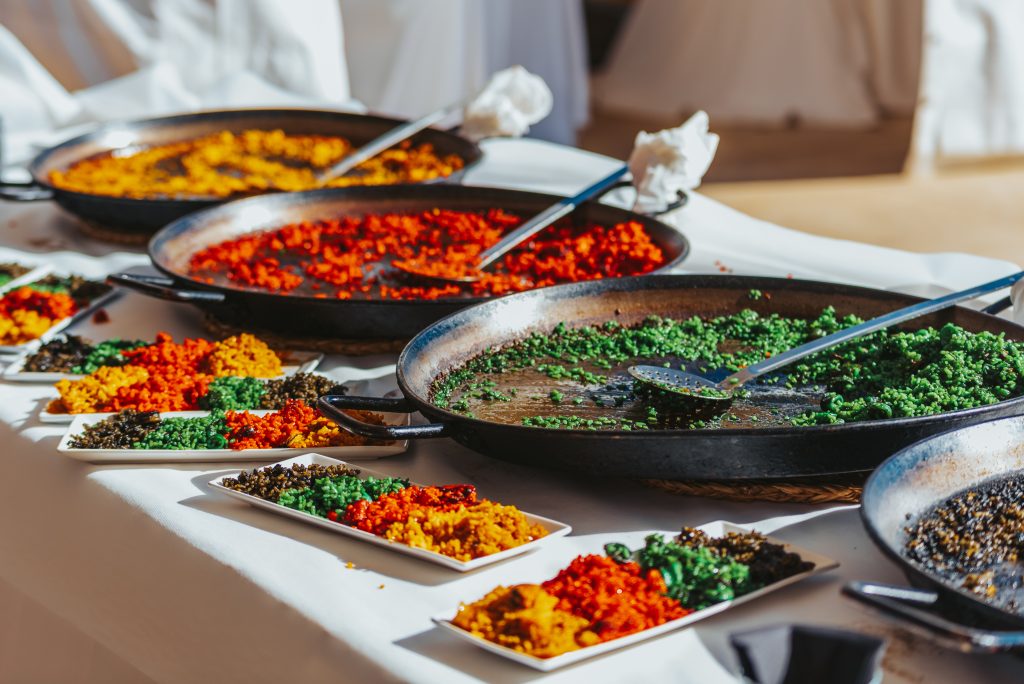
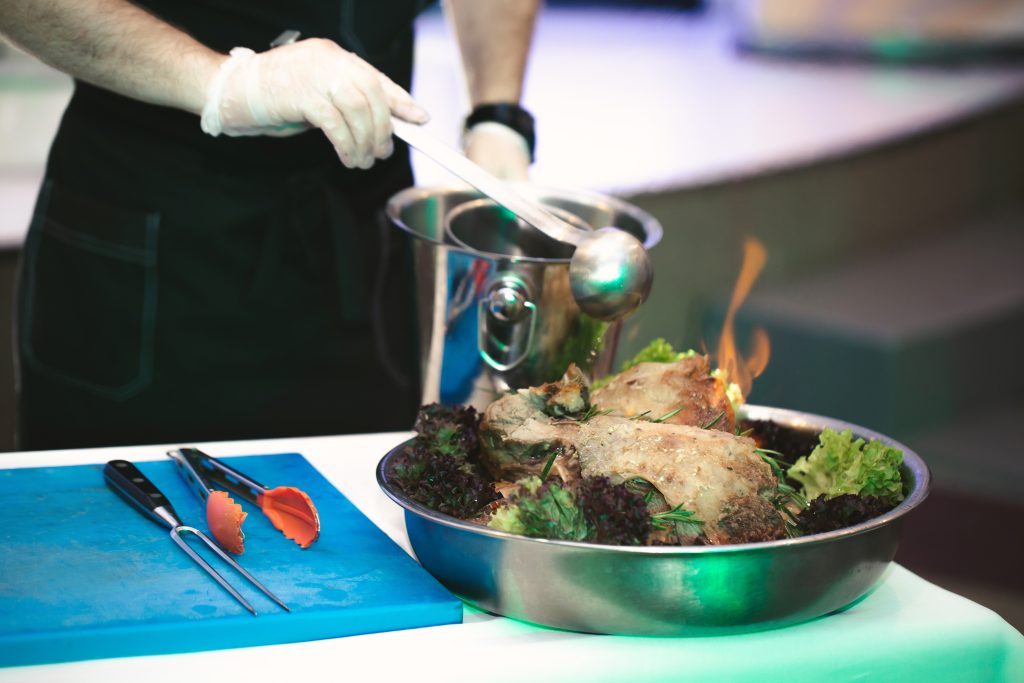
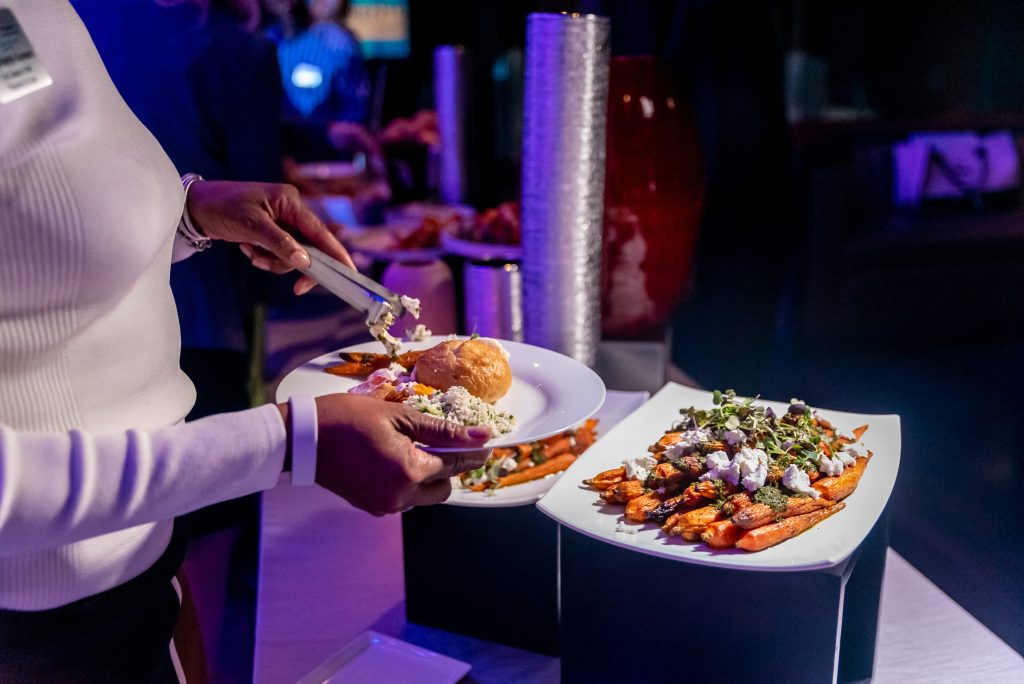
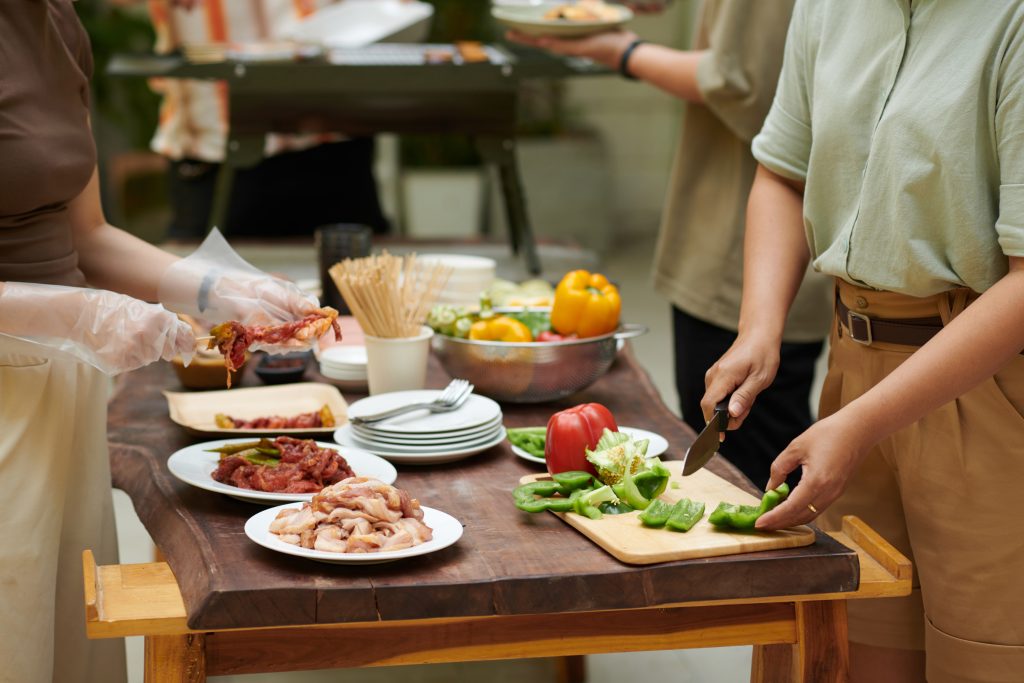
Interactive experiences, such as live cooking stations or DIY mezze setups, make dining more engaging and enjoyable.
Serving food authentically transforms the meal from a routine activity into a participatory cultural event.
3. Improves Presentation and Visual Appeal
-
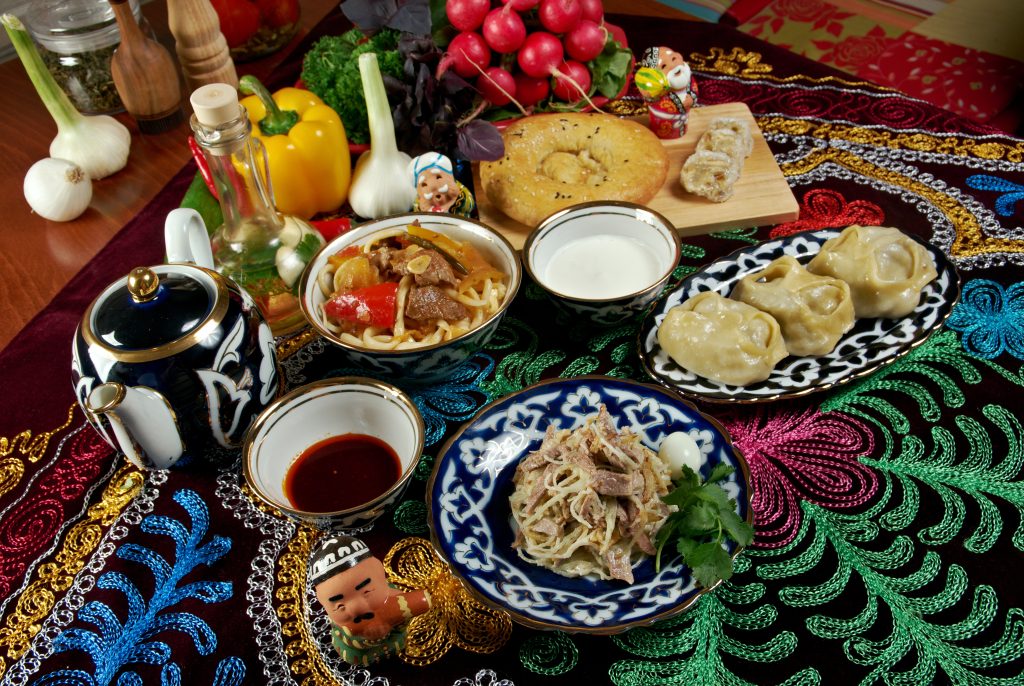
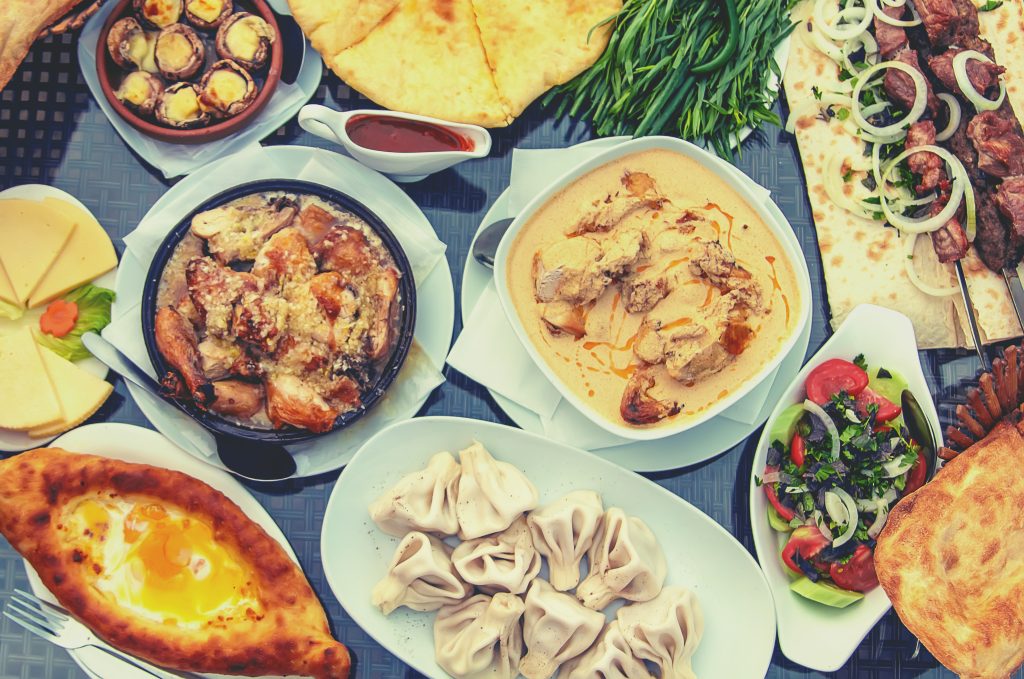
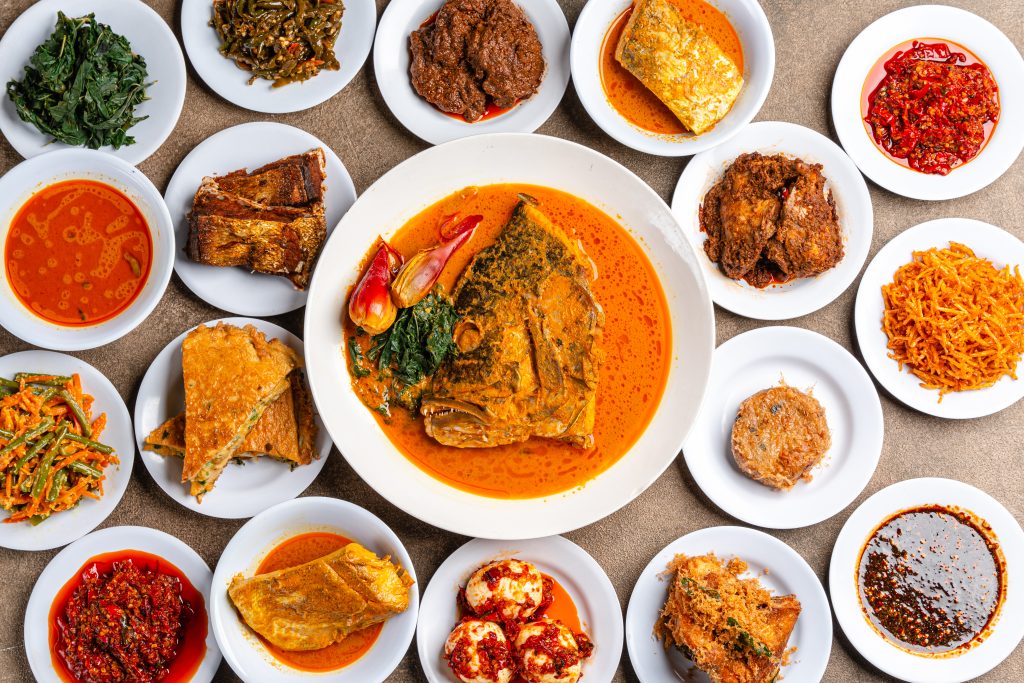
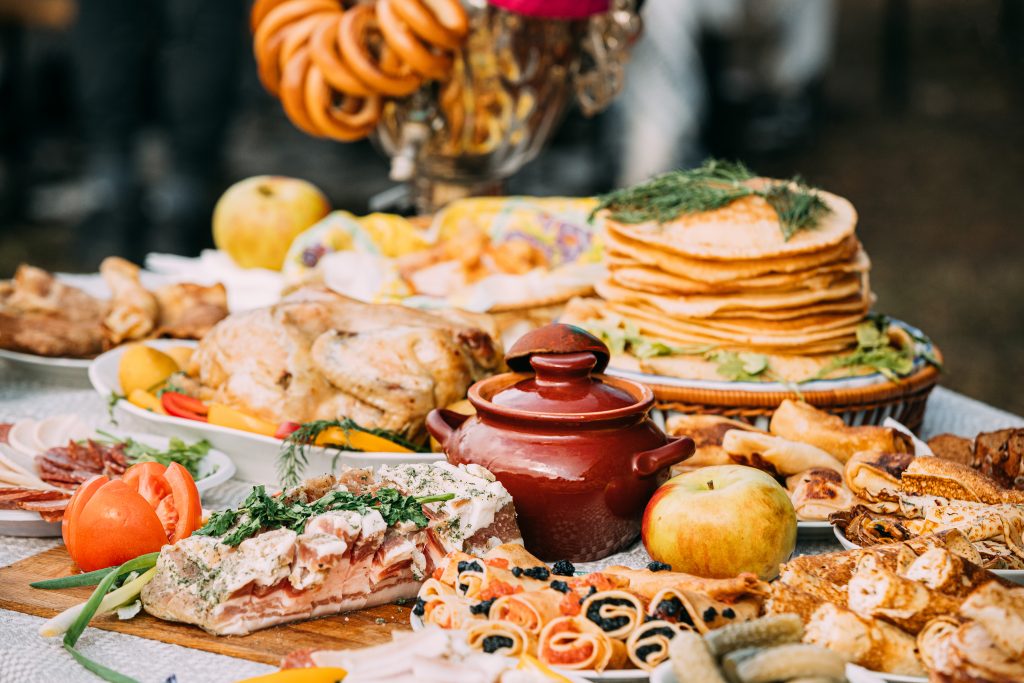
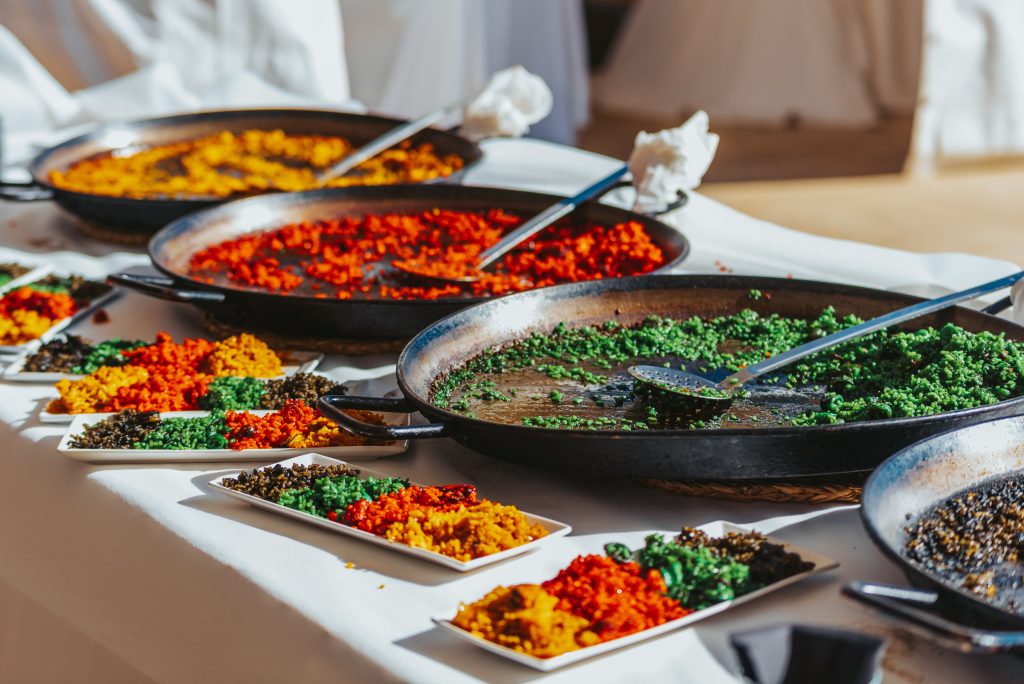
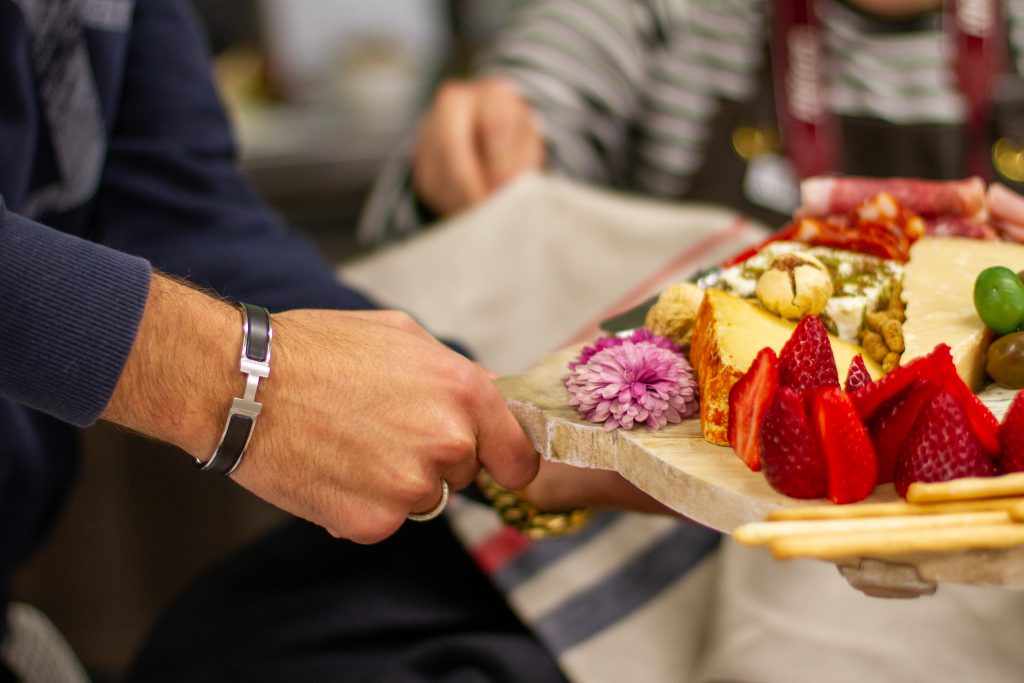
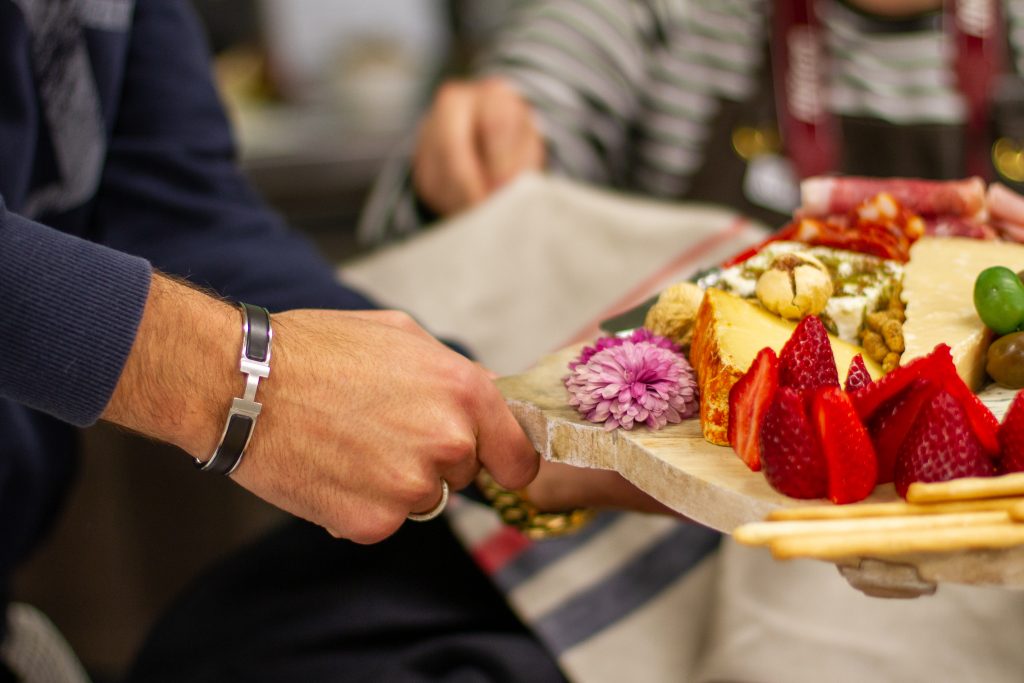
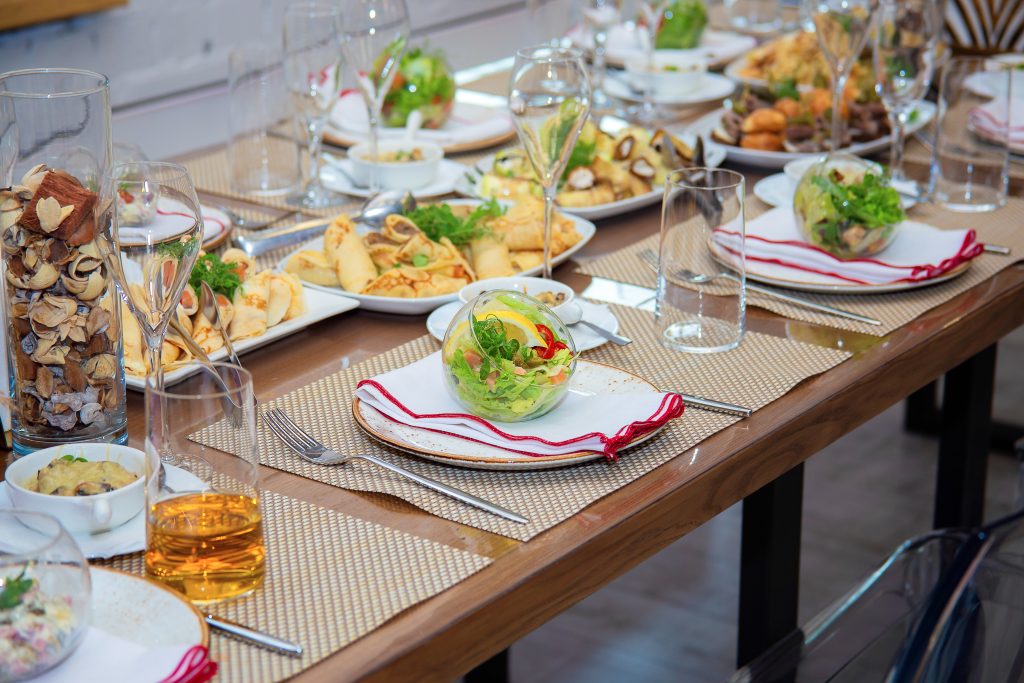
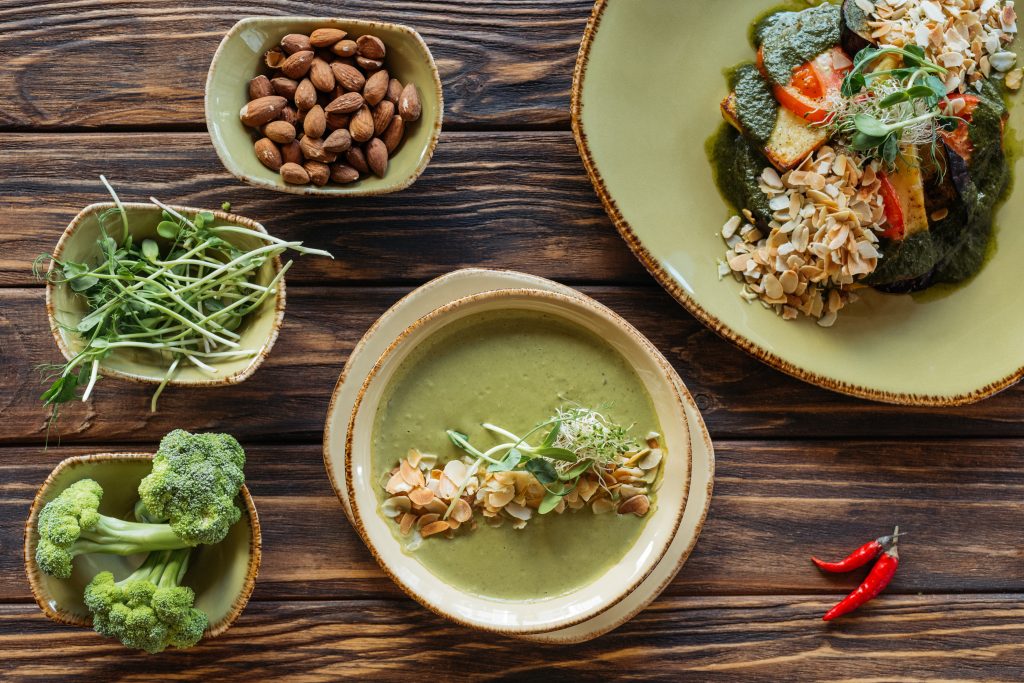
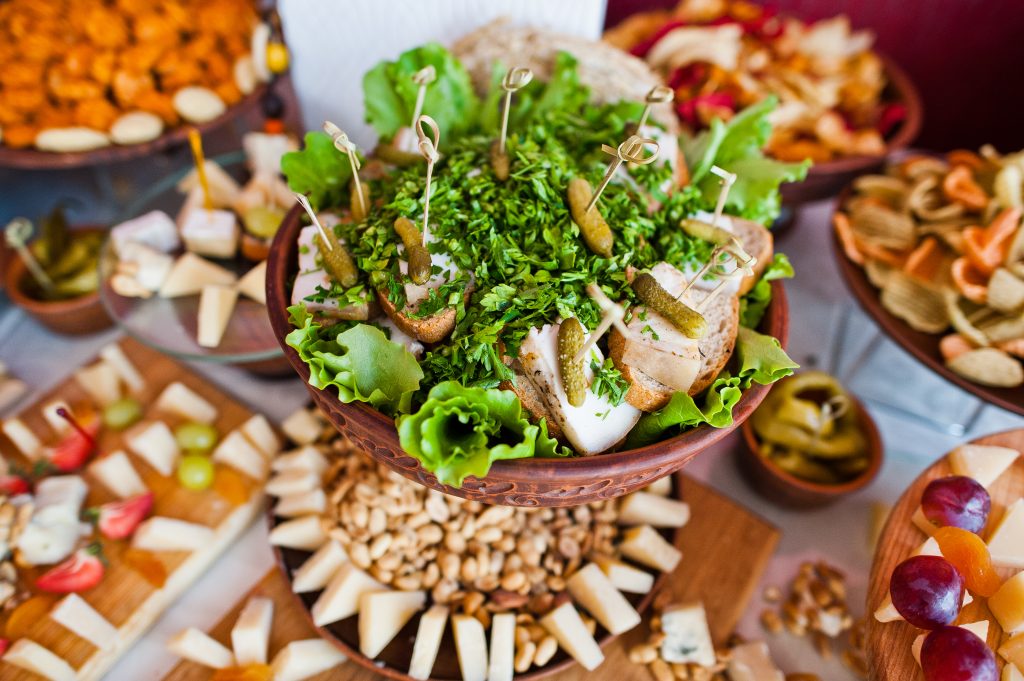
Cultural serving styles are often visually striking, using platters, baskets, or bowls that enhance the aesthetic appeal.
-
Colorful arrangements, layered textures, and symmetry draw attention and make food more appetizing.
-
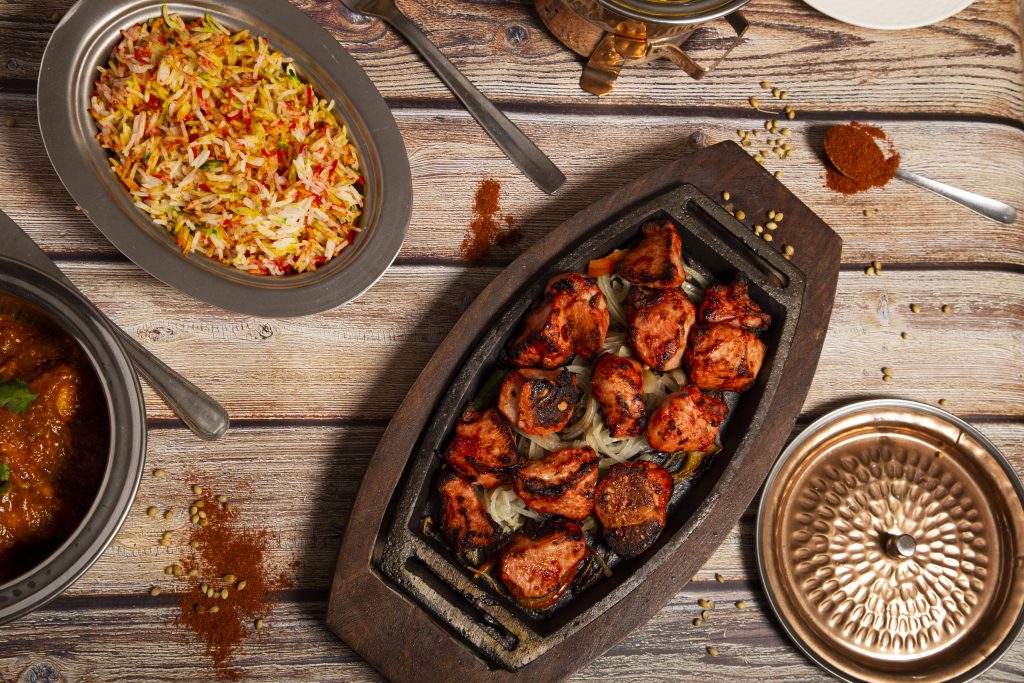
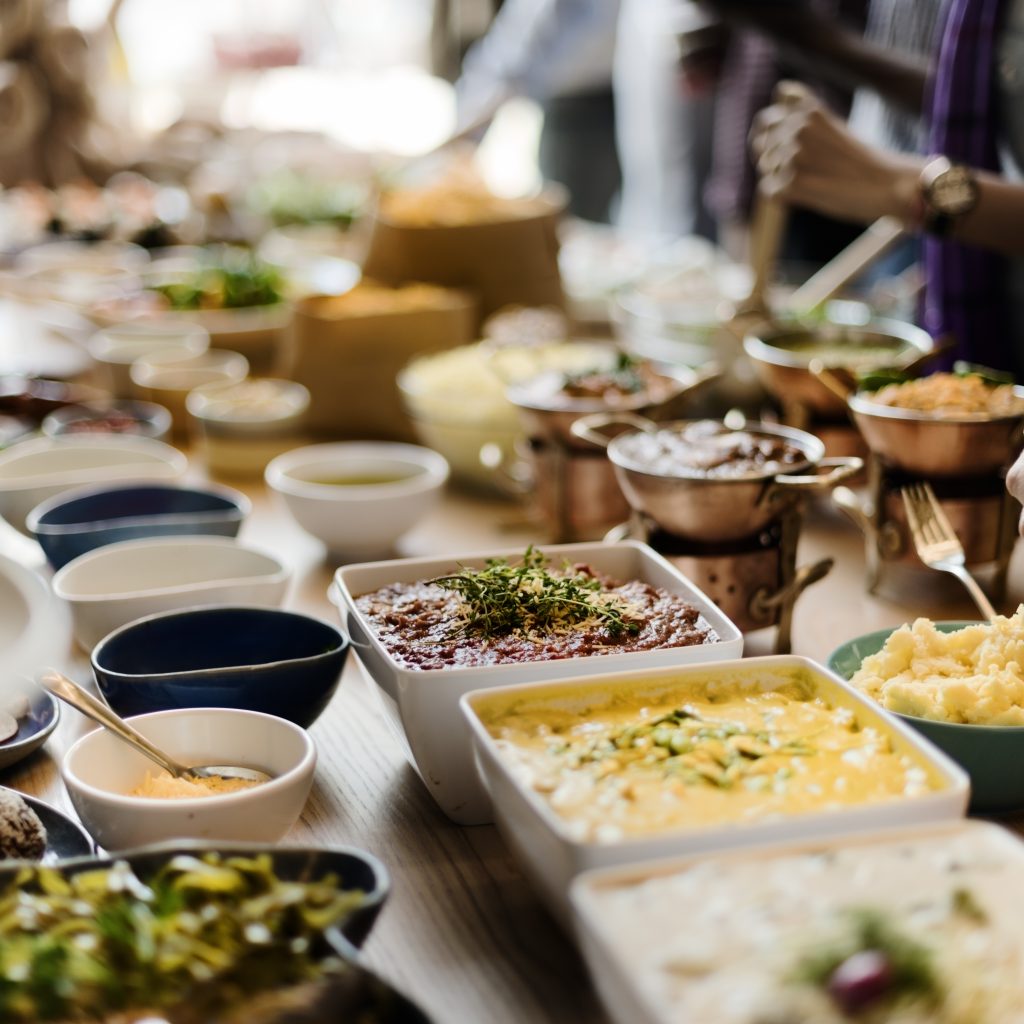
The use of traditional serveware, such as brass bowls for South Asian dishes or woven baskets for African cuisine, adds authenticity and elegance.
Visual appeal increases perceived value and enhances guests’ overall dining experience.
4. Supports Efficient Service
-
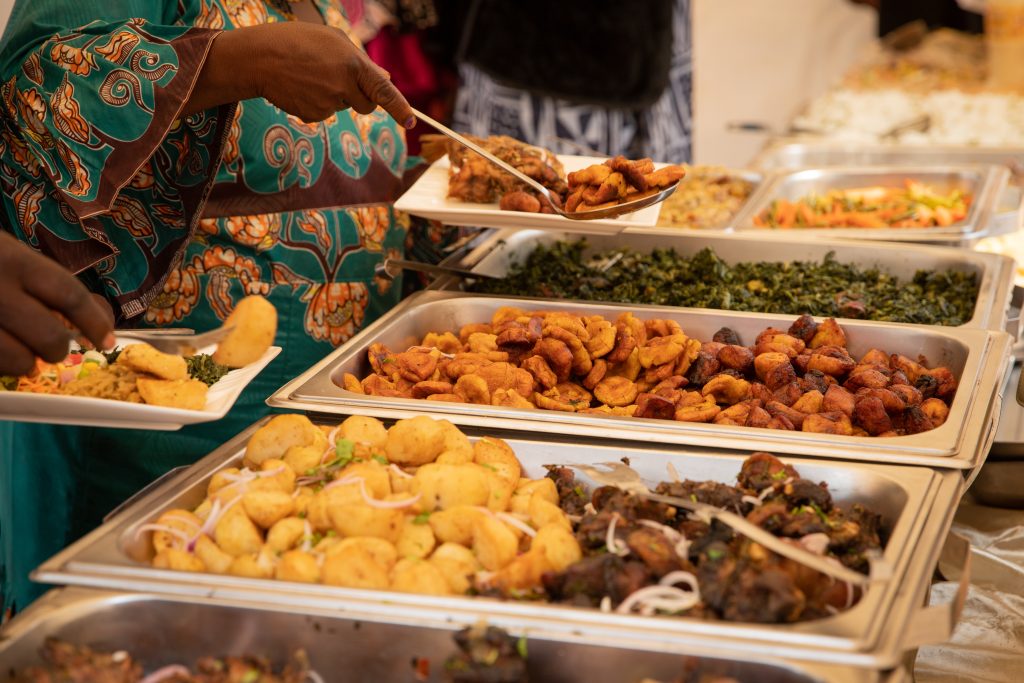
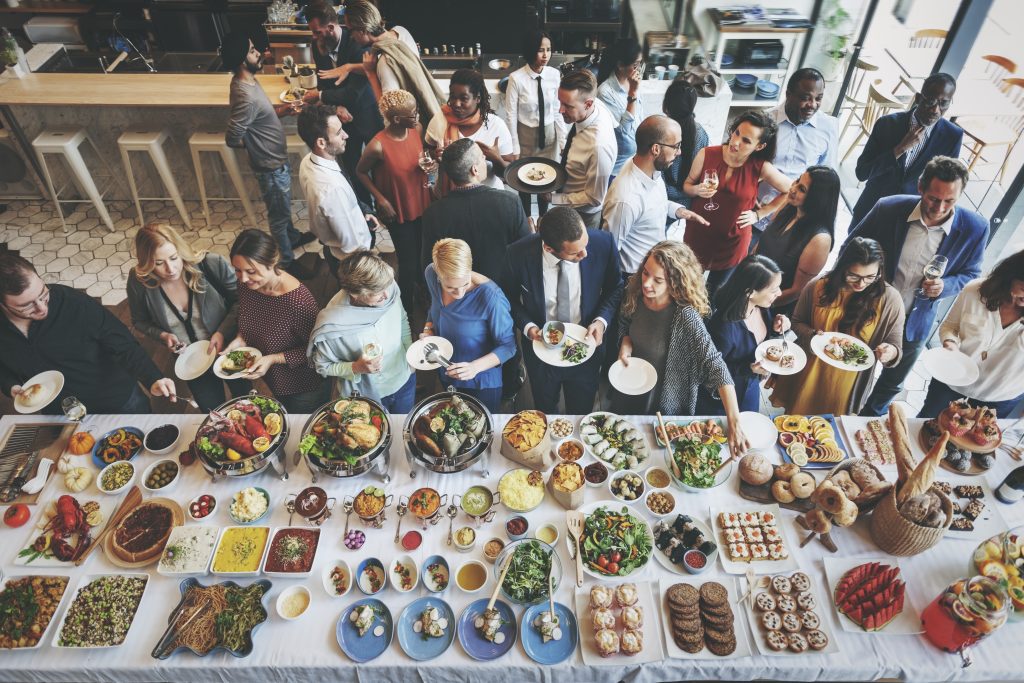
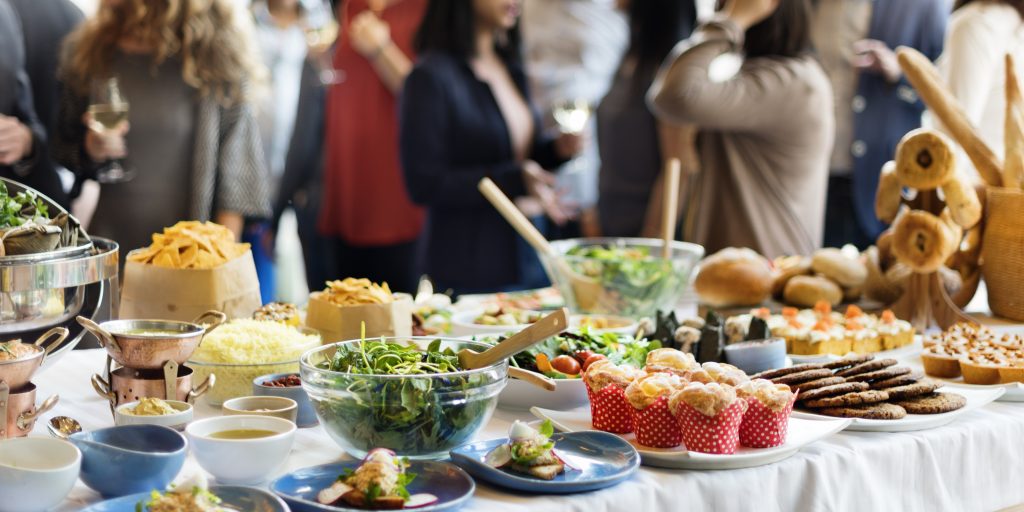
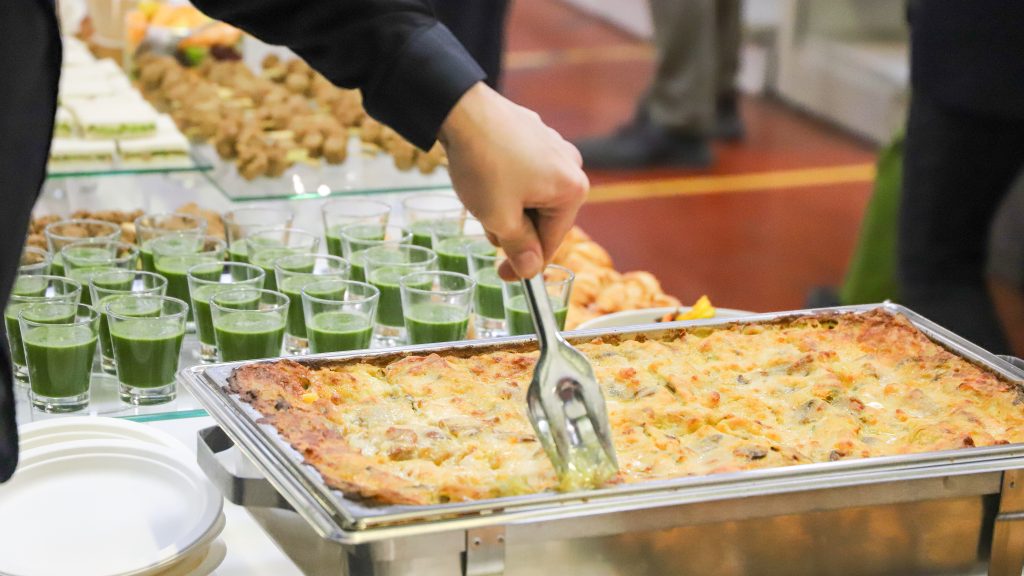
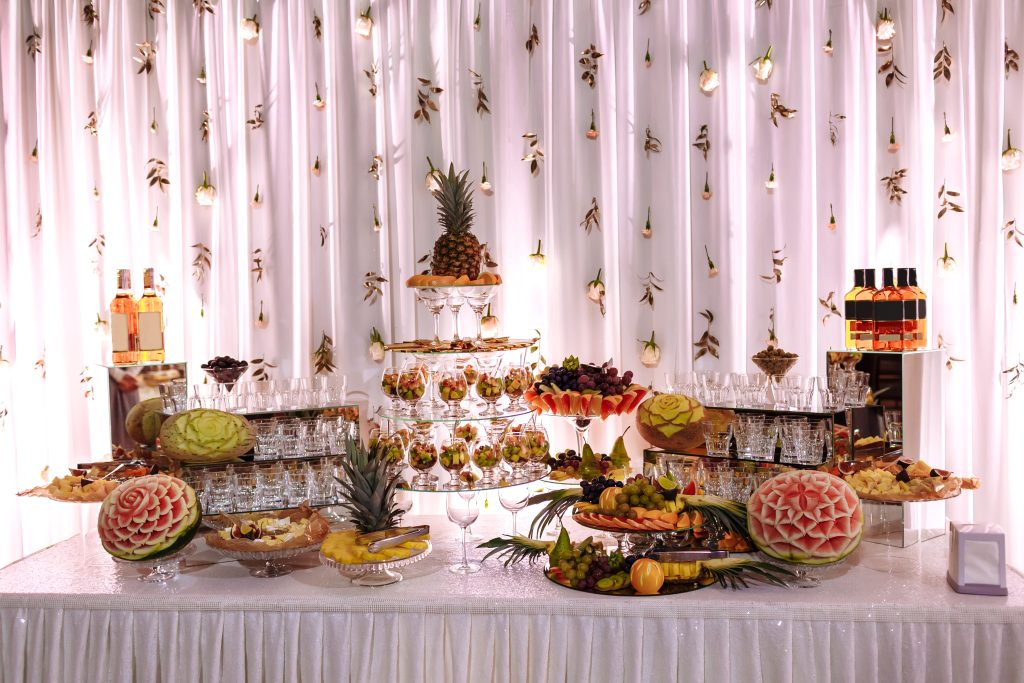
Certain cultural serving styles, such as buffets or family-style platters, allow efficient service for large groups.
-
Guests can serve themselves or share dishes, reducing the need for excessive staff and speeding up meal service.
-
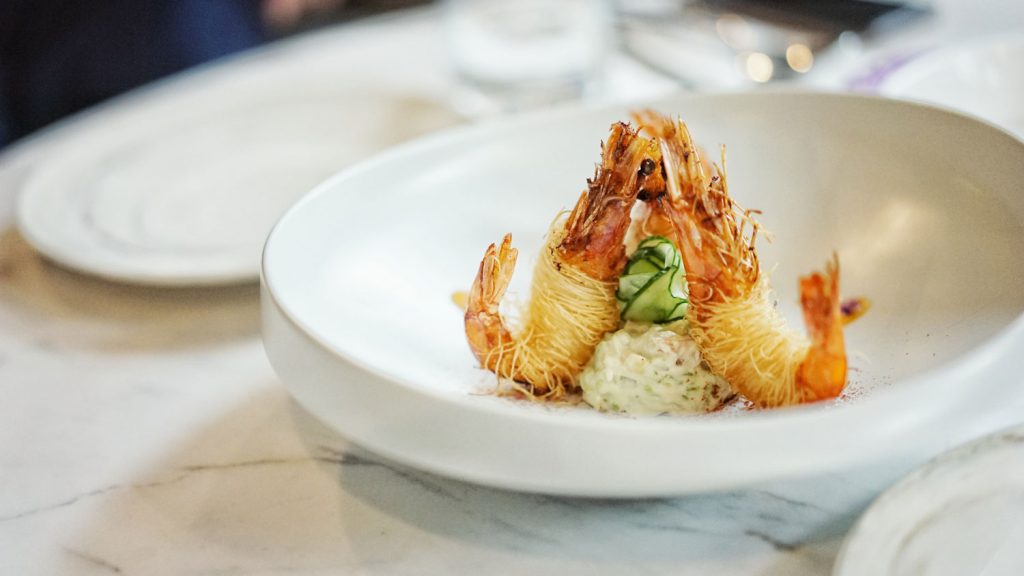
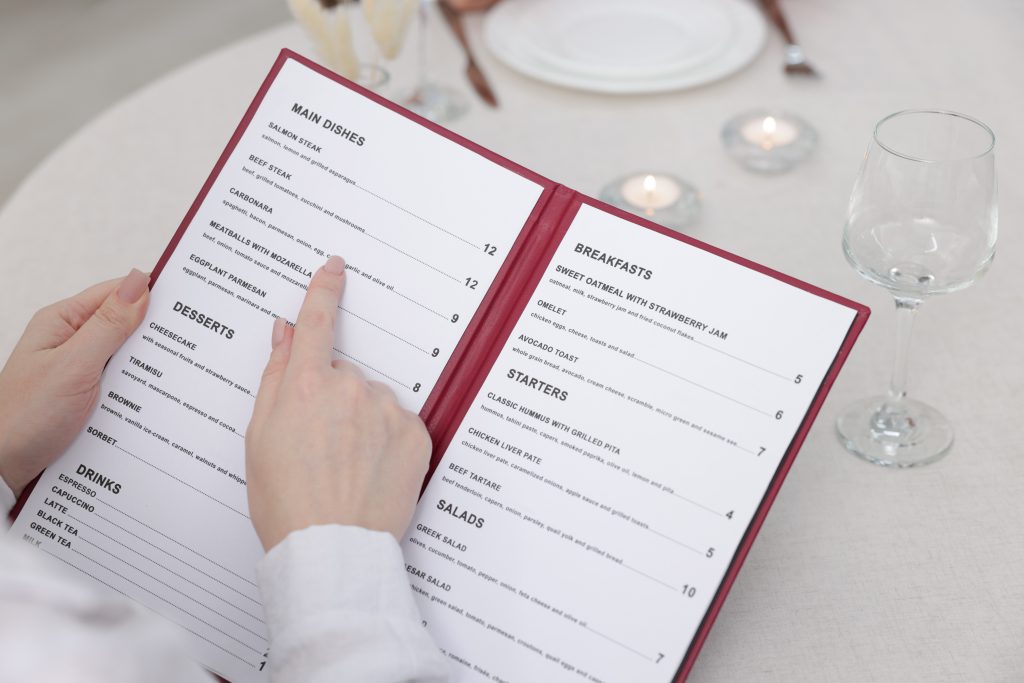
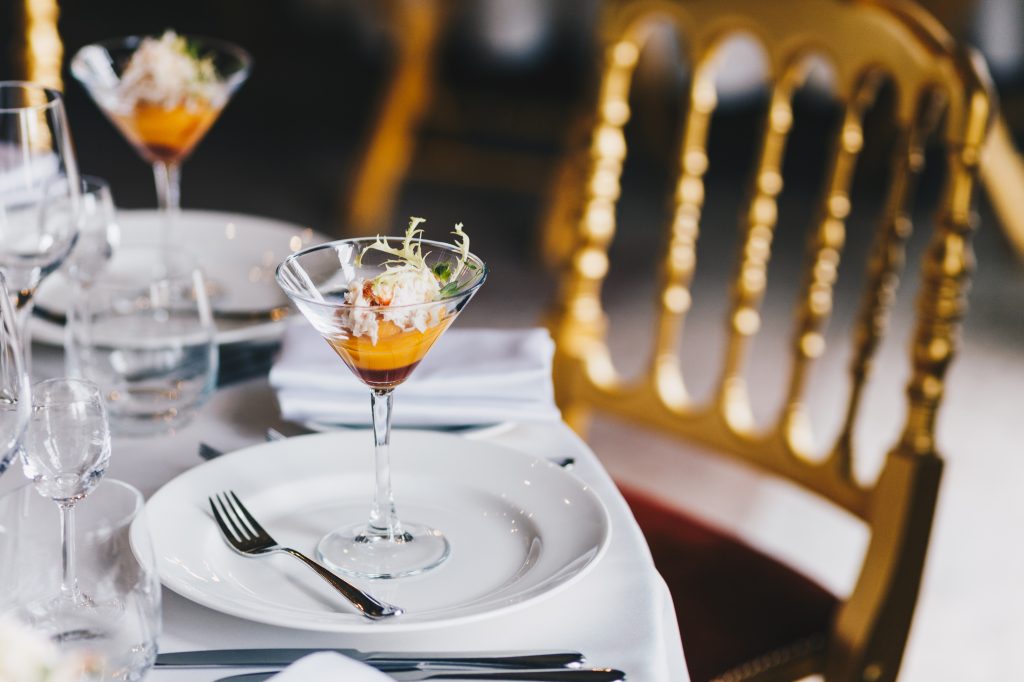
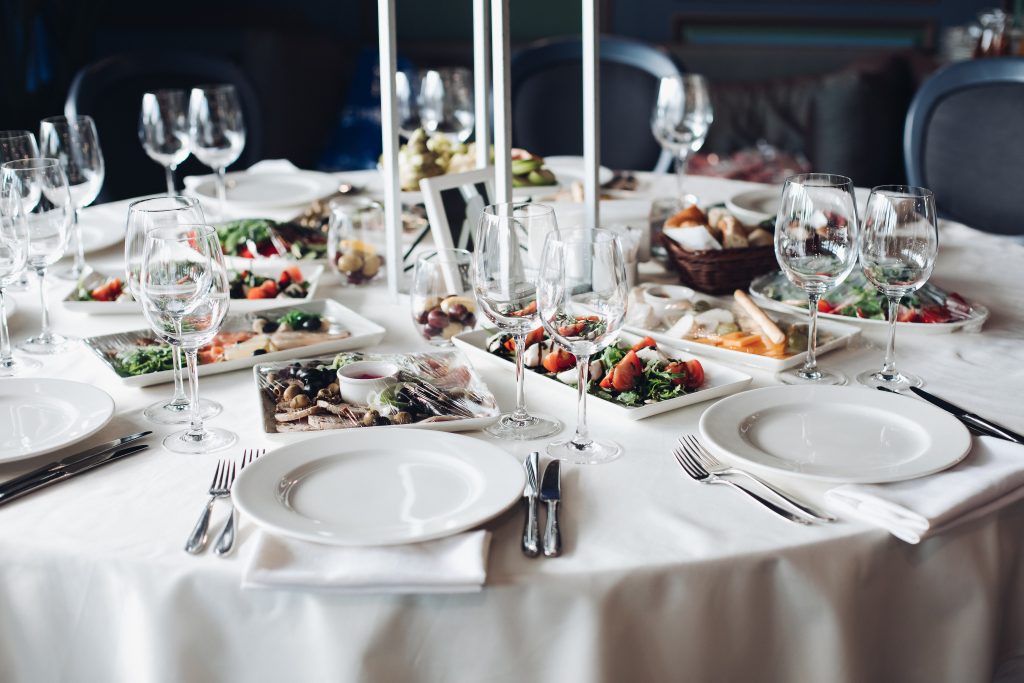
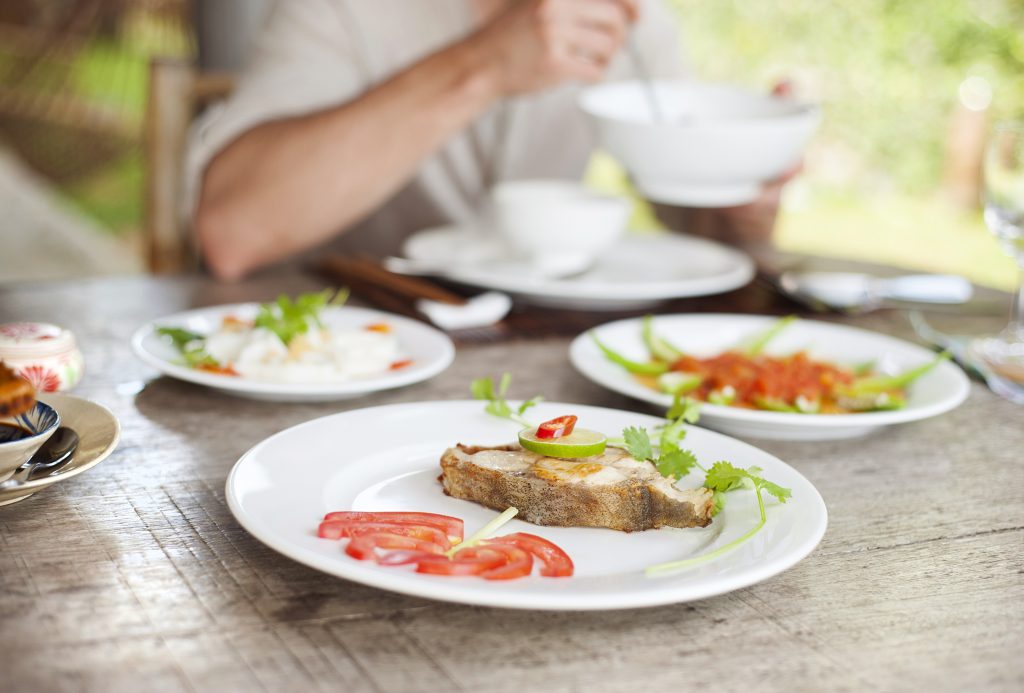
Plated cultural meals, while formal, maintain portion control and elegance in smaller gatherings.
Choosing the appropriate serving style ensures smooth logistics without compromising quality.
5. Accommodates Dietary Preferences
-
Cultural serving styles naturally support variety, allowing guests to choose dishes based on dietary needs.
-
Buffets or mezze spreads can include vegetarian, vegan, halal, and gluten-free options alongside meat dishes.
-
Guests can customize their plates, ensuring everyone finds something they enjoy while honoring traditional flavors.
Flexible serving styles enhance inclusivity and guest satisfaction.
6. Creates Memorable Experiences
-
Authentic serving styles contribute to a lasting impression, as guests experience not just the food but the culture behind it.
-
Sharing dishes, tasting multiple small plates, or watching chefs prepare meals live engages multiple senses—sight, smell, taste, and touch.
-
Guests are more likely to remember events that offer both delicious cuisine and culturally rich presentation.
Memorable dining experiences make events stand out and encourage positive word-of-mouth.
7. Reinforces Event Themes and Cultural Identity
-
Serving styles can complement the theme, location, or cultural focus of an event.
-
Weddings can feature traditional platters, corporate luncheons can include mini ethnic stations, and festivals can highlight cultural spreads.
-
Thoughtful serving styles communicate authenticity, respect for tradition, and attention to detail.
Serving food in a culturally sensitive and aesthetically pleasing way strengthens the overall narrative of the event.
8. Collaborate With Experienced Caterers
-
Experienced ethnic caterers know which serving styles align with different cuisines and events.
-
They can advise on portion sizes, presentation techniques, and interactive elements to enhance the guest experience.
-
Caterers ensure that cultural authenticity is maintained while balancing logistics, staffing, and budget.
Professional guidance ensures that cultural serving styles are executed flawlessly, leaving a positive impression on all guests.
Conclusion
Cultural serving styles are more than just presentation—they enhance authenticity, engagement, and the overall guest experience. By respecting traditions, creating visually appealing spreads, accommodating dietary preferences, and fostering interaction, hosts can elevate their event beyond just a meal.
Whether it’s family-style platters, mezze spreads, or interactive live stations, incorporating cultural serving styles adds richness, authenticity, and memorability to your event. Working with an experienced ethnic caterer ensures these styles are executed beautifully, making your event both culturally immersive and gastronomically unforgettable.