

 English





















Benefits and Challenges of Live Catering

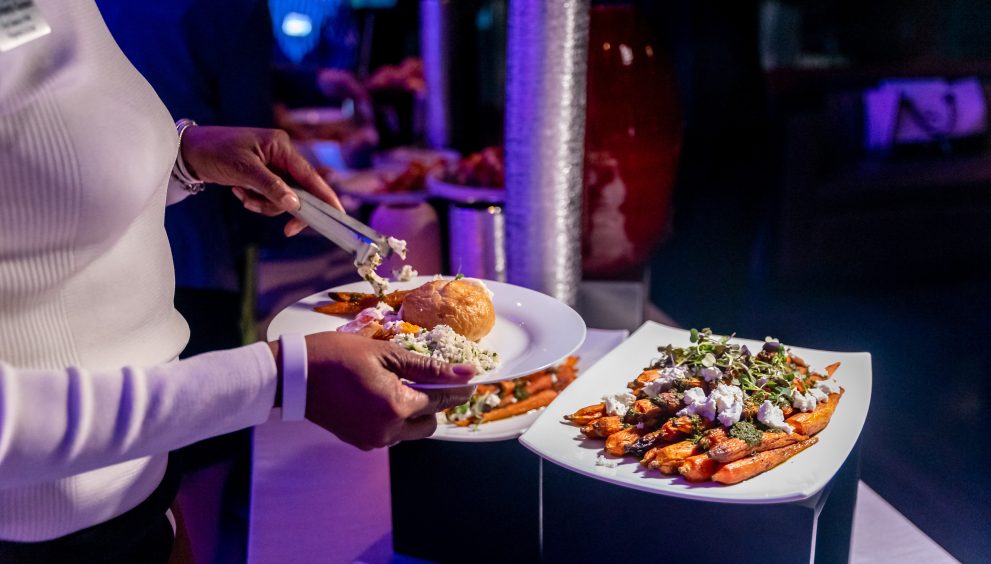
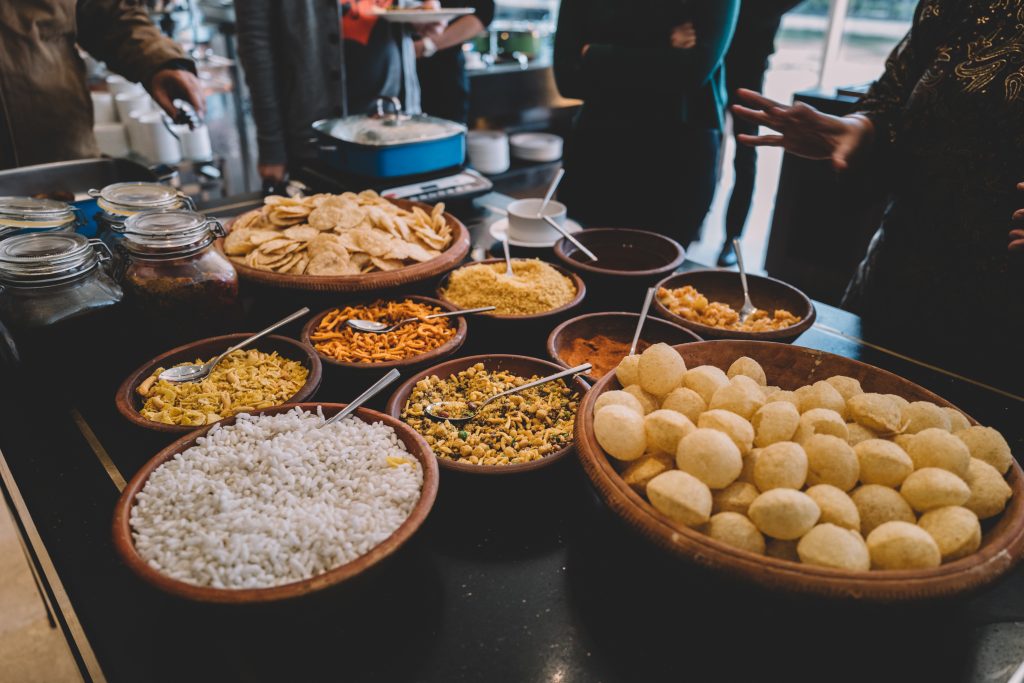
Live catering has become a popular choice for weddings, corporate events, festivals, and private parties. Unlike traditional plated or buffet service, live catering involves preparing dishes in real-time, often in front of guests, creating an interactive and immersive experience. While it offers numerous advantages, it also comes with some challenges that hosts and caterers need to consider. Understanding both sides ensures your event runs smoothly, efficiently, and memorably.
Benefits of Live Catering
1. Enhanced Guest Engagement
-
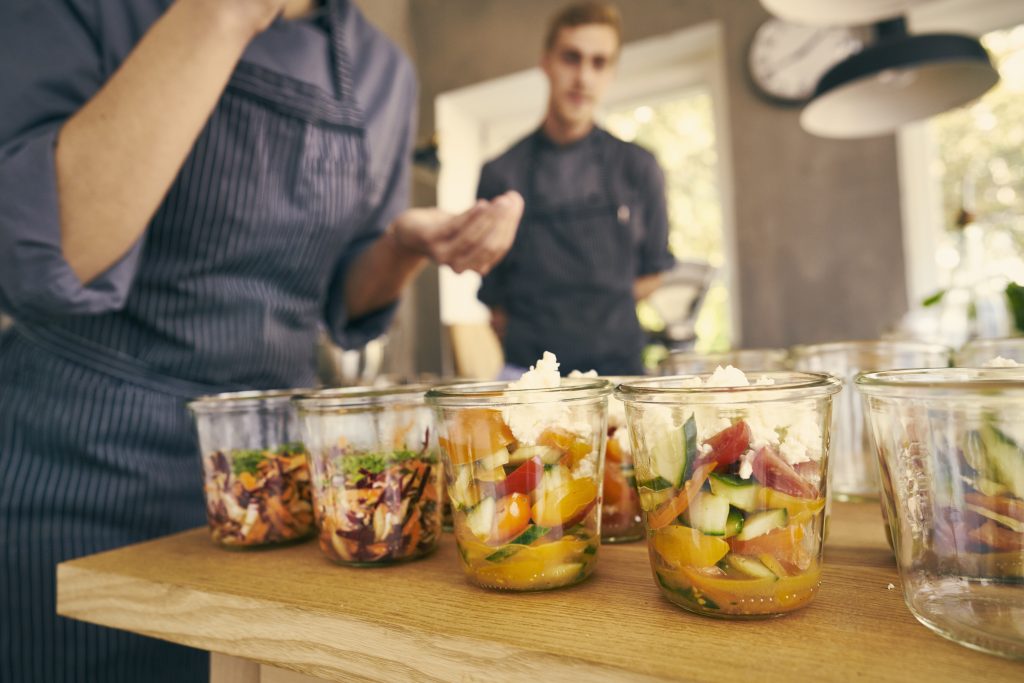
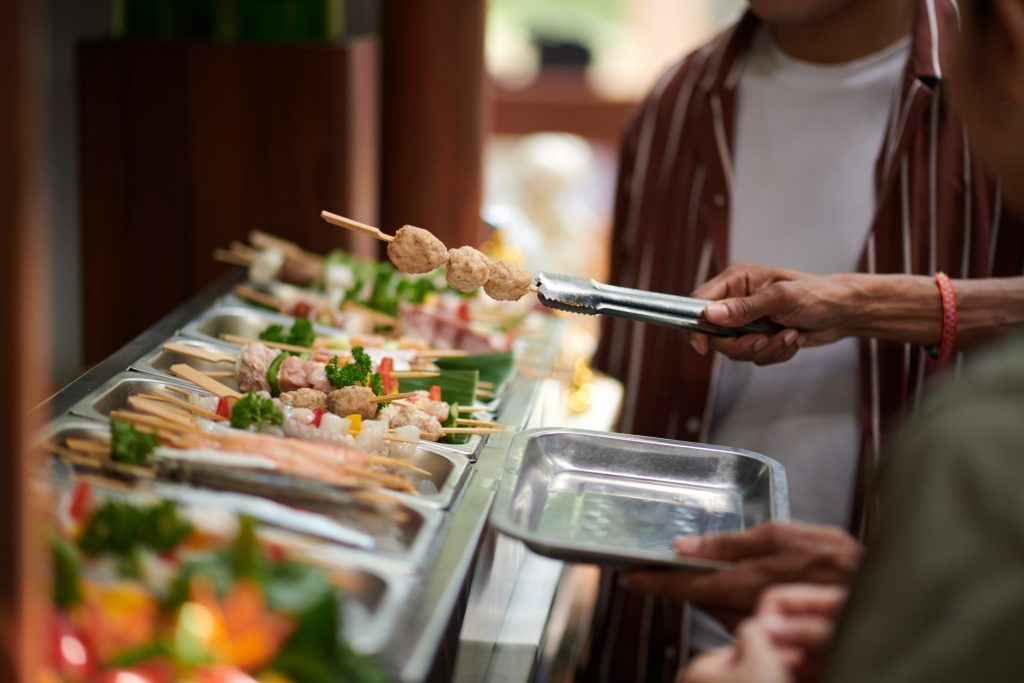
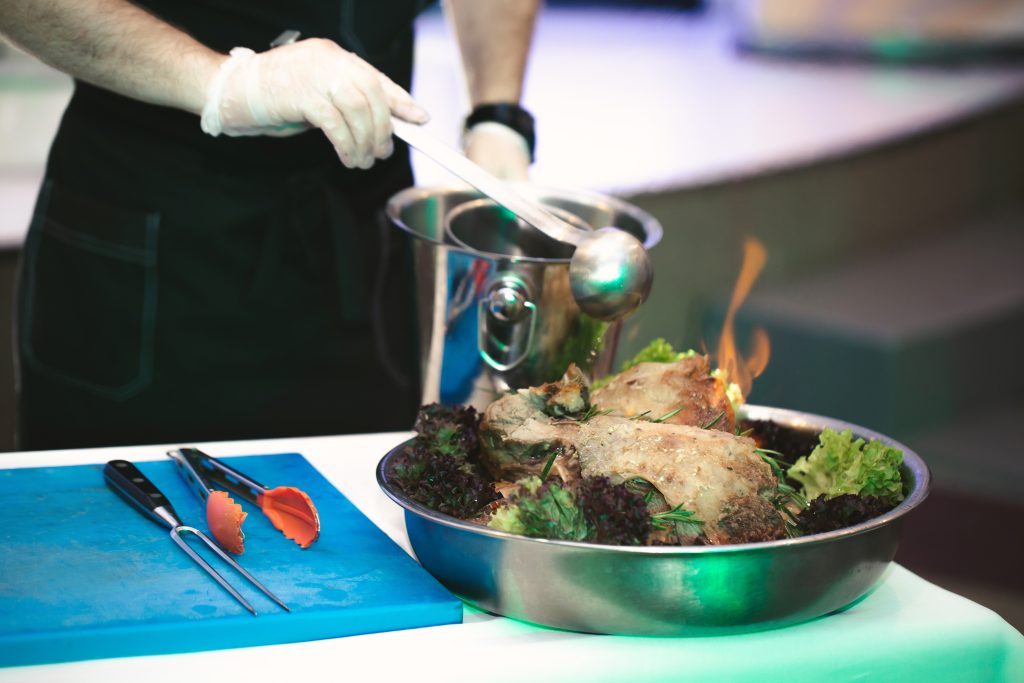
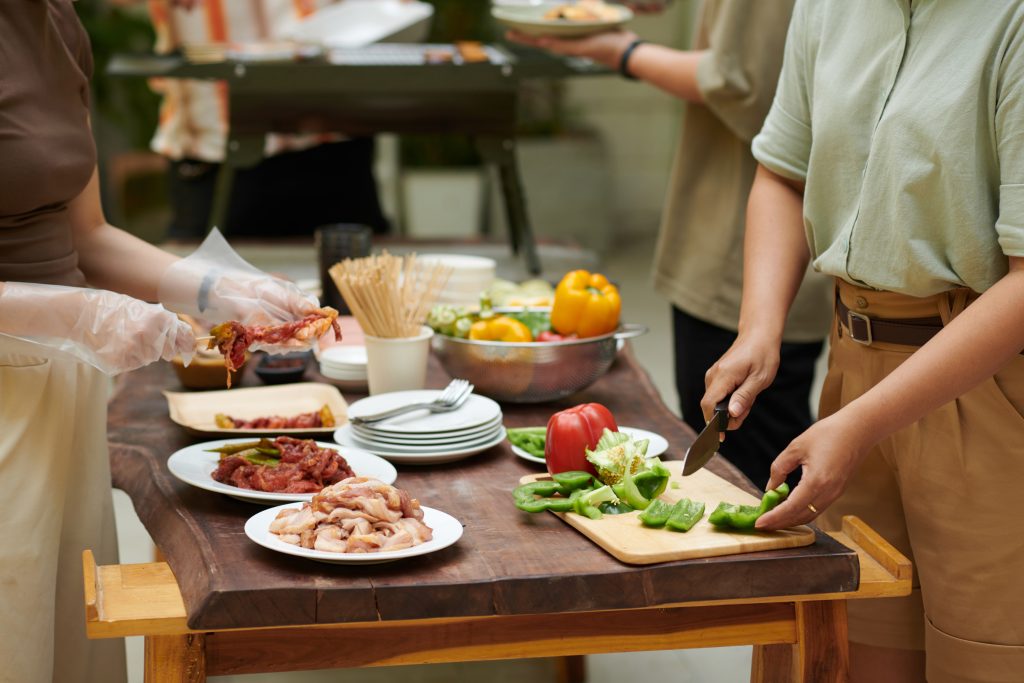
Guests enjoy watching chefs prepare food, which adds excitement and entertainment to the event.
-
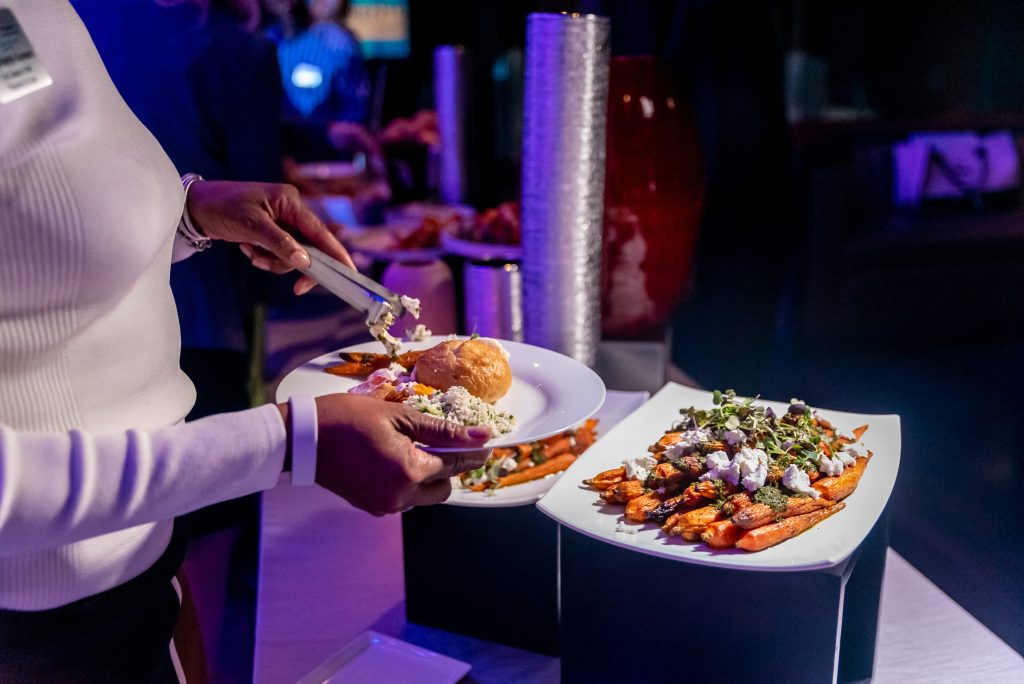
Interactive stations allow guests to customize their meals, choosing ingredients, spice levels, and portion sizes.
-
The immersive experience makes dining more than just eating—it becomes a shared cultural and social activity.
Live catering encourages interaction, conversation, and a sense of participation among guests.
2. Freshness and Quality
-
Food is prepared on the spot, ensuring it is hot, fresh, and flavorful.
-
Chefs can adjust seasoning and portion sizes according to demand, maintaining consistency and taste.
-
Guests experience aroma, texture, and presentation simultaneously, enhancing their sensory experience.
Freshly prepared dishes impress guests and reflect professionalism.
3. Showcases Culinary Skills
-
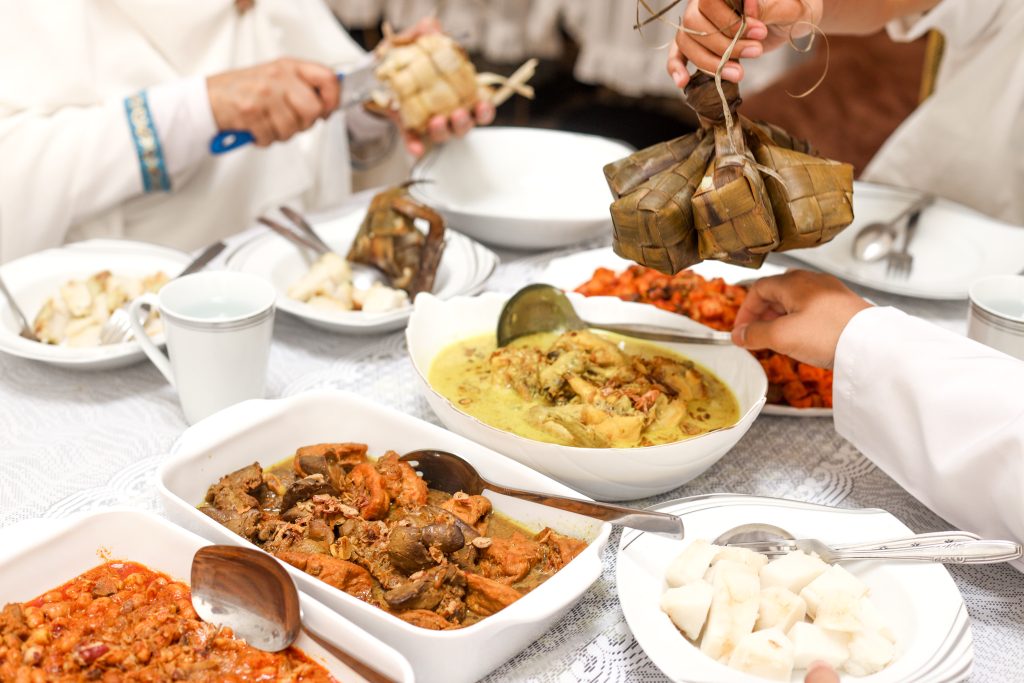
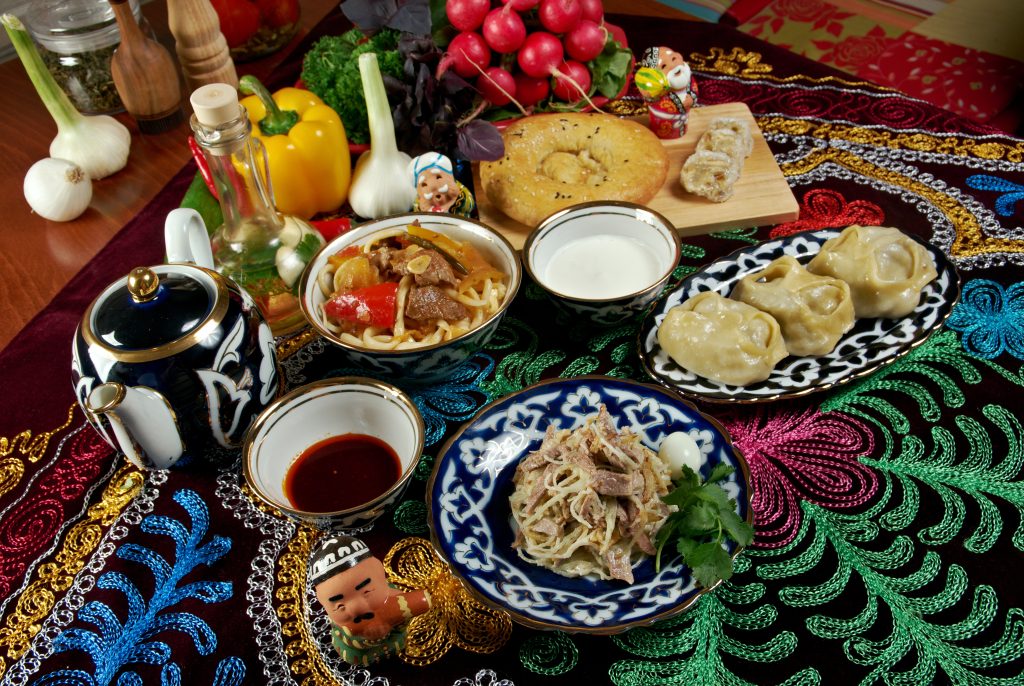
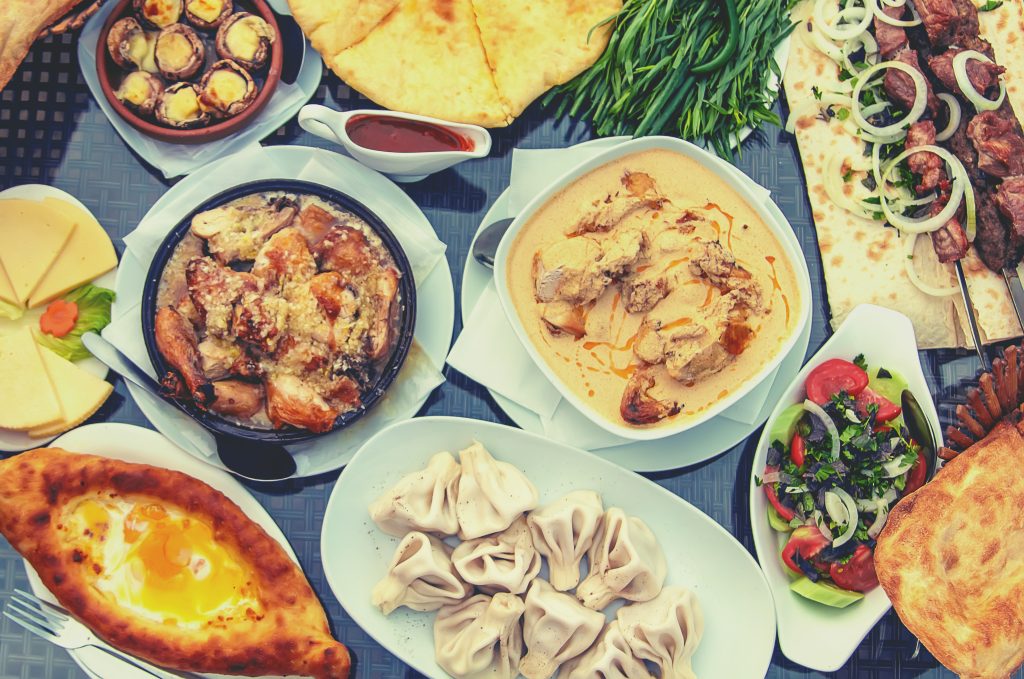
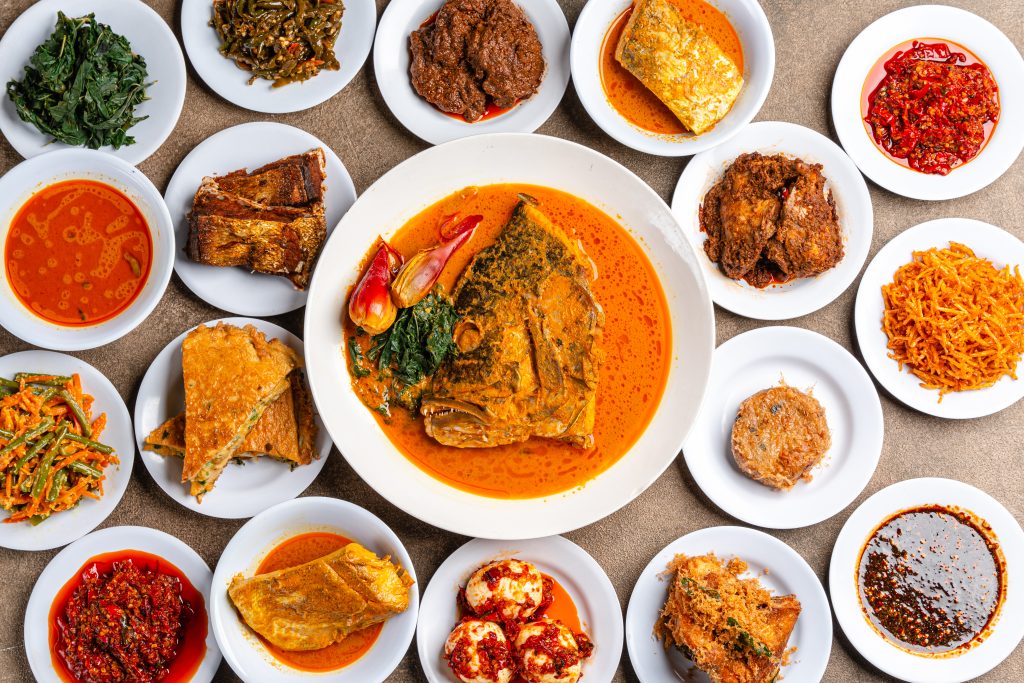
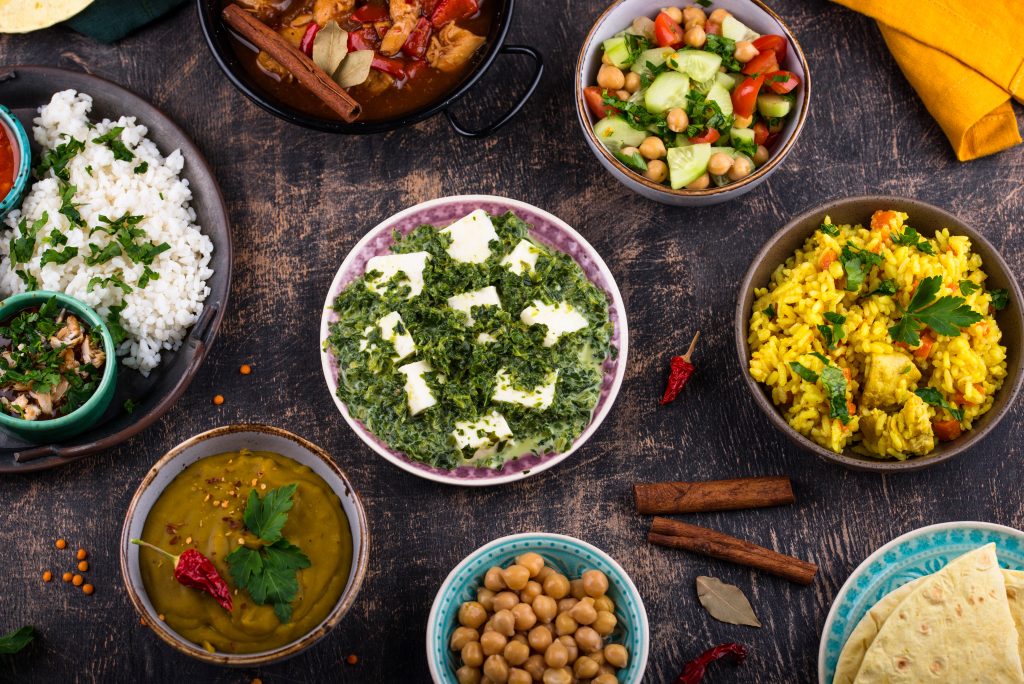
Live stations highlight the expertise and artistry of chefs, which can be especially impressive for ethnic cuisine.
-
Techniques like flambé, carving, stir-frying, or tandoor baking can be performed in front of guests.
-
Guests are often fascinated by culinary craftsmanship, making the dining experience memorable.
Showcasing skills adds prestige and credibility to your event.
4. Customization and Variety
-
Guests can choose what they want to eat and how it is prepared, accommodating dietary preferences like vegetarian, vegan, halal, or gluten-free options.
-
Interactive stations allow chefs to create variations on classic dishes, introducing unique flavors and presentation.
-
Customization enhances guest satisfaction and inclusivity.
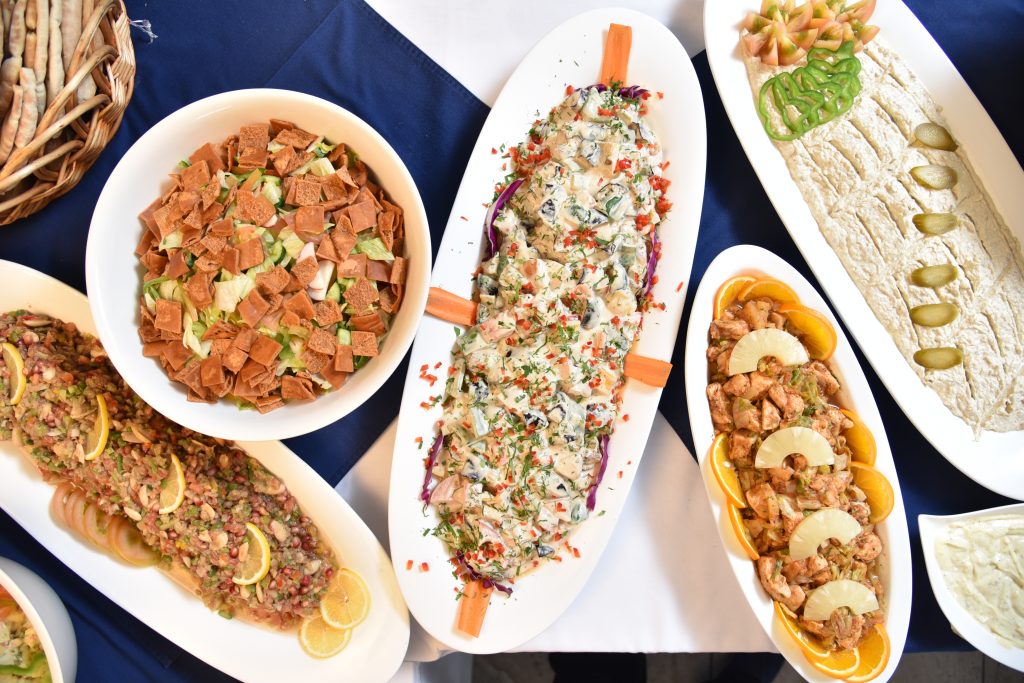
Offering variety without compromising quality makes live catering appealing to a diverse audience.
5. Visual and Social Appeal
-
Live stations serve as focal points in the dining area, creating visual interest and encouraging social interaction.
-
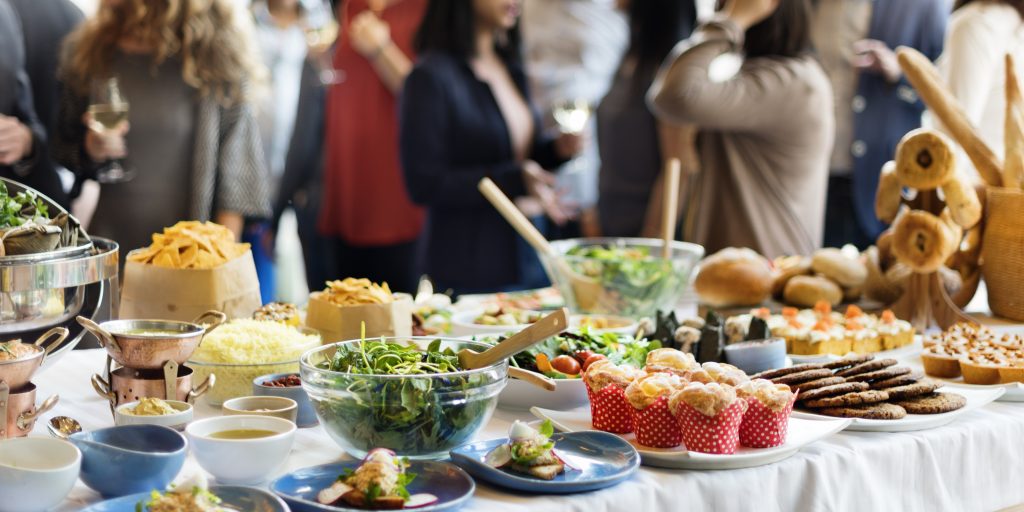
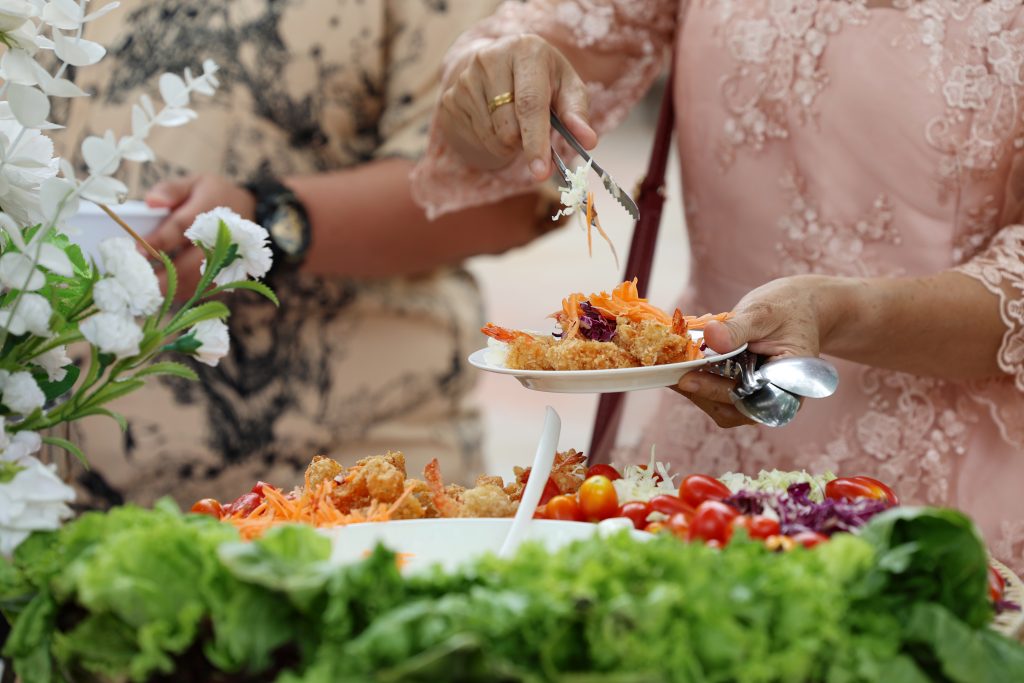
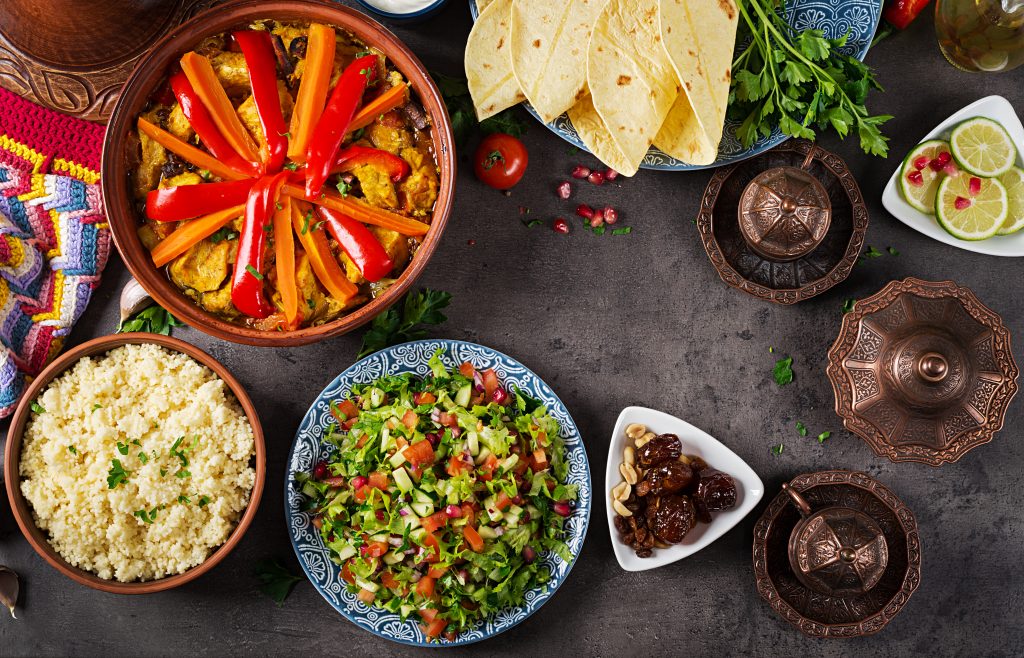
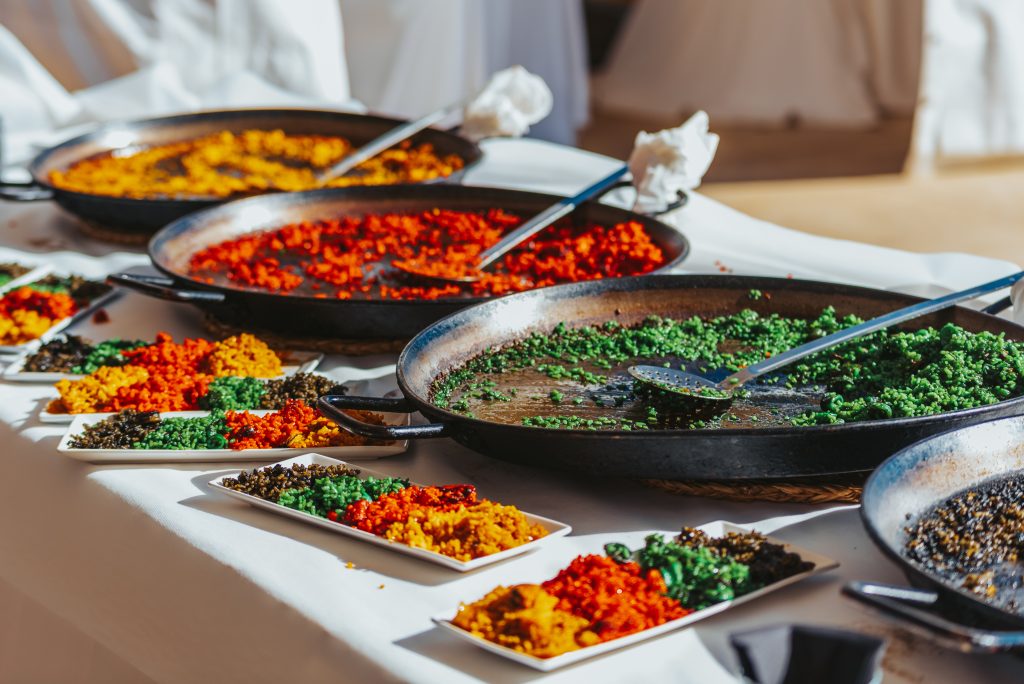
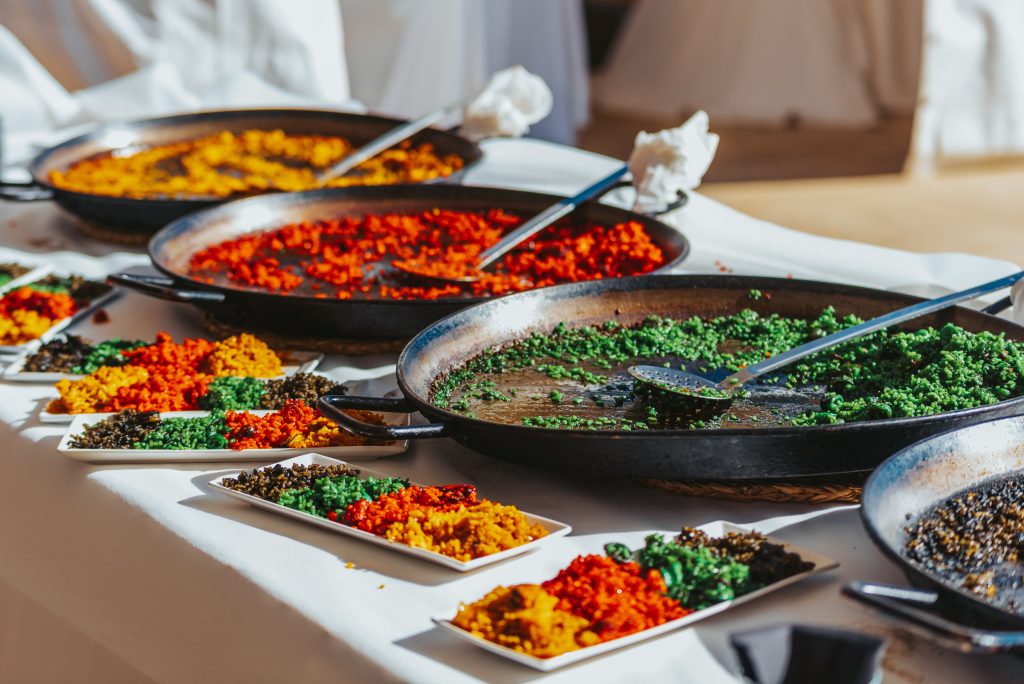
Colorful ingredients, active cooking, and garnishes contribute to an aesthetically pleasing and dynamic atmosphere.
-
Guests often gather around stations, taking photos and sharing the experience on social media.
The visual and social aspects make live catering both entertaining and memorable.
Challenges of Live Catering
1. Higher Costs
-
Live cooking often requires more staff, equipment, and space, which can increase the overall budget.
-
Ingredients need to be fresh and portioned carefully, adding to planning and procurement costs.
-
Properly trained chefs and servers are essential to maintain quality under live conditions.
Hosts need to balance cost with experience to ensure value for money.
2. Logistical Complexity
-
Setting up live stations requires space, power, ventilation, and safety measures.
-
Timing is crucial—guests may arrive at different intervals, requiring constant food preparation and replenishment.
-
Coordinating multiple stations, especially with complex ethnic dishes, can be challenging for both caterers and event organizers.
Planning and coordination are key to avoiding delays or service issues.
3. Risk Management
-
Cooking in front of guests introduces safety hazards, including hot surfaces, flames, and sharp tools.
-
Hygiene standards must be strictly maintained to prevent contamination or accidents.
-
Backup plans are necessary in case of equipment failure or unexpected delays.
Safety protocols ensure a smooth and risk-free experience.
4. Weather and Venue Limitations
-
Outdoor events may face challenges with wind, rain, or temperature, affecting live cooking efficiency.
-
Some venues may have restrictions on open flames or certain cooking equipment.
-
Planning for these constraints is critical to avoid disruptions.
Selecting the right venue and setup ensures a seamless live catering experience.
5. Guest Flow Management
-
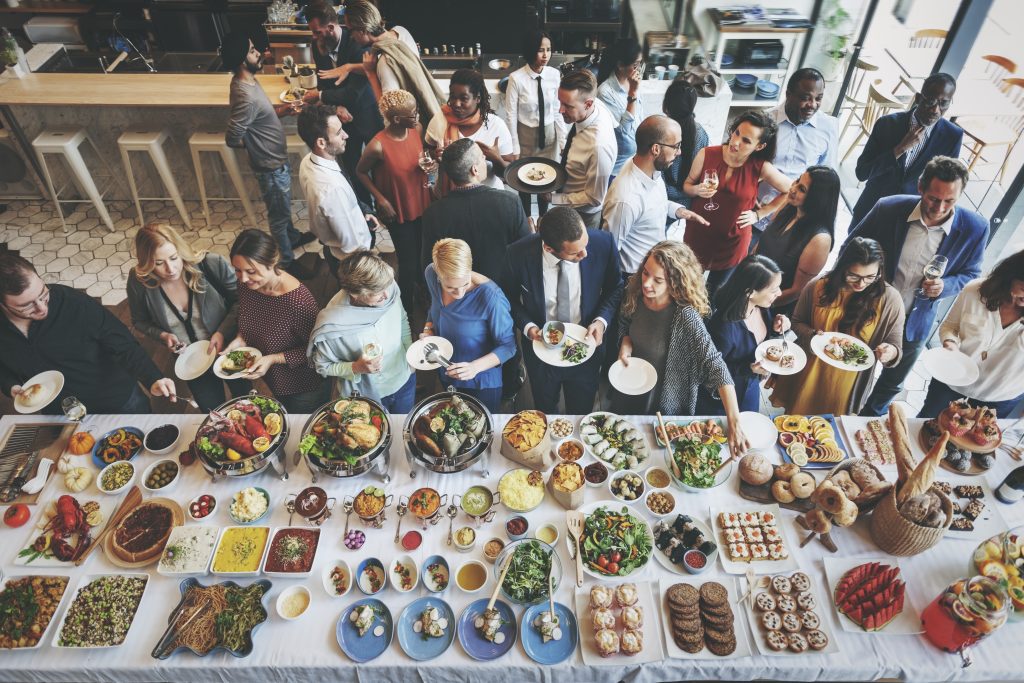
Popular stations can become crowded, creating long lines and wait times.
-
Efficient placement and staffing are necessary to maintain smooth traffic and reduce congestion.
-
Proper signage and multiple stations can distribute guests evenly.
Guest flow management keeps the event organized and enjoyable.
Conclusion
Live catering offers a unique, interactive, and memorable dining experience that elevates any event. Guests enjoy fresh, flavorful food, entertainment, and cultural immersion, while chefs can showcase their expertise. However, live catering comes with challenges, including higher costs, logistical complexity, safety concerns, and venue limitations.
By collaborating with an experienced caterer, planning logistics carefully, and balancing cost with engagement, hosts can maximize the benefits and minimize the challenges. When executed correctly, live catering adds charm, excitement, and sophistication, making your event unforgettable for all attendees.