
 English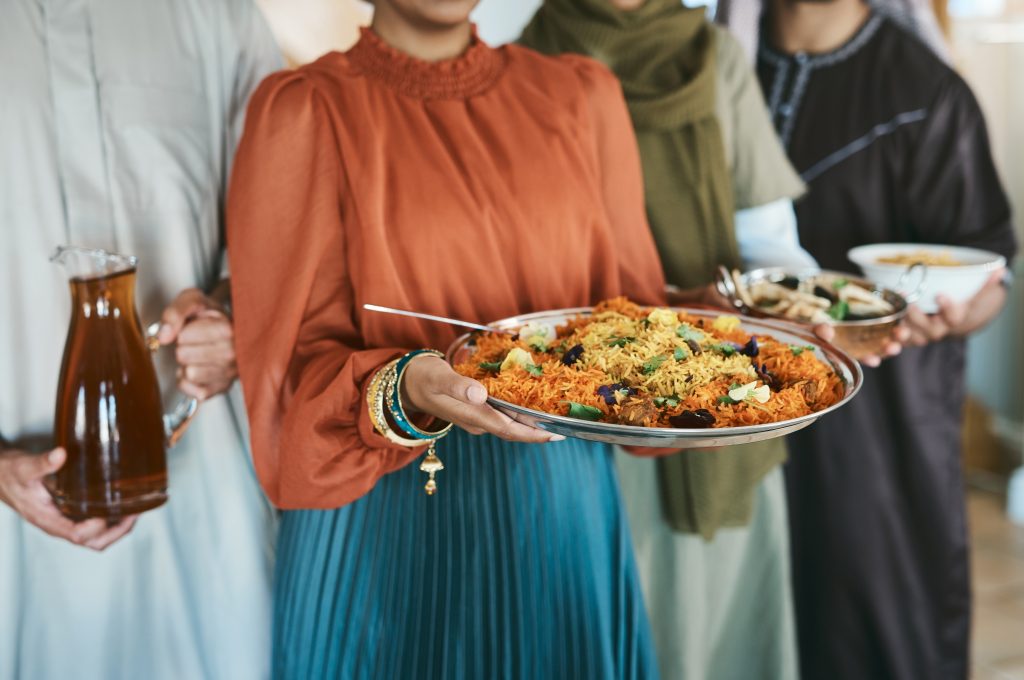














Differences Between Modern and Traditional Catering Styles

Catering is more than just serving food—it’s about creating experiences that reflect culture, style, and the event’s purpose. Over time, catering has evolved into two main approaches: traditional and modern. Each has its unique features, benefits, and challenges, and understanding these differences helps hosts choose the right style for their event.
1. Philosophy and Approach
-
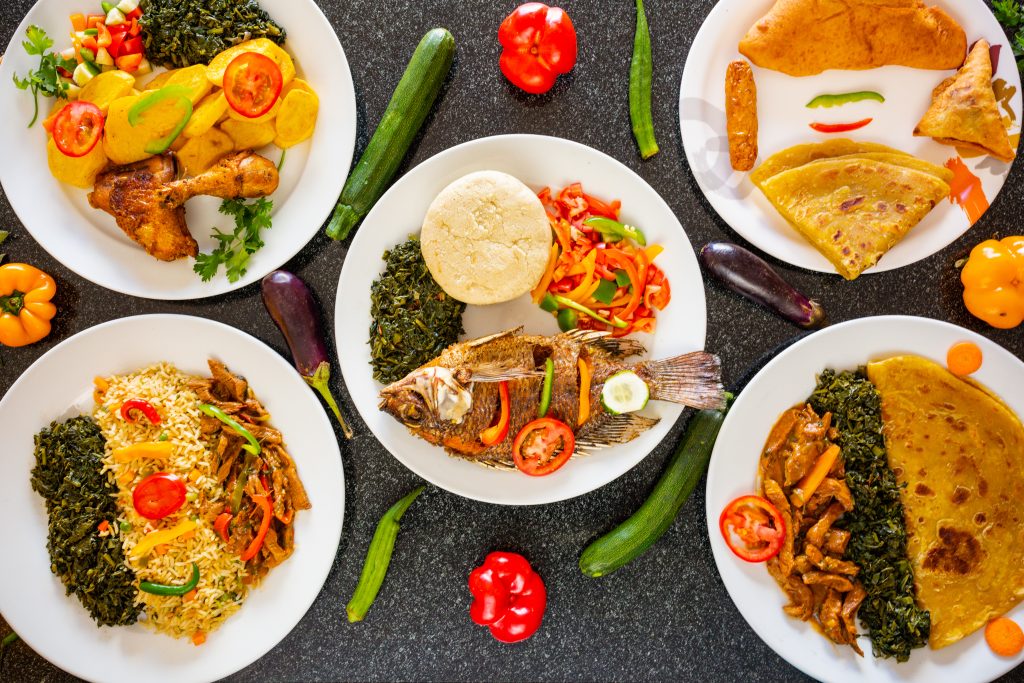
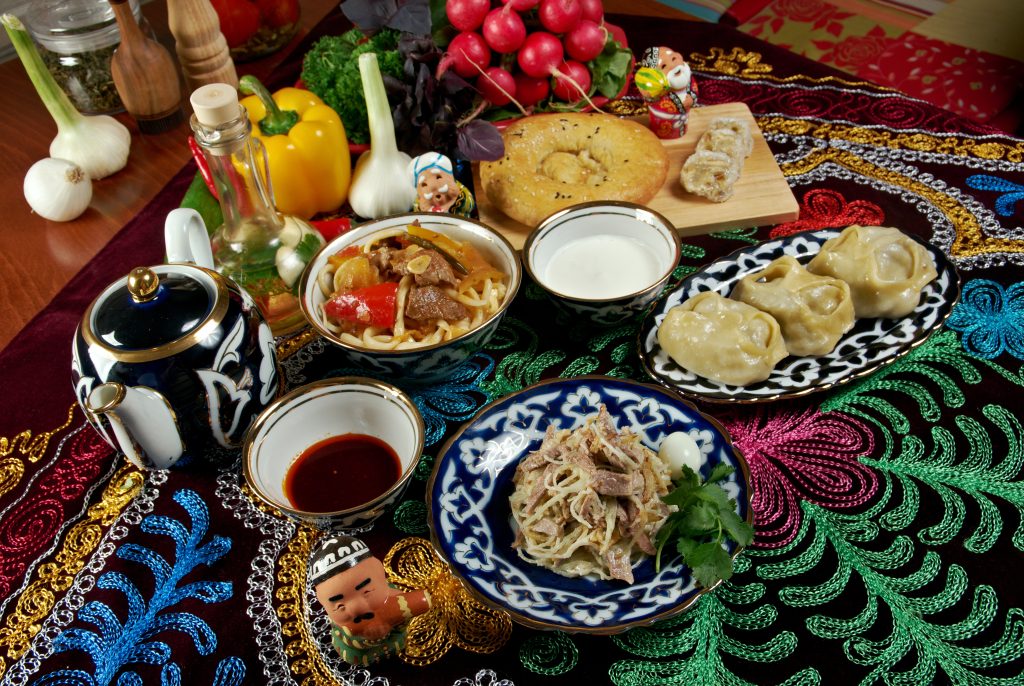
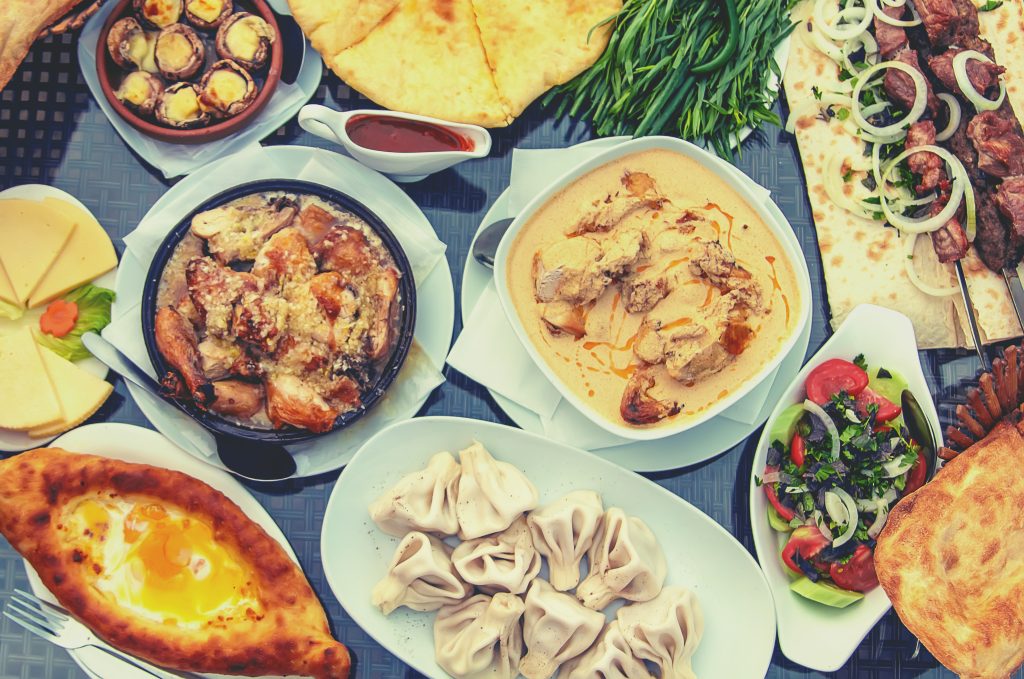
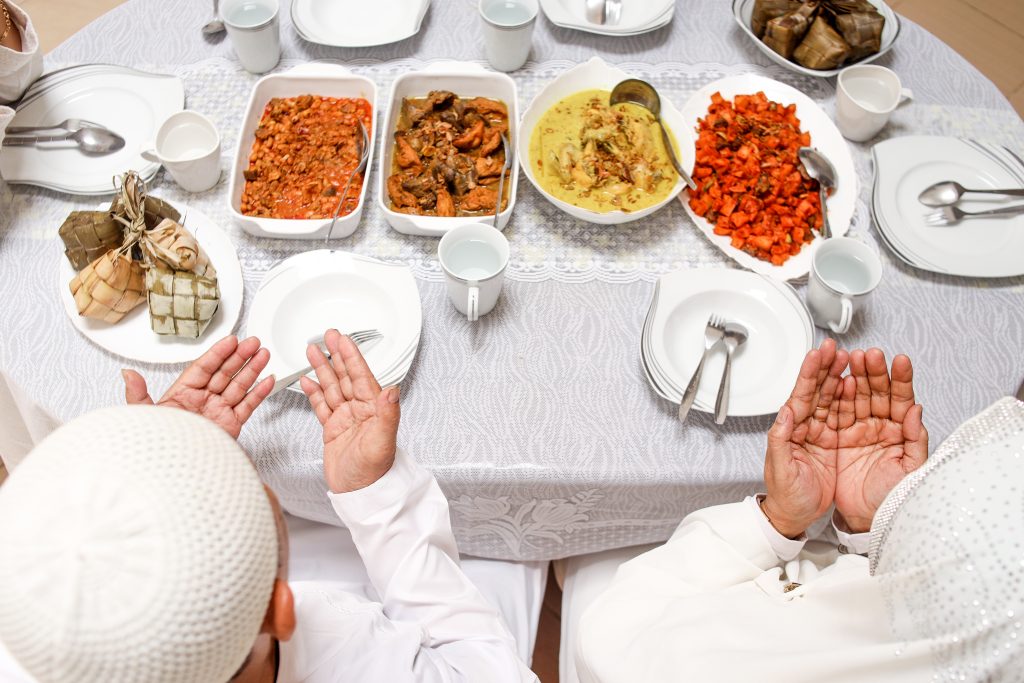
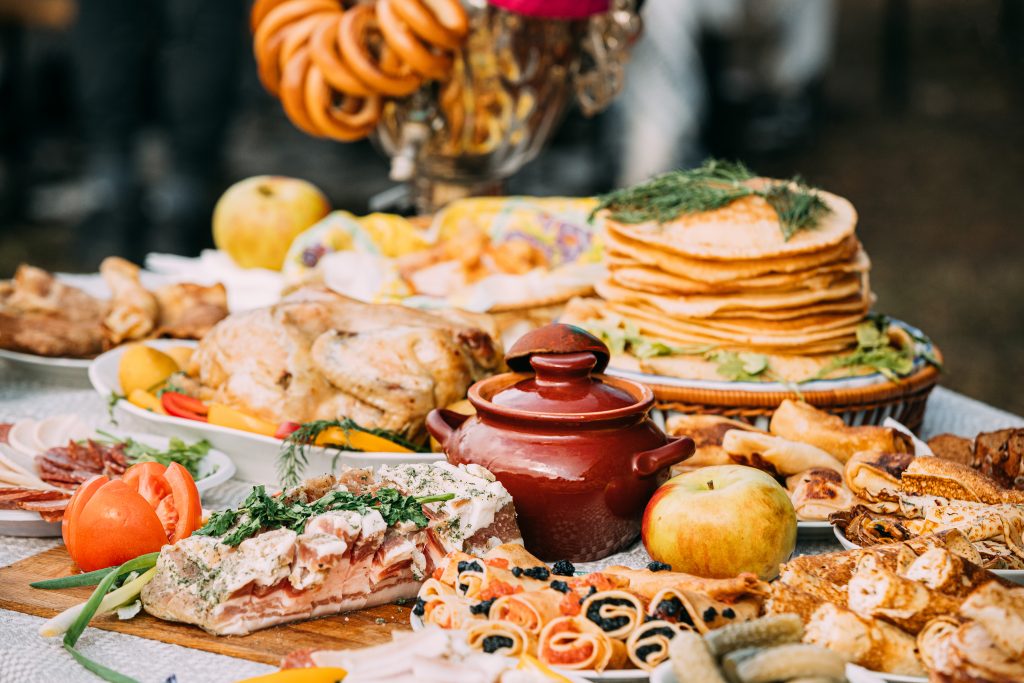
Traditional Catering: Focuses on authenticity, heritage, and cultural presentation. Recipes, serving styles, and menus are often passed down generations. It emphasizes communal dining, rich flavors, and classic techniques.
-
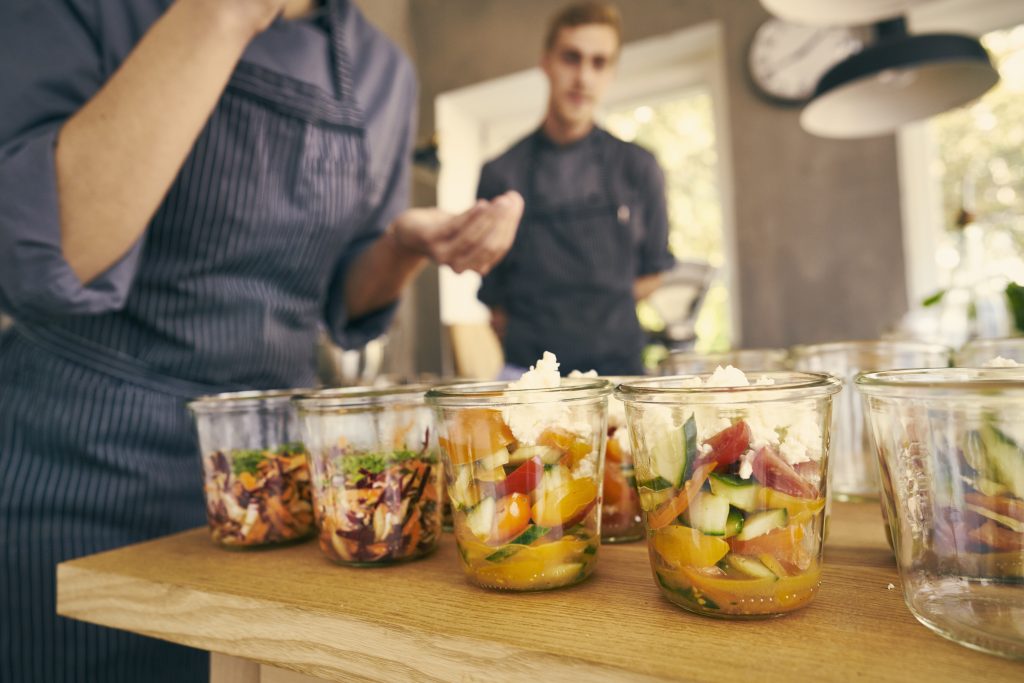
Modern Catering: Centers on innovation, convenience, and aesthetics. It often features fusion dishes, creative plating, and interactive elements designed to impress and engage guests visually as well as gastronomically.
The choice depends on whether the goal is nostalgia and tradition or innovation and contemporary flair.
2. Menu and Ingredients
-
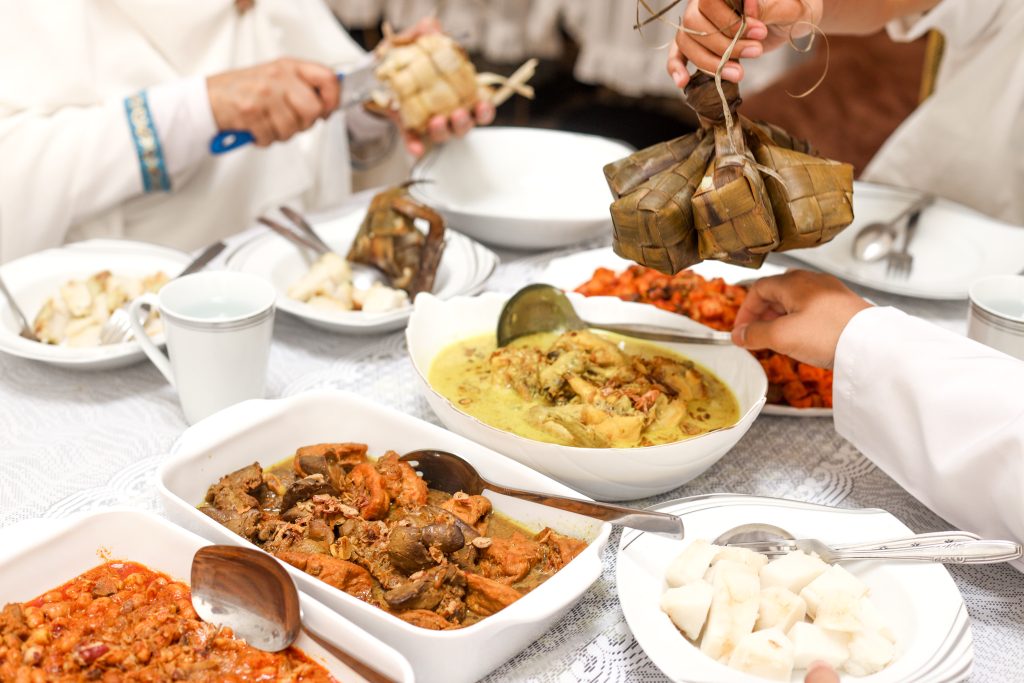
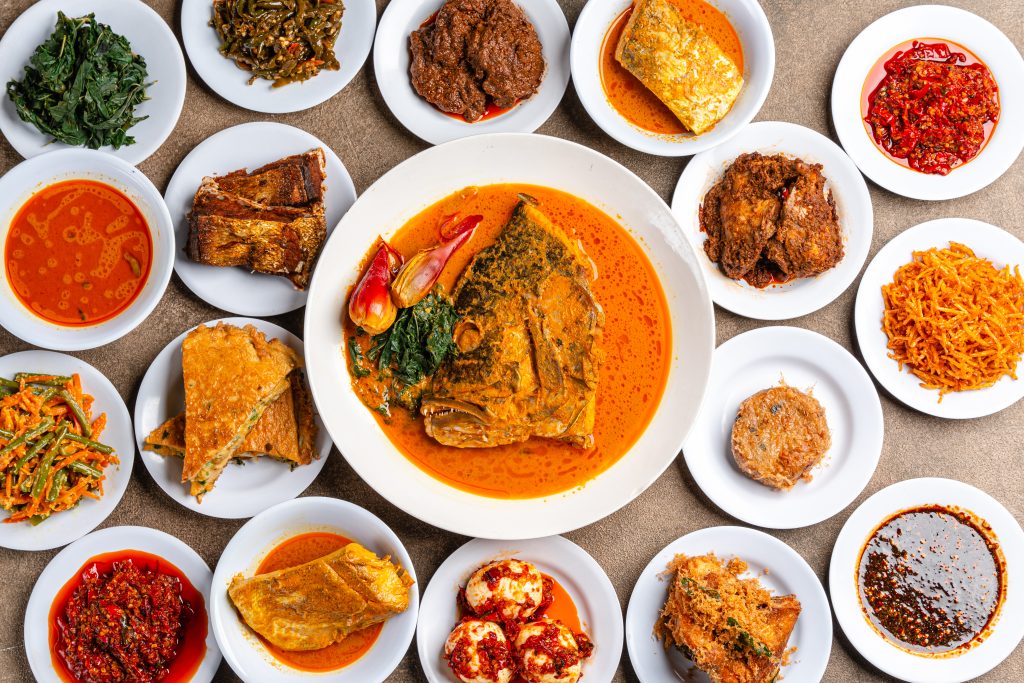
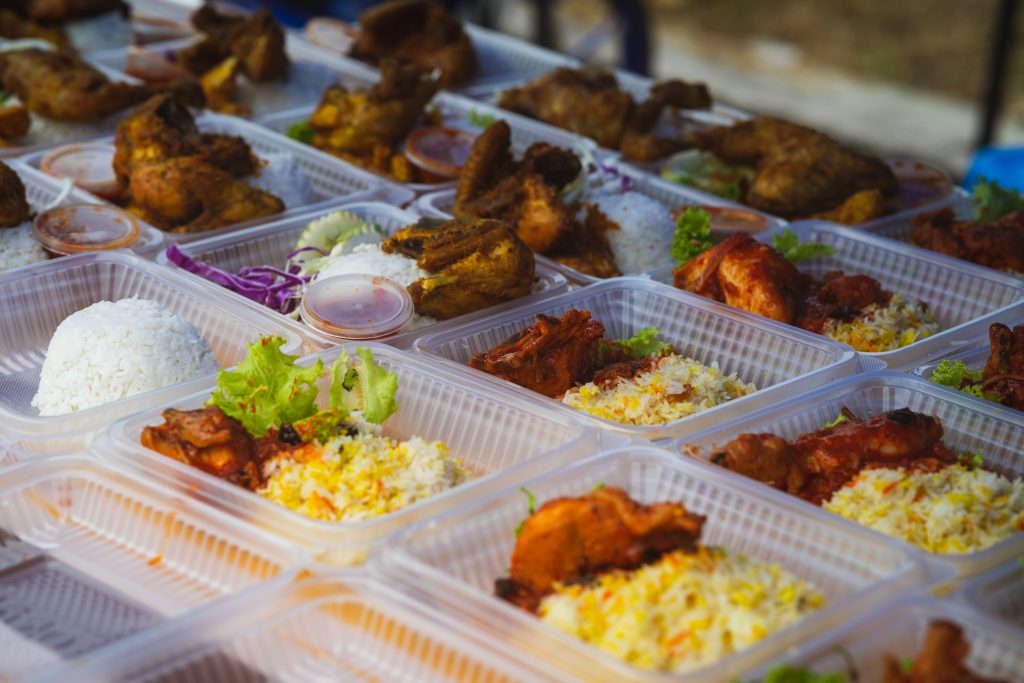
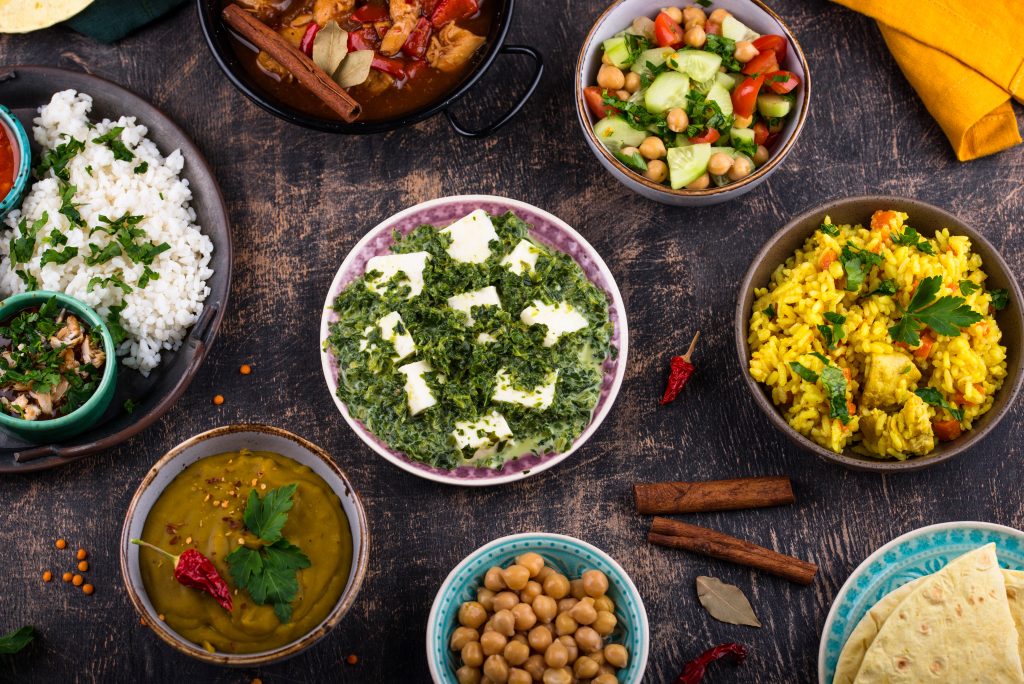
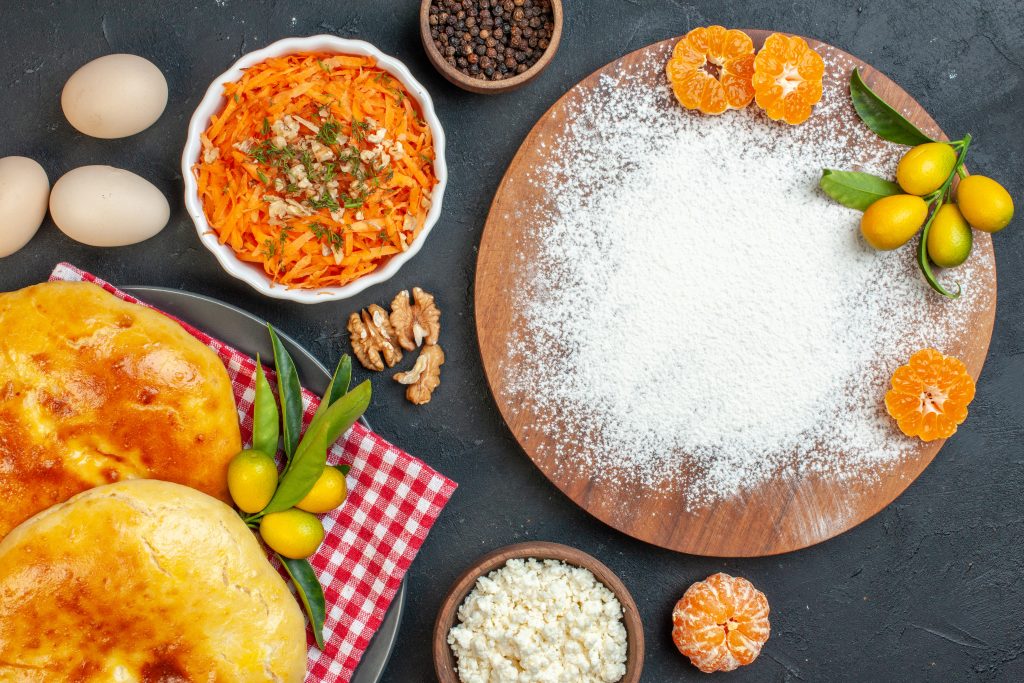
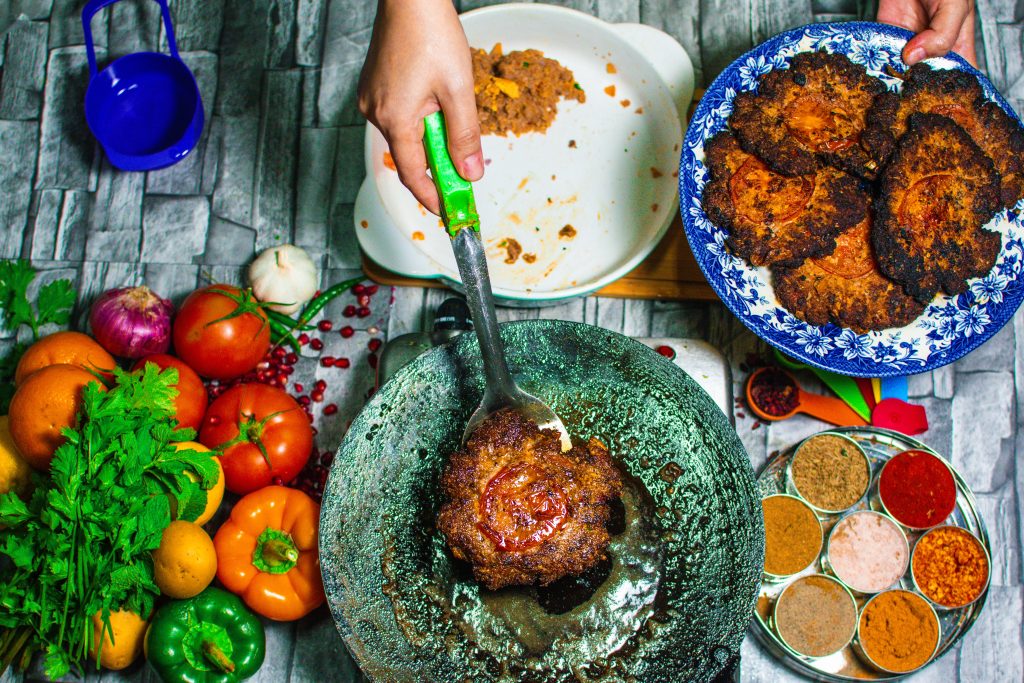
Traditional Catering: Uses classic recipes, familiar flavors, and traditional ingredients. Dishes are often hearty, rich, and culturally significant. For example, South Asian weddings may feature biryanis, curries, and breads prepared authentically.
-
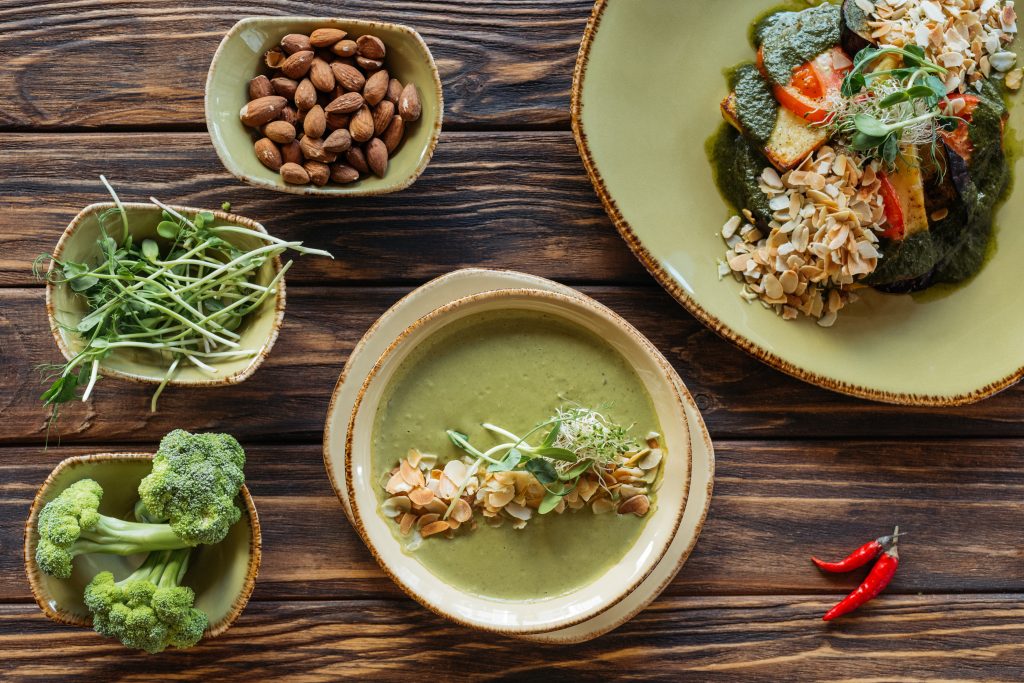
Modern Catering: Features fusion menus, health-conscious ingredients, and experimental flavor combinations. Modern caterers may reinterpret classic dishes with lighter sauces, vegan alternatives, or global twists.
Modern catering prioritizes creativity and dietary inclusivity, while traditional catering emphasizes cultural fidelity and authenticity.
3. Presentation and Plating
-
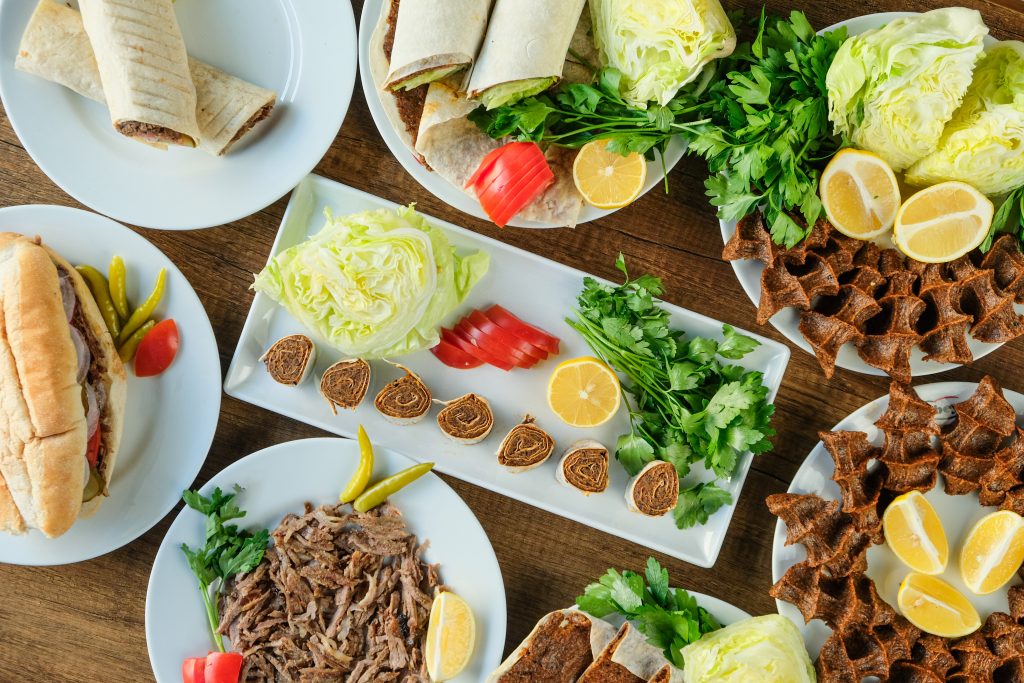
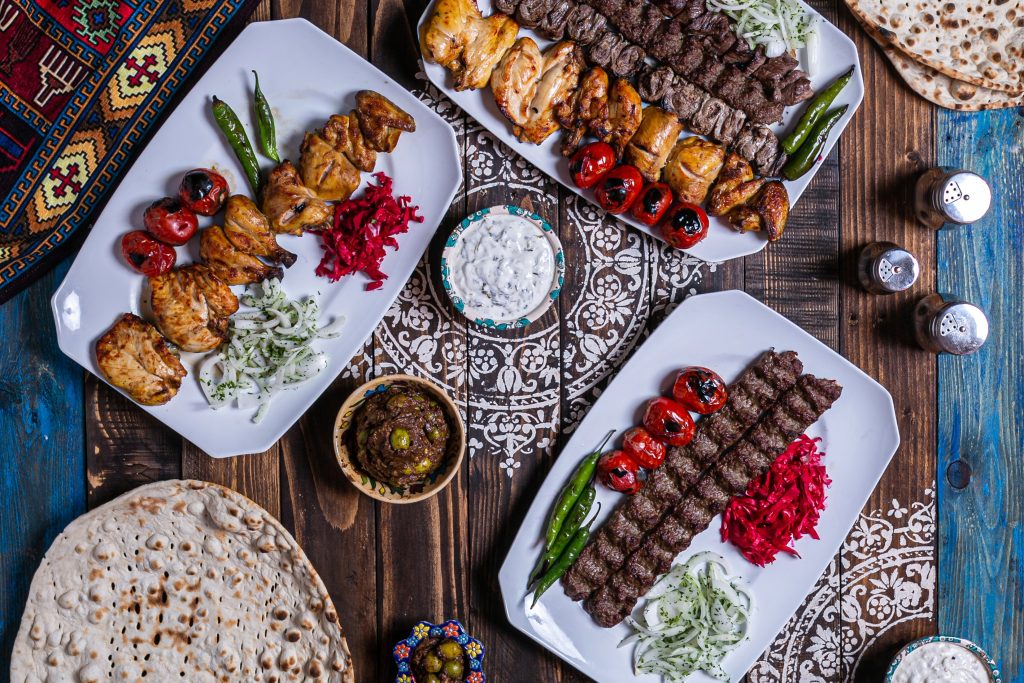
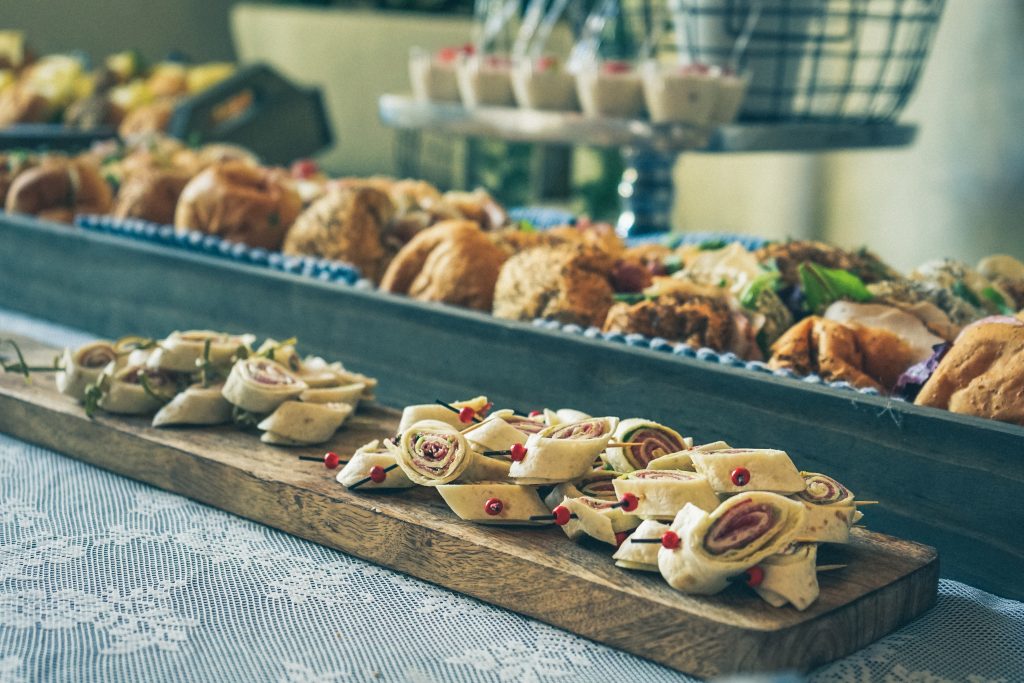
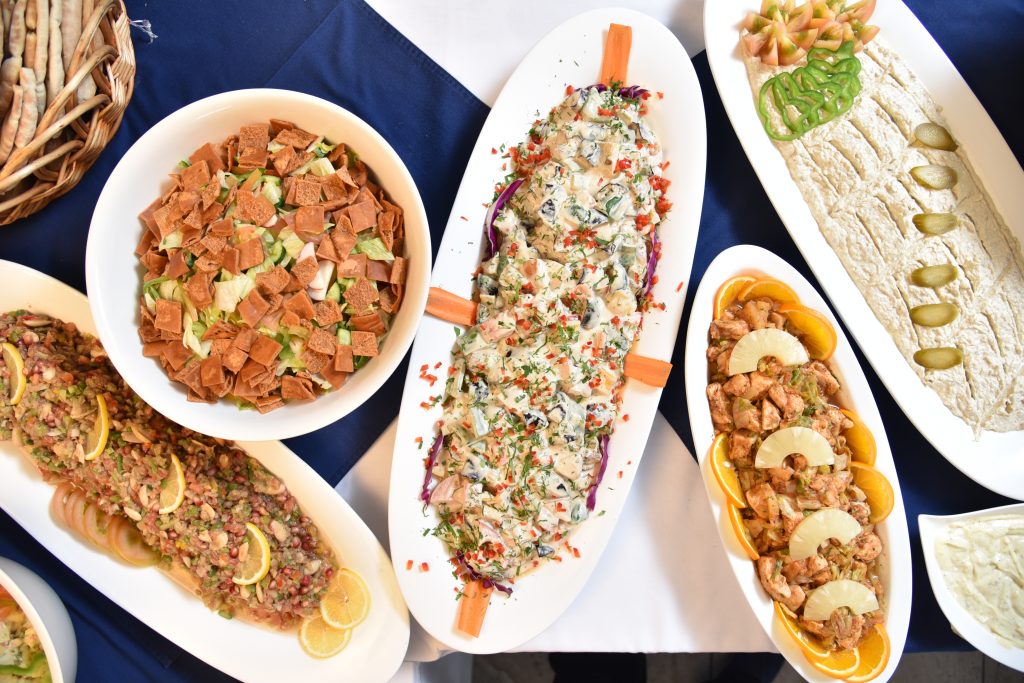
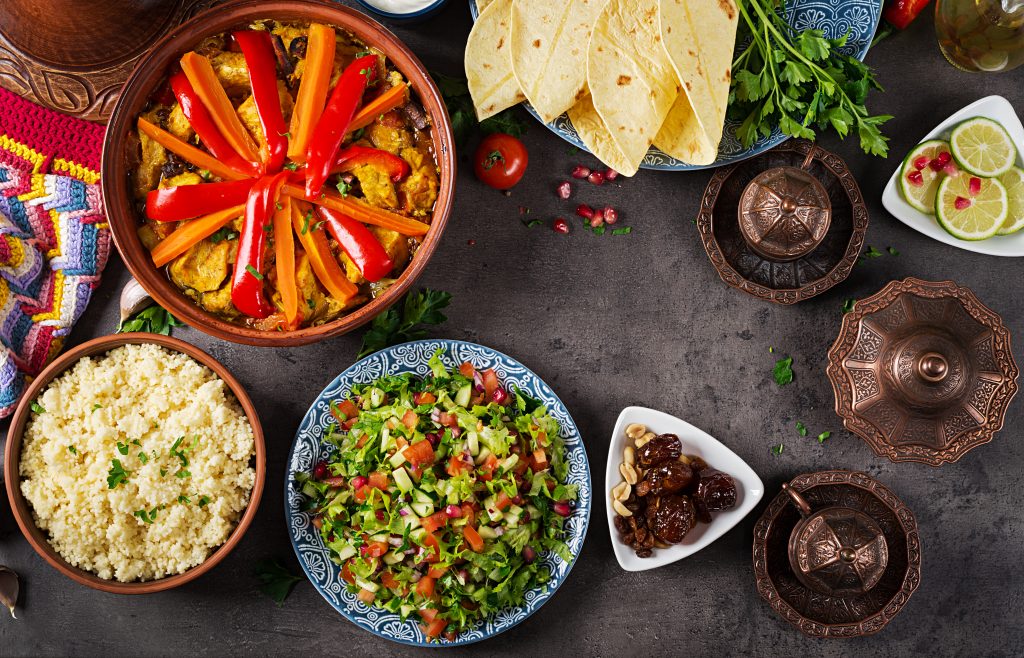
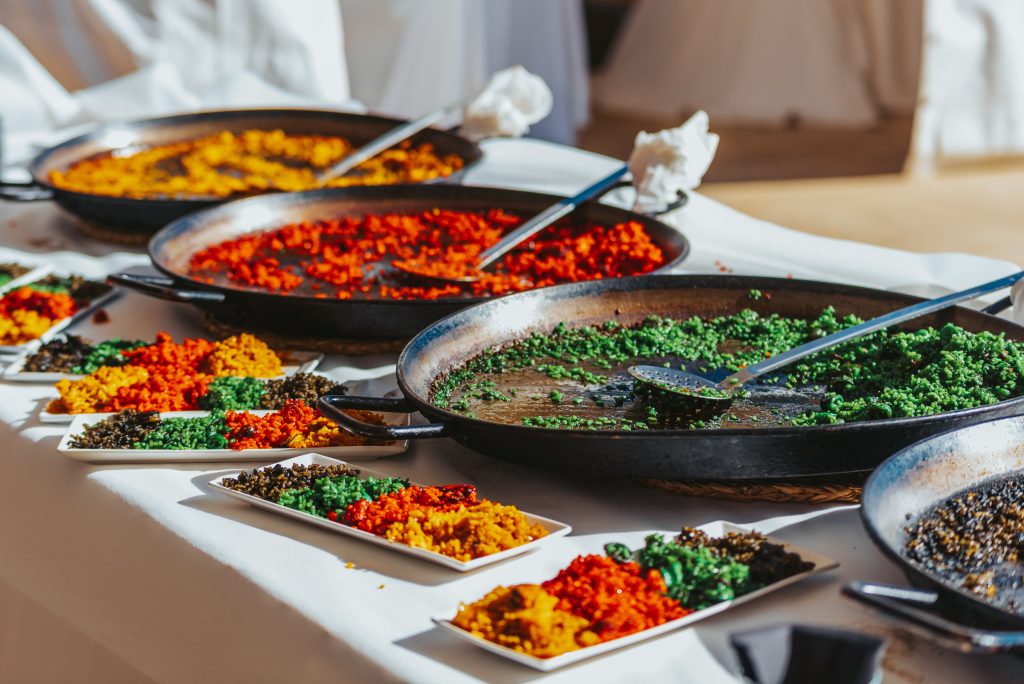
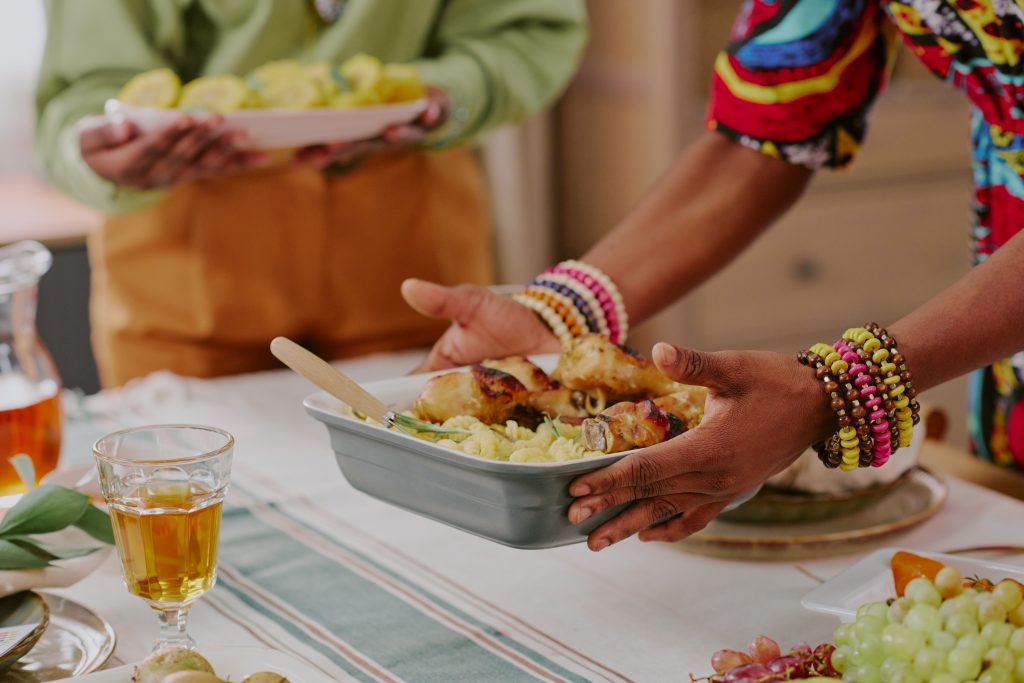
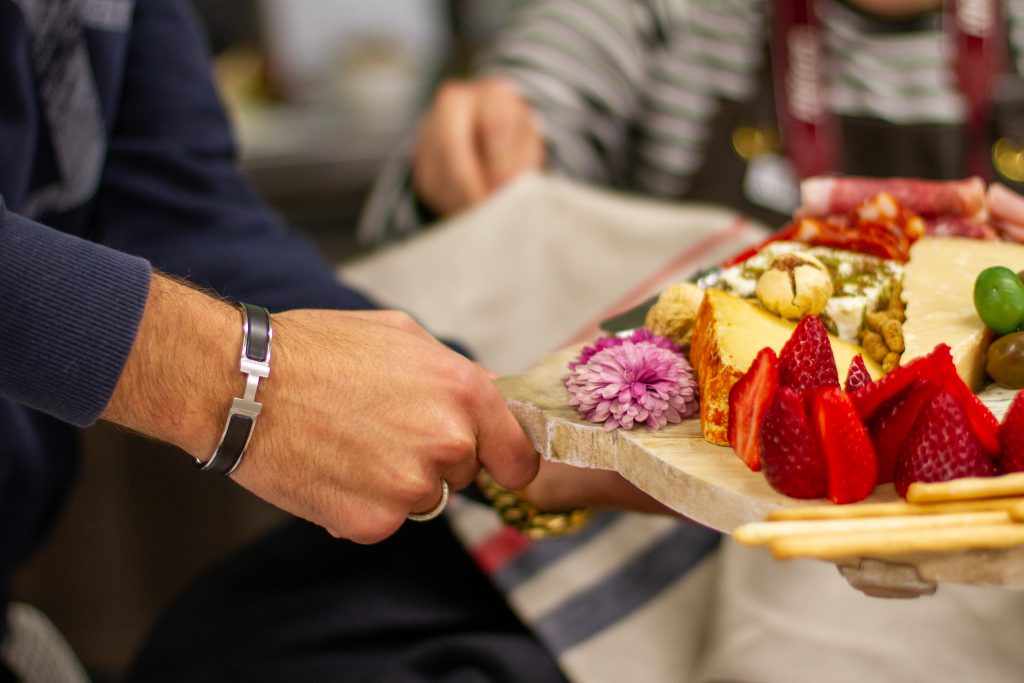
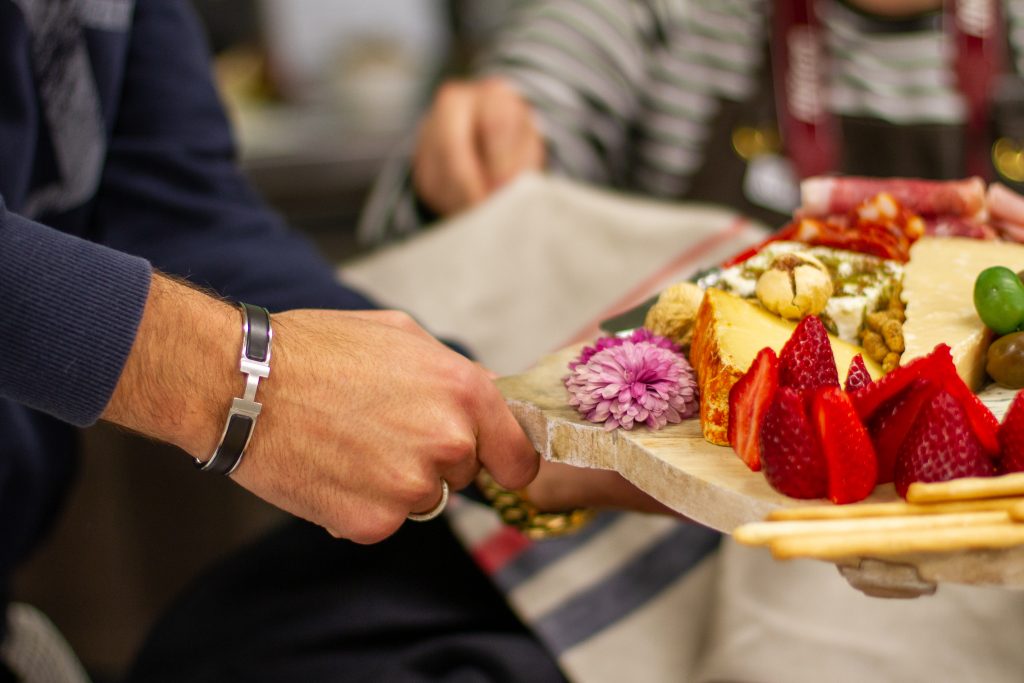
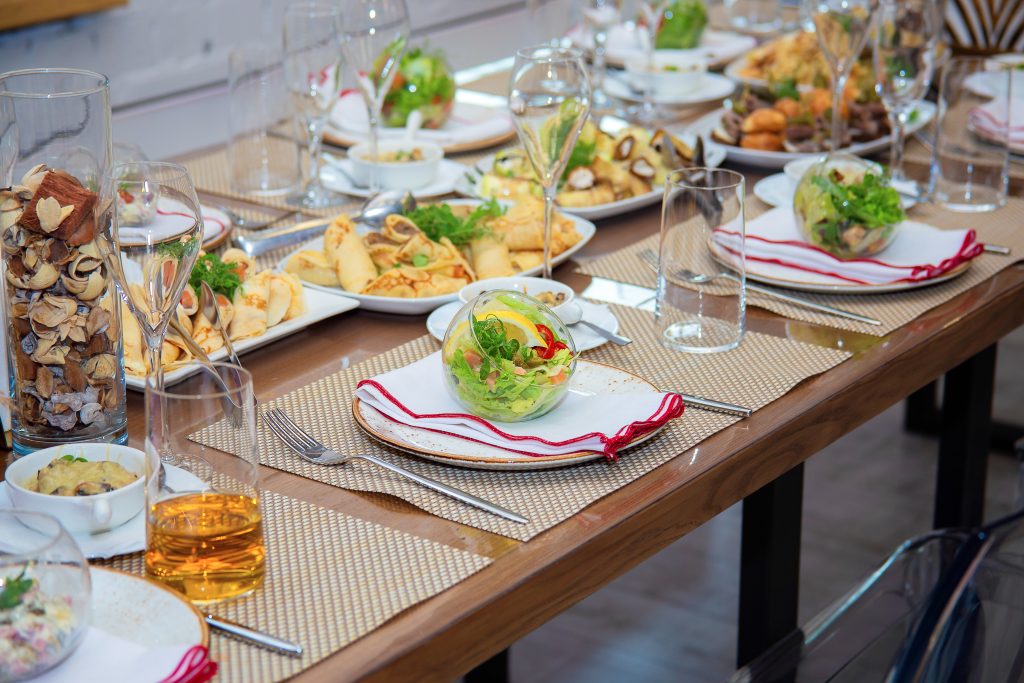
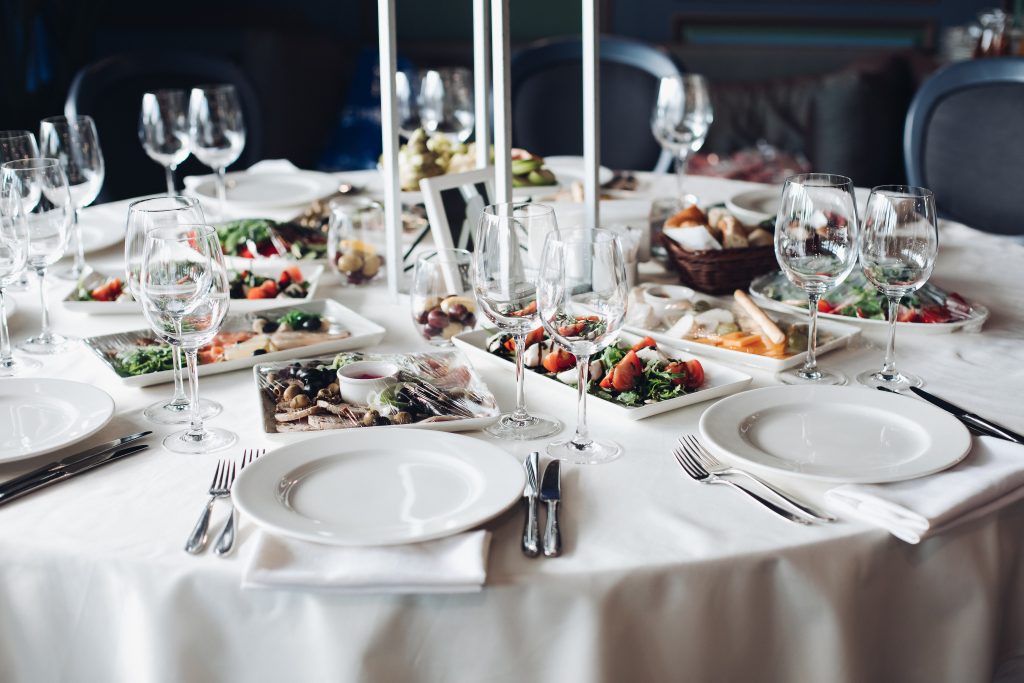
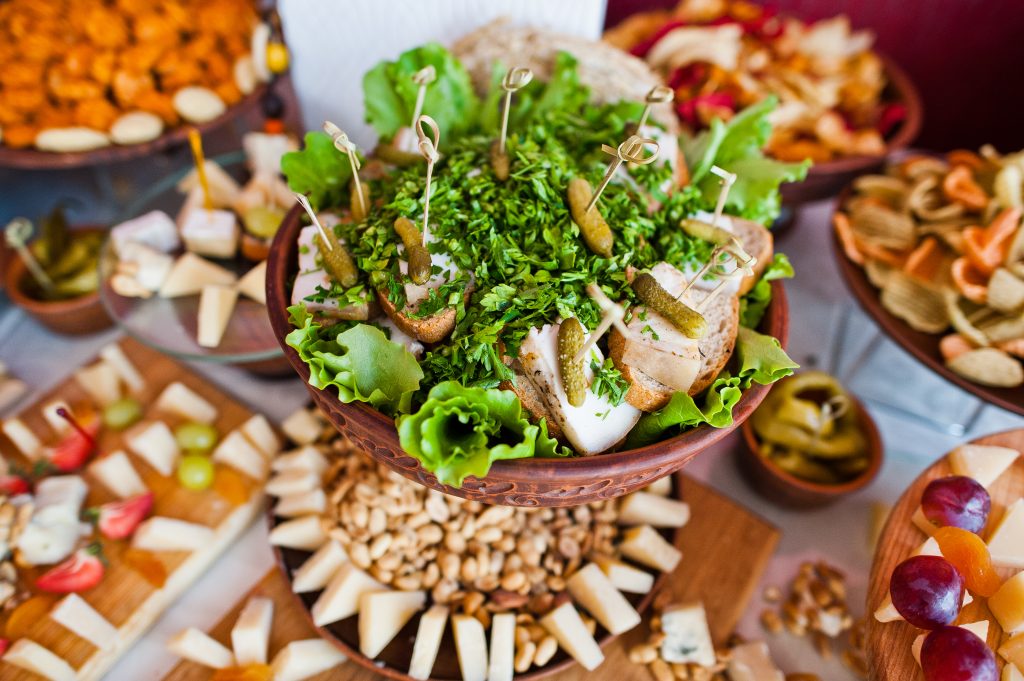
Traditional Catering: Often emphasizes family-style serving, platters, and rustic presentation. Visuals highlight the authenticity and abundance of the cuisine rather than intricate plating.
-
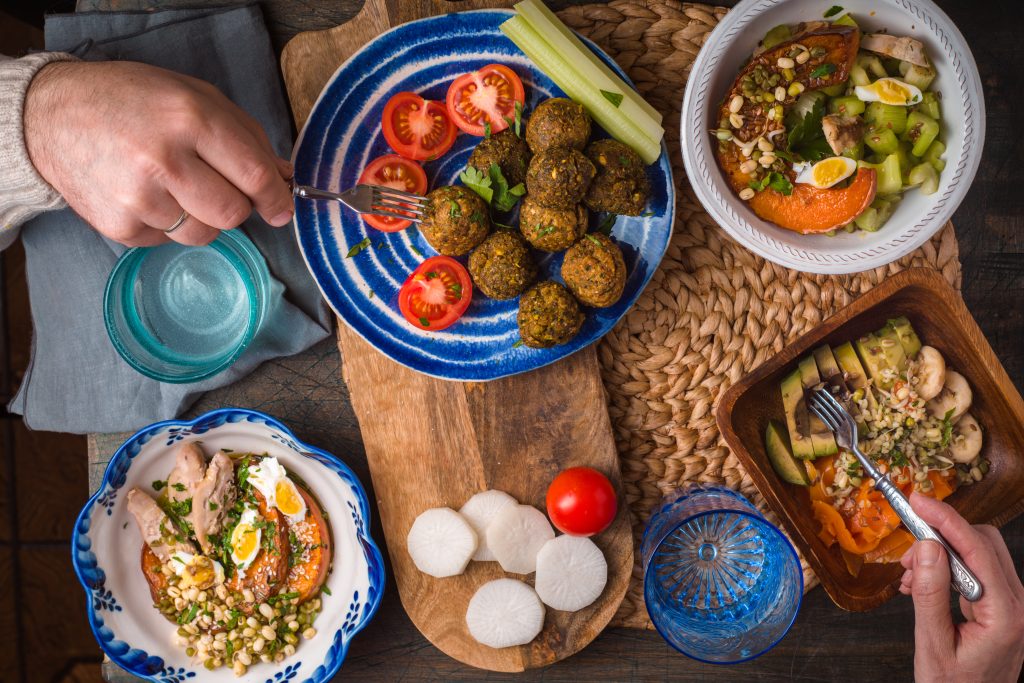
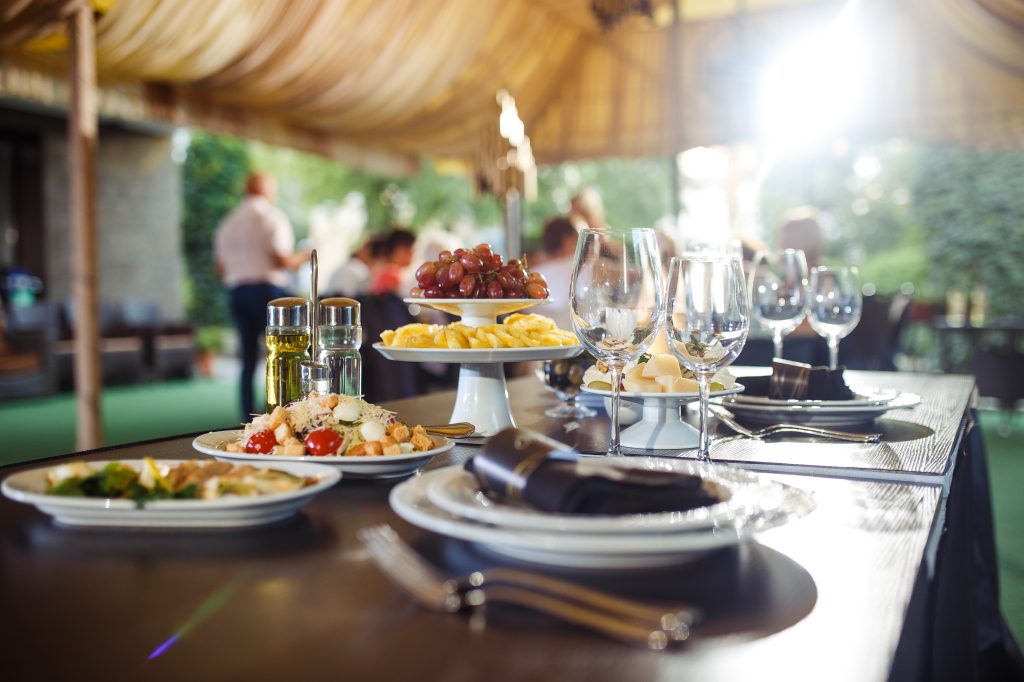
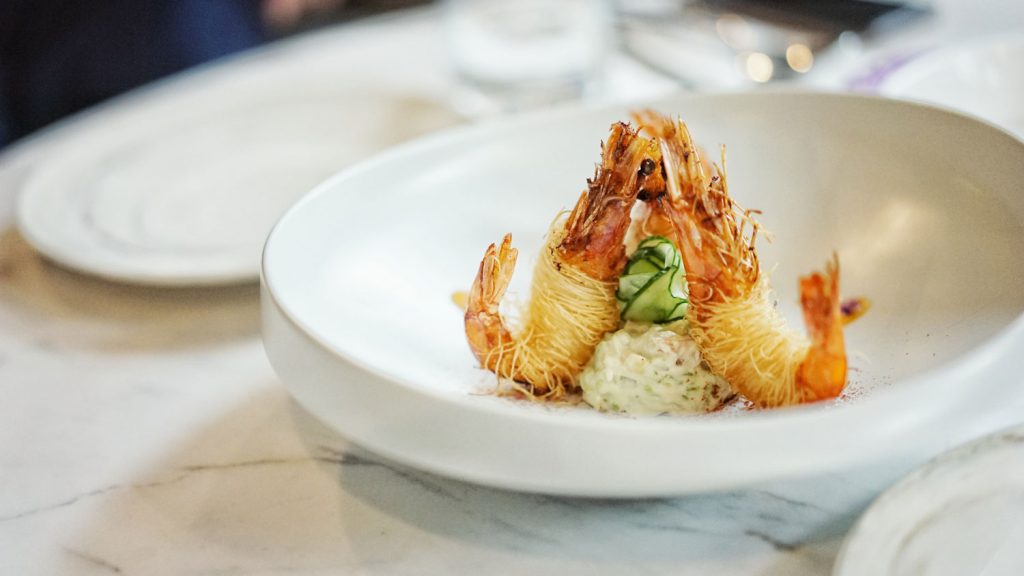
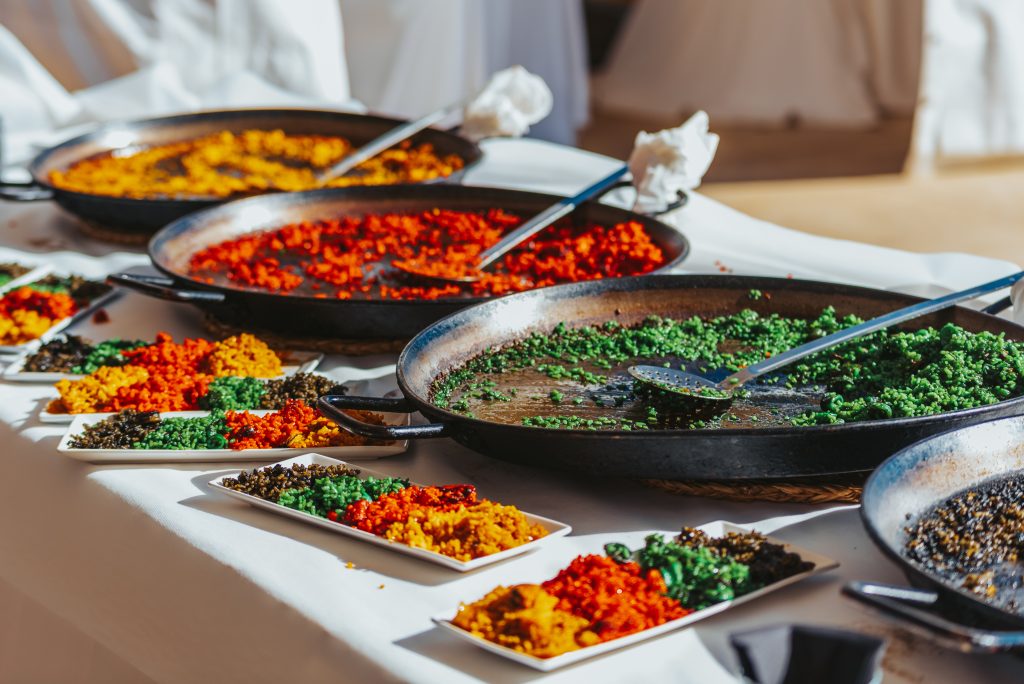
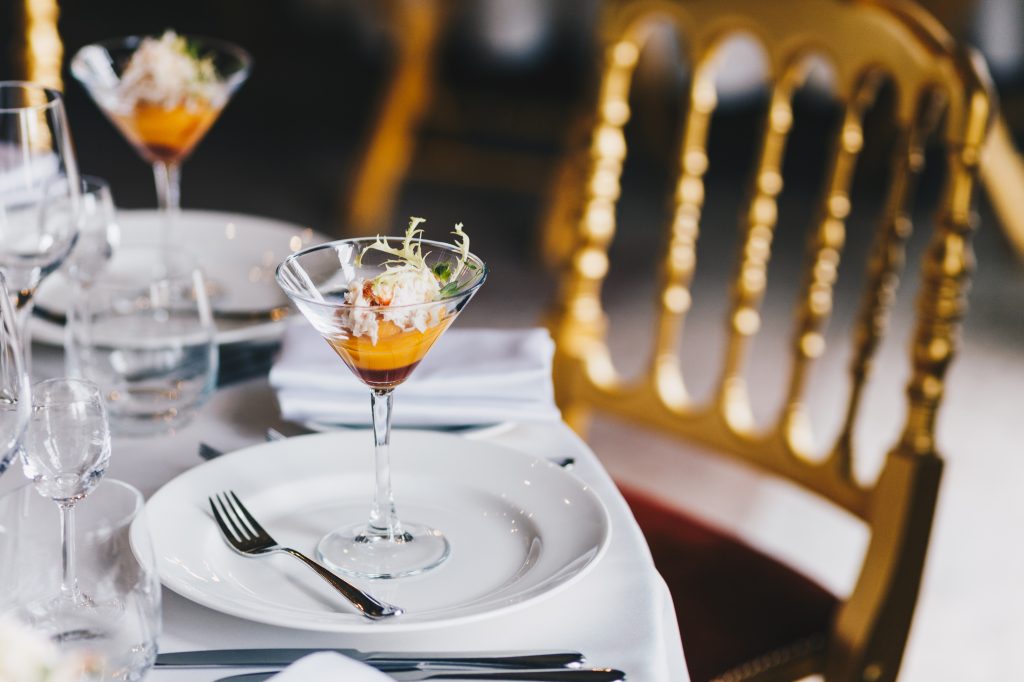
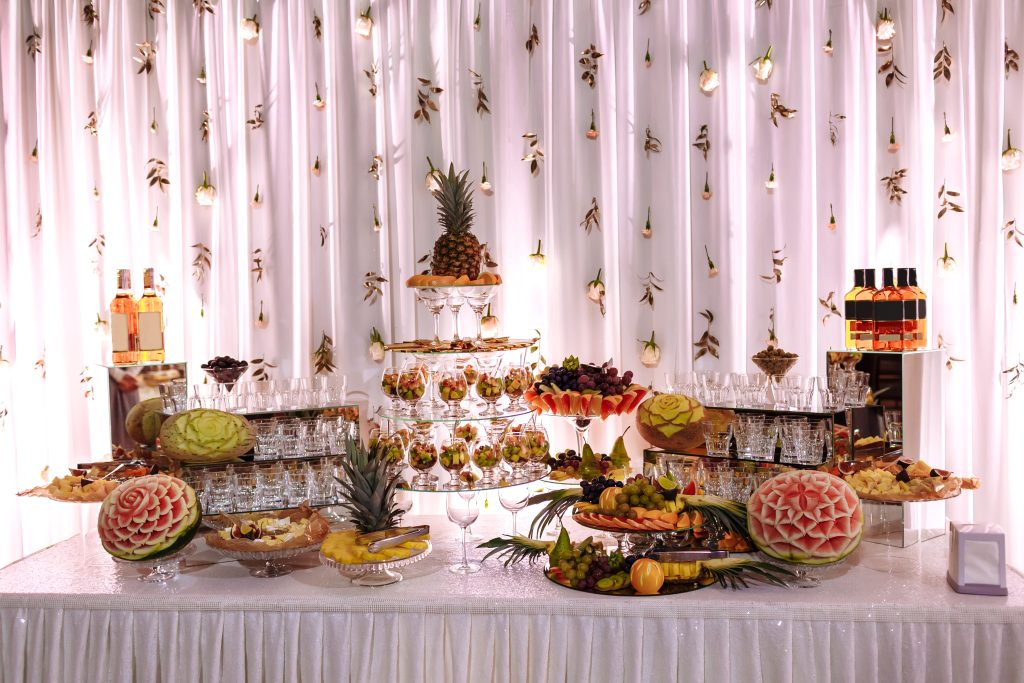
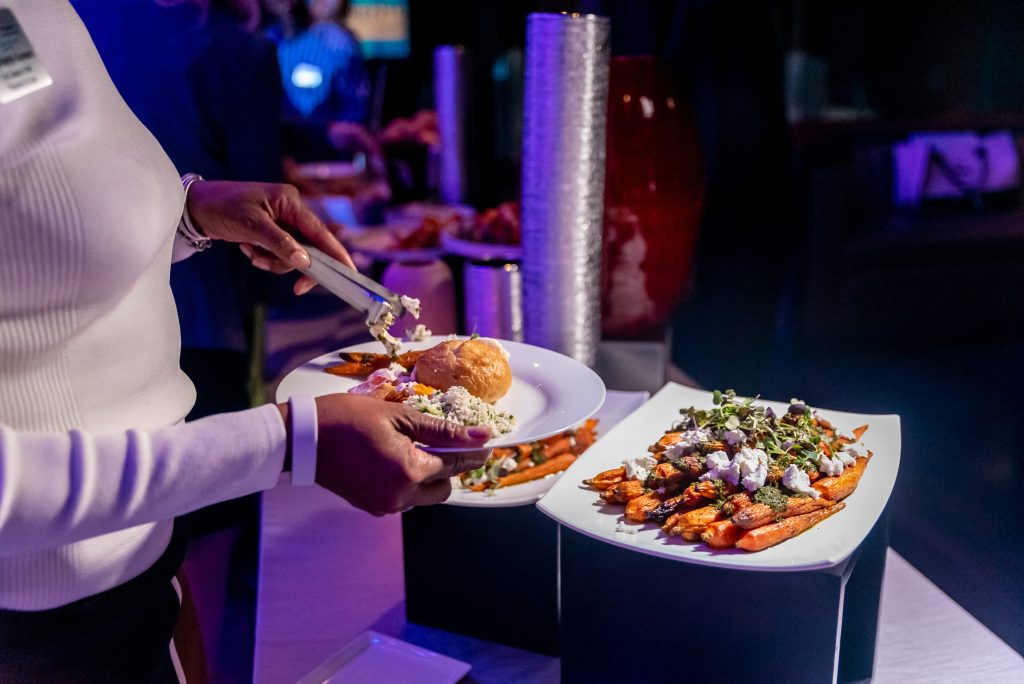
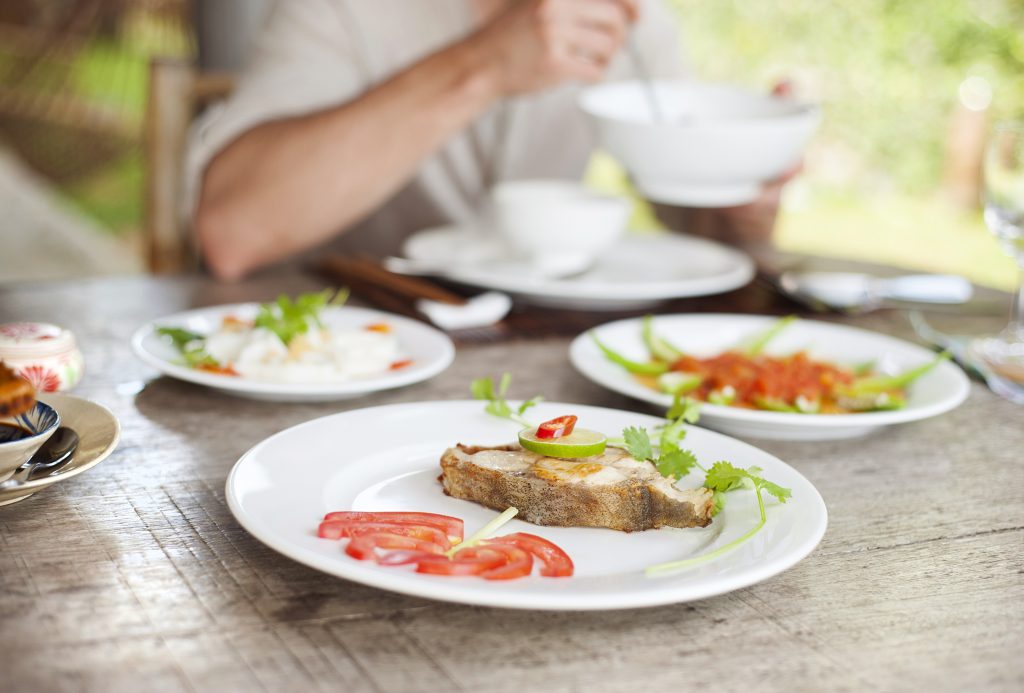
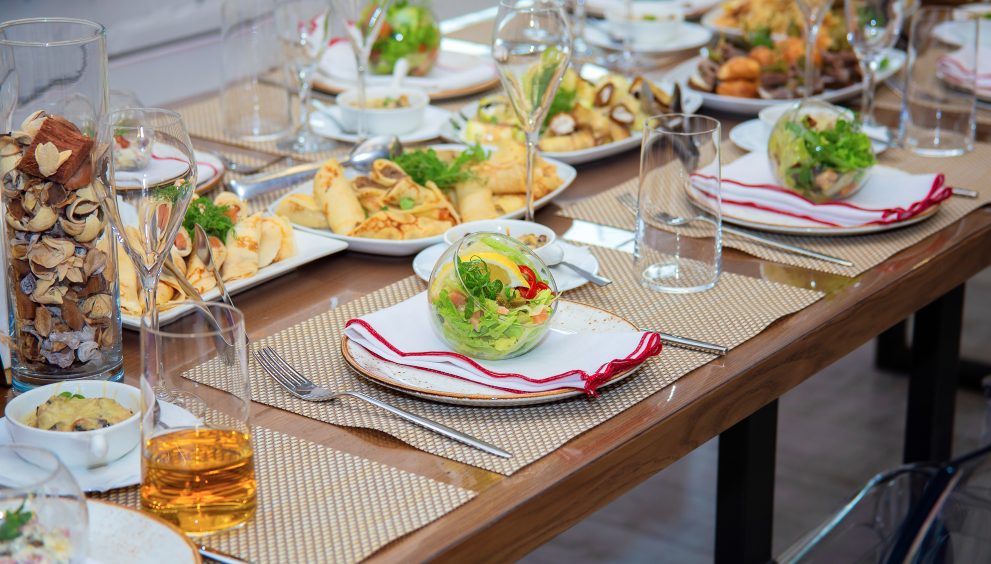
Modern Catering: Focuses on individual plating, minimalism, and artistic presentation. Fusion dishes may feature small, visually striking portions that look as good as they taste.
Presentation is where the contrast between heritage and innovation becomes most apparent.
4. Service Styles
-
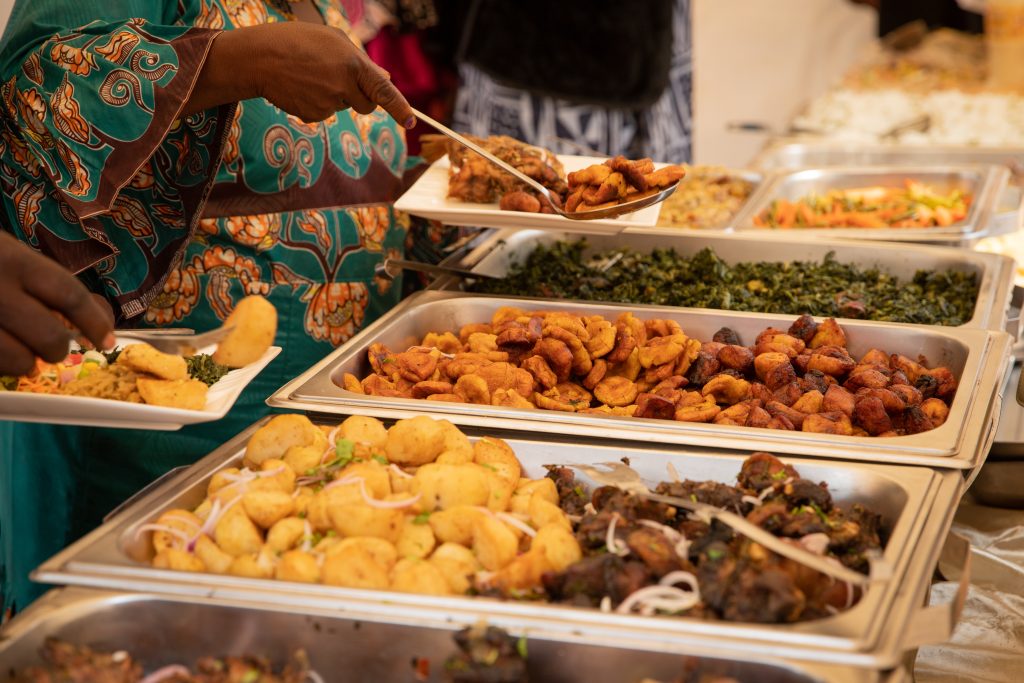
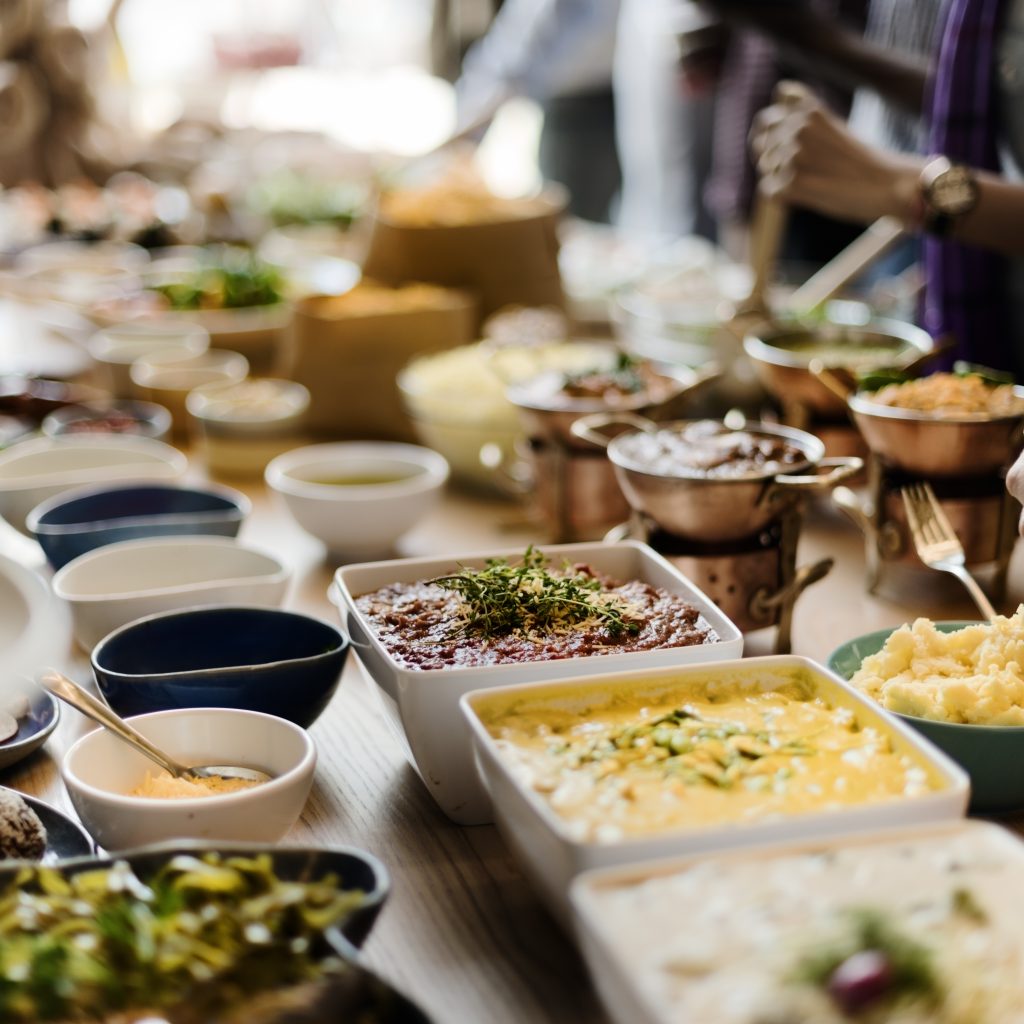
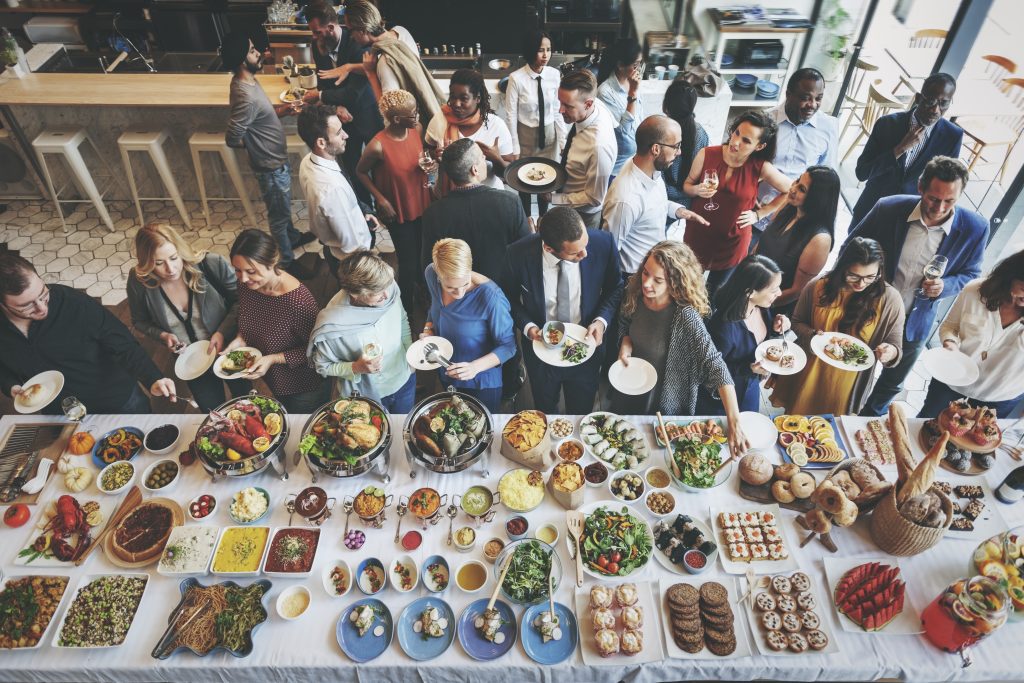
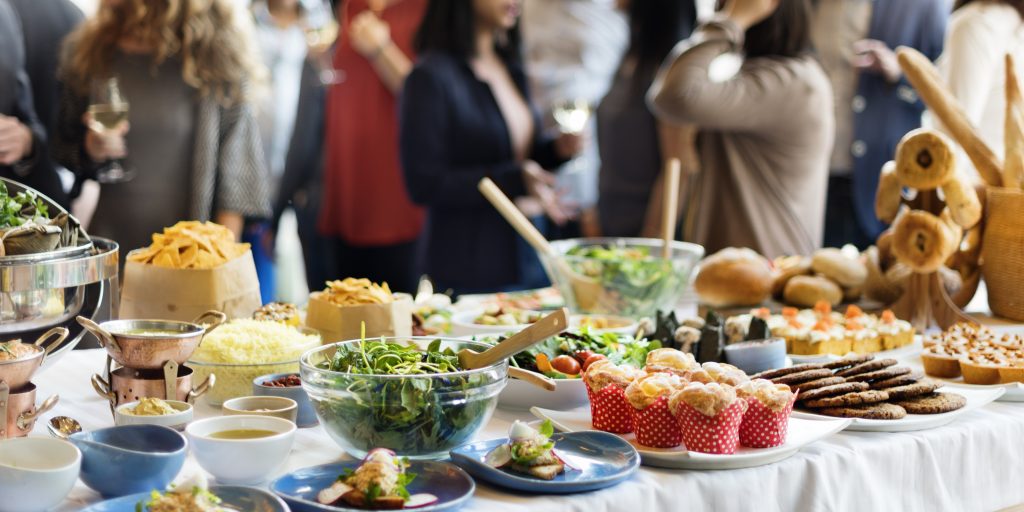
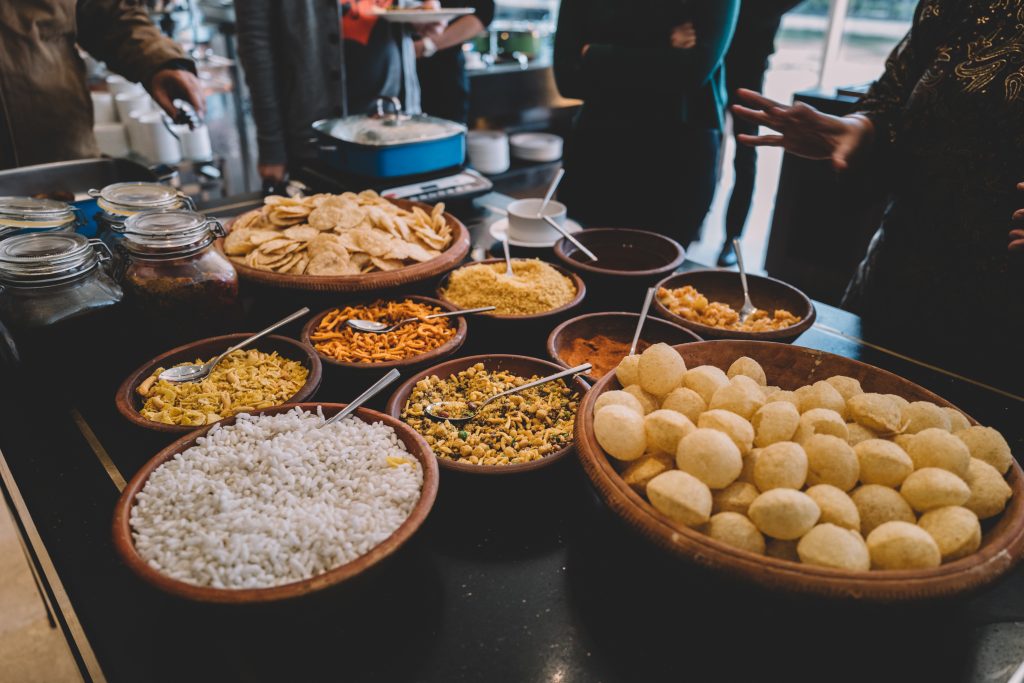
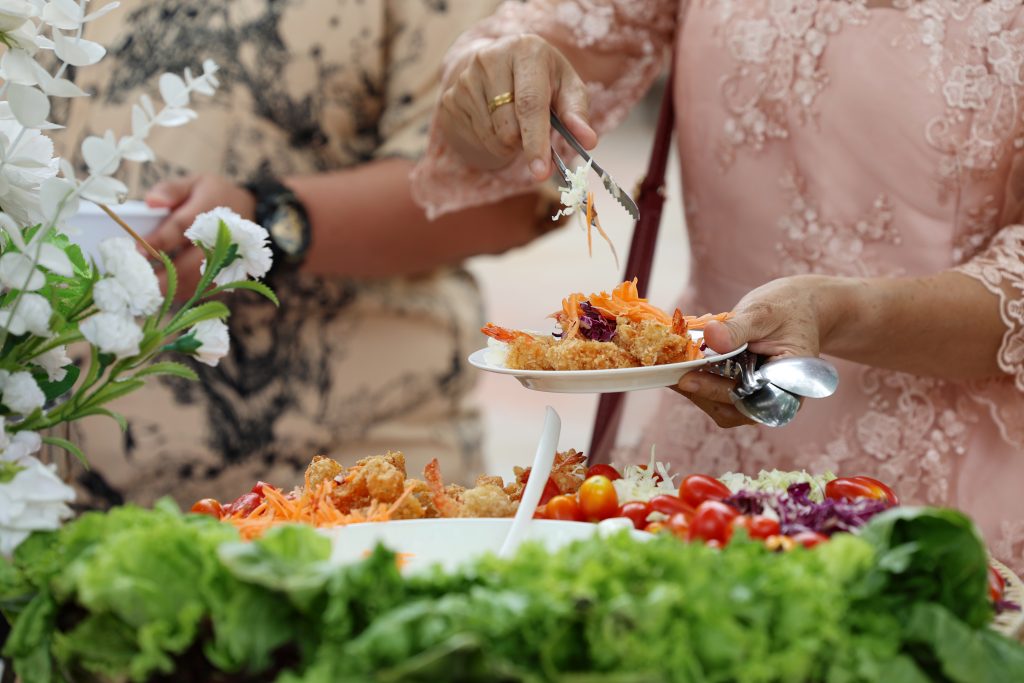
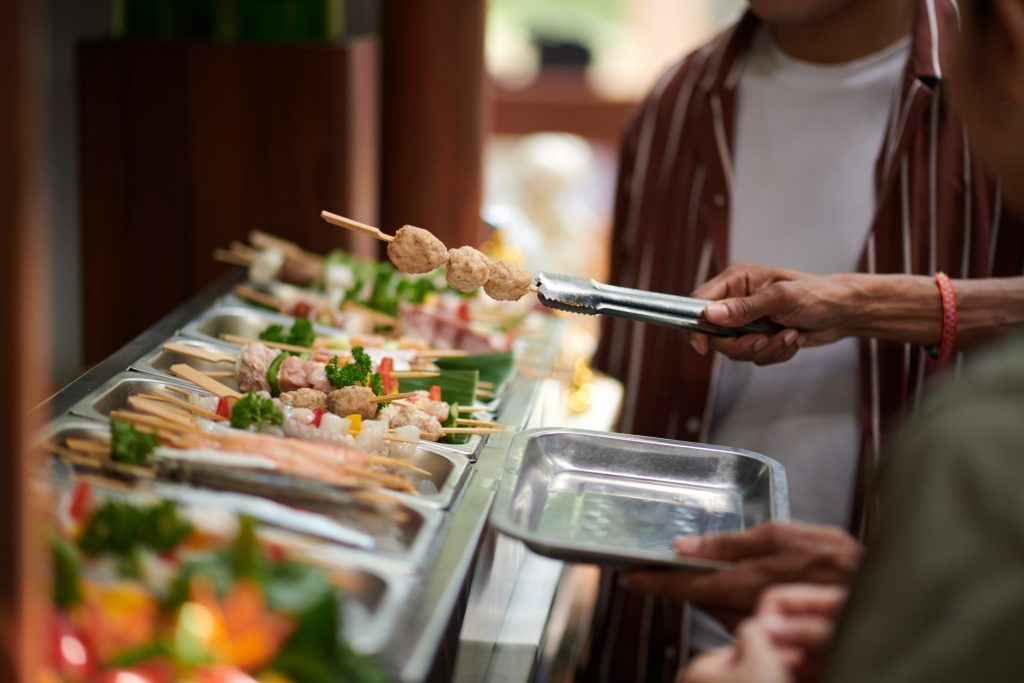
Traditional Catering: Commonly uses buffet or family-style service, encouraging sharing and interaction. It reflects communal values and cultural practices.
-
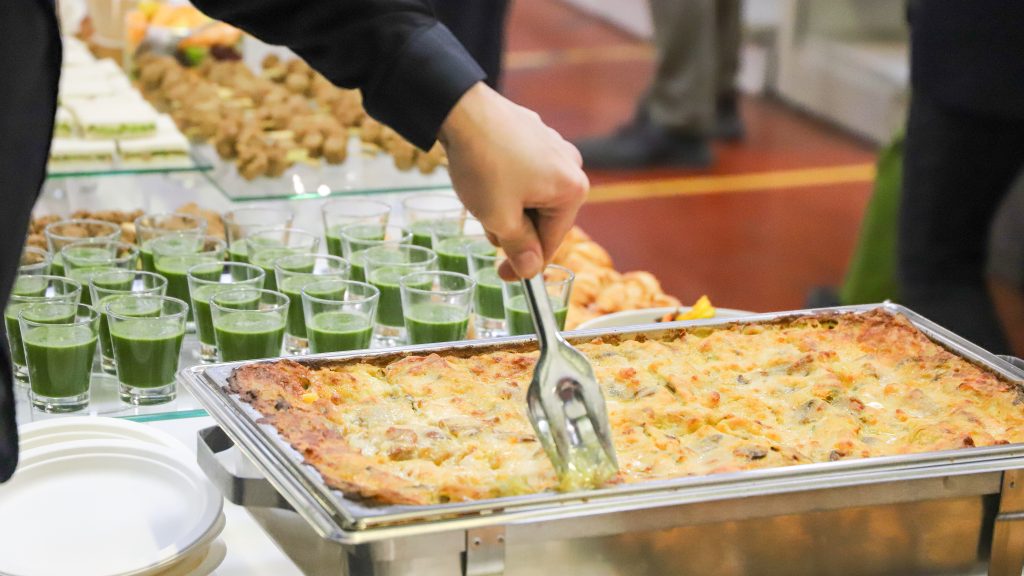
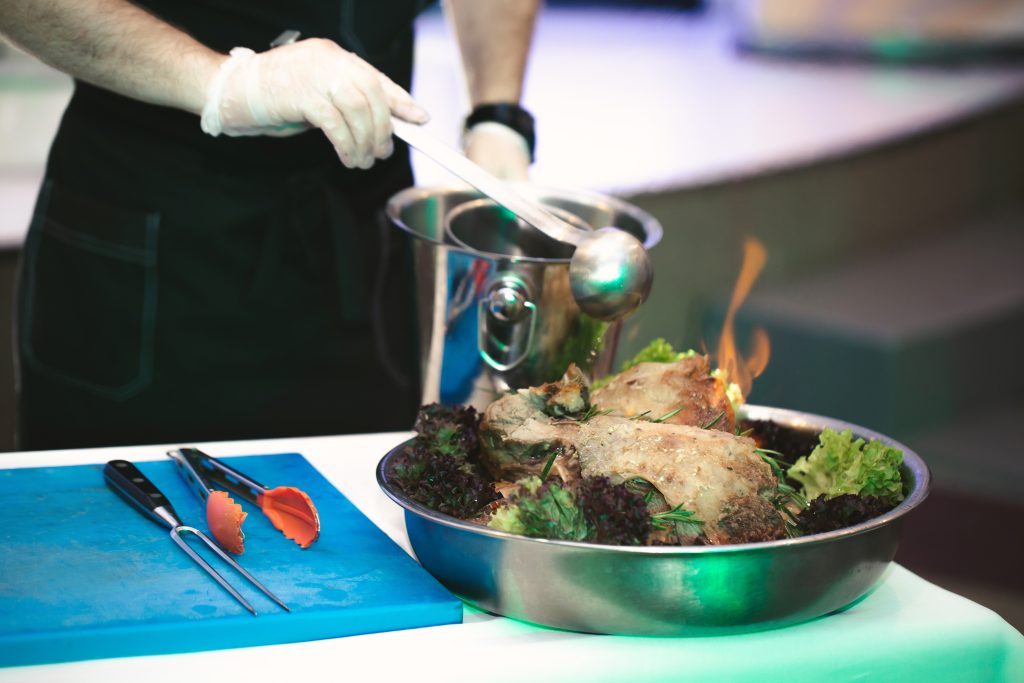
Modern Catering: May include plated meals, live cooking stations, or interactive tasting experiences. It often emphasizes personalization, efficiency, and sophistication.
Modern catering aims to wow the guest visually and experientially, while traditional catering focuses on warmth and hospitality.
5. Atmosphere and Guest Experience
-
Traditional Catering: Creates a nostalgic, comforting environment. Guests experience authentic flavors, cultural rituals, and familiar presentation.
-
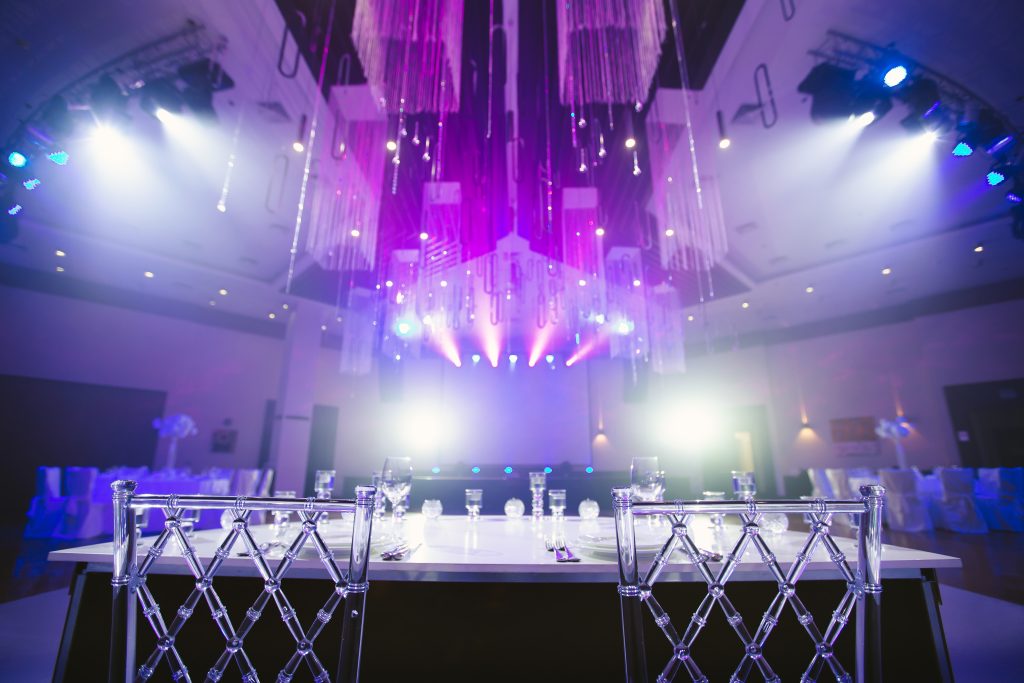
Modern Catering: Generates a vibrant, innovative, and dynamic atmosphere. Guests may interact with chefs, explore unique flavors, and enjoy visually dramatic food displays.
The atmosphere reflects whether the event prioritizes heritage and culture or trendy, Instagram-worthy experiences.
6. Flexibility and Customization
-
Traditional Catering: Less flexible in terms of fusion or substitutions; recipes and preparation methods are often strictly followed.
-
Modern Catering: Highly flexible; menus can be customized for dietary needs, portion sizes, and aesthetic preferences. Fusion elements can be integrated seamlessly.
Modern catering is ideal for personalized experiences, while traditional catering preserves authentic taste and cultural rituals.
7. Cost Considerations
-
Traditional Catering: Costs may be moderate to high, depending on ingredients and labor-intensive preparation, but often avoids expensive presentation gimmicks.
-
Modern Catering: Can be more expensive due to creative plating, interactive elements, and innovative ingredients. Live cooking stations or fusion menus may add to labor and equipment costs.
Budget planning must account for whether the priority is authenticity or experiential innovation.
8. Examples of Application
-
Traditional Catering: Ideal for weddings, religious celebrations, cultural festivals, and family gatherings where authenticity and heritage matter most.
-
Modern Catering: Works well for corporate events, launch parties, upscale weddings, or social gatherings where presentation, novelty, and guest engagement are prioritized.
Choosing the right style ensures the event’s food aligns with its purpose and audience expectations.
Conclusion
Modern and traditional catering styles each have distinct advantages and characteristics. Traditional catering emphasizes authenticity, heritage, communal dining, and cultural immersion, making it ideal for events that celebrate tradition and nostalgia. Modern catering prioritizes innovation, creativity, visual impact, and customization, appealing to guests seeking interactive and visually stunning experiences.
By understanding these differences, hosts can select the catering style that best fits their event theme, budget, and guest expectations, ensuring a dining experience that is both memorable and enjoya