

 English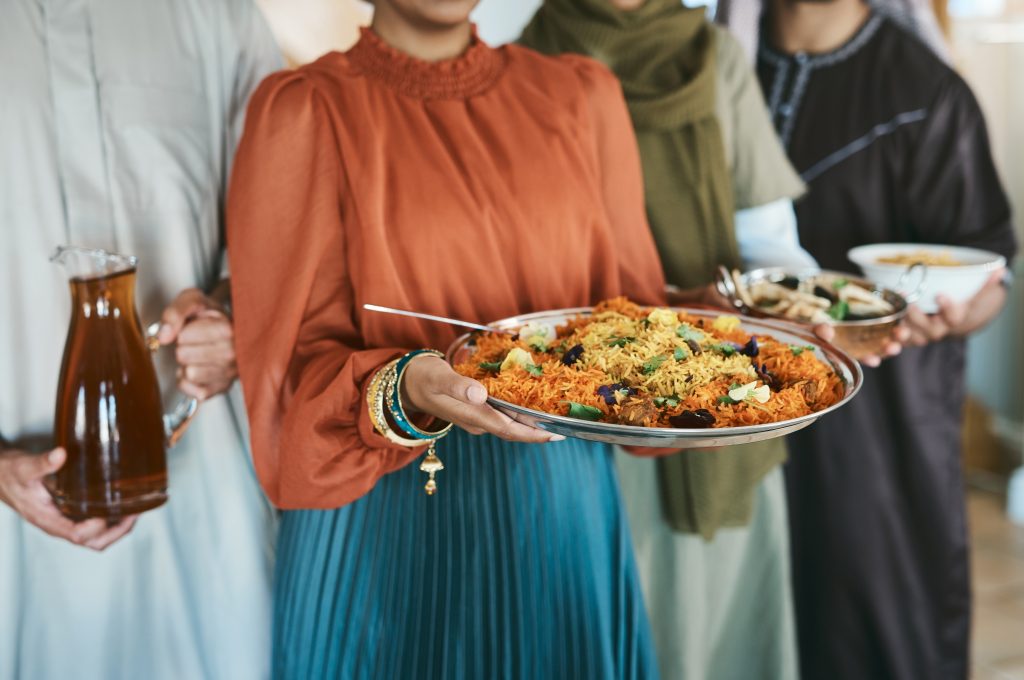







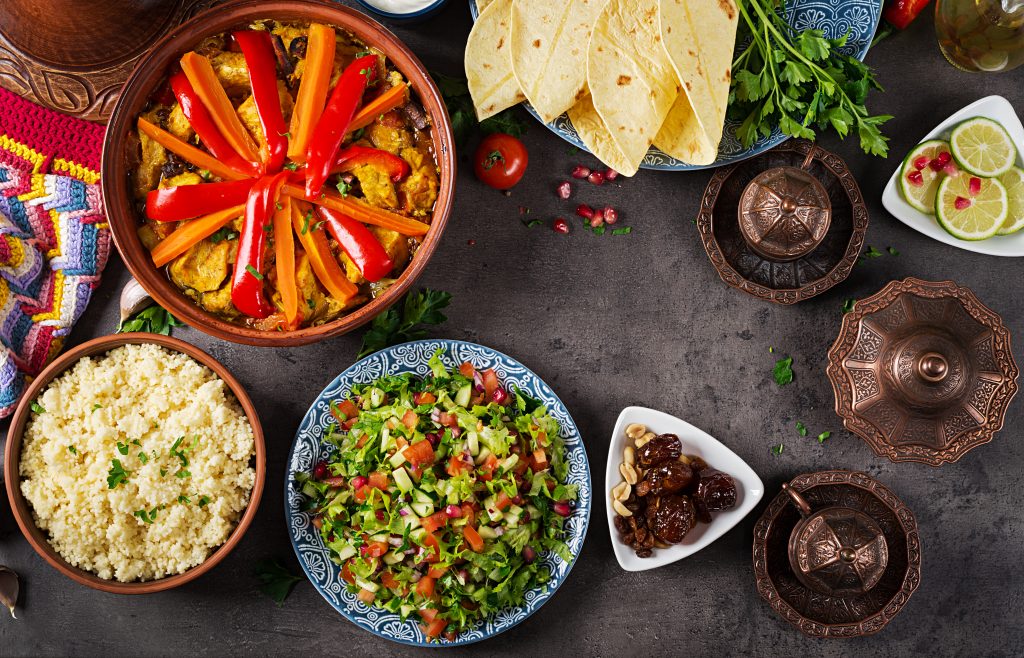

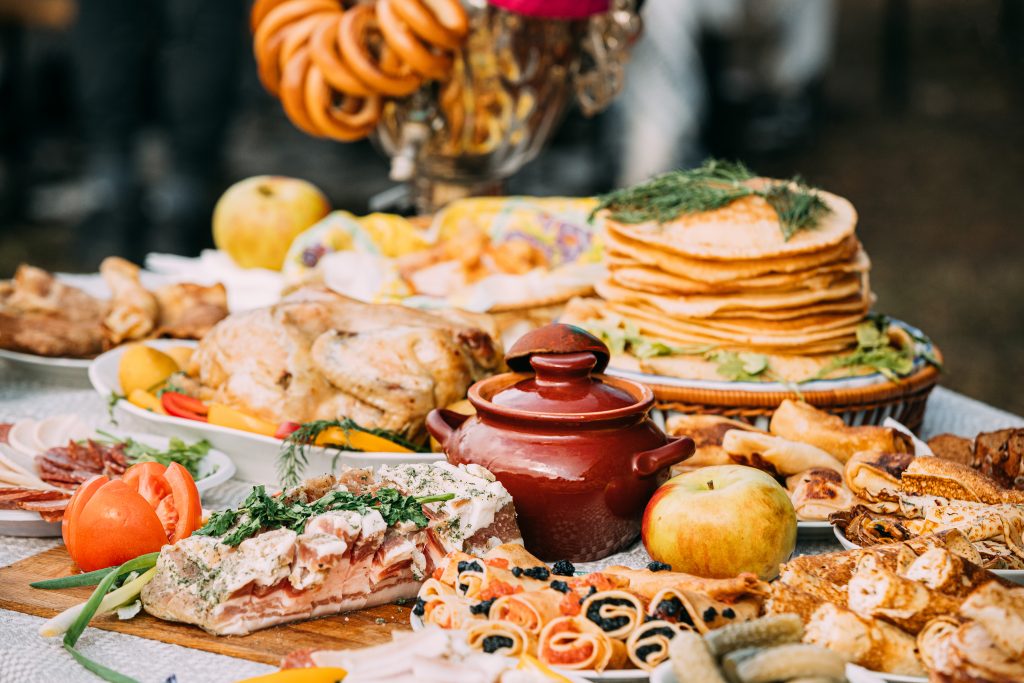

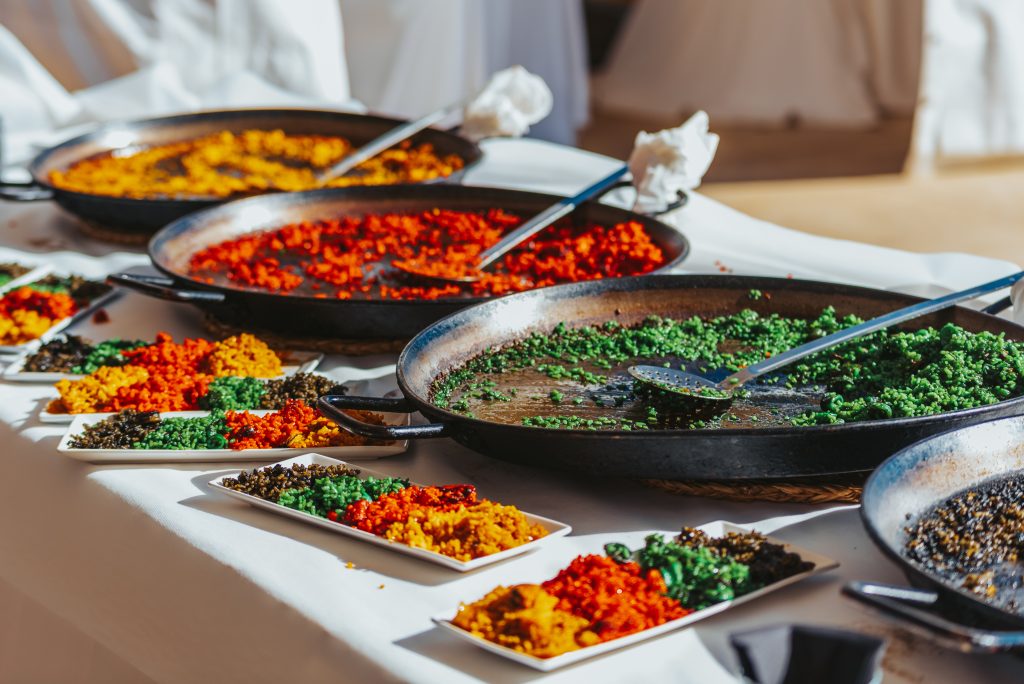








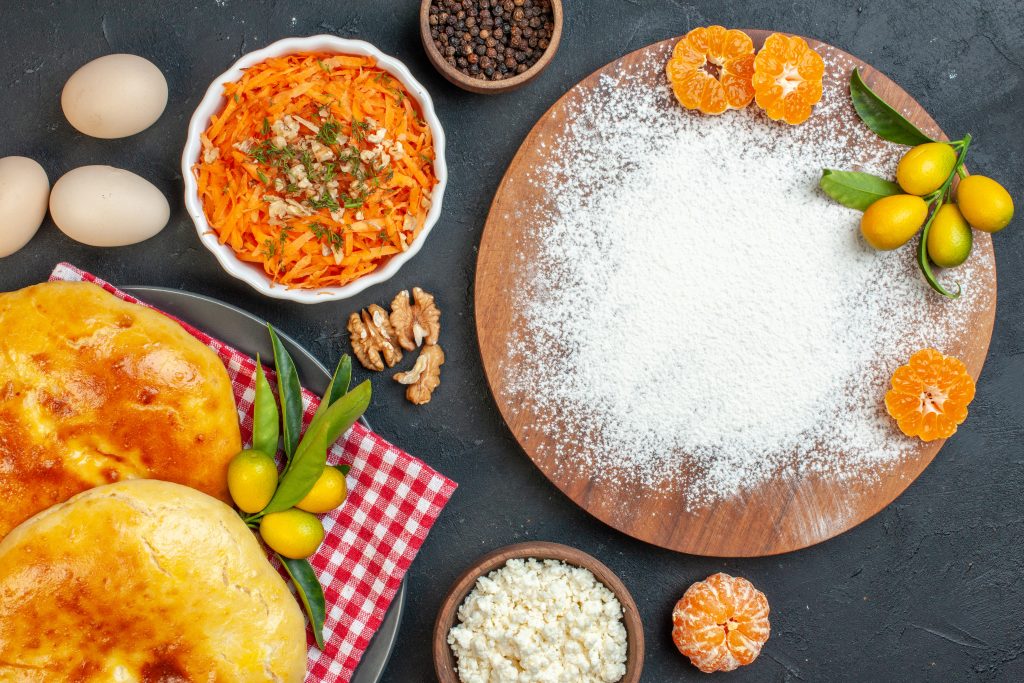
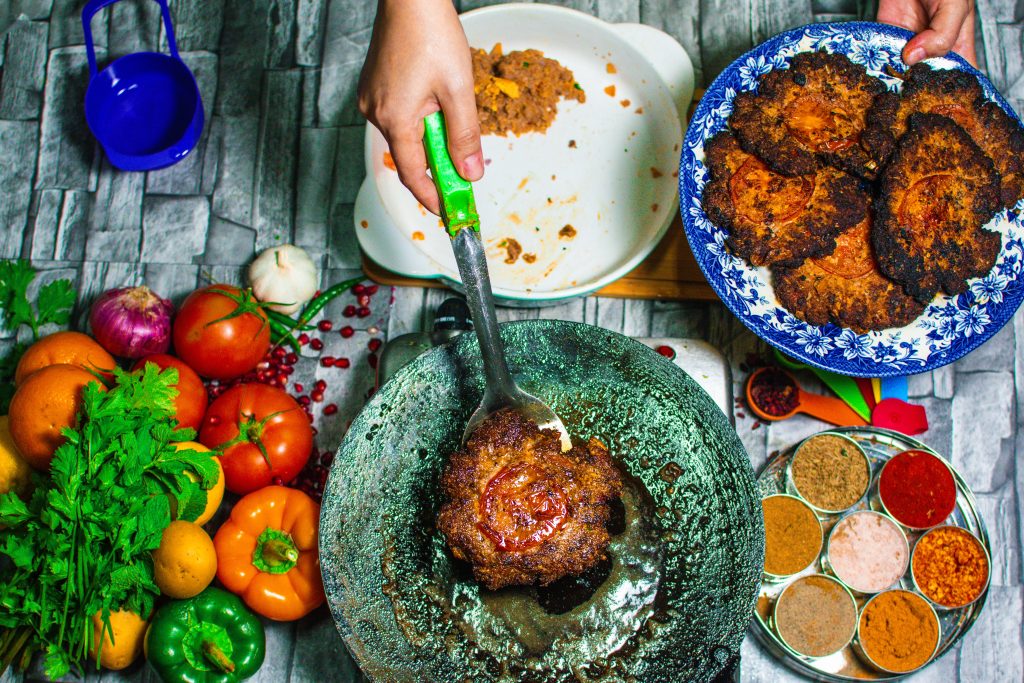

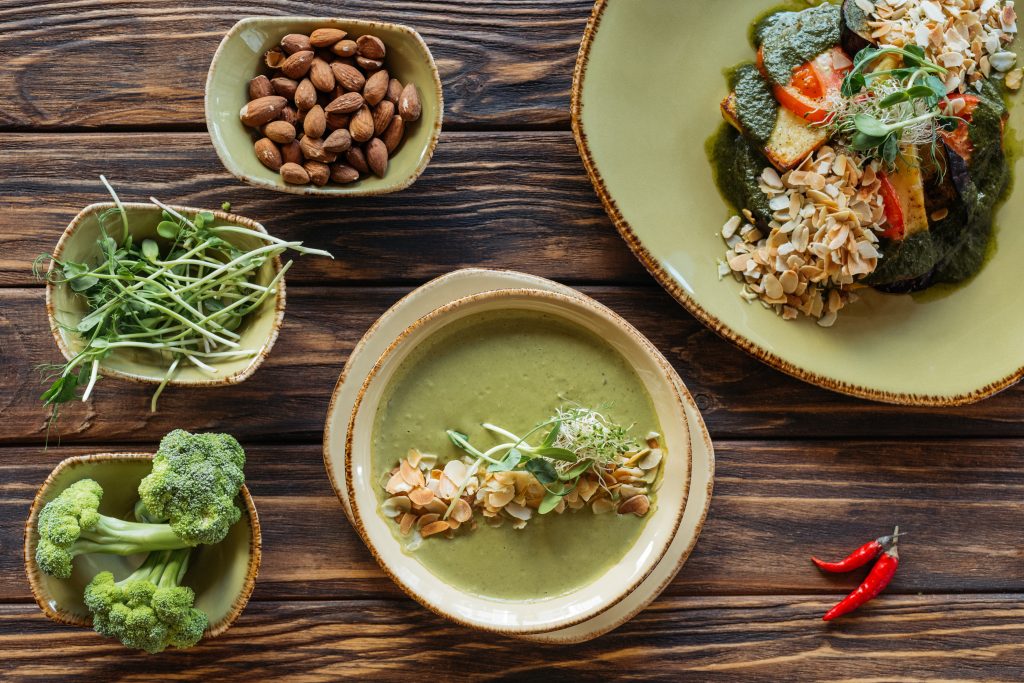
Adding a Modern Twist to Traditional Recipes

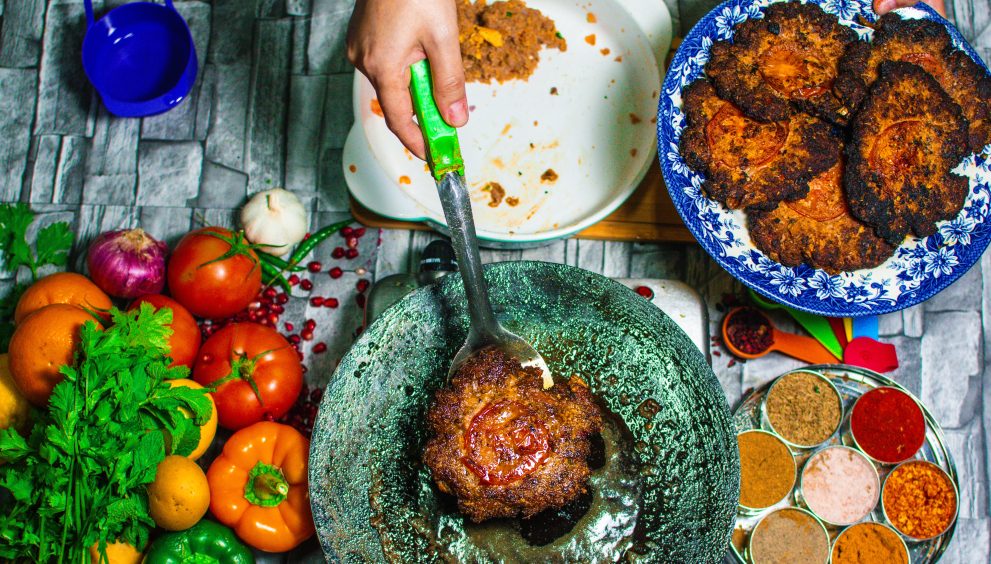
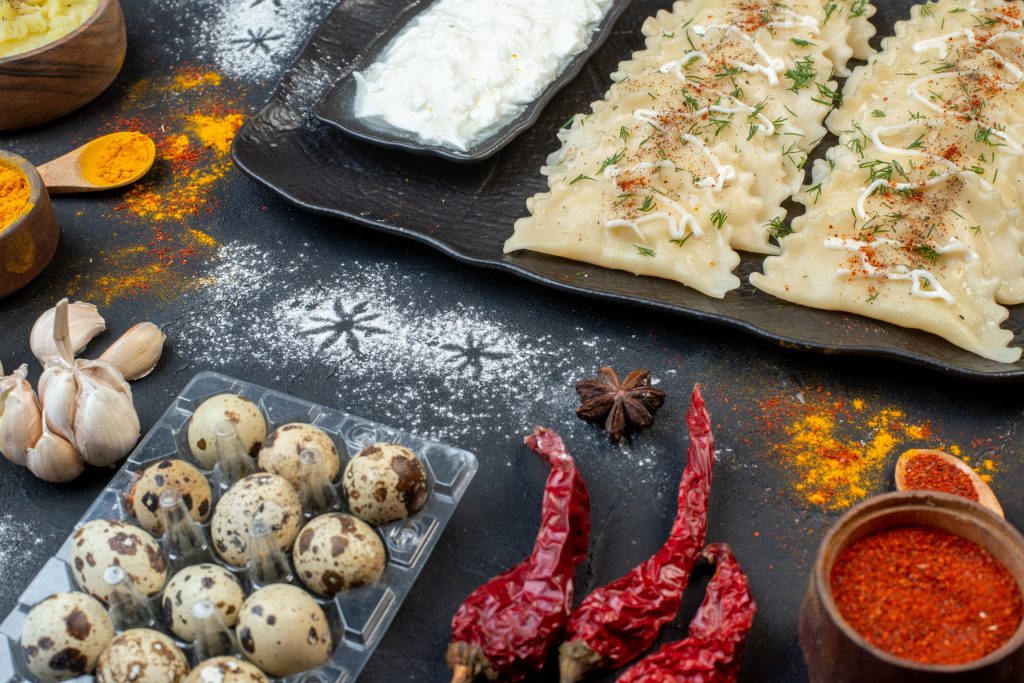
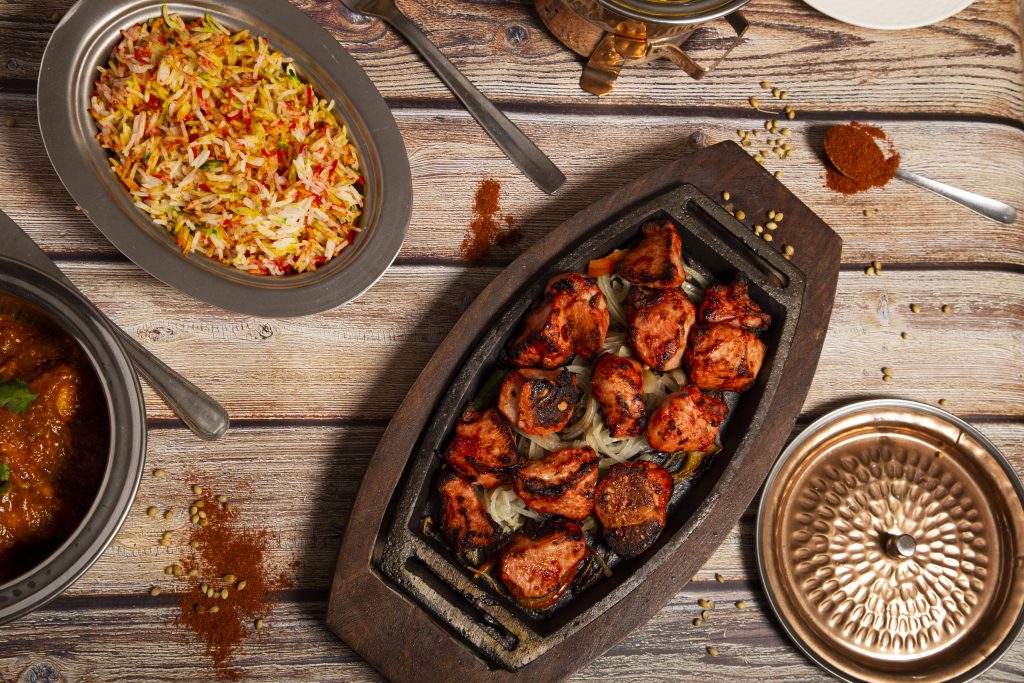
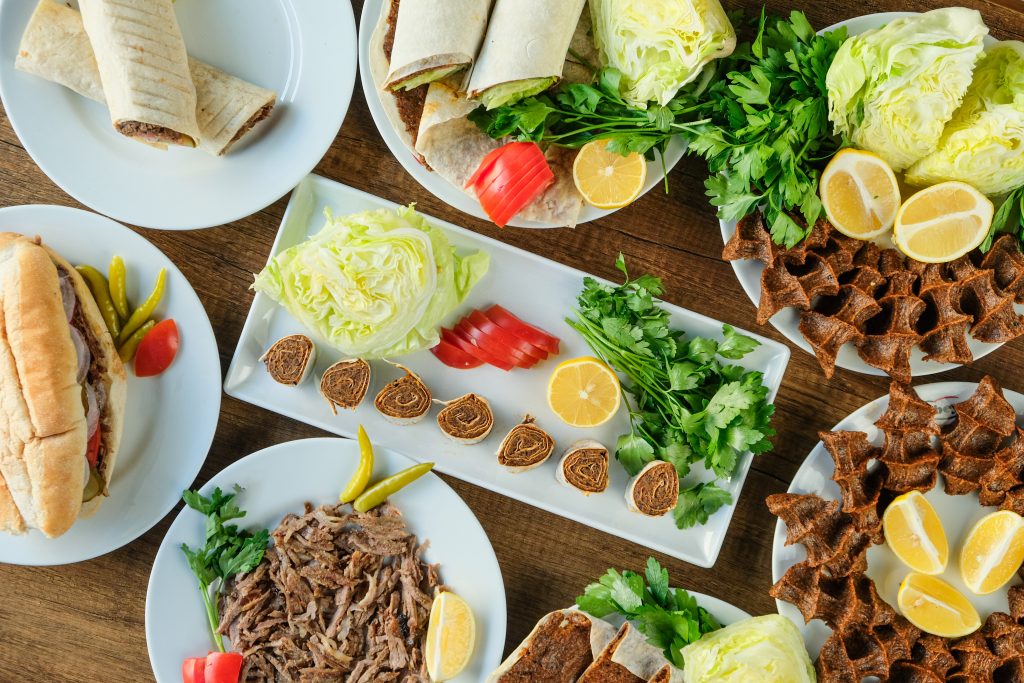
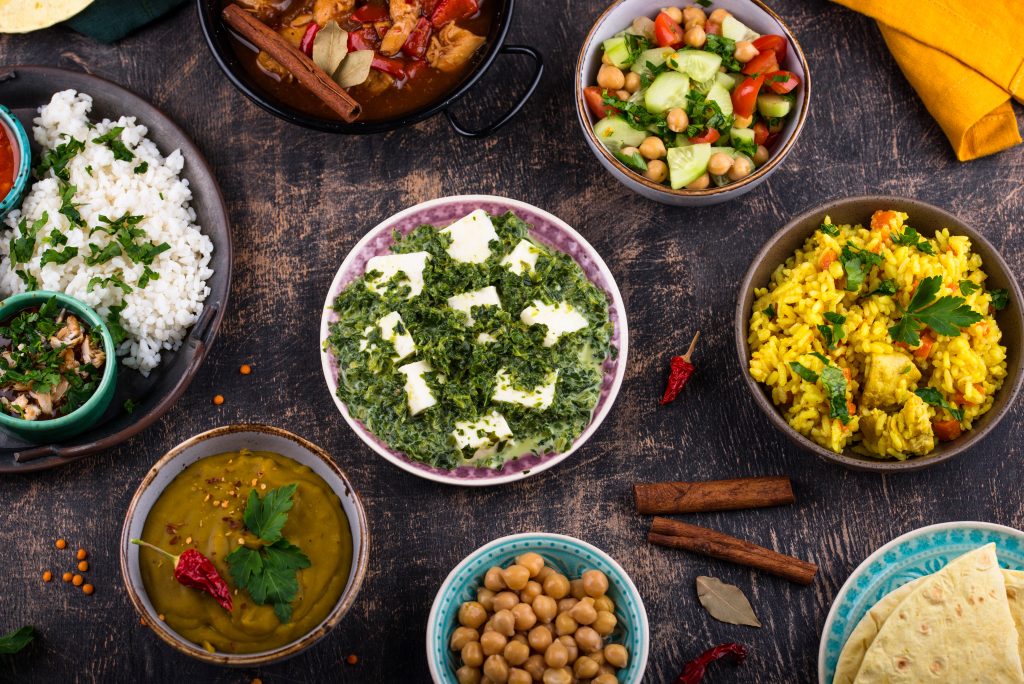
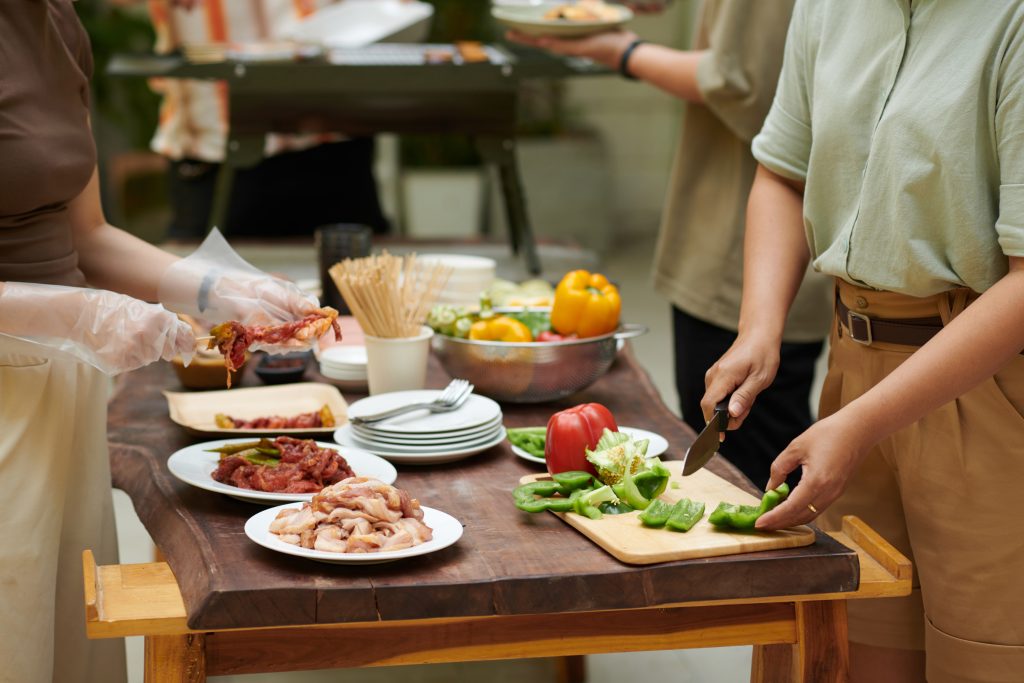
Traditional recipes carry stories, memories, and cultural identity. Passed down through generations, they reflect heritage, family values, and time-honored techniques. Yet as tastes evolve and lifestyles change, there is a growing desire to enjoy these classics in new and exciting ways. This is where adding a modern twist to traditional recipes becomes both meaningful and relevant—honoring the past while embracing the present.
Why Modernizing Traditional Recipes Matters
Modern twists do not aim to replace tradition; they enhance it. Today’s diners are more experimental, health-conscious, and globally exposed. They want food that feels nostalgic yet fresh, familiar yet innovative. Updating traditional recipes allows chefs and home cooks to keep cultural cuisine alive while making it accessible to new generations.
Modernization also responds to practical needs. Shorter cooking times, dietary preferences, ingredient availability, and presentation standards all influence how traditional dishes are adapted for contemporary kitchens.
What Defines a “Modern Twist”?
A modern twist can take many forms, depending on creativity and intent. It may include:
-
Updated cooking techniques such as air-frying instead of deep frying
-
Health-focused substitutions like plant-based proteins or reduced oil
-
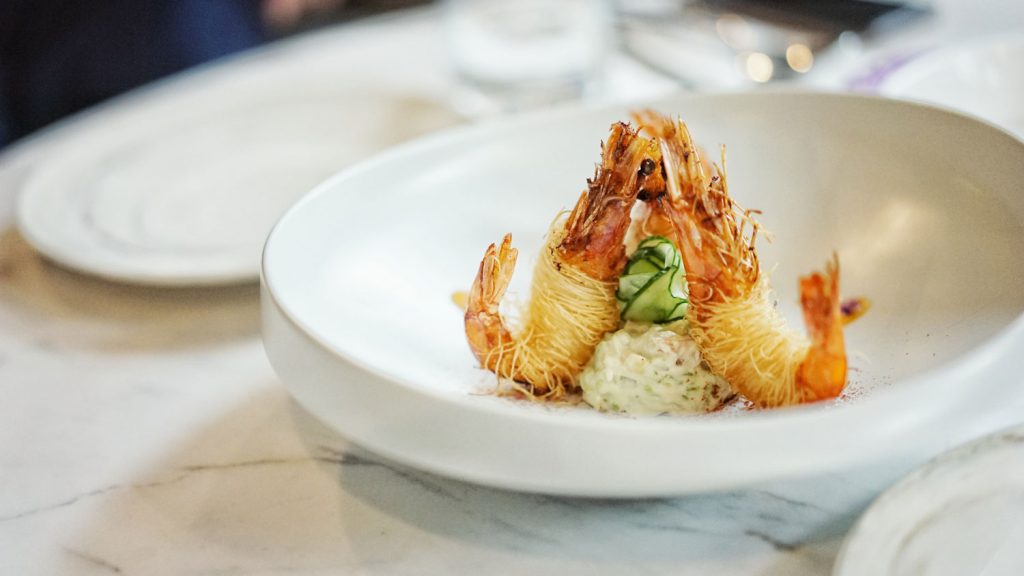
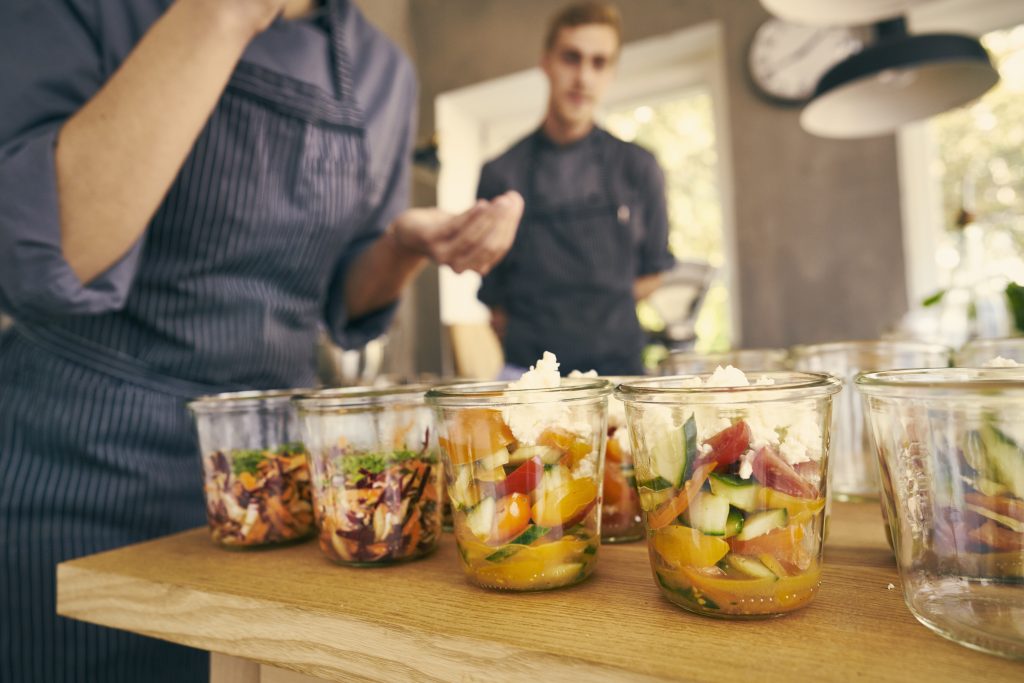
Creative presentation that elevates a humble dish into a visual experience
-
Cross-cultural flavor pairings that complement the original recipe
-
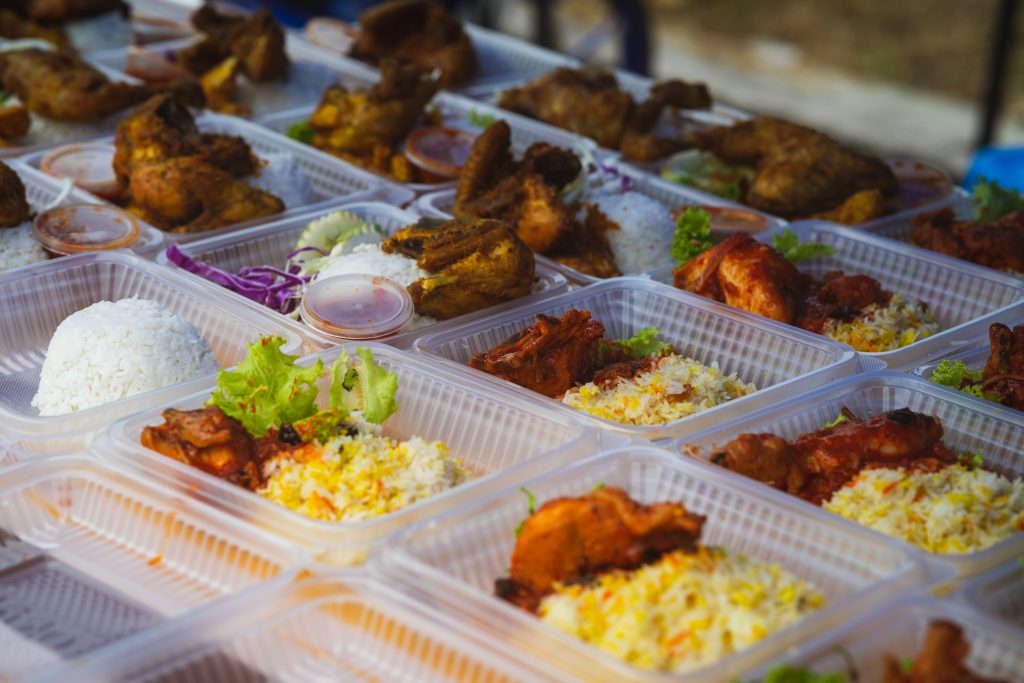
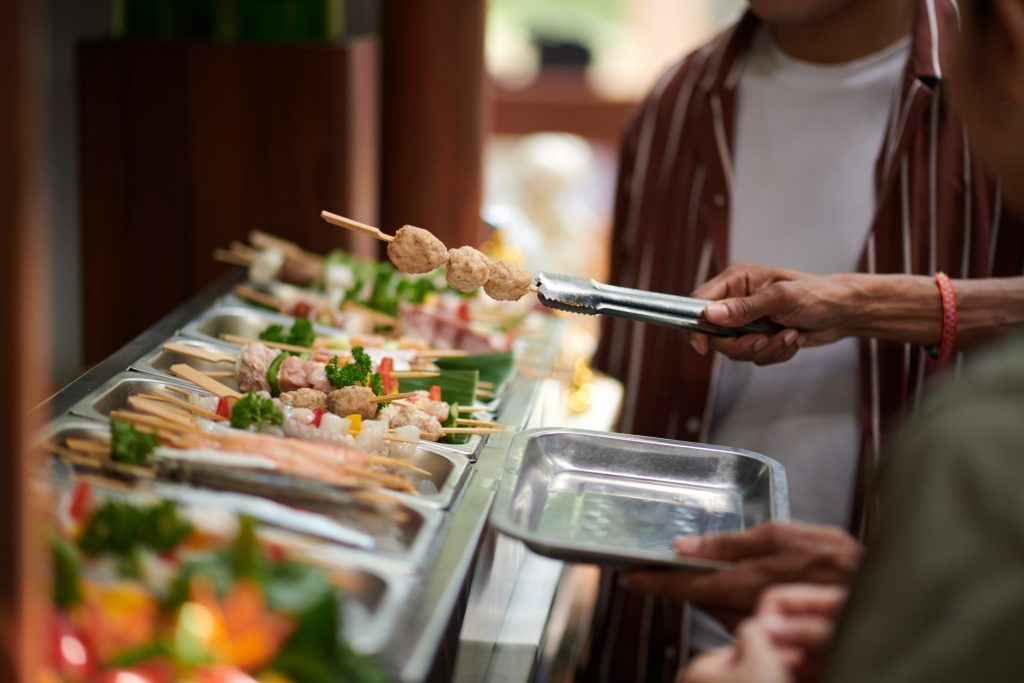
Portion and format changes, such as turning classic meals into appetizers or street-food style bites
The essence of the dish remains, but its execution evolves.
Popular Ways to Modernize Traditional Dishes
1. Ingredient Innovation
Modern kitchens often introduce alternative ingredients while keeping signature flavors intact. For example, using quinoa or couscous instead of rice in stuffed vegetables, or almond flour instead of refined flour in traditional desserts. These changes can improve nutritional value without sacrificing taste.
2. Lighter, Health-Conscious Versions
Many traditional recipes are rich and indulgent. A modern approach might reduce heavy creams, excess sugar, or deep frying while preserving the core spices and aromas. Grilling, baking, or steaming can refresh classic dishes for health-focused diners.
3. Contemporary Plating and Presentation
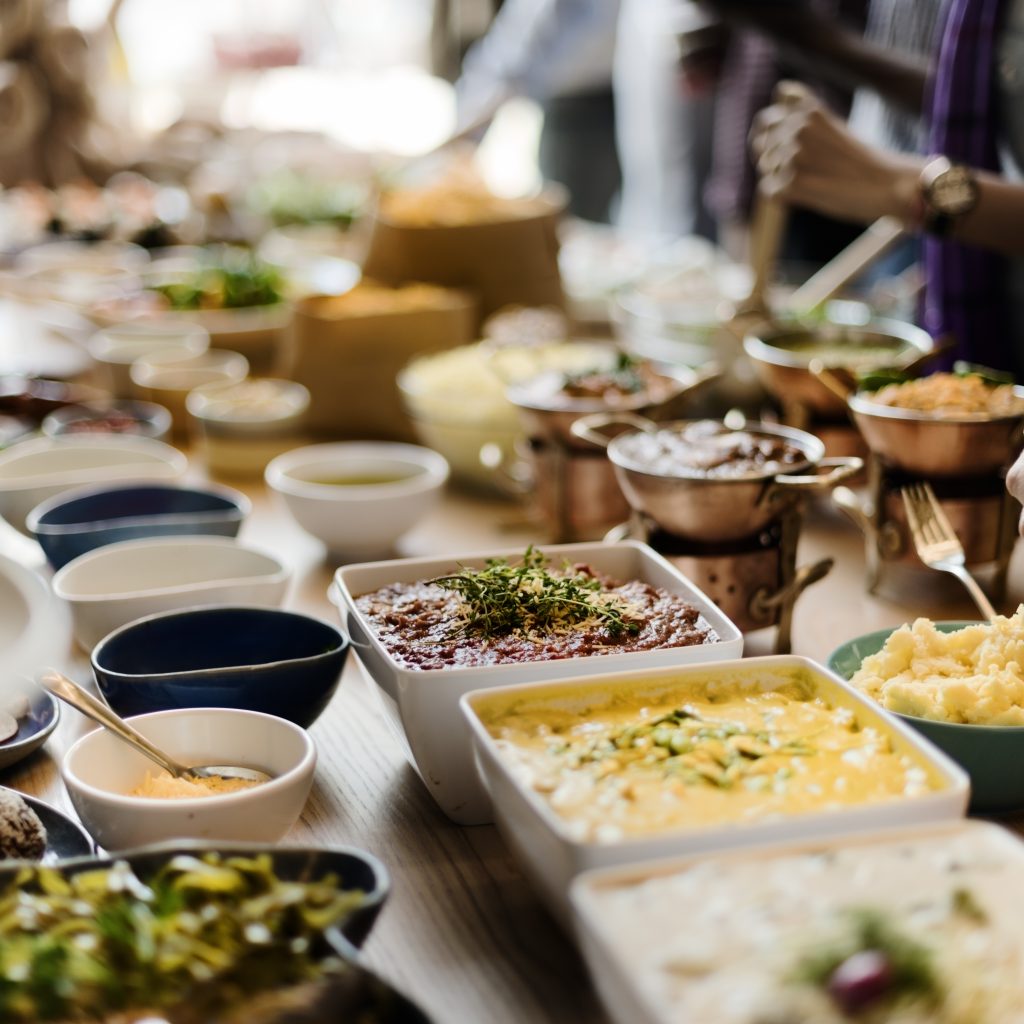
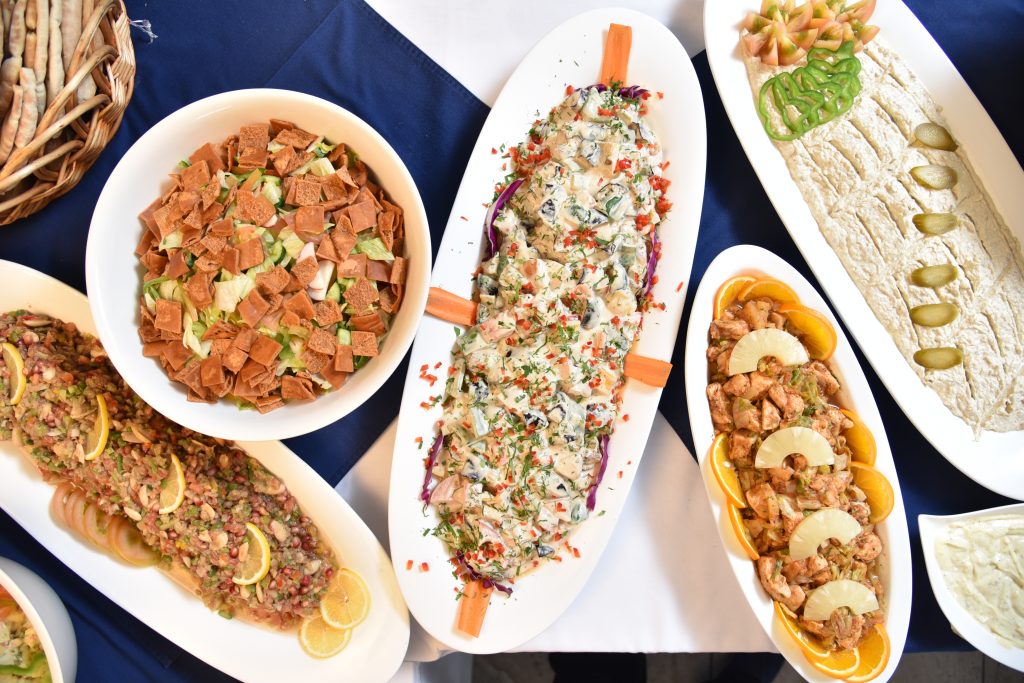
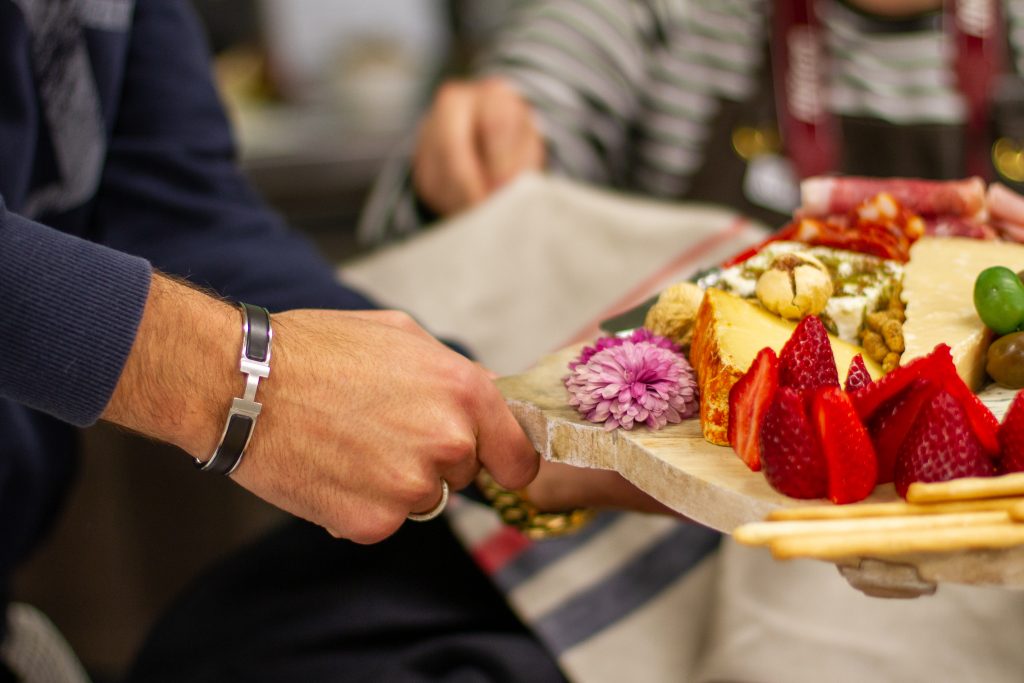
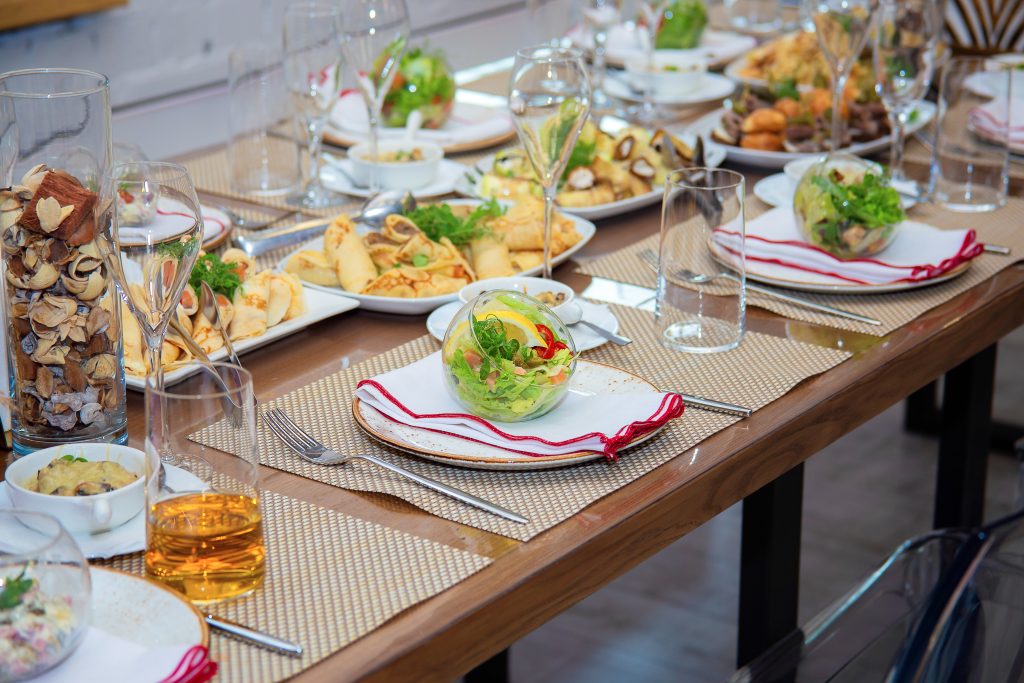
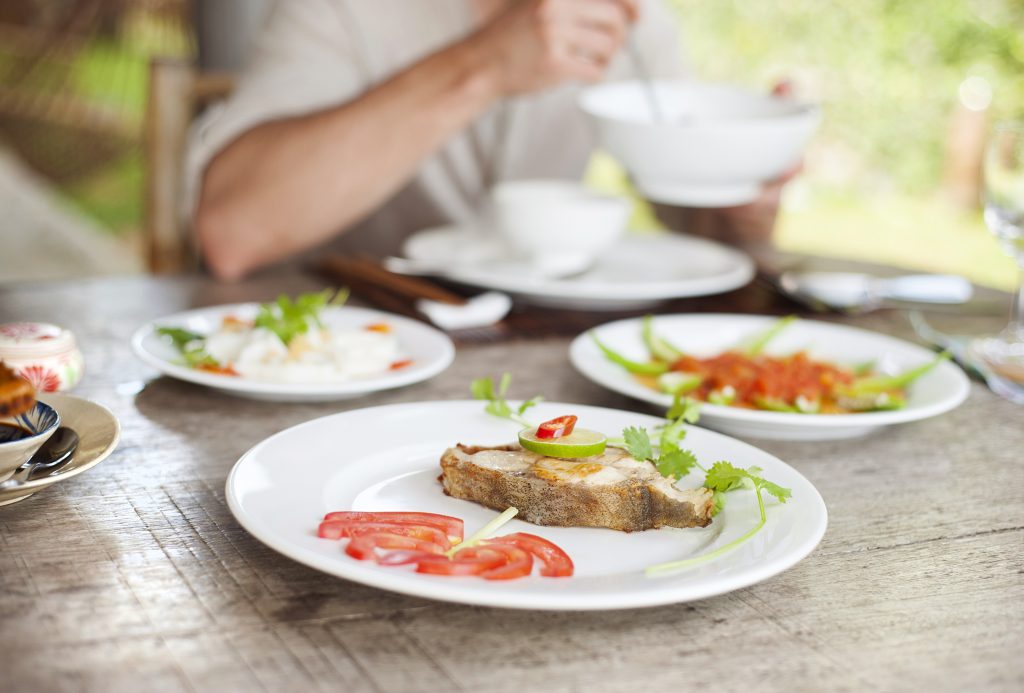
Visual appeal plays a major role in modern dining. Traditional foods served in elegant portions, layered presentations, or minimalist plating instantly feel more refined and restaurant-ready—perfect for events and upscale catering.
4. Reinvented Formats
Transforming a traditional meal into a new format adds excitement. Think of classic curries as sliders, kebabs as wraps, or traditional desserts reimagined as parfaits or mini bites. These formats work especially well for events and social gatherings.
Respecting Tradition While Innovating
One of the most important aspects of modernizing traditional recipes is respect. A successful modern twist begins with understanding the original dish—its cultural background, spices, techniques, and emotional significance. Innovation without knowledge can feel forced or disconnected.
When done thoughtfully, modern adaptations celebrate tradition rather than dilute it. They allow cultural dishes to remain relevant in contemporary dining spaces, from fine-dining restaurants to wedding menus.
The Role of Chefs and Home Cooks
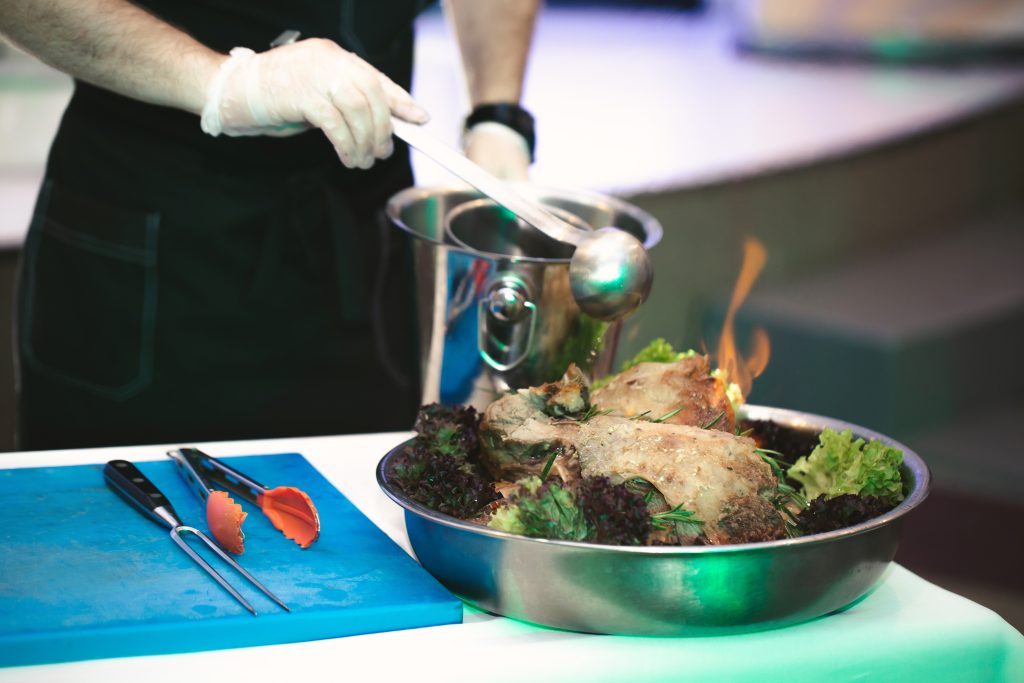
Chefs today are cultural storytellers. By modernizing traditional recipes, they bridge generations and introduce heritage cuisine to wider audiences. Many draw inspiration from family kitchens, combining childhood flavors with professional training and global exposure.
Home cooks also play a vital role. Social media and food platforms have empowered individuals to experiment, share, and reinterpret traditional dishes in creative ways. This collective creativity keeps culinary traditions alive and evolving.
Modern Twists in Events and Catering
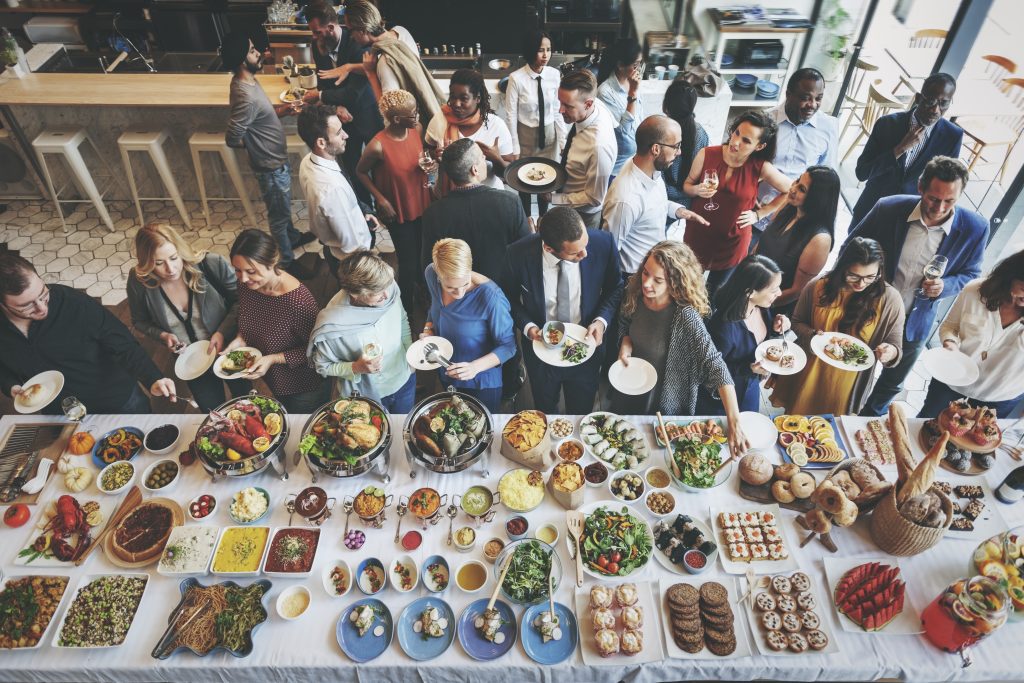
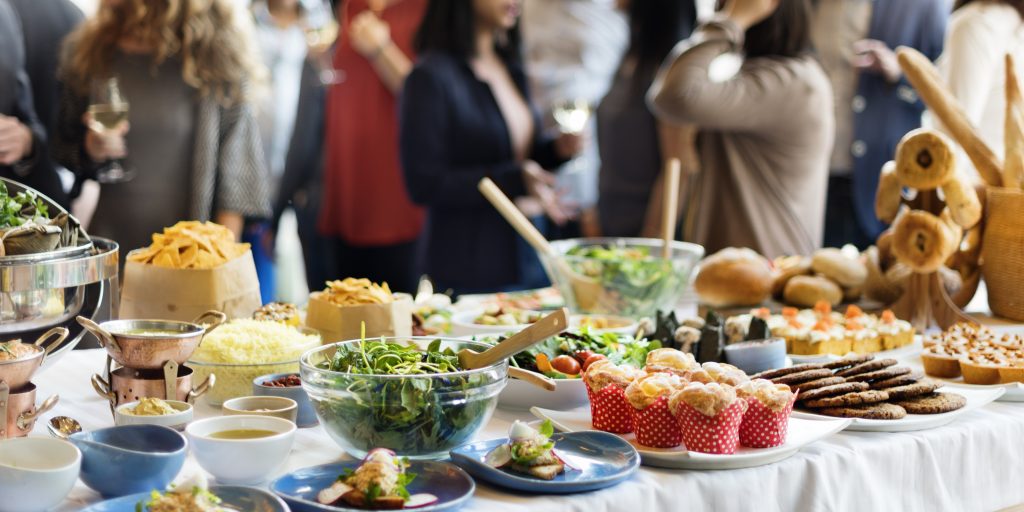
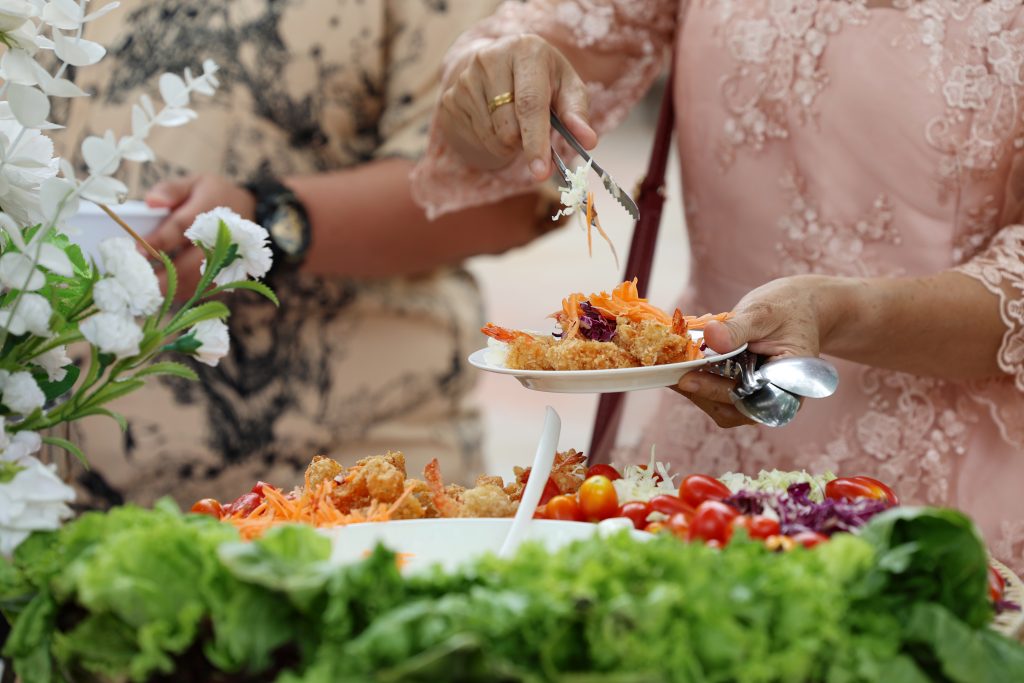
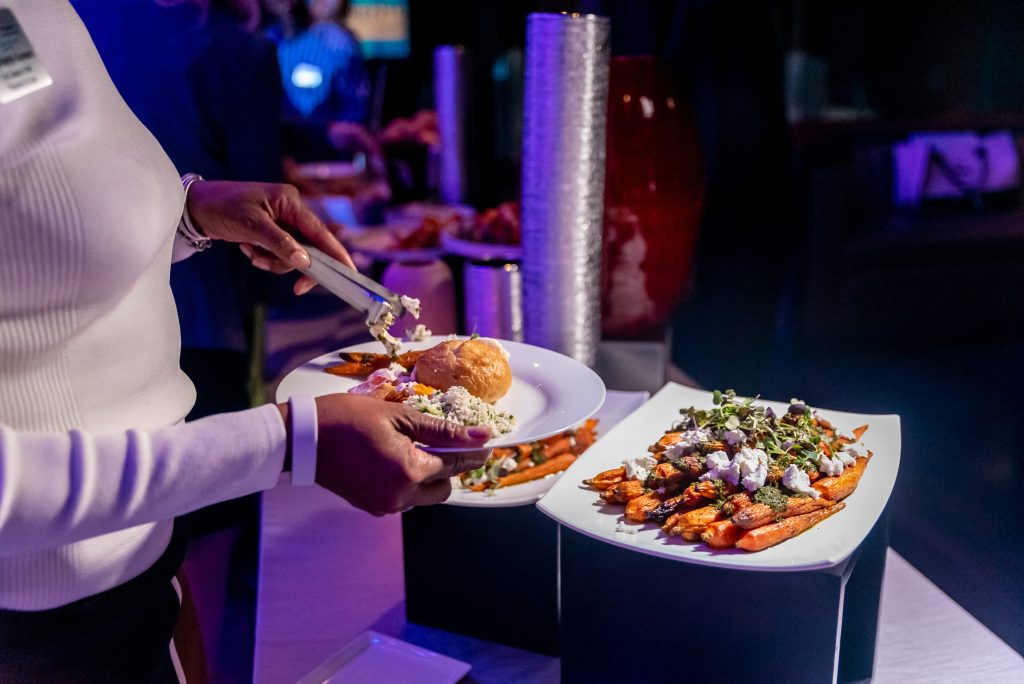
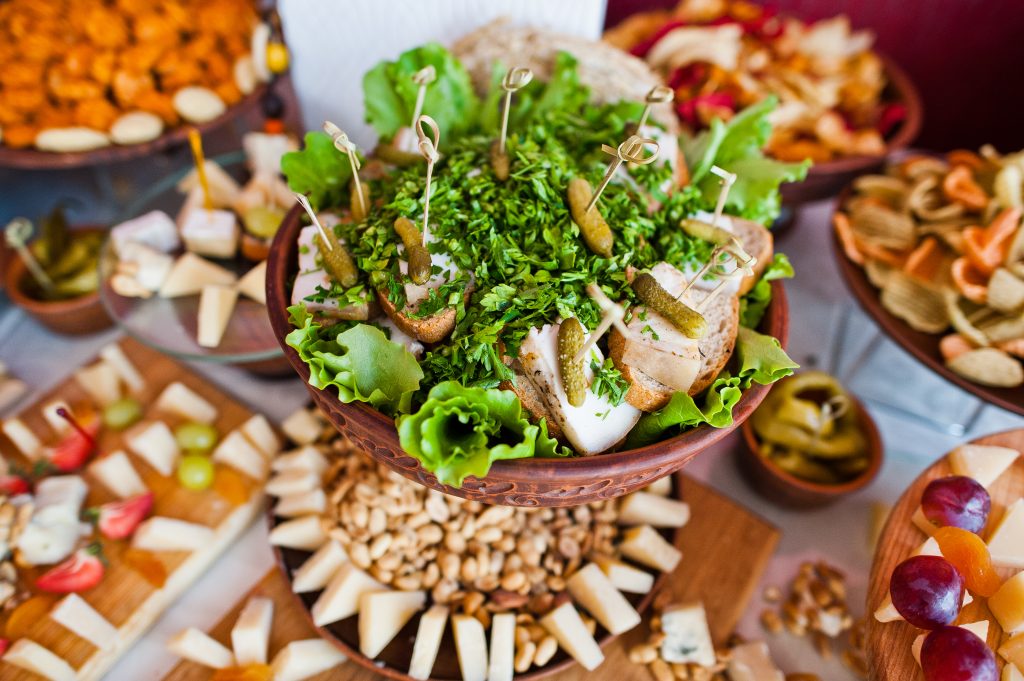
Modernized traditional recipes are especially popular in catering and events. Hosts want menus that feel elegant, inclusive, and memorable. A modern twist allows traditional flavors to shine while matching the sophistication and expectations of contemporary events.
From weddings to corporate gatherings, these updated classics appeal to diverse guests and create a perfect balance between comfort and creativity.
The Future of Traditional Cuisine
As food trends continue to evolve, modern twists will become an essential part of preserving culinary heritage. Sustainability, plant-based cooking, and global fusion will further influence how traditional recipes are adapted.
Ultimately, adding a modern twist to traditional recipes is about evolution—not erasure. It keeps culture alive on the plate, allowing tradition to grow, adapt, and inspire future generations. By blending respect with creativity, traditional food finds a new voice in the modern world—one that is just as meaningful, flavorful, and timeless.