

 English
















































Why Innovation Is Important in Traditional Food


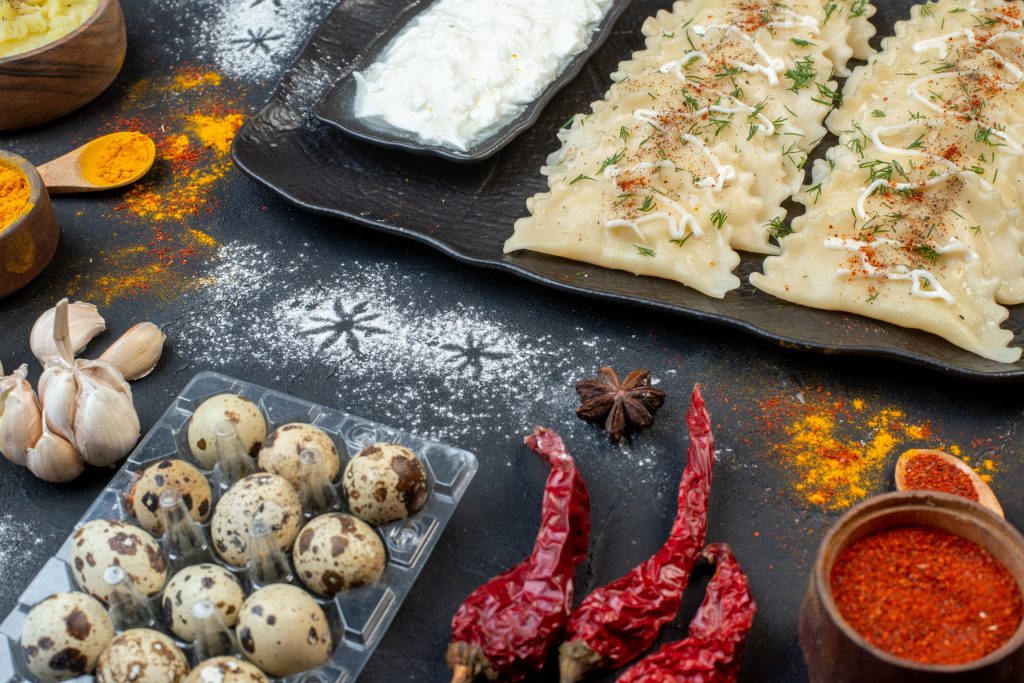
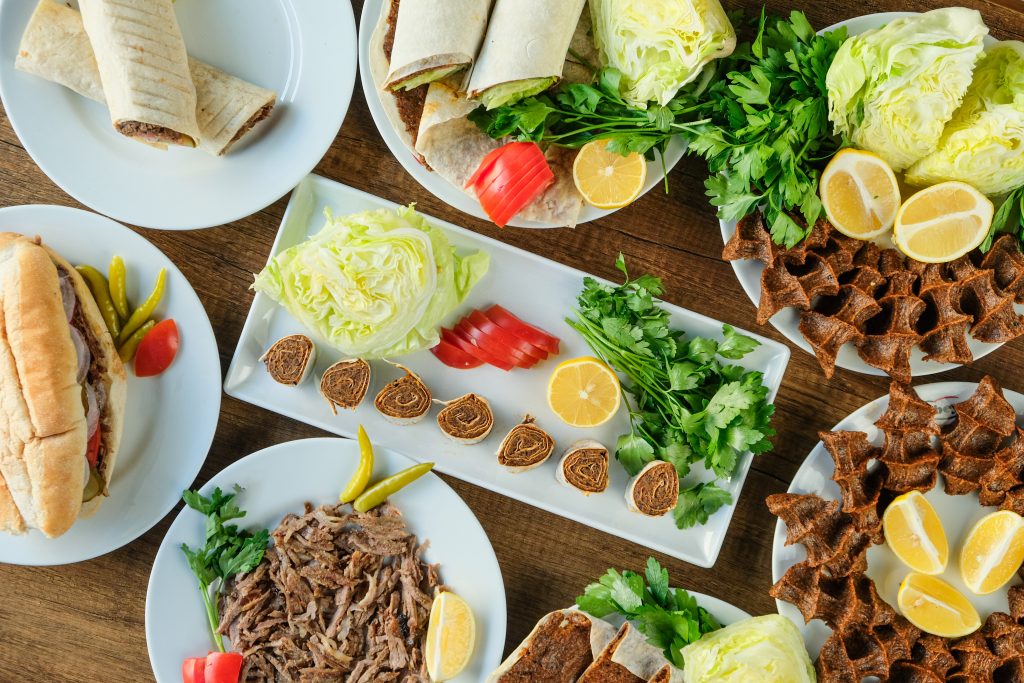
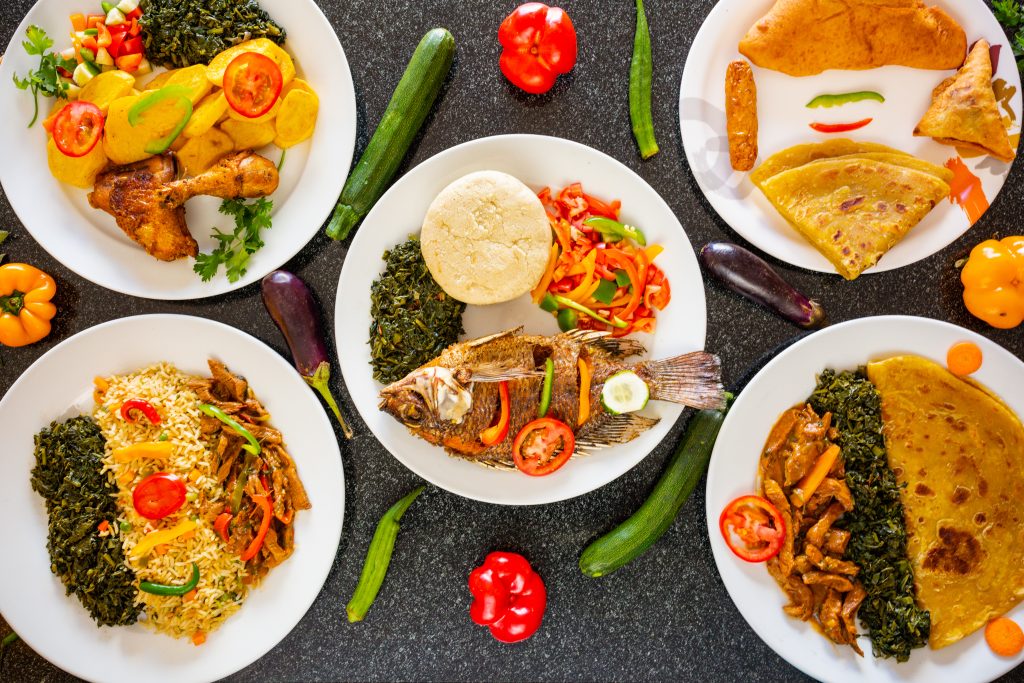
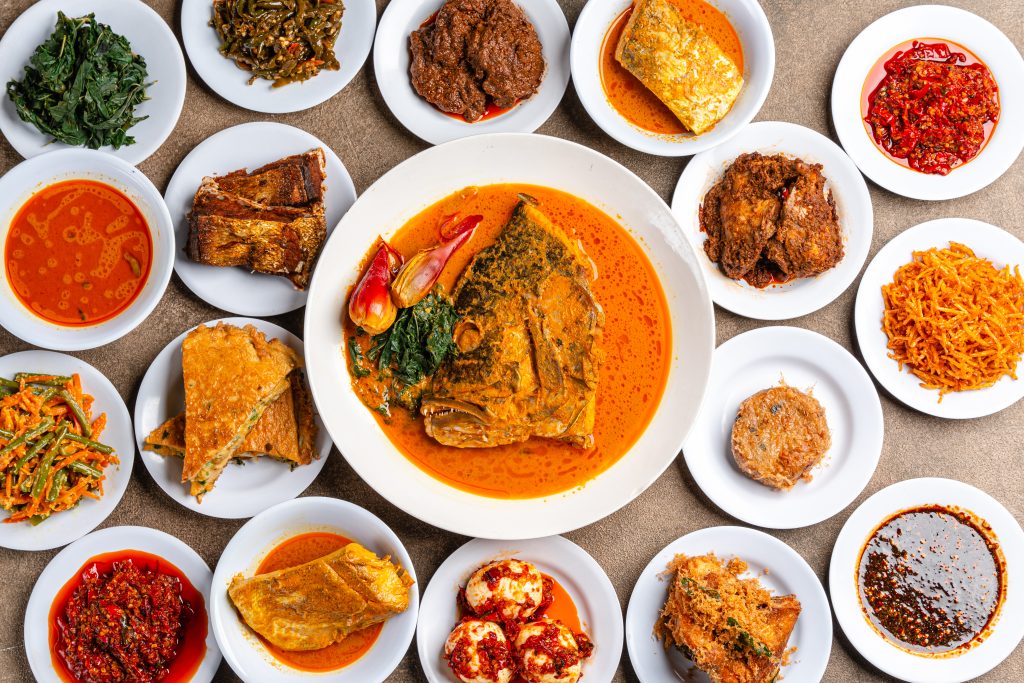
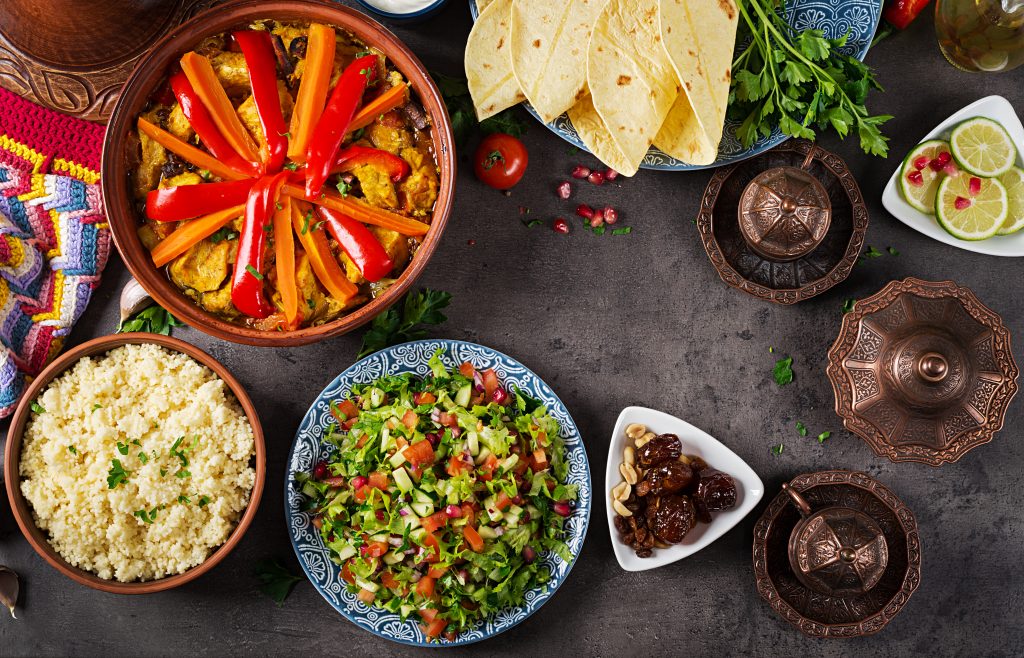
Traditional food is deeply connected to culture, history, and identity. Recipes passed down through generations carry stories of heritage, family, and place. Yet food culture, like society itself, is never static. To remain relevant and appreciated, traditional cuisine must evolve. This is where innovation in traditional food becomes essential—not to replace tradition, but to protect, sustain, and elevate it.
Preserving Tradition Through Evolution
At first glance, innovation and tradition may seem like opposites. In reality, innovation is one of the strongest tools for preserving traditional food. When recipes remain completely unchanged, they risk becoming disconnected from modern lifestyles and tastes. Innovation allows traditional dishes to adapt while keeping their core identity intact.
By updating techniques, presentation, or ingredients thoughtfully, traditional food stays alive and continues to be cooked, shared, and celebrated by new generations.
Meeting Modern Lifestyles and Preferences
Modern life is fast-paced, health-conscious, and globally influenced. Many traditional dishes were developed in times when people were more physically active and food was prepared slowly at home. Today’s diners often seek lighter, more convenient, and more balanced meals.
Innovation helps traditional food align with:
-
Health and wellness goals
-
Dietary preferences such as vegetarian, vegan, or gluten-free
-
Time constraints and modern cooking methods
Without innovation, traditional food may feel outdated or impractical for contemporary kitchens.
Keeping Younger Generations Engaged
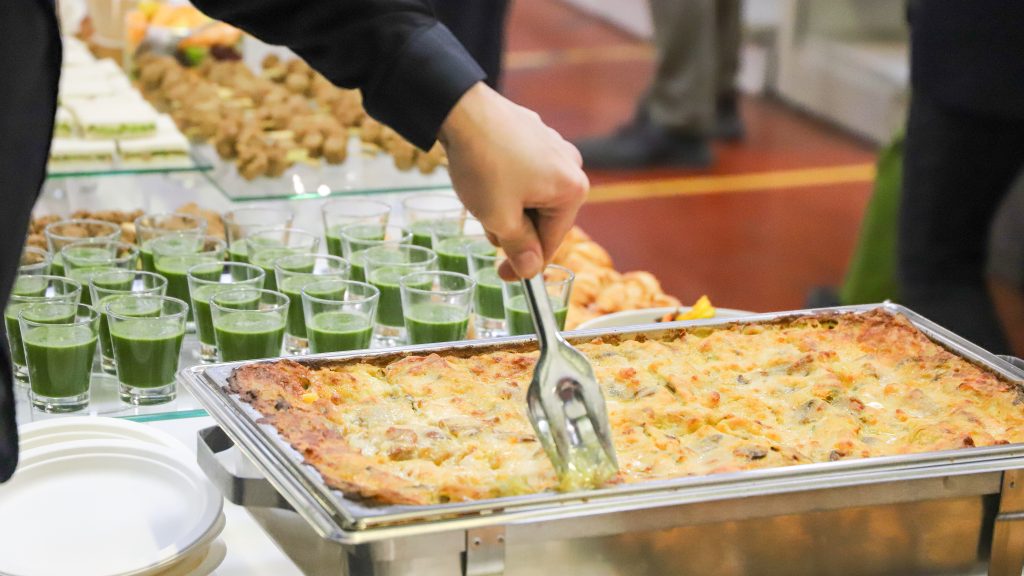
Younger generations are adventurous eaters, but they also value creativity and presentation. Innovation makes traditional food exciting and relevant for them. When classic flavors are presented in modern formats—such as street-food styles, small plates, or visually appealing dishes—young diners are more likely to connect with their cultural cuisine.
This engagement is critical for cultural continuity. If younger generations stop cooking or enjoying traditional food, recipes and techniques risk being lost over time.
Improving Health and Nutrition
Many traditional recipes are rich and indulgent by nature. Innovation allows chefs and home cooks to retain flavor while improving nutritional balance. This may include reducing excessive oil, sugar, or salt, introducing whole grains, or incorporating more vegetables and lean proteins.
Health-conscious innovation ensures that traditional food can be enjoyed regularly rather than only on special occasions, supporting long-term well-being.
Adapting to Ingredient Availability and Sustainability
Global changes in agriculture, climate, and food systems have affected ingredient availability. Innovation allows traditional food to adapt by using local, seasonal, or sustainable alternatives while preserving essential flavors and techniques.
This adaptability not only keeps recipes practical but also supports environmental responsibility—an increasingly important value for modern diners.
Encouraging Culinary Creativity and Growth
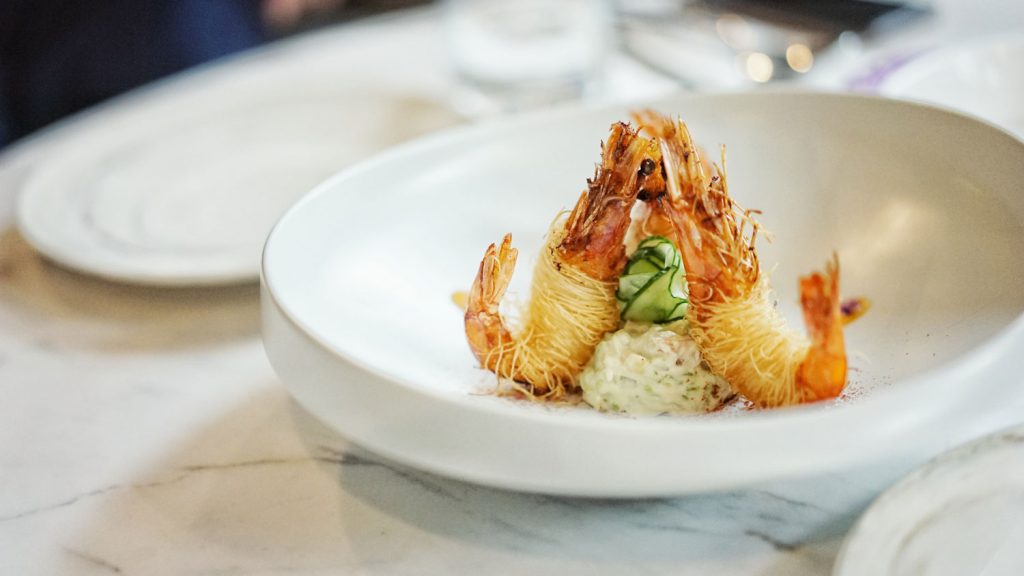
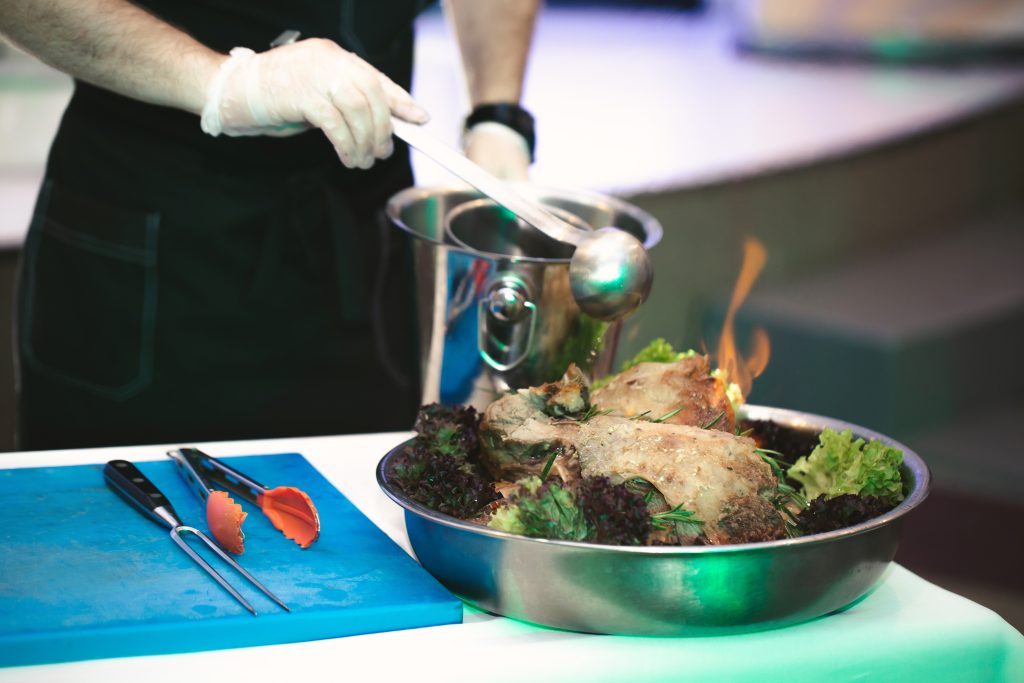
Innovation fuels creativity in the culinary world. Chefs who experiment with traditional food often discover new textures, combinations, and techniques that elevate the original dish. This creative growth keeps cuisines dynamic and respected on a global stage.
Many world-renowned cuisines gained international recognition because chefs reinterpreted traditional dishes in ways that appealed to wider audiences.
Expanding Cultural Appreciation
Innovative interpretations of traditional food help introduce cultural cuisine to people who may be unfamiliar with it. A modern presentation or fusion-inspired approach can serve as an entry point, encouraging diners to explore the cuisine’s roots and deeper traditions.
In this way, innovation becomes a bridge between cultures, promoting understanding and appreciation rather than dilution.
Balancing Respect and Creativity
The key to successful innovation is respect. True innovation begins with understanding the cultural, historical, and emotional significance of a dish. When innovation is grounded in knowledge and intention, it enhances tradition rather than erasing it.
Conclusion
Innovation is not a threat to traditional food—it is its ally. By allowing traditional cuisine to evolve with time, innovation ensures relevance, sustainability, and continued appreciation. It keeps cultural food alive on modern tables, connecting past and present through thoughtful creativity. When tradition and innovation work together, food becomes both timeless and forward-looking.