

 English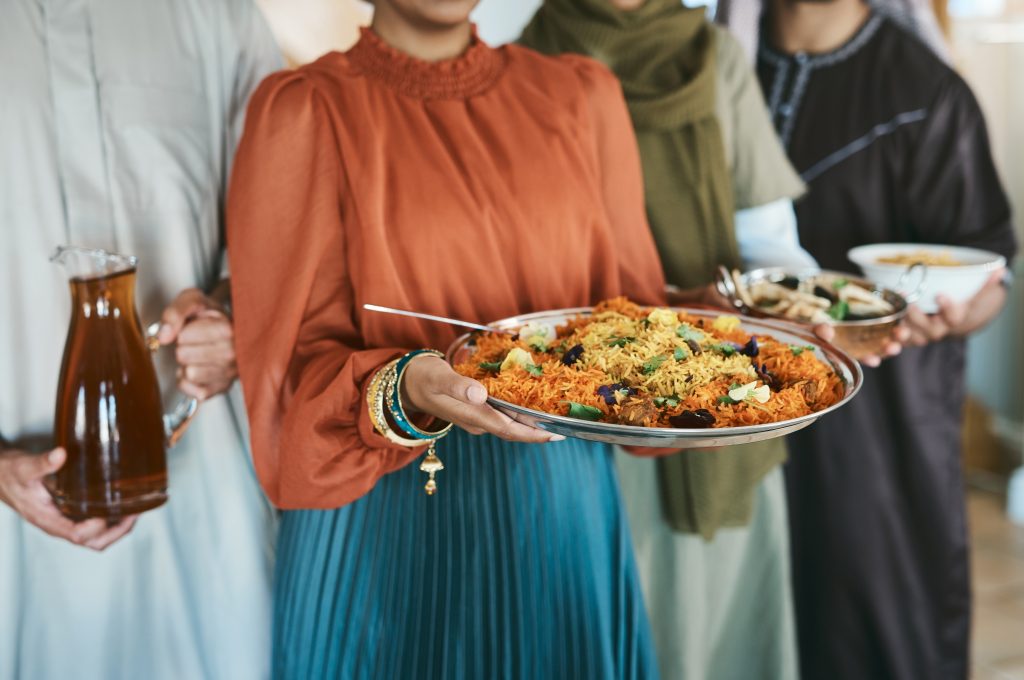














The Role of Food in Cultural Celebrations

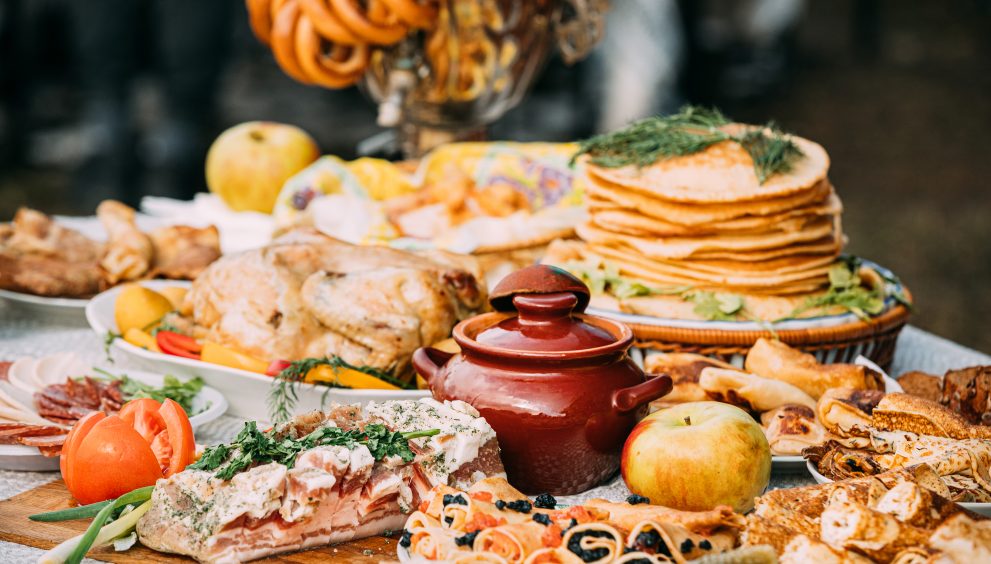
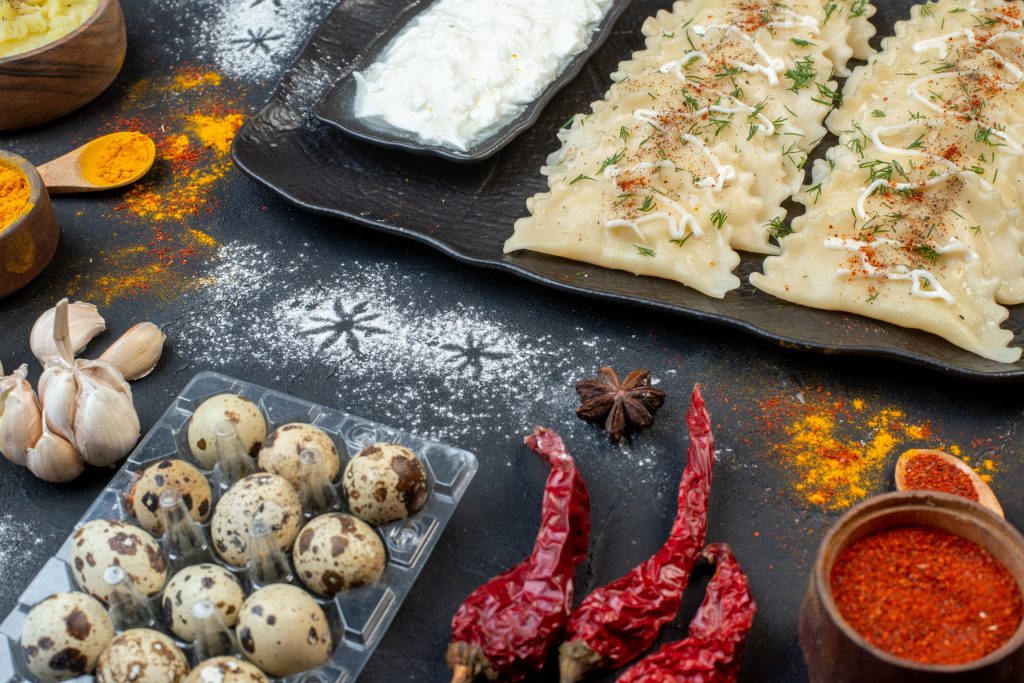
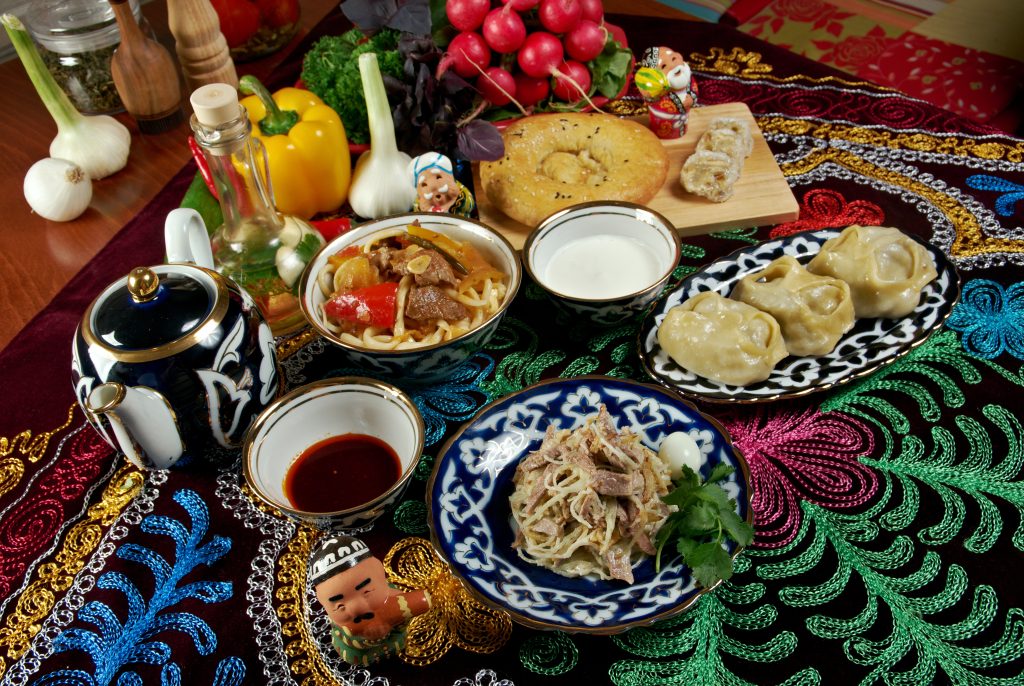
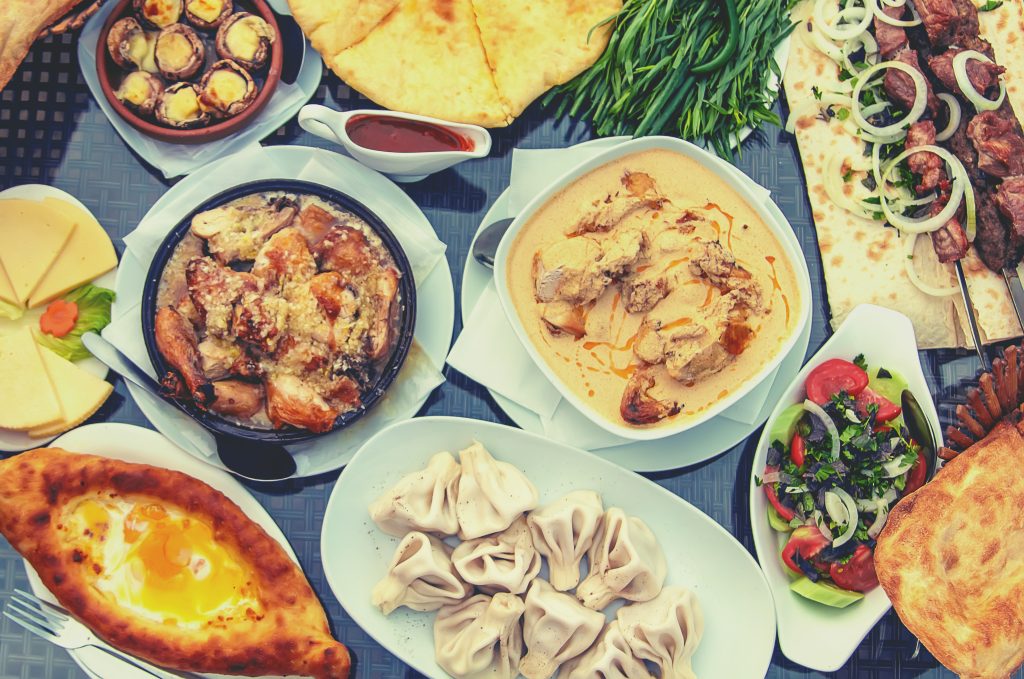
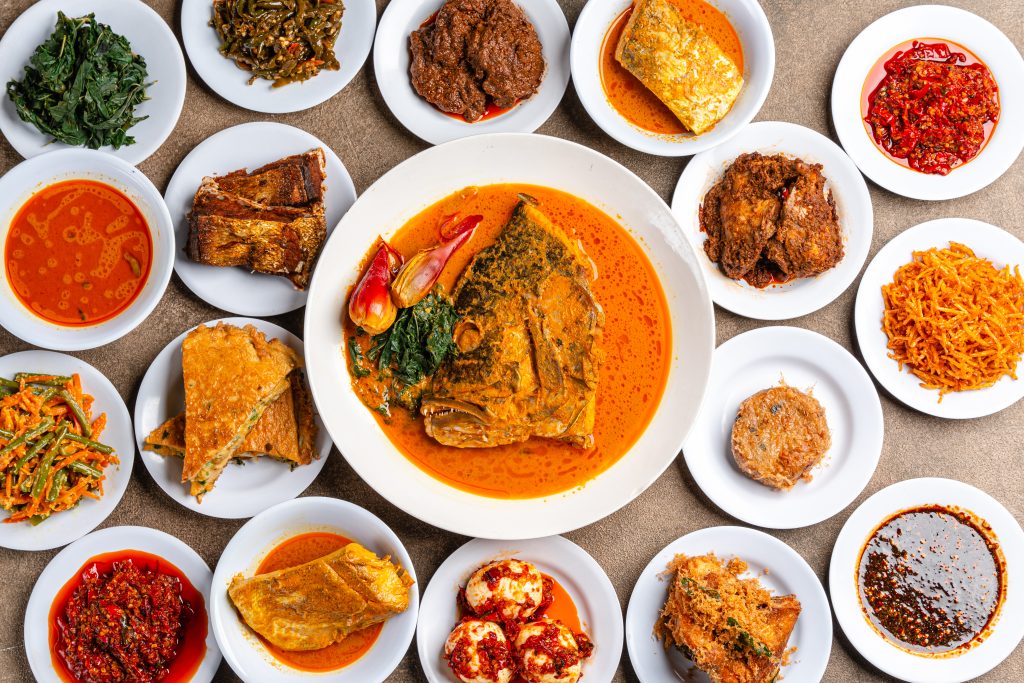
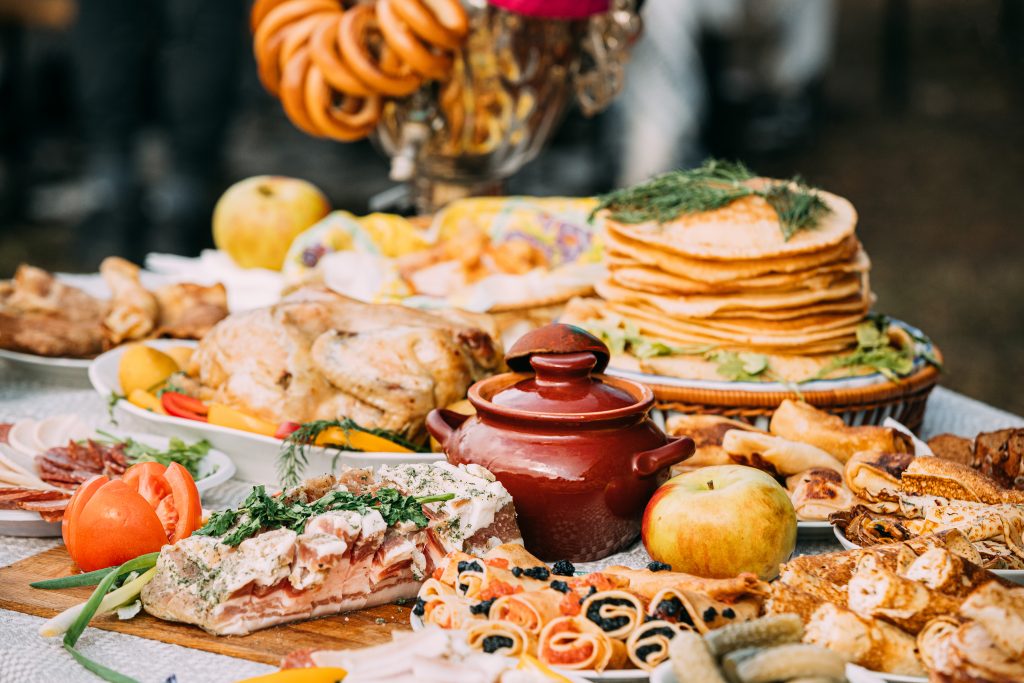
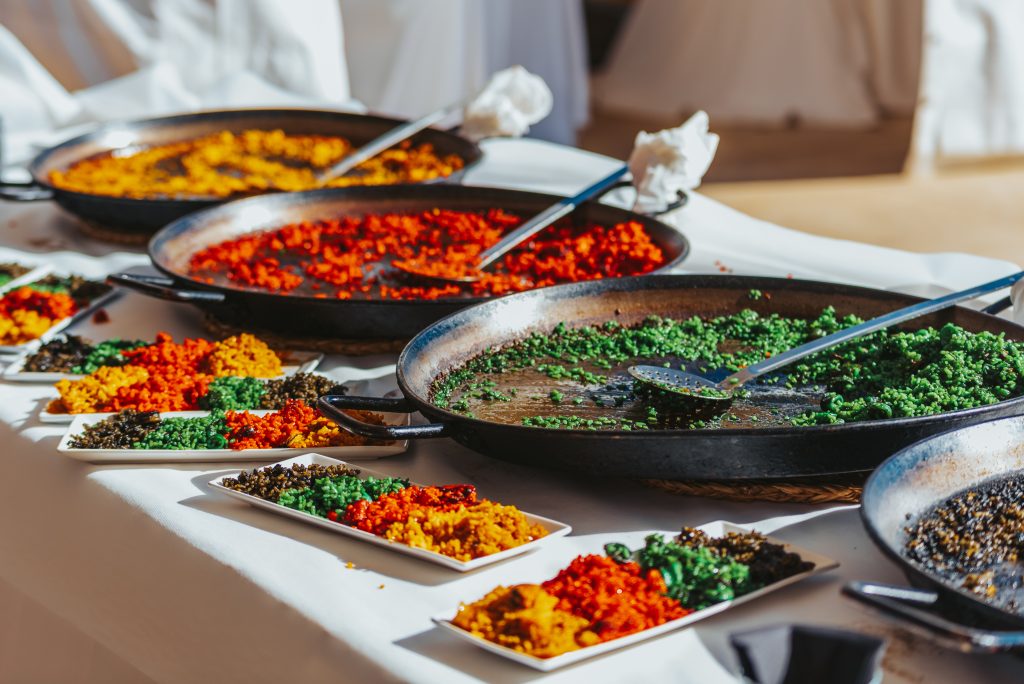
Food has always been more than just nourishment—it is a symbol of culture, tradition, and community. In cultural celebrations, whether festivals, weddings, or community gatherings, food plays a central role in creating a shared experience, honoring heritage, and bringing people together. Understanding its significance allows hosts and caterers to design menus that are both meaningful and memorable.
Why Food Is Central to Cultural Celebrations
-
Symbol of Heritage and Identity
Traditional dishes often carry centuries of cultural history. Serving them during festivals or cultural events:
-
Connects participants with their roots.
-
Preserves culinary traditions that might otherwise fade.
-
Celebrates the uniqueness of a community or region.
-
A Medium of Connection
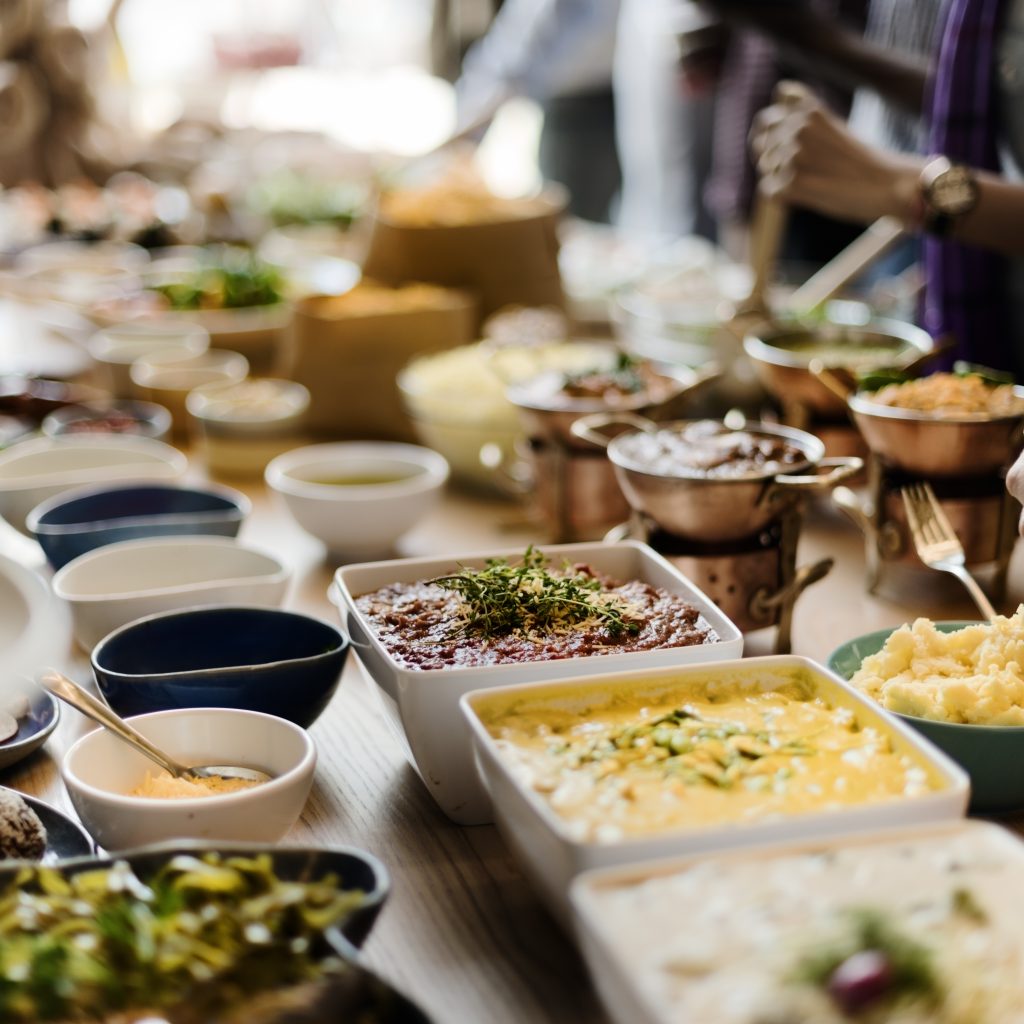
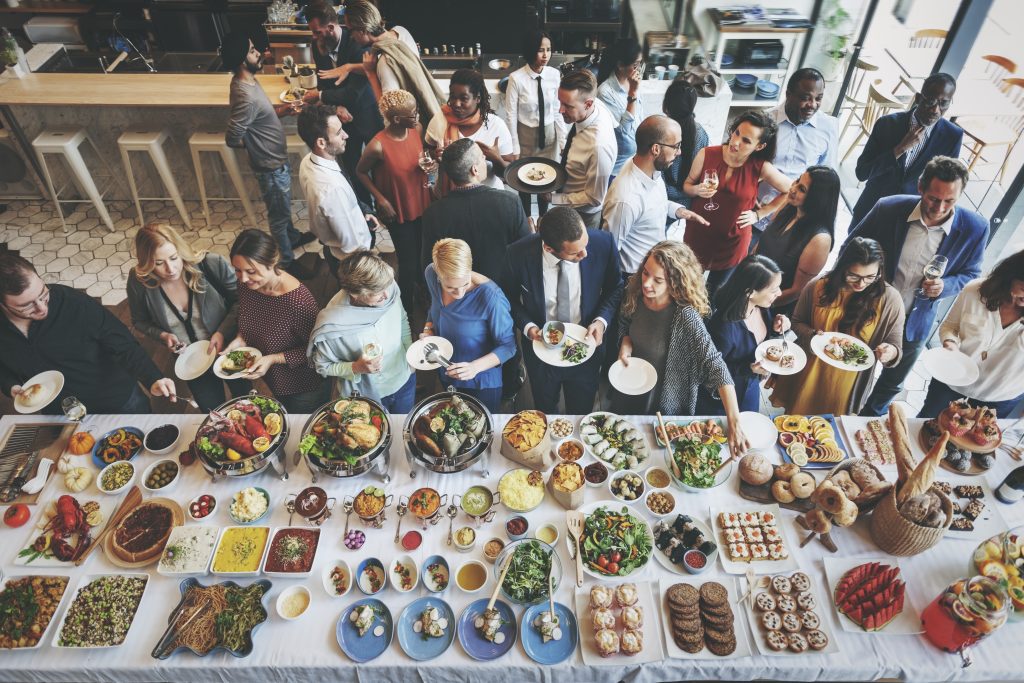
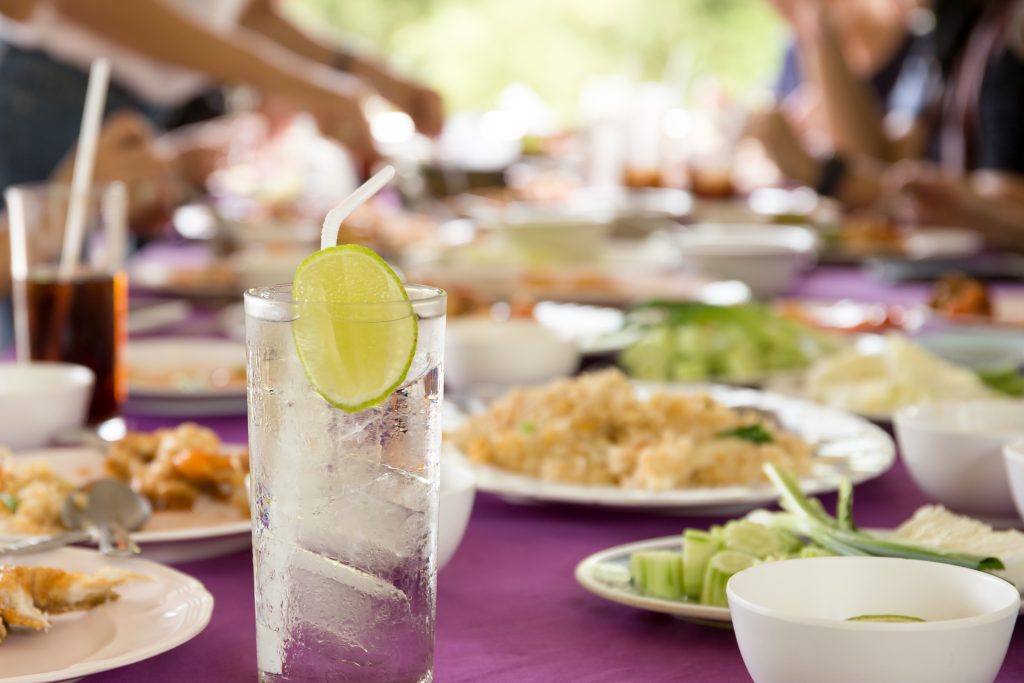
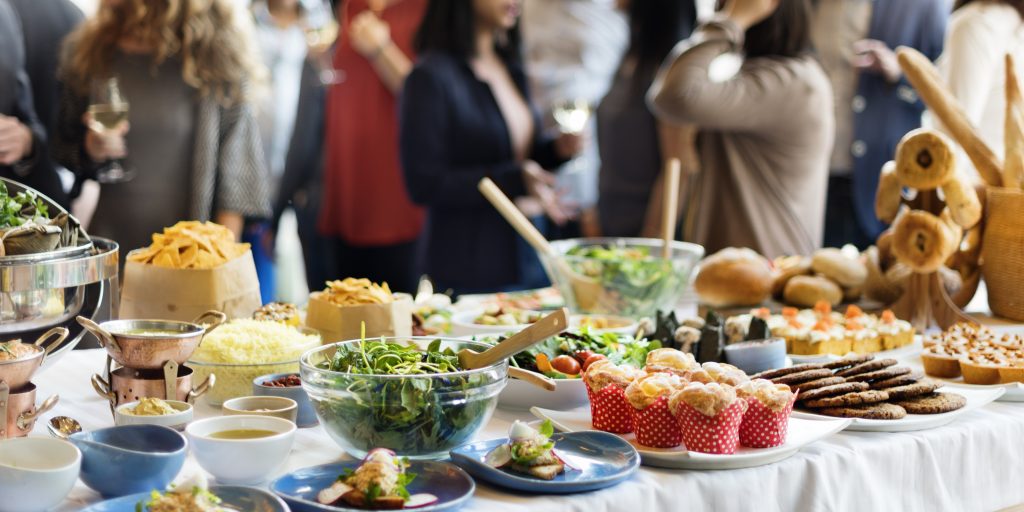
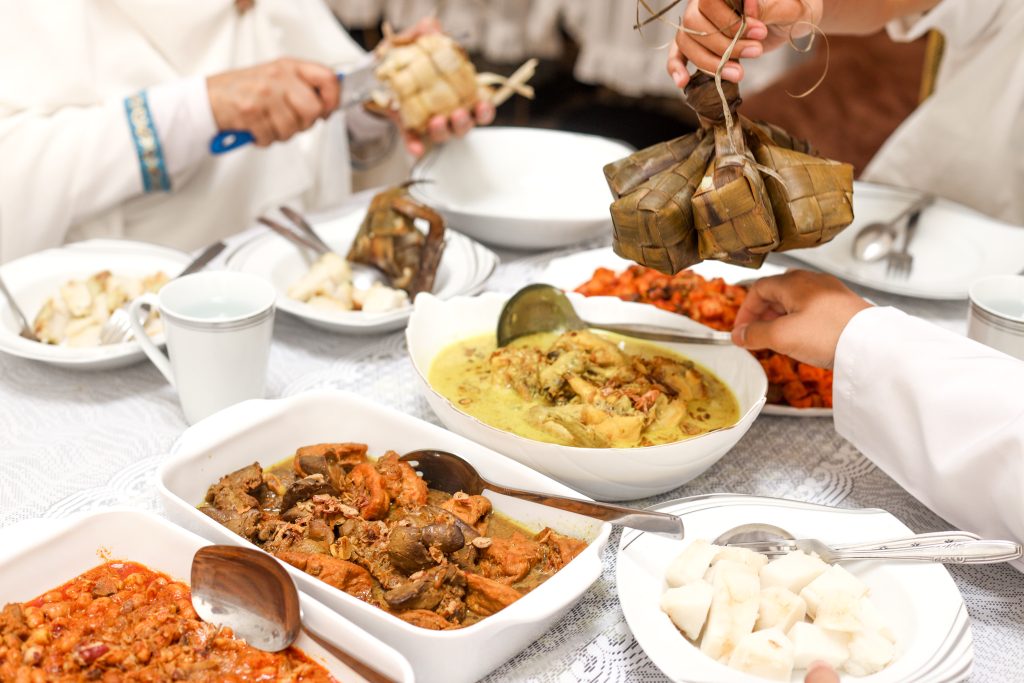
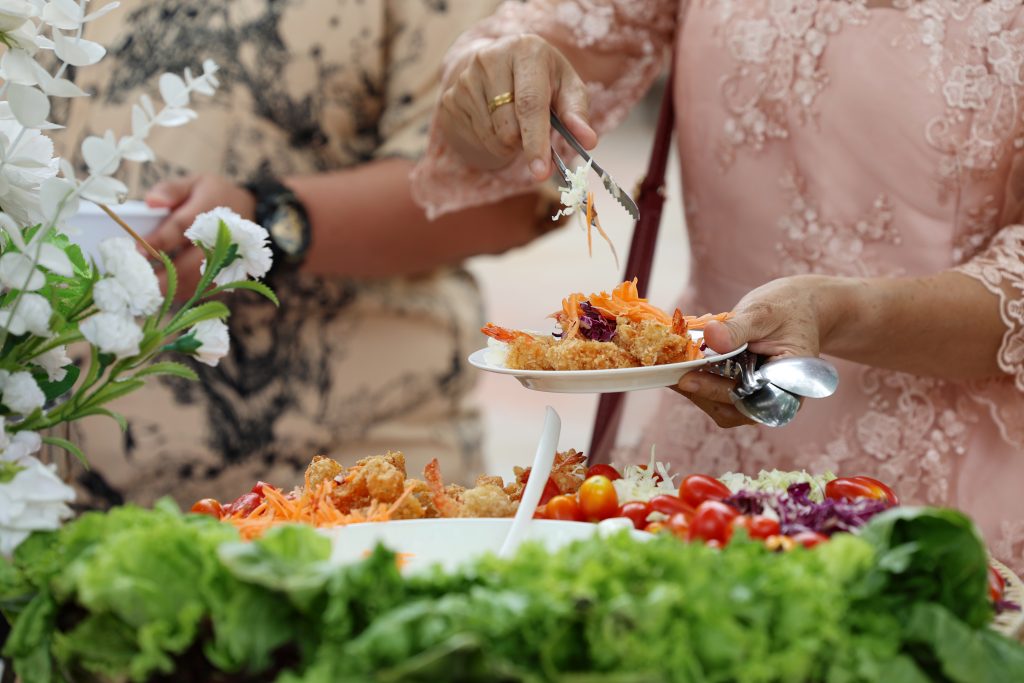
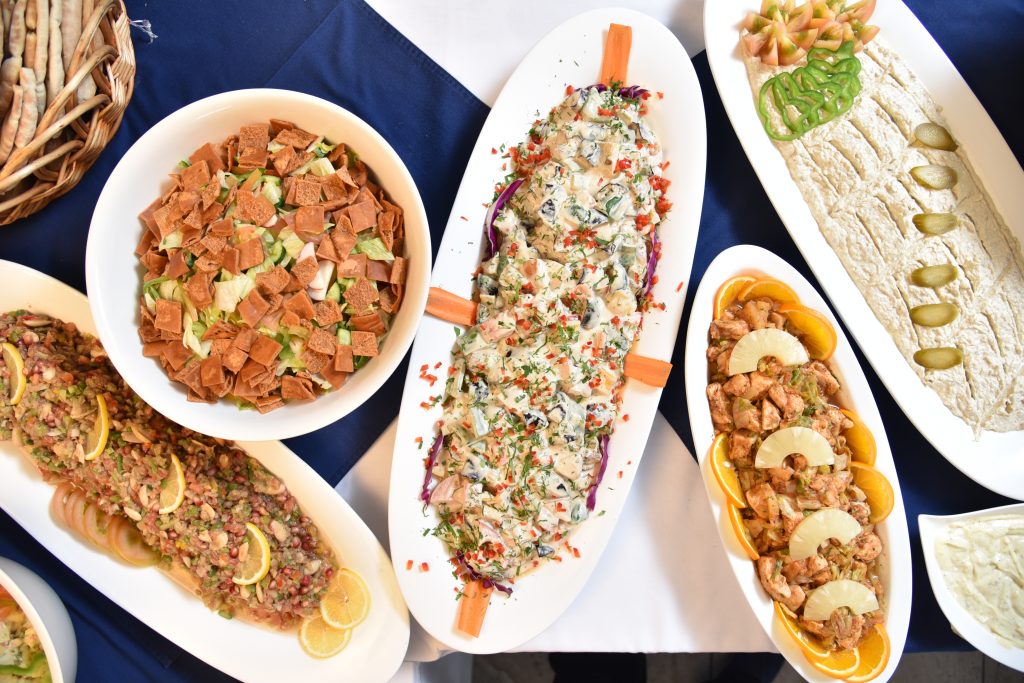
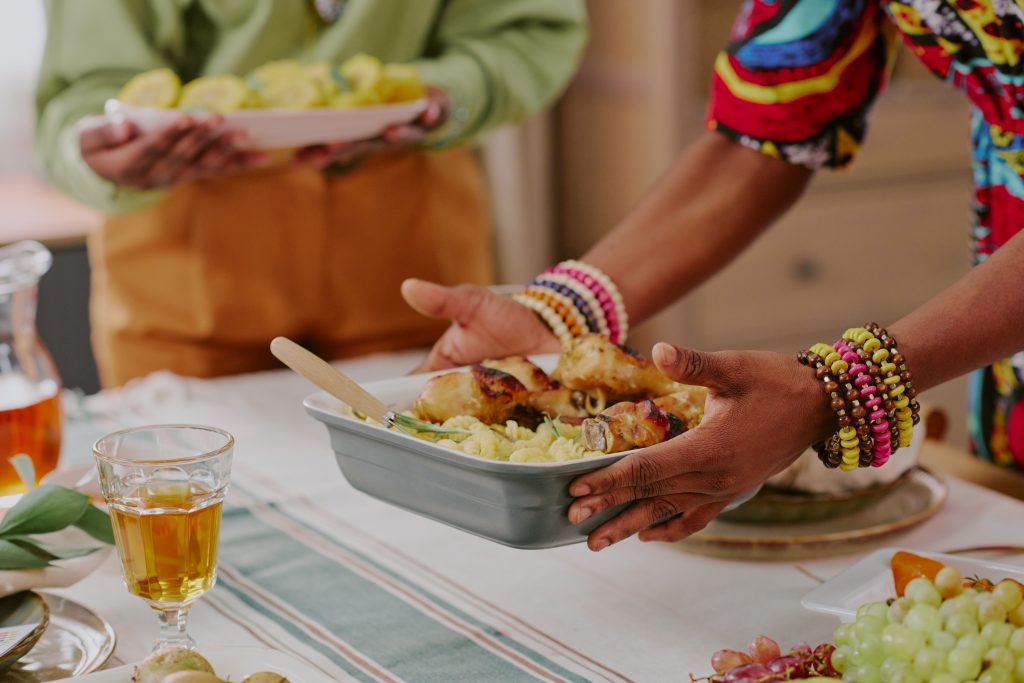
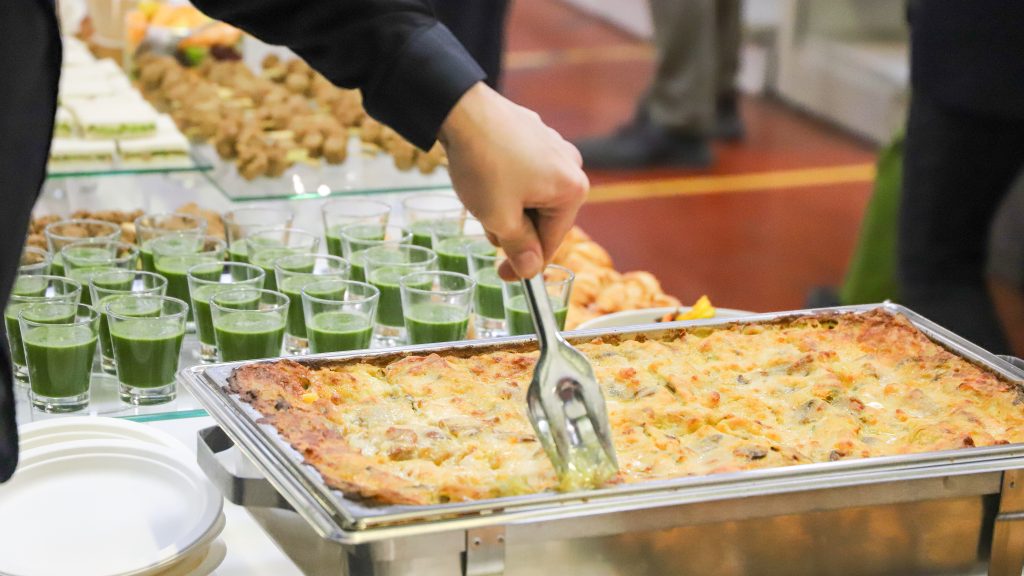
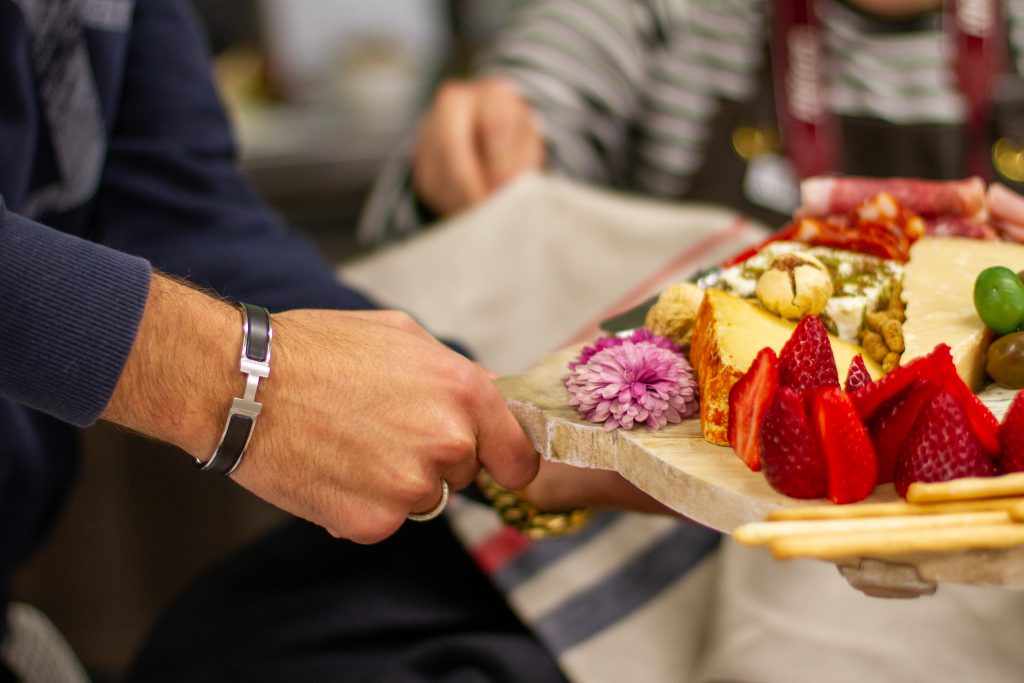
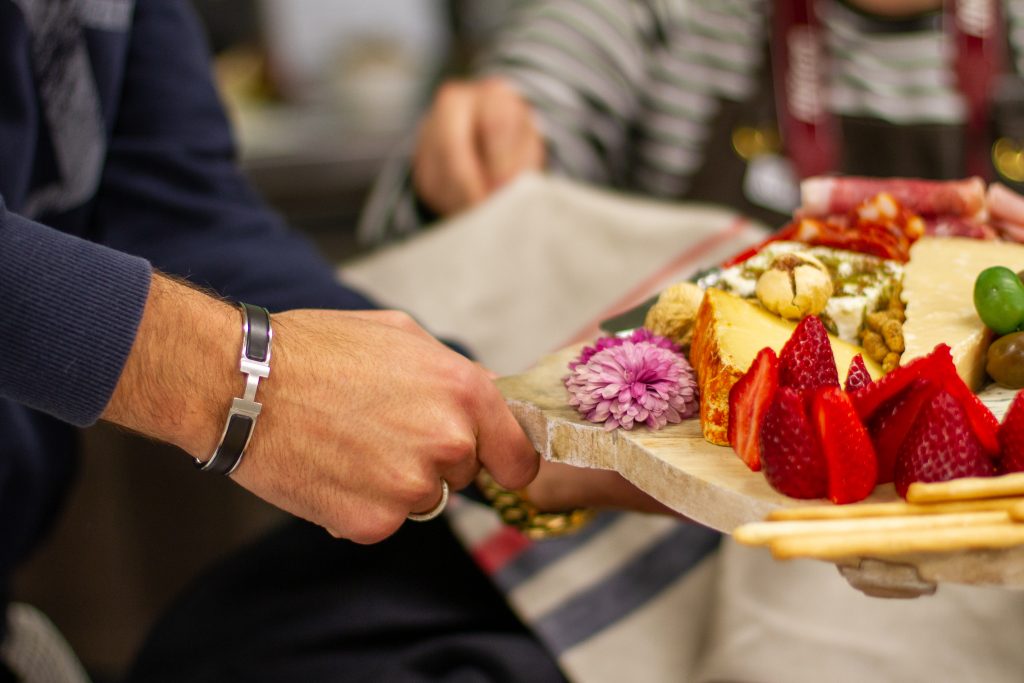
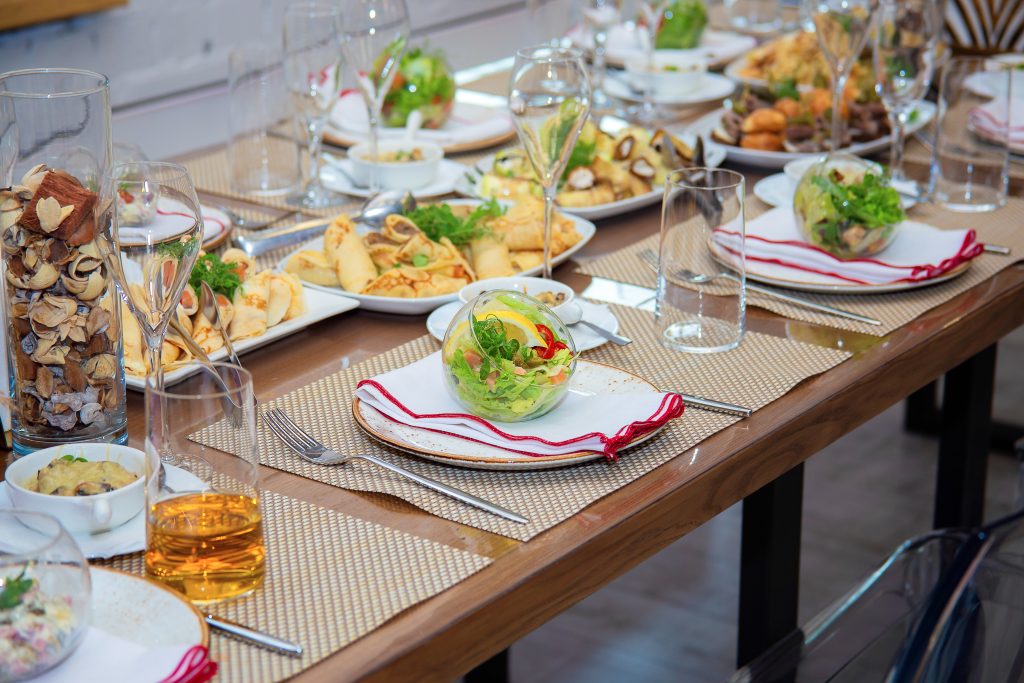
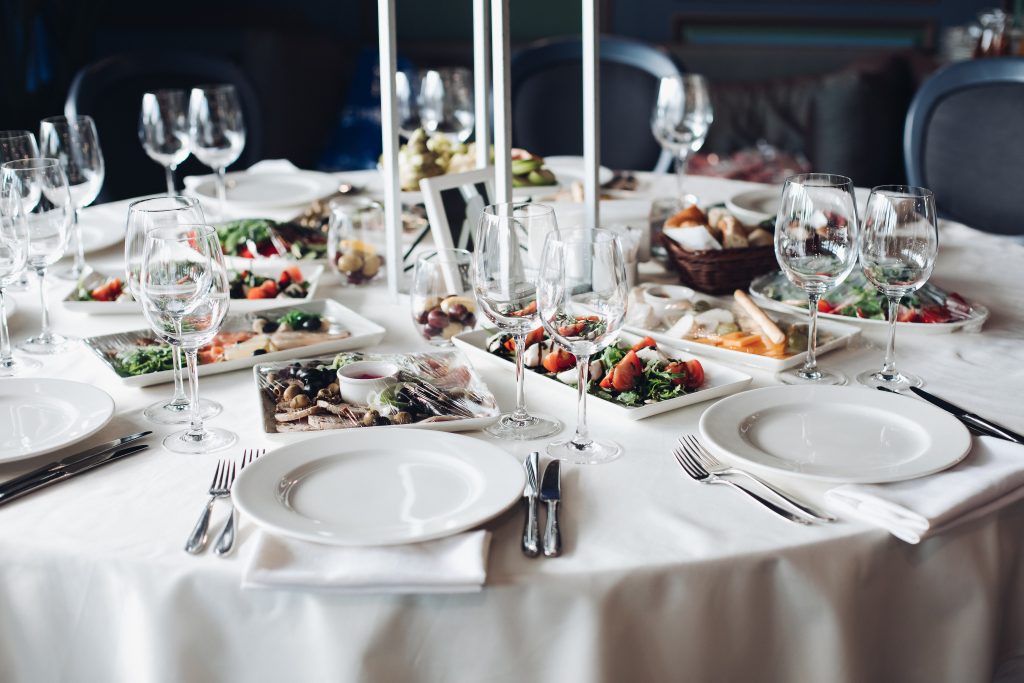
Sharing food fosters community and social interaction. Family-style meals, buffet spreads, and communal platters encourage guests to bond, discuss, and celebrate together. -
Enhances the Festive Atmosphere
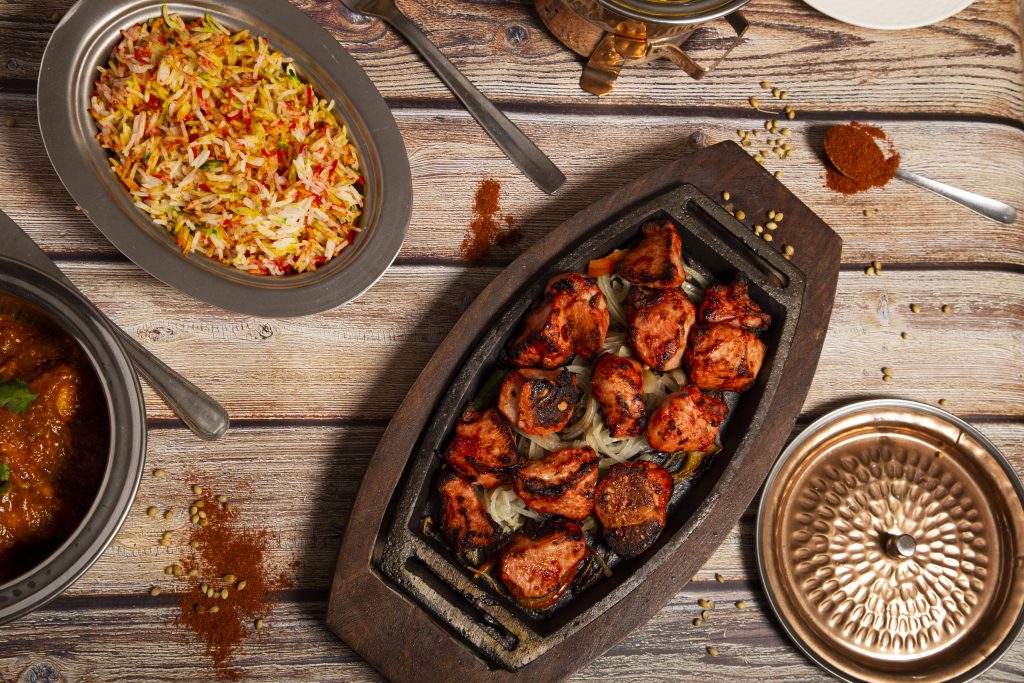
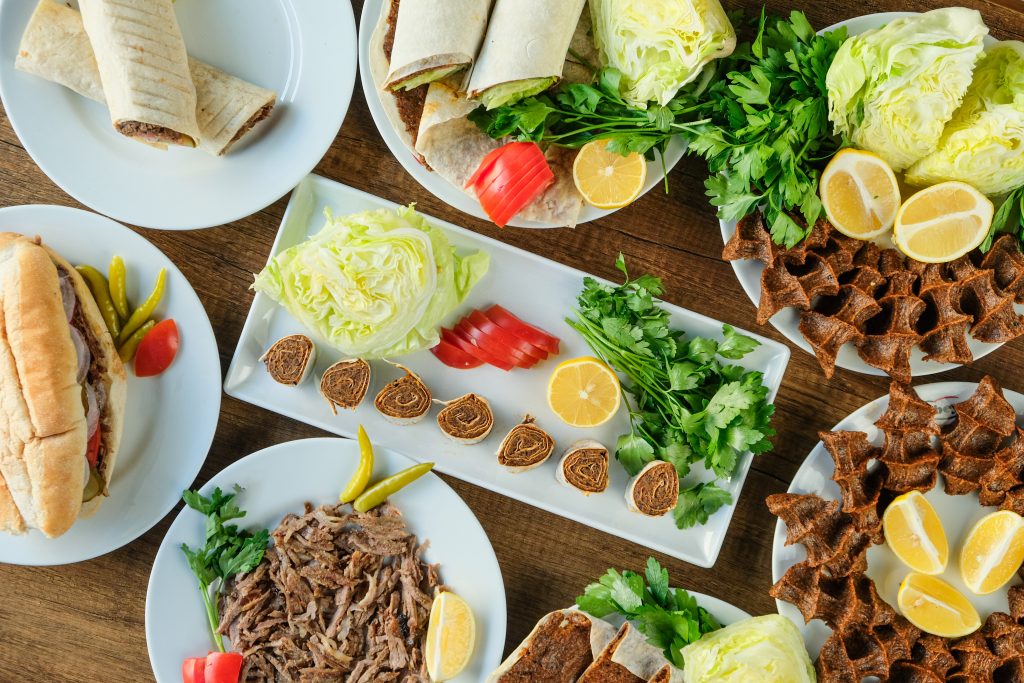
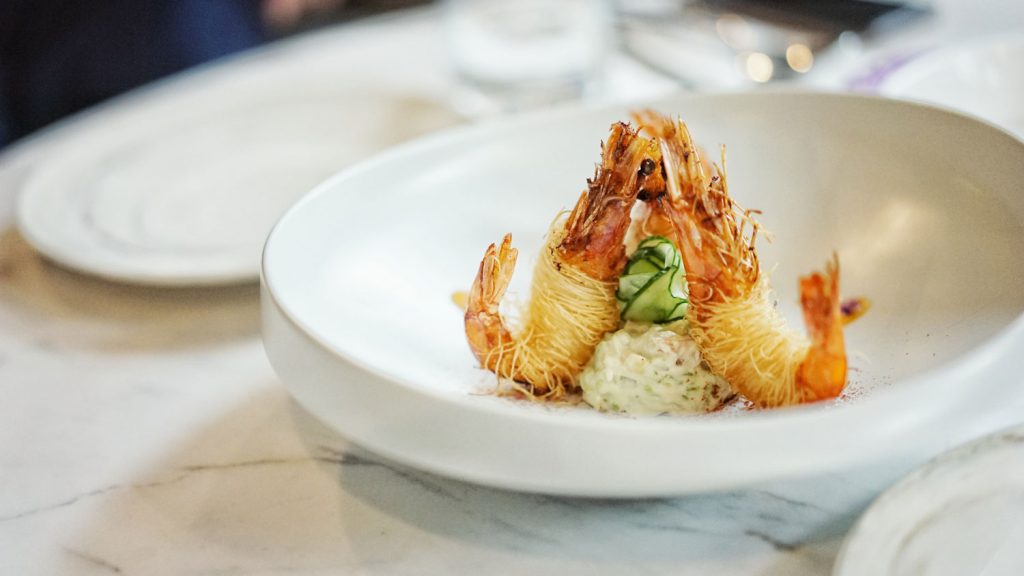
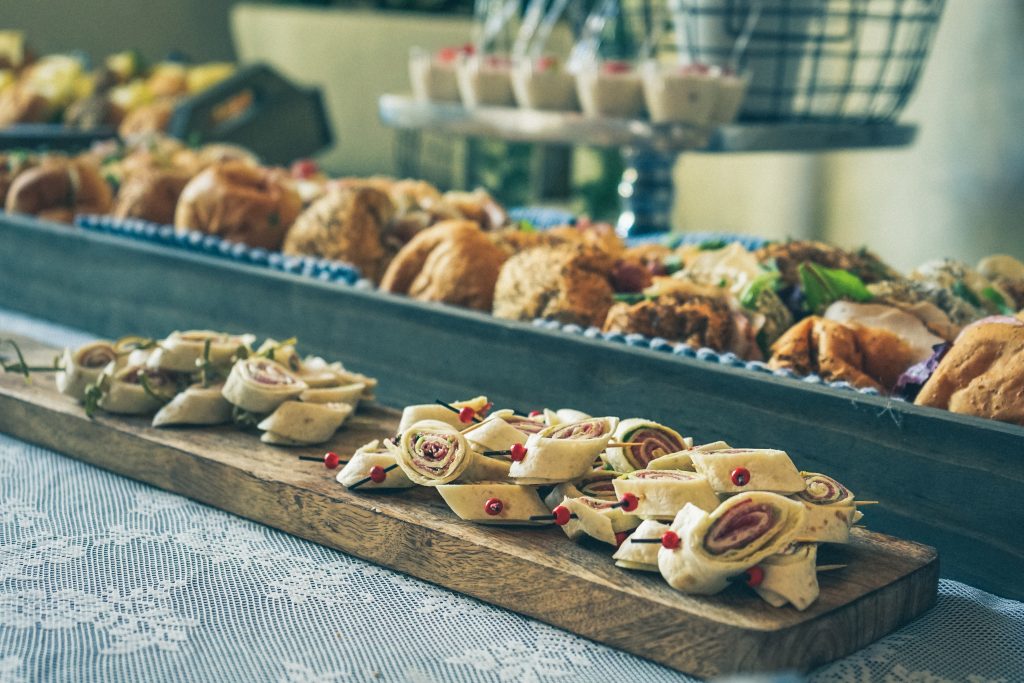
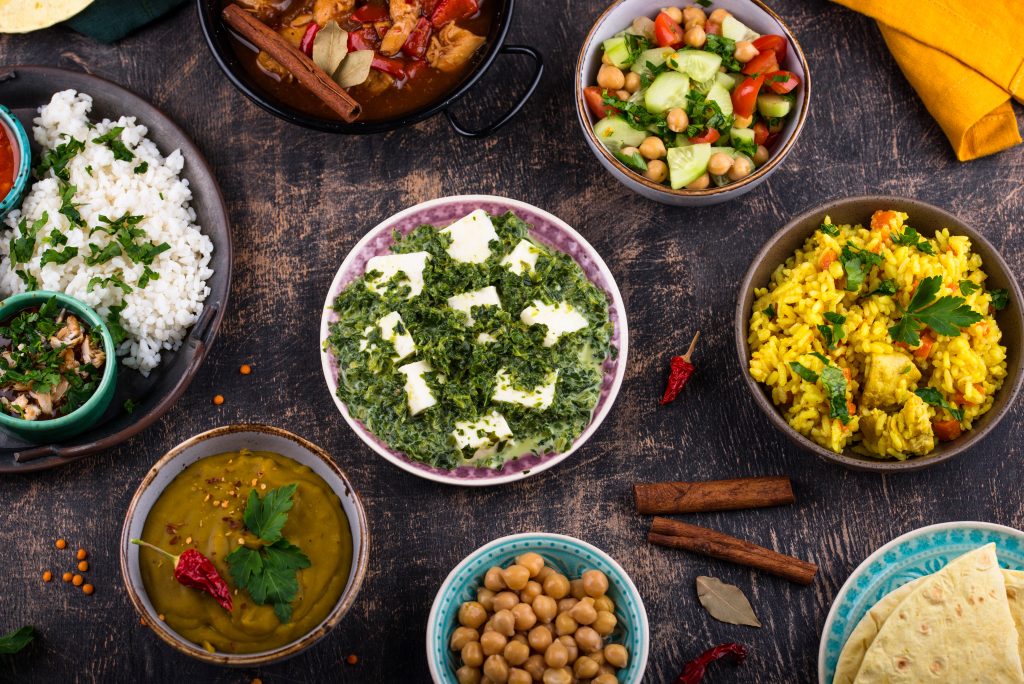
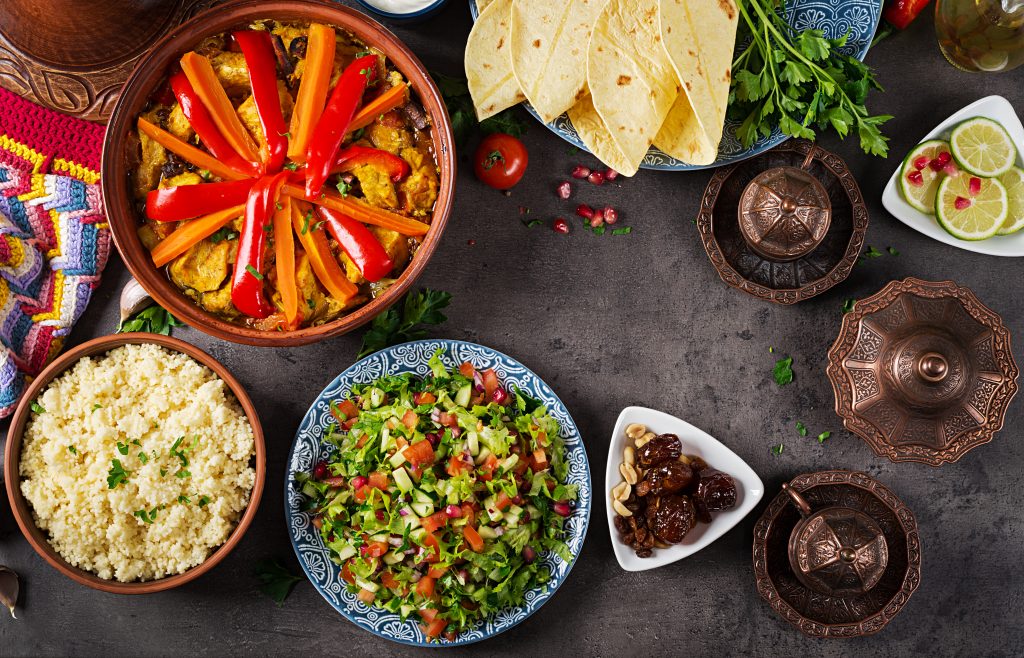
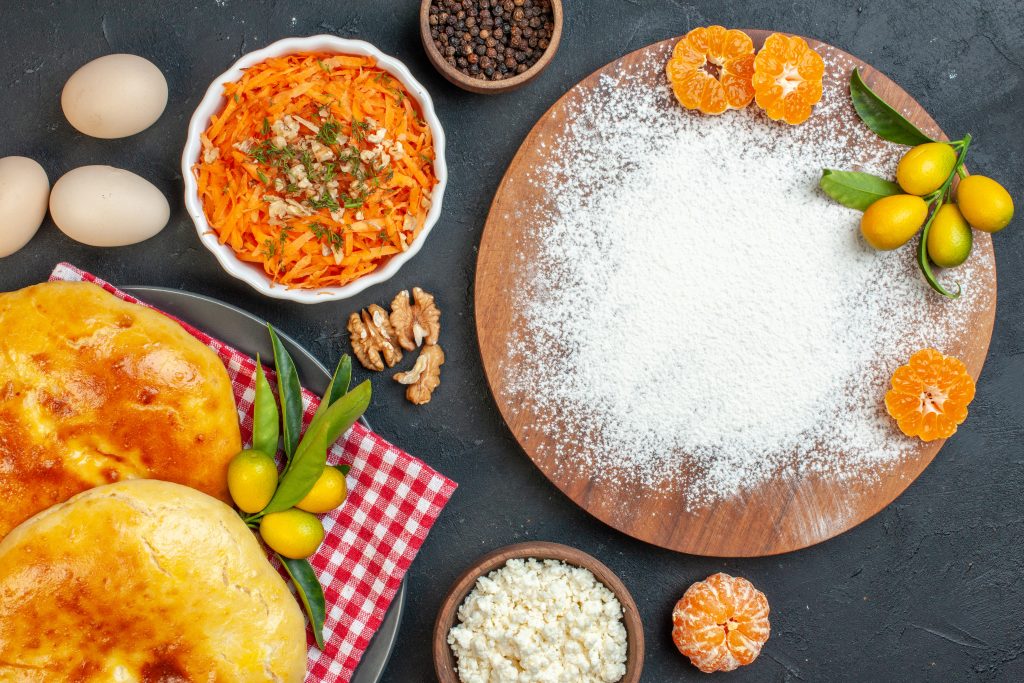
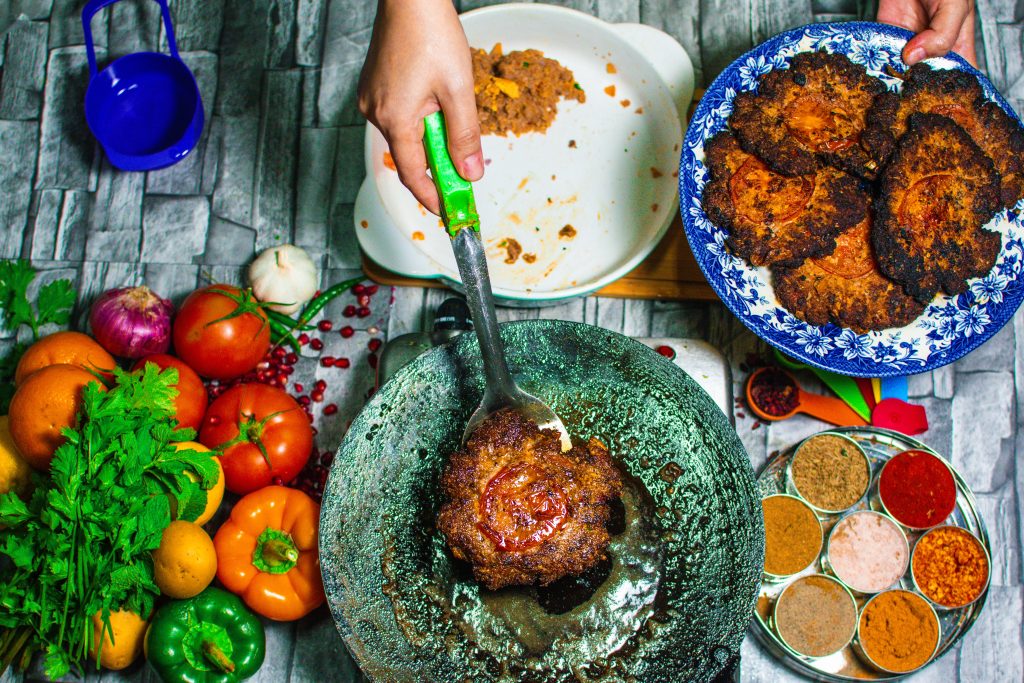
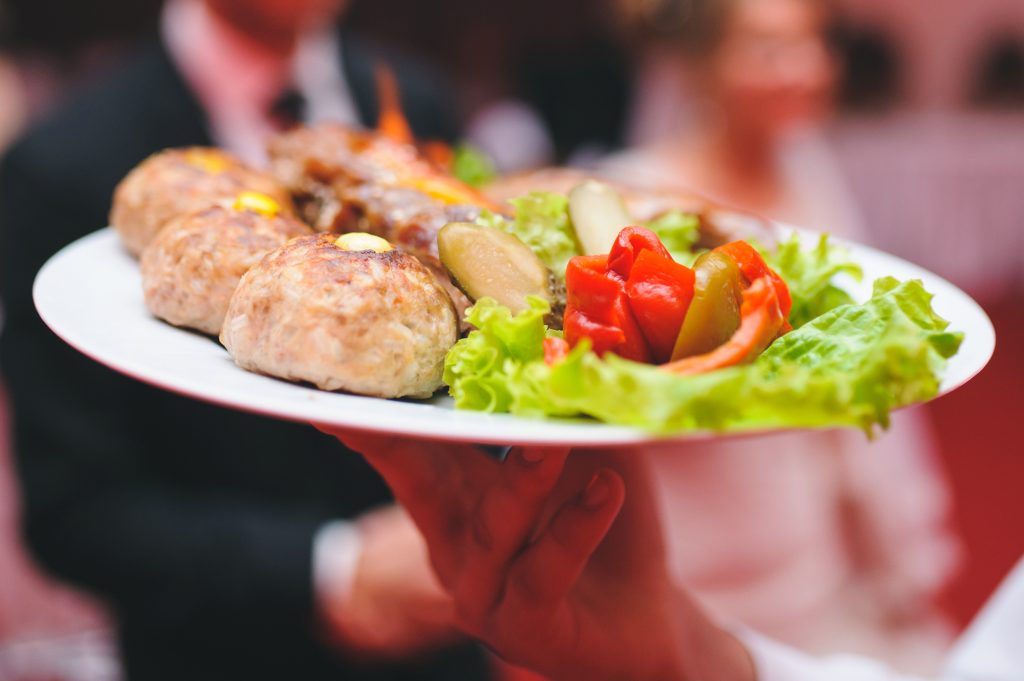
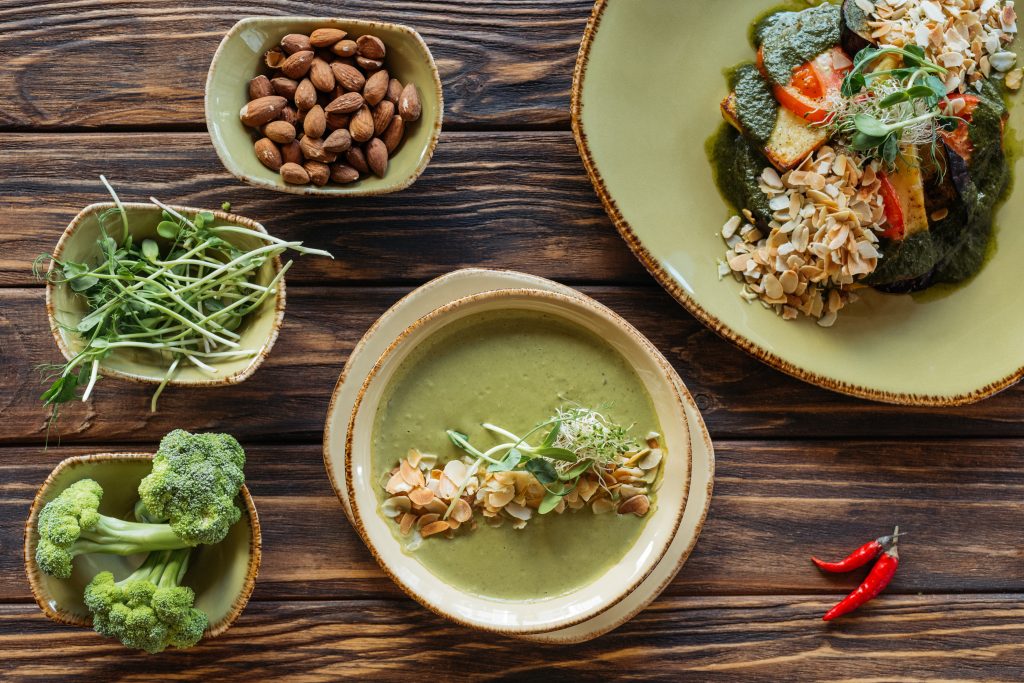
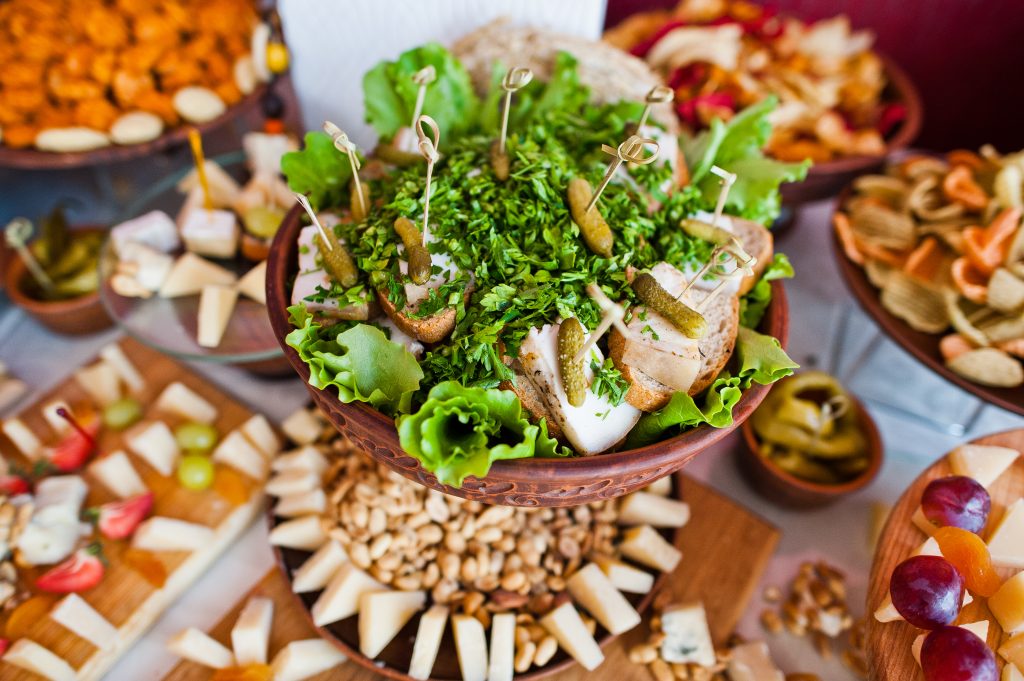
Colorful, aromatic, and visually appealing dishes add to the celebratory ambiance. The aroma of spices, vibrant colors of vegetables, and intricate plating create a multisensory experience that heightens the joy of the event.
Examples of Food in Cultural Celebrations
1. South Asian Festivals
-
Diwali: Sweets like gulab jamun, barfi, and laddoos symbolize prosperity and happiness.
-
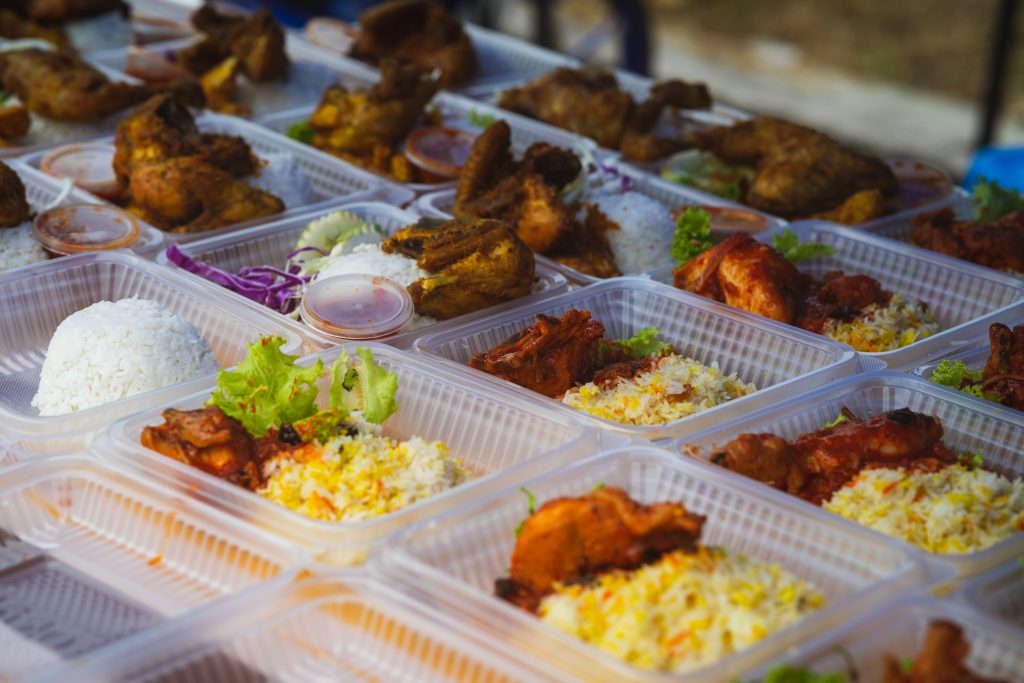
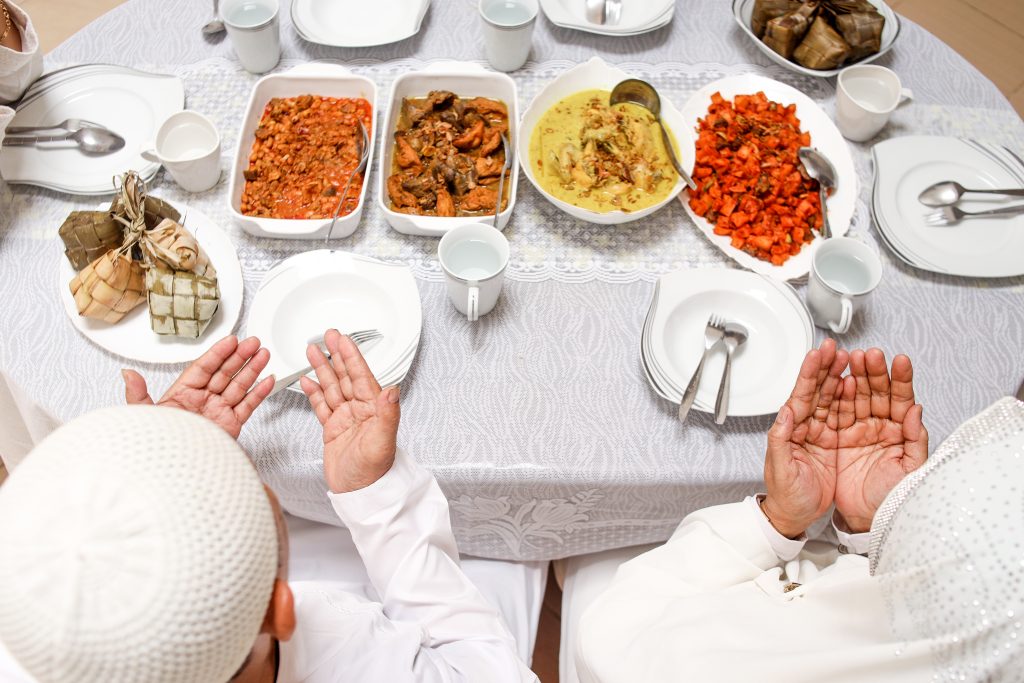
Eid: Dishes like biryani, kebabs, and sheer khurma mark the end of fasting with a celebratory feast.
-
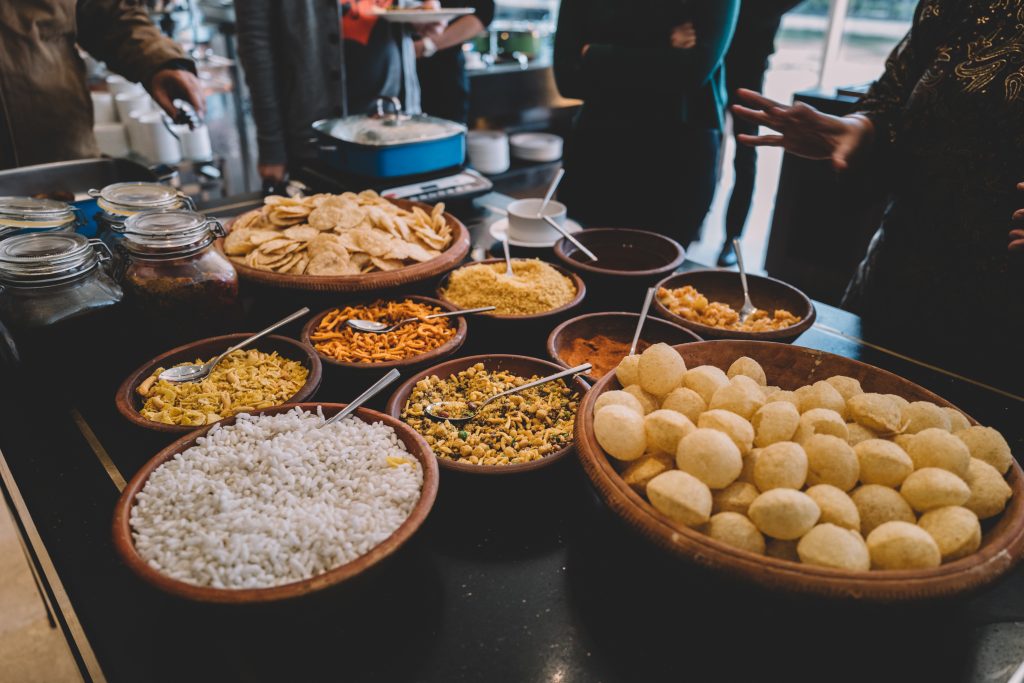
Holi: Savory snacks and colorful desserts reflect the festival’s vibrancy and joy.
2. Middle Eastern Celebrations
-
Ramadan Iftar: Dates, soups, and hearty mains provide both nutrition and tradition during the breaking of fast.
-
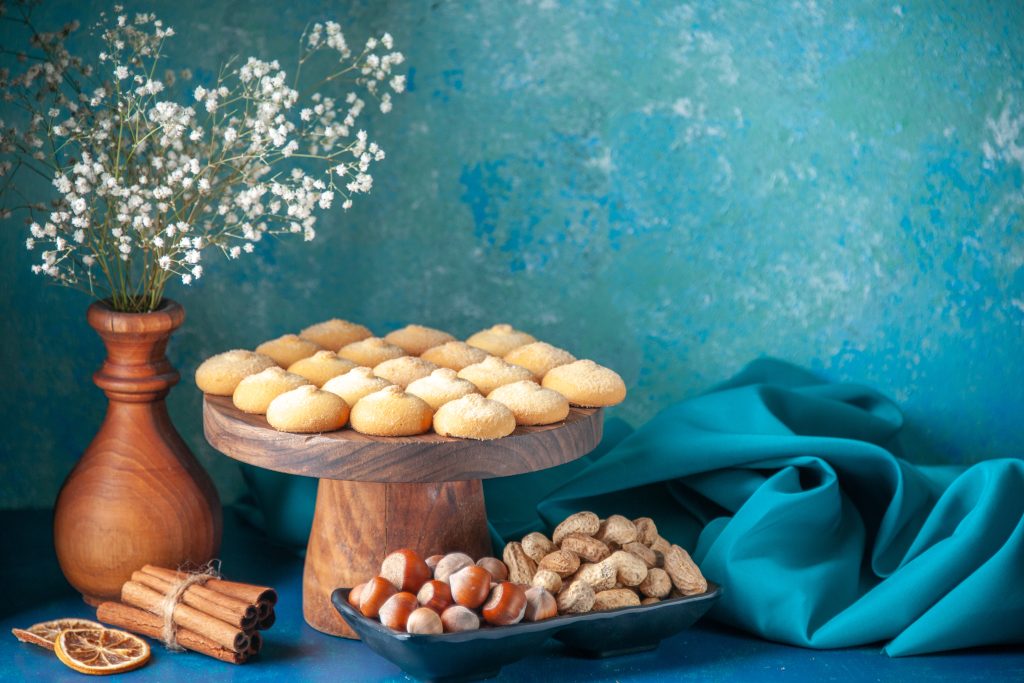
Eid al-Fitr: Sweet pastries like baklava and regional desserts are shared with family and friends.
-
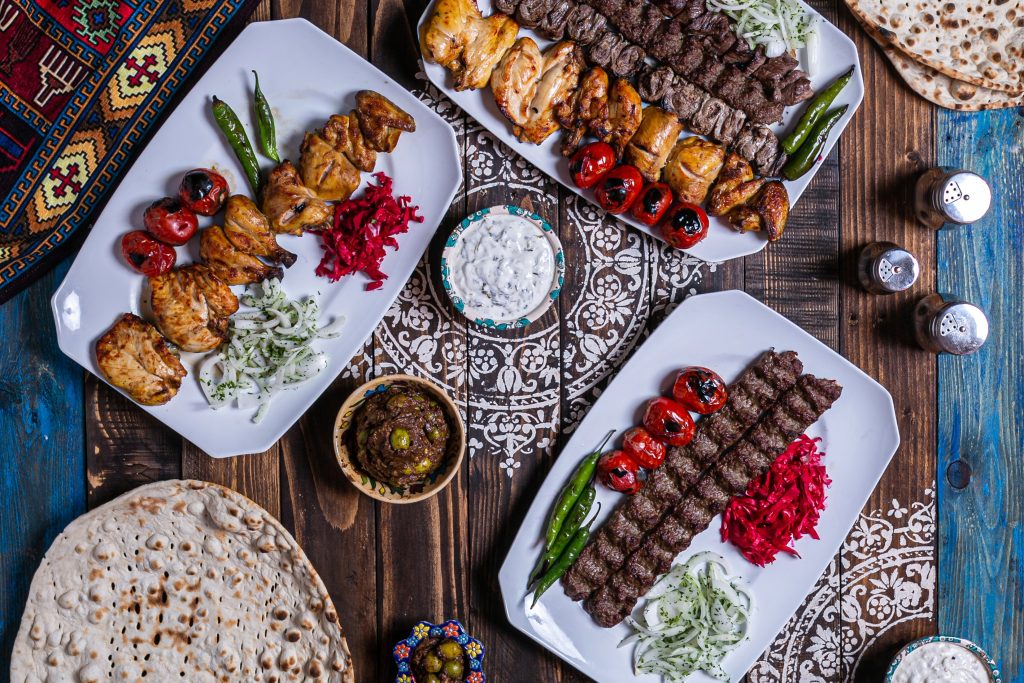
Weddings: Mezze platters, roasted meats, and rice dishes highlight cultural authenticity.
3. African Festivals
-
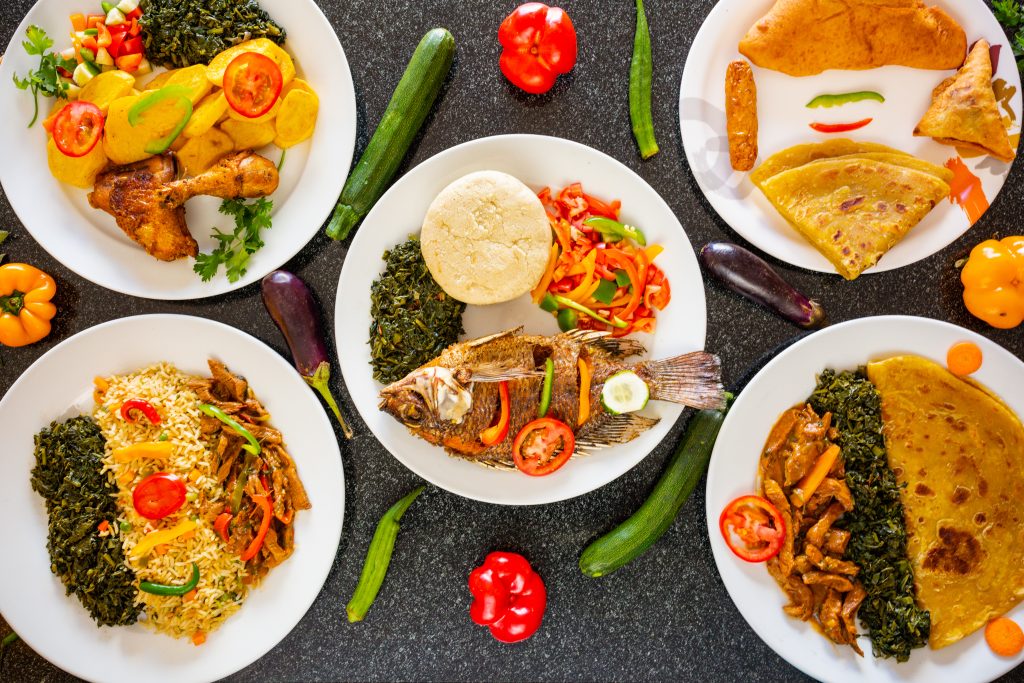
Harvest Celebrations: Stews, grains, and plant-based dishes emphasize abundance and community.
-
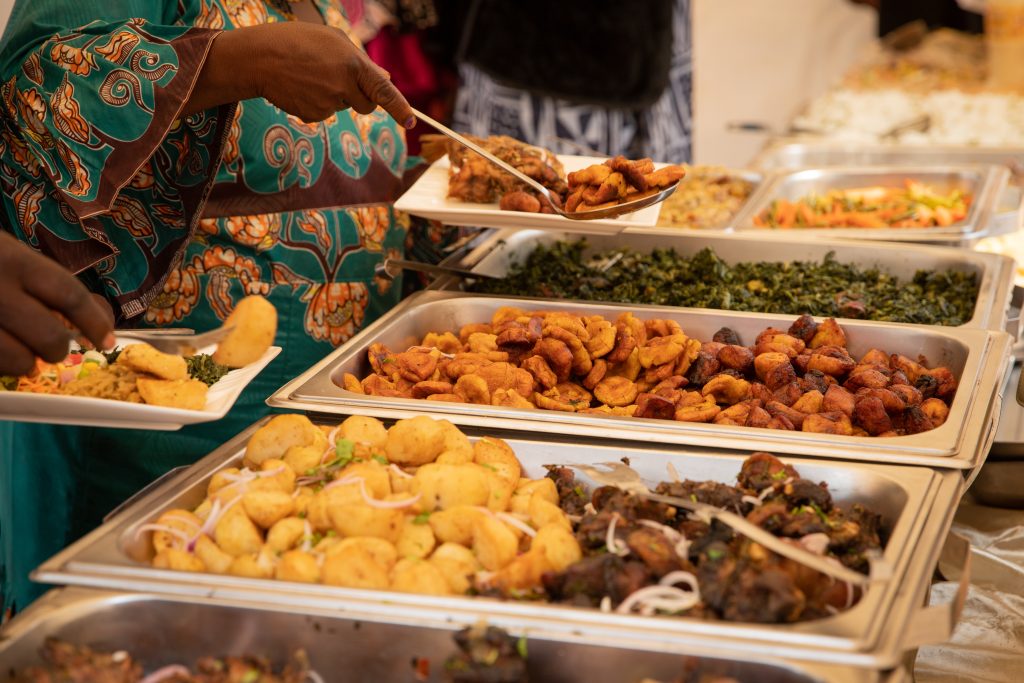
Cultural Gatherings: Finger foods, fried snacks, and spicy mains encourage sharing and enjoyment.
4. Caribbean Festivals
-
Carnival and Heritage Festivals: Jerk chicken, rice and peas, tropical fruits, and fritters provide flavor, color, and energy.
-
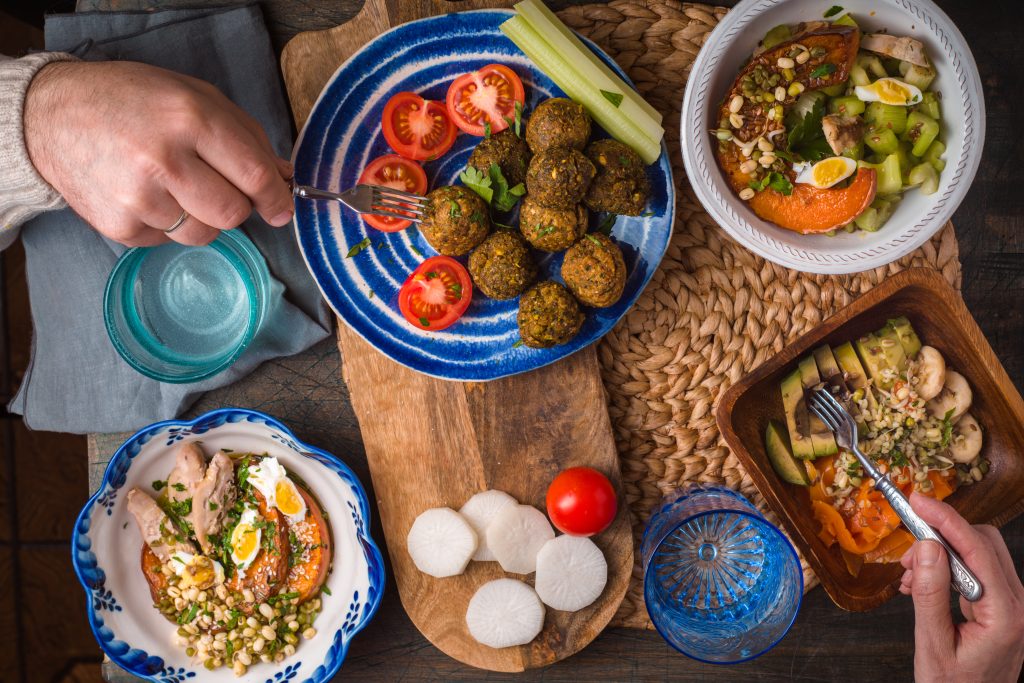
Family Gatherings: Plant-based curries and vibrant salads showcase local ingredients and culinary traditions.
How Food Shapes the Celebration
-
Preserving Tradition: Serving authentic dishes ensures that guests experience the true cultural essence of the event.
-
Creating Memories: Flavors, aromas, and presentation leave lasting impressions, making celebrations unforgettable.
-
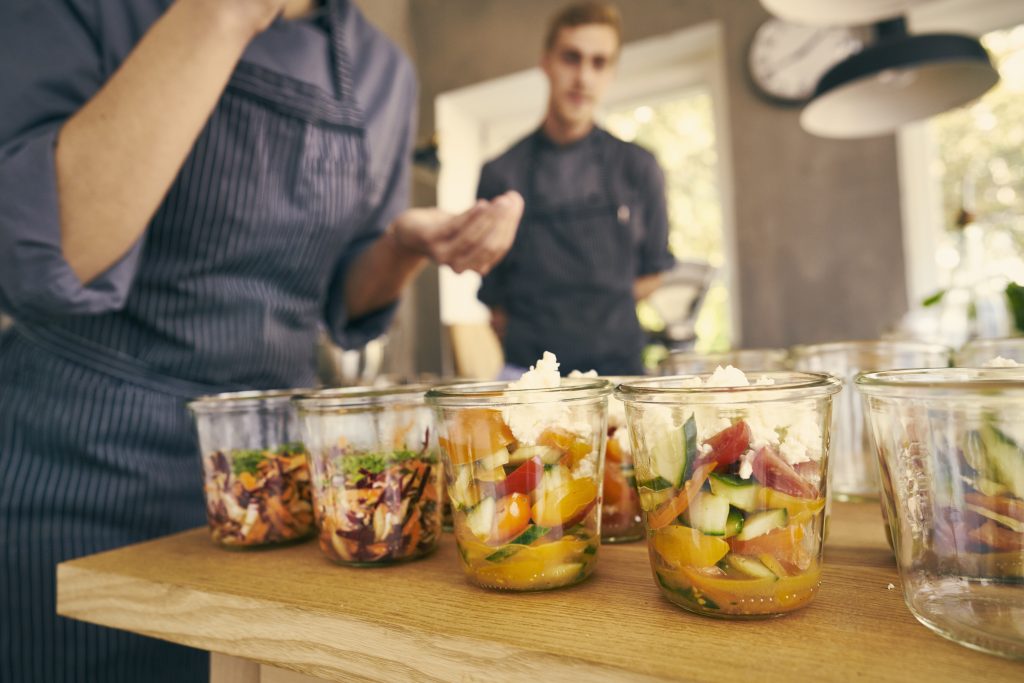
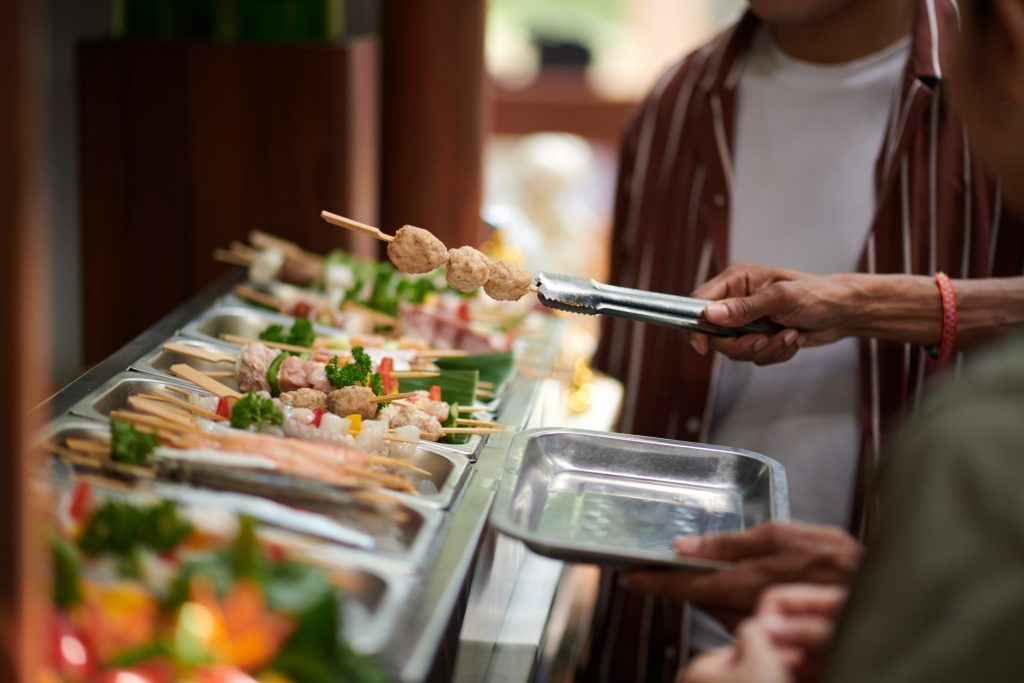
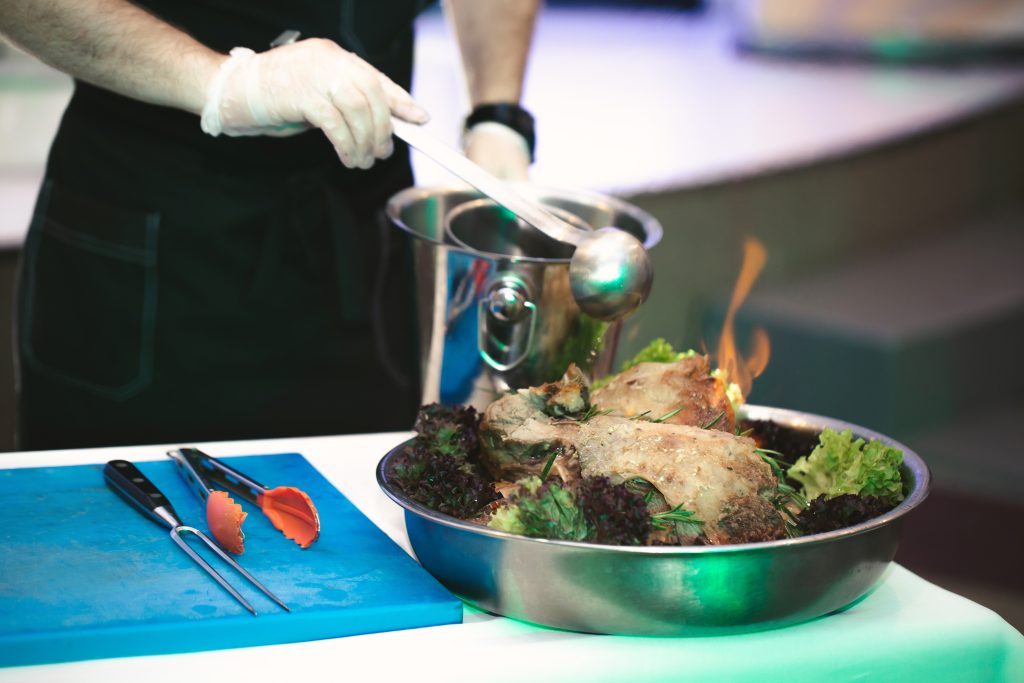
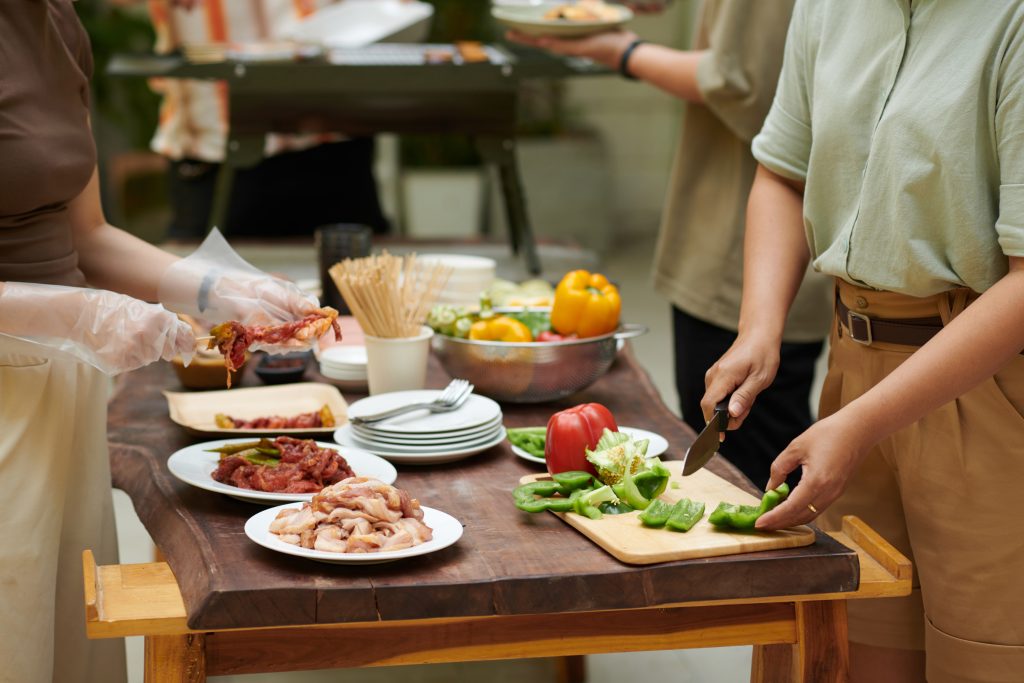
Encouraging Participation: Interactive stations like live cooking or build-your-own platters engage guests and create shared experiences.
-
Expressing Hospitality: Thoughtful menus reflect care, generosity, and respect for attendees.
Tips for Planning Food for Cultural Celebrations
-
Understand Cultural Significance: Know which dishes, ingredients, or preparation methods are meaningful for the celebration.
-
Balance Tradition and Innovation: While keeping authenticity, modern twists or fusion dishes can delight guests without compromising heritage.
-
Accommodate Dietary Needs: Include vegetarian, vegan, halal, or gluten-free options as required.
-
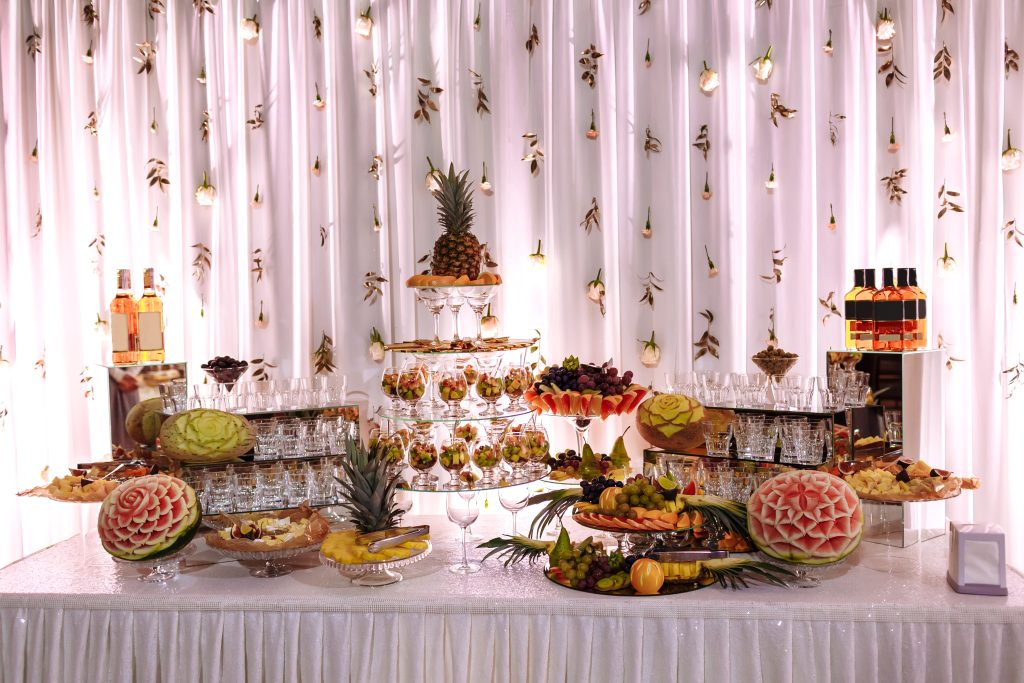
Presentation Matters: Use traditional serving ware, garnishes, and colors to enhance visual appeal.
-
Engage Guests: Consider tasting stations, live cooking, or interactive platters for a memorable experience.
Benefits of Thoughtful Cultural Catering
-
Enhanced Guest Experience: Guests feel connected and included.
-
Cultural Education: Non-native attendees learn about traditions through food.
-
Memorable Celebrations: Unique flavors and presentation create lasting impressions.
-
Community Building: Sharing meals strengthens social bonds and a sense of belonging.
Conclusion
Food is at the heart of every cultural celebration. It reflects heritage, expresses hospitality, and creates shared memories. From South Asian sweets during Diwali to Middle Eastern mezze platters, African stews, and Caribbean curries, food provides a bridge between tradition and community.
By thoughtfully planning menus that honor authenticity, cater to dietary needs, and incorporate visual appeal, hosts can ensure that their cultural celebrations are inclusive, engaging, and unforgettable. Ultimately, food is more than just a meal—it is a story, a tradition, and a celebration of culture that unites people across generations and geographies.