
 English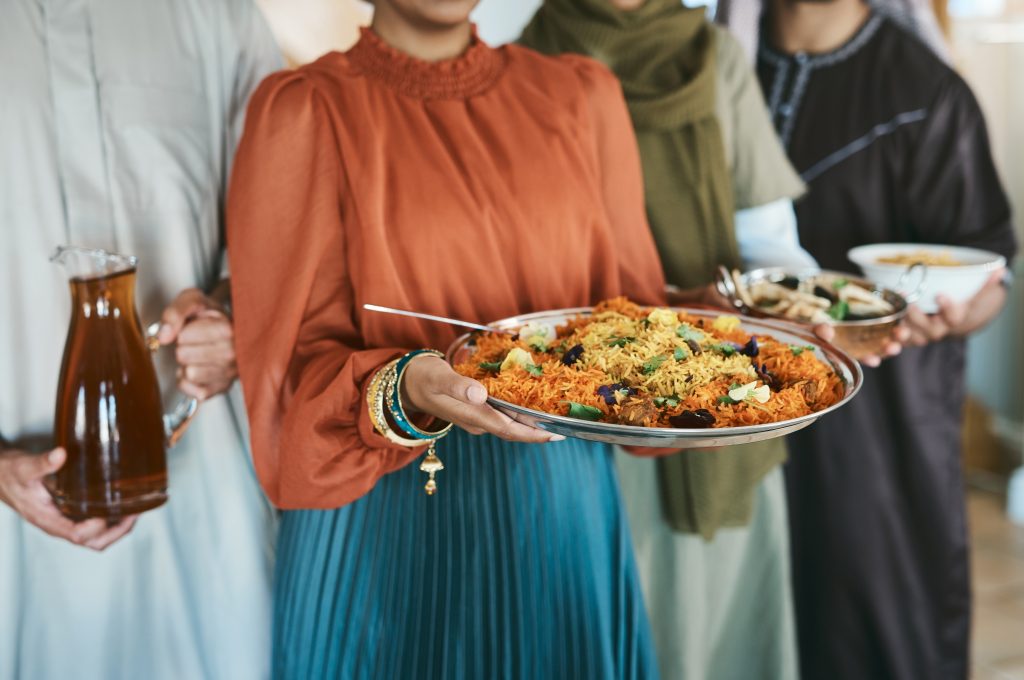








How to Plan Menus for Large Events

Planning menus for large events—whether weddings, corporate gatherings, festivals, or community celebrations—can be a daunting task. With hundreds of guests, diverse dietary preferences, and high expectations, thoughtful menu planning is essential to ensure everyone enjoys the food while maintaining efficiency and cost-effectiveness. Here’s a detailed guide on how to plan menus for large-scale events successfully.
1. Understand Your Event and Guest Demographics
Before designing the menu, gather key information about the event:
-
Type of Event: Formal wedding, casual corporate gathering, festival, or cultural celebration.
-
Guest Count: Helps determine portion sizes, variety, and service style.
-
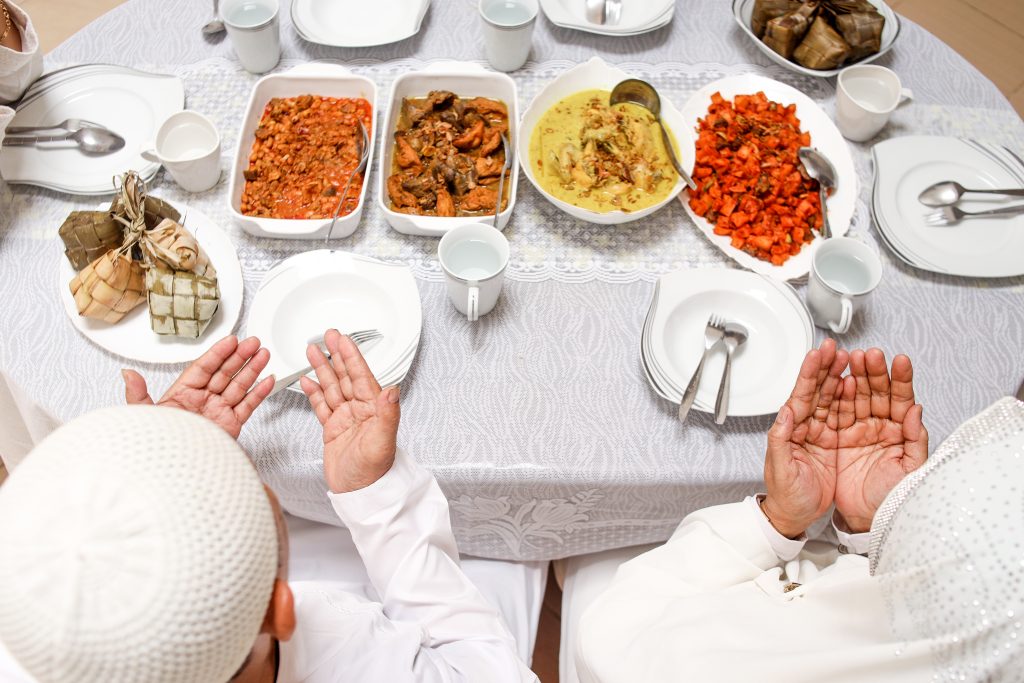
Dietary Restrictions: Identify vegetarian, vegan, gluten-free, halal, or kosher requirements.
-
Age Groups: Kids, adults, and elderly guests may have different tastes and portion needs.
Knowing your audience allows you to craft a menu that balances tradition, creativity, and inclusivity.
2. Choose the Right Cuisine
-
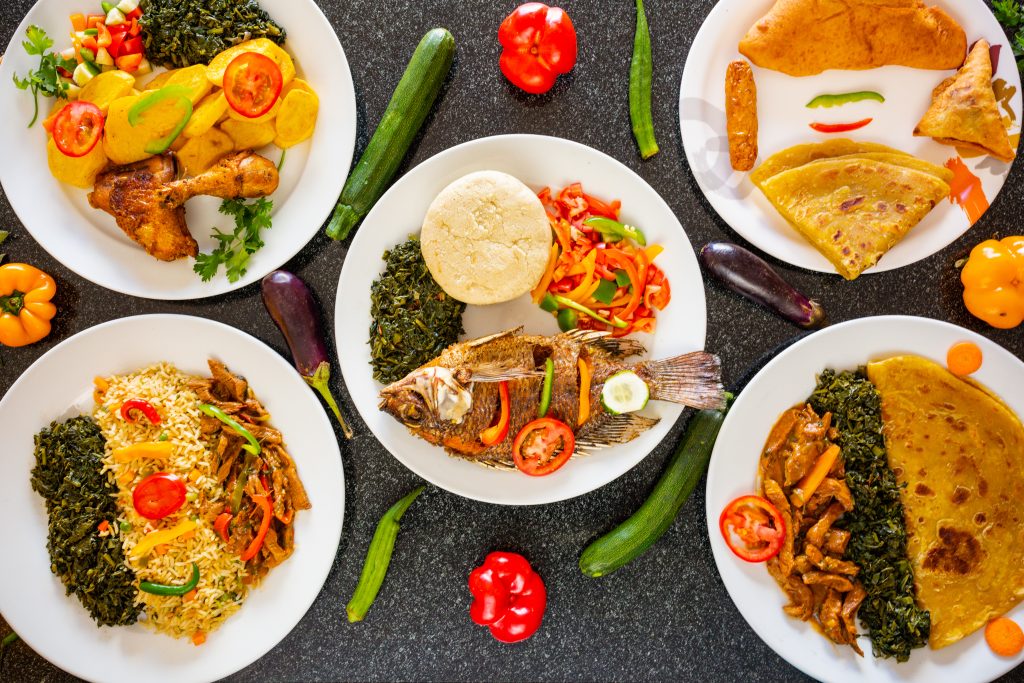
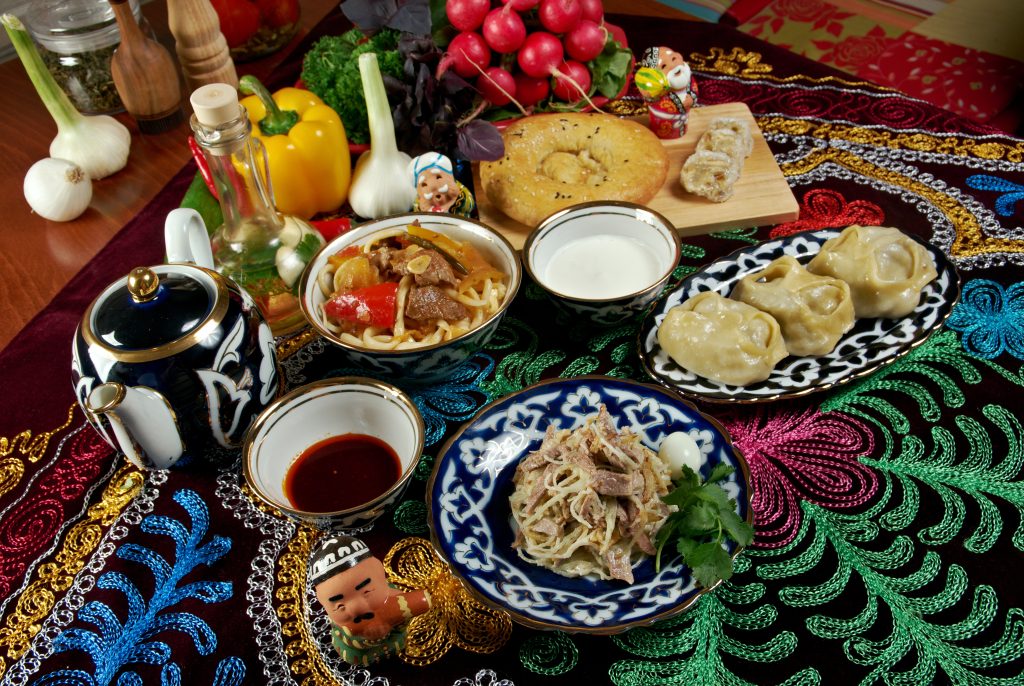
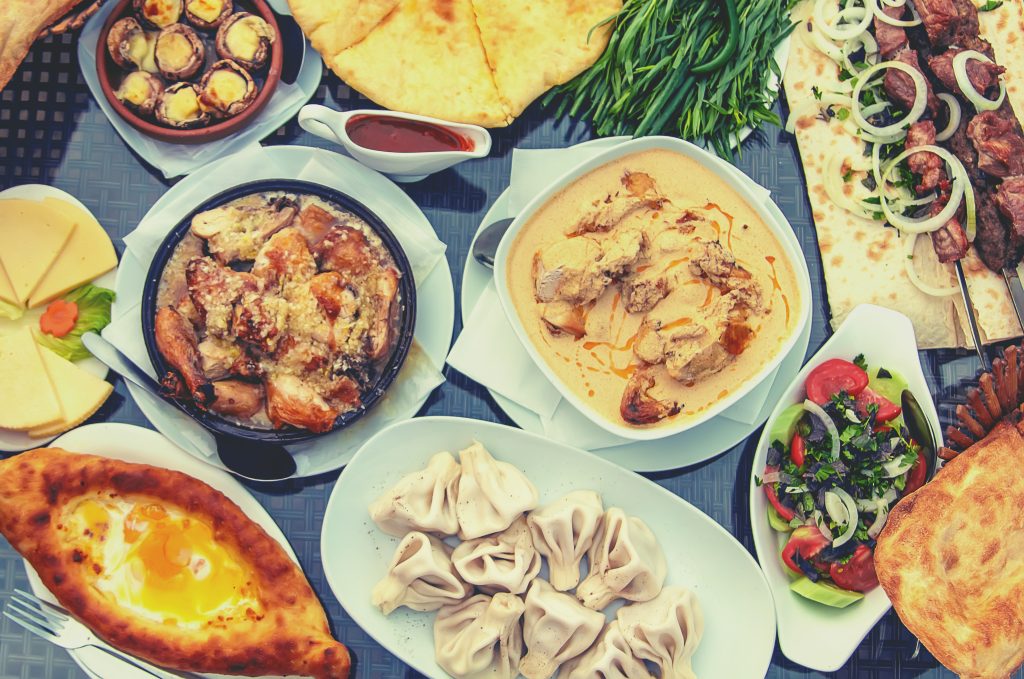
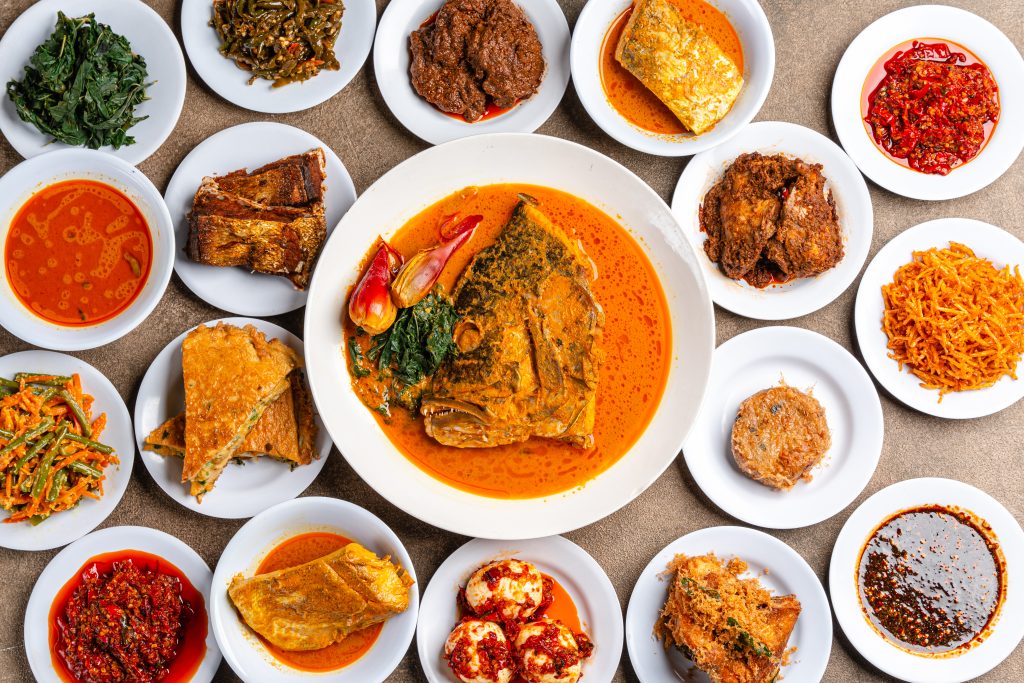
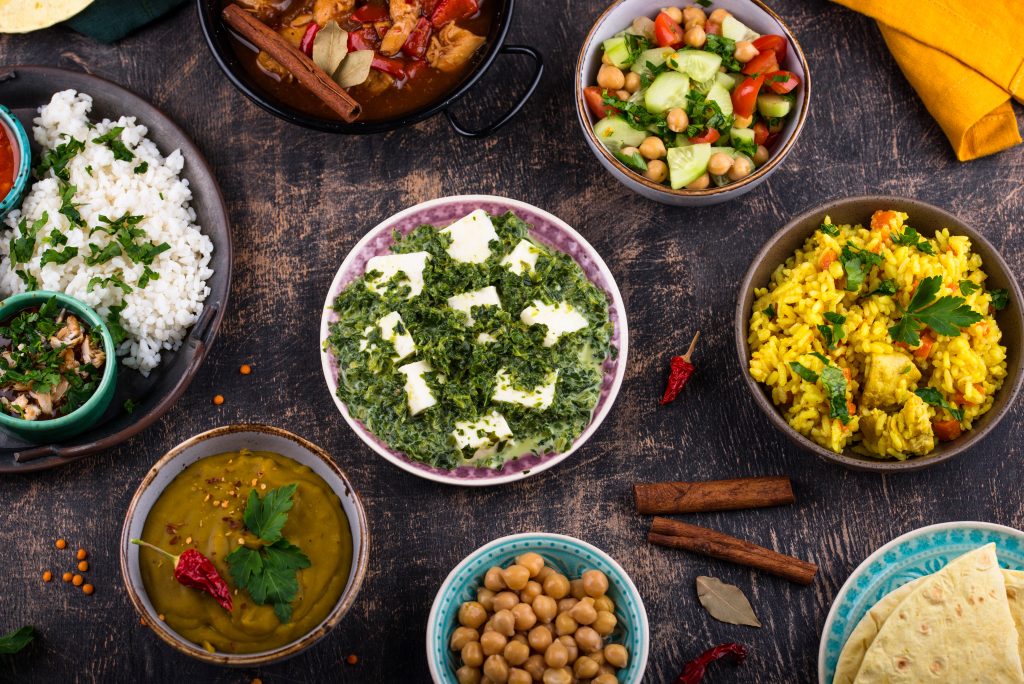
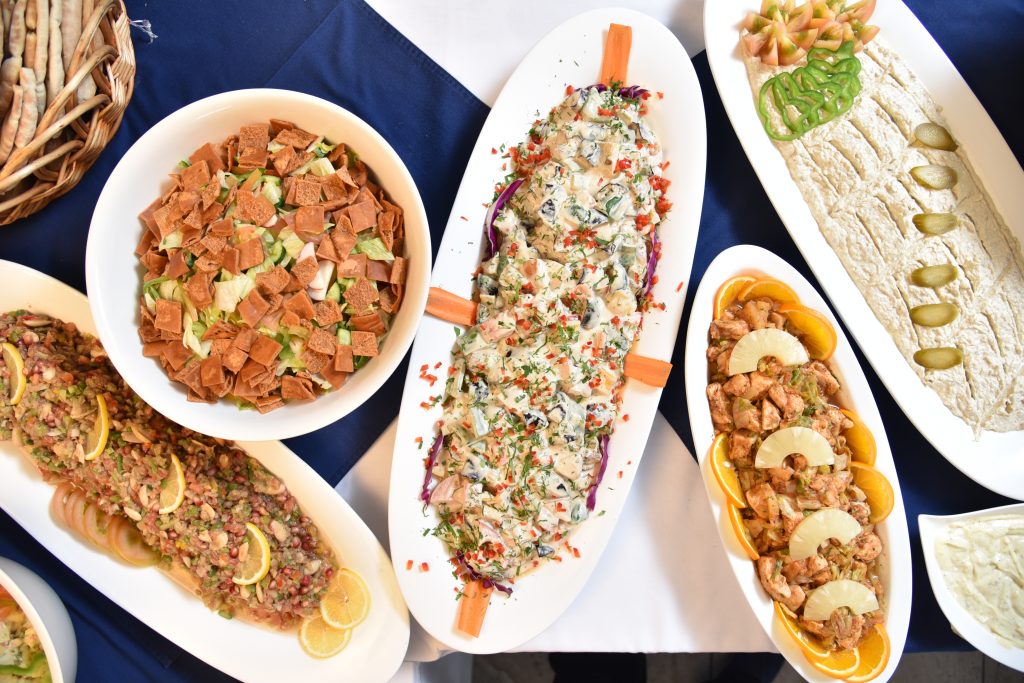
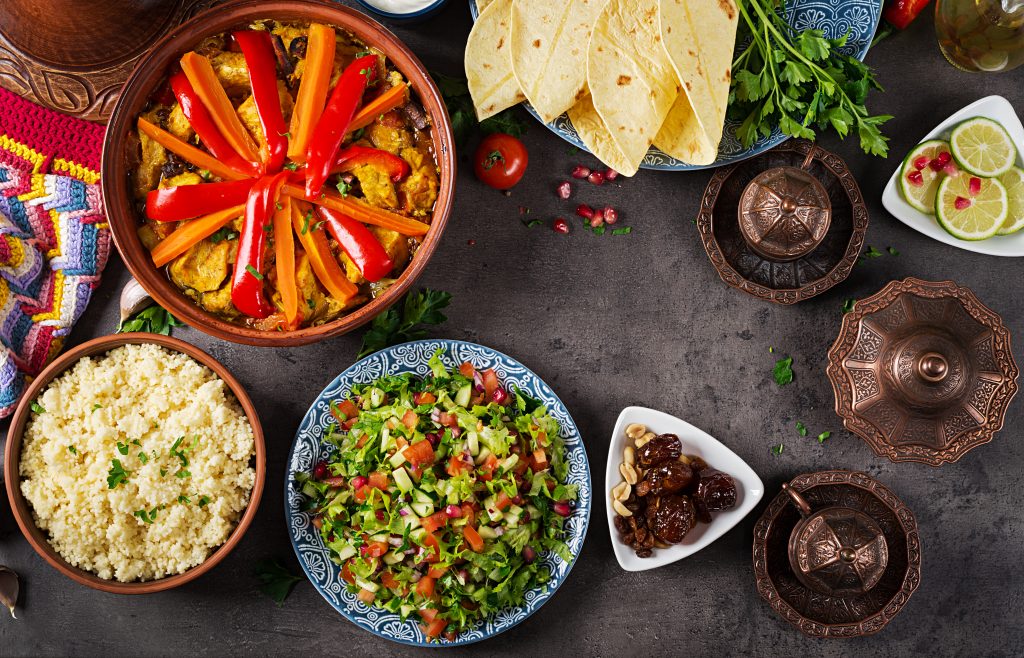
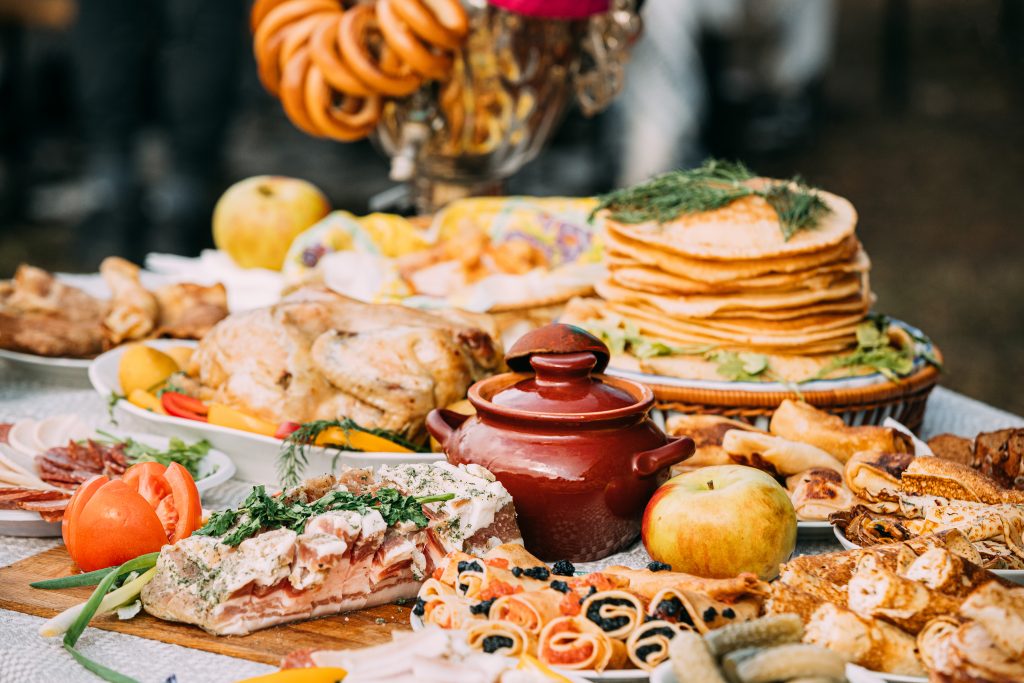
Ethnic or Regional Cuisine: South Asian, Middle Eastern, African, Caribbean, or fusion menus can add authenticity and flair.
-
Variety: Include a mix of appetizers, mains, sides, and desserts to cater to different tastes.
-
Fusion Options: Modern twists on traditional dishes can appeal to adventurous eaters without alienating those who prefer classic flavors.
Selecting the right cuisine sets the tone for the event and ensures guests are engaged and satisfied.
3. Balance Quantity and Variety
For large events, it’s important to strike a balance between variety and quantity:
-
Portion Planning: Ensure each dish has enough servings to avoid shortages.
-
Variety of Flavors: Offer mild, spicy, sweet, and savory options.
-
Mix of Proteins and Plant-Based Options: Include meat, seafood, legumes, and vegetarian dishes.
This approach caters to diverse preferences while keeping logistics manageable.
4. Plan Serving Style
-
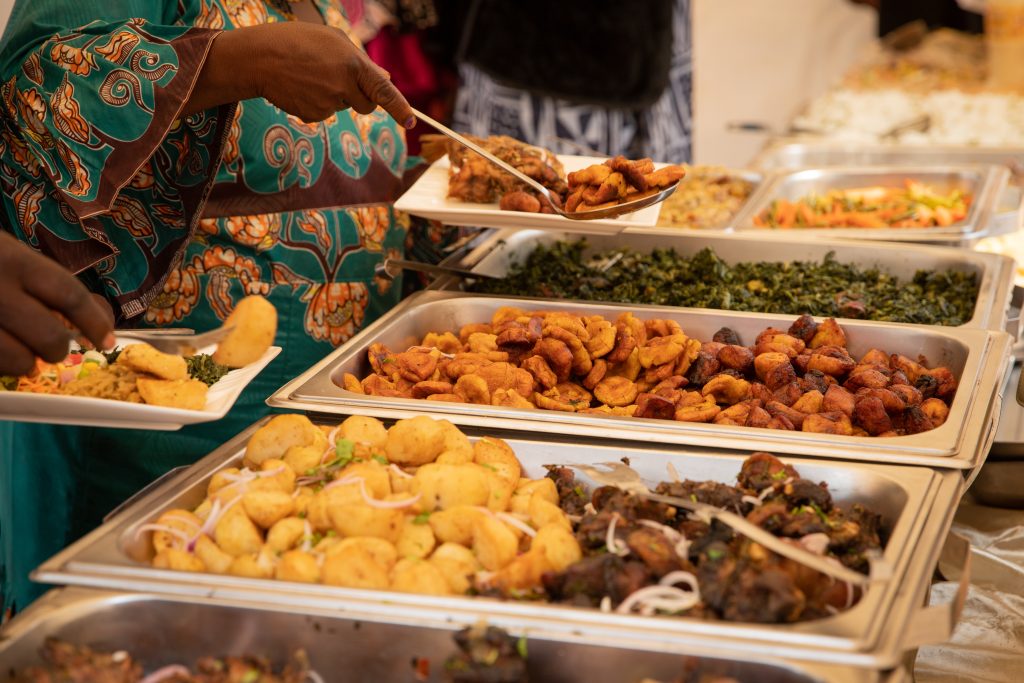
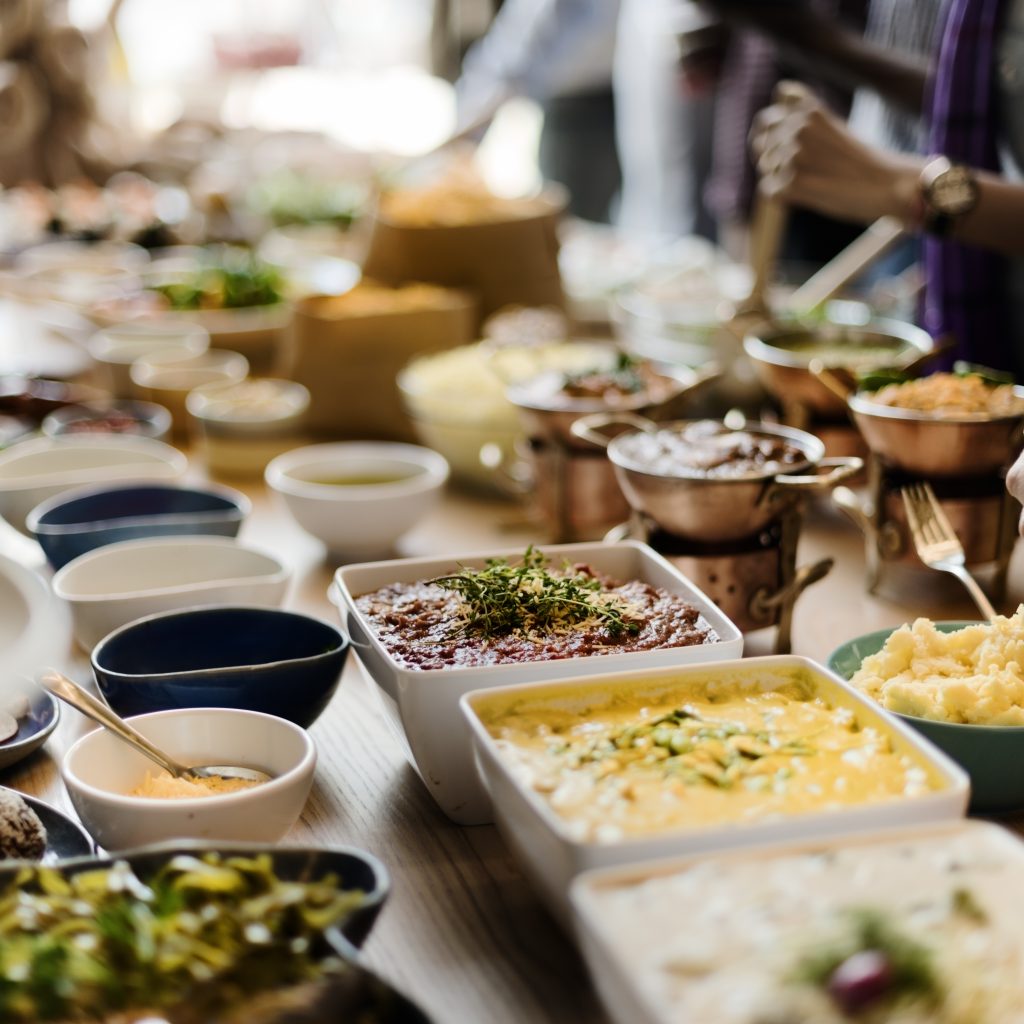
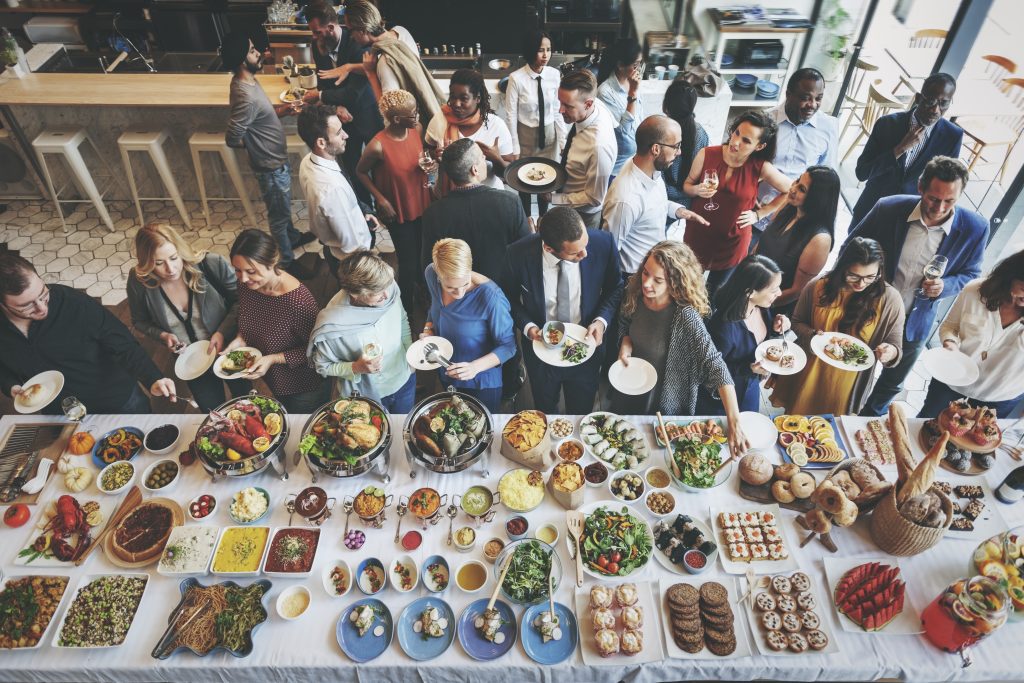
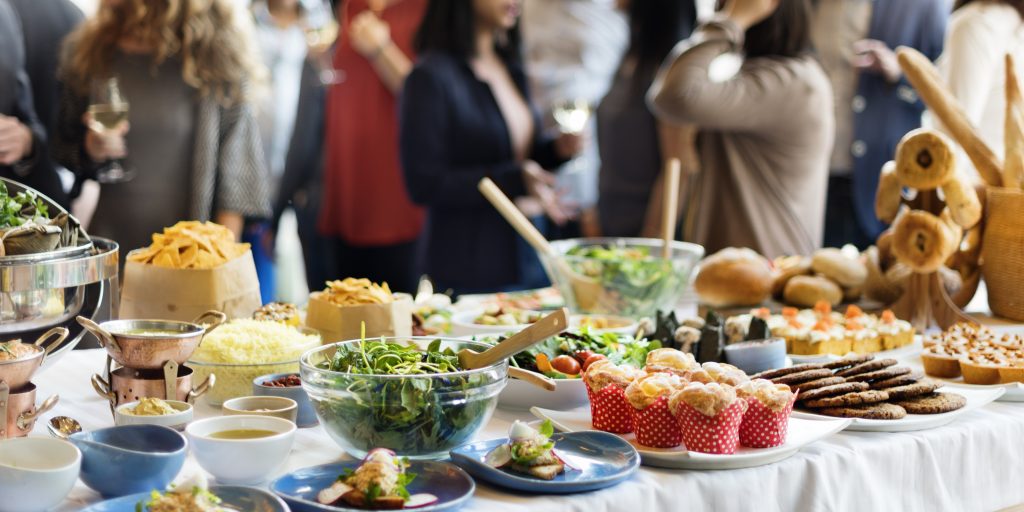
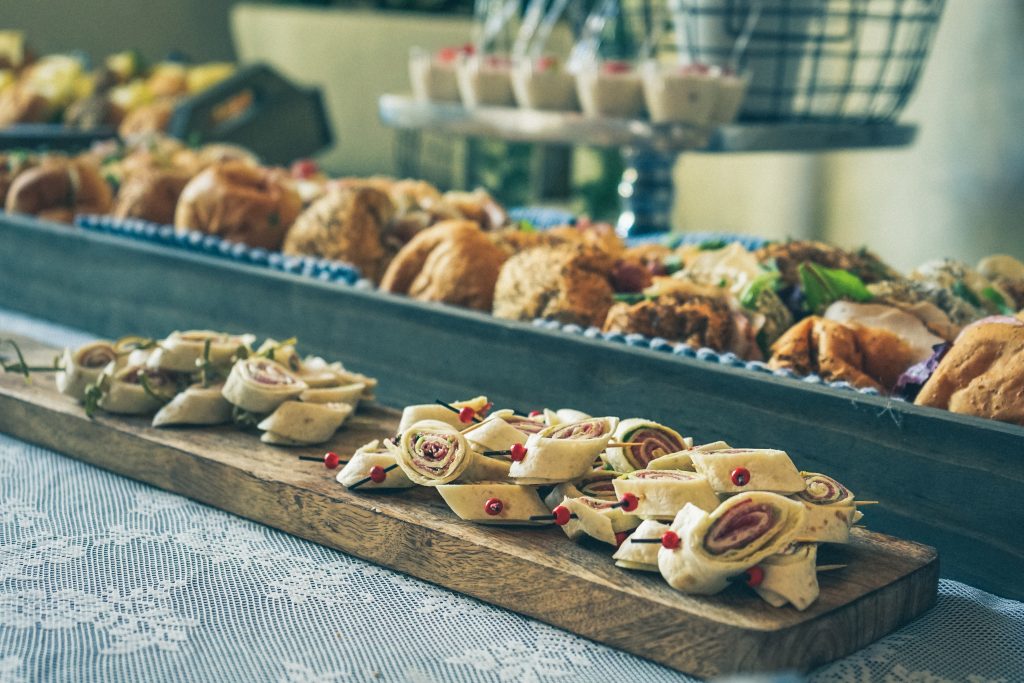
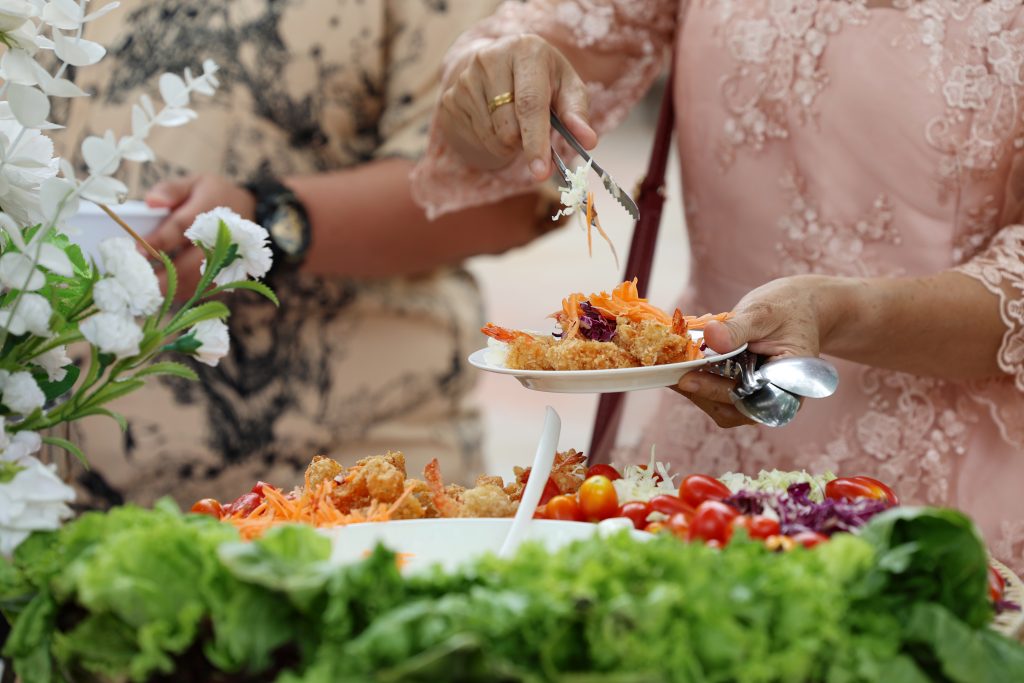
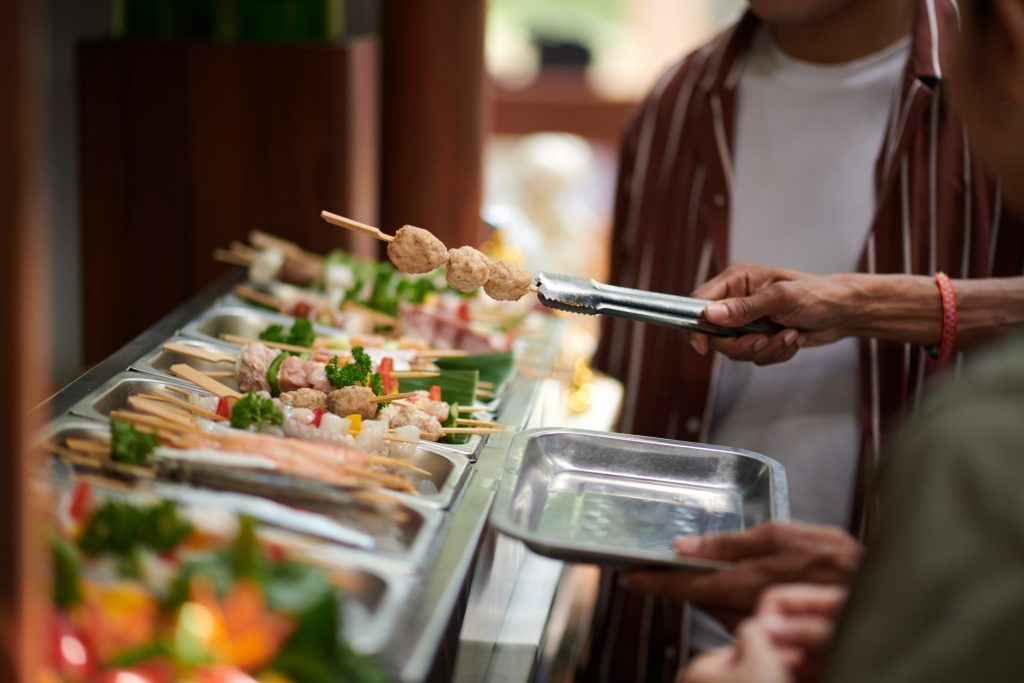
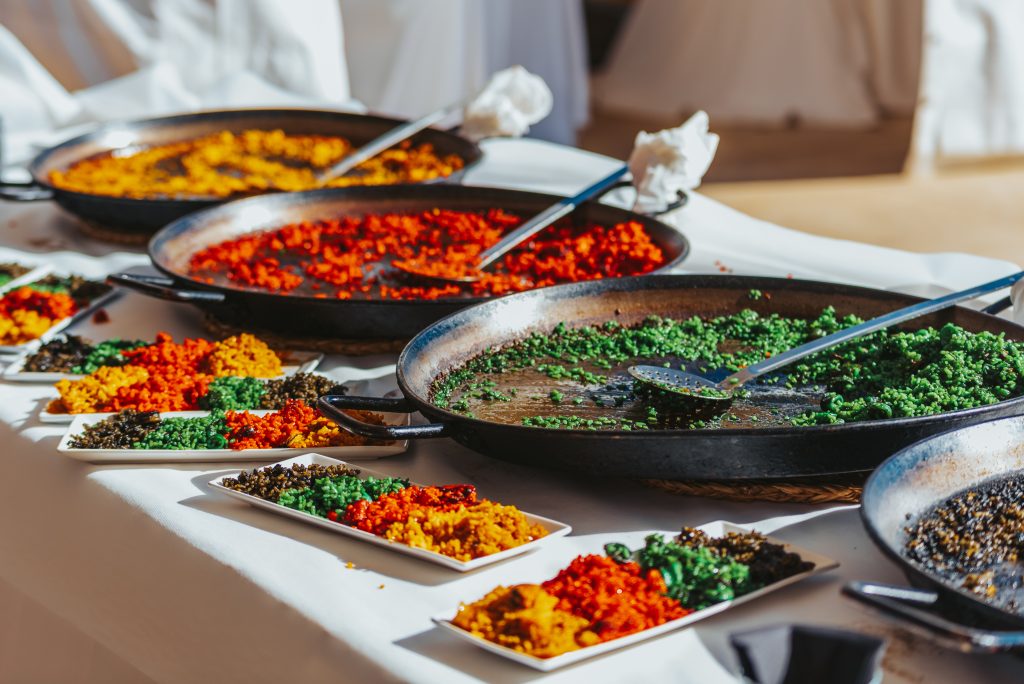
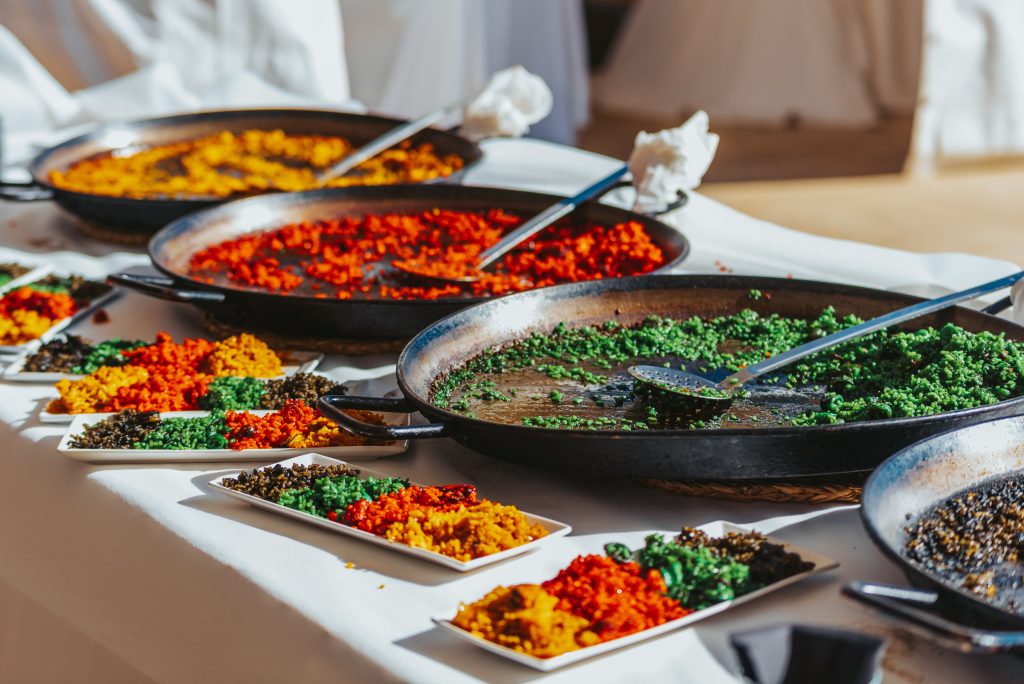
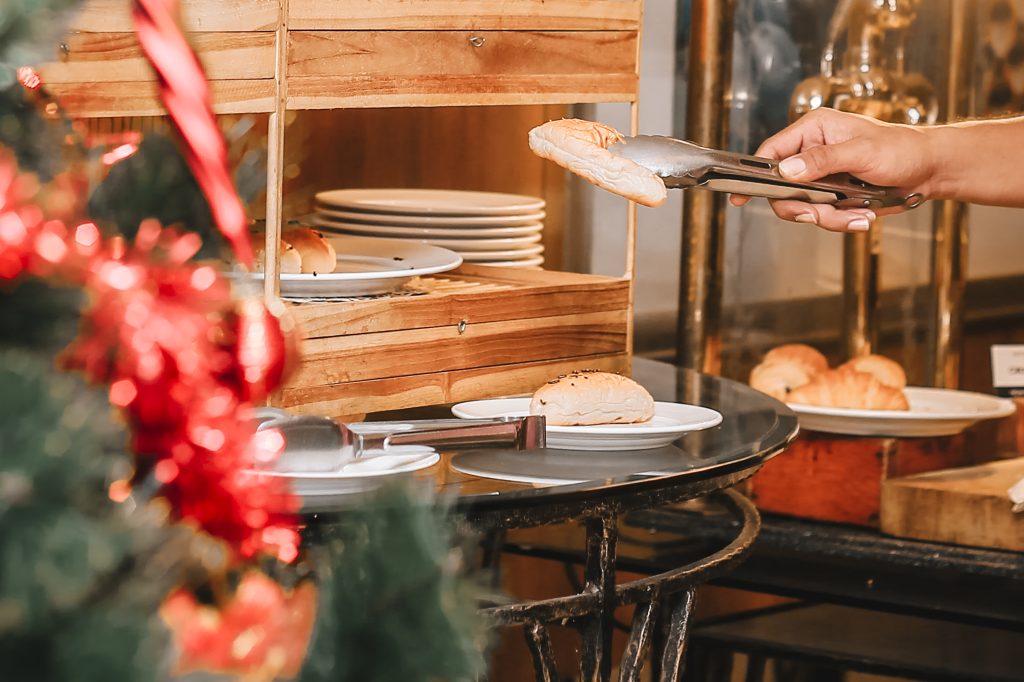
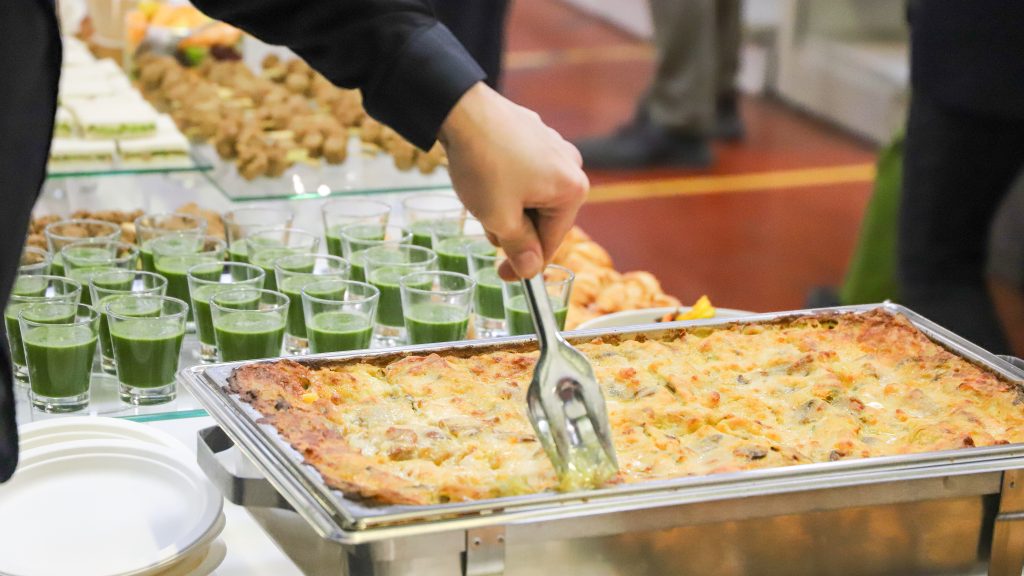
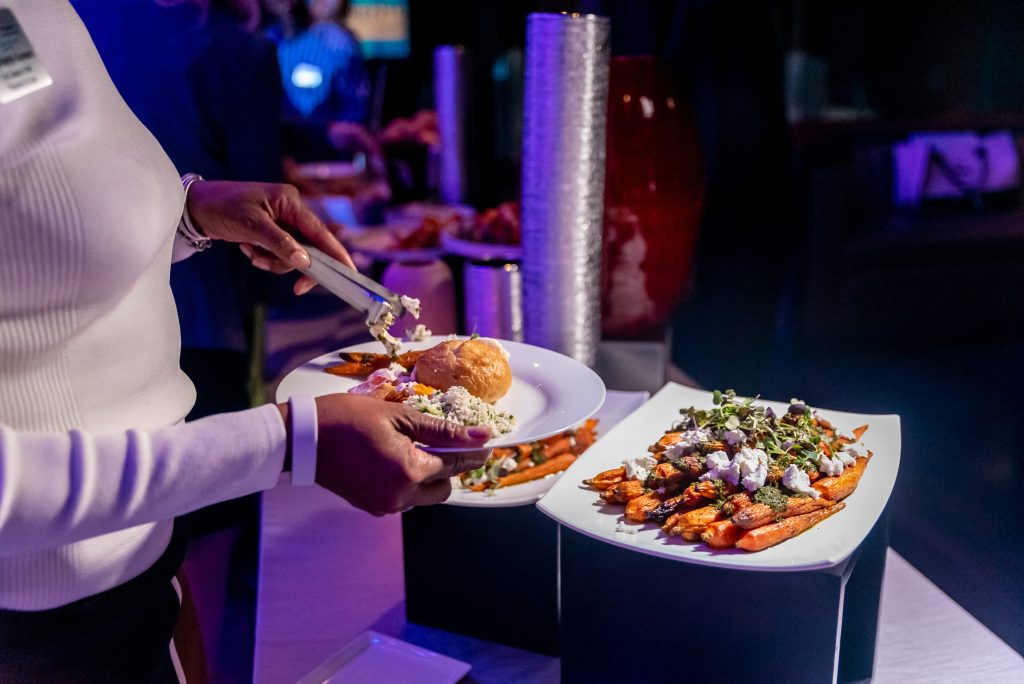
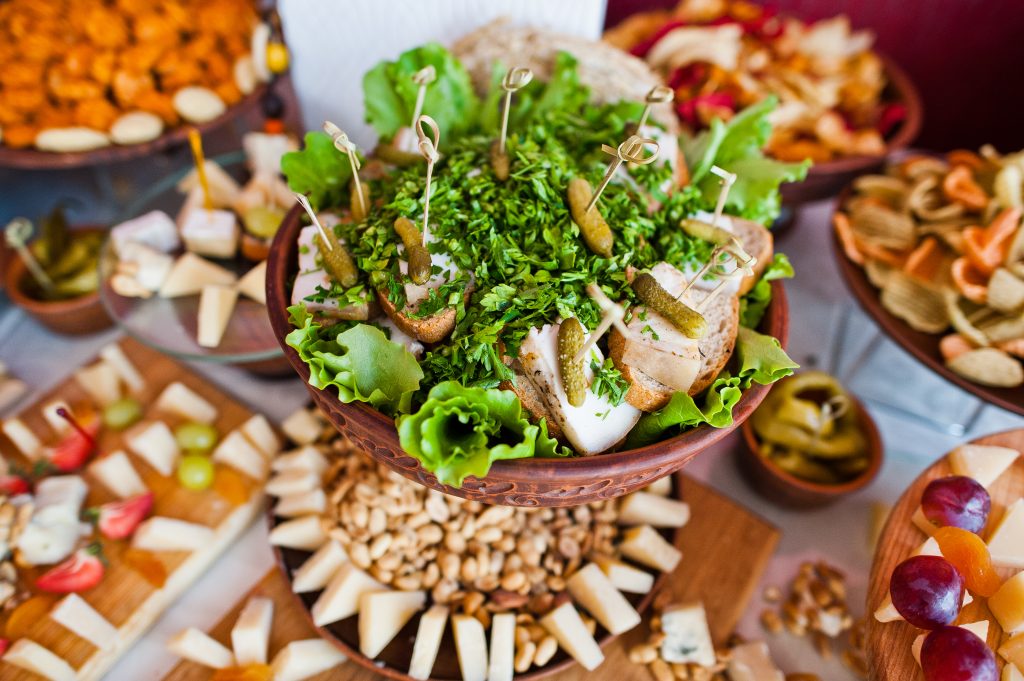
Buffet Service: Ideal for large gatherings; allows guests to choose portions and flavors.
-
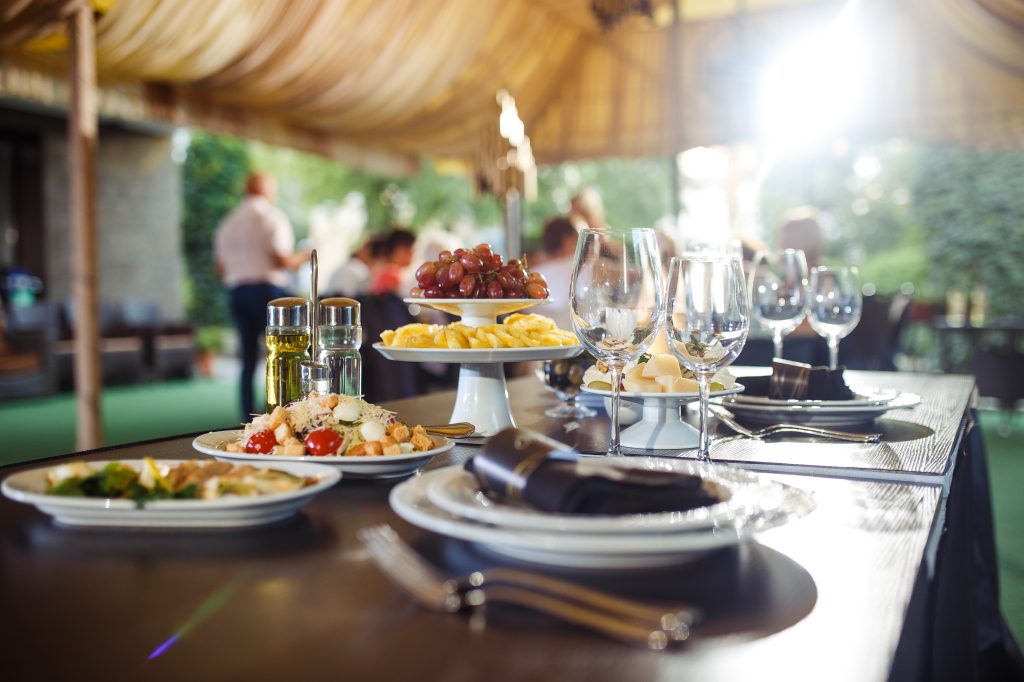
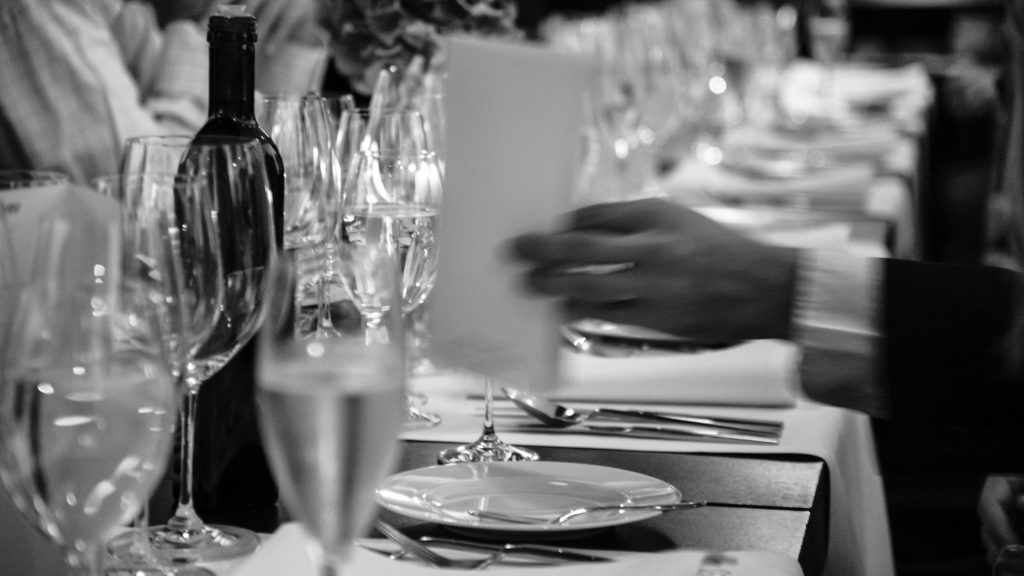
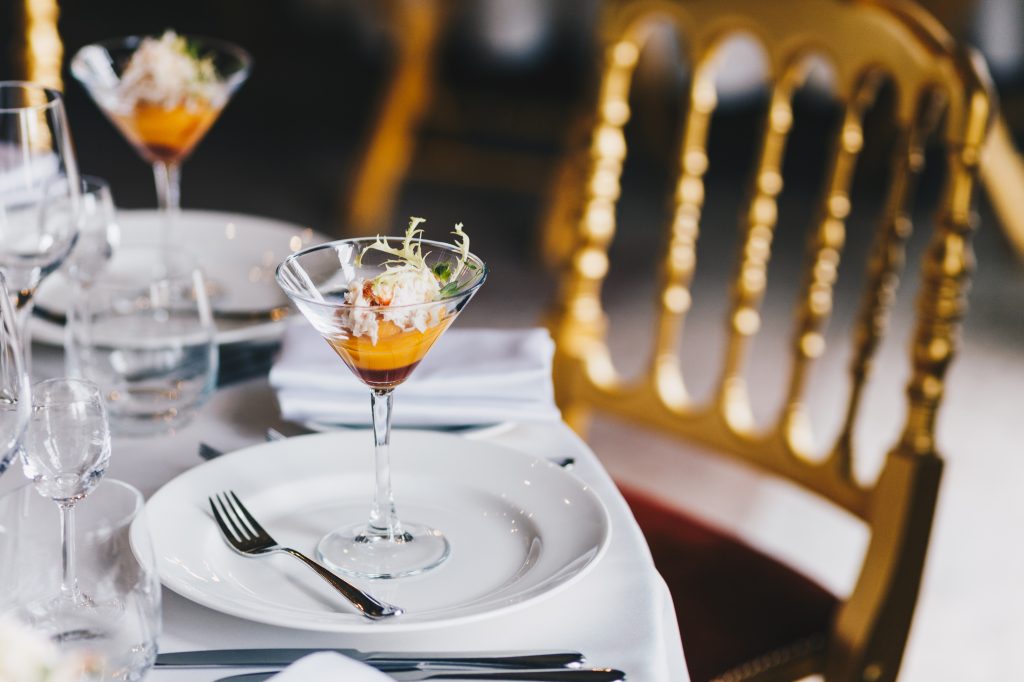
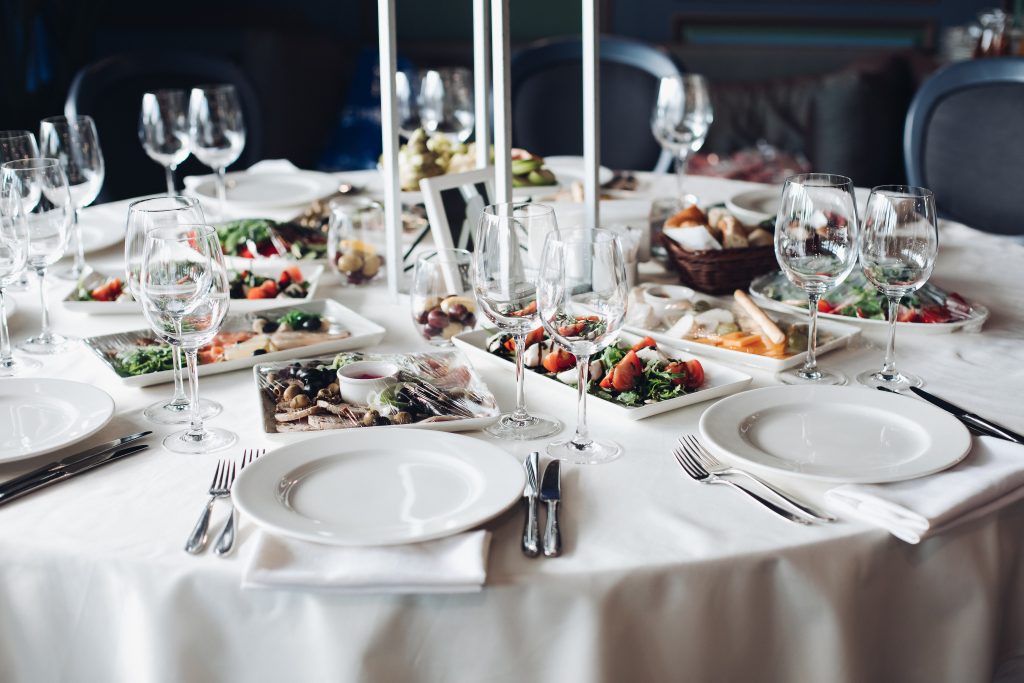
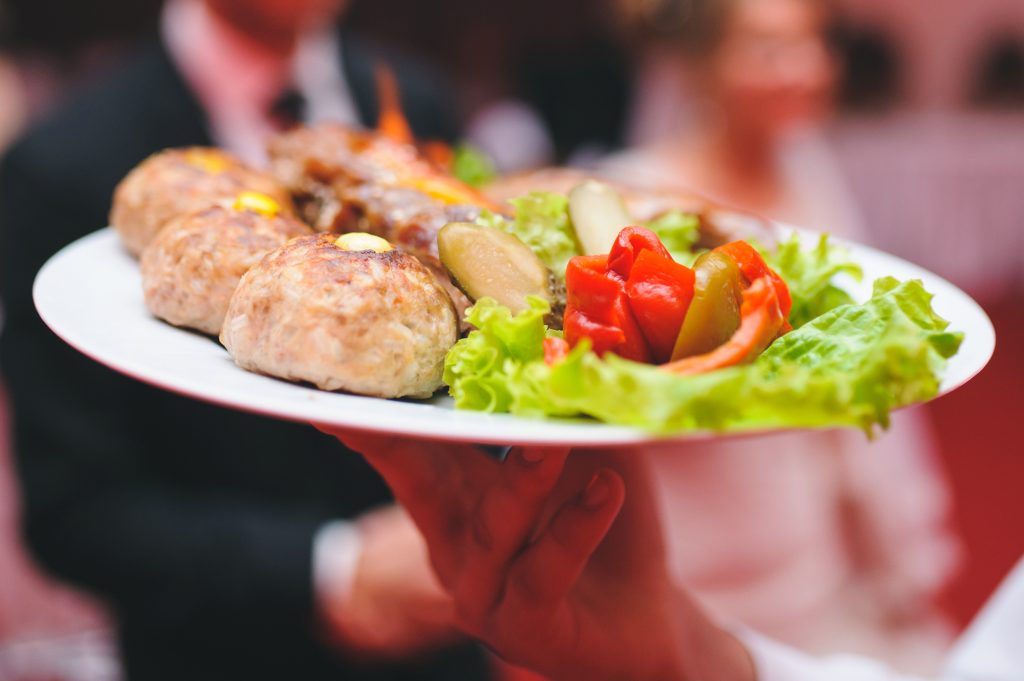
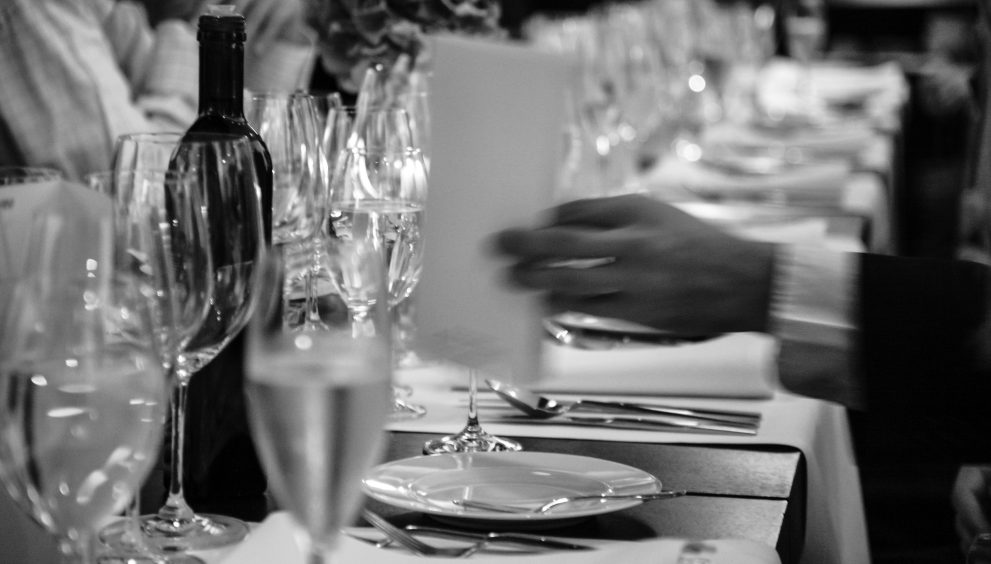
Plated Service: Suitable for formal events like weddings or gala dinners.
-
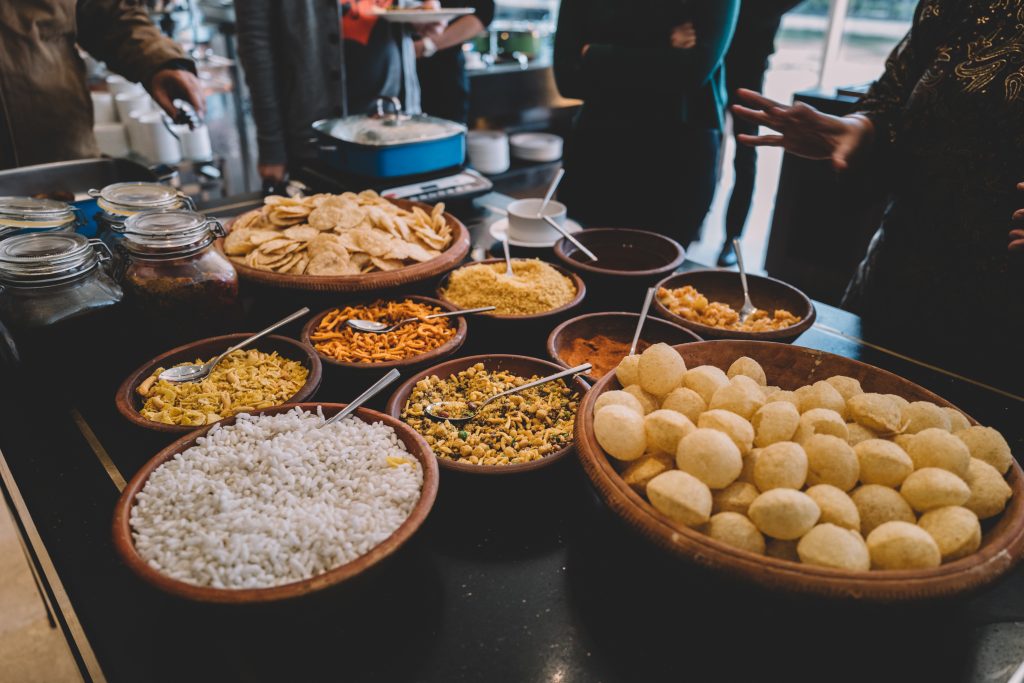
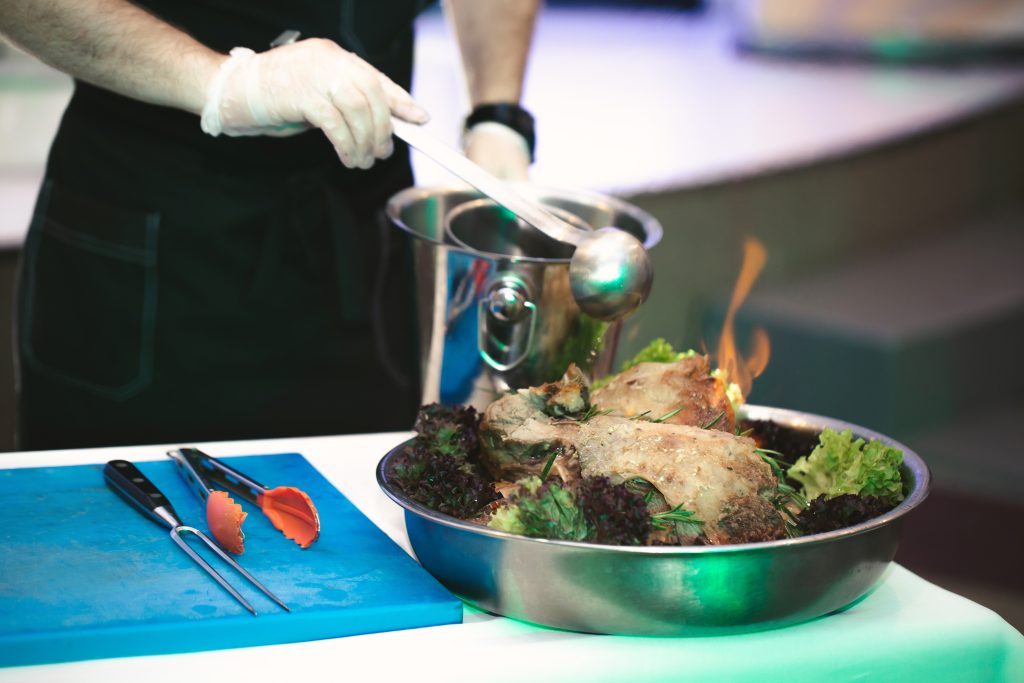
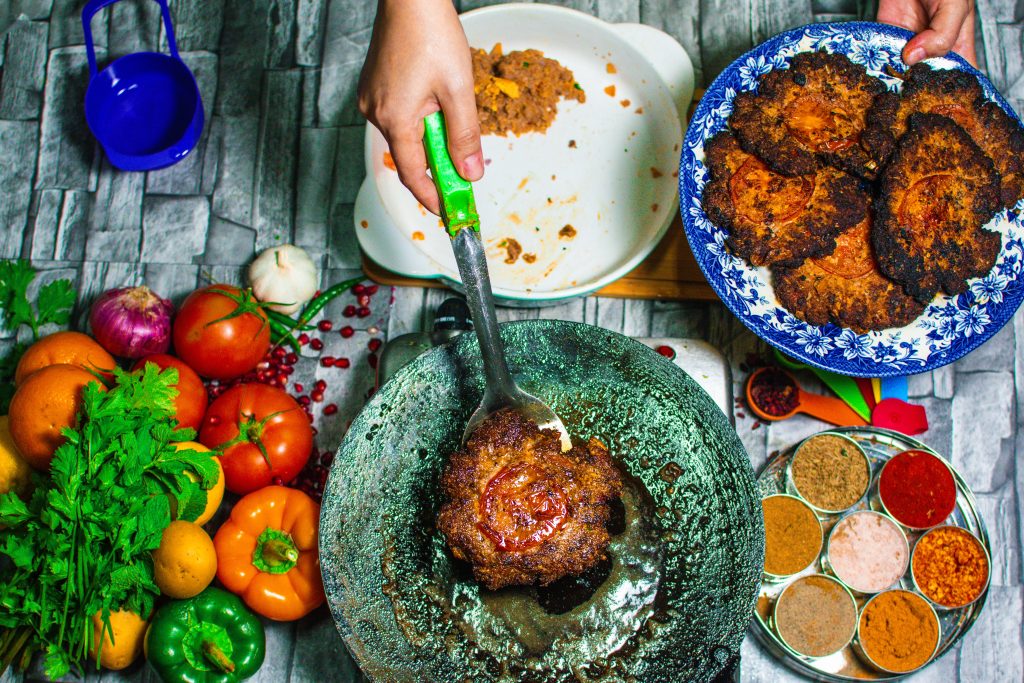
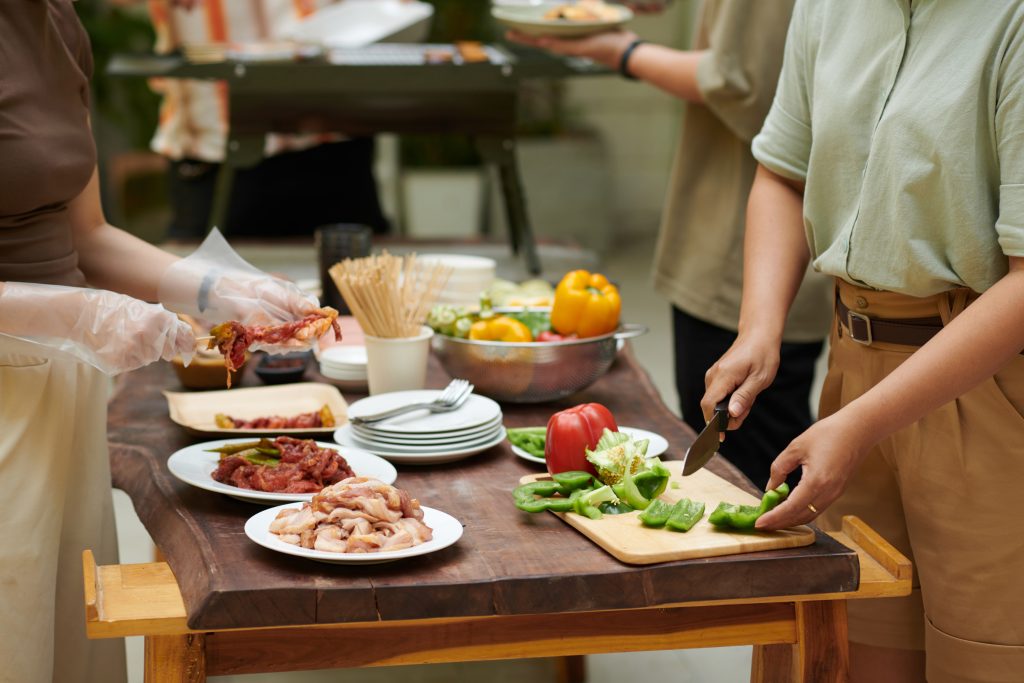
Live Cooking Stations: Adds interactive experience, perfect for ethnic cuisine.
The serving style affects menu design, staffing, and presentation. Ensure the caterer can handle the chosen service efficiently.
5. Coordinate Timing and Flow
-
Schedule multiple courses or stations to prevent crowding and delays.
-
Consider peak serving times and duration of the event to ensure food stays fresh.
-
For live stations, coordinate cooking and serving so guests receive hot, well-prepared meals.
Proper timing ensures a smooth guest experience and reduces stress for the catering team.
6. Incorporate Dietary Preferences
Large events often have diverse dietary requirements:
-
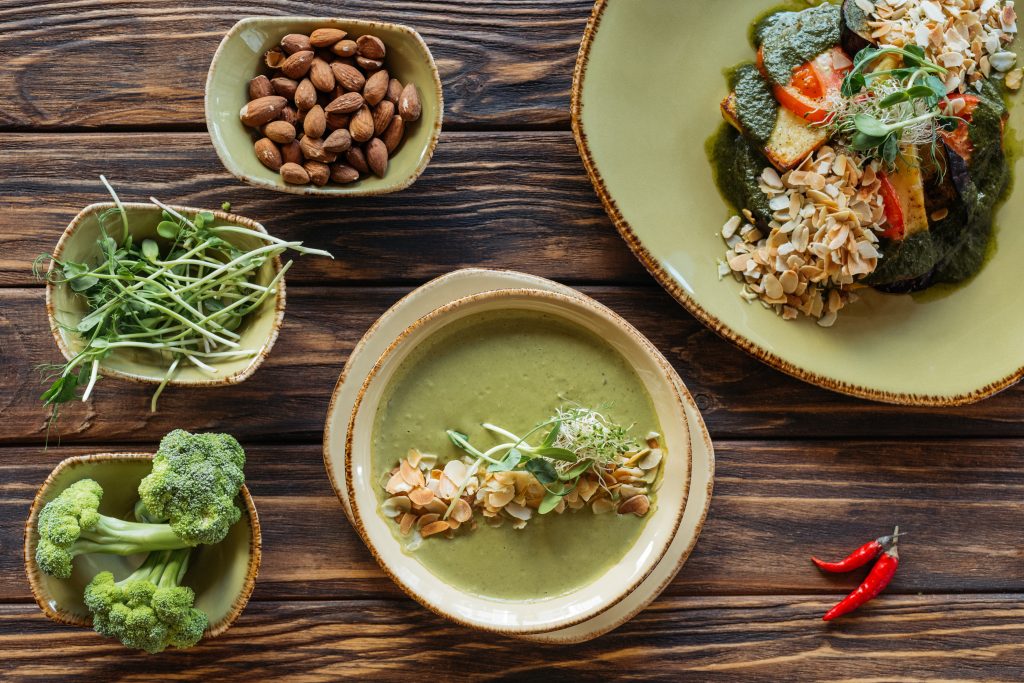
Offer clearly labeled vegetarian, vegan, gluten-free, halal, or kosher options.
-
Include light and healthy options alongside indulgent dishes.
-
Ensure kids’ meals or simpler options for picky eaters.
Accommodating dietary needs demonstrates thoughtfulness and professionalism.
7. Consider Seasonal and Local Ingredients
-
Use seasonal produce for better taste and cost-effectiveness.
-
Incorporate locally sourced ingredients to support sustainability and authenticity.
-
Seasonal ingredients also reduce the risk of shortages and help maintain freshness.
Fresh ingredients enhance flavor, presentation, and guest satisfaction.
8. Coordinate with Your Caterer
-
Work closely with an experienced caterer to plan portion sizes, cooking logistics, and staffing.
-
Schedule menu tastings to finalize flavors, presentation, and portioning.
-
Ensure the caterer can manage food storage, transport, and service efficiently.
Professional collaboration ensures the menu aligns with your event goals and runs smoothly on the day.
9. Budget Considerations
-
Large events can get expensive—balance cost with quality.
-
Focus on signature dishes while using cost-effective staples to maintain quality without overspending.
-
Account for staff, equipment, and service fees when planning the menu.
Budget planning ensures high-quality catering without overshooting financial limits.
10. Presentation and Experience
-
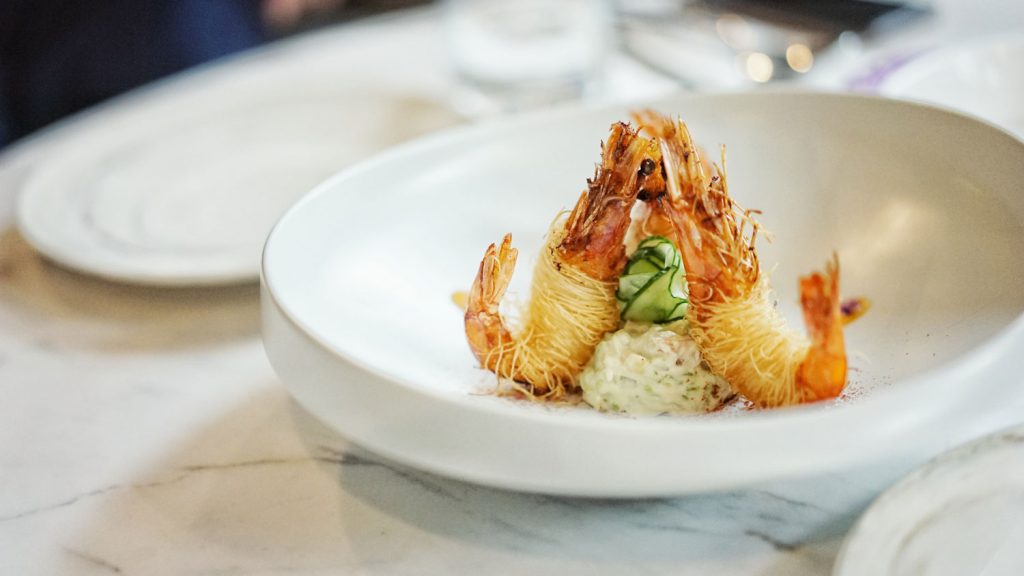
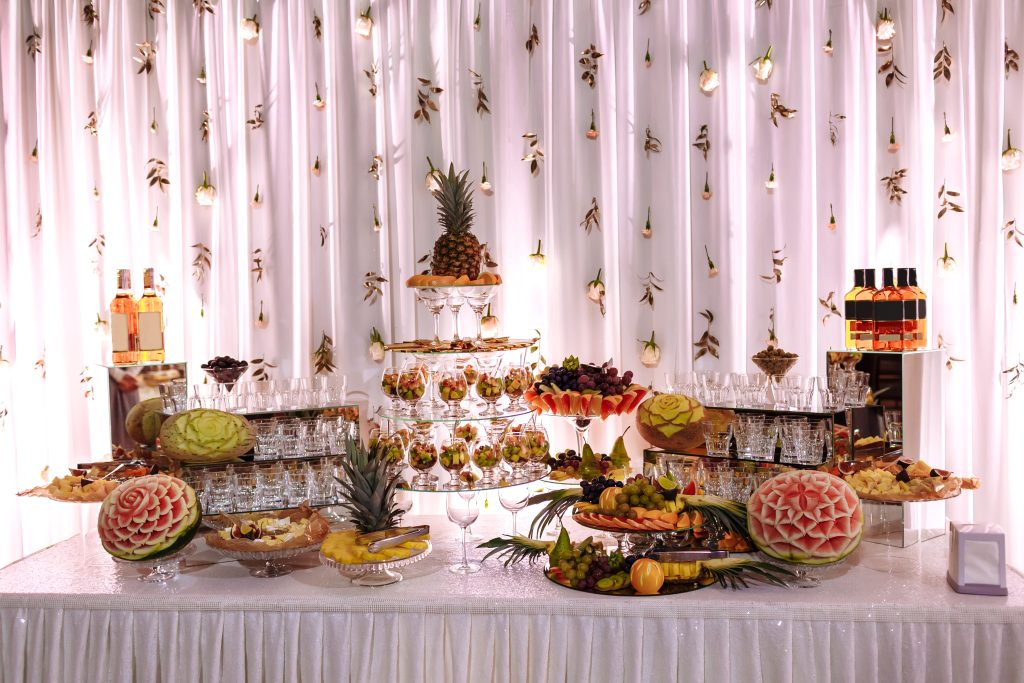
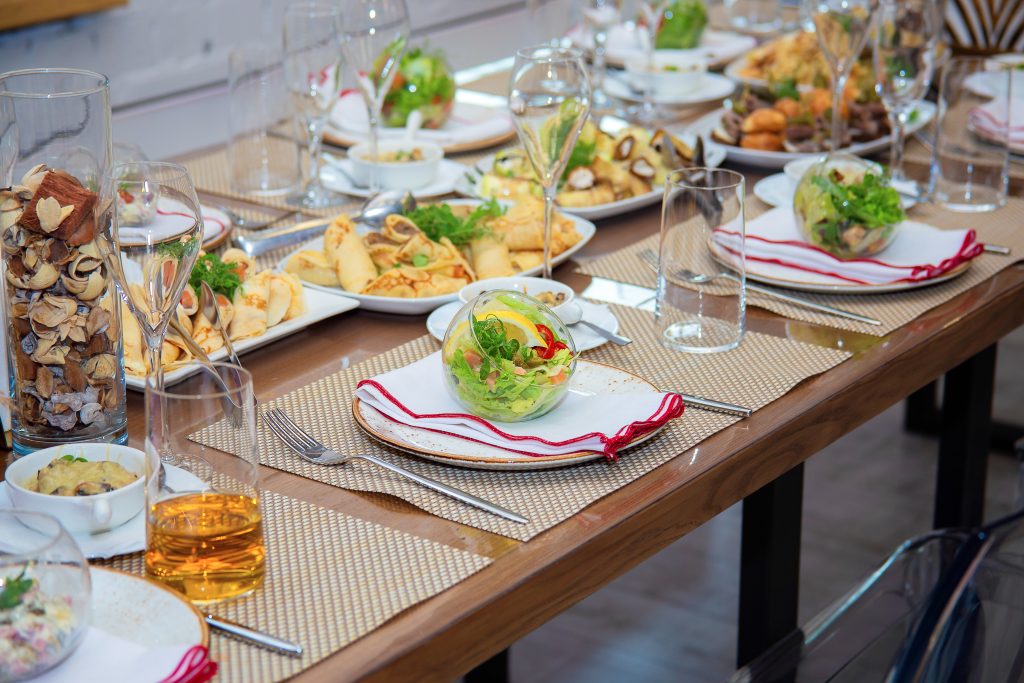
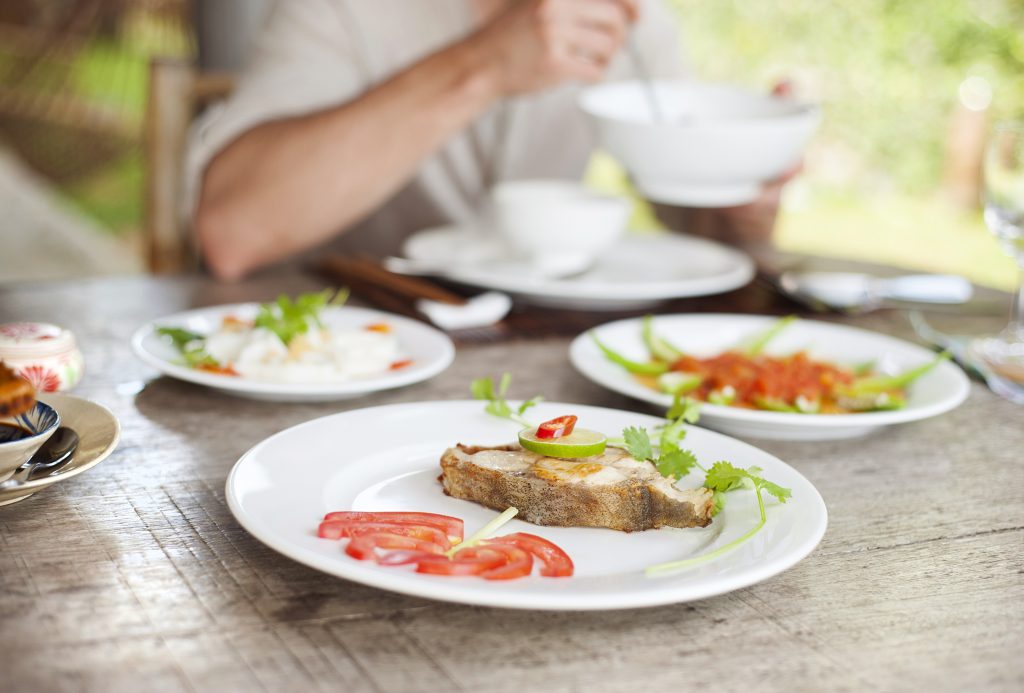
Use colorful, visually appealing plating to enhance the dining experience.
-
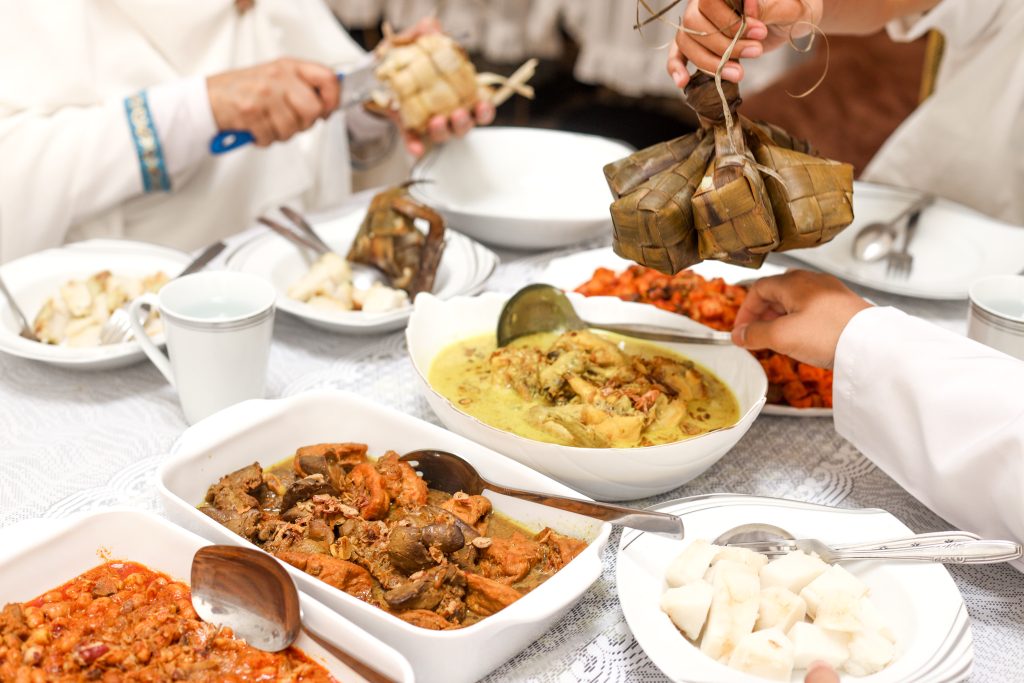
Consider themed or cultural presentations for ethnic events.
-
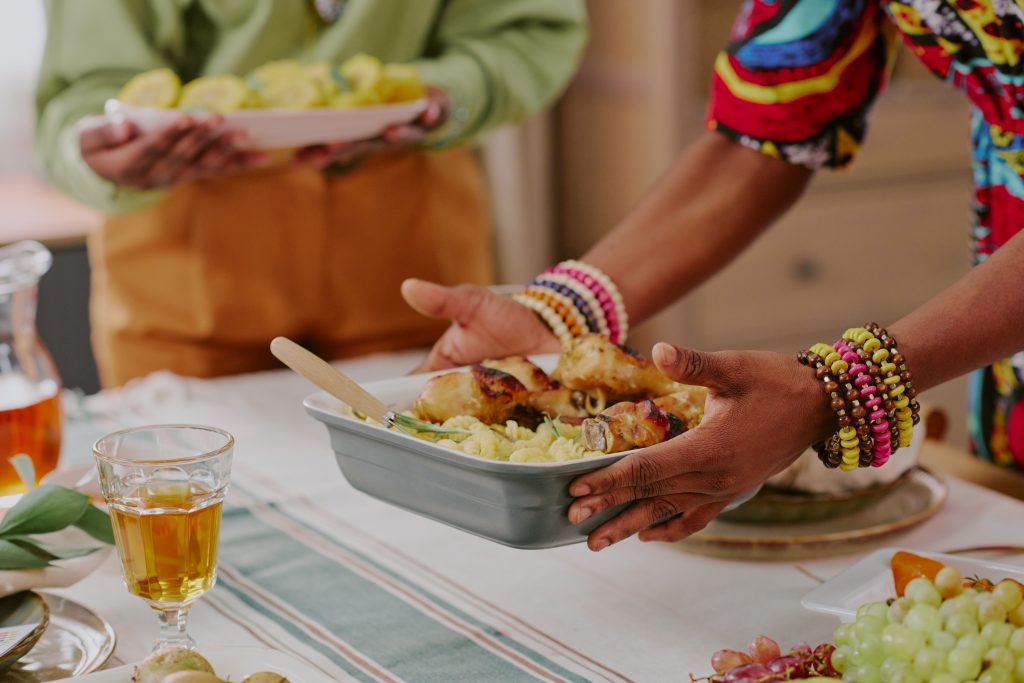
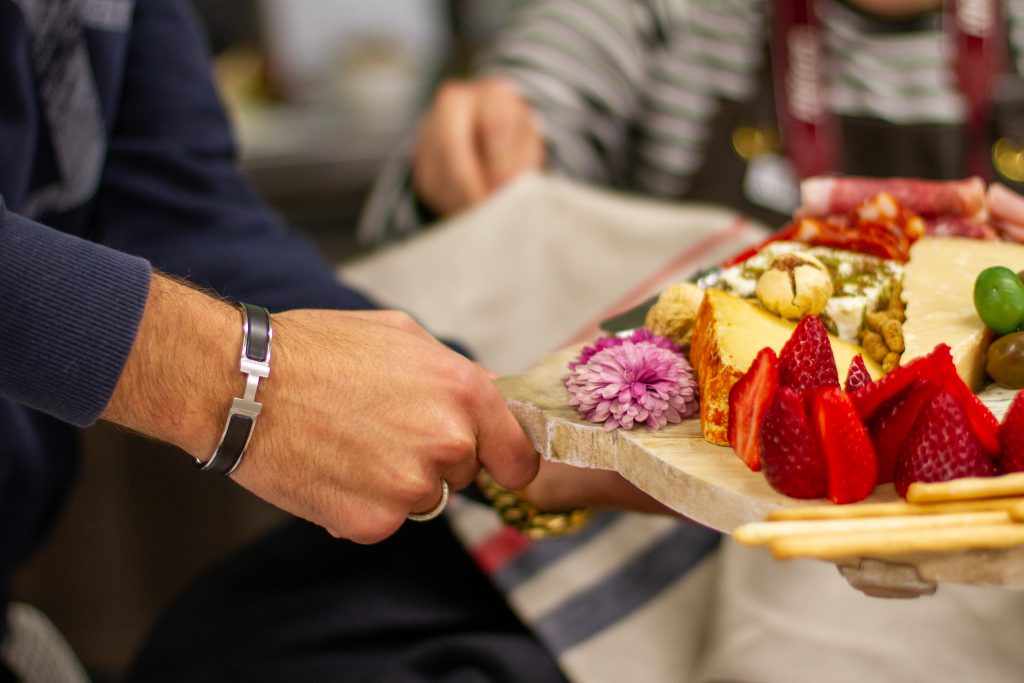
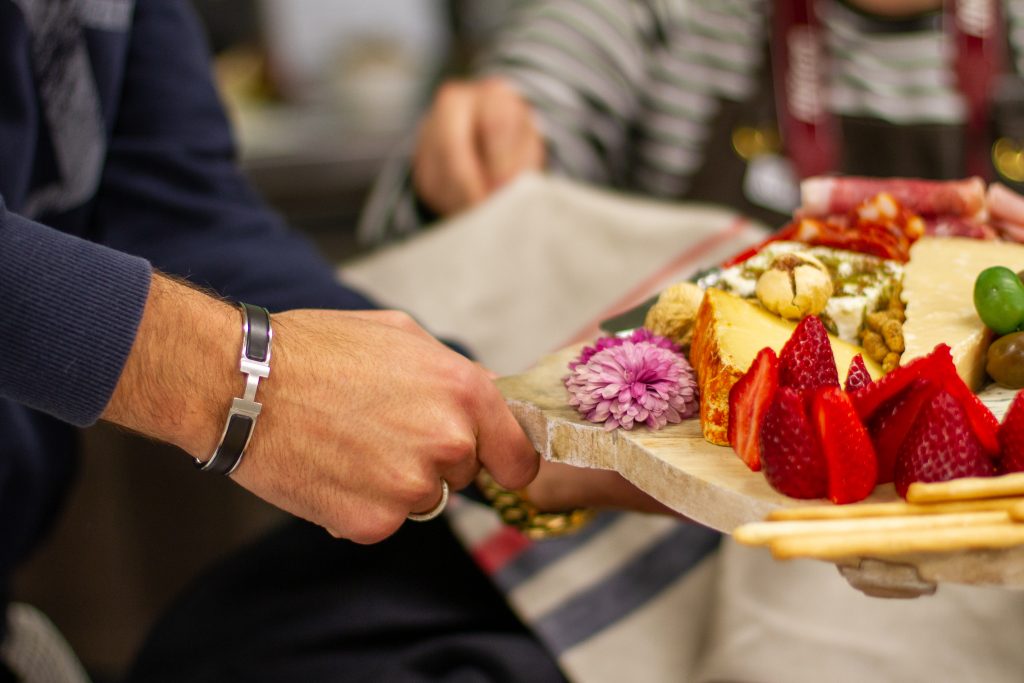
Interactive stations, family-style platters, or elegant buffet setups make the event more memorable.
Presentation creates a lasting impression, complementing the taste and quality of the food.
Conclusion
Planning menus for large events requires strategy, creativity, and collaboration. By understanding guest demographics, balancing variety and quantity, incorporating dietary needs, coordinating timing, and focusing on presentation, hosts can ensure every guest enjoys a satisfying and memorable meal.
An experienced caterer is essential for executing large-scale menus efficiently, maintaining authenticity, and delivering a seamless dining experience. Thoughtful menu planning transforms large events into unforgettable celebrations, where food becomes a highlight that unites guests and enhances the overall atmosphere.