

 English










































How to Plan Ethnic Catering on a Budget


Ethnic cuisine adds flavor, authenticity, and cultural richness to any event, but it can sometimes come with a higher price tag. Whether you’re planning a wedding, corporate function, festival, or private party, it’s possible to serve high-quality, authentic ethnic dishes without overspending. Strategic planning, smart choices, and collaboration with the right caterer can help you deliver a memorable culinary experience while staying within budget.
1. Determine Your Budget Early
-
Set a Clear Budget: Decide how much you can allocate specifically for catering.
-
Prioritize Key Dishes: Identify signature dishes that are most important to your event.
-
Account for All Costs: Include food, staff, equipment, delivery, setup, and gratuities in your budget.
Establishing a clear budget from the start helps guide all subsequent decisions and prevents overspending.
2. Work With an Experienced Ethnic Caterer
-
Experienced caterers can recommend cost-effective alternatives while maintaining authenticity.
-
They can help you plan portion sizes, balance variety, and reduce waste.
-
Caterers often have relationships with suppliers, helping secure fresh ingredients at better prices.
Partnering with a knowledgeable caterer ensures quality without unnecessary expense.
3. Simplify the Menu Without Compromising Flavor
-
Focus on signature dishes that define the cuisine rather than trying to offer everything.
-
Limit the number of mains, sides, and appetizers to essential, crowd-pleasing items.
-
Substitute expensive ingredients with local, seasonal alternatives without compromising taste.
A simplified menu allows for authentic flavors, easier preparation, and lower costs.
4. Choose a Cost-Effective Service Style
-
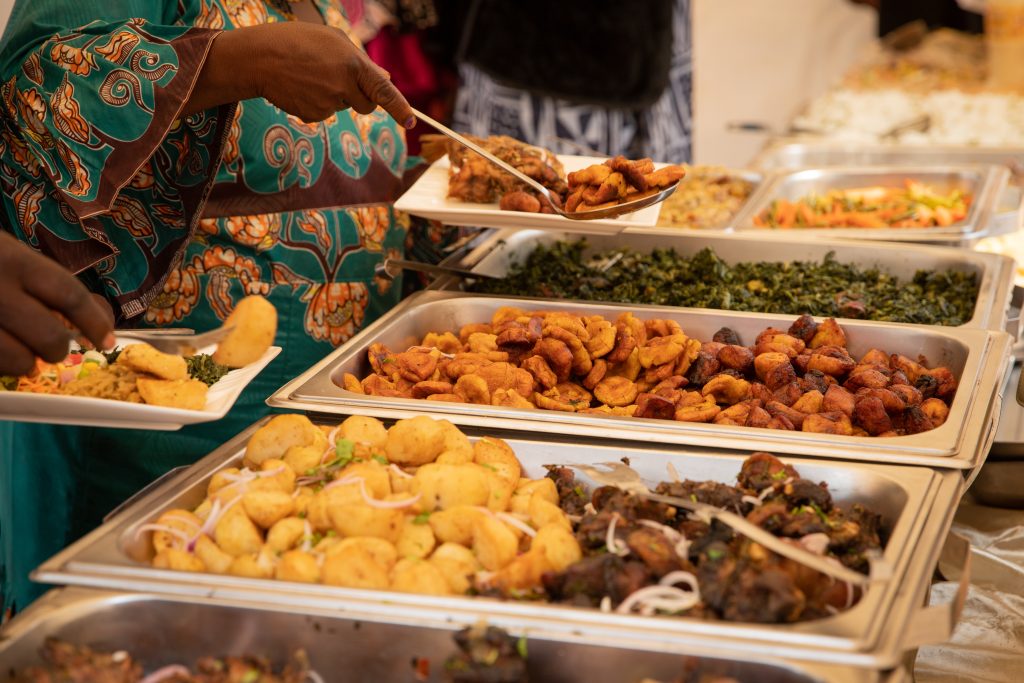
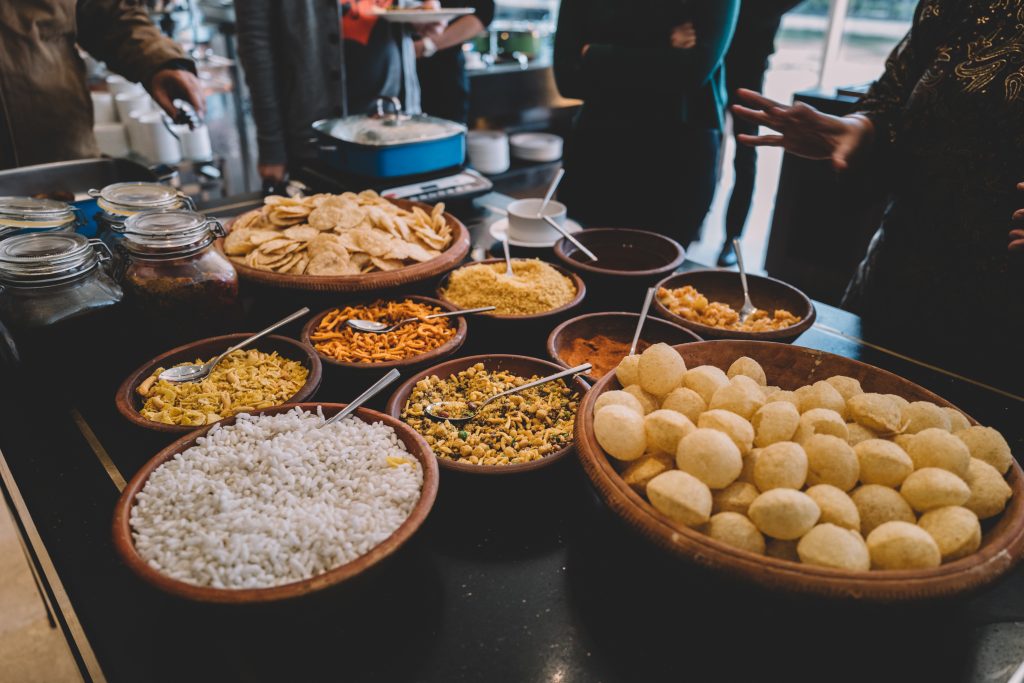
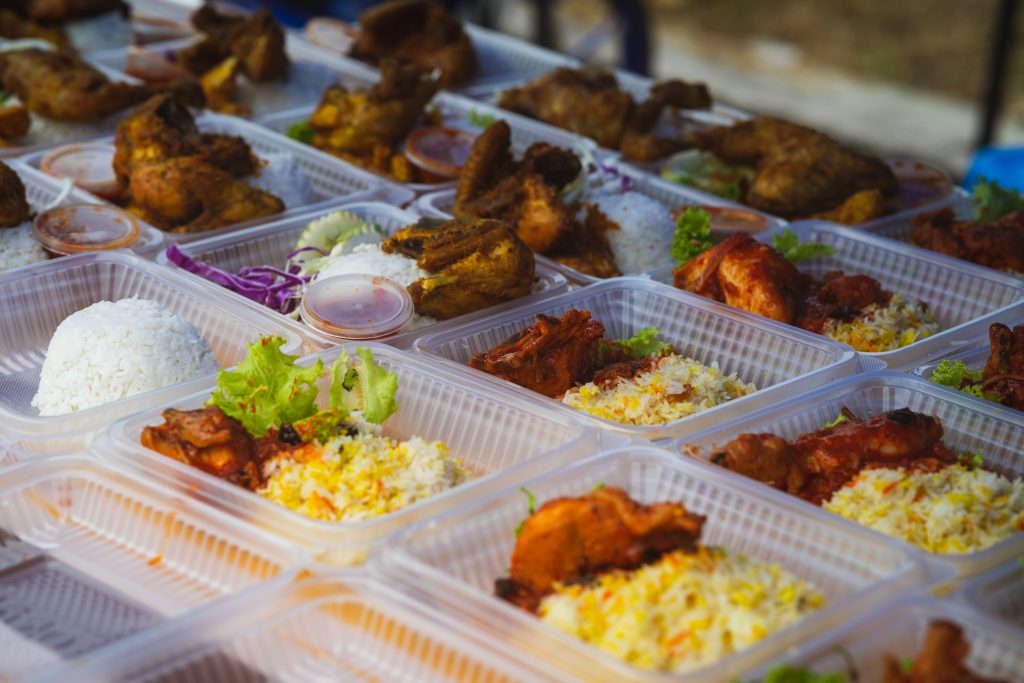
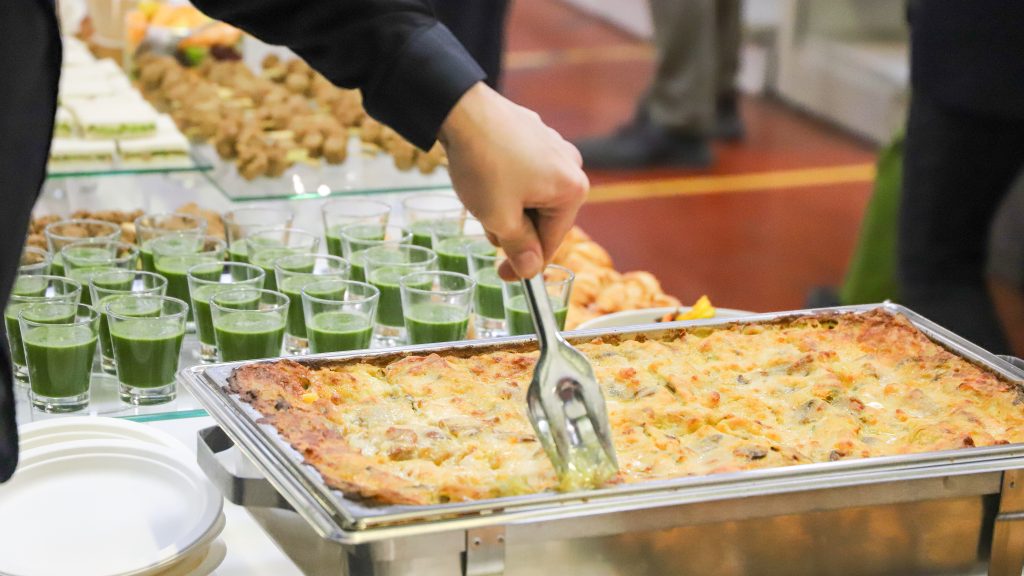
Buffet Service: Ideal for large gatherings as it requires fewer servers and allows guests to self-serve.
-
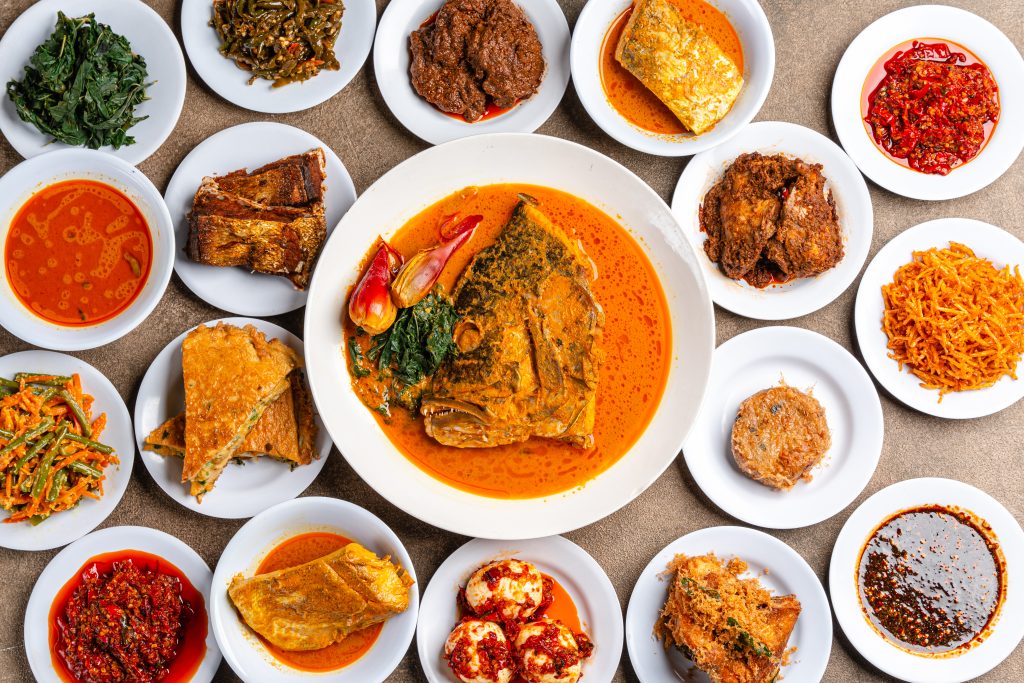
Family-Style or Shared Platters: Encourages sharing and reduces food waste.
-
Plated Service: Reserve for smaller, formal events where elegance justifies the cost.
Selecting the right service style can significantly impact overall catering expenses.
5. Optimize Portion Sizes
-
Estimate guest portions carefully to avoid over-preparing.
-
For buffet setups, offer smaller sample portions of multiple dishes so guests can try a variety without excessive waste.
-
Work with your caterer to determine how much food each guest will realistically consume.
Proper portion control reduces costs while ensuring all guests are satisfied.
6. Use Seasonal and Local Ingredients
-
Seasonal produce is fresher, tastier, and more affordable than out-of-season ingredients.
-
Incorporate locally sourced ingredients to reduce transportation and procurement costs.
-
Seasonal substitutions can also add a unique and creative twist to traditional dishes.
Fresh, local ingredients enhance flavor while keeping your budget in check.
7. Limit Expensive Proteins
-
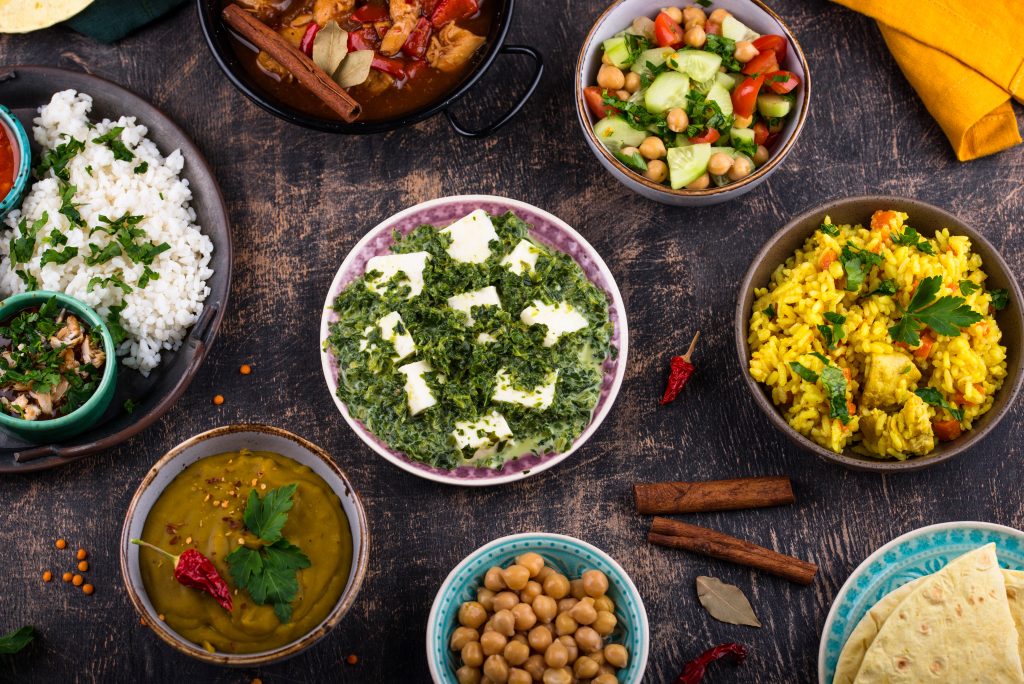
Consider plant-based proteins like lentils, chickpeas, or paneer alongside meat or seafood.
-
Offer one or two meat-based mains and supplement with hearty vegetarian dishes.
-
This approach balances authenticity, variety, and cost-effectiveness.
Smart protein choices maintain quality while reducing catering expenses.
8. Plan for Efficient Staffing
-
Hire only the number of servers needed based on guest count and service style.
-
Buffet setups often require fewer staff than plated service, lowering labor costs.
-
Experienced caterers can advise on optimal staff allocation to maximize efficiency.
Efficient staffing ensures smooth service without inflating your budget.
9. Consider DIY or Partial Catering
-
For smaller events, consider preparing simple appetizers or desserts yourself while outsourcing main dishes to the caterer.
-
Some caterers allow for customized packages, combining professional catering with DIY elements.
-
This hybrid approach reduces costs while maintaining professional quality for key items.
Partial catering or DIY options give flexibility for cost management.
10. Monitor and Adjust
-
Track guest RSVPs to avoid over-purchasing ingredients.
-
Communicate with your caterer about adjustments based on final guest count.
-
Plan for leftovers creatively, such as take-home boxes, to reduce waste.
Monitoring and adjusting helps maximize value and prevents unnecessary spending.
Conclusion
Planning ethnic catering on a budget requires a combination of smart planning, strategic choices, and collaboration with an experienced caterer. By simplifying the menu, choosing cost-effective service styles, optimizing portion sizes, using seasonal ingredients, and efficiently managing staff, hosts can deliver an authentic, delicious, and memorable dining experience without overspending.
Budget-friendly ethnic catering proves that quality, flavor, and cultural authenticity don’t have to come at a premium. With careful planning and attention to detail, your event can be both spectacular and cost-effective, leaving guests impressed by the food and the experience.