

 English














How to Balance Quantity and Variety in Event Menus

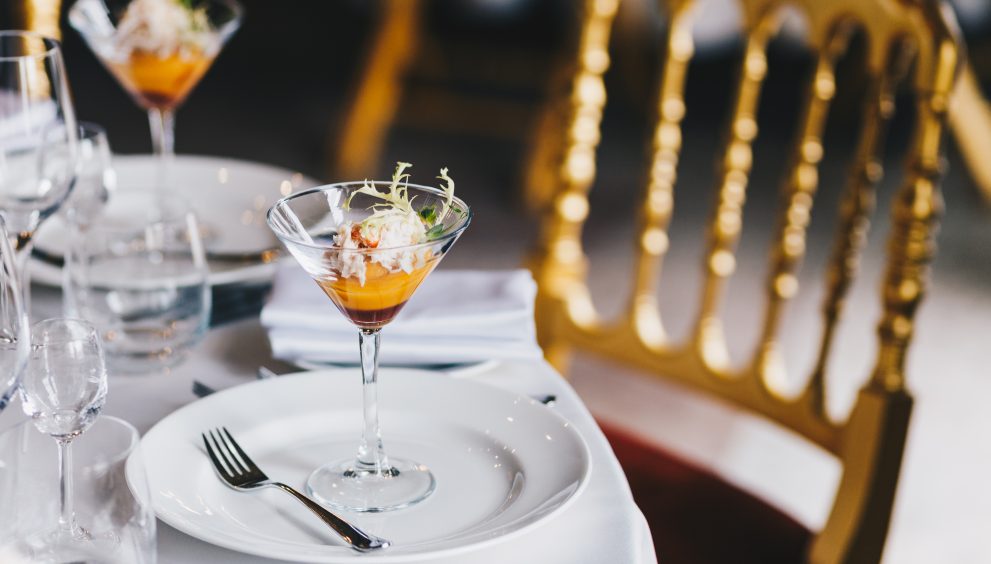
One of the biggest challenges in catering, especially for large events, is striking the right balance between quantity and variety. Too little food can leave guests unsatisfied, while too much can lead to waste and unnecessary costs. Similarly, offering too many options can overwhelm guests and strain the catering team, while too few can limit choice and reduce satisfaction. Here’s a guide to balancing quantity and variety for any event, ensuring a memorable dining experience.
1. Estimate Guest Count Accurately
-
Confirm RSVPs: Use invitations or registration to estimate the number of attendees.
-
Factor in Children and Adults: Kids may require smaller portions or simpler dishes.
-
Allow a Margin: Typically, plan for 5–10% extra to accommodate unexpected guests or larger appetites.
Accurate estimates prevent shortages or excess while helping maintain the right portion sizes.
2. Understand Guest Preferences
-
Dietary Requirements: Identify vegetarian, vegan, halal, kosher, or gluten-free needs.
-
Cultural Preferences: Guests may expect traditional dishes or flavors familiar to them.
-
Popularity of Dishes: Include crowd-pleasers alongside unique or specialty dishes.
Knowing your audience ensures that quantity is aligned with what guests actually want to eat.
3. Choose a Core Menu with Flexibility
-
Core Dishes: Select a few signature dishes that will be the main focus of the menu.
-
Supporting Dishes: Add complementary items that provide variety without overwhelming the catering staff.
-
Rotation Options: For multi-course or buffet setups, rotate sides or appetizers to add freshness and choice.
A structured menu with flexible additions creates balance and ensures every guest finds something they enjoy.
4. Portion Control
-
Standard Portions: Determine portion sizes for each dish to avoid waste and ensure enough for all.
-
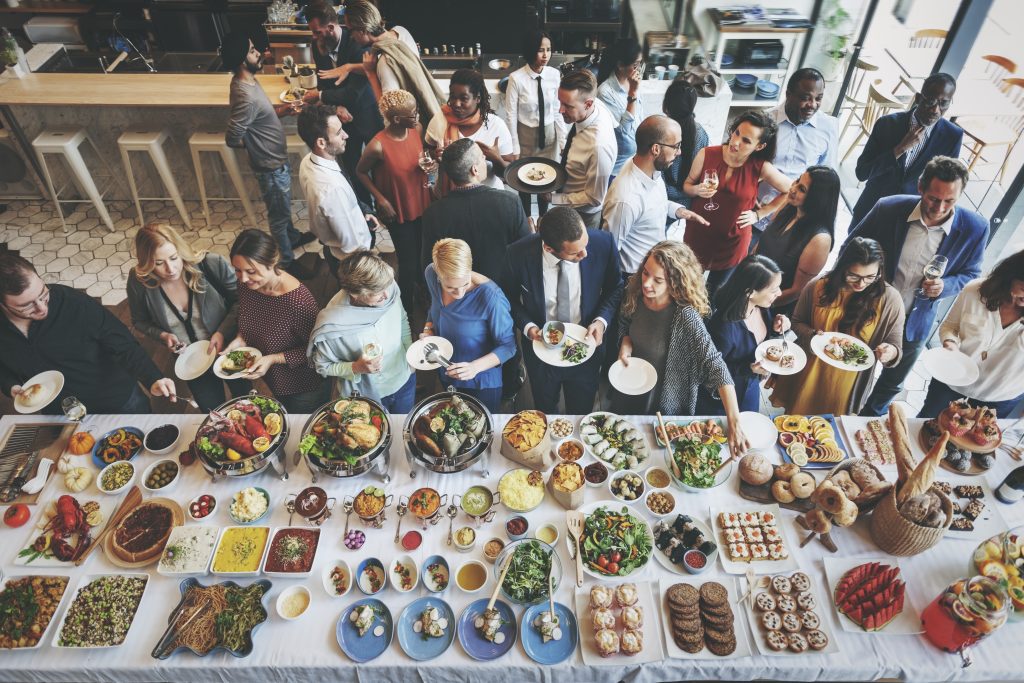
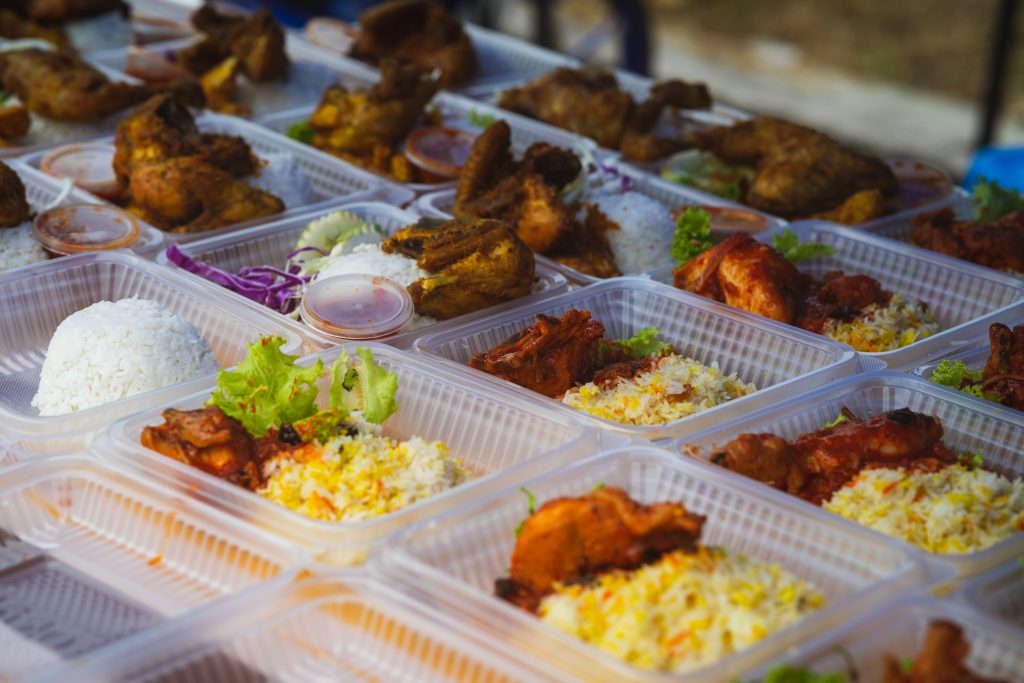
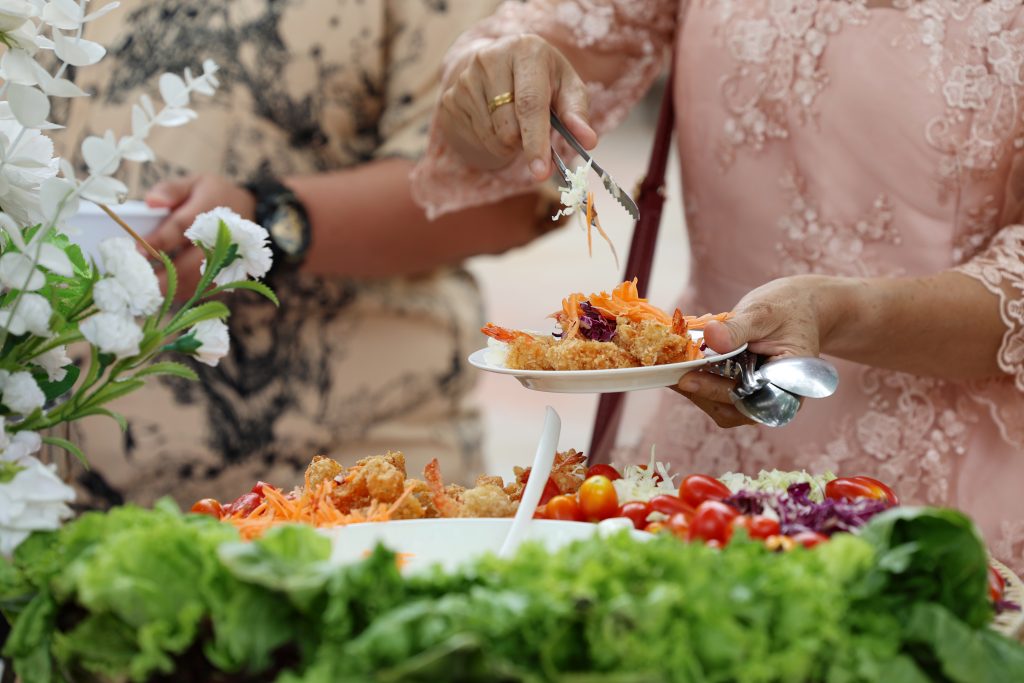
Buffet Strategy: Offer smaller serving sizes for buffet items so guests can sample multiple dishes.
-
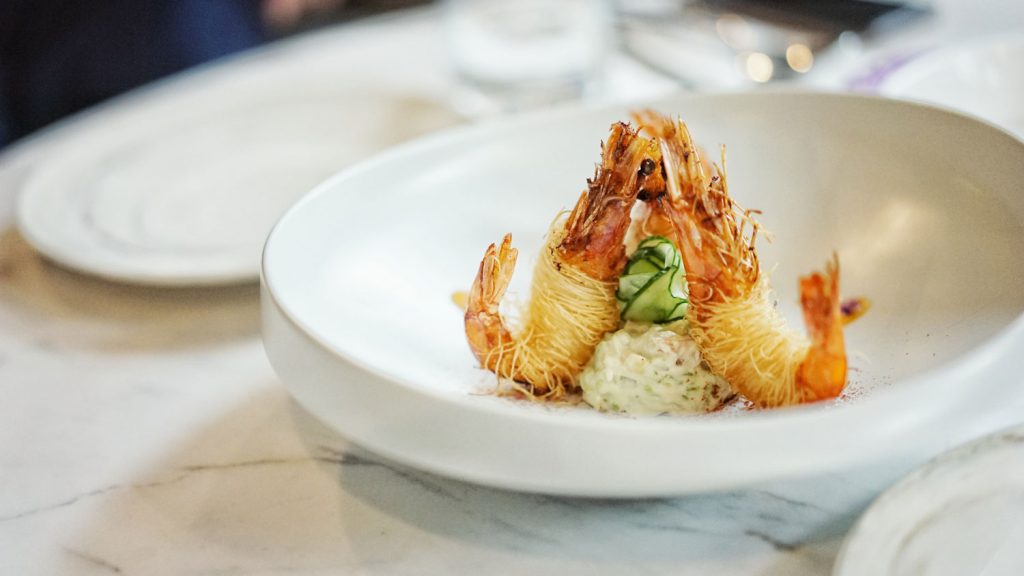
Plated Meals: For plated services, assign precise portions to each guest, reducing over-serving.
Proper portioning ensures fairness, prevents waste, and keeps costs under control.
5. Variety Without Overcomplication
-
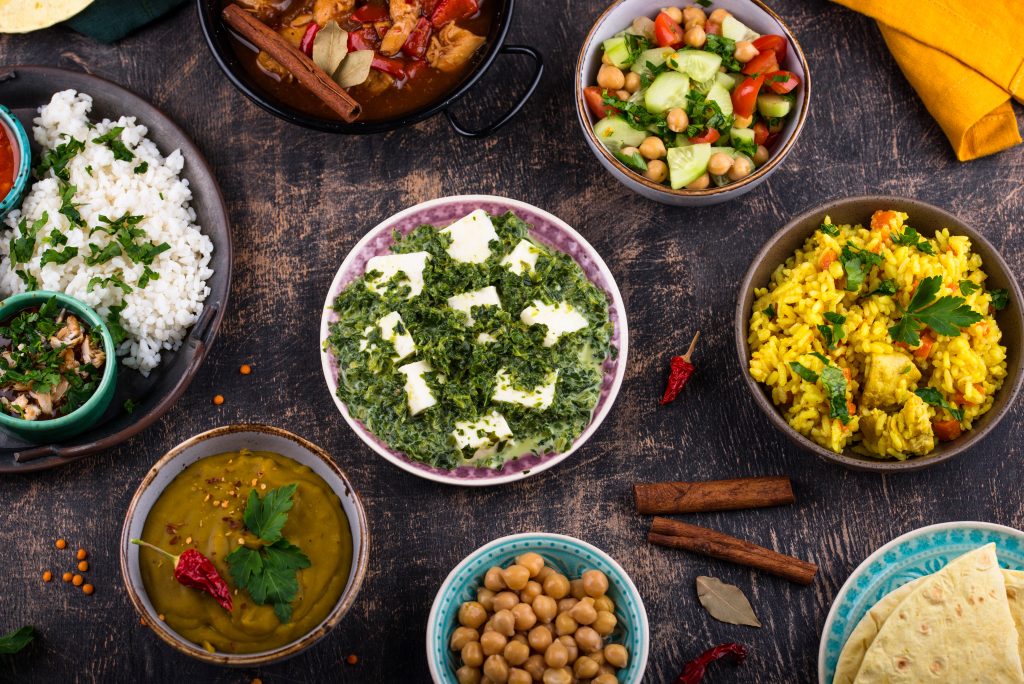
Limit the Number of Mains: Focus on 2–3 main dishes with several sides instead of offering an overwhelming number of options.
-
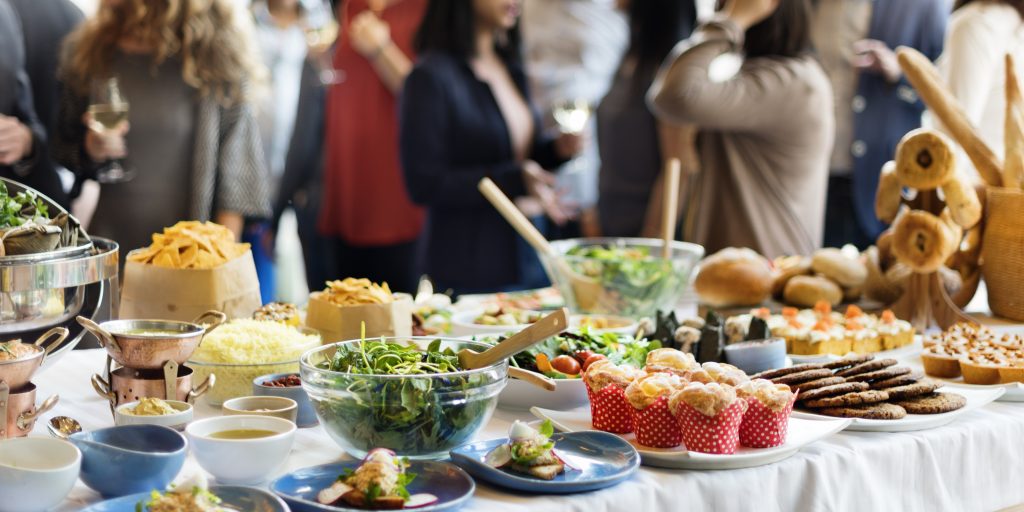
Include Different Flavors: Balance mild, spicy, sweet, and savory dishes to satisfy diverse palates.
-
Mix Proteins and Plant-Based Options: Include meat, seafood, legumes, and vegetables to cater to all dietary preferences.
Variety should enhance the experience, not complicate service or confuse guests.
6. Consider Serving Style
-
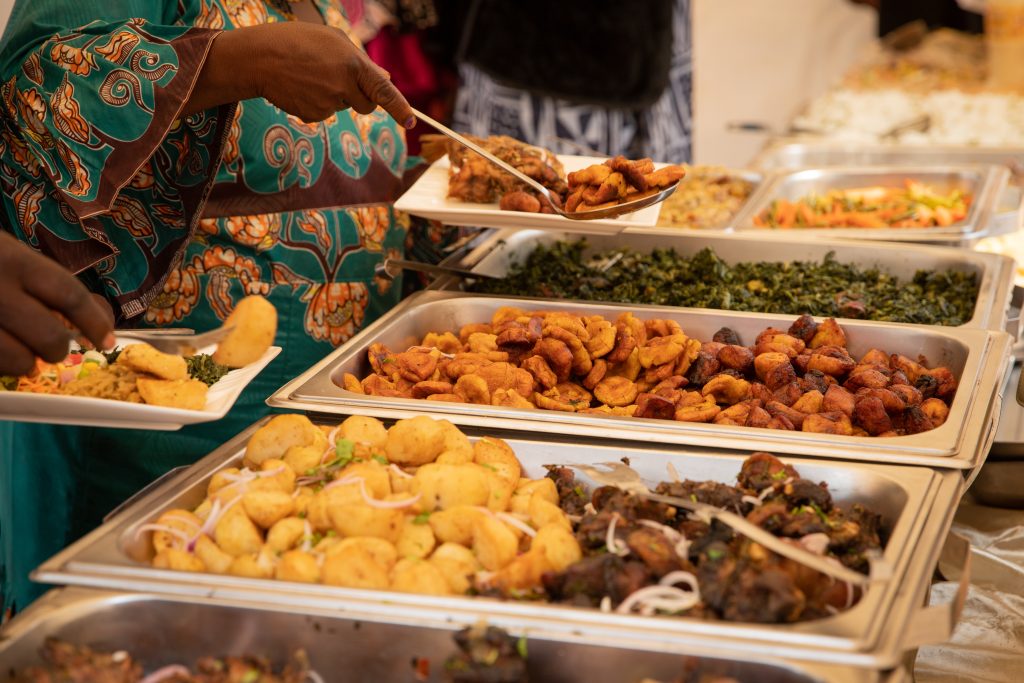
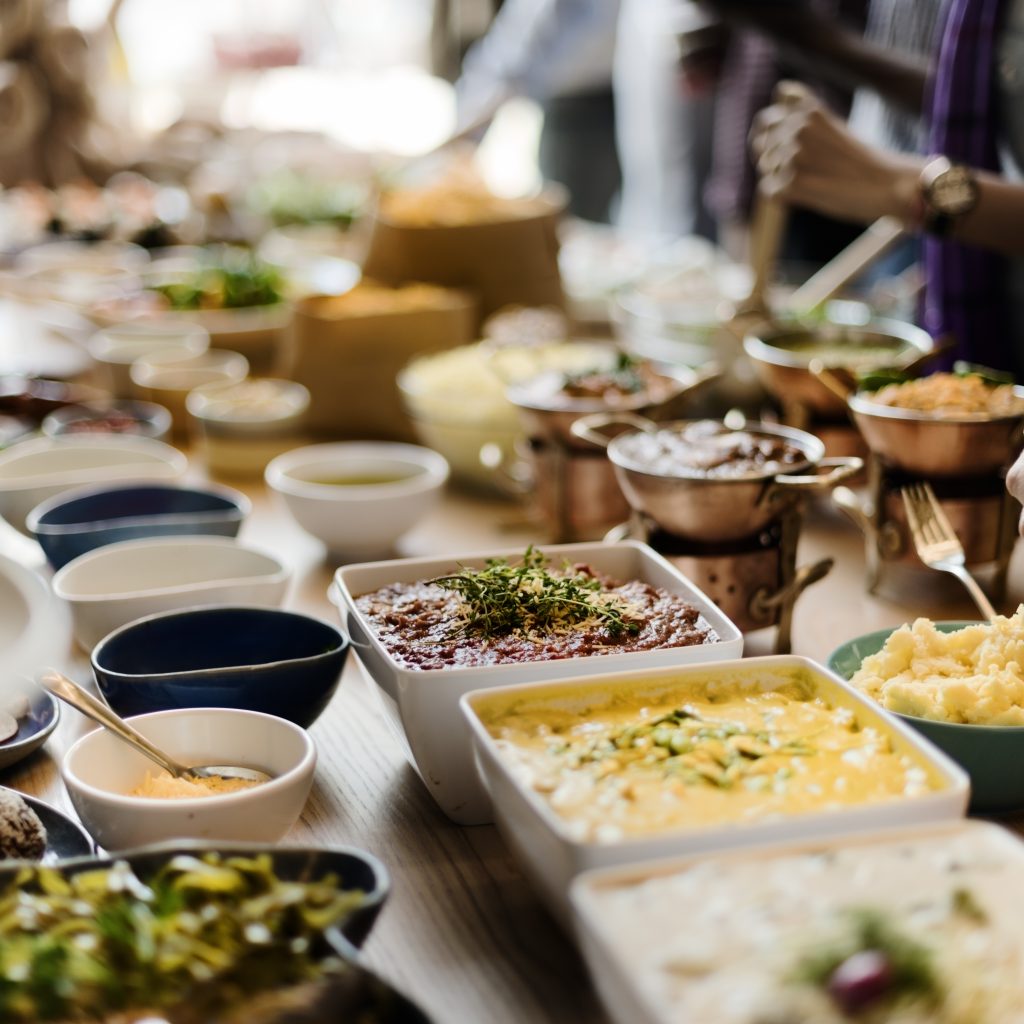
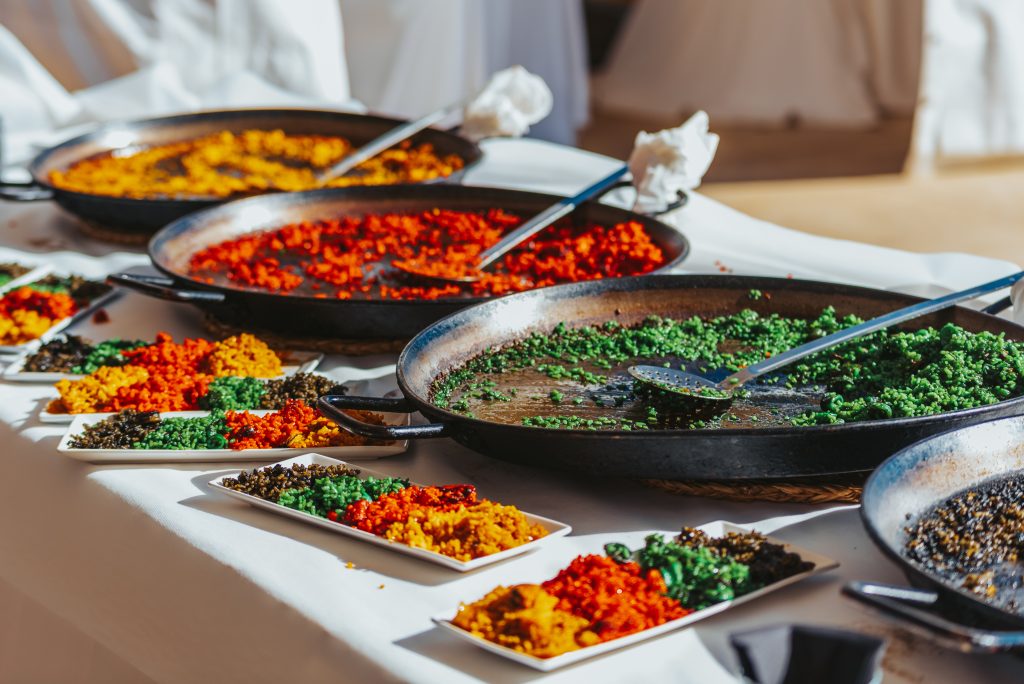
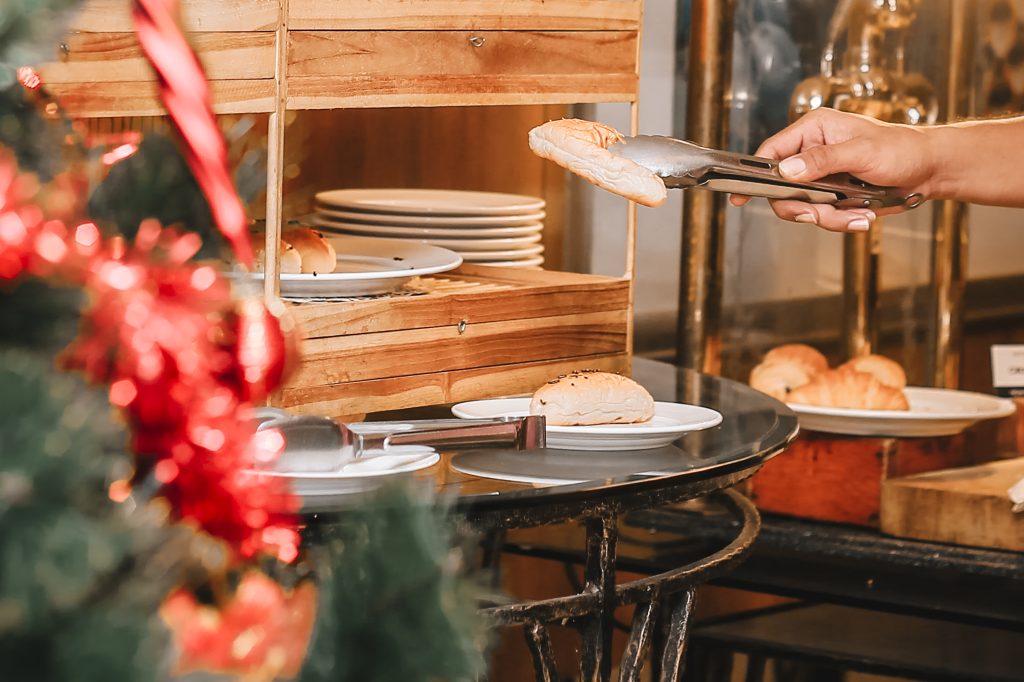
Buffet: Allows guests to control portions and try multiple dishes, making it easier to manage variety.
-
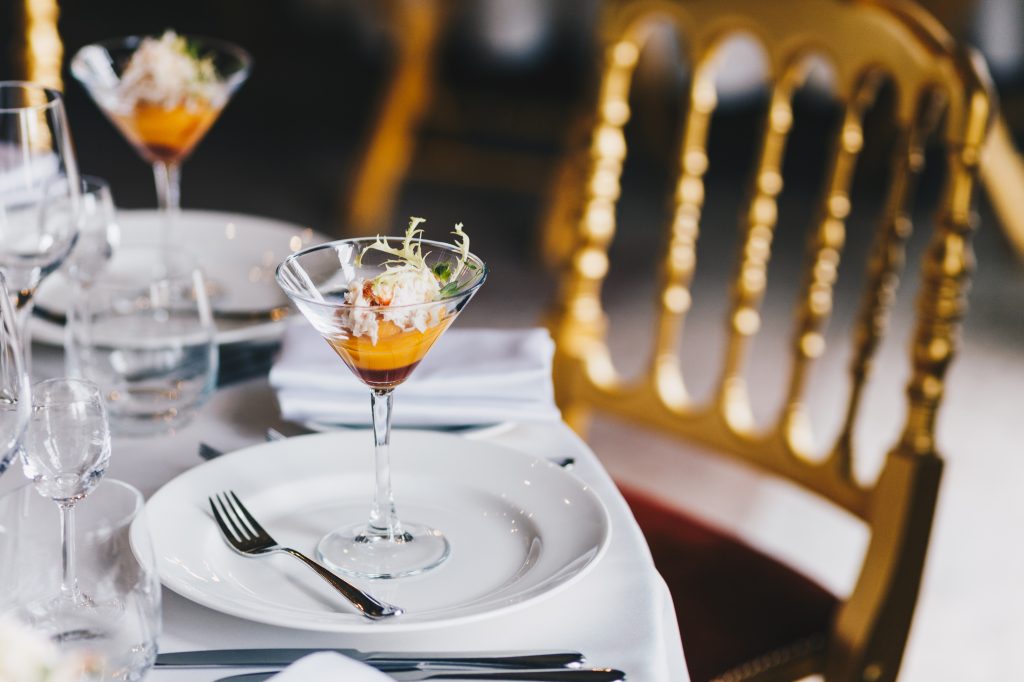
Plated Service: Focus on fewer, high-quality dishes with a structured presentation.
-
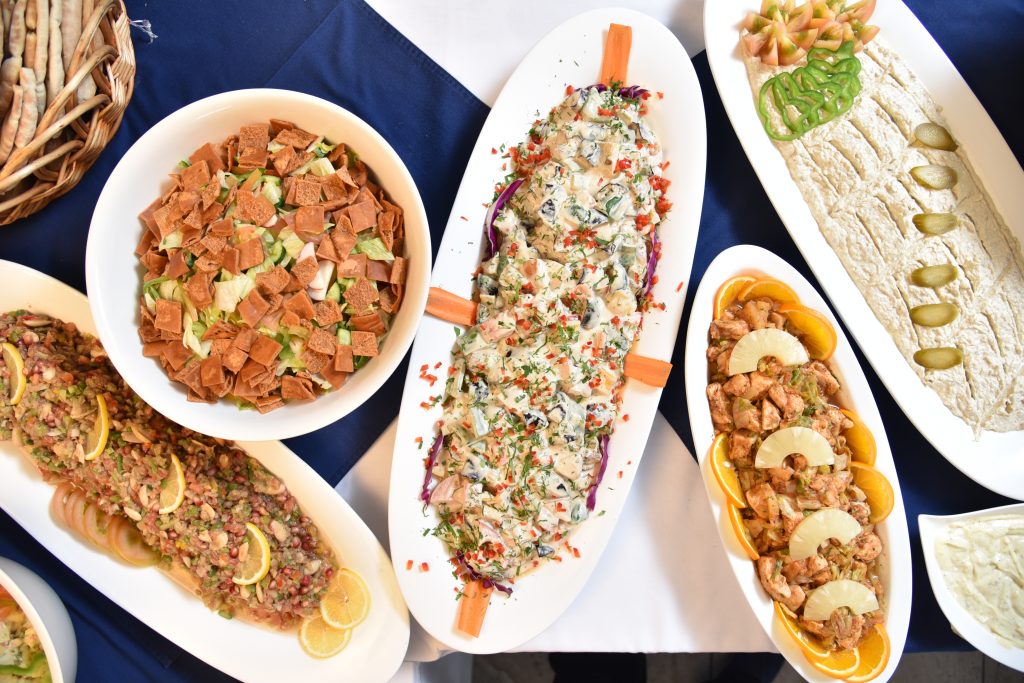
Family-Style or Shared Platters: Combine quantity and variety by allowing guests to serve themselves from several complementary dishes.
The serving style directly impacts how much food is needed and how variety is perceived.
7. Use Seasonal and Local Ingredients
-
Seasonal ingredients are fresh, cost-effective, and flavorful, making it easier to create variety without overcomplicating the menu.
-
Local produce adds uniqueness and authenticity, especially for ethnic cuisines.
-
Rotating seasonal sides or appetizers keeps the menu diverse while maintaining manageable portions.
Fresh, seasonal ingredients reduce waste and enhance the overall dining experience.
8. Collaborate with Your Caterer
-
Work closely with an experienced caterer to plan portions, quantities, and menu combinations.
-
Discuss popular dishes and guest expectations to avoid shortages or excessive leftovers.
-
Caterers can advise on balancing high-demand items with smaller, complementary dishes.
Professional input ensures that both quantity and variety are optimized efficiently.
9. Monitor Waste and Adjust
-
Track Previous Events: Learn from past gatherings which dishes were most popular and which were under-consumed.
-
Adjust Quantities: Modify portion sizes and variety based on past experiences.
-
Plan for Leftovers: Consider donating surplus food or offering take-home options to minimize waste.
Analyzing waste helps fine-tune future events for better balance and sustainability.
Conclusion
Balancing quantity and variety is both an art and a science. Accurate guest counts, understanding preferences, selecting core dishes, controlling portions, and incorporating variety without overcomplication are key steps to success.
By collaborating with a professional caterer, considering serving style, and using seasonal, local ingredients, hosts can ensure that every guest enjoys enough food with diverse choices, while minimizing waste and managing costs. The result is a well-planned, satisfying, and memorable event where both quantity and variety are perfectly balanced.