
 English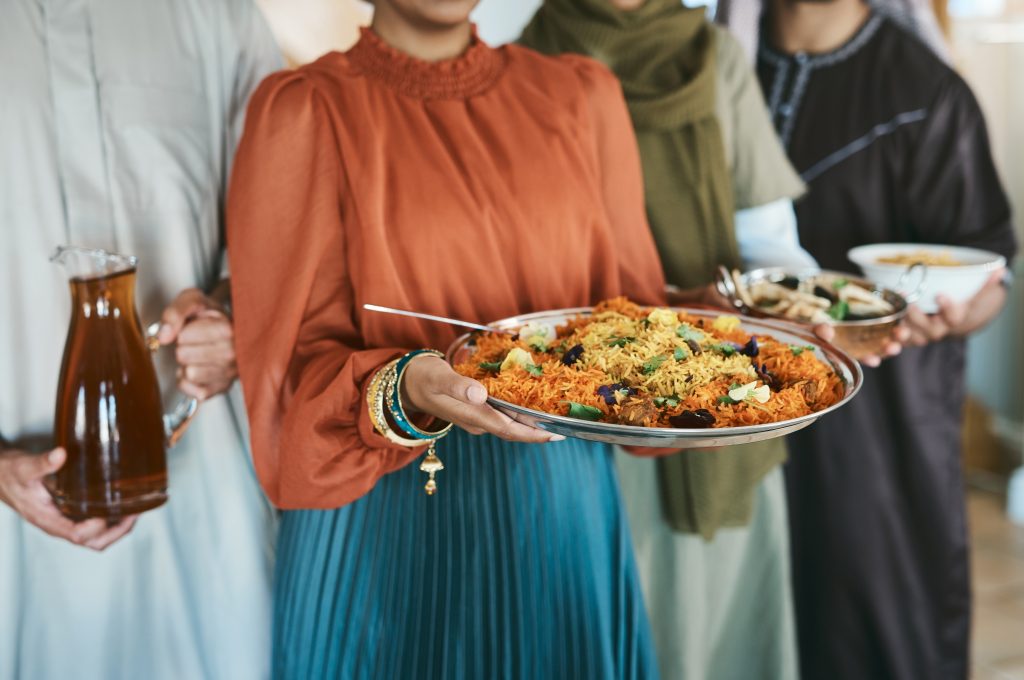


















Halal Catering: What You Need to Know

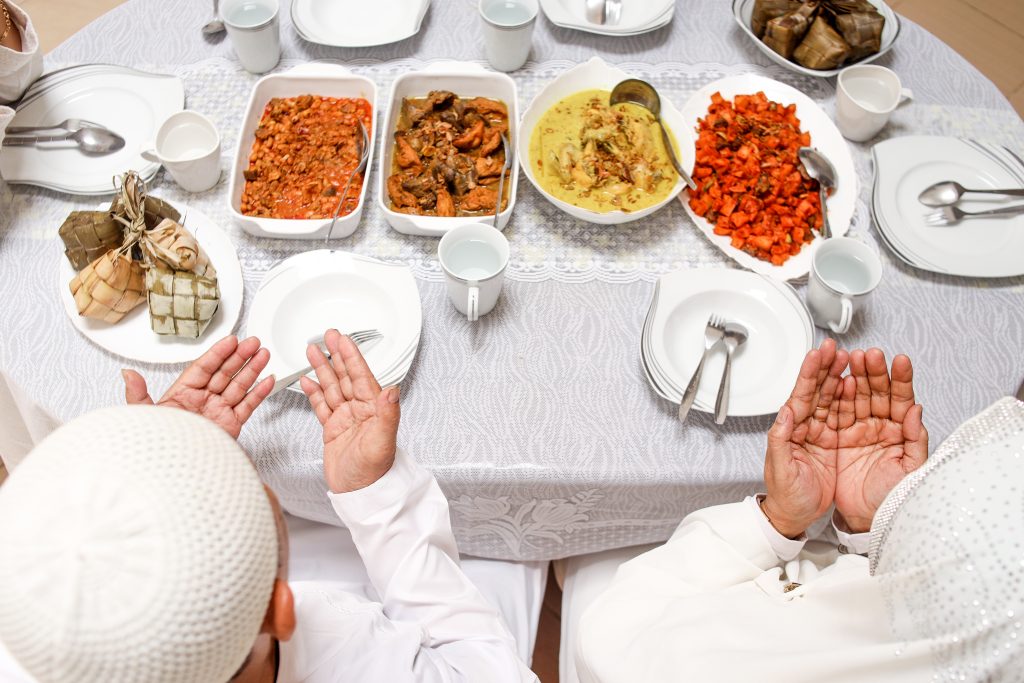
Halal catering has become an essential consideration for many events, especially weddings, corporate gatherings, festivals, and religious celebrations. The term “halal” refers to foods and preparation methods that comply with Islamic dietary laws, ensuring that every meal served is permissible and ethically prepared. Understanding halal catering is key for hosts and event planners who want to provide safe, authentic, and respectful dining experiences for Muslim guests.
What Halal Means
Halal, an Arabic word meaning “permissible,” covers more than just the type of food. It includes:
-
Ingredients: Foods must be free from pork, alcohol, and non-halal animal products.
-
Animal Sourcing: Meat must come from animals slaughtered according to Islamic guidelines, which include humane treatment and proper ritual slaughter.
-
Preparation Methods: Utensils, equipment, and cooking surfaces must not be contaminated with non-halal foods.
Adhering to these standards ensures that Muslim guests can enjoy meals without worry or compromise.
Why Halal Catering Matters
-
Cultural and Religious Respect: Providing halal food demonstrates sensitivity to guests’ beliefs and traditions.
-
Inclusive Events: Halal catering ensures all attendees feel welcome and included, fostering a positive environment.
-
Quality and Ethics: Halal-certified ingredients often meet high-quality standards and emphasize ethical sourcing.
-
Legal and Certification Standards: Many professional caterers follow halal certification protocols, ensuring compliance with recognized guidelines.
Key Elements of Halal Catering
1. Halal Ingredients
-
Meat and Poultry: Must be sourced from halal-certified suppliers. Beef, chicken, lamb, and goat are commonly used.
-
Dairy and Eggs: Ensure no non-halal additives are present.
-
Grains, Vegetables, and Fruits: Naturally halal, but check for processing with non-halal additives.
-
Beverages: Avoid alcohol; use halal-certified juices, soft drinks, and teas.
2. Cross-Contamination Prevention
Halal food preparation requires strict separation from non-halal items:
-
Separate cooking equipment, cutting boards, and utensils.
-
Dedicated storage areas for halal ingredients.
-
Clearly labeled food for events with mixed dietary options.
3. Menu Planning
When planning a halal menu:
-
Offer a mix of vegetarian, meat, and rice or grain dishes.
-
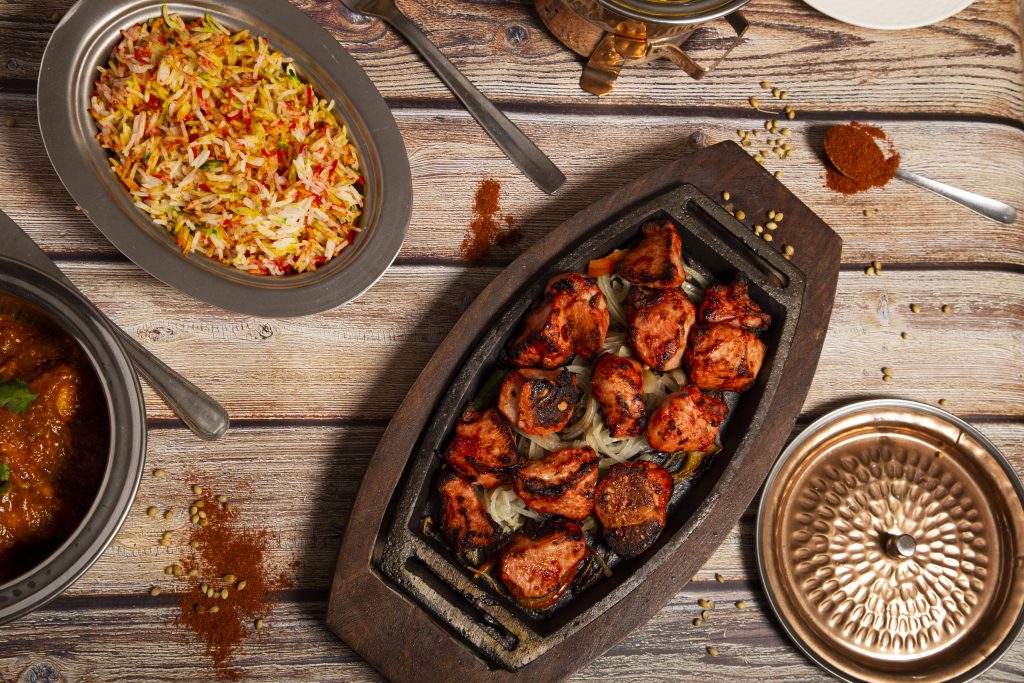
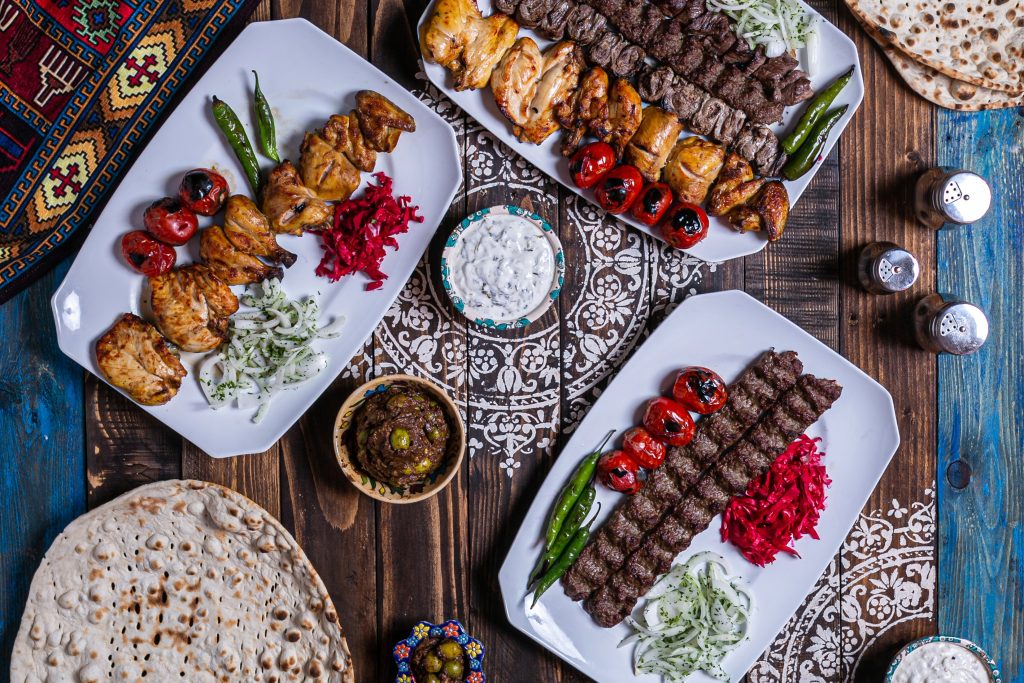
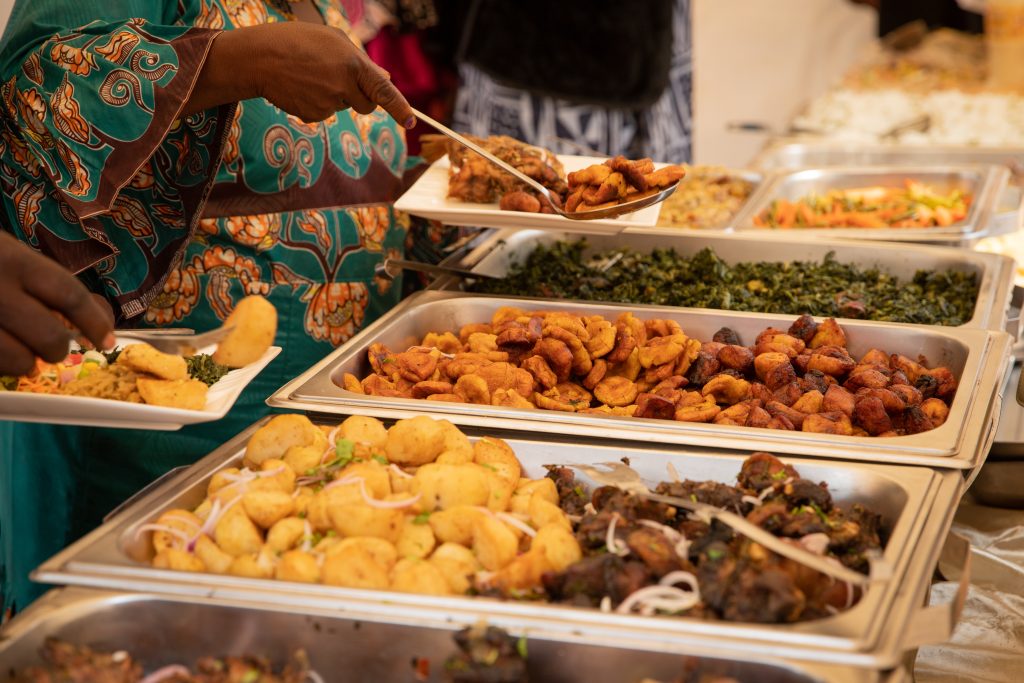
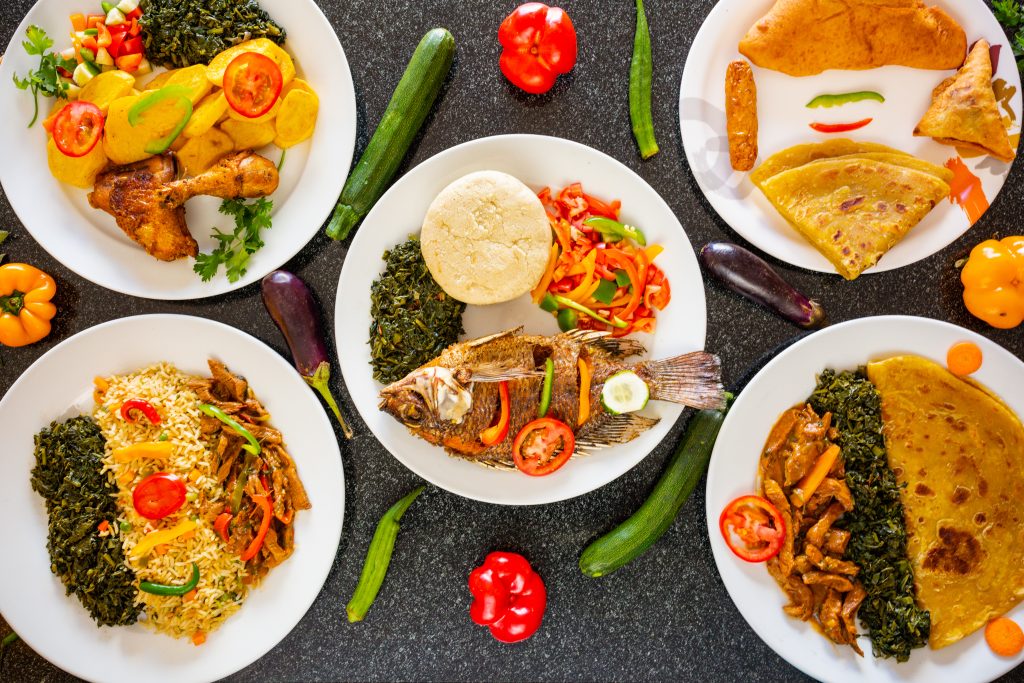
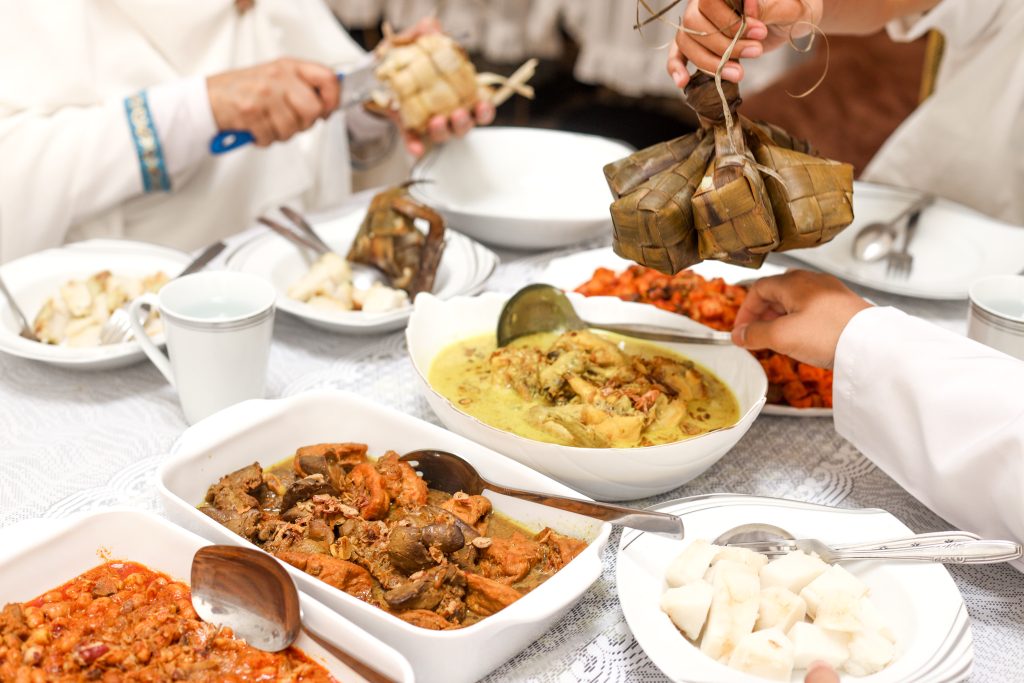
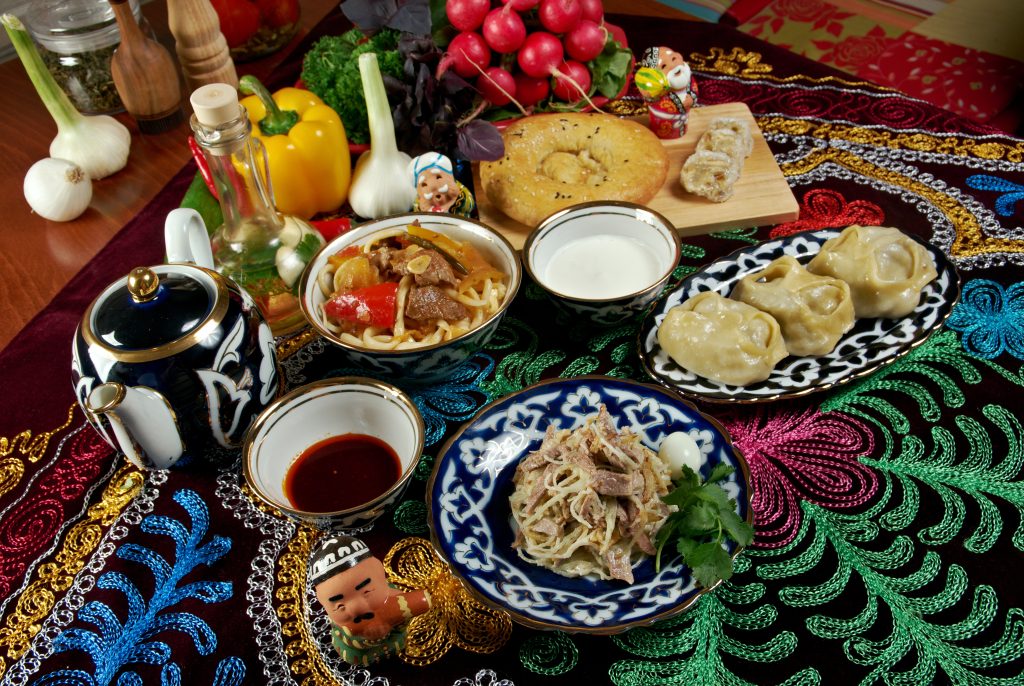
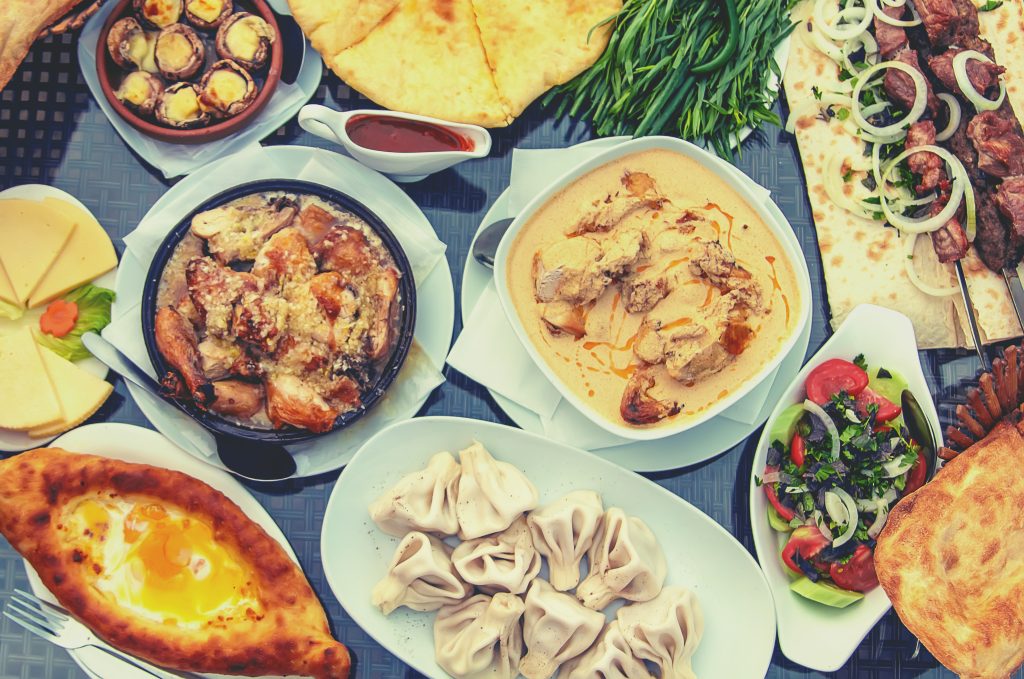
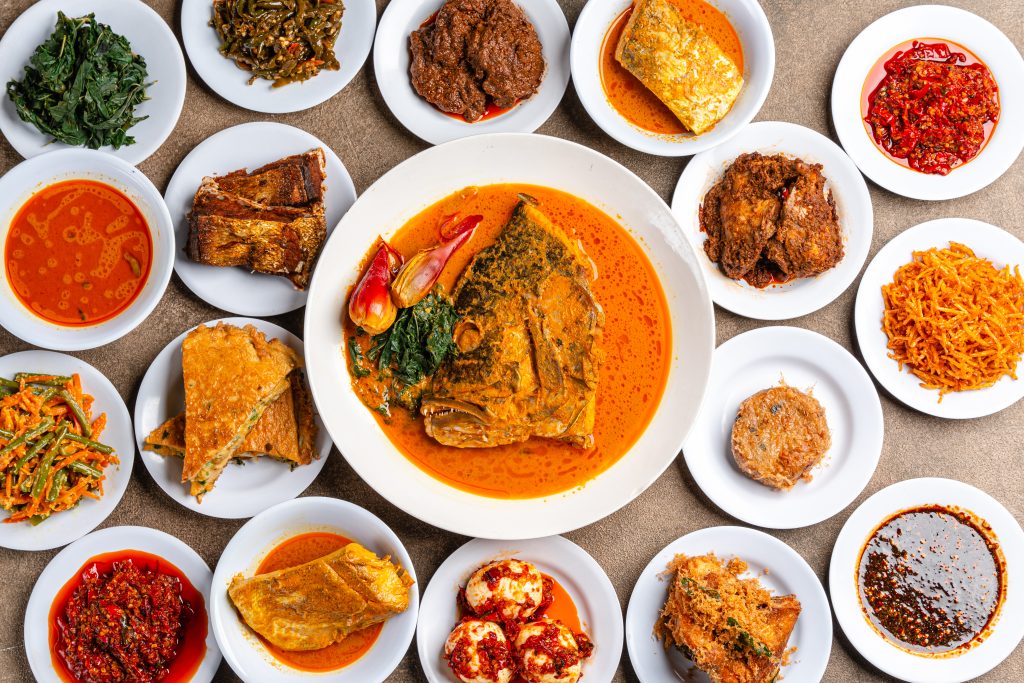
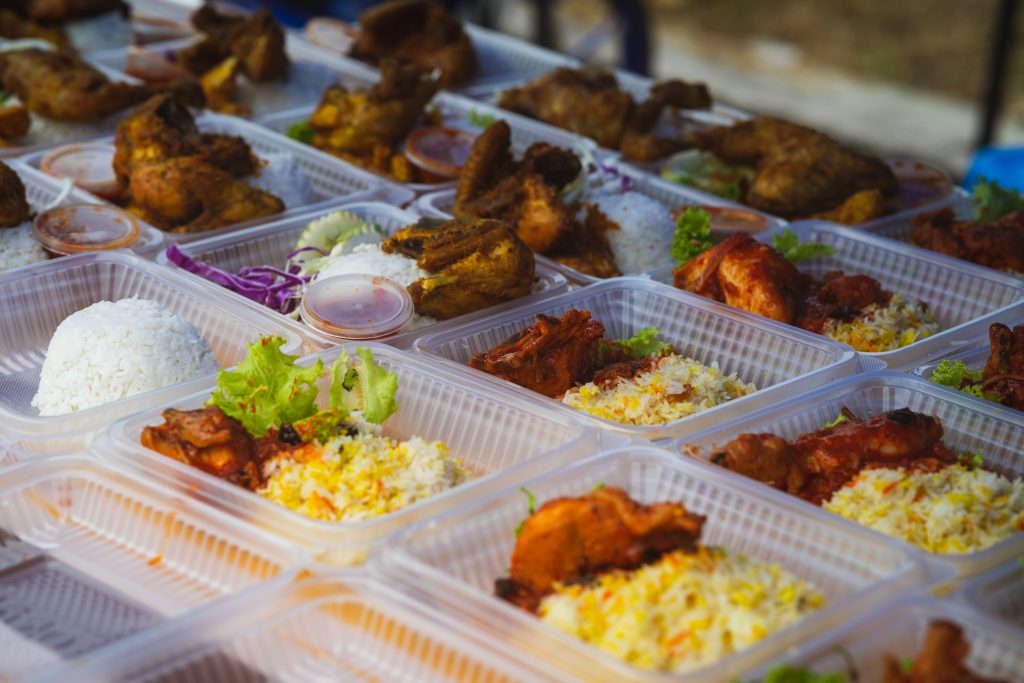
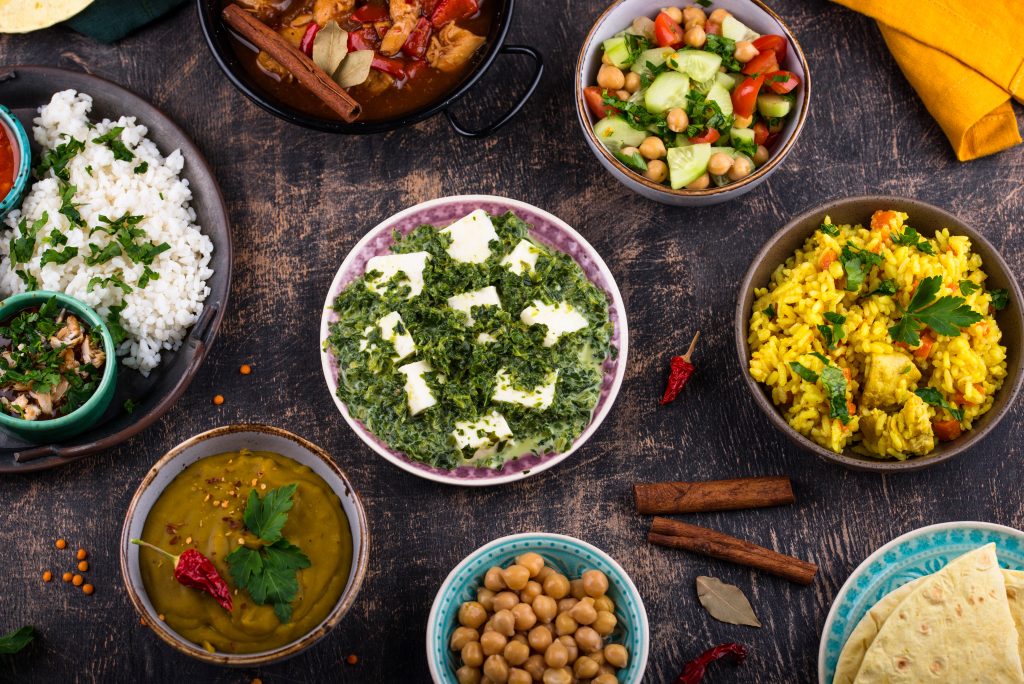
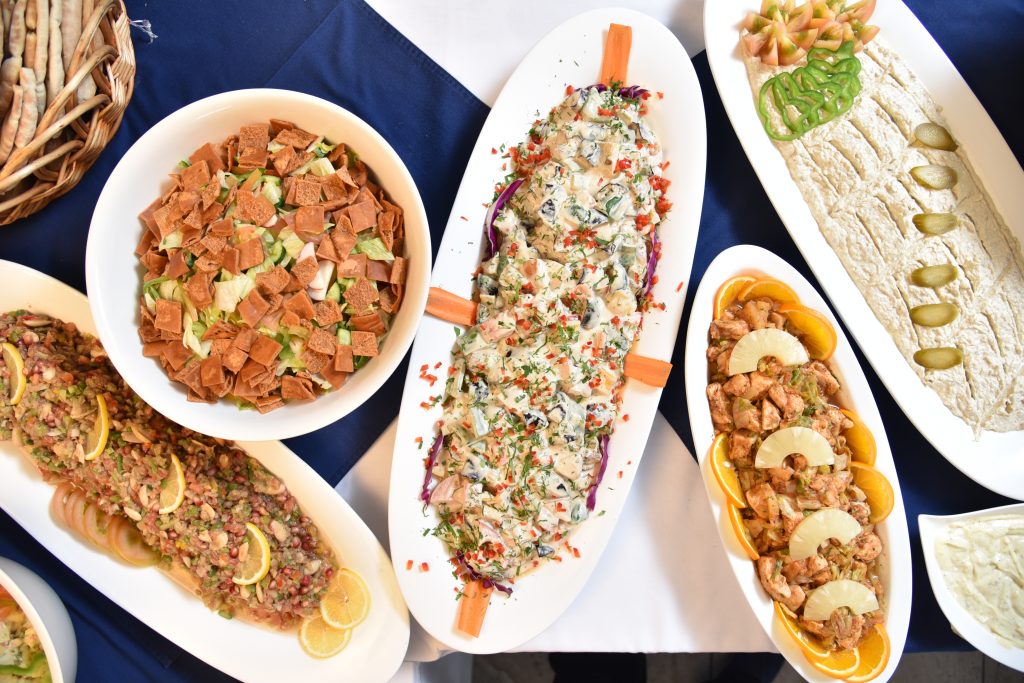
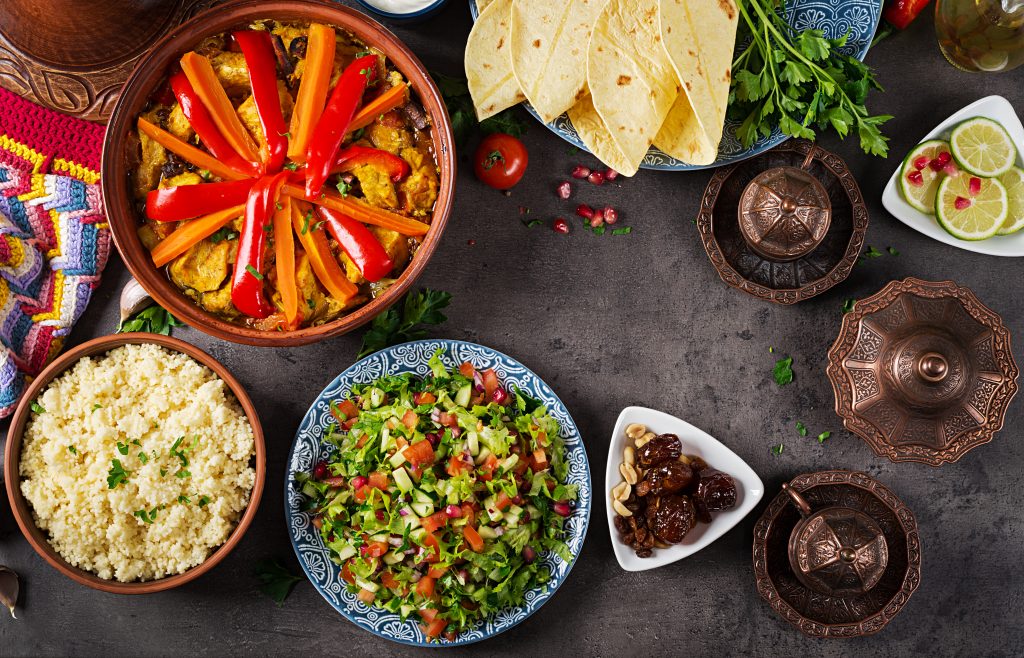
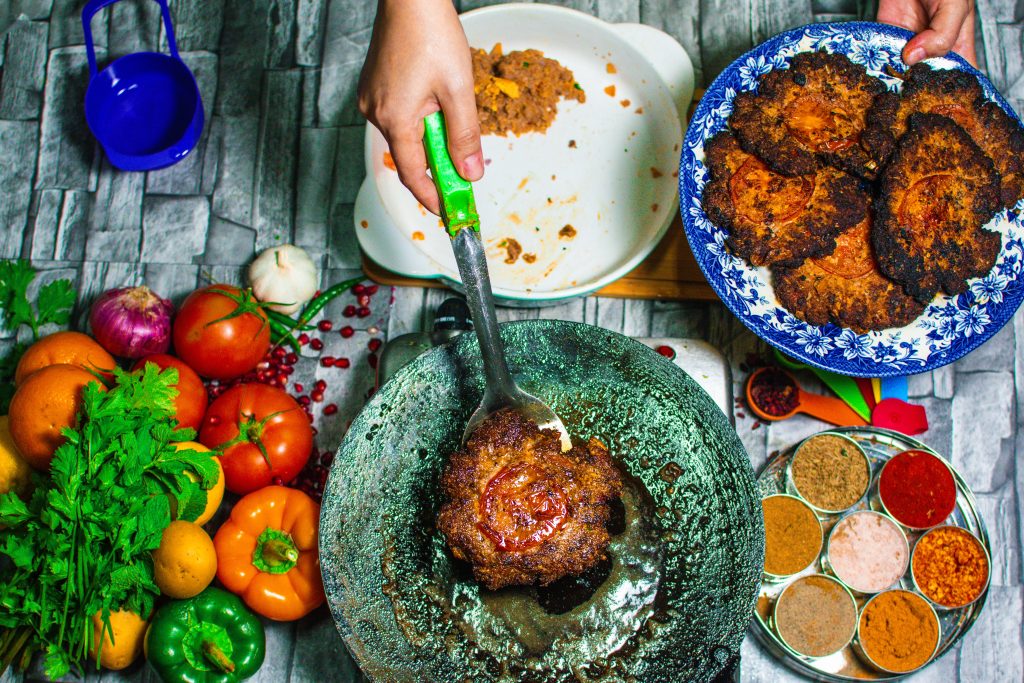
Include culturally relevant dishes such as South Asian biryani, Middle Eastern kebabs, or African stews.
-
Consider desserts and beverages that are halal-friendly.
4. Halal Certification
Professional halal caterers often carry certification from recognized authorities. This certification assures:
-
All ingredients and suppliers are verified.
-
Preparation methods meet Islamic dietary laws.
-
Guests and hosts can trust the authenticity of the food.
Tips for Hosting a Halal-Catered Event
-
Choose a Certified Caterer: Work with a caterer experienced in halal cuisine to avoid mistakes.
-
Communicate Clearly: Specify the event requires halal food, including appetizers, mains, desserts, and drinks.
-
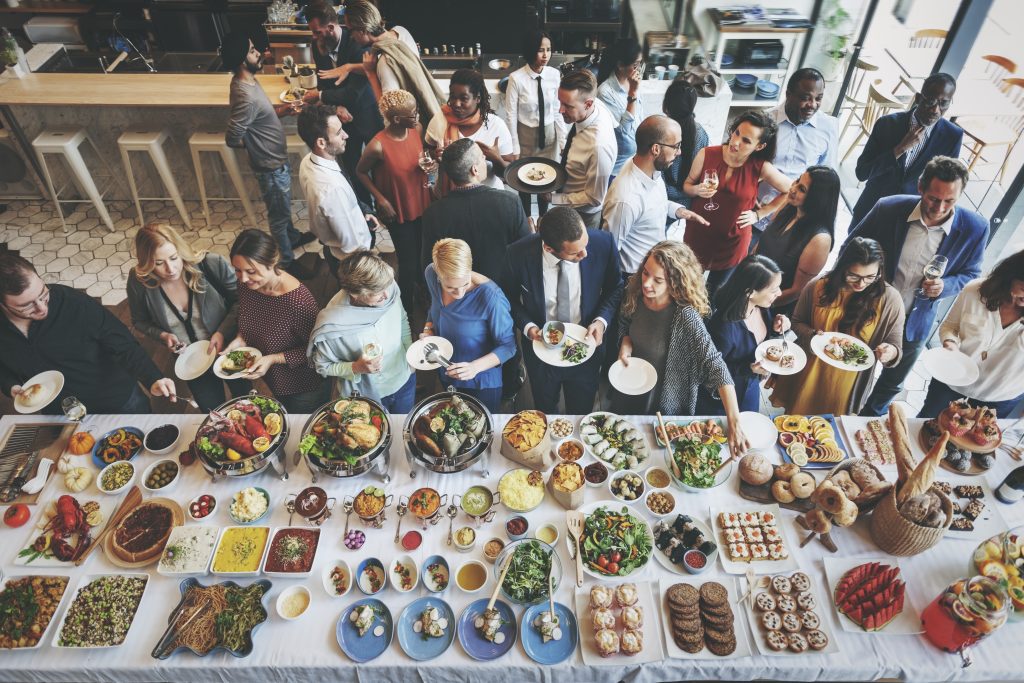
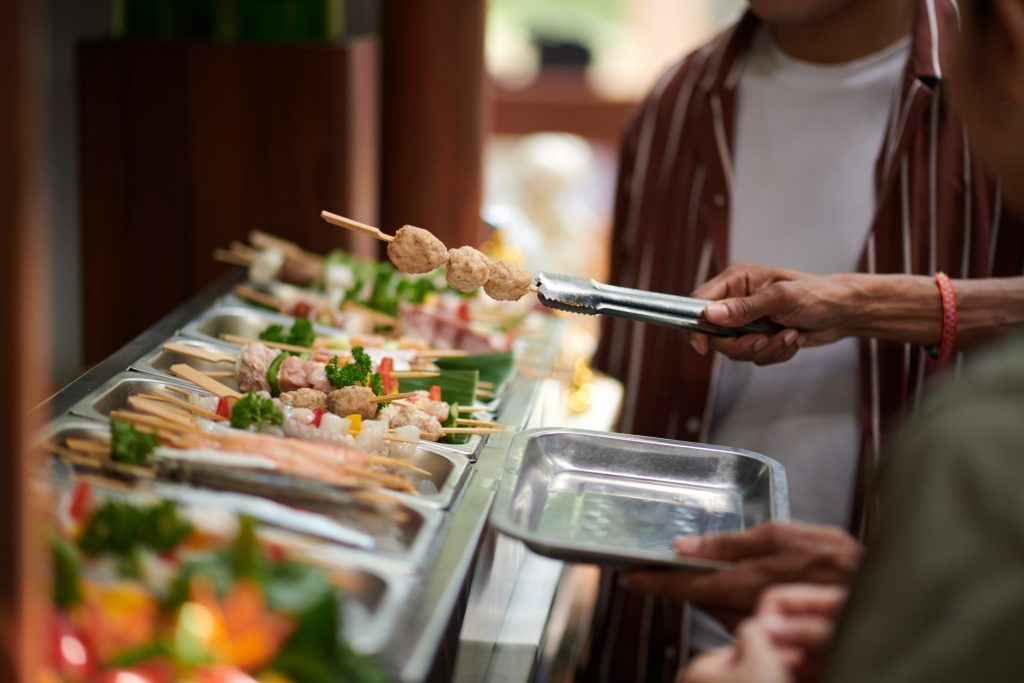
Label Foods: Clearly mark halal dishes at buffets or plated services to prevent confusion.
-
Plan Variety: Include diverse options to appeal to all guests, while maintaining halal standards.
-
Incorporate Cultural Elements: Use traditional recipes from South Asia, the Middle East, or other halal-preferred cuisines to create authentic flavors.
Benefits of Halal Catering
-
Guest Satisfaction: Muslim guests feel respected and included, increasing event enjoyment.
-
High Standards: Halal-certified food often adheres to strict hygiene, sourcing, and ethical practices.
-
Professionalism: Using a certified caterer adds credibility and reliability to your event planning.
-
Cultural Appeal: Halal dishes are often flavorful, aromatic, and versatile, making them appealing to a wider audience.
Conclusion
Halal catering is more than a dietary requirement—it is a commitment to inclusivity, respect, and quality. Understanding what halal entails, from ingredient sourcing to preparation methods, is essential for hosts who wish to provide authentic and trustworthy food experiences.
By working with certified halal caterers, planning diverse menus, and ensuring cross-contamination is avoided, your event can cater to Muslim guests while delighting all attendees. Whether for weddings, corporate gatherings, festivals, or religious celebrations, halal catering guarantees ethical, flavorful, and culturally sensitive dining that enhances the overall experience