

 English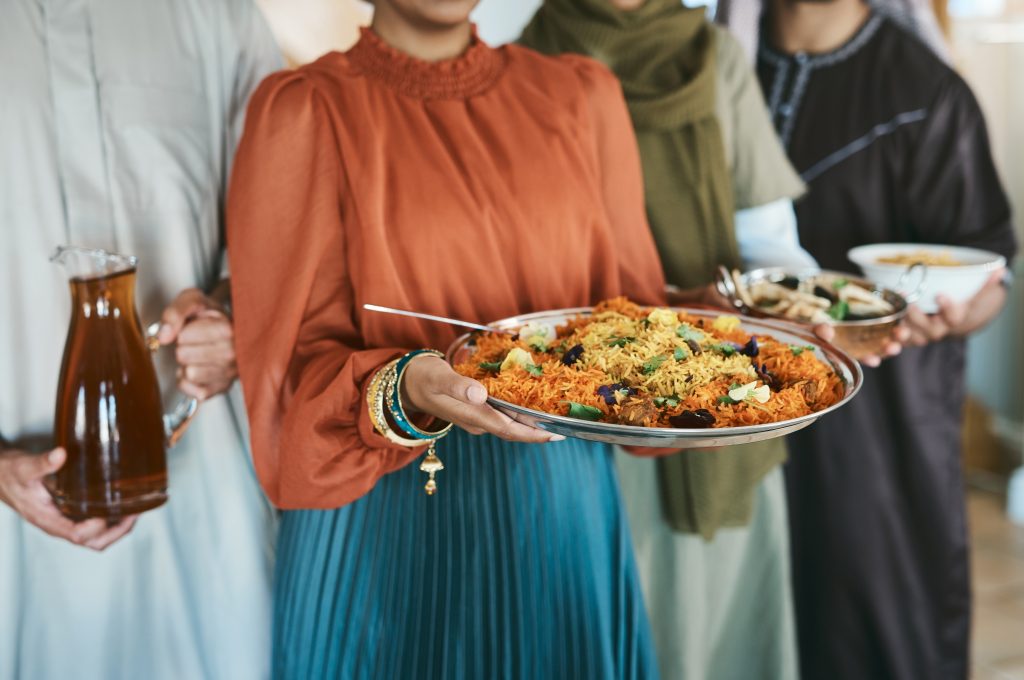
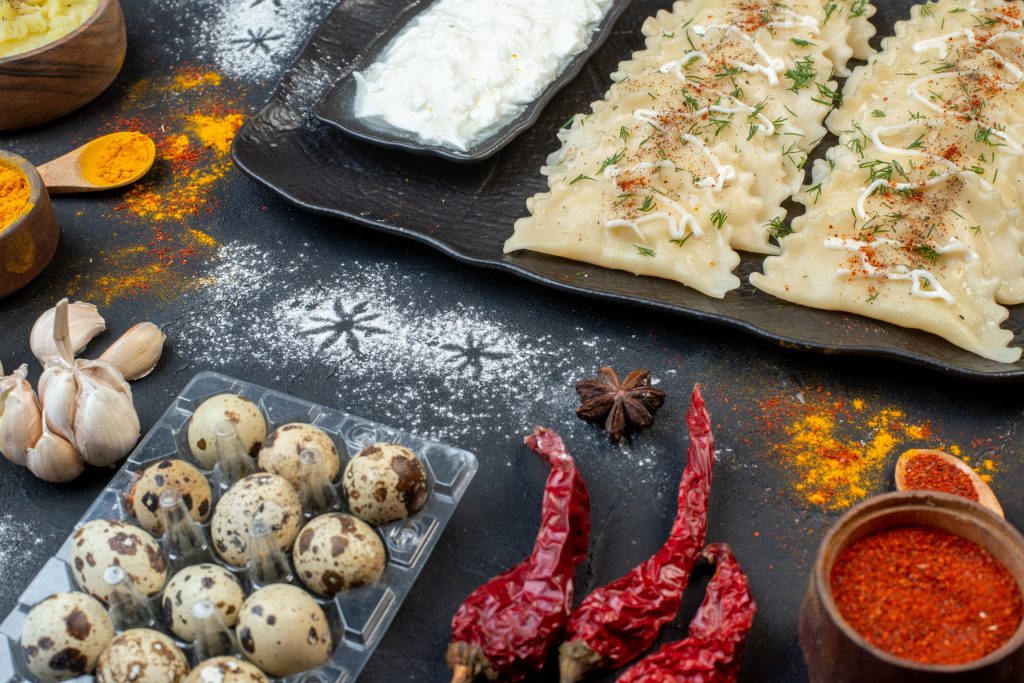
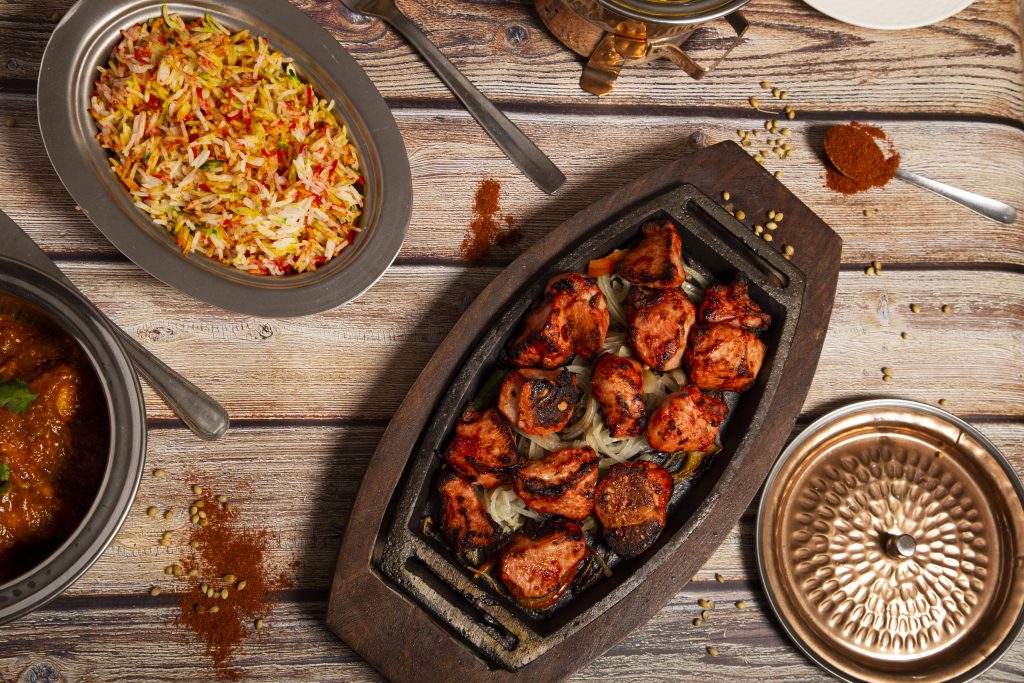
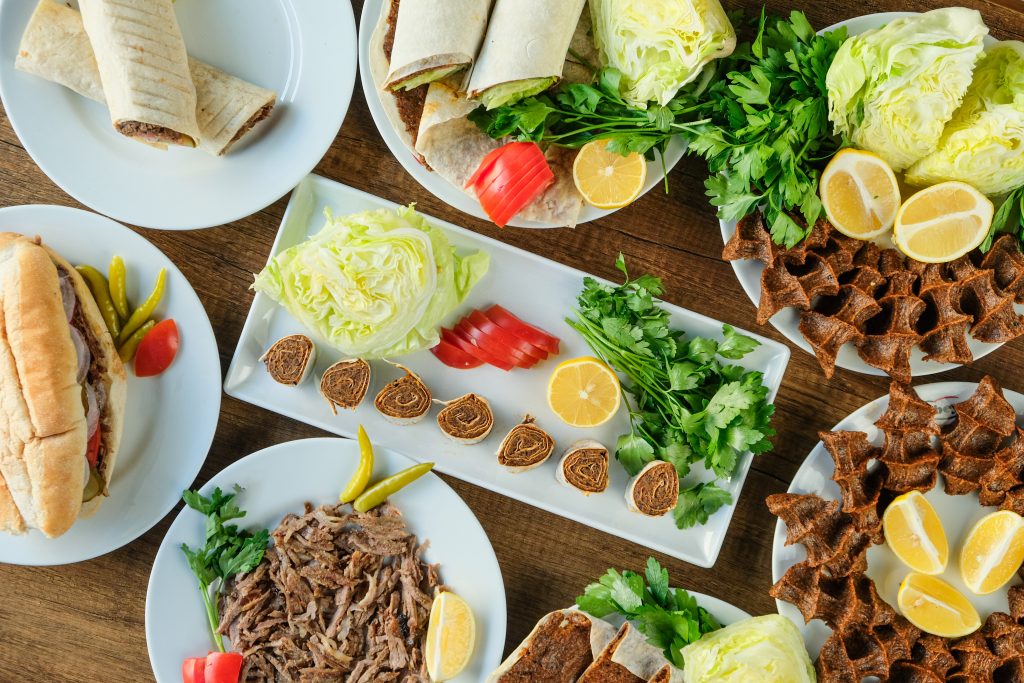


























Halal Catering Standards That Clients Trust


In today’s diverse event landscape, providing halal catering has become more than just a dietary requirement—it’s a mark of trust, professionalism, and cultural respect. Whether it’s a wedding, corporate function, festival, or private gathering, clients want assurance that the food served is authentic, safe, and compliant with Islamic dietary laws. Understanding the halal catering standards that caterers follow can help hosts plan confidently and ensure guests enjoy a memorable dining experience.
What Makes Catering “Halal”
Halal, meaning “permissible” in Arabic, refers to food and drink that comply with Islamic law. A halal caterer ensures:
-
Ingredient Compliance: No pork, pork by-products, or alcohol. All meats, poultry, and processed foods must come from halal-certified sources.
-
Proper Animal Slaughter: Meat must come from animals slaughtered according to Islamic guidelines, emphasizing humane treatment and ritual compliance.
-
Safe Preparation Practices: Utensils, kitchen equipment, and cooking surfaces must not come into contact with non-halal foods to prevent cross-contamination.
Clients trust caterers who follow these standards rigorously, as it reflects both professionalism and cultural sensitivity.
Key Halal Catering Standards
1. Certified Halal Ingredients
Using halal-certified ingredients is the foundation of trusted catering. Reputable caterers source meats, poultry, and other products from verified suppliers. Certification ensures:
-
The animal was slaughtered in accordance with Islamic law.
-
No prohibited additives or preservatives are included.
-
Food quality meets high hygiene and safety standards.
2. Cross-Contamination Prevention
Preventing contamination is crucial, especially when the kitchen handles both halal and non-halal foods. Caterers implement:
-
Separate storage areas for halal ingredients.
-
Designated cooking utensils, cutting boards, and cookware.
-
Clear labeling and handling procedures for halal and non-halal items.
This meticulous attention to detail ensures that clients and guests can trust the food’s integrity.
3. Compliance with Certification Bodies
Many clients rely on halal certification from recognized authorities. Certified caterers:
-
Follow strict auditing and inspection processes.
-
Maintain detailed records of ingredient sourcing and preparation.
-
Undergo regular quality checks to maintain certification.
Certification provides peace of mind that the food is not only halal but also professionally managed.
4. Transparent Communication
Trusted halal caterers communicate clearly with clients about:
-
Menu options and substitutions.
-
Preparation methods and ingredient sourcing.
-
Any potential allergens or cross-contact risks.
Transparency strengthens client trust and ensures that expectations are aligned before the event.
Benefits of Following Halal Catering Standards
-
Guest Confidence: Guests feel assured that the food aligns with their religious requirements, allowing them to enjoy the event without worry.
-
Professionalism: Adhering to standards demonstrates the caterer’s commitment to quality, ethics, and attention to detail.
-
Cultural Respect: Following halal practices reflects sensitivity to cultural and religious traditions, creating an inclusive atmosphere.
-
Consistency: Standardized practices ensure that every event meets the same high-quality expectations.
Tips for Clients Choosing a Halal Caterer
-
Verify Certification: Always check for recognized halal certification from reputable authorities.
-
Ask About Sourcing: Confirm that all meat and poultry are sourced from verified halal suppliers.
-
Check Kitchen Practices: Ensure the caterer uses separate equipment and storage to prevent cross-contamination.
-
Taste Test: Schedule a tasting to evaluate flavor, quality, and authenticity.
-
Discuss Dietary Needs: Inform the caterer about vegetarian, vegan, or allergen-specific requirements.
Conclusion
Halal catering standards are essential for building trust, ensuring compliance, and providing a high-quality dining experience. From certified ingredients and cross-contamination prevention to transparency and professional certification, these standards give clients confidence that their guests will enjoy safe, authentic, and culturally respectful meals.
By selecting a caterer who rigorously follows halal practices, hosts can focus on creating memorable events while ensuring that every dish served reflects care, quality, and authenticity. Whether for weddings, corporate events, or festivals, halal catering standards are a guarantee of trust, flavor, and professional excellence.