

 English






























Buffet vs Plated Service: Which Is Better?

Choosing the right serving style is a critical part of event planning. The two most common options are buffet service and plated service, and each has its advantages depending on the type of event, guest preferences, and overall goals. Understanding the differences can help hosts make an informed decision and create a memorable dining experience.
Buffet Service: Pros and Considerations
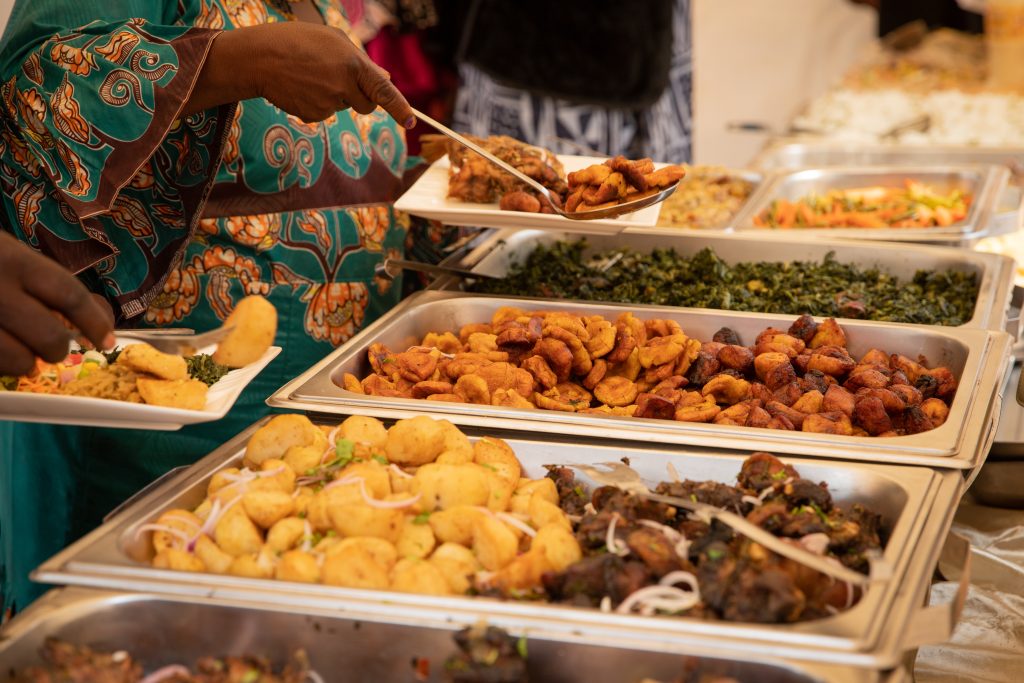
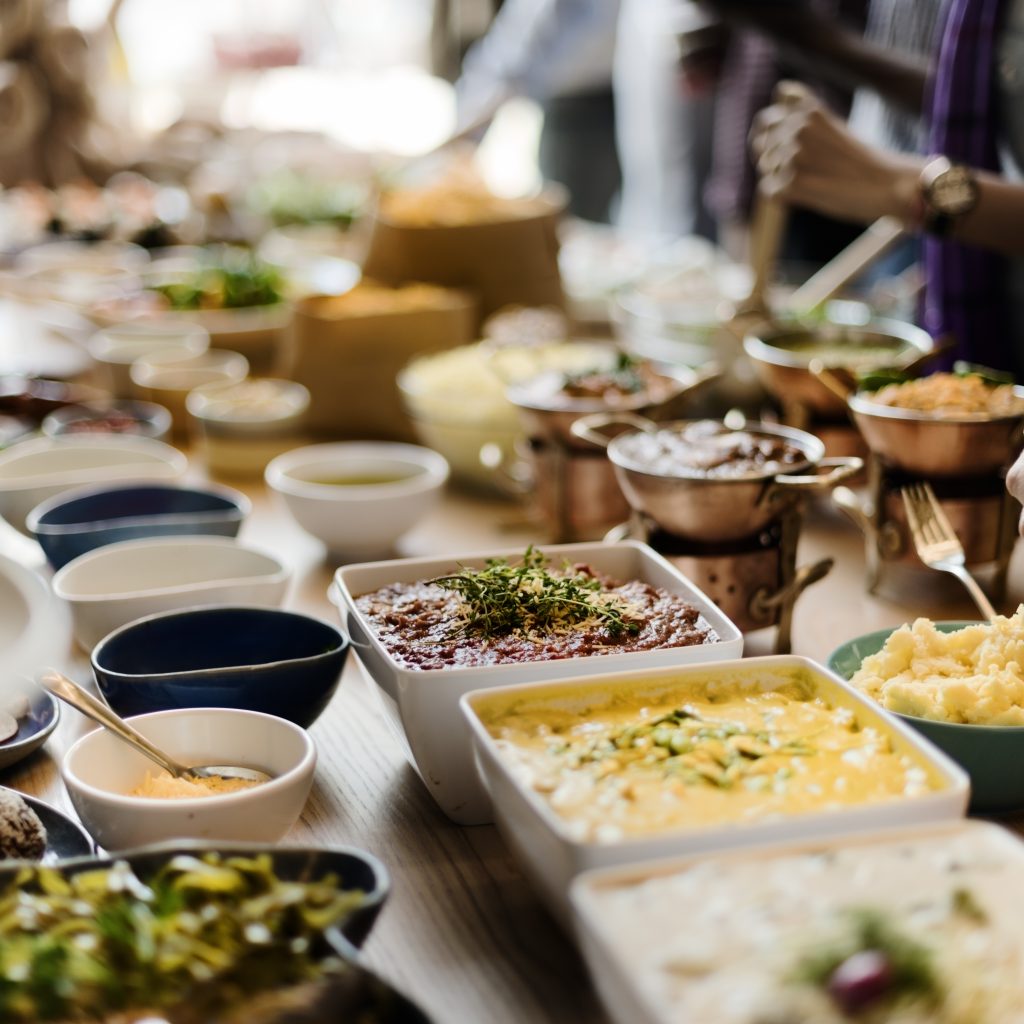
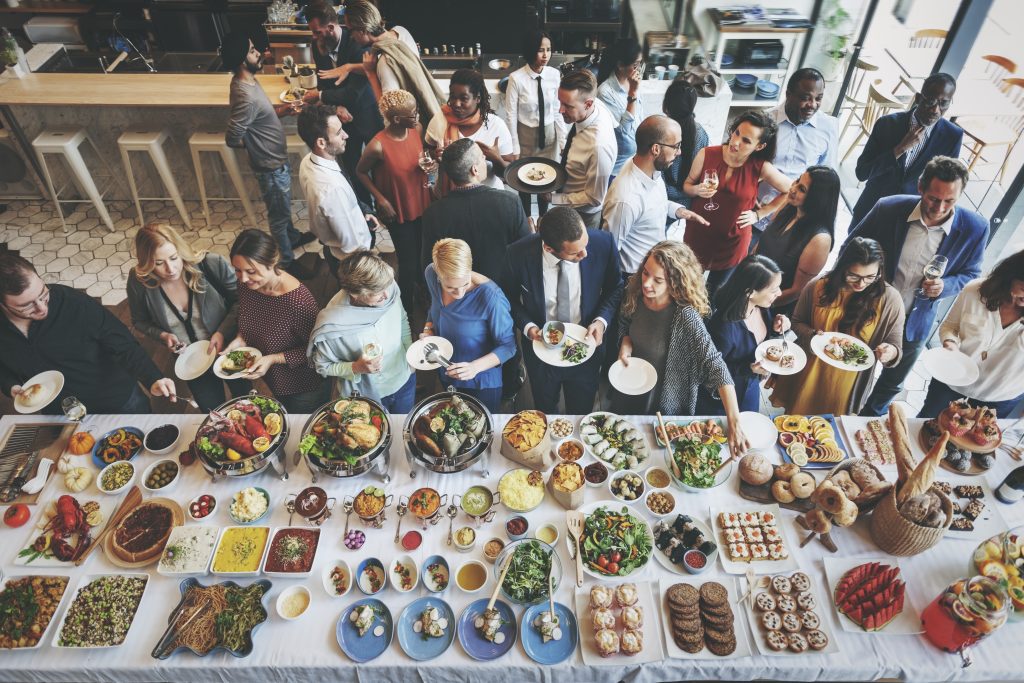
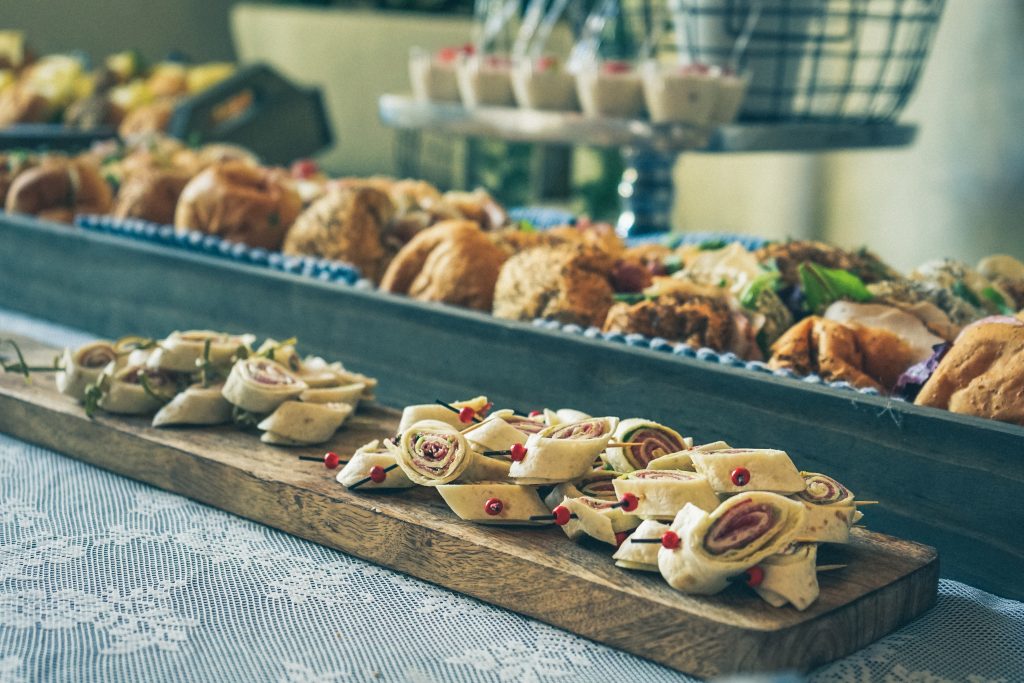
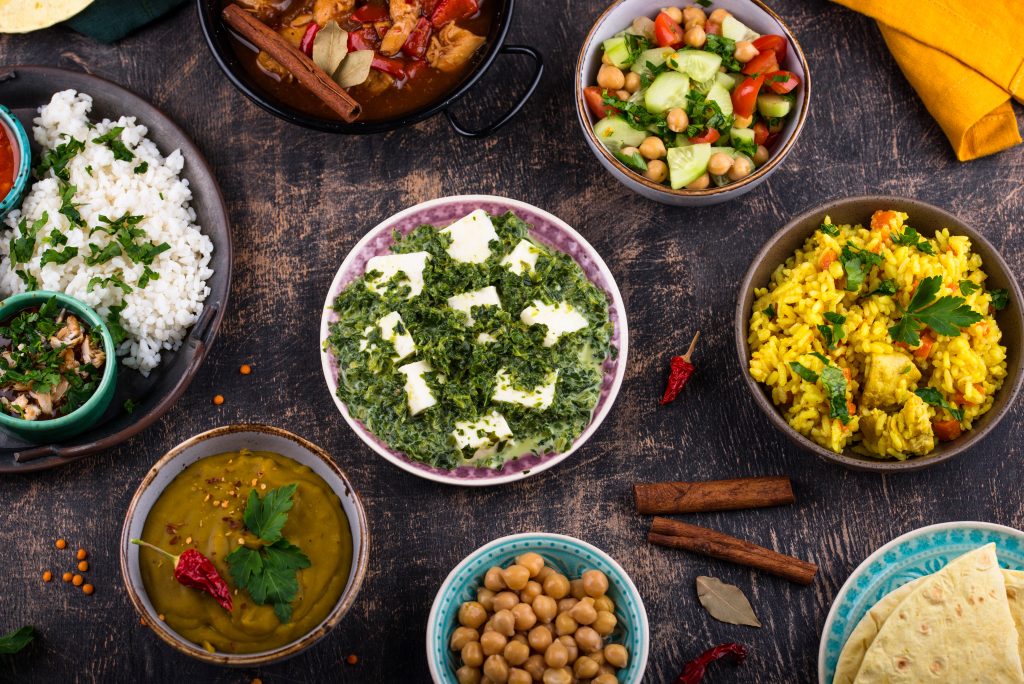
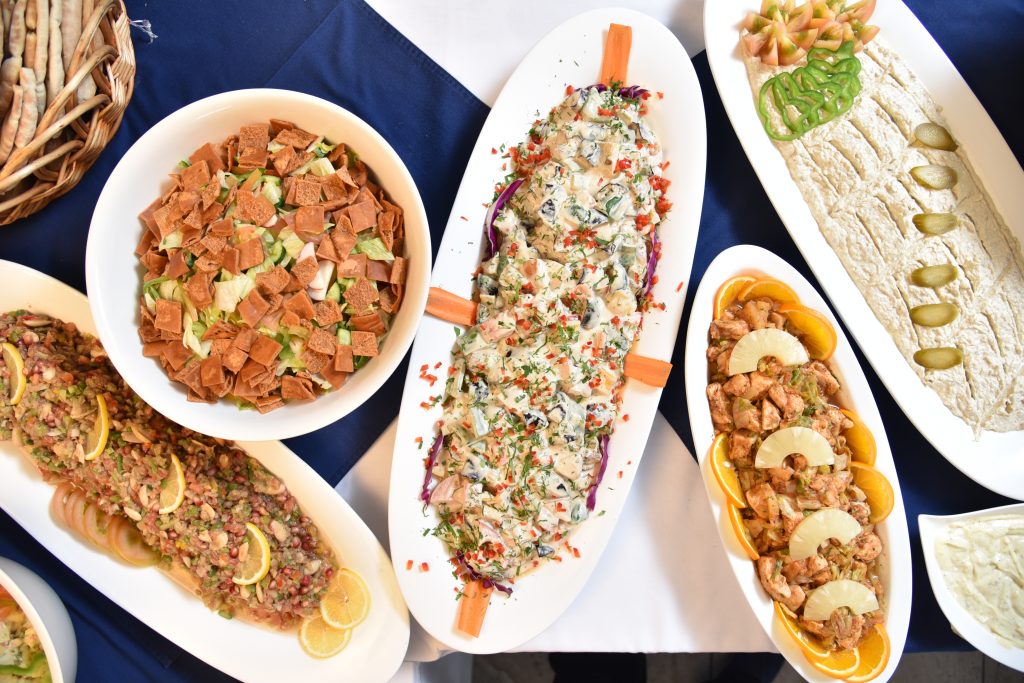
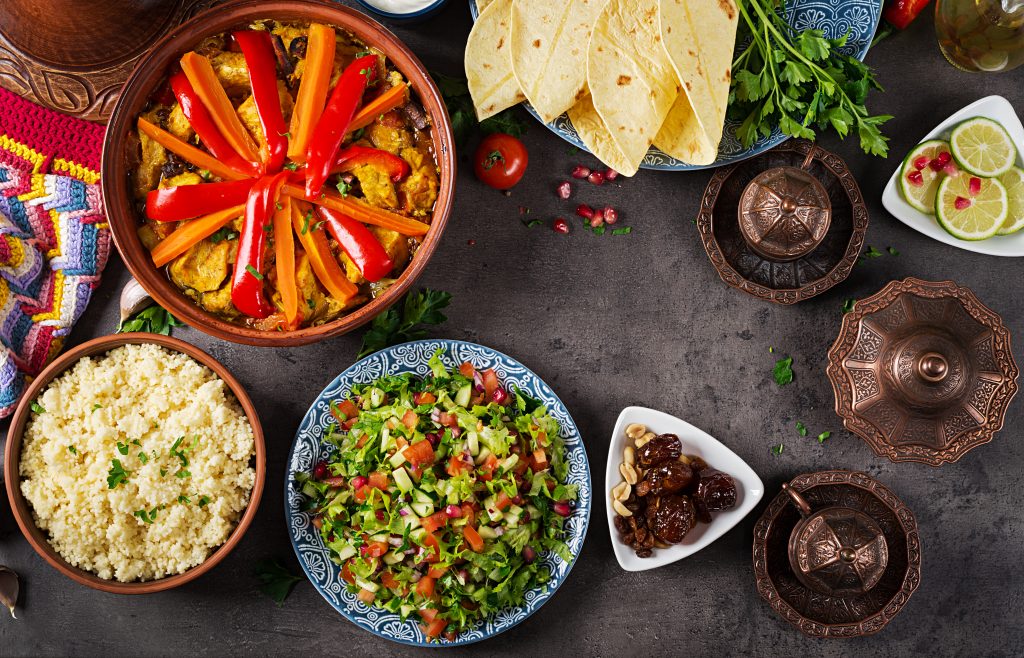
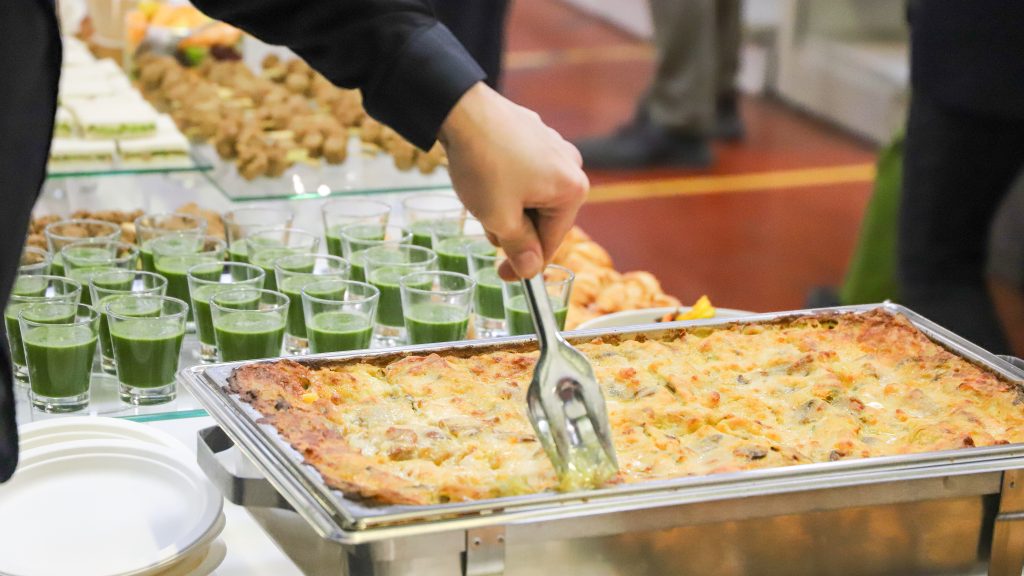
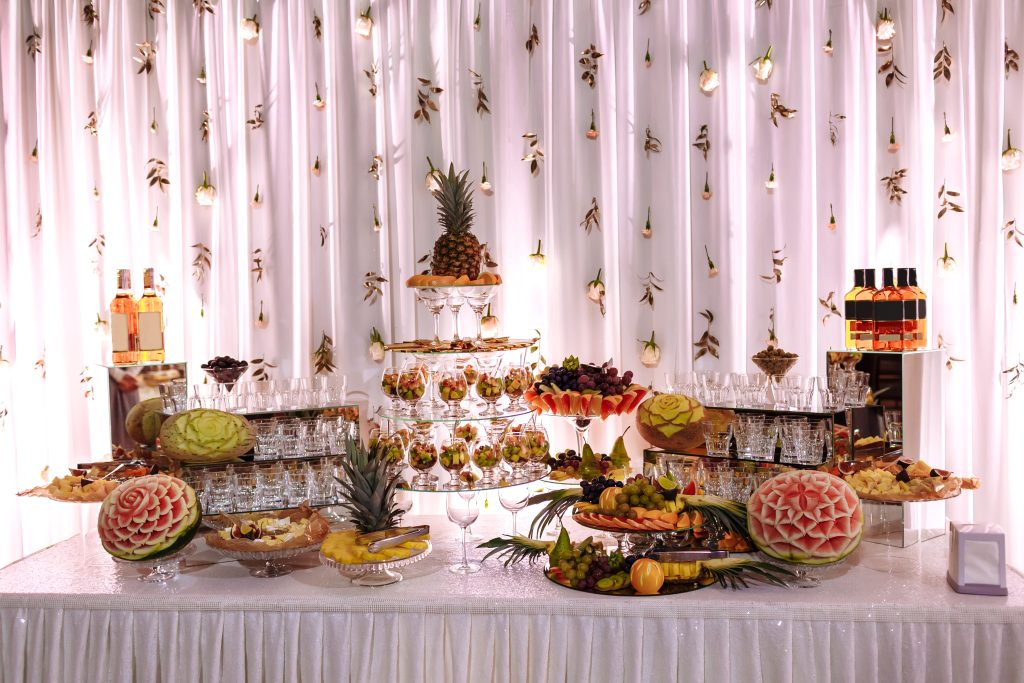
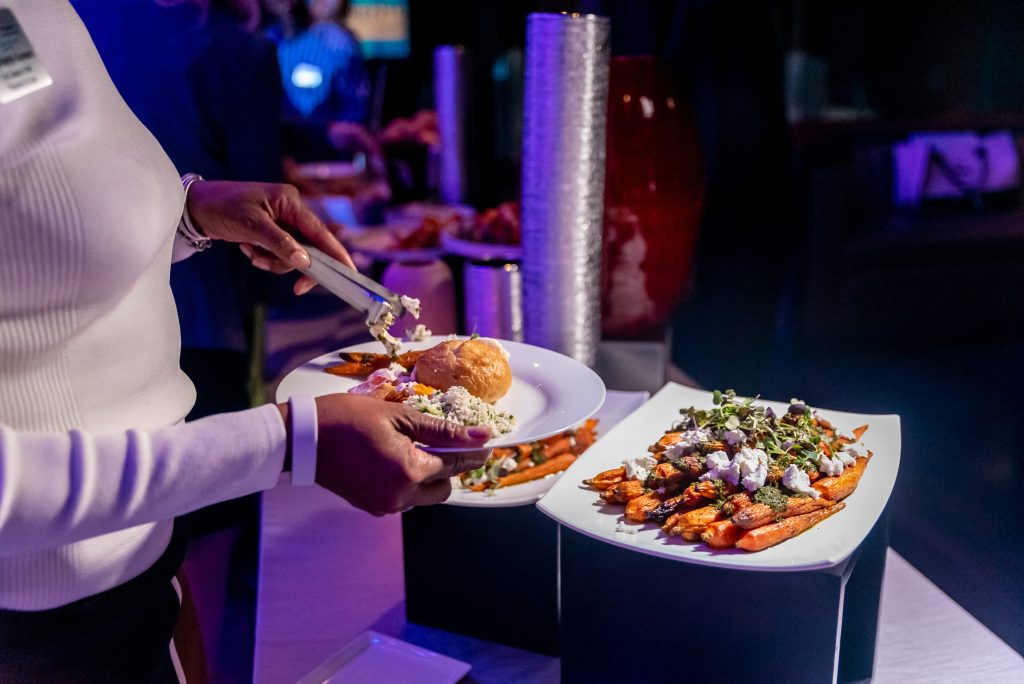
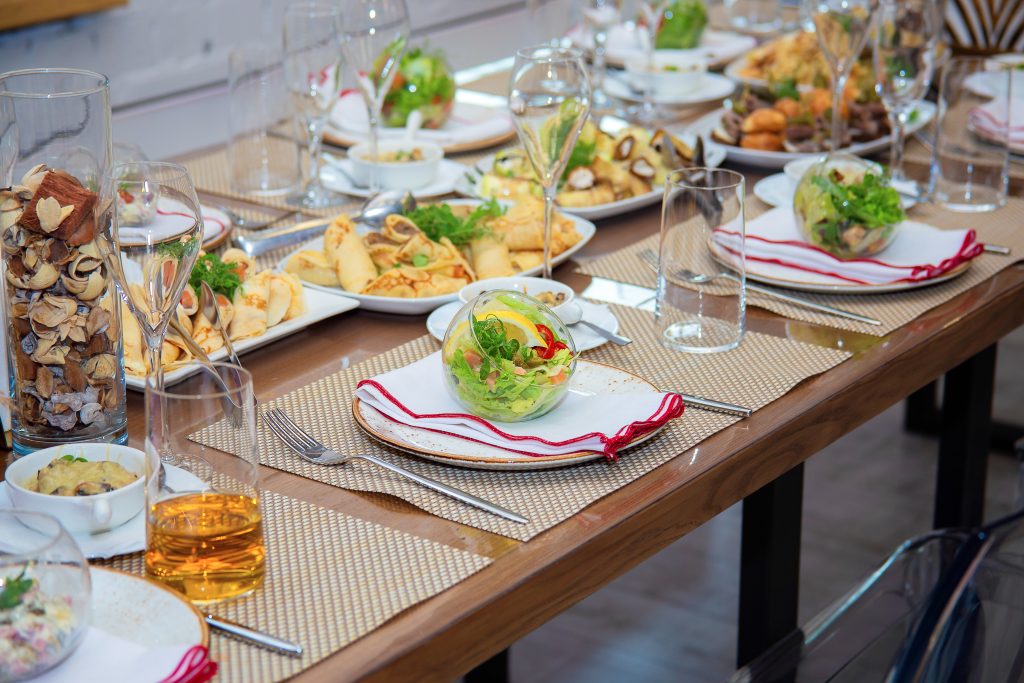
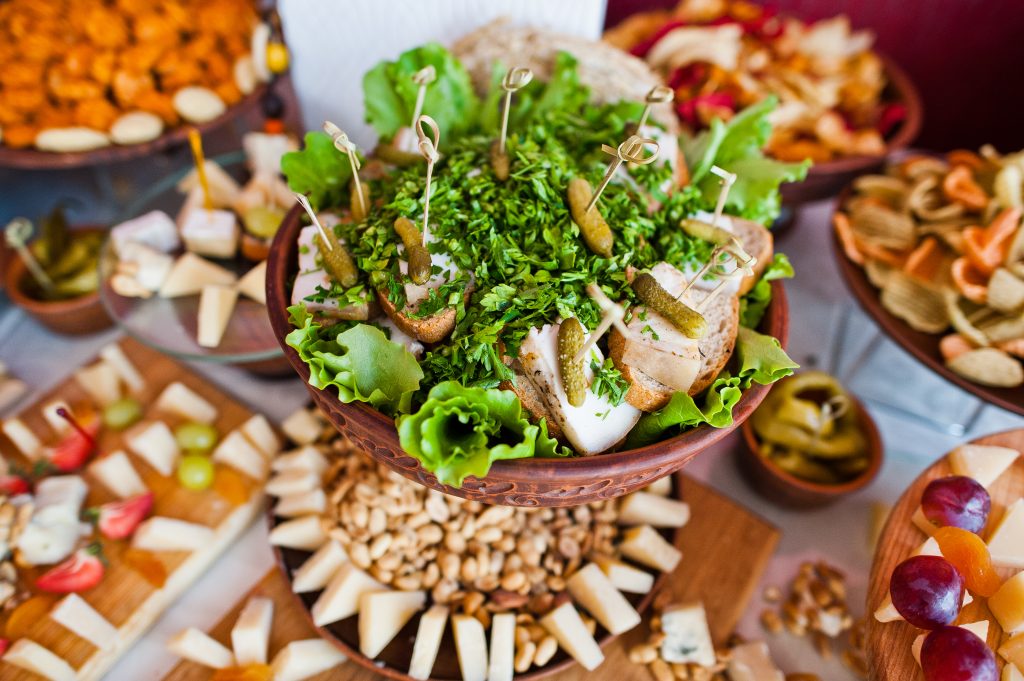
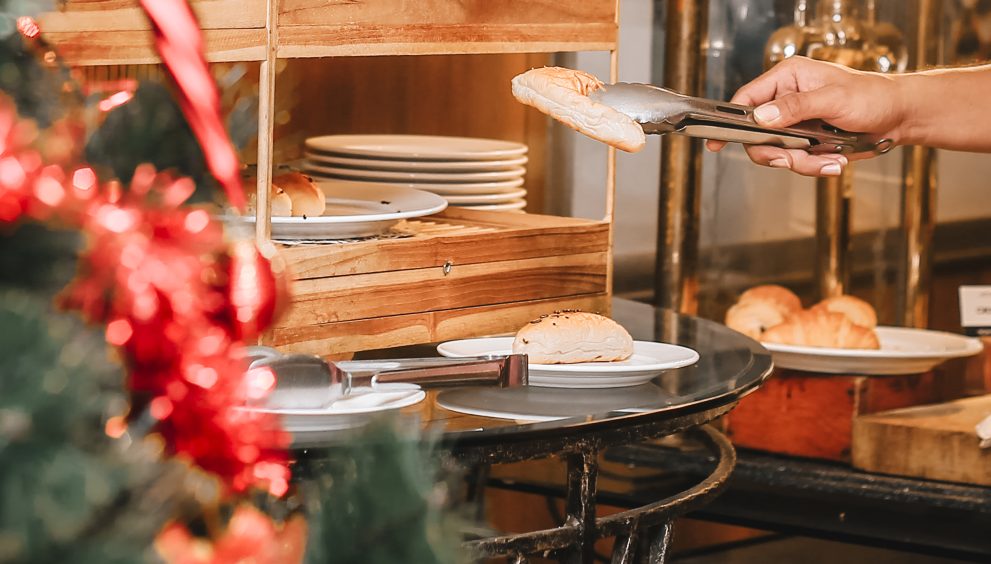
Buffet service involves presenting multiple dishes on a table or counter, allowing guests to serve themselves.
Advantages:
-
Variety: Guests can try multiple dishes, accommodating diverse tastes and dietary preferences.
-
Flexibility: Allows for easy adjustment of portion sizes and choices.
-
Social Interaction: Guests can mingle while selecting food, making it ideal for casual events.
-
Cost-Effective for Large Events: Buffets often reduce staffing needs compared to plated service.
Considerations:
-
Crowding: Buffets may create lines if not managed efficiently.
-
Food Temperature: Hot items can cool down if not replenished regularly.
-
Presentation: Requires careful arrangement to maintain visual appeal.
-
Portion Control: Guests may overfill plates, increasing food consumption and potential waste.
Buffets work best for large gatherings, festivals, weddings, or casual corporate events where variety and social interaction are prioritized.
Plated Service: Pros and Considerations
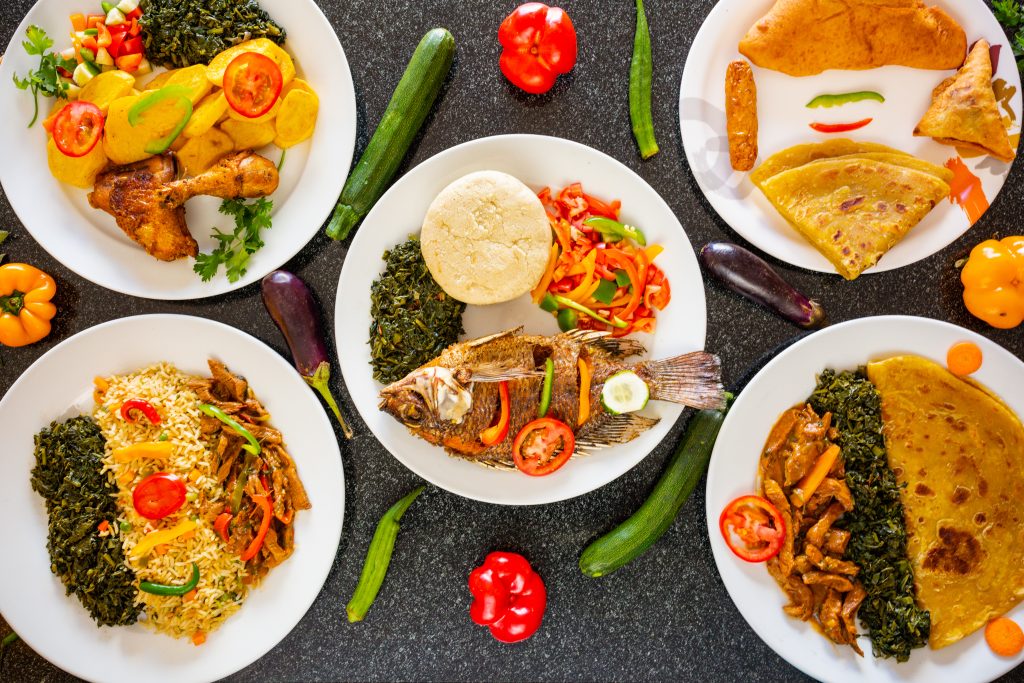
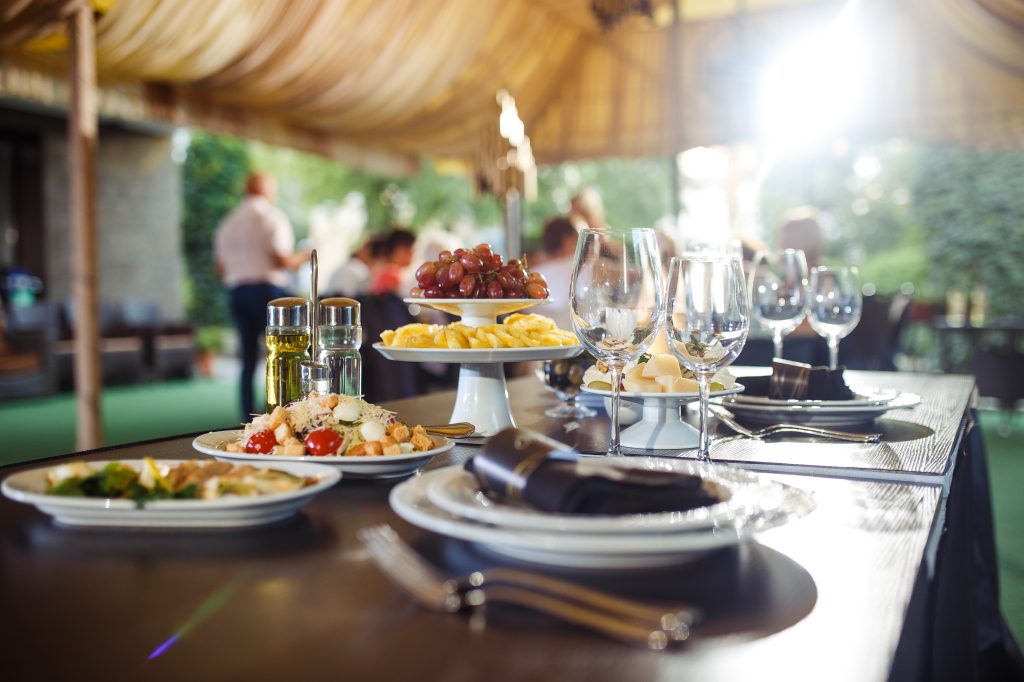
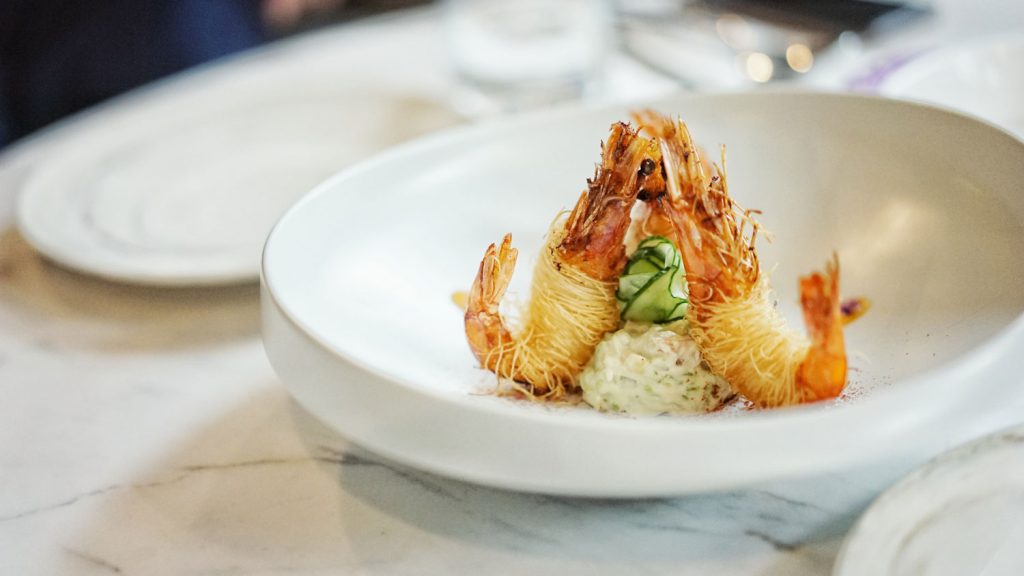
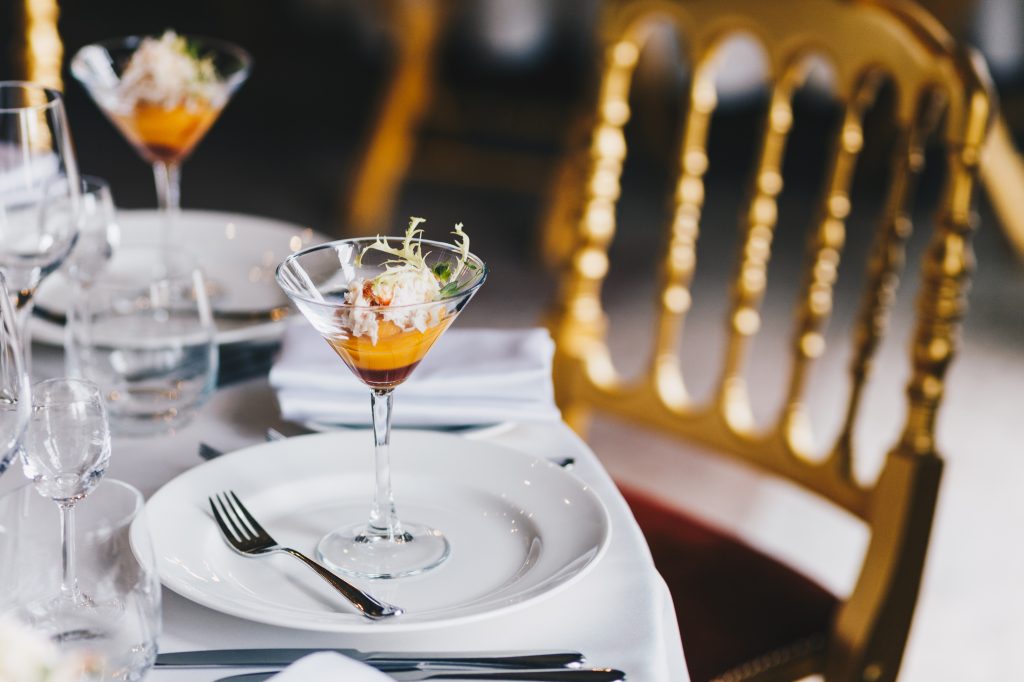
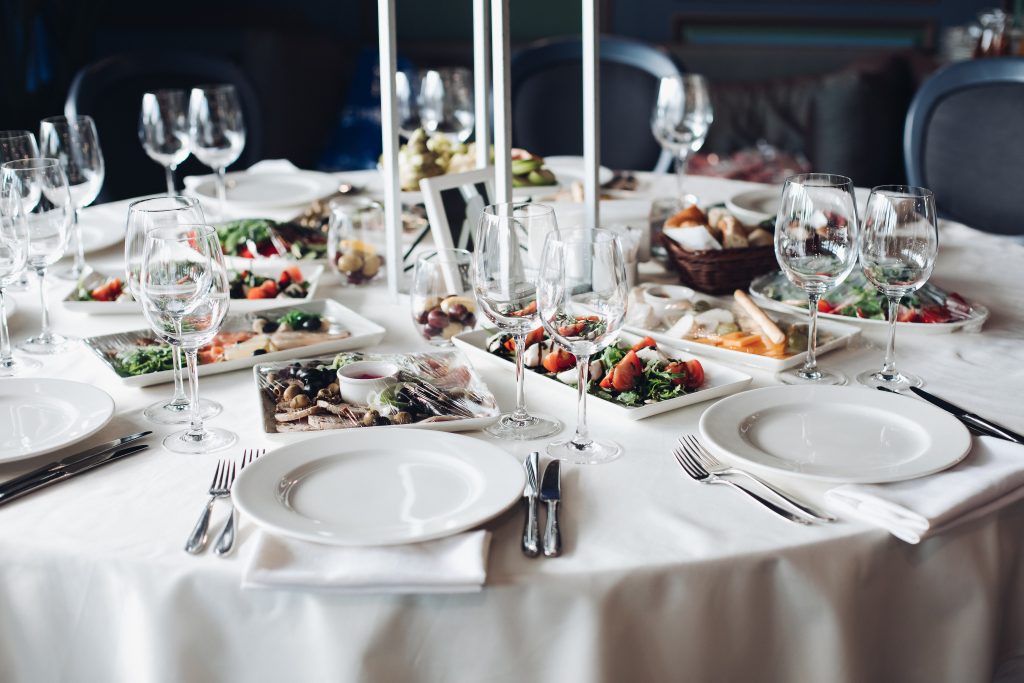
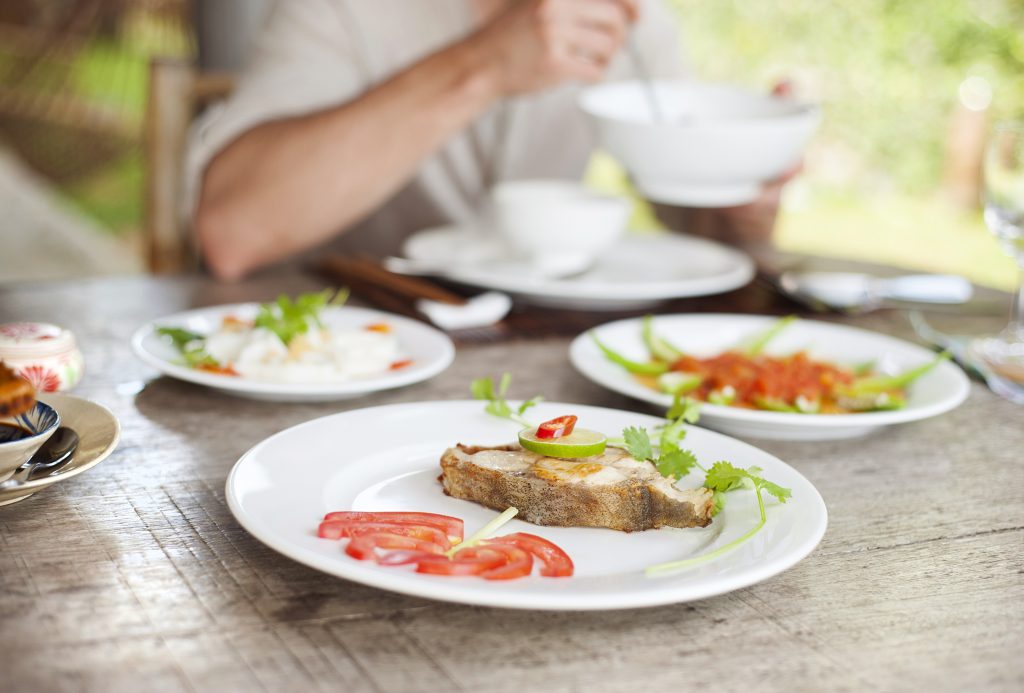
Plated service involves serving each guest a pre-plated meal at their table.
Advantages:
-
Elegance and Formality: Plated meals create a sophisticated and polished dining experience.
-
Portion Control: Each plate is carefully measured, minimizing waste.
-
Temperature Maintenance: Food is served hot and fresh, enhancing taste and presentation.
-
Streamlined Experience: Eliminates long buffet lines and ensures guests receive the intended meal quickly.
Considerations:
-
Higher Staffing Requirements: Servers are needed for each table, increasing labor costs.
-
Less Variety: Guests have limited options, which may not cater to all dietary preferences unless multiple menu choices are offered in advance.
-
Longer Service Time: Serving large groups individually can take more time.
Plated service is ideal for formal weddings, corporate dinners, gala events, or religious ceremonies where elegance, structure, and presentation are key.
Factors to Consider When Choosing
-
Event Size:
-
Buffets are more practical for large crowds.
-
Plated service is better for smaller, formal events.
-
-
Guest Demographics:
-
Casual, mixed-age groups may enjoy the freedom of a buffet.
-
High-profile or formal guests may expect plated service.
-
-
Menu Complexity:
-
Buffets work well for diverse, multi-dish menus.
-
Plated meals are better for curated, multi-course dining experiences.
-
-
Budget:
-
Buffets are often more cost-effective due to fewer servers.
-
Plated service can be pricier but justifies the expense with elegance and precision.
-
-
Venue Logistics:
-
Buffet setups require space for tables, traffic flow, and service stations.
-
Plated service requires servers, table settings, and timing coordination.
-
Hybrid Solutions
Some events benefit from a hybrid approach, combining buffet and plated elements:
-
Buffet Appetizers + Plated Main Course: Guests enjoy variety and interaction before sitting for a structured meal.
-
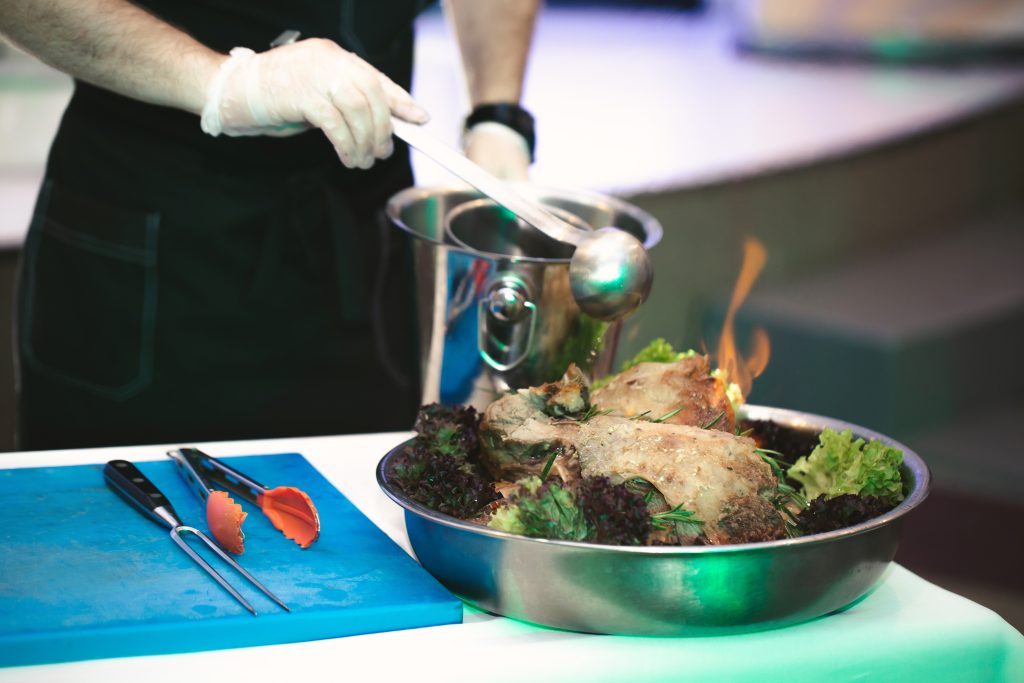
Live Cooking Stations + Plated Desserts: Adds excitement and maintains elegance.
Hybrid solutions offer the best of both worlds, balancing guest choice with formal presentation.
Tips for Success
-
Plan Flow: Ensure buffet lines are well-organized or servers are sufficient for plated service.
-
Label Dishes: Indicate dietary restrictions or allergens clearly.
-
Maintain Food Quality: Keep hot dishes hot and cold dishes chilled.
-
Communicate with Caterer: Experienced caterers can recommend the best service style for your menu, event size, and audience.
Conclusion
Both buffet and plated services have their strengths. Buffet service shines in casual, large, and interactive events with diverse menu options. Plated service excels in formal, elegant settings with precise presentation and portion control.
Ultimately, the choice depends on your event type, guest expectations, menu, and budget. Hybrid approaches can combine the advantages of both, providing variety, interaction, and elegance. Working with an experienced caterer ensures that whichever service style you choose, your guests will enjoy a seamless, delicious, and memorable dining experience.