
 English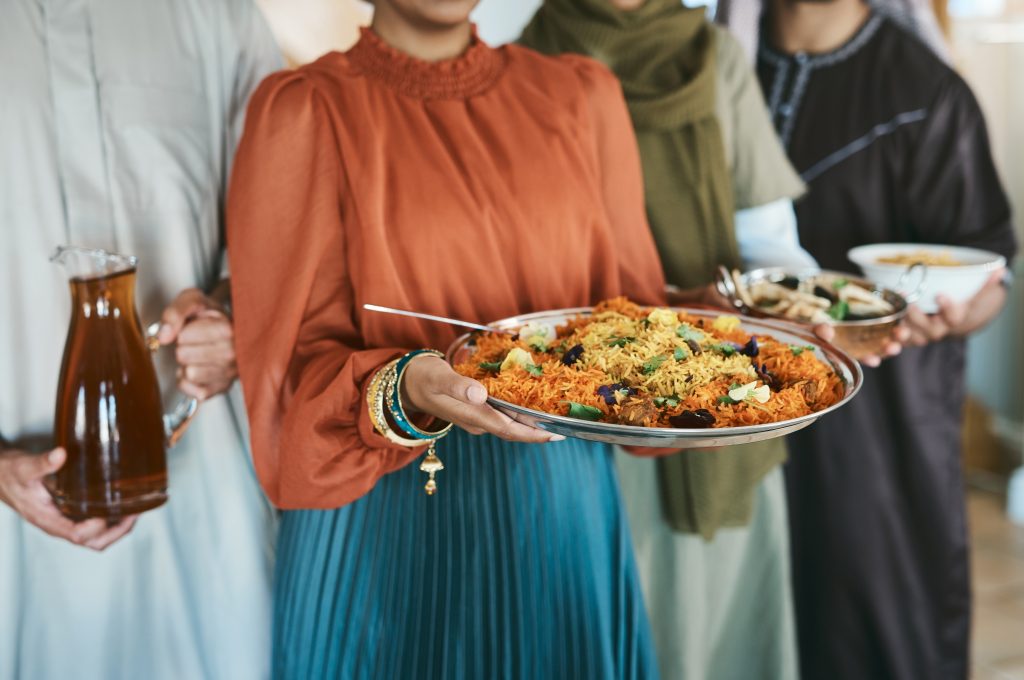







Which Catering Style Is Best for Which Event

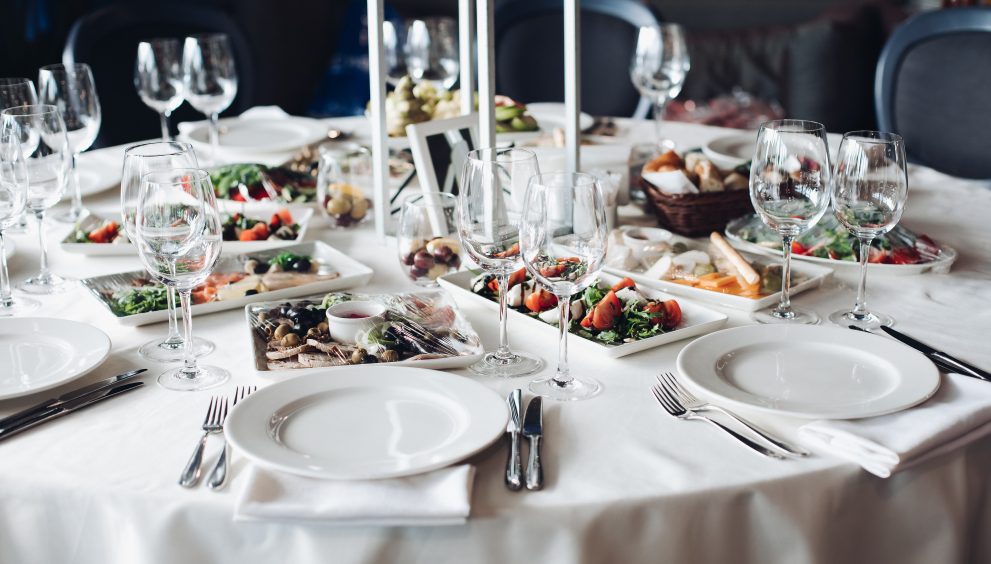
Choosing the right catering style is essential for creating a memorable and enjoyable dining experience. In ethnic catering, presentation and service style can enhance cultural authenticity, guest engagement, and overall event flow. From traditional platters to modern fusion plating, understanding which style works best for different events ensures a seamless and impressive experience.
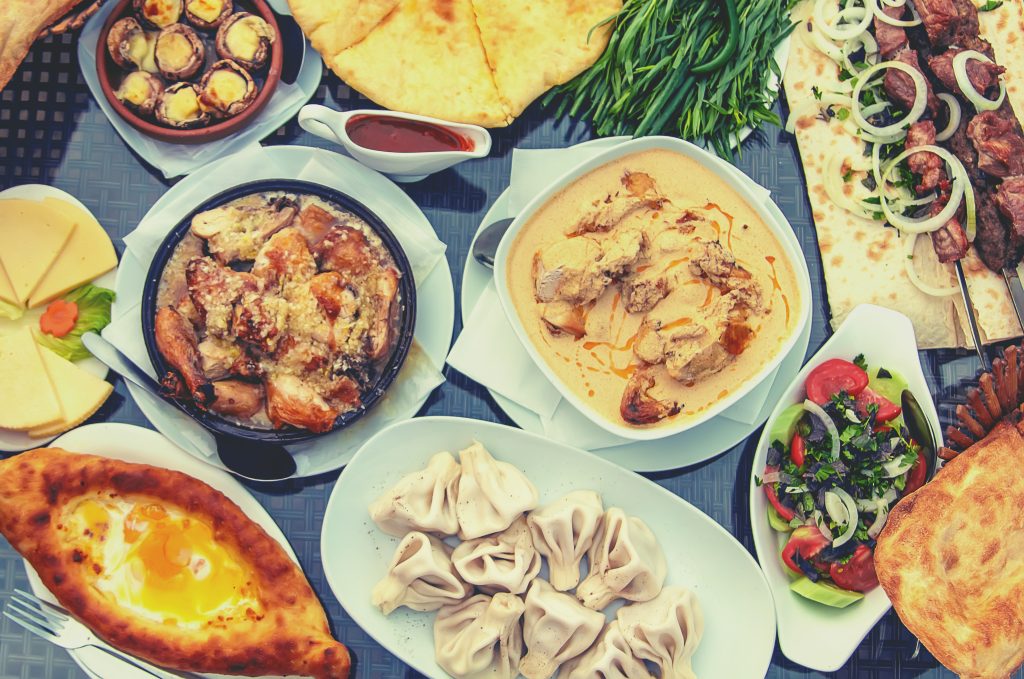
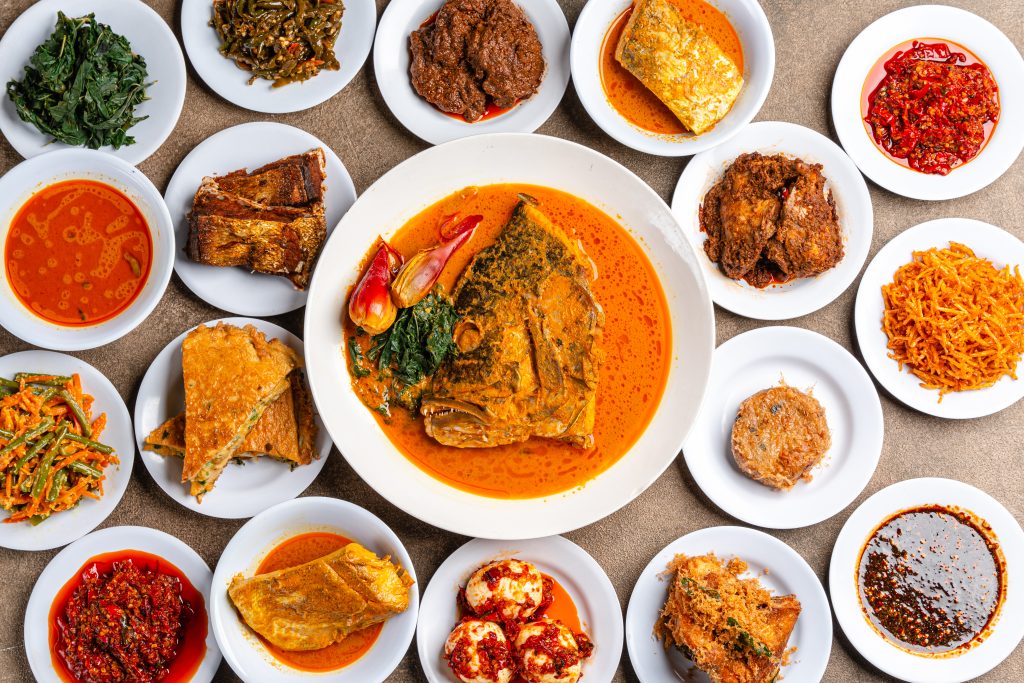
1. Traditional Catering Styles
Best For: Weddings, religious celebrations, cultural festivals, and family gatherings.
-
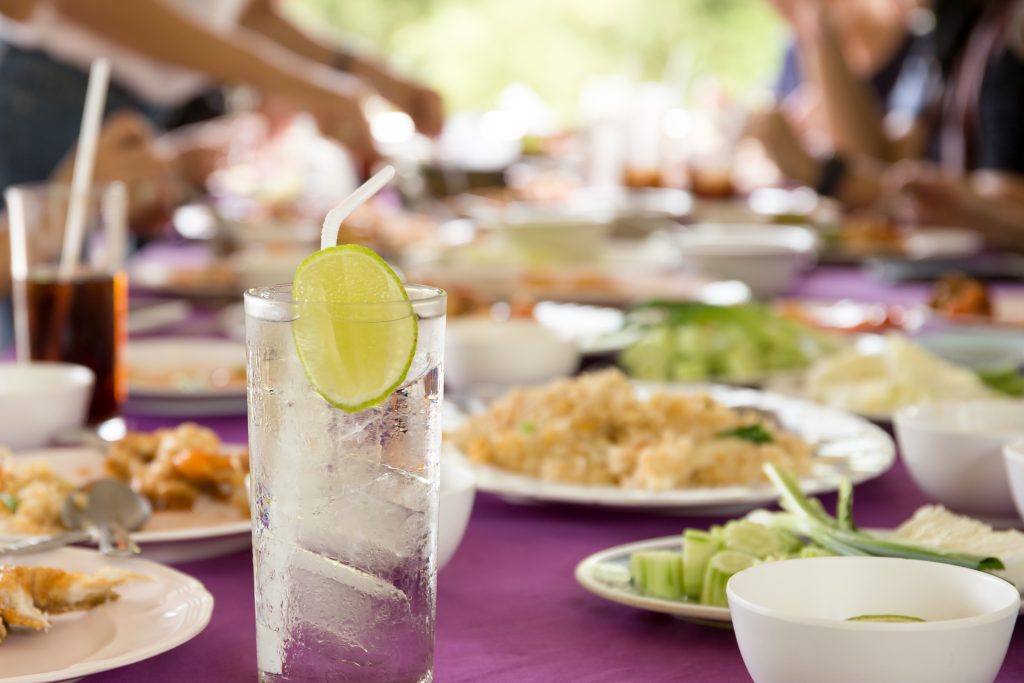
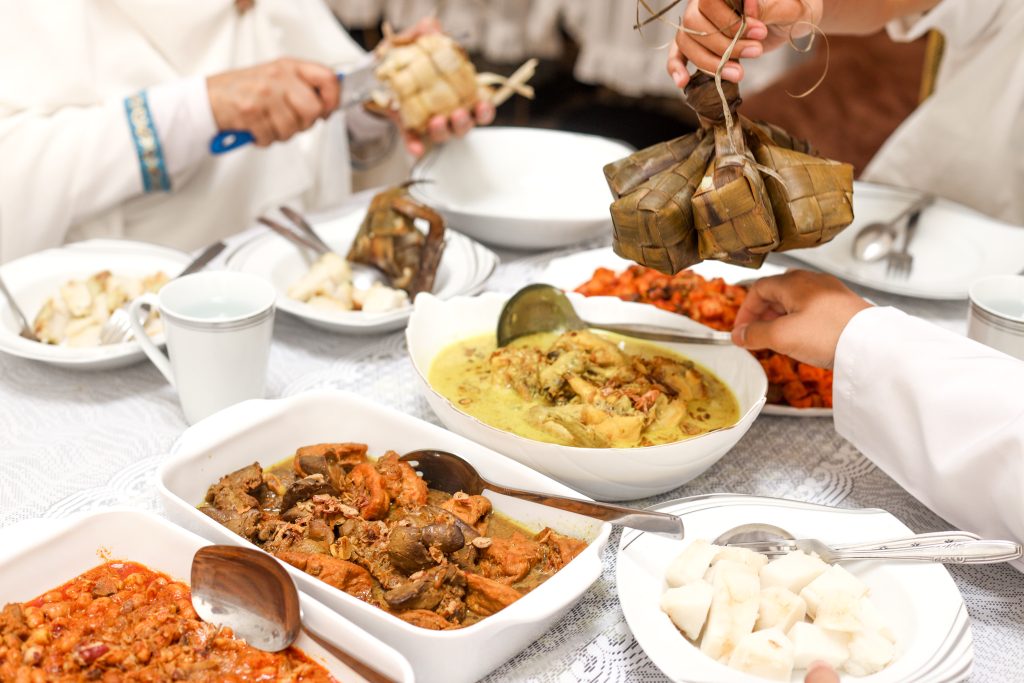
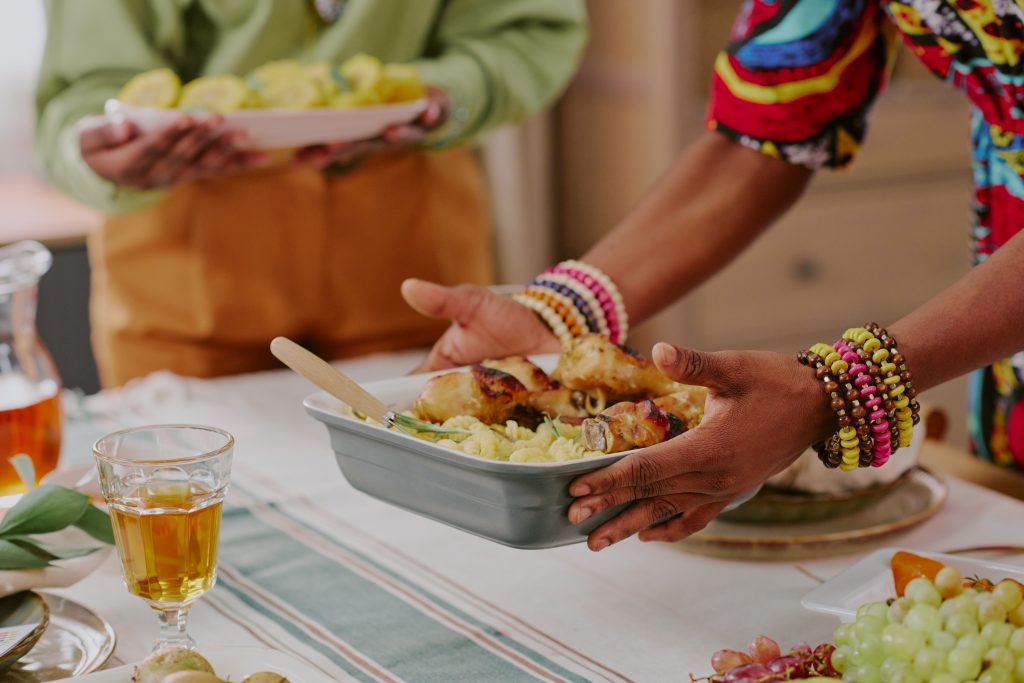
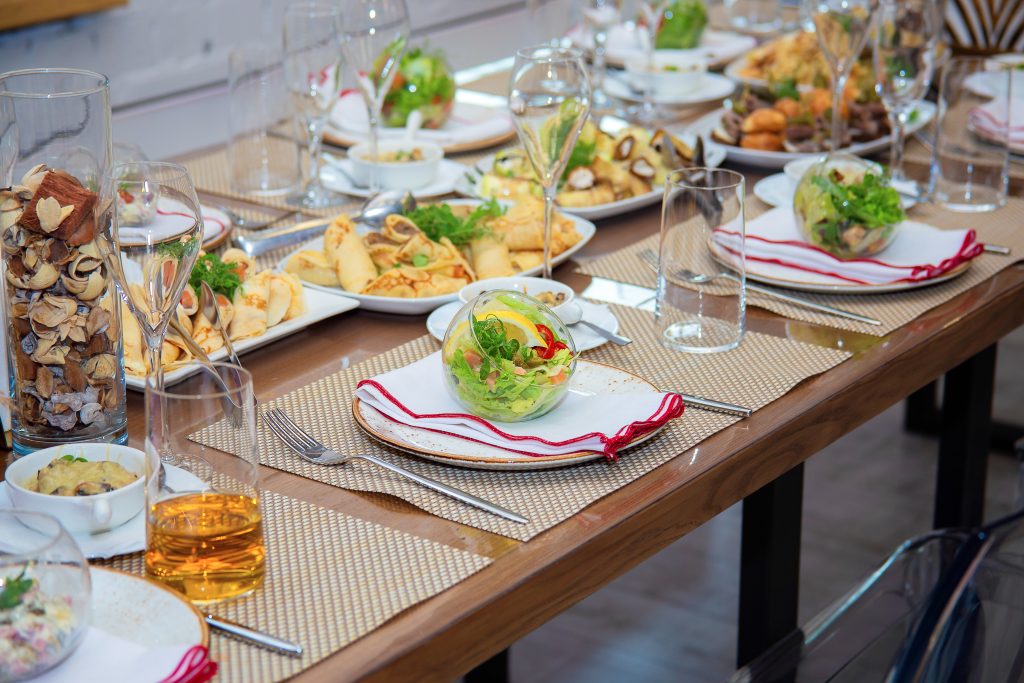
Family-Style Service: Large platters are shared among guests, encouraging interaction and community.
-
Example: South Asian weddings with shared biryanis, curries, and breads.
-
-
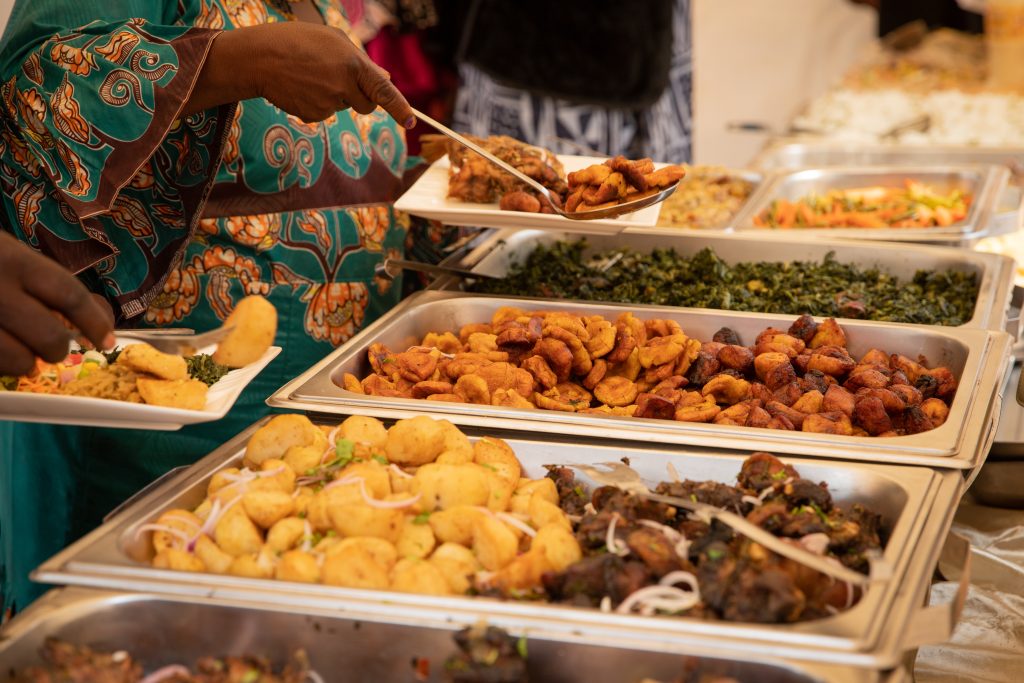
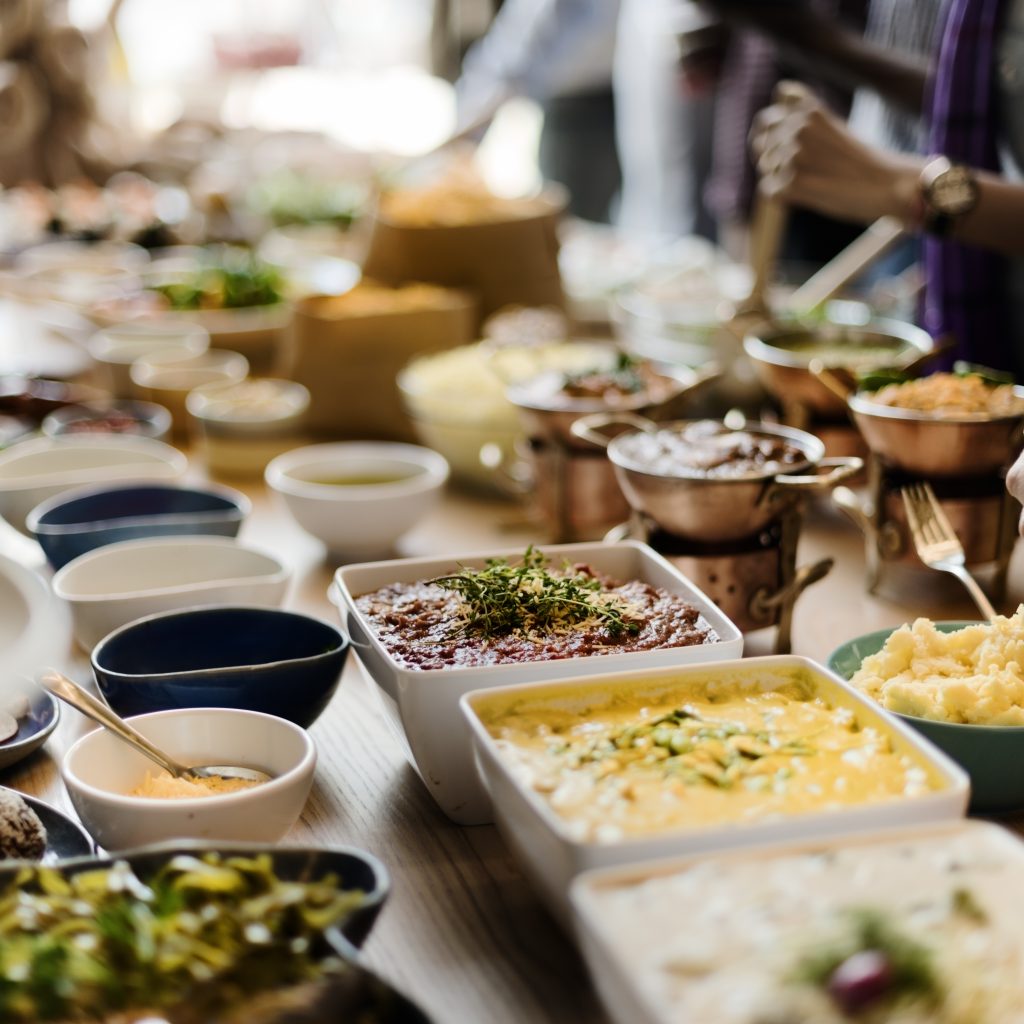
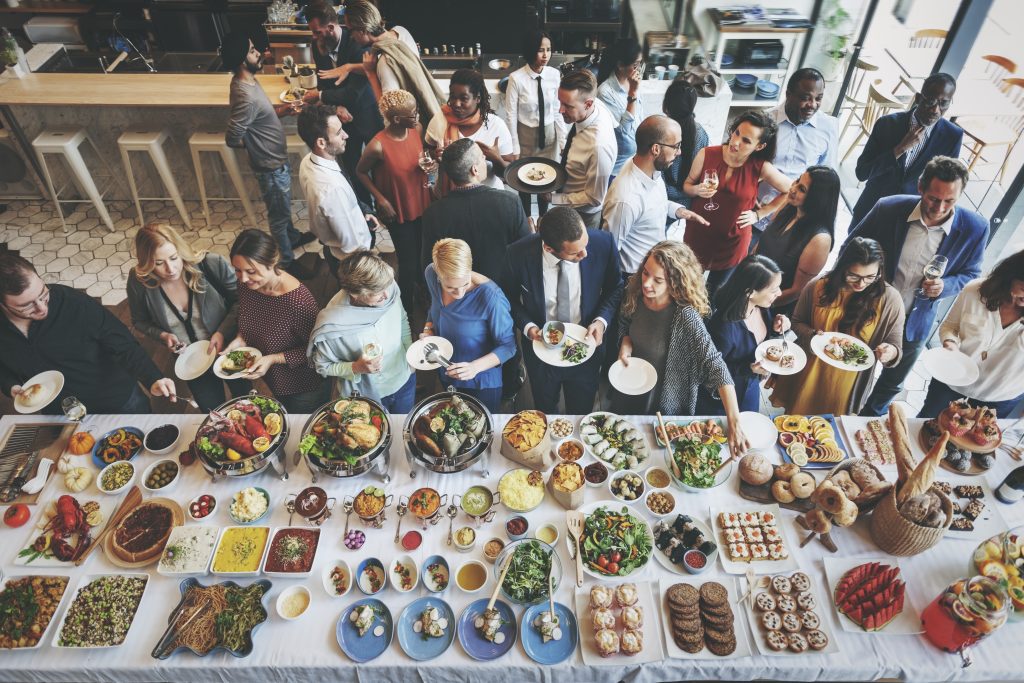
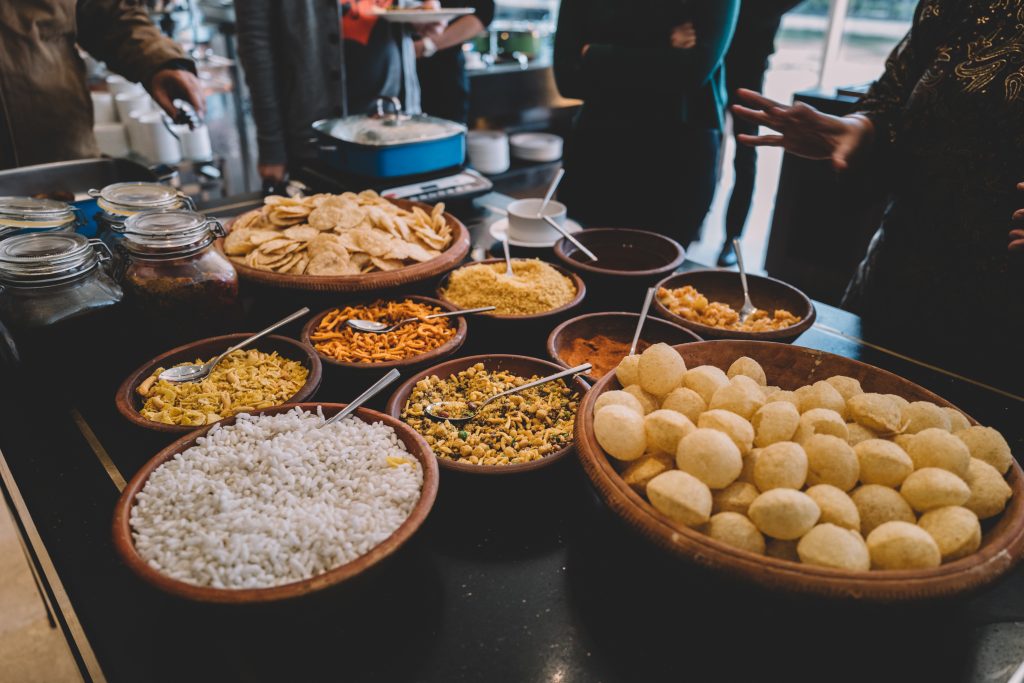
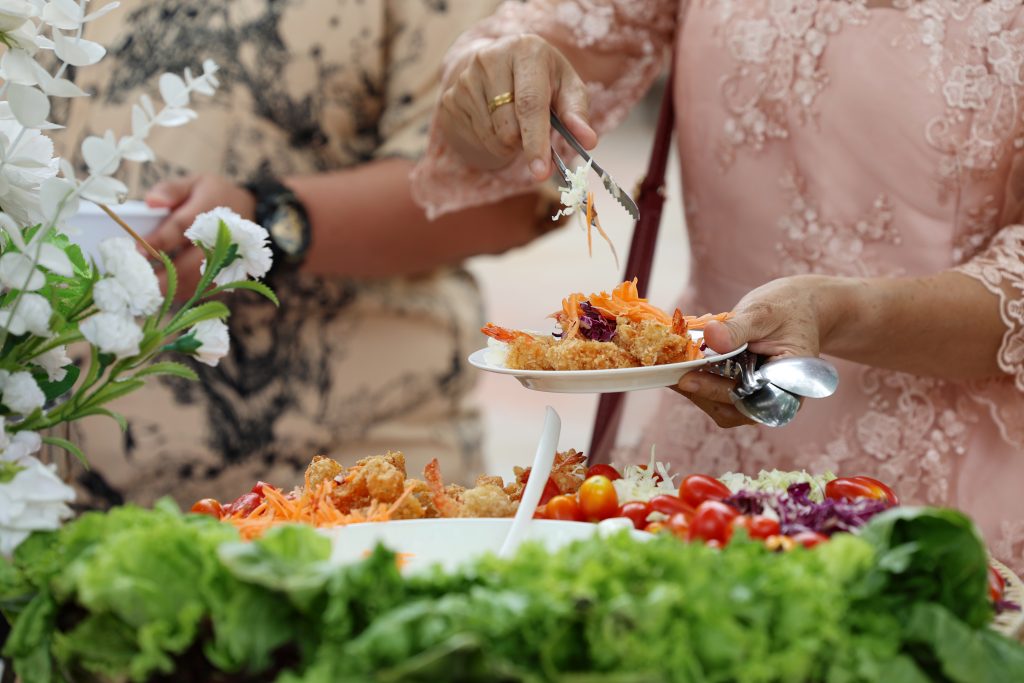
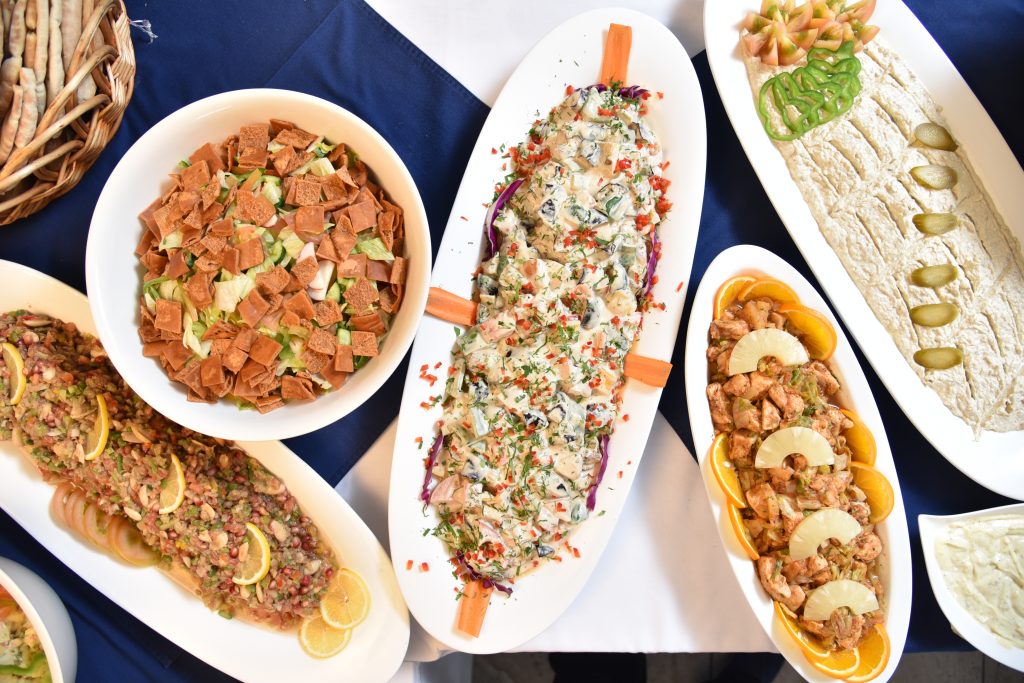
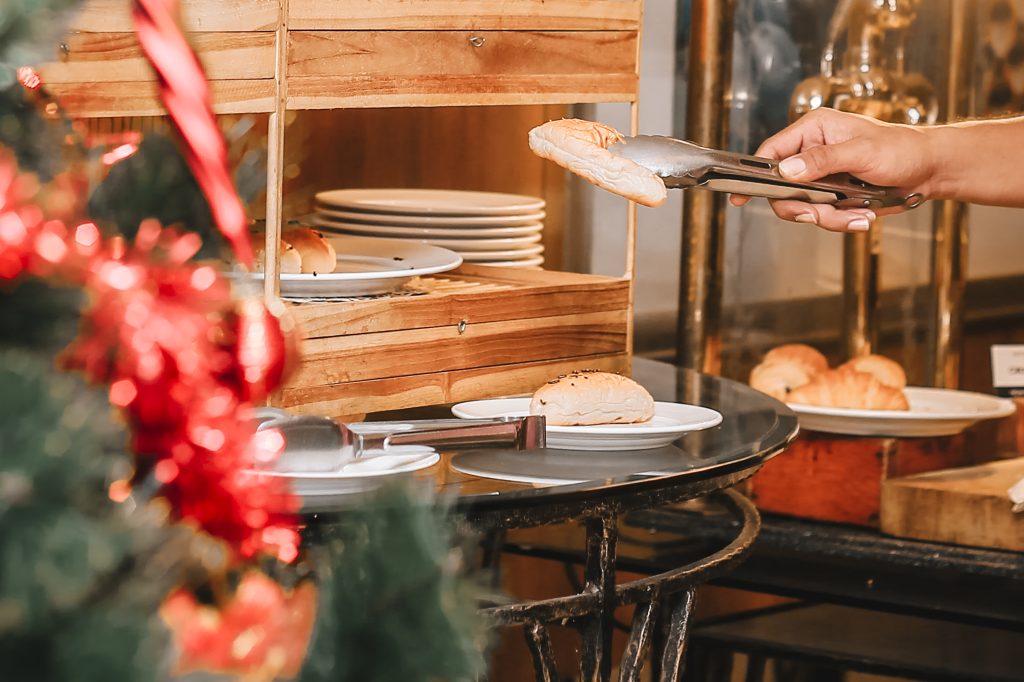
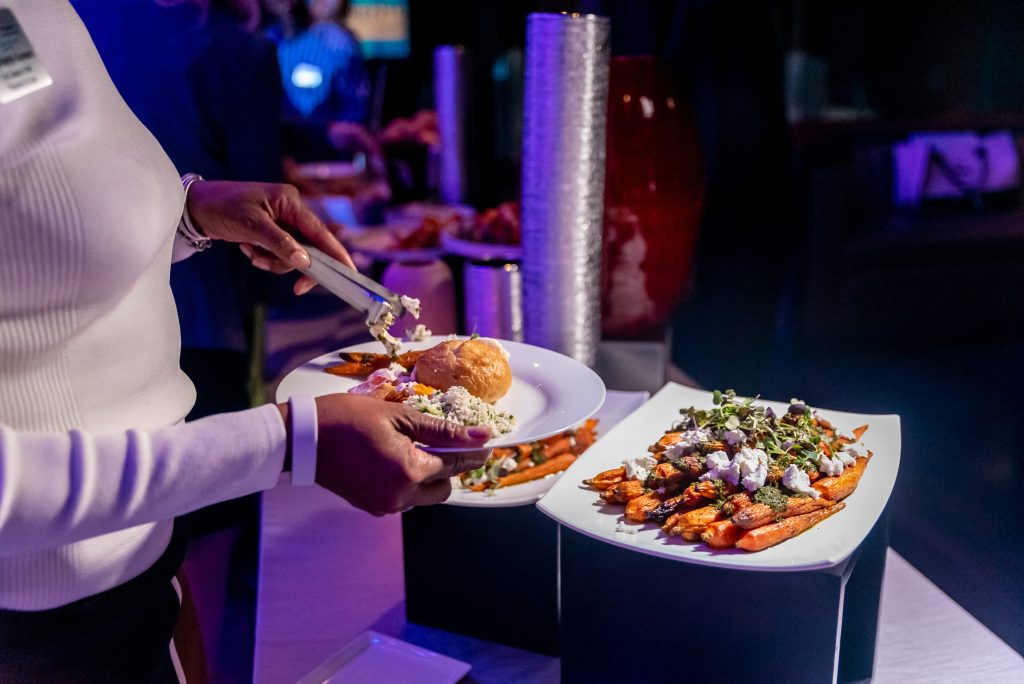
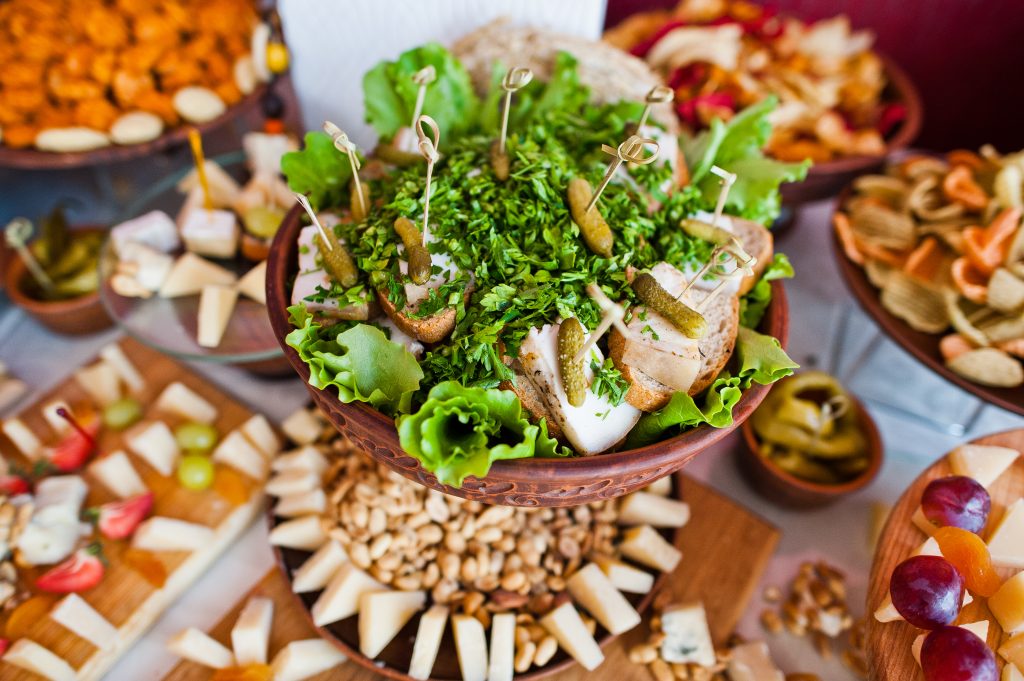
Buffet Style with Traditional Platters: Guests serve themselves from ornate dishes or bowls, maintaining authenticity while managing large crowds.
-
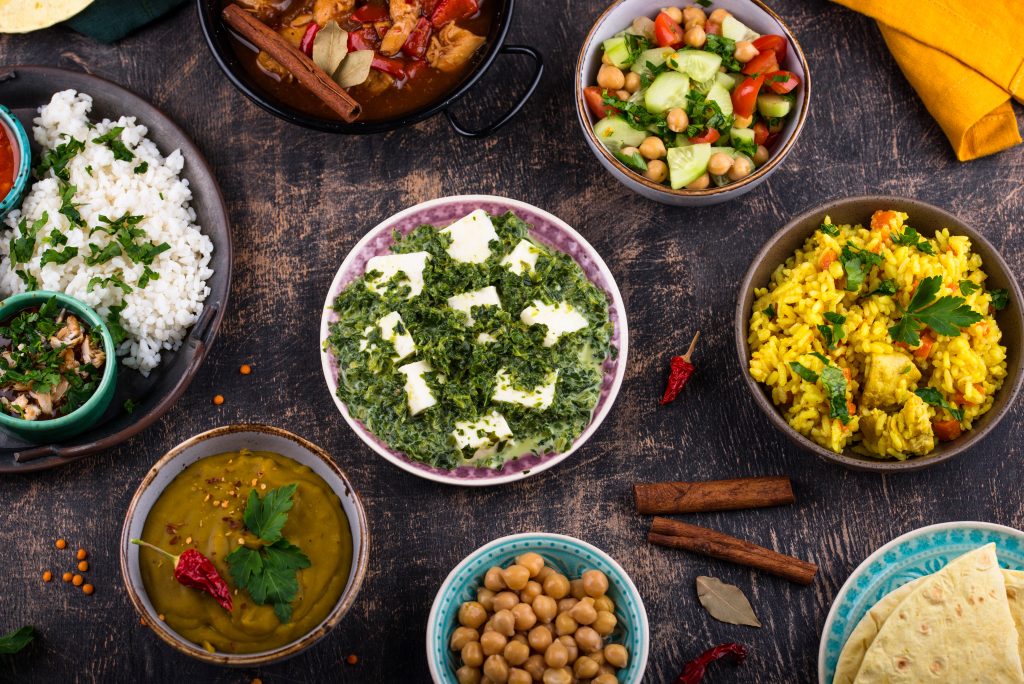
Example: Middle Eastern mezze spreads for cultural festivals.
-
-
Why It Works: Traditional styles emphasize heritage, comfort, and communal dining, making them perfect for events where cultural immersion and nostalgia are key.
2. Modern Catering Styles
Best For: Corporate events, product launches, upscale weddings, and contemporary parties.
-
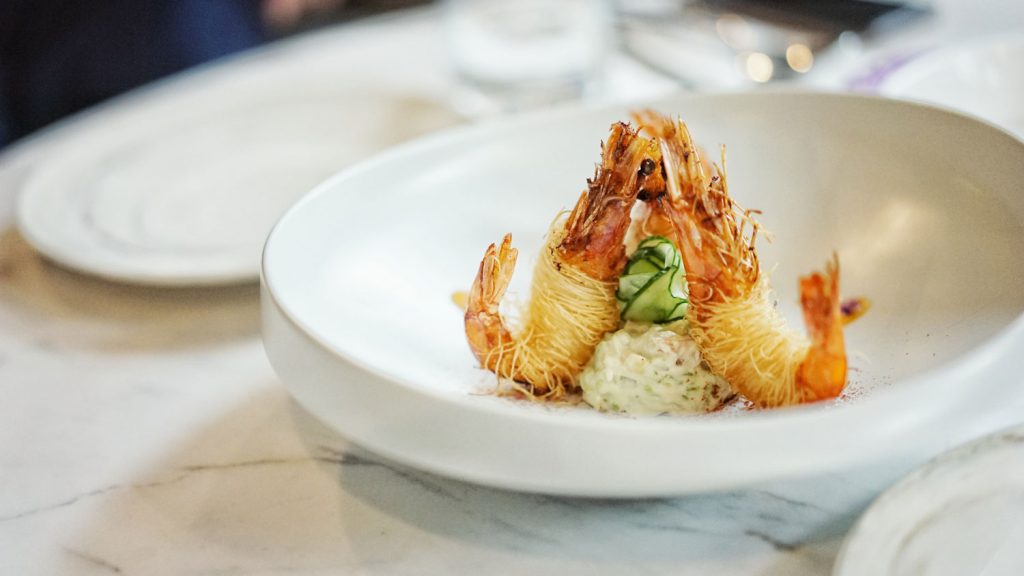
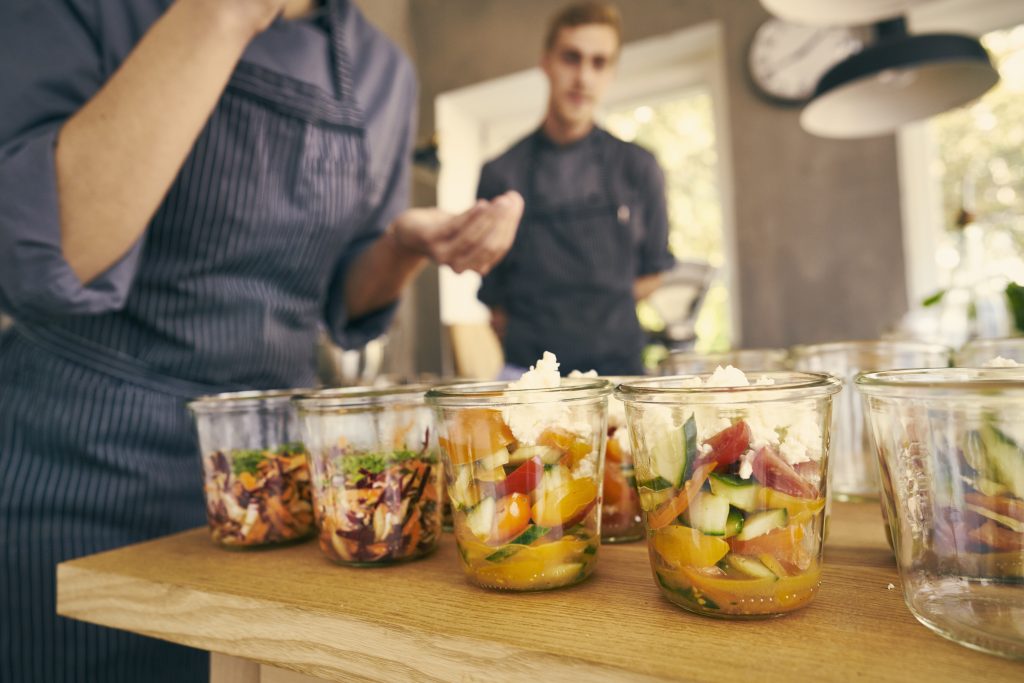
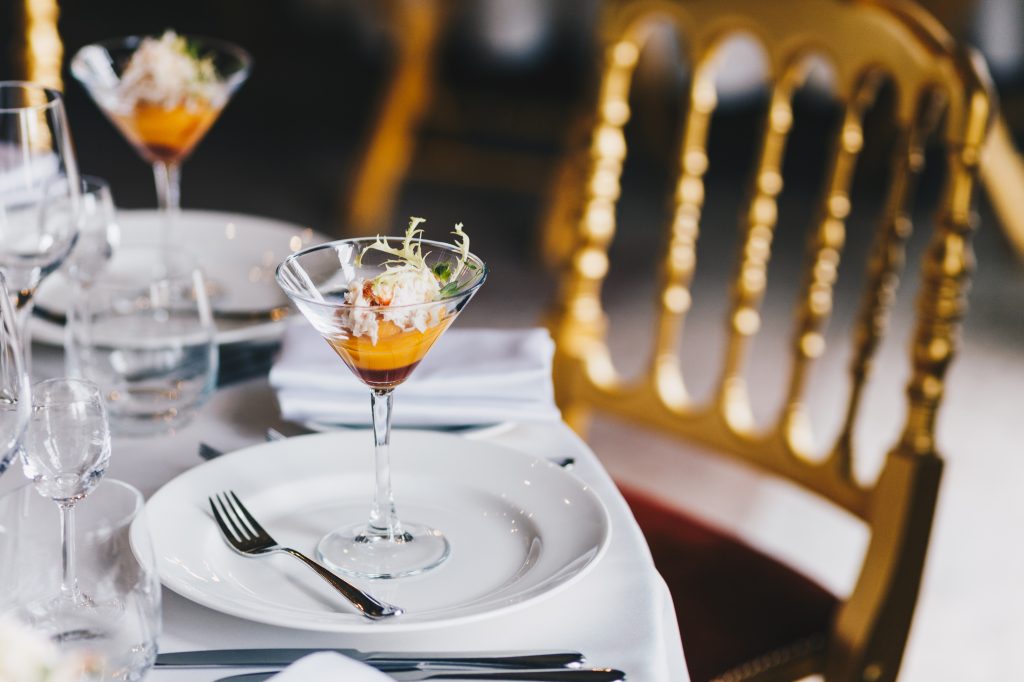
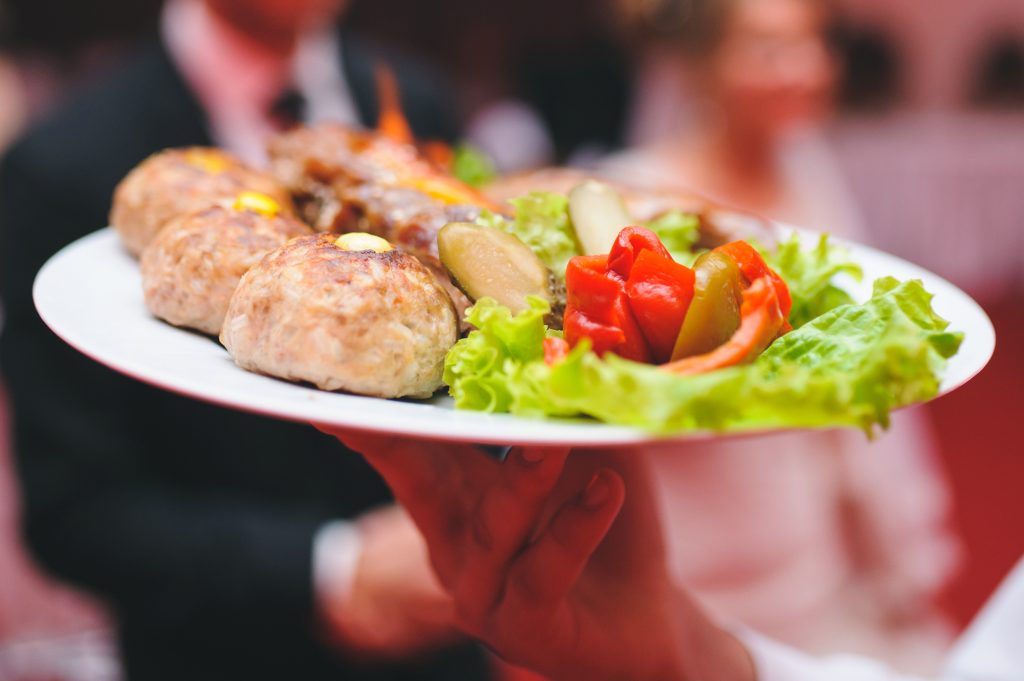
Plated Service: Each guest receives a carefully arranged dish, highlighting presentation, precision, and sophistication.
-
Example: Miniature South Asian fusion portions served individually at a high-end wedding.
-
-
Interactive Stations: Live cooking or DIY tasting setups allow guests to customize dishes and experience preparation firsthand.
-
Example: A Middle Eastern live falafel or shawarma station at a corporate gala.
-
-
Why It Works: Modern styles emphasize visual appeal, customization, and efficiency, catering to trend-conscious or cosmopolitan audiences.
3. Buffet-Style Catering
Best For: Large gatherings, casual parties, and multicultural events.
-
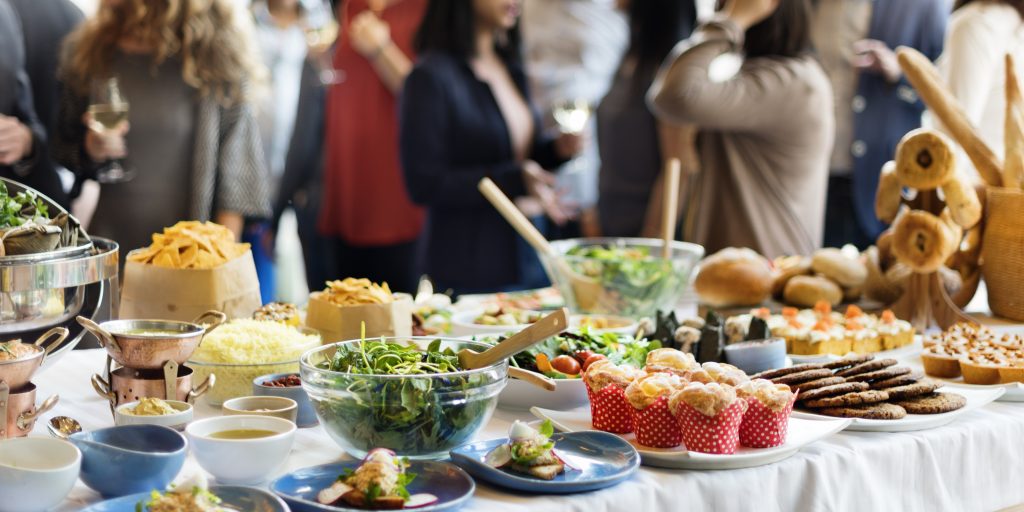
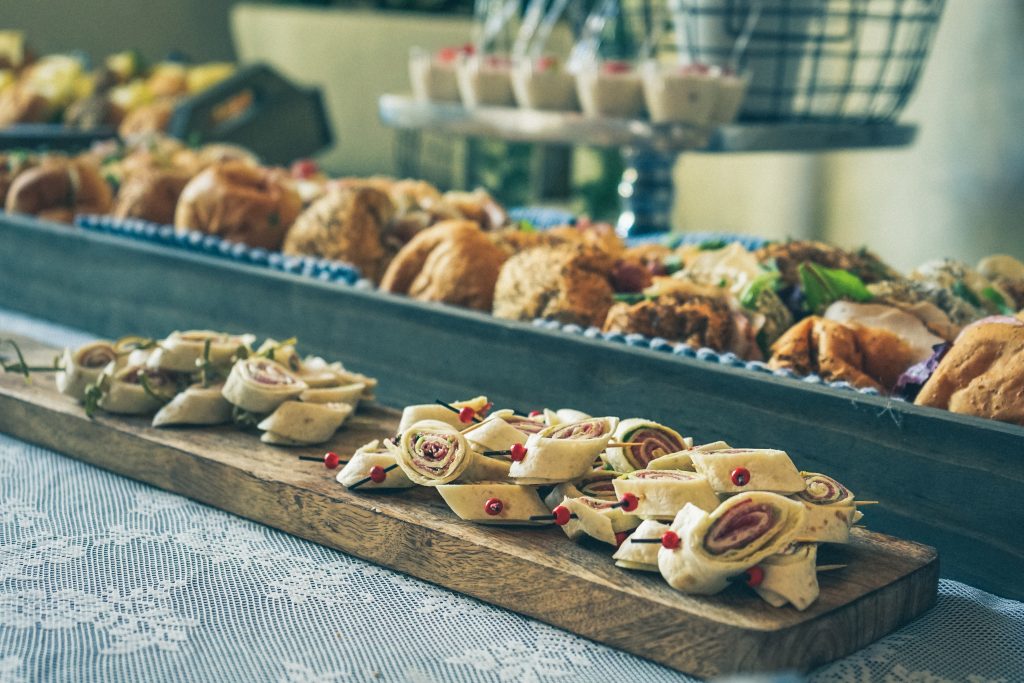
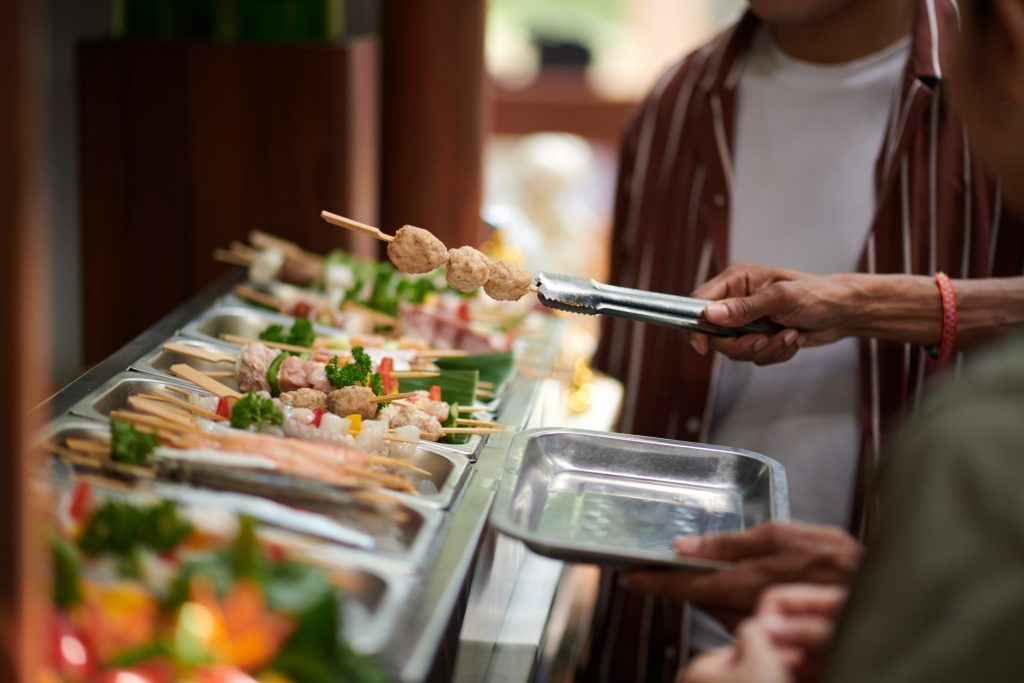
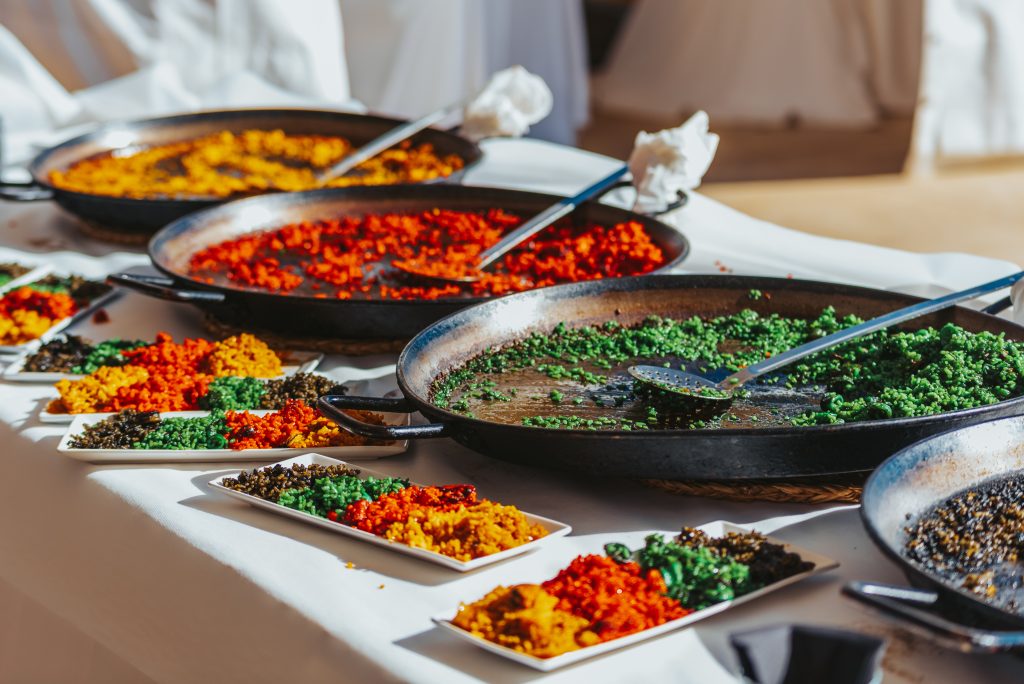
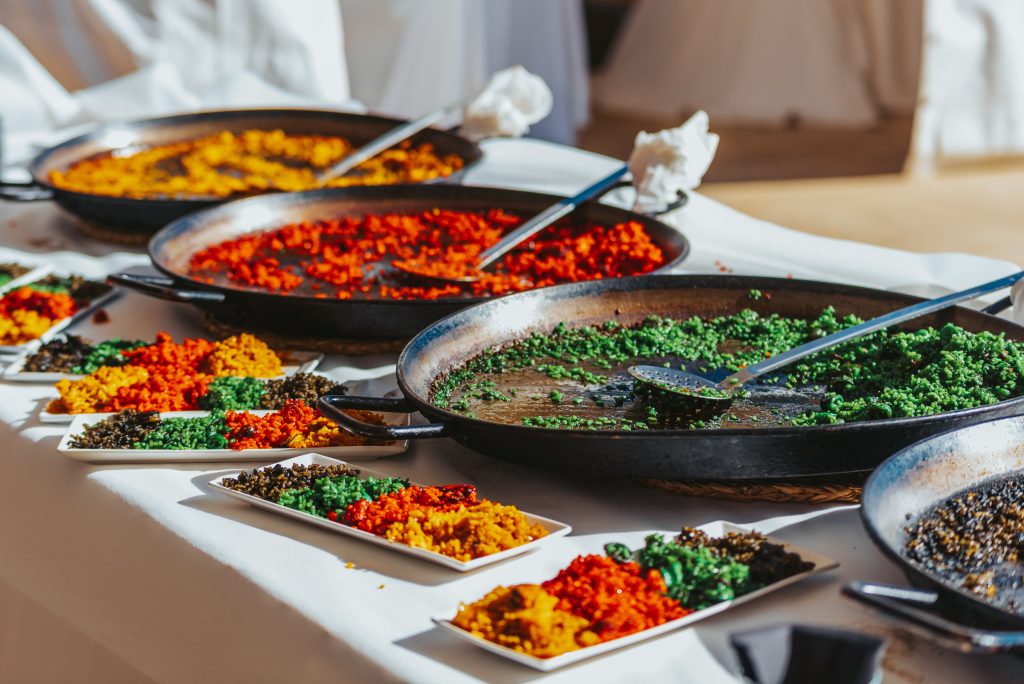
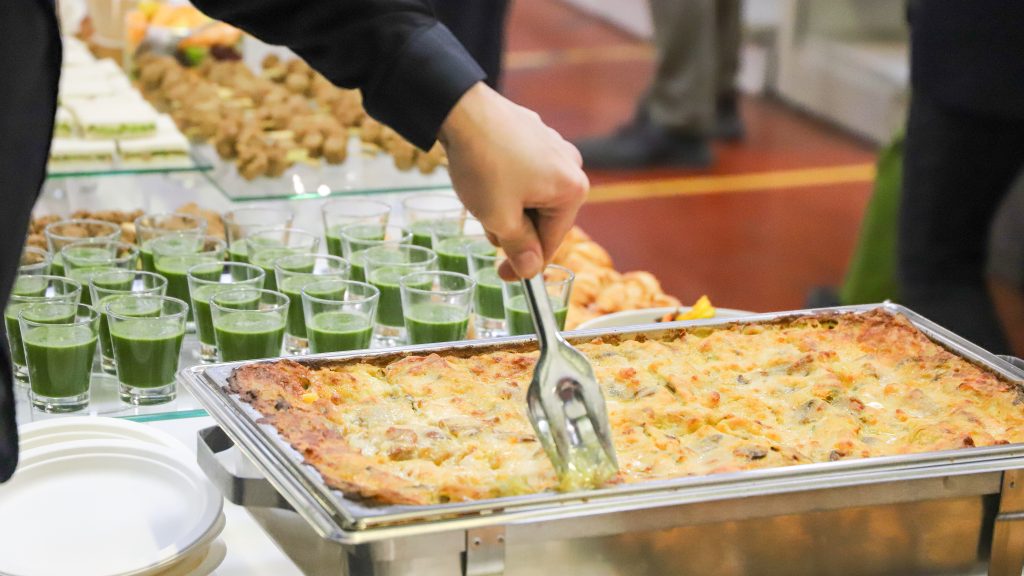
Traditional Buffet: Offers cultural dishes in large trays, encouraging exploration and sharing.
-
Fusion Buffet: Presents multiple cuisines in small, tasting portions for variety and engagement.
-
Why It Works: Buffets provide flexibility, variety, and convenience, ideal for events where guest choice and volume management are important.
4. Live Cooking Stations
Best For: Weddings, festivals, corporate mixers, and upscale private parties.
-
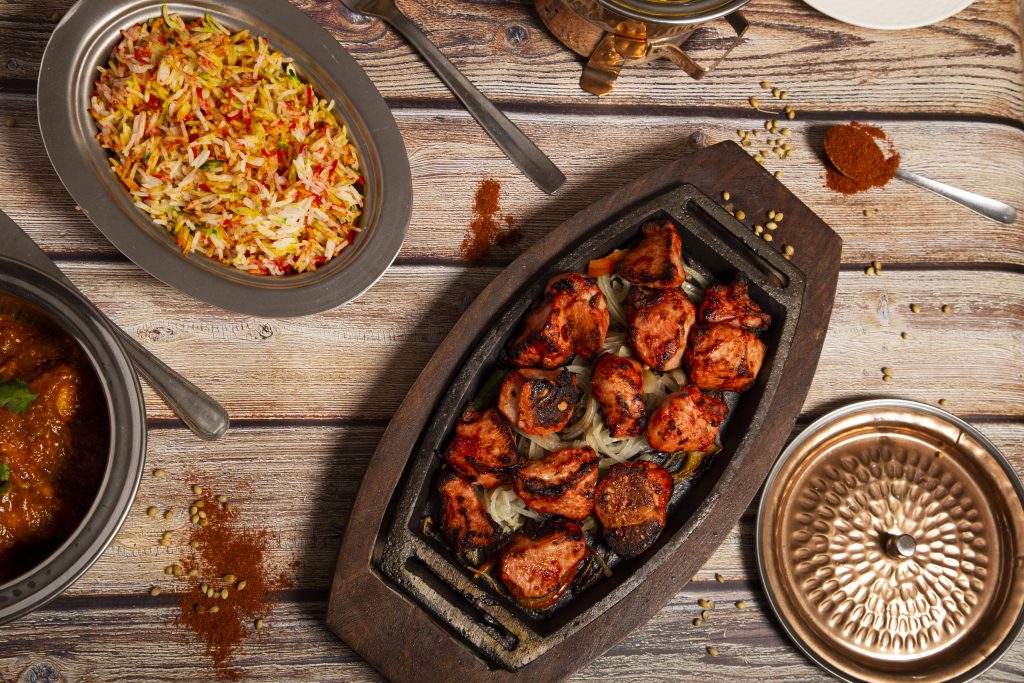
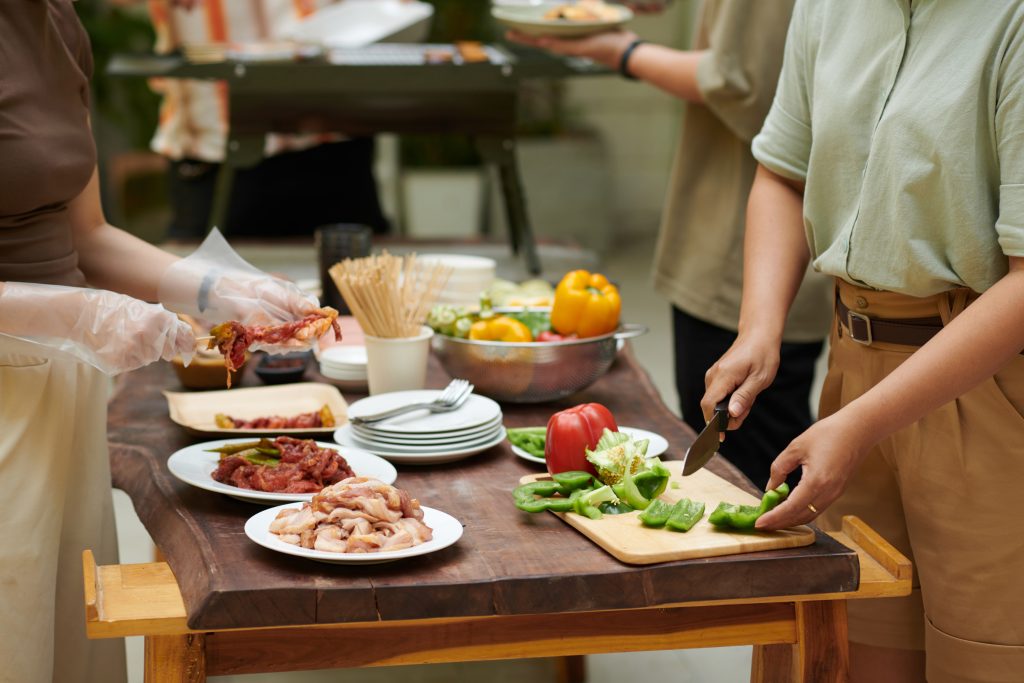
Tandoor or Grill Stations: Guests watch breads or meats being cooked, enhancing excitement.
-
Interactive Dessert Stations: Chefs prepare sweets live, allowing guests to customize toppings or flavors.
-
Why It Works: Live stations are entertaining, interactive, and memorable, ideal for events where engagement and wow-factor matter.
5. Fusion or Modern Plating
Best For: Trendy weddings, high-end corporate events, influencer or media gatherings.
-
Mini Portions & Artistic Presentation: Combines flavors from multiple cultures in visually stunning arrangements.
-
Customizable Plates: Guests can select fusion elements based on preference or dietary needs.
-
Why It Works: Fusion plating is perfect for impressing guests, encouraging social media sharing, and showcasing culinary innovation.
6. Catering for Religious or Cultural Events
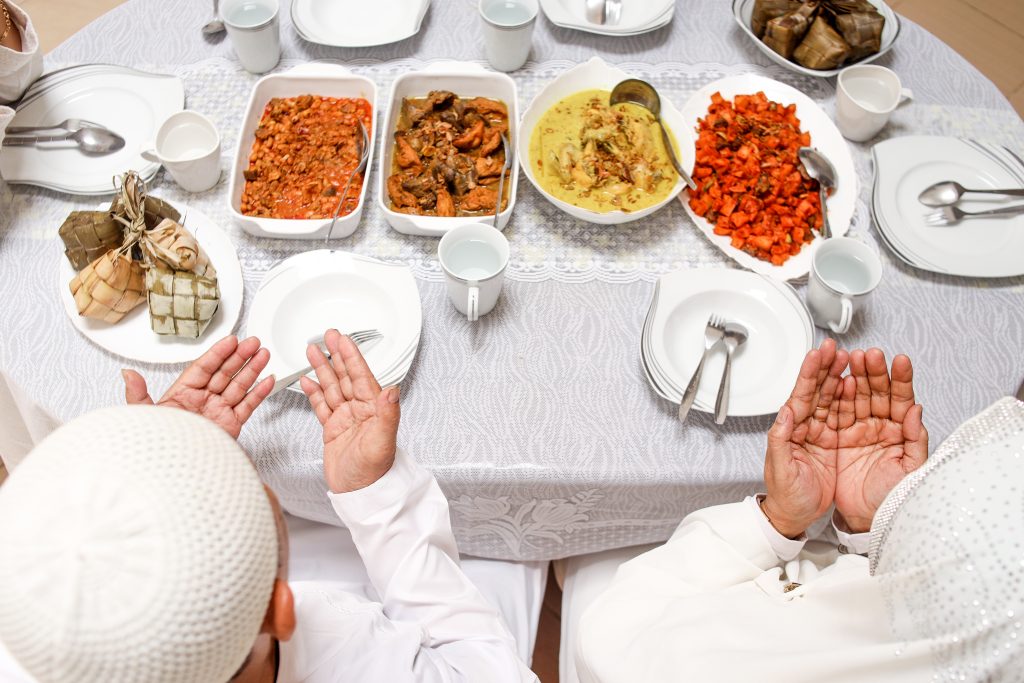
Best For: Eid, Diwali, Ramadan Iftars, or faith-based gatherings.
-
Traditional Serving & Halal or Vegetarian Menus: Authentic dishes served in culturally respectful ways.
-
Interactive Cultural Stations: For festivals, stations can showcase multiple regions’ traditional dishes.
-
Why It Works: These styles honor religious guidelines, cultural customs, and community spirit, making meals meaningful and inclusive.
7. Small Private Gatherings
Best For: Birthday parties, anniversaries, or family reunions.
-
Mini Platters & Customized Portions: Guests enjoy smaller, personalized servings of ethnic favorites.
-
Plated or Buffet Style: Depending on intimacy, either works well.
-
Why It Works: Personalized portions and thoughtful presentation make small events feel luxurious and carefully curated.
8. Key Considerations for Choosing the Right Style
-
Guest Count: Large events benefit from buffet or live stations; small gatherings may suit plated or family-style.
-
Event Type: Weddings and religious events lean toward traditional authenticity; corporate and trend-focused events favor modern or fusion styles.
-
Budget: Traditional buffet or family-style is cost-effective; live stations and fusion plating may increase costs but add value.
-
Dietary Needs: Ensure the chosen style accommodates vegetarian, vegan, halal, or gluten-free preferences.
Conclusion
Selecting the right catering style depends on event type, guest expectations, cultural authenticity, and budget.
-
Traditional catering: Best for communal, culturally rich, or religious celebrations.
-
Modern plating and fusion: Ideal for upscale, interactive, and visually driven events.
-
Buffets: Versatile for large, casual, or multicultural events.
-
Live stations: Perfect for interactive, engaging, and memorable experiences.
By matching catering style to your event goals and audience, you ensure that the meal becomes a highlight of the occasion, leaving guests impressed by both taste and presentation.