

 English
























Fusion Ethnic Food: Explained as a New Trend

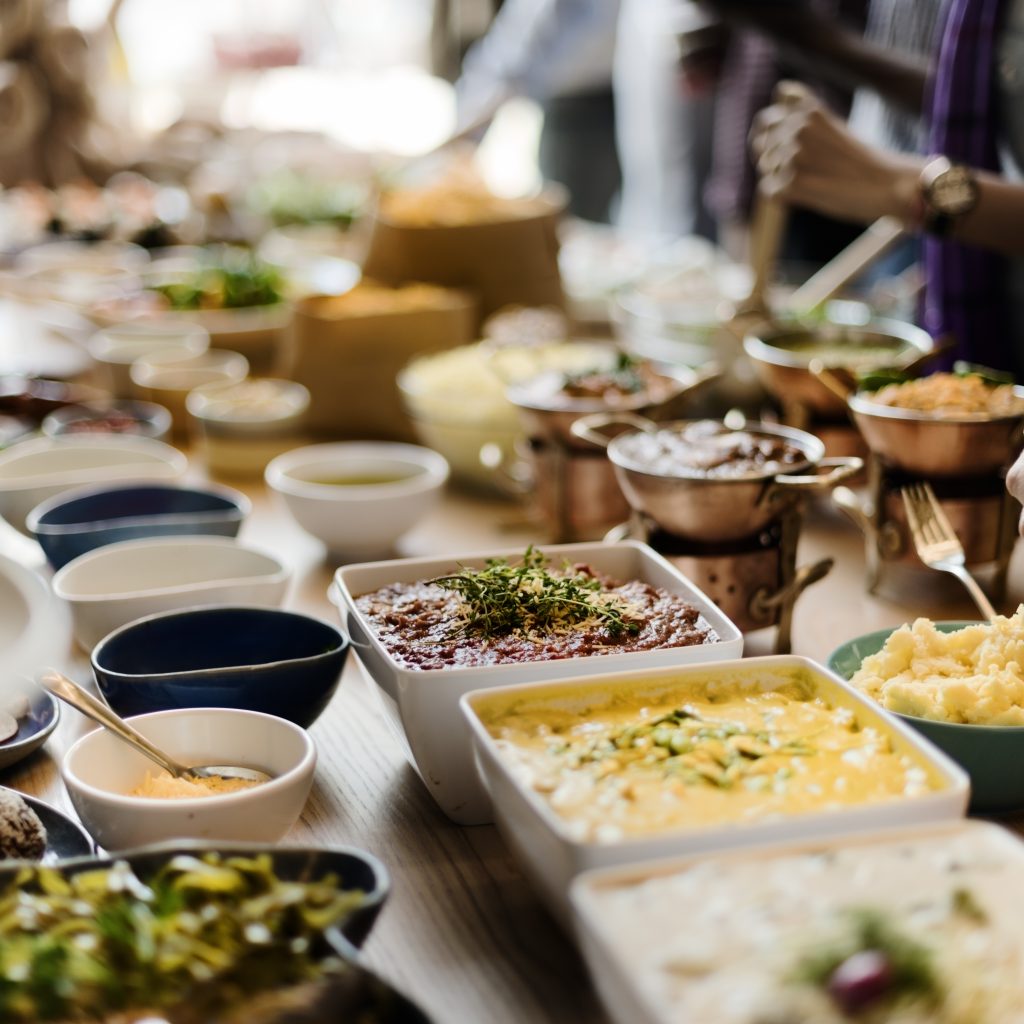
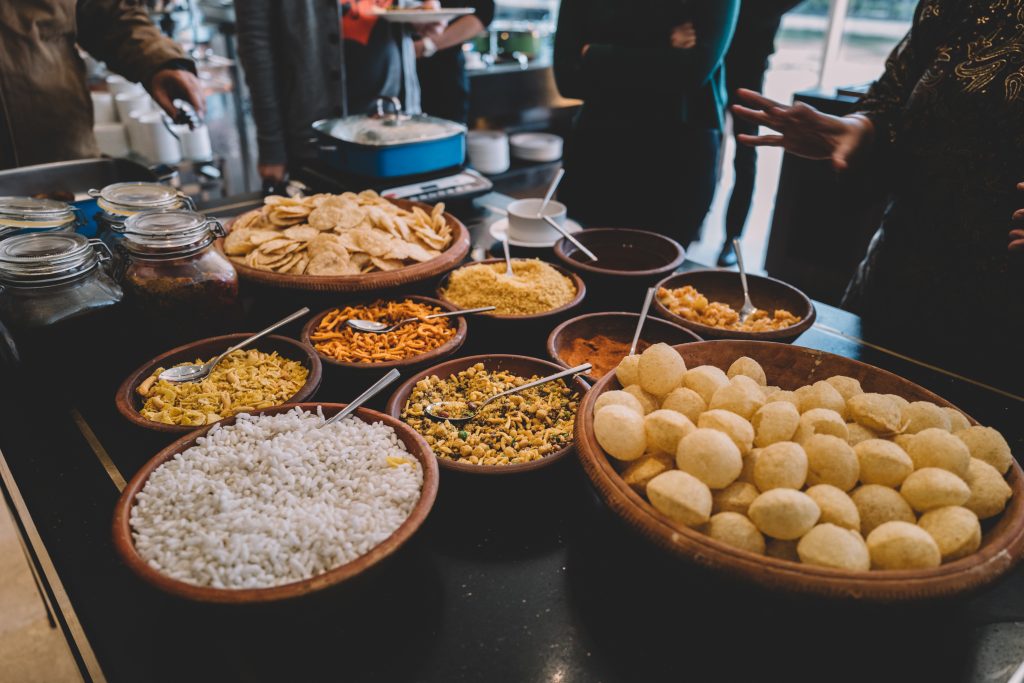
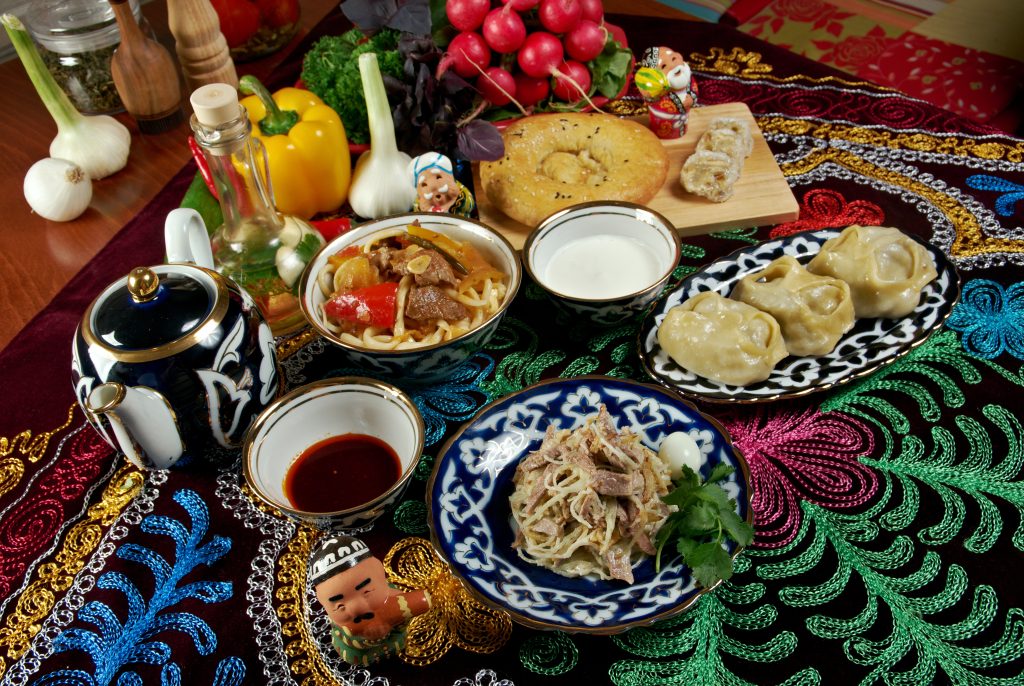
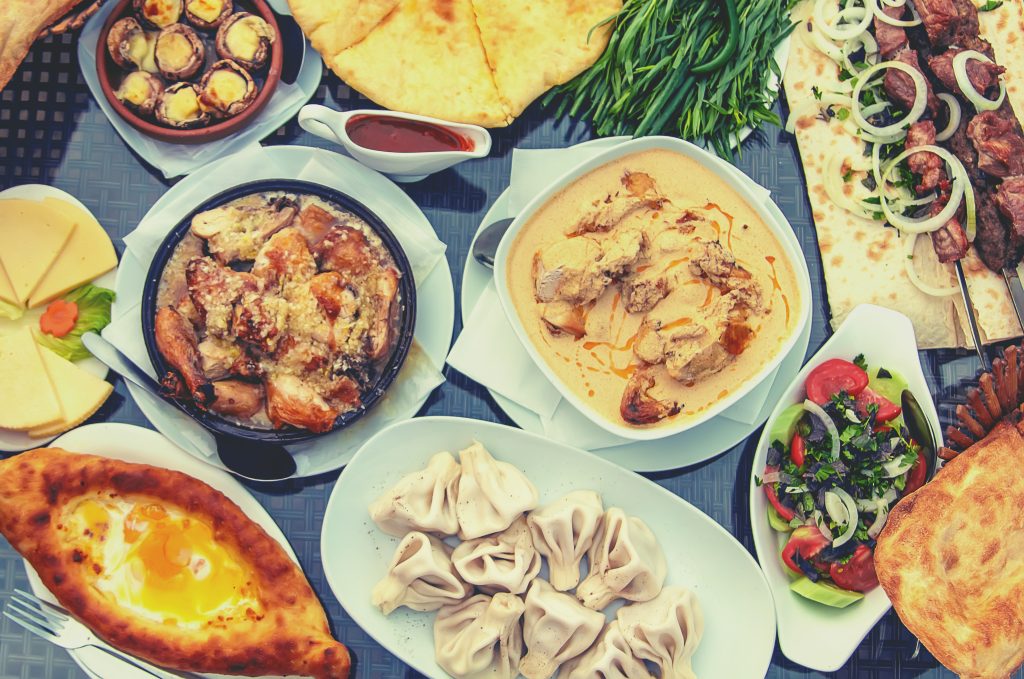
In today’s globalized culinary landscape, food is no longer confined by borders. One of the most exciting outcomes of this cultural exchange is fusion ethnic food—a trend that blends flavors, techniques, and ingredients from different culinary traditions into innovative and often surprising dishes. What once began as experimental cooking in high-end restaurants has now become a mainstream movement shaping menus at weddings, food trucks, fine-dining establishments, and even home kitchens.
What Is Fusion Ethnic Food?
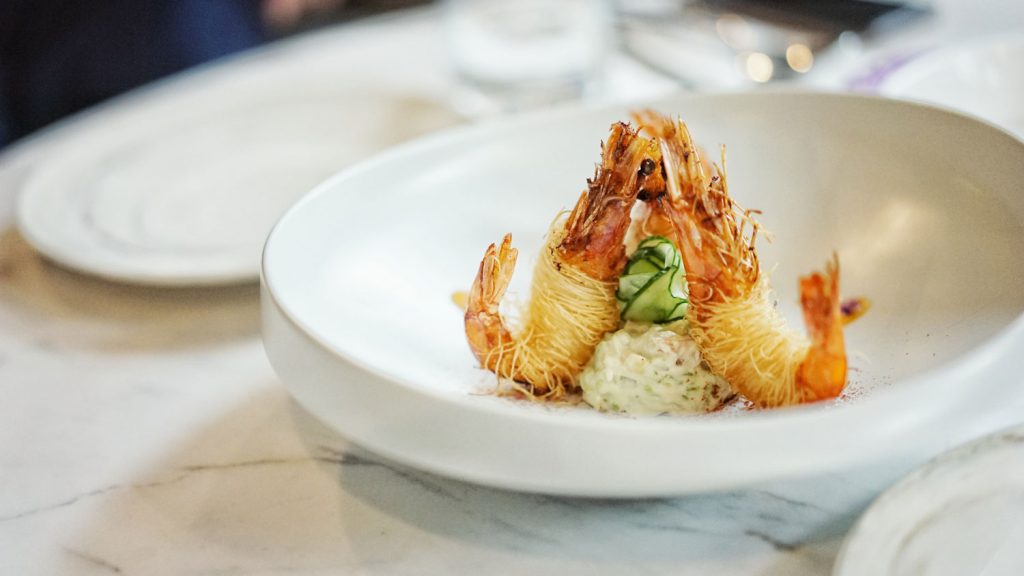
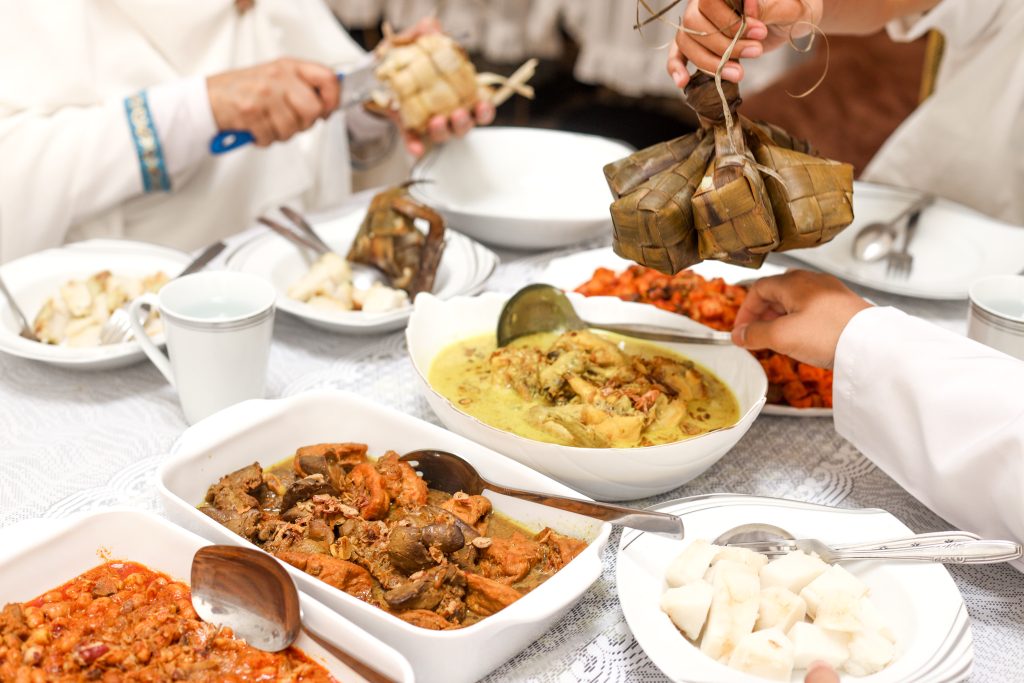
Fusion ethnic food combines elements from two or more traditional cuisines to create something entirely new while still respecting the roots of each culture. It is not simply mixing random ingredients; true fusion requires balance, understanding, and culinary intent. For example, a butter chicken pizza, sushi burrito, or shawarma taco are popular representations of this trend—each bringing together familiar flavors in a modern, approachable format.
Unlike traditional ethnic cuisine, which aims to preserve authenticity, fusion cuisine embraces creativity. Chefs use it as a canvas to experiment, reinterpret classics, and cater to evolving tastes without being bound by strict cultural rules.
Why Fusion Food Is Gaining Popularity
Several factors have contributed to the rise of fusion ethnic food as a major trend:
1. Global Exposure and Travel
With increased travel and digital exposure, people are more familiar with international cuisines than ever before. Social media, food blogs, and cooking shows have introduced global flavors to wider audiences, creating curiosity and openness toward culinary experimentation.
2. Diverse Palates
Modern diners, especially younger generations, seek variety and novelty. They enjoy bold flavors and unexpected combinations that tell a story. Fusion food satisfies this desire by offering something new yet comforting.
3. Cultural Diversity
Multicultural societies naturally give rise to hybrid cuisines. Chefs often draw inspiration from their own mixed cultural backgrounds, blending childhood flavors with professional culinary training.
4. Event and Catering Demand
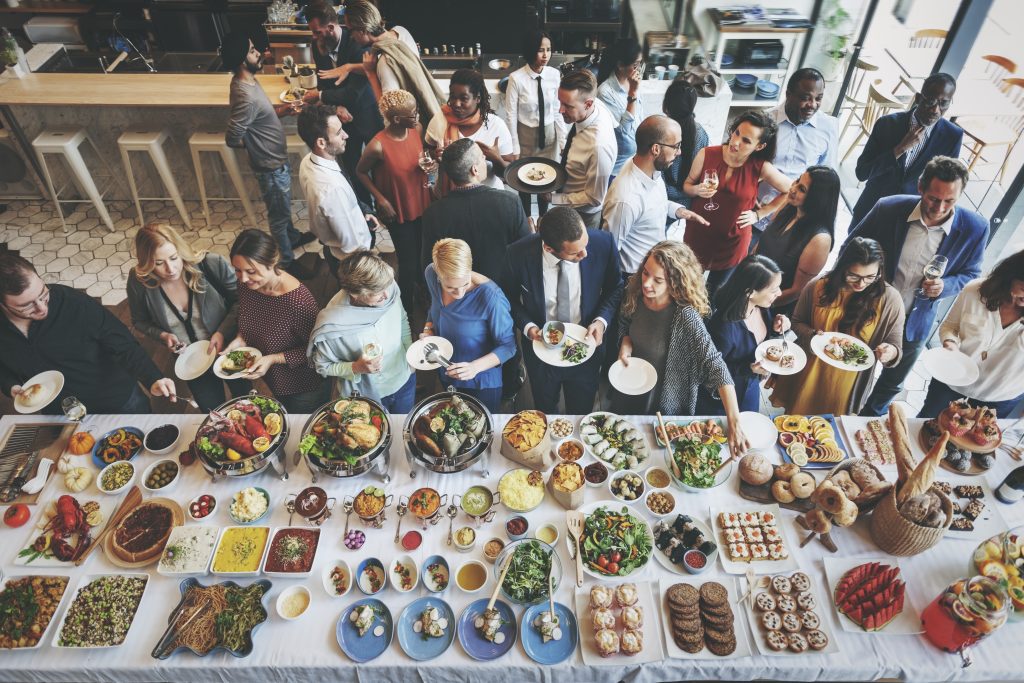
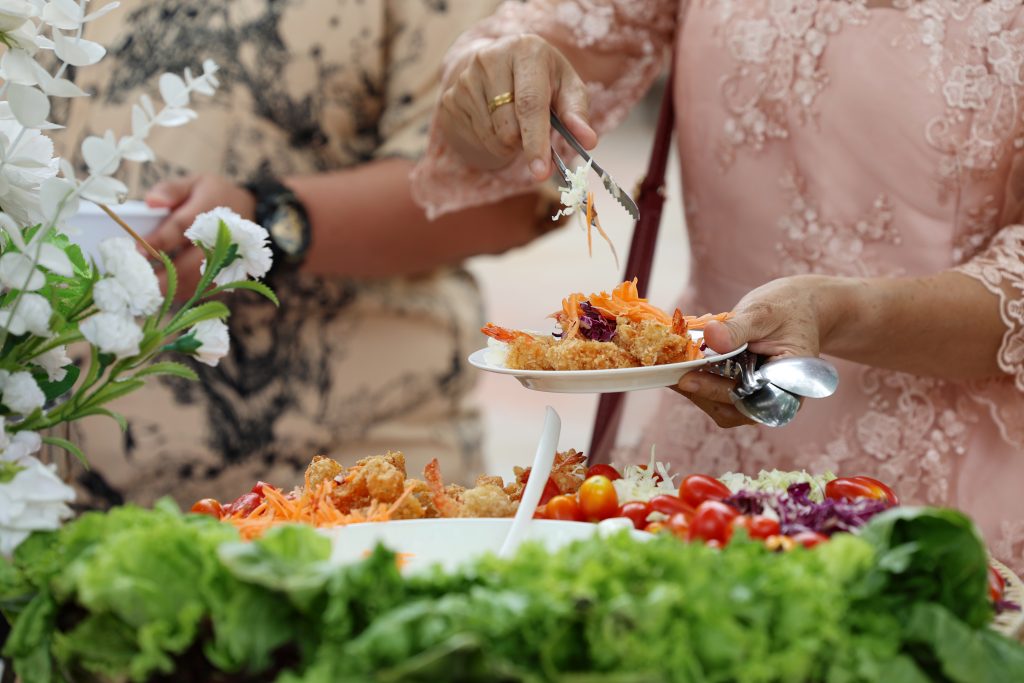
In events such as weddings, corporate gatherings, and festivals, fusion menus appeal to diverse guest lists. They provide inclusive options that resonate with multiple cultural preferences while maintaining a modern edge.
Popular Fusion Ethnic Food Trends
Fusion cuisine continues to evolve, but some combinations have become especially popular:
-
Asian–Mexican Fusion: Korean BBQ tacos, sushi rolls with spicy mayo and jalapeños, or tempura-fried tacos.
-
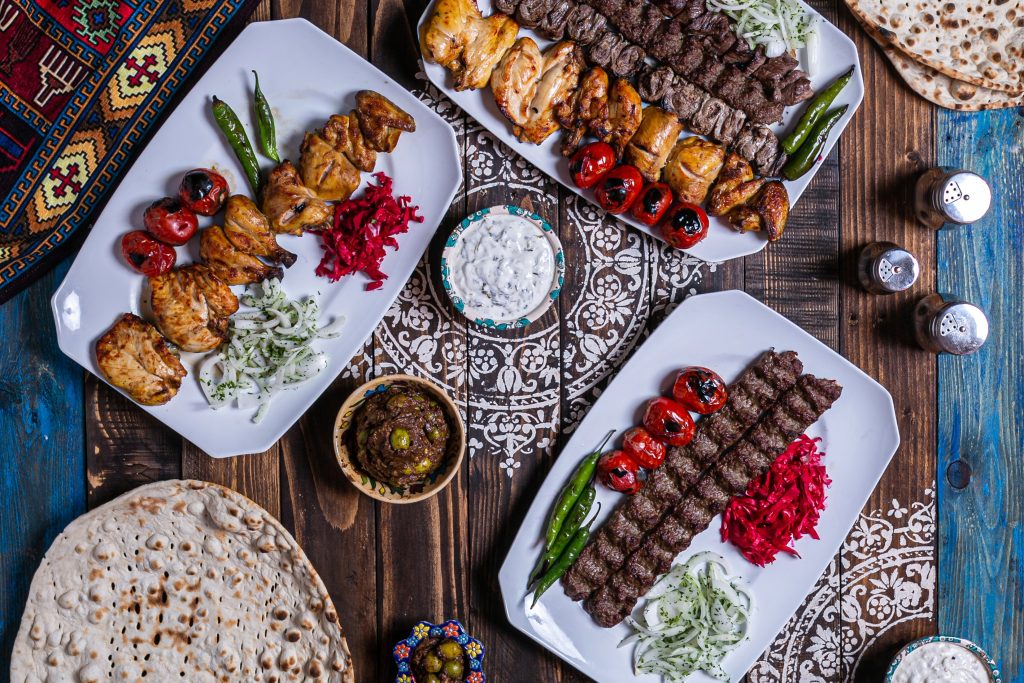
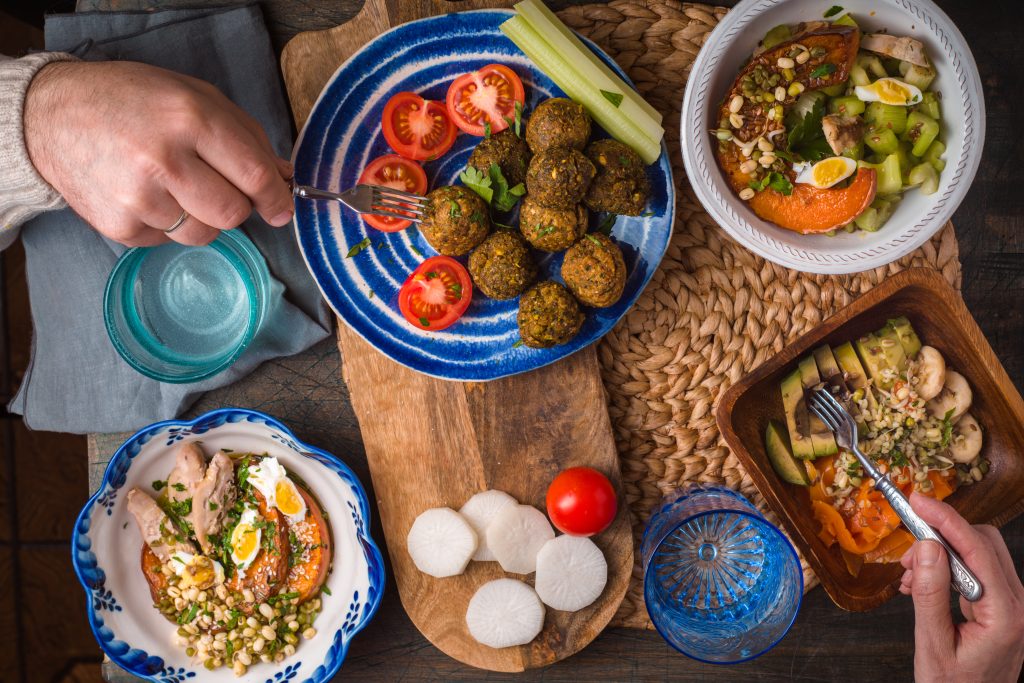
Middle Eastern–Western Fusion: Hummus burgers, falafel sliders, or za’atar-seasoned fries.
-
South Asian–Italian Fusion: Tandoori chicken pizza, masala pasta, or curry risotto.
-
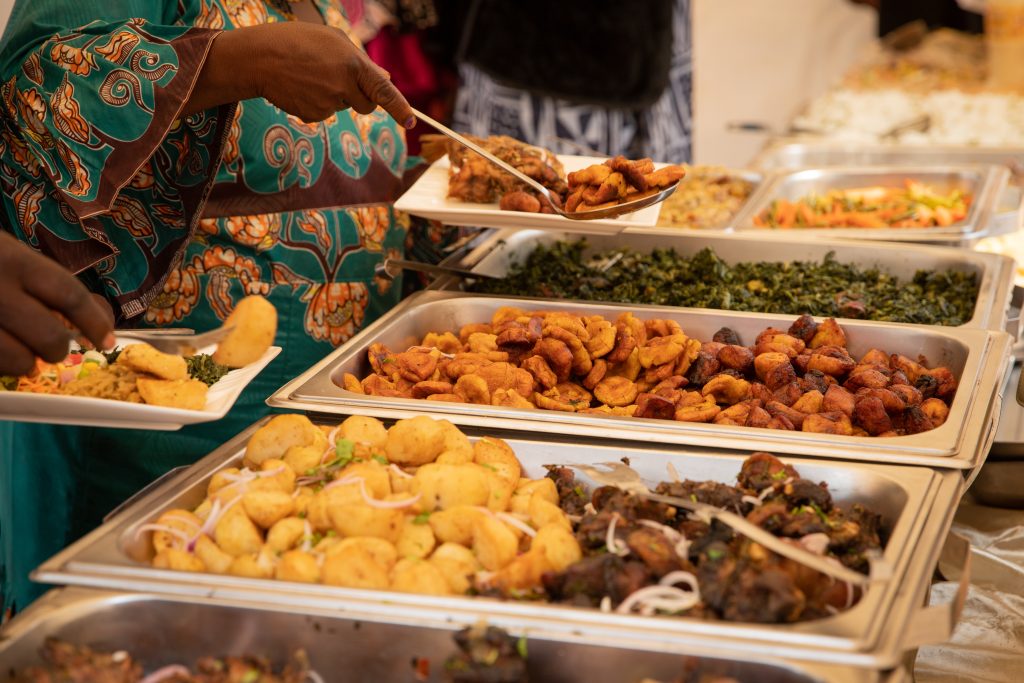
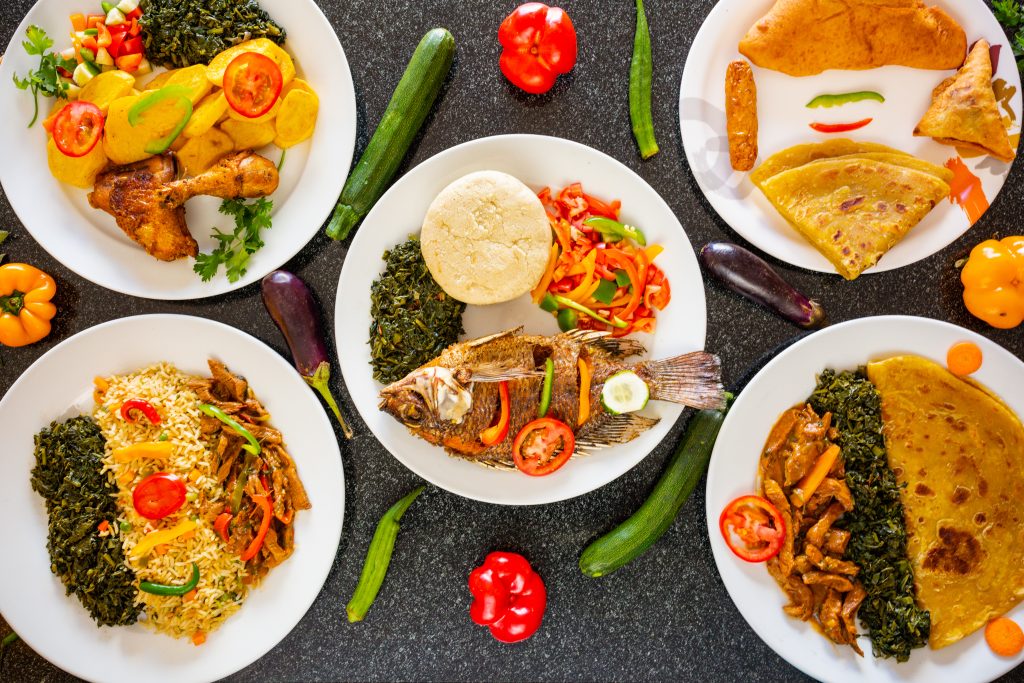
African–Caribbean Fusion: Jerk-spiced couscous, plantain nachos, or peri-peri seafood bowls.
These combinations highlight how spices, sauces, and cooking techniques can travel seamlessly across cuisines.
Fusion vs. Authentic Cuisine: Finding the Balance
One common debate surrounding fusion ethnic food is whether it dilutes authenticity. Critics argue that traditional dishes lose their cultural significance when altered. However, proponents see fusion as evolution rather than replacement. Authentic cuisine preserves heritage, while fusion cuisine reflects contemporary identity and creativity.
The key lies in respectful fusion—understanding the origins of ingredients and techniques before reimagining them. When done thoughtfully, fusion food celebrates cultures instead of overshadowing them.
The Role of Chefs and Creativity
Chefs play a central role in defining the success of fusion cuisine. It requires deep knowledge of flavor profiles, textures, and cooking methods. A skilled chef knows when to innovate and when to restrain. The goal is harmony, not confusion.
Many chefs now train across multiple cuisines, allowing them to confidently experiment. This cross-cultural expertise ensures fusion dishes feel intentional rather than gimmicky.
The Future of Fusion Ethnic Food
Fusion ethnic food is not a passing fad—it reflects how people live, travel, and interact today. As sustainability, plant-based eating, and health-conscious dining continue to influence food trends, fusion cuisine will adapt accordingly. Expect to see more vegan fusion dishes, locally sourced global flavors, and culturally inspired comfort food with a modern twist.
In essence, fusion ethnic food represents more than just taste—it symbolizes connection. It brings cultures together on a single plate, inviting people to explore, share, and appreciate diversity through food. As diners continue to seek meaningful and memorable culinary experiences, fusion ethnic food will remain at the forefront of modern gastronomy.