

 English























































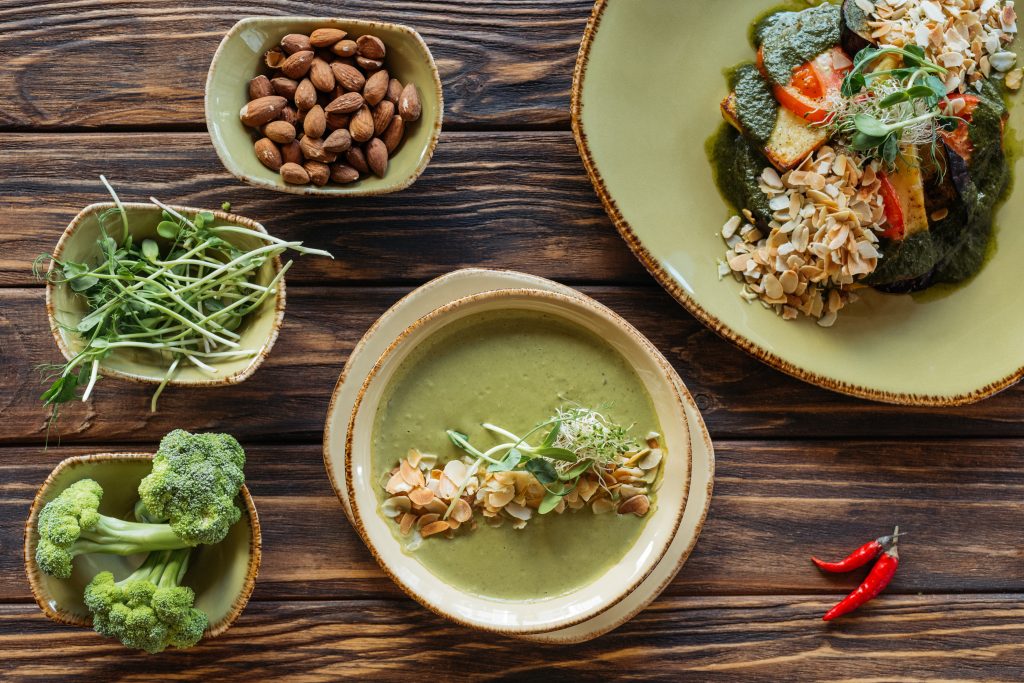





Organic Ingredients for Better Taste and Health


As people become more mindful of what they eat, organic ingredients are gaining strong popularity across home kitchens, restaurants, and catering services. Beyond being a food trend, organic eating represents a shift toward cleaner, more natural choices that prioritize both flavor and well-being. Using organic ingredients is not just about avoiding chemicals—it’s about enhancing taste, supporting health, and embracing sustainability.
What Makes Ingredients Organic?
Organic ingredients are grown and produced without the use of synthetic pesticides, chemical fertilizers, genetically modified organisms (GMOs), artificial preservatives, or growth hormones. Instead, organic farming relies on natural processes such as crop rotation, composting, and biological pest control to maintain soil health and crop quality.
This approach allows ingredients to grow at a natural pace, often resulting in richer flavor, higher nutritional value, and improved freshness.
Better Taste Through Natural Growth
One of the most noticeable benefits of organic ingredients is taste. Because organic fruits, vegetables, herbs, and grains are cultivated in healthier soil and without forced growth chemicals, they often develop deeper, more authentic flavors.
-
Organic vegetables tend to be more aromatic and vibrant
-
Organic herbs and spices have stronger natural oils and aromas
-
Organic meats and poultry are often more tender and flavorful due to natural feeding and humane rearing
When ingredients are allowed to grow naturally, their true taste comes through—making dishes more satisfying without the need for excessive seasoning.
Health Benefits of Organic Ingredients
Organic food supports health in multiple ways:
1. Reduced Chemical Exposure
Organic farming avoids synthetic pesticides and fertilizers, reducing the amount of chemical residue in food. This is especially beneficial for children, pregnant women, and individuals with sensitivities.
2. Higher Nutritional Value
Studies suggest that organic produce can contain higher levels of antioxidants, vitamins, and minerals. Healthier soil leads to more nutrient-dense crops.
3. Better Digestibility
Organic foods often feel lighter and easier to digest, particularly when it comes to grains, dairy, and fresh produce. The absence of artificial additives supports better gut health.
4. Cleaner Protein Sources
Organic meat, eggs, and dairy are free from growth hormones and unnecessary antibiotics, supporting long-term wellness and responsible consumption.
Organic Ingredients in Ethnic and Traditional Cooking
Traditional and ethnic cuisines naturally align with organic cooking principles. Historically, food was grown locally and prepared fresh—without chemicals or preservatives. Using organic ingredients allows chefs to return to these roots while elevating quality.
Spices, lentils, grains, and vegetables form the backbone of many global cuisines. When these are organic, flavors become more pronounced, and dishes feel more wholesome and authentic.
Organic Catering and Modern Dining
In catering and event dining, organic ingredients have become a mark of quality and care. Guests increasingly appreciate menus that highlight clean, responsibly sourced food. Organic catering not only supports health-conscious guests but also enhances the overall dining experience.
From weddings to corporate events, organic ingredients communicate thoughtfulness, sustainability, and attention to detail—qualities that elevate any occasion.
Environmental and Ethical Benefits
Choosing organic ingredients also supports the environment and farming communities:
-
Protects soil health and biodiversity
-
Reduces water pollution from chemical runoff
-
Supports sustainable farming practices
-
Encourages humane animal treatment
These benefits extend beyond the plate, contributing to a healthier planet.
The Future of Organic Eating
Organic ingredients are no longer a niche choice—they are becoming a standard for quality food. As awareness grows, more people are choosing organic not just for health reasons, but for superior taste and ethical responsibility.
By embracing organic ingredients, cooks and caterers create food that is cleaner, richer, and more meaningful. It’s a simple choice with powerful impact—nourishing the body, pleasing the palate, and supporting a healthier world.