
 English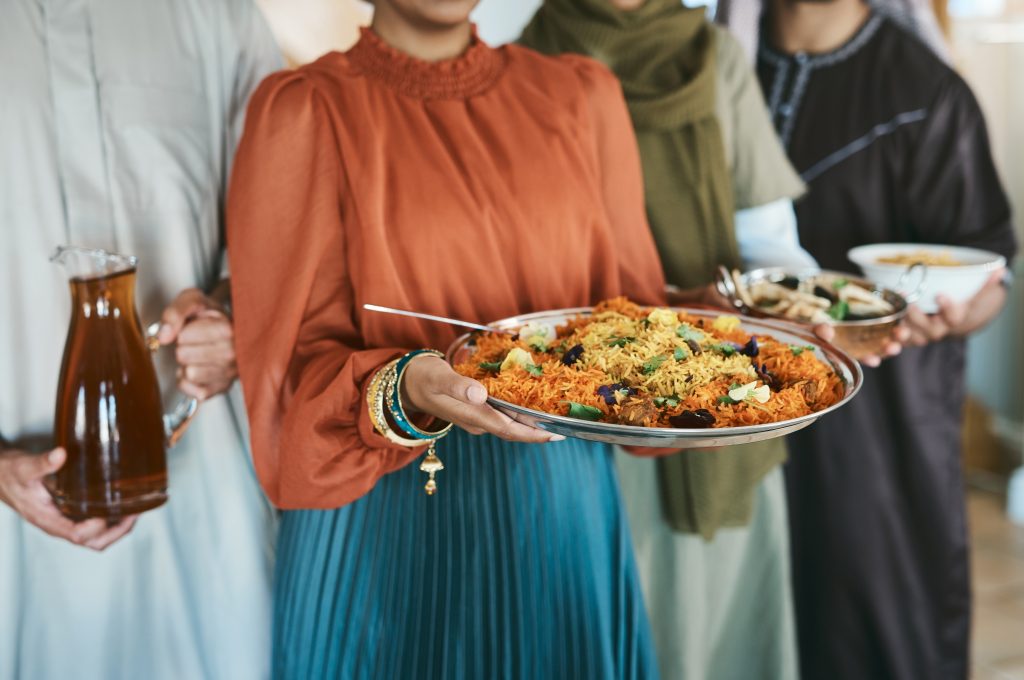
















Growing Trends in Healthy Ethnic Catering

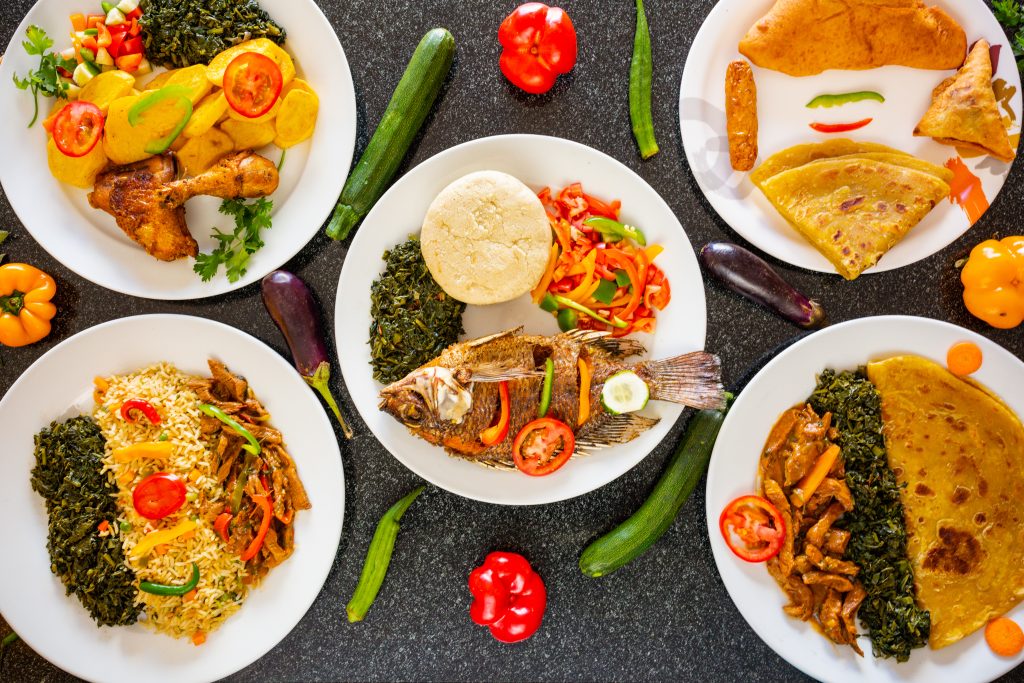
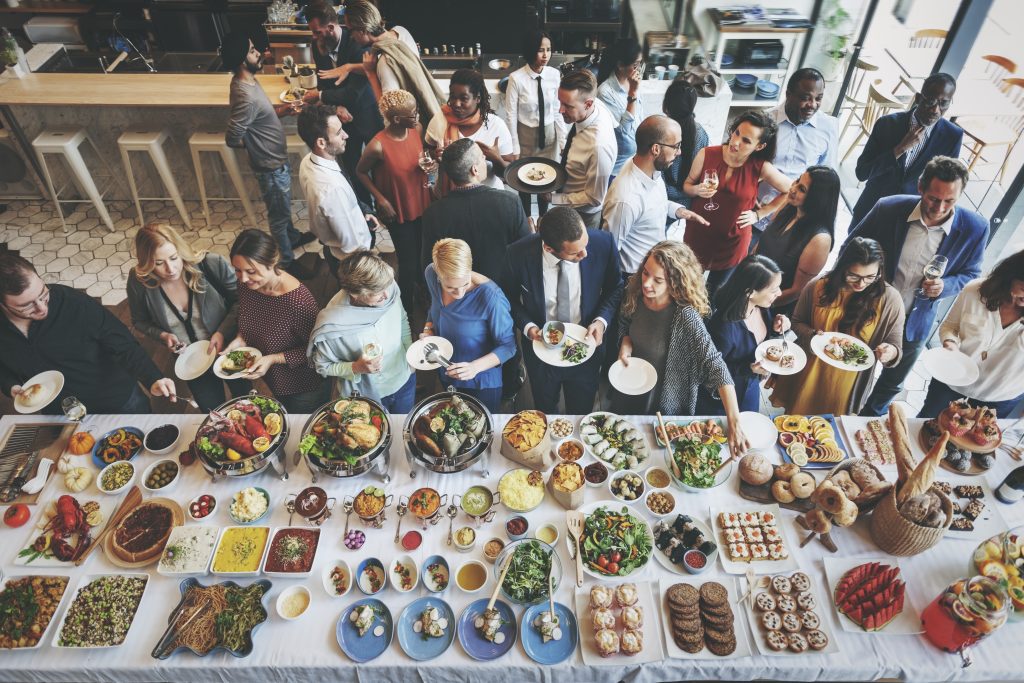
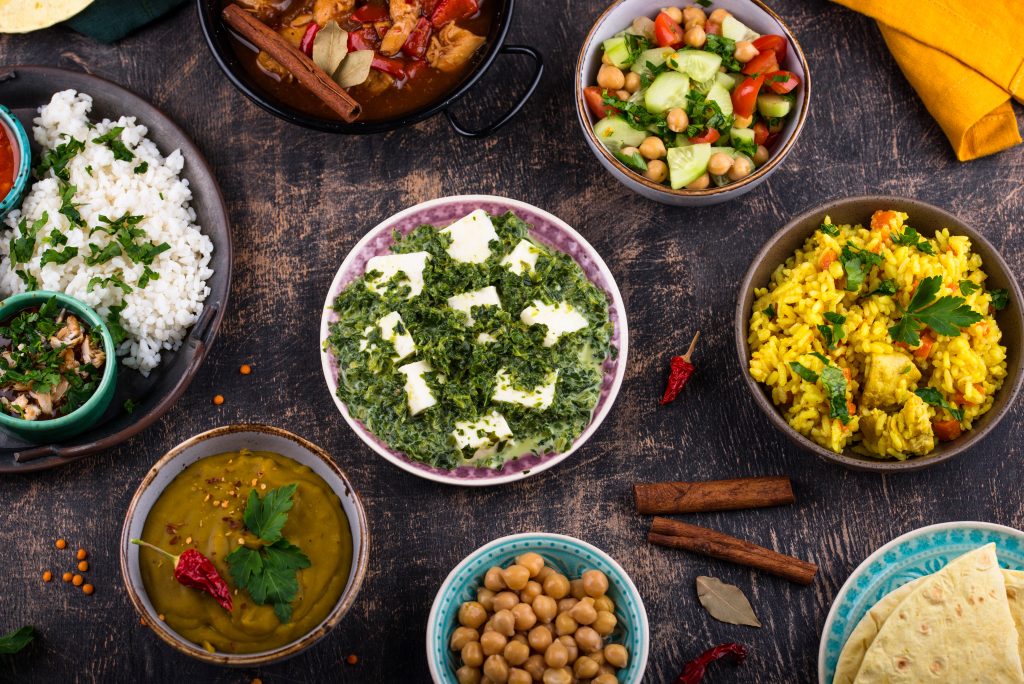
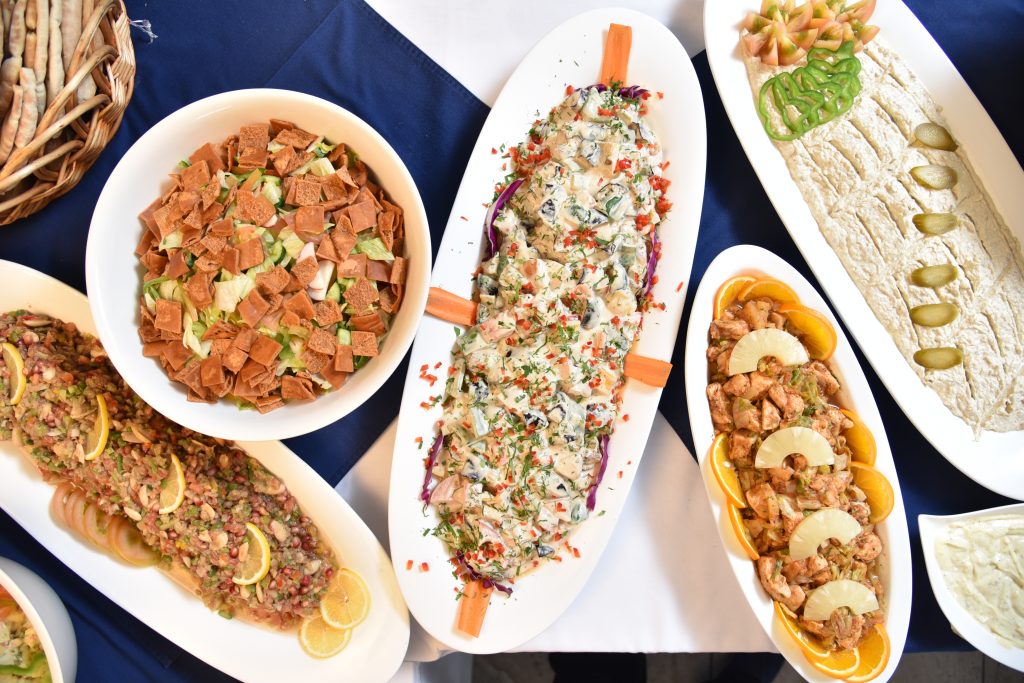
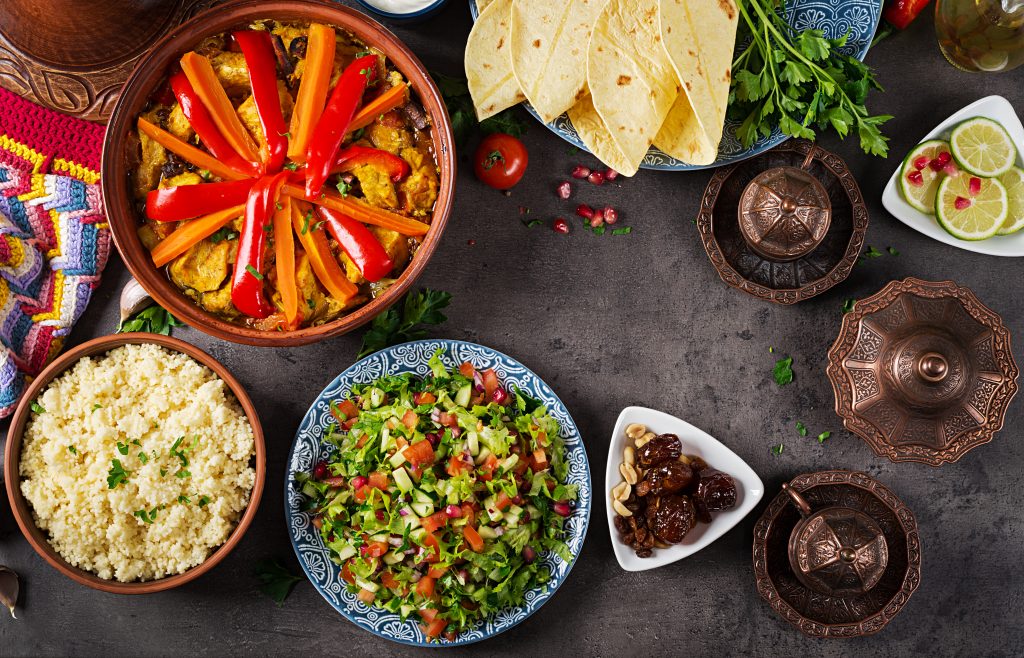
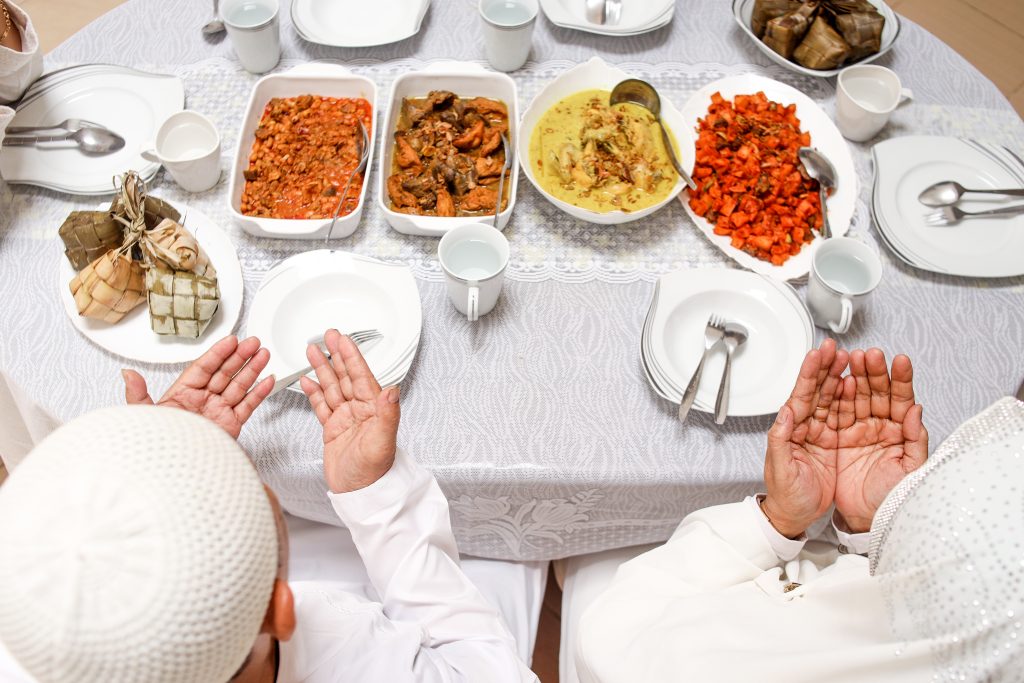
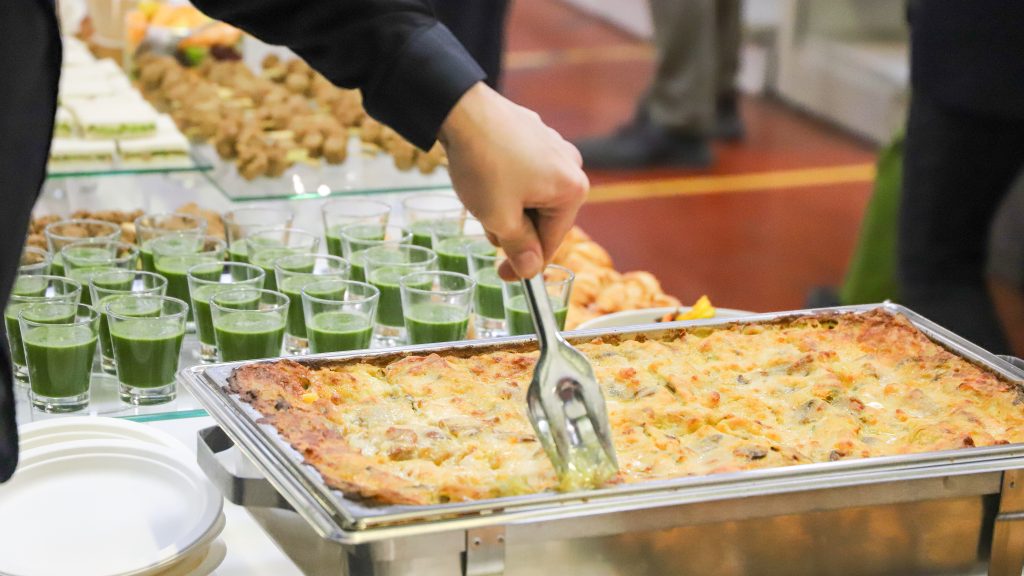
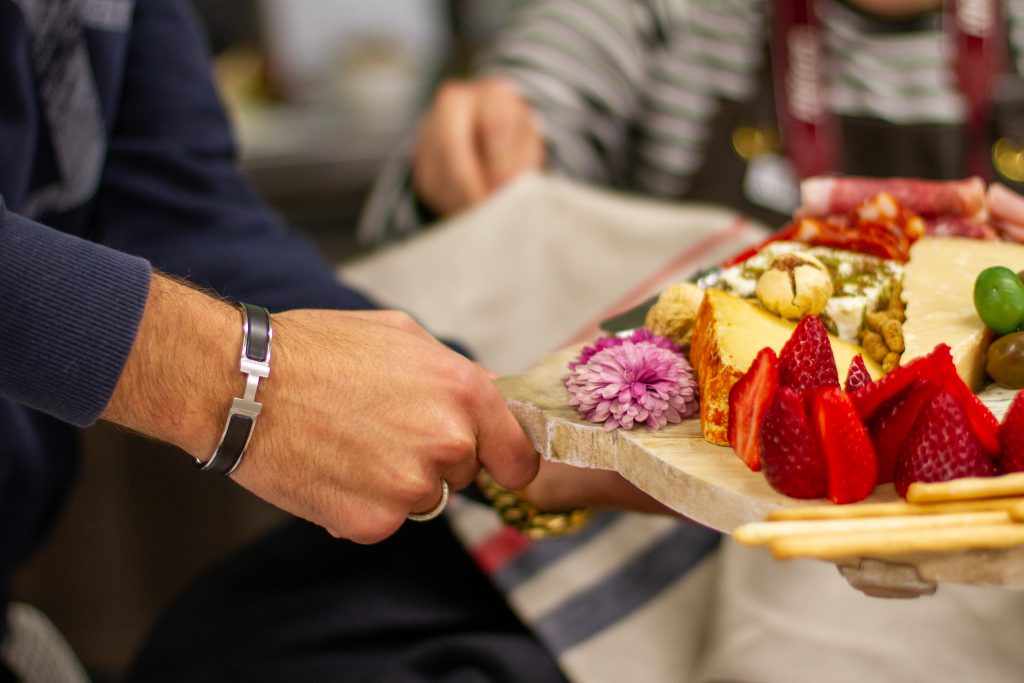
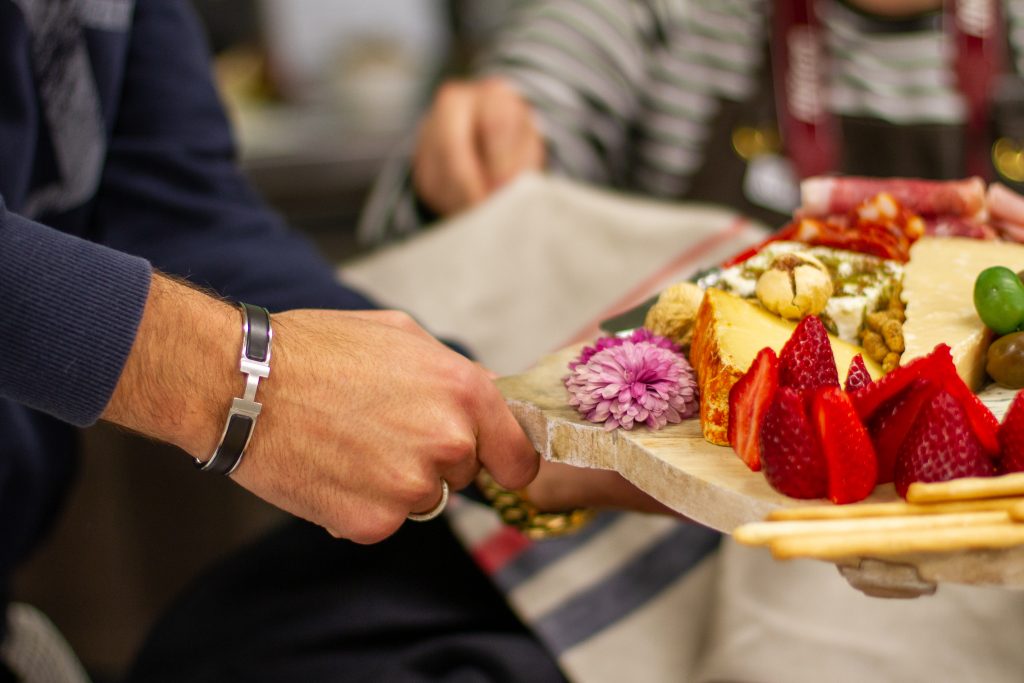
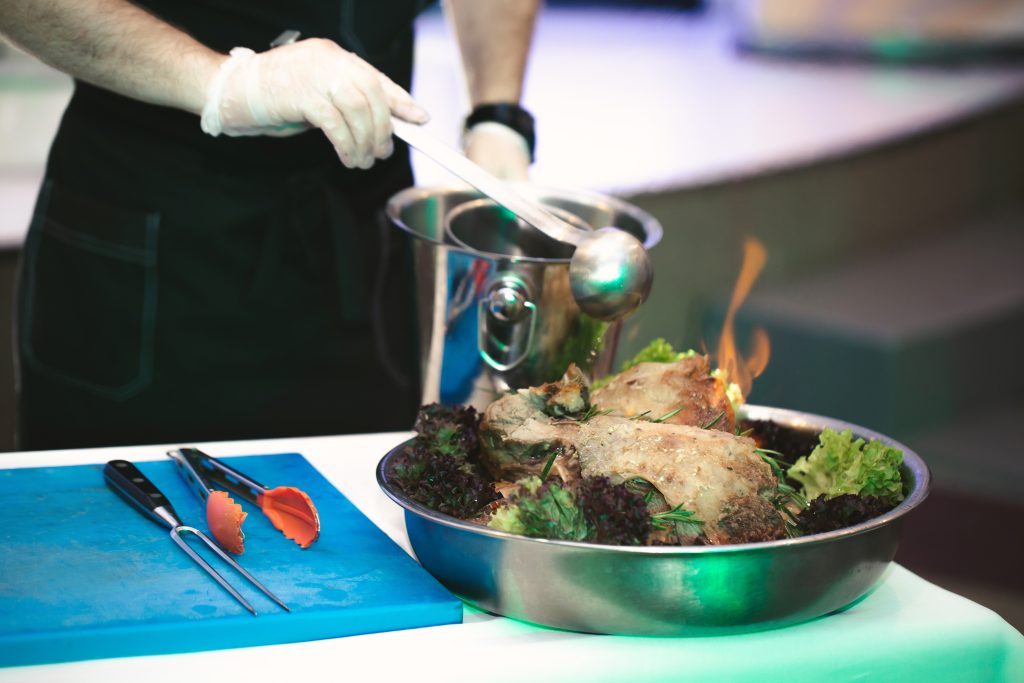
As palates become more adventurous and health awareness rises, the catering industry is evolving to meet new expectations. One of the most exciting developments is the rise of healthy ethnic catering—a movement that blends global flavors with nutritious, mindful food options. Whether for weddings, corporate events, or casual gatherings, this trend reflects a shift toward vibrant, wholesome eating without sacrificing cultural richness or taste.
Why Healthy Ethnic Catering Is Taking Off
Several forces are driving the popularity of healthy ethnic catering:
1. Health-Conscious Consumers
People are more aware of how food impacts well-being than ever before. From managing weight to boosting immunity, guests today want meals that contribute to their health goals. Traditional ethnic foods can be rich and indulgent—but healthy catering reinvents these classics in lighter, nutrient-rich ways.
2. Cultural Curiosity Meets Nutrition
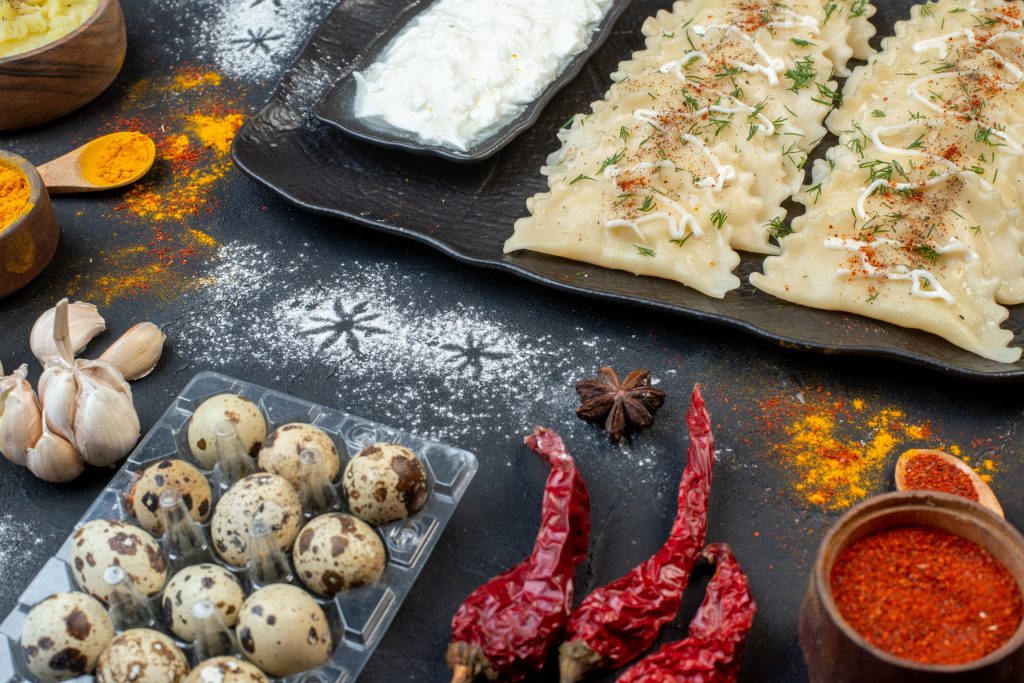
Global cuisines offer a treasure trove of flavors and ingredients that naturally align with healthy eating: fresh herbs, legumes, whole grains, bold spices, and vibrant vegetables. Healthy ethnic catering taps into these strengths, offering menus that are both flavorful and balanced.
3. Dietary Diversity and Inclusivity
Events often include guests with specific dietary needs—vegetarian, vegan, gluten-free, dairy-free, low-carb, and more. Healthy ethnic catering is inherently adaptable, making it easier to offer inclusive menus that honor diverse preferences without compromising taste.
4. Social Media and Food Trends
Platforms like Instagram and TikTok have helped spotlight nutritious global dishes—think Mediterranean mezze, Japanese donburi bowls, or Ethiopian lentil stews. As people become familiar with these foods online, they’re more open to trying them in real life, especially at catered events.
Key Trends in Healthy Ethnic Catering
Healthy ethnic catering isn’t a one-size-fits-all category—it embraces creativity and innovation. Here are some of the most popular trends shaping the field:
1. Plant-Powered Global Menus
Plant-based eating continues to rise, and many ethnic cuisines are a natural fit. Middle Eastern, Indian, African, and Southeast Asian culinary traditions include a wealth of vegetarian and vegan dishes, often built around legumes, grains, and vegetables.
Examples:
-
Chana masala with brown basmati rice
-
Grilled vegetable and quinoa tabbouleh
-
Thai green curry with tofu and coconut milk
These dishes are hearty, flavorful, and inherently nutritious.
2. Lightened-Up Classics
Healthy ethnic catering often reimagines traditional favorites with lighter techniques and ingredients. Swap deep-frying for grilling or steaming, use yogurt-based sauces instead of heavy creams, and incorporate whole grains in place of refined ones.
Examples:
-
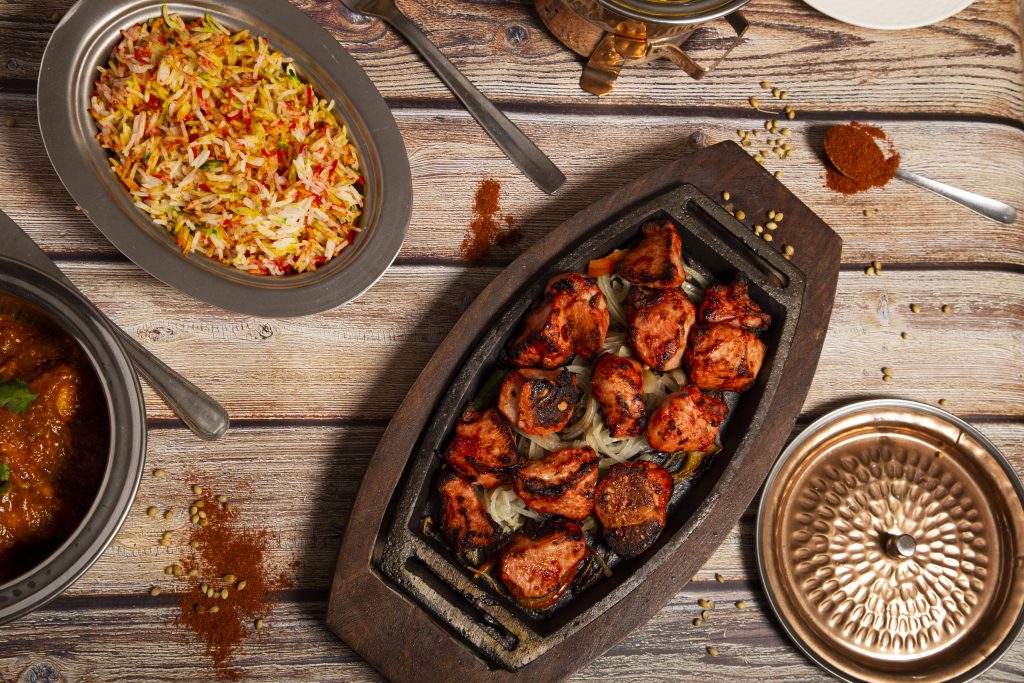
Tandoori-spiced grilled chicken instead of creamy butter chicken
-
Air-fried samosas with whole-wheat pastry
-
Cauliflower rice pilaf in place of white rice
These choices maintain cultural authenticity while reducing excess calories and fats.
3. Functional Ingredients and Superfoods
Caterers are incorporating ingredients known for their health benefits, such as turmeric, ginger, quinoa, chia seeds, and leafy greens. These not only elevate flavor but also add nutritional value that resonates with health-focused guests.
Examples:
-
Turmeric-spiced lentils with sautéed kale
-
Quinoa biryani with roasted veggies and herbs
-
Black rice sushi with avocado and cucumber
4. Interactive and Customizable Stations
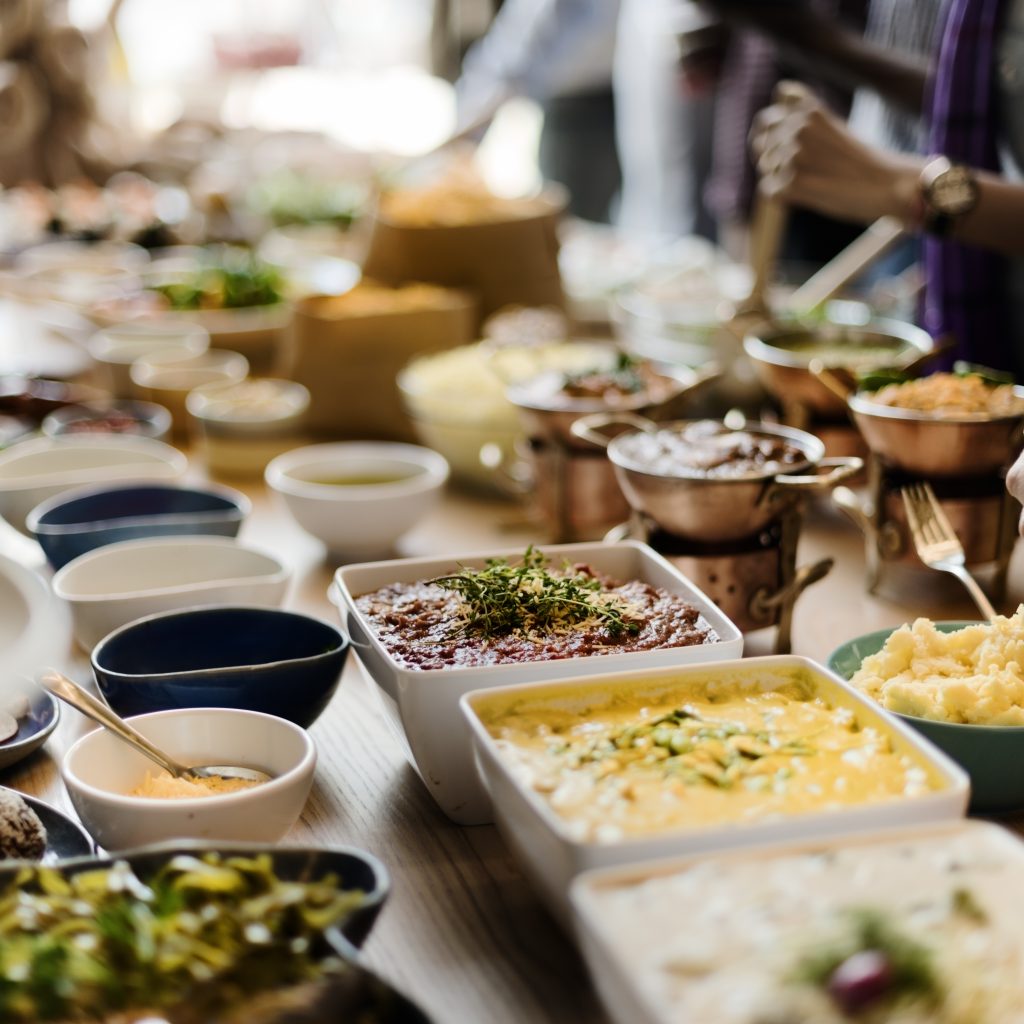
Healthy ethnic catering often features live stations where guests can build their own bowls or wraps. This trend emphasizes choice and freshness while keeping guests engaged.
Popular stations:
-
Mediterranean mezze bar with hummus, tabbouleh, grilled veggies, and za’atar pita
-
Build-your-own taco or dosa station with healthy proteins and toppings
-
Bibimbap bowl bar with brown rice, veggies, marinated proteins, and gochujang
These stations offer variety and personalization while supporting balanced eating.
5. Global Fusion with a Healthy Edge
Fusion catering continues to be popular—now with a health-conscious twist. Chefs combine nutritious elements from different cultures to create exciting, guilt-free dishes.
Examples:
-
Kale and quinoa biryani with grilled halloumi
-
Zucchini noodle pad Thai with tempeh
-
Mexican-inspired roasted cauliflower tacos with avocado-lime sauce
These dishes showcase how global inspiration can meet modern nutrition goals.
Benefits Beyond Nutrition
Healthy ethnic catering offers more than just nutritious food—it enhances the overall guest experience:
-
Memorable flavors: Bold spices and fresh ingredients make dishes stand out.
-
Inclusivity: Menus that cater to various diets make all guests feel welcome.
-
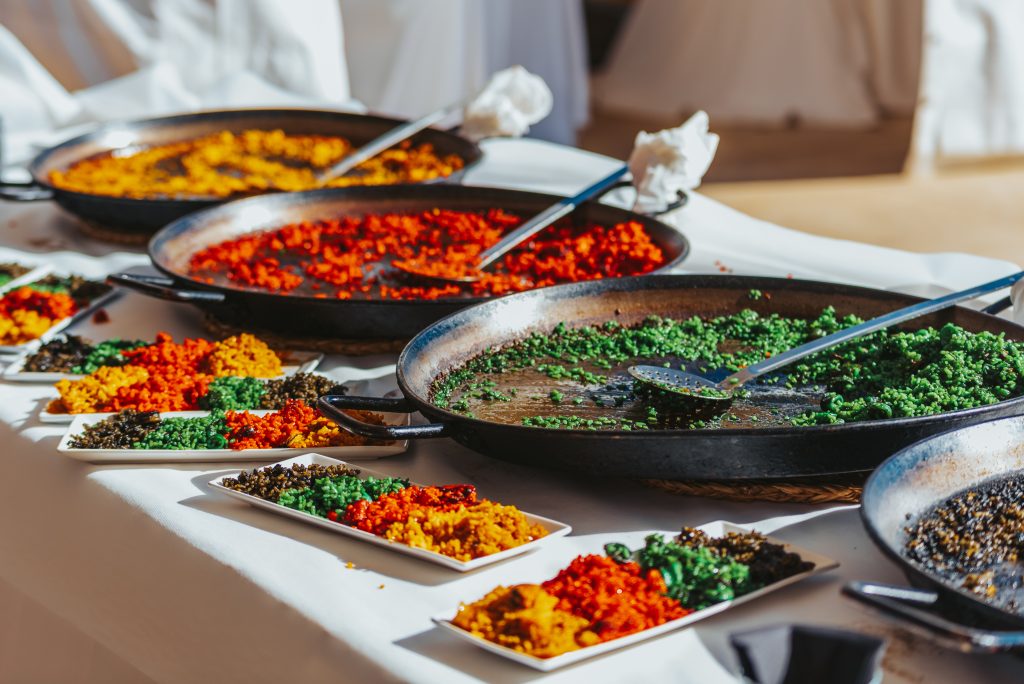
Visual appeal: Colorful, fresh foods photograph beautifully and elevate event aesthetics.
-
Cultural appreciation: Guests connect with global traditions in a contemporary way.
The Future of Healthy Ethnic Catering
As tastes continue to evolve and health remains a priority, healthy ethnic catering is poised for long-term growth. Expect to see more plant-based innovations, sustainability-focused ingredients, and menus that celebrate global diversity with a nutritious twist.
In a world where food reflects identity, values, and connection, healthy ethnic catering offers the perfect balance—bringing guests together over dishes that taste great and nourish the body.